 Скачать презентацию Carbohydrates SIMPLE VS COMPLEX CARBOHYDRATES FIBER
Carbohydrates-Lecture Three.pptx
- Количество слайдов: 23



Carbohydrates SIMPLE VS. COMPLEX CARBOHYDRATES & FIBER
Class Objectives Understand the different types of carbohydrates. Simple vs. Complex carbohydrates. The role and function of carbohydrates. The role of fiber in carbohydrate regulation. Glycemic Index and how to use it. What happens to body when fasting or feasting. What are some early signs of diabetes, effects of untreated diabetes. Lifestyle plans for managing Type 2 diabetes.
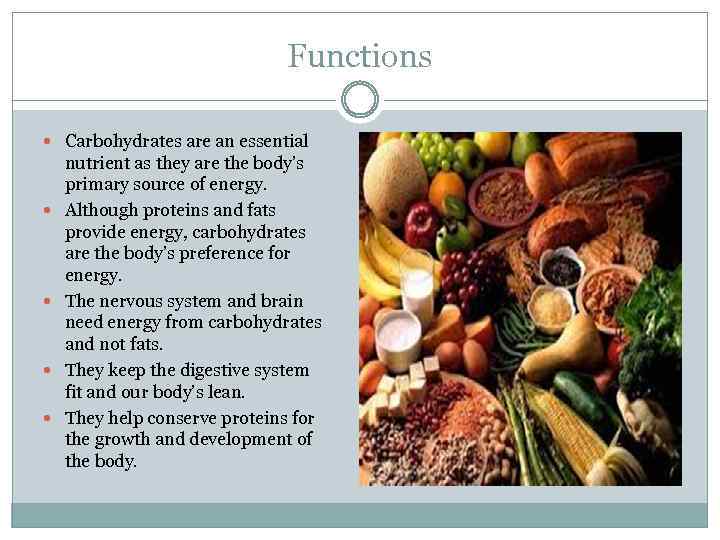
Functions Carbohydrates are an essential nutrient as they are the body’s primary source of energy. Although proteins and fats provide energy, carbohydrates are the body’s preference for energy. The nervous system and brain need energy from carbohydrates and not fats. They keep the digestive system fit and our body’s lean. They help conserve proteins for the growth and development of the body.
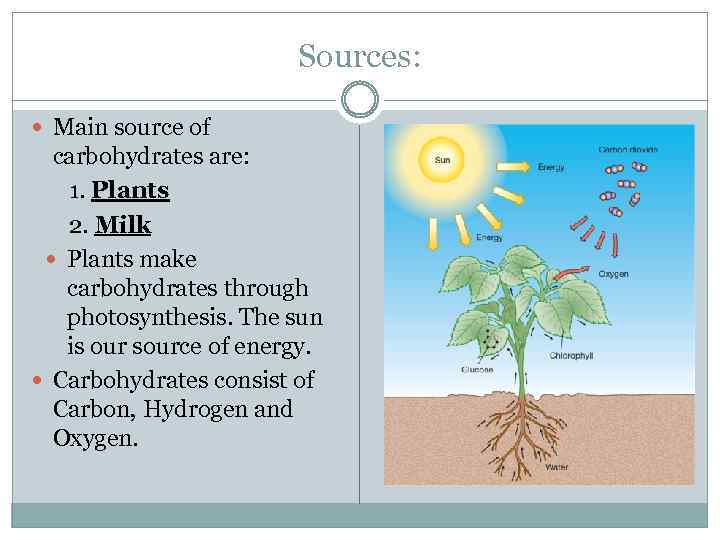
Sources: Main source of carbohydrates are: 1. Plants 2. Milk Plants make carbohydrates through photosynthesis. The sun is our source of energy. Carbohydrates consist of Carbon, Hydrogen and Oxygen.

Simple Carbohydrates: Monosaccharides A single molecule of carbohydrates is monosaccharide. There are three simple carbohydrates. 1. Glucose: Plant Sugar 2. Fructose: Fruit sugar 3. Galactose: Milk Sugar • Glucose and fructose are the most common Monosaccharides in nature. • When you eat a food containing single sugars, you can absorb them directly into your blood. As they require no digestion.
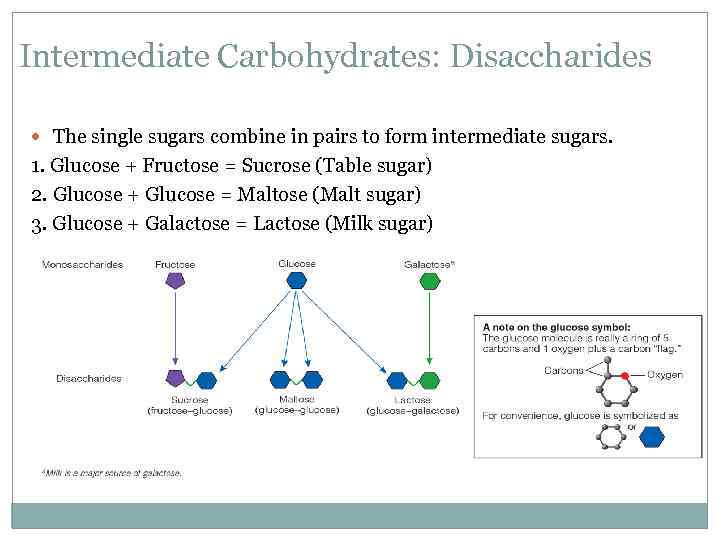
Intermediate Carbohydrates: Disaccharides The single sugars combine in pairs to form intermediate sugars. 1. Glucose + Fructose = Sucrose (Table sugar) 2. Glucose + Glucose = Maltose (Malt sugar) 3. Glucose + Galactose = Lactose (Milk sugar)
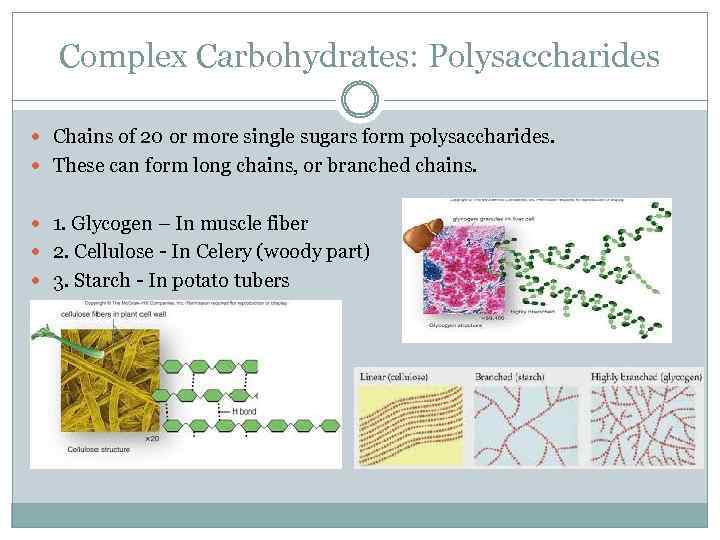
Complex Carbohydrates: Polysaccharides Chains of 20 or more single sugars form polysaccharides. These can form long chains, or branched chains. 1. Glycogen – In muscle fiber 2. Cellulose - In Celery (woody part) 3. Starch - In potato tubers
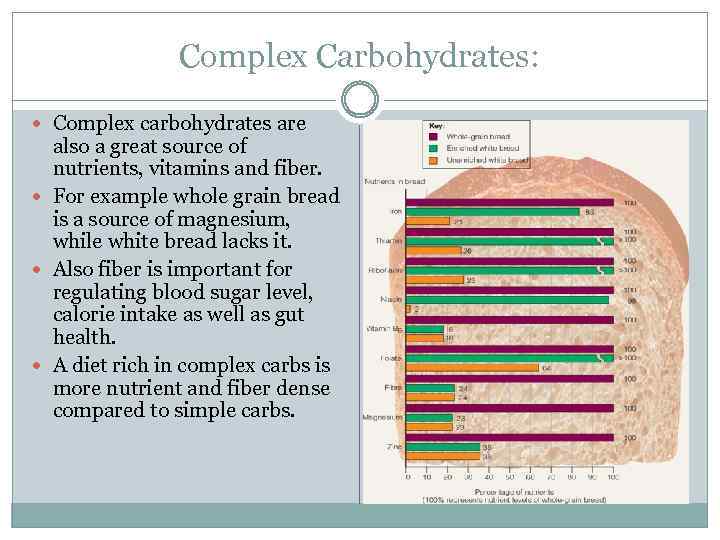
Complex Carbohydrates: Complex carbohydrates are also a great source of nutrients, vitamins and fiber. For example whole grain bread is a source of magnesium, while white bread lacks it. Also fiber is important for regulating blood sugar level, calorie intake as well as gut health. A diet rich in complex carbs is more nutrient and fiber dense compared to simple carbs.
Benefits of Fiber 1. 2. 3. 4. 5. Promotion of normal blood cholesterol concentrations - reduces risk of heart disease. Moderation of blood glucose concentrationsreduces risk of diabetes. Maintenance of healthy bowel function – reduces risk of GI tract cancers. Promotion of healthy body weight. Supports the diversity and functioning of gut bacteria - reduces risk of damage to gut lining.

Fiber & Gut Health There are two types of fiber: 1. Soluble: Soluble fiber attracts water and turns to gel during digestion. This slows digestion. Soluble fiber is found in oat bran, barley, nuts, seeds, beans, lentils, peas, and some fruits and vegetables. It is also found in psyllium, a common fiber supplement. 2. Insoluble: It doesn’t dissolve in water. It is found in foods such as wheat bran, vegetables, and whole grains. It adds bulk to the stool and appears to help food pass more quickly through the stomach and intestines.
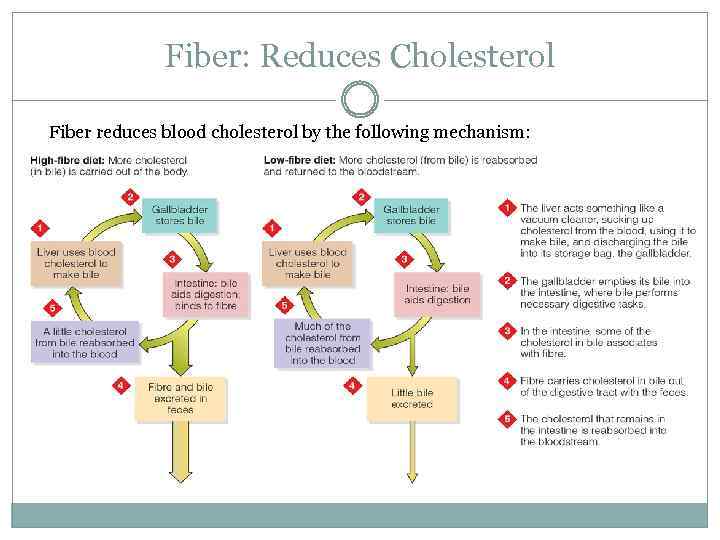
Fiber: Reduces Cholesterol Fiber reduces blood cholesterol by the following mechanism:
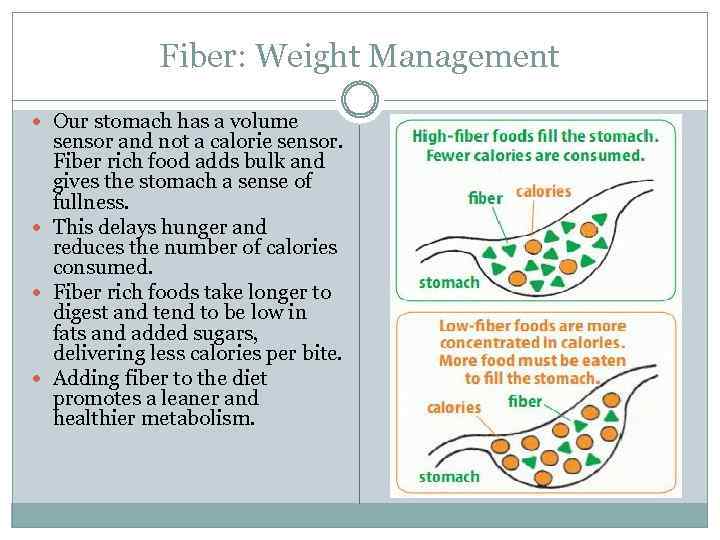
Fiber: Weight Management Our stomach has a volume sensor and not a calorie sensor. Fiber rich food adds bulk and gives the stomach a sense of fullness. This delays hunger and reduces the number of calories consumed. Fiber rich foods take longer to digest and tend to be low in fats and added sugars, delivering less calories per bite. Adding fiber to the diet promotes a leaner and healthier metabolism.
Fiber: Blood Sugar Control Soluble fibers trap nutrients and delays its digestion and movement through the digestive tract. This slows glucose absorption and helps prevent the roller coaster effect of high blood sugar associated with the insulin/glucagon hormonal response. Key in preventing as well as dealing with type 2 diabetes.
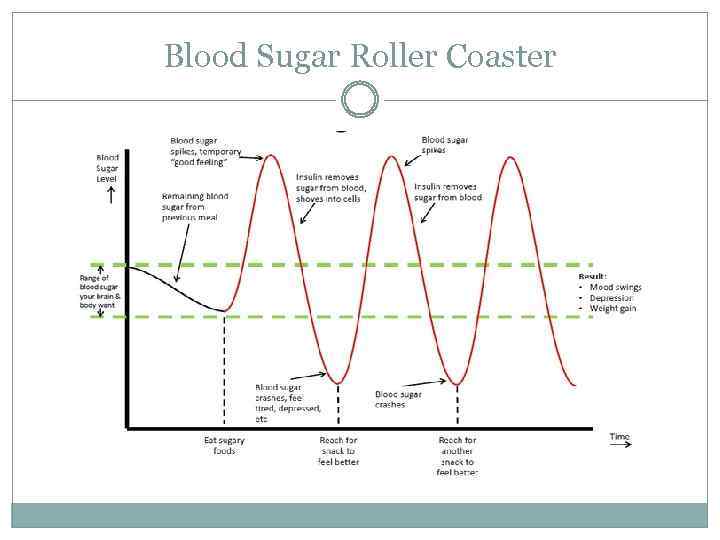
Blood Sugar Roller Coaster
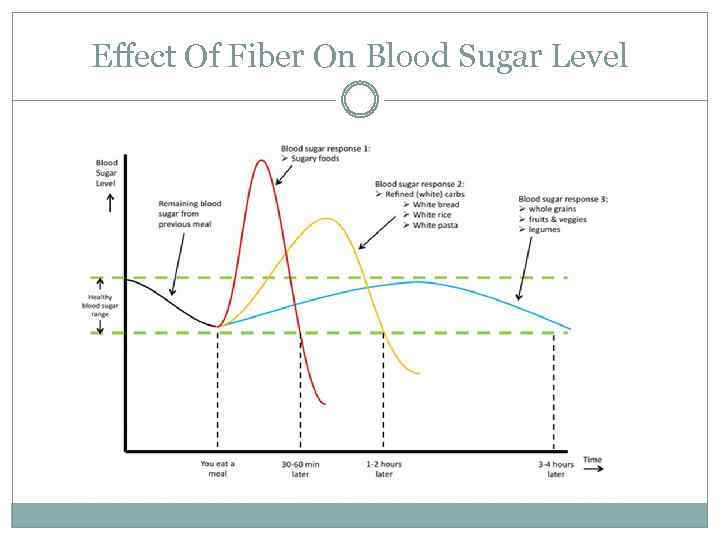
Effect Of Fiber On Blood Sugar Level
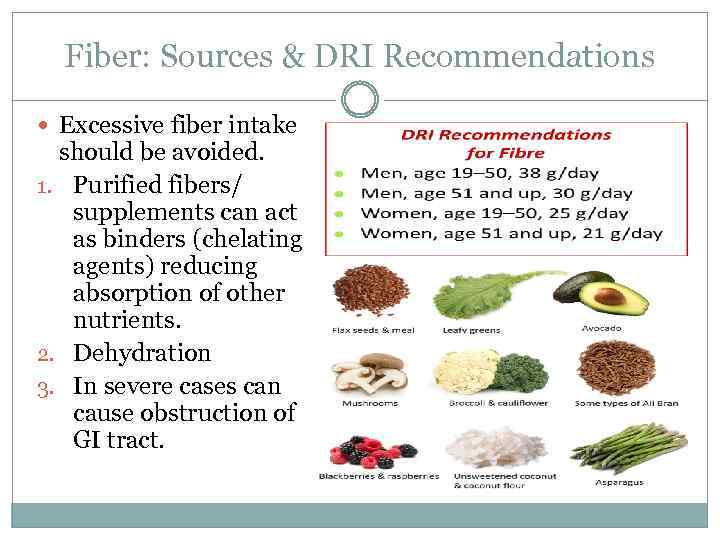
Fiber: Sources & DRI Recommendations Excessive fiber intake should be avoided. 1. Purified fibers/ supplements can act as binders (chelating agents) reducing absorption of other nutrients. 2. Dehydration 3. In severe cases can cause obstruction of GI tract.
Simple Carbs and Energy The primary source of energy for the nervous system and brain are glucose. If there are insufficient carbs in the diet the body will use protein. Fats are the last resort but still, fats cannot provide energy to the brain and nervous system. Ketosis is a result of fat breakdown for energy. Excessive ketones in the body require extra water for removal and can cause imbalances in body p. H. Effect of ketosis: nausea, dizziness, thirst, lack of mental clarity etc.
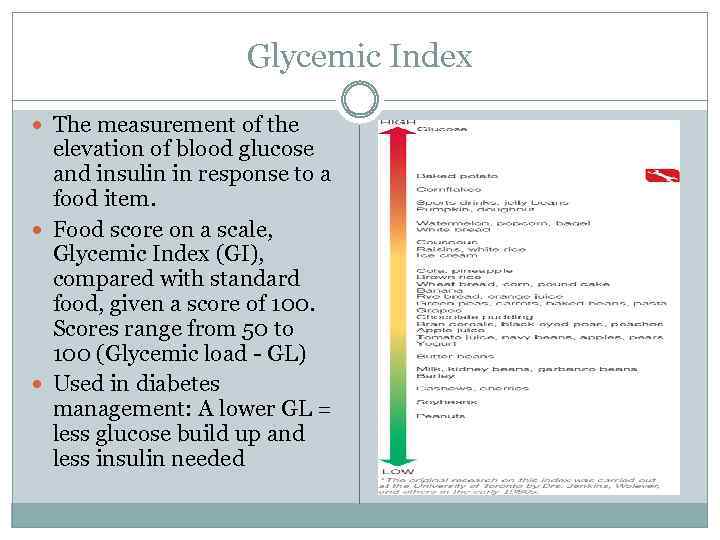
Glycemic Index The measurement of the elevation of blood glucose and insulin in response to a food item. Food score on a scale, Glycemic Index (GI), compared with standard food, given a score of 100. Scores range from 50 to 100 (Glycemic load - GL) Used in diabetes management: A lower GL = less glucose build up and less insulin needed
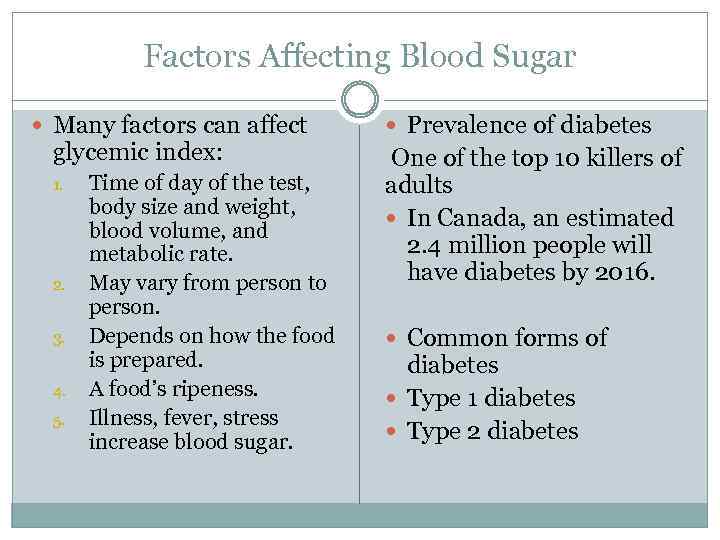
Factors Affecting Blood Sugar Many factors can affect glycemic index: 1. 2. 3. 4. 5. Time of day of the test, body size and weight, blood volume, and metabolic rate. May vary from person to person. Depends on how the food is prepared. A food’s ripeness. Illness, fever, stress increase blood sugar. Prevalence of diabetes One of the top 10 killers of adults In Canada, an estimated 2. 4 million people will have diabetes by 2016. Common forms of diabetes Type 1 diabetes Type 2 diabetes
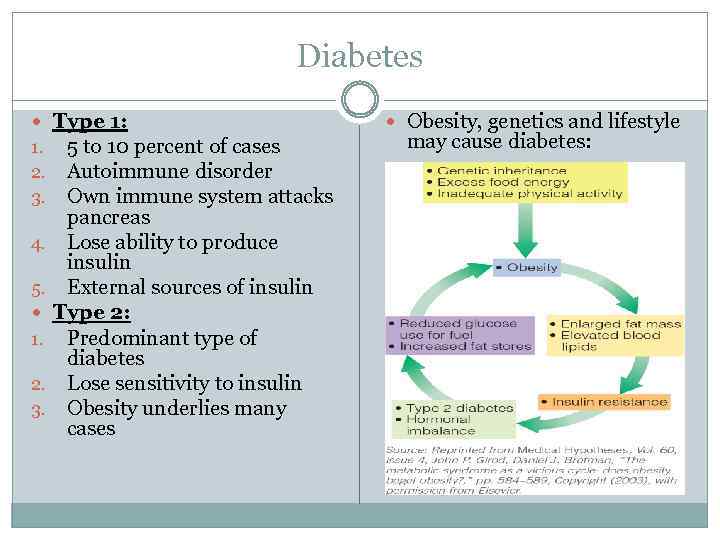
Diabetes Type 1: 1. 5 to 10 percent of cases 2. Autoimmune disorder 3. Own immune system attacks 4. 5. 1. 2. 3. pancreas Lose ability to produce insulin External sources of insulin Type 2: Predominant type of diabetes Lose sensitivity to insulin Obesity underlies many cases Obesity, genetics and lifestyle may cause diabetes:
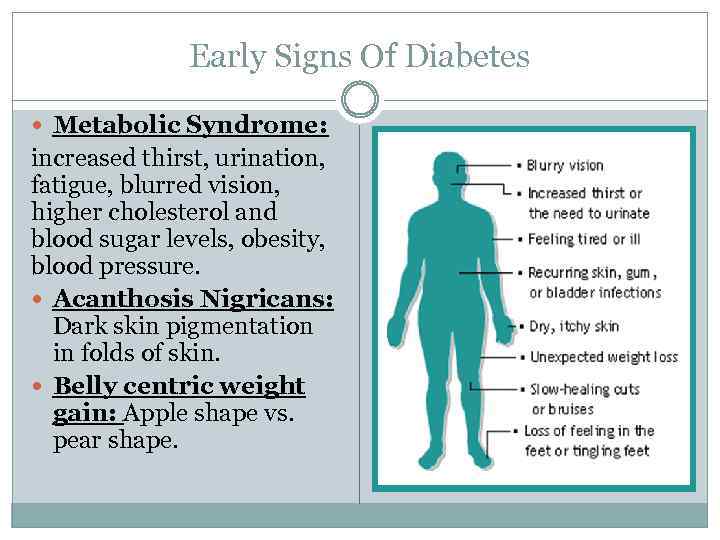
Early Signs Of Diabetes Metabolic Syndrome: increased thirst, urination, fatigue, blurred vision, higher cholesterol and blood sugar levels, obesity, blood pressure. Acanthosis Nigricans: Dark skin pigmentation in folds of skin. Belly centric weight gain: Apple shape vs. pear shape.
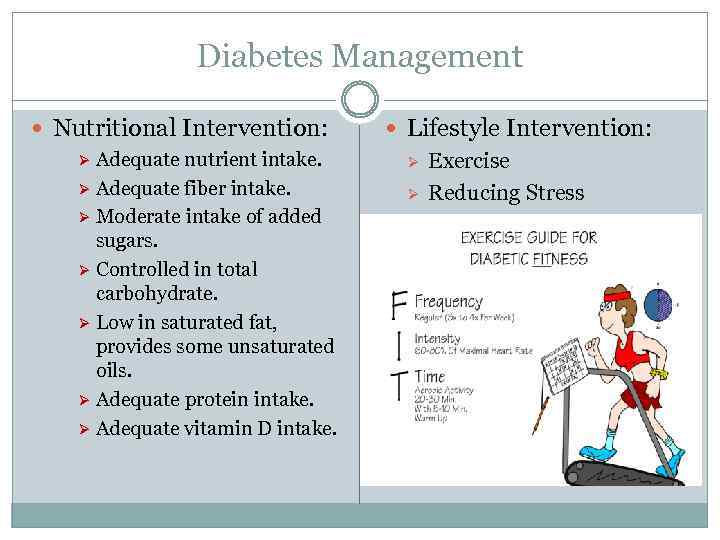
Diabetes Management Nutritional Intervention: Adequate nutrient intake. Ø Adequate fiber intake. Ø Moderate intake of added sugars. Ø Controlled in total carbohydrate. Ø Low in saturated fat, provides some unsaturated oils. Ø Adequate protein intake. Ø Adequate vitamin D intake. Ø Lifestyle Intervention: Ø Exercise Ø Reducing Stress
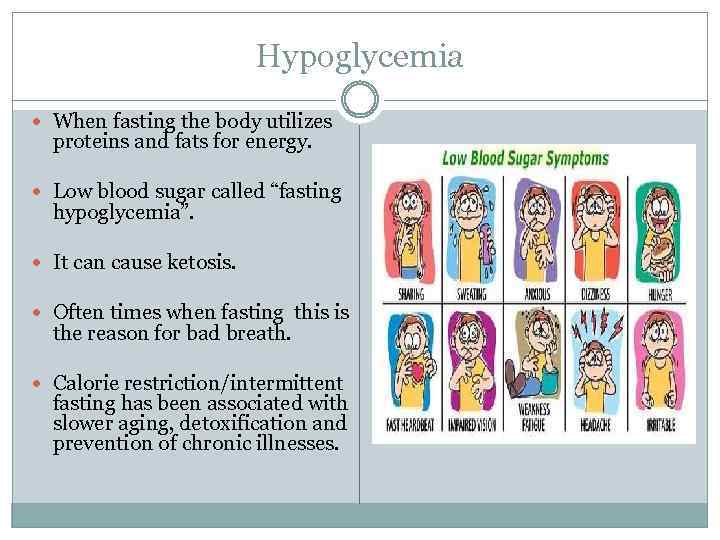
Hypoglycemia When fasting the body utilizes proteins and fats for energy. Low blood sugar called “fasting hypoglycemia”. It can cause ketosis. Often times when fasting this is the reason for bad breath. Calorie restriction/intermittent fasting has been associated with slower aging, detoxification and prevention of chronic illnesses.
Скачать презентацию Carbohydrates SIMPLE VS COMPLEX CARBOHYDRATES FIBER
Carbohydrates-Lecture Three.pptx