 Скачать презентацию CAP Reform Ref CAPreform feb 07 Introduction
a69a88493094b3f4708449be23054dc3.ppt
- Количество слайдов: 28



CAP Reform Ref: CAPreform feb 07
Introduction n Original system – problematic n Pressure for reform – Budget – External – Consumer – Environmental n Fig 1: welfare consequences – Compare CAP with self sufficiency under free trade ( consider Pw & P intv) n If exported outside EU, export restitution = area abcd ( + storage costs)
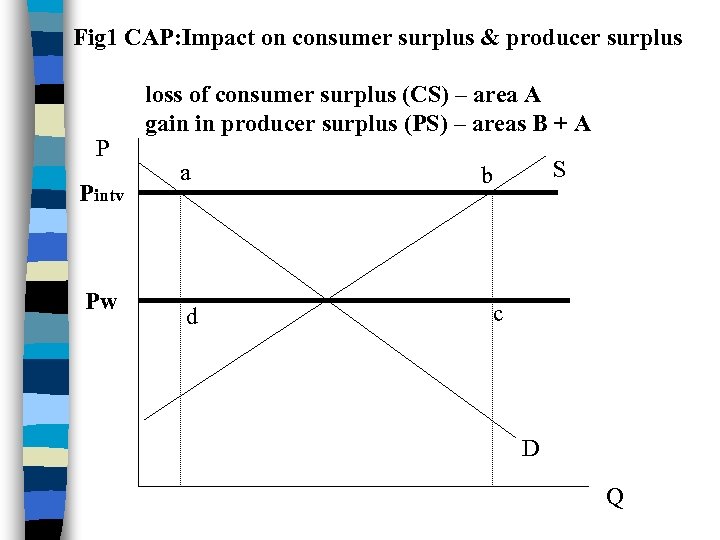
Fig 1 CAP: Impact on consumer surplus & producer surplus P Pintv Pw loss of consumer surplus (CS) – area A gain in producer surplus (PS) – areas B + A a d S b c D Q
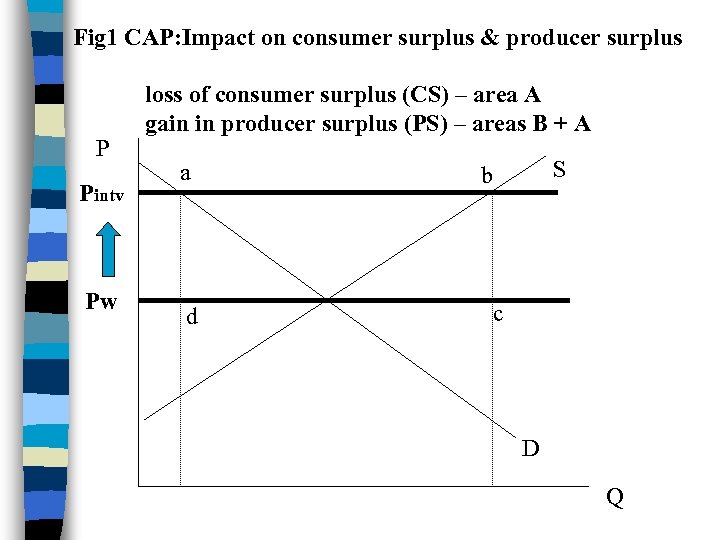
Fig 1 CAP: Impact on consumer surplus & producer surplus P Pintv Pw loss of consumer surplus (CS) – area A gain in producer surplus (PS) – areas B + A a d S b c D Q
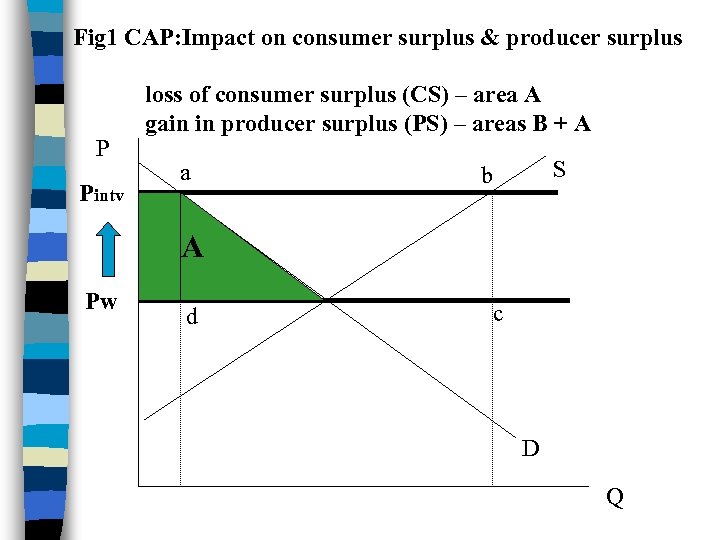
Fig 1 CAP: Impact on consumer surplus & producer surplus P Pintv loss of consumer surplus (CS) – area A gain in producer surplus (PS) – areas B + A a S b A Pw d c D Q
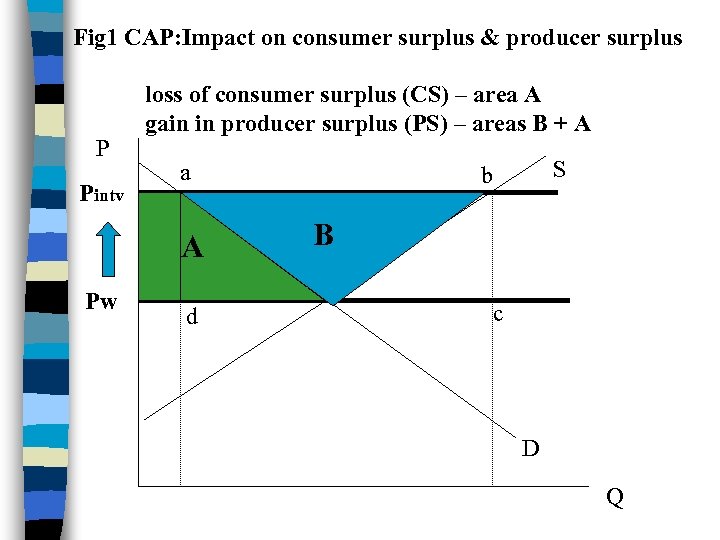
Fig 1 CAP: Impact on consumer surplus & producer surplus P Pintv loss of consumer surplus (CS) – area A gain in producer surplus (PS) – areas B + A a A Pw d S b B c D Q
n Early 1980 s ‘Guidelines for European Agriculture’ – Aim: reduce production & prices – Partially implemented, not significant
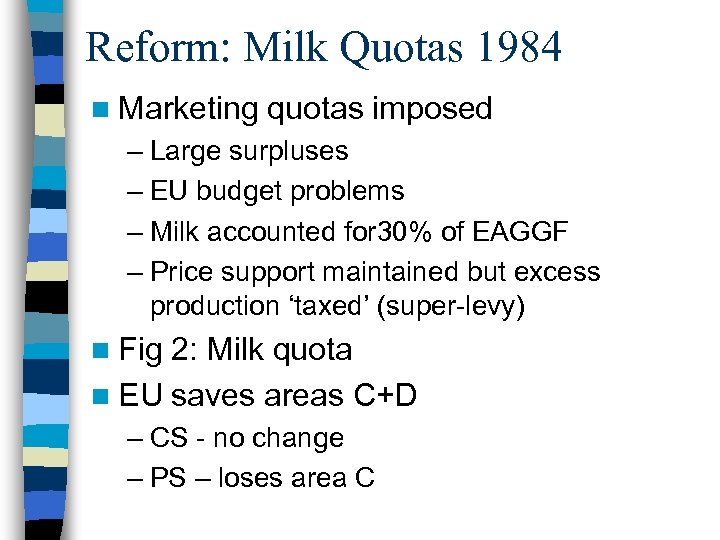
Reform: Milk Quotas 1984 n Marketing quotas imposed – Large surpluses – EU budget problems – Milk accounted for 30% of EAGGF – Price support maintained but excess production ‘taxed’ (super-levy) n Fig 2: Milk quota n EU saves areas C+D – CS - no change – PS – loses area C
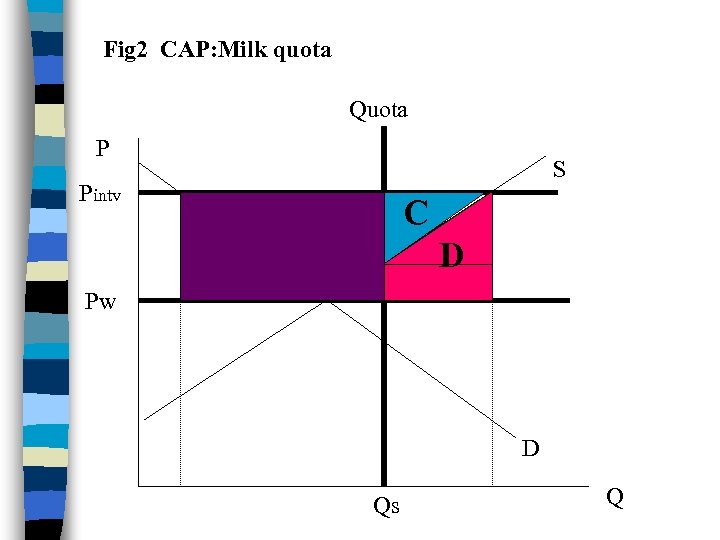
Fig 2 CAP: Milk quota Quota P S Pintv C D Pw D Qs Q
n Assume quota allocated efficiently between farmers, if not …. . n EU direct control over output n Effective as ‘bottleneck’ in production – Monitor n Ineffective for other products eg. cereals – Other methods used which may also penalise over production • Co-responsibility levies • Budgetary stabilisers – Not so effective
Quotas v Reduction in price support n Fig 3: Reducing price support (Pintv to P 1 intv) instead of introducing quotas n Increase in CS: area F n Fall in PS: areas F + G n Net welfare loss: area G n Argued reducing price support more beneficial than intro quotas
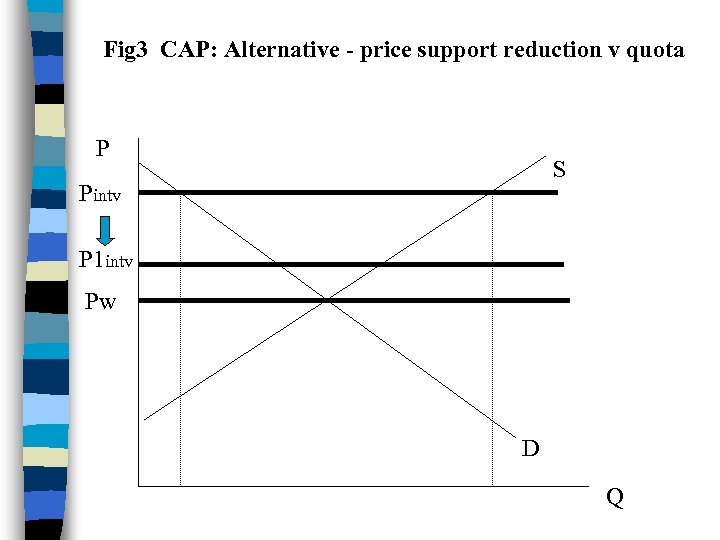
Fig 3 CAP: Alternative - price support reduction v quota P S Pintv P 1 intv Pw D Q
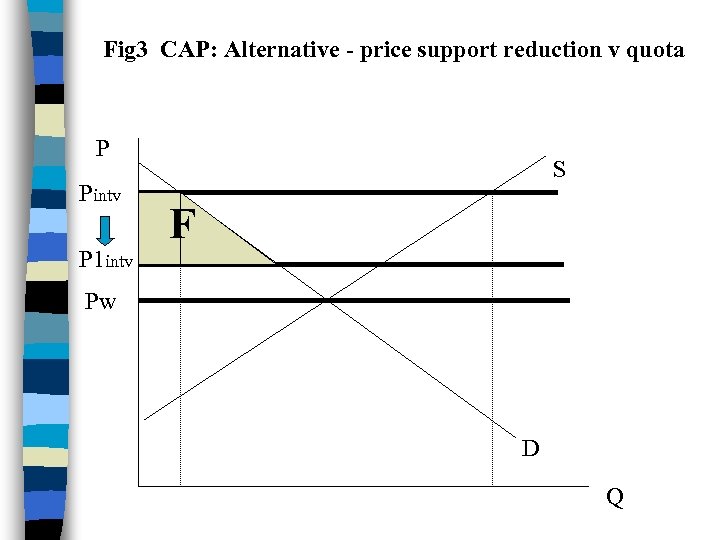
Fig 3 CAP: Alternative - price support reduction v quota P Pintv P 1 intv S F F Pw D Q
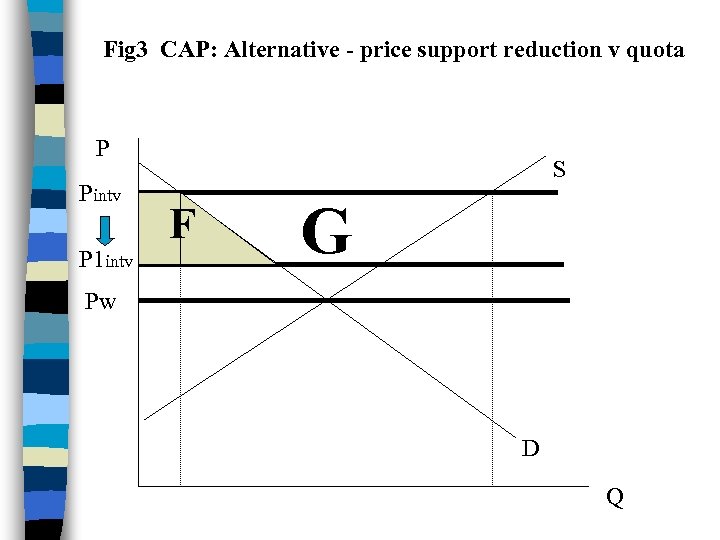
Fig 3 CAP: Alternative - price support reduction v quota P Pintv P 1 intv S F F G Pw D Q
Mc. Sharry Reforms n Most radical yet – International pressure – Partial change n Aims incl. – Reduce support prices • Increase competitiveness • Control production & increase demand – Protect environment – Improve international relations
n How – Reduce price support • Eg intitial 30% for cereals • See fig 3 for benefits – Introduce DIRECT INCOME PAYMENTS to farmers to compensate potential loss of income – SET ASIDE for cereals • Now price supp. & income payments • Partly DECOUPLED farm income supp. • Slippage may be a problem – Early retirement • Consolidation of holdings
– Environment: Discourage intensive production methods • Subsidies no longer depend upon output alone • Cross-compliance – Exclude small farms
Choice: Set-aside or not? n Depends upon market price for cereal & yields n Choice – (1) use all arable acreage & receive lower price – (2) set-aside & receive 2 components • compensation payment + higher (‘original’) price
n Fig 4 – Assume • All farmers participate in set-aside scheme • All farmers are equally efficient n New supply curve Ssa n If direct compensation equals at least area H, rational farmer will set-aside n Greater complexity – Farms not equally efficient – Prices change after S shifts to Ssa – See additional handout
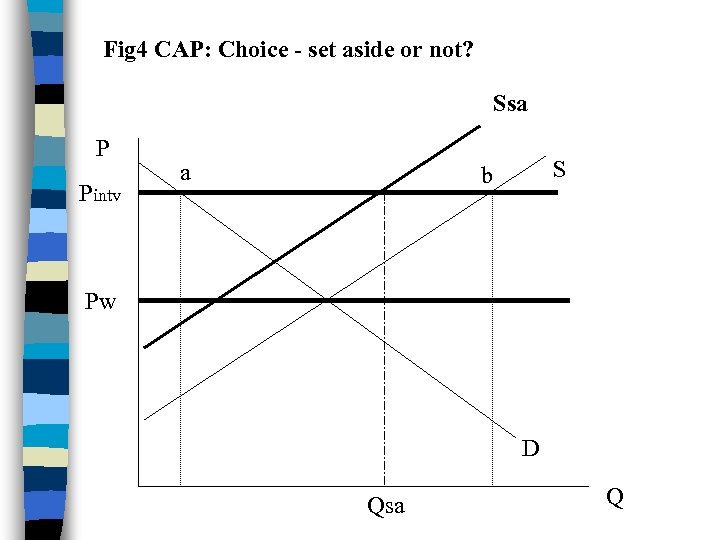
Fig 4 CAP: Choice - set aside or not? Ssa P Pintv a S b Pw D Qsa Q
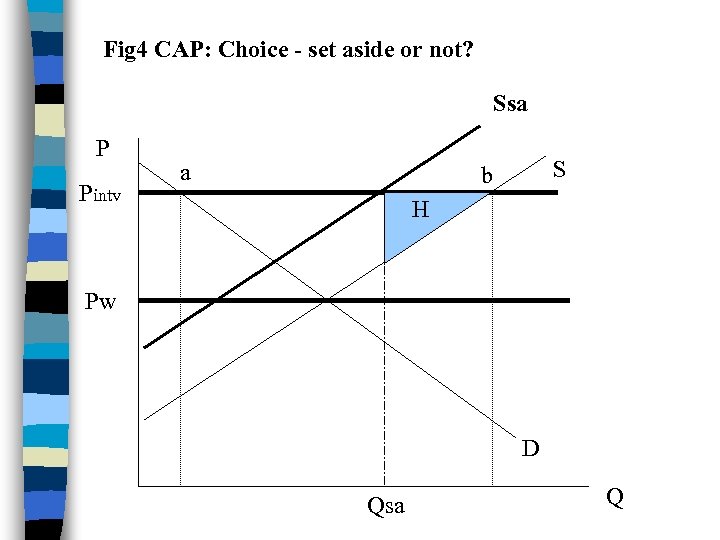
Fig 4 CAP: Choice - set aside or not? Ssa Pintv a S b H P Pw D Qsa Q
Further Reform n WTO n Agenda 2000 – 2000 onwards – Still 2 systems • Continued move to price supp. – Milk unchanged – Greater emphasis on environment – Greater burden on States • subsidiarity
CAP reform, June 2003 n 2003 -2013 n Further development of 1993 reforms n CAP comprises 2 pillars – Pillar 1: Market support measures & direct subsidies – Pillar 2: Rural development programmes/policy n Pillar 1 spending 1% growth ceiling (nominal terms) –Brussels Ceiling 2002
n Move to single farm payment decoupling • based on value of previous output n Payment linked to environment/food safety/animal welfare standards - cross compliance n Direct payments (Pillar 1) reduced, switch funding to (Pillar 2) Rural Devt. Programmes (RDP) – modulation: transfer funds direct payments to RDPs – incremental
n Pillar 2 supports – Agriculture as provider of public good – Development of rural areas n Exemptions, eg. cereals 25% payments linked to production (France) n 2007 -2013 Financial Perspective – Allocates more to Pillar 1, but Brussels Ceiling. - Pressure! – Proposed expenditure for both pillars CAP down to 26% of EU budget (2013)
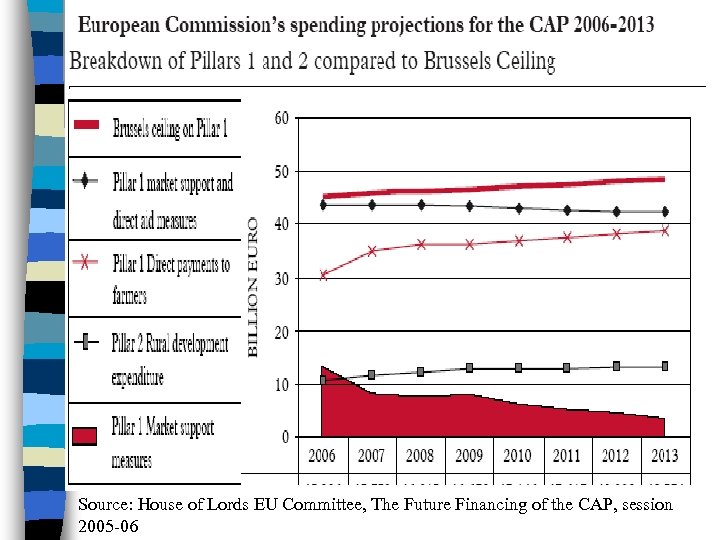
Source: House of Lords EU Committee, The Future Financing of the CAP, session 2005 -06
n UK linked further CAP reform to the UK budget rebate (2005)
Conclusions n n n n CAP has achieved some of it’s objectives Move from price support since Mc. Sharry, but now more complex with 2 systems CAP expenditure as part of budget lower Conflict with single market? Political & social aspects Fraud Enlargement Further reform required
Скачать презентацию CAP Reform Ref CAPreform feb 07 Introduction
a69a88493094b3f4708449be23054dc3.ppt