 Скачать презентацию Campylobacter Helicobacter r RNA Superfamily VI of
15_Campylobacter & Helicobacter.ppt
- Количество слайдов: 58





Campylobacter & Helicobacter r. RNA Superfamily VI of Class Proteobacteria
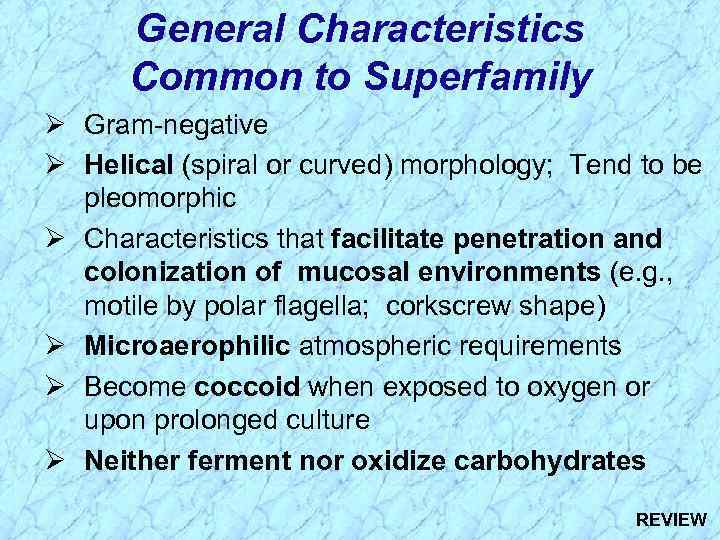
General Characteristics Common to Superfamily Ø Gram-negative Ø Helical (spiral or curved) morphology; Tend to be pleomorphic Ø Characteristics that facilitate penetration and colonization of mucosal environments (e. g. , motile by polar flagella; corkscrew shape) Ø Microaerophilic atmospheric requirements Ø Become coccoid when exposed to oxygen or upon prolonged culture Ø Neither ferment nor oxidize carbohydrates
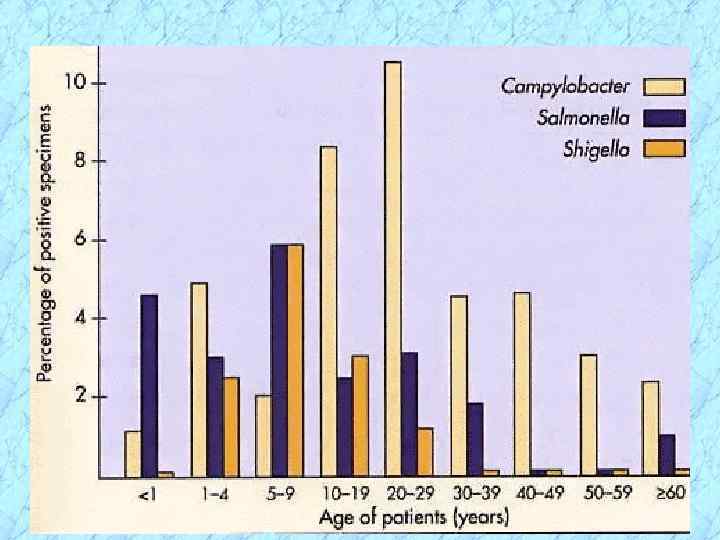
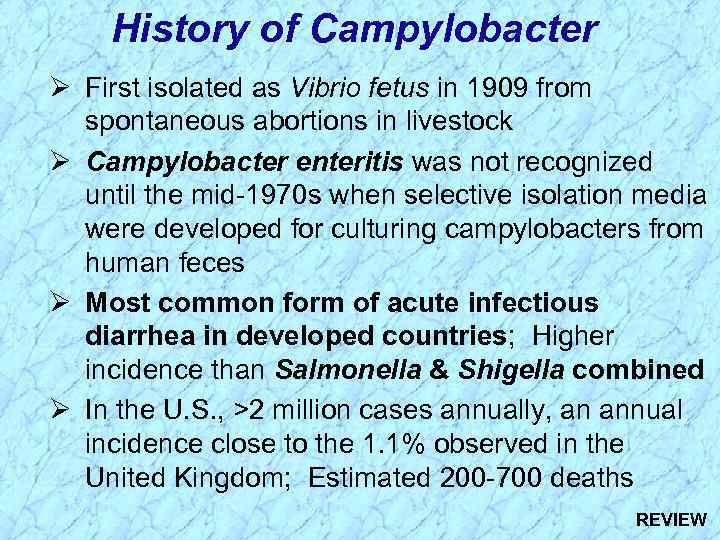
History of Campylobacter Ø First isolated as Vibrio fetus in 1909 from spontaneous abortions in livestock Ø Campylobacter enteritis was not recognized until the mid-1970 s when selective isolation media were developed for culturing campylobacters from human feces Ø Most common form of acute infectious diarrhea in developed countries; Higher incidence than Salmonella & Shigella combined Ø In the U. S. , >2 million cases annually, an annual incidence close to the 1. 1% observed in the United Kingdom; Estimated 200 -700 deaths
Morphology & Physiology of Campylobacter Ø Small, thin (0. 2 - 0. 5 um X 0. 5 - 5. 0 um), helical (spiral or curved) cells with typical gram-negative cell wall; “Gull-winged” appearance • Tendency to form coccoid & elongated forms on prolonged culture or when exposed to O 2 Ø Distinctive rapid darting motility • Long sheathed polar flagellum at one (polar) or both (bipolar) ends of the cell • Motility slows quickly in wet mount preparation Ø Microaerophilic & capnophilic 5%O 2, 10%CO 2, 85%N 2 Ø Thermophilic (42 -43 C) (except C. fetus) • Body temperature of natural avian reservoir Ø May become nonculturable in nature
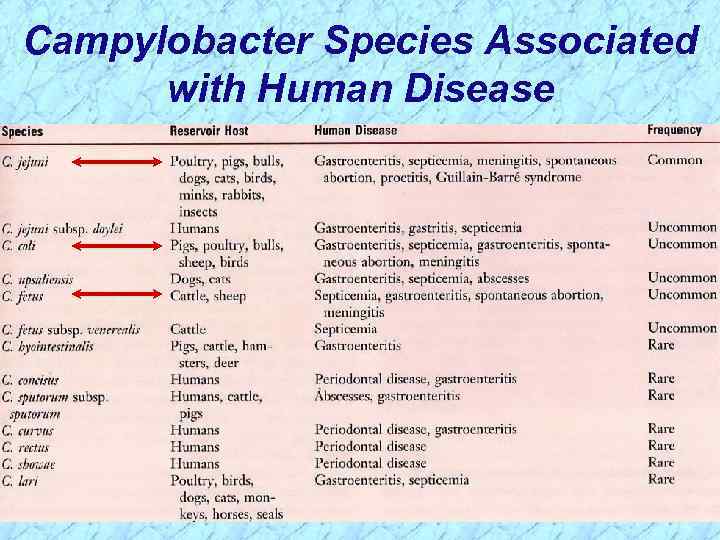
Campylobacter Species Associated with Human Disease
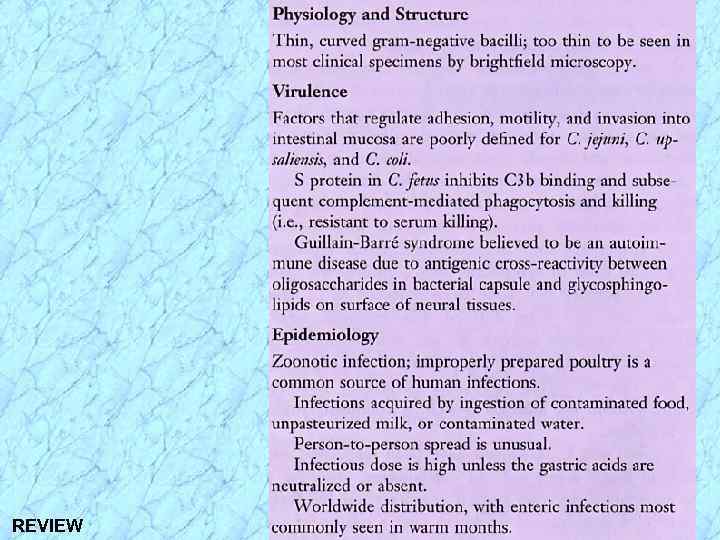
Guillain-Barre Syndrome (GBS) Ø Low incidence potential sequela Ø Reactive, self-limited, autoimmune disease Ø Campylobacter jejuni most frequent antecedent pathogen Ø Immune response to specific O-antigens crossreacts with ganglioside surface components of peripheral nerves (molecular or antigenic mimicry) • Acute inflammatory demyelinating neuropathy (85% of cases) from cross reaction with Schwann-cells or myelin • Acute axonal forms of GBS (15% of cases) from molecular mimicry of axonal membrane
Epidemiology of Campylobacteriosis Ø Zoonotic infections in many animals particularly avian (bird) reservoirs Ø Spontaneous abortions in cattle, sheep, and swine, but generally asymptomatic carriage in animal reservoir Ø Humans acquire via ingestion of contaminated food (particularly poultry), unpasteurized milk, or improperly treated water Ø Infectious dose is reduced by foods that neutralize gastric acidity, e. g. , milk. Fecal-oral transmission also occurs
Epidemiology of Campylobacteriosis(cont. ) Ø Contaminated poultry accounts for more than half of the camylobacteriosis cases in developed countries but different epidemiological picture in developing countries Ø In U. S. and developed countries: Peak incidence in children below one year of age and young adults (15 -24 years old) Ø In developing countries where campylobacters are hyperendemic: Symptomatic disease occurs in young children and persistent, asymptomatic carriage in adults
Epidemiology of Campylobacteriosis(cont. ) Ø Sporadic infections in humans far outnumber those affected in point-source outbreaks Ø Sporadic cases peak in the summer in temperate climates with a secondary peak in the late fall seen in the U. S. Ø Globally, C. jejuni subsp. jejuni accounts for more than 80% of all Campylobacter enteriti Ø C. coli accounts for only 2 -5% of the total cases in the U. S. ; C. coli accounts for a higher percentage of cases in developing countries
Pathogenesis & Immunity Ø Infectious dose and host immunity determine whether gastroenteric disease develops • Some people infected with as few as 500 organisms while others need >106 CFU Ø Pathogenesis not fully characterized • No good animal model • Damage (ulcerated, edematous and bloody) to the mucosal surfaces of the jejunum, ileum, colon • Inflammatory process consistent with invasion of the organisms into the intestinal tissue; M-cell (Peyer’s patches) uptake and presentation of antigen to underlying lymphatic system Ø Non-motile & adhesin-lacking strains are avirulent
Putative Virulence Factors Cellular components: Ø Ø Ø Endotoxin Flagellum: Motility Adhesins: Mediate attachment to mucosa Invasins GBS is associated with C. jejuni serogroup O 19 S-layer protein “microcapsule” in C. fetus: Extracellular components: Ø Enterotoxins Ø Cytopathic toxins
Laboratory Identification Specimen Collection and Processing: Ø Ø Ø Ø Feces refrigerated & examined within few hours Rectal swabs in semisolid transport medium Blood drawn for C. fetus Care to avoid oxygen exposure Selective isolation by filtration of stool specimen Enrichment broth & selective media Filtration: pass through 0. 45 μm filters Microscopy: Ø Gull-wing appearance in gram stain Ø Darting motility in fresh stool (rarely done in clinical lab) Ø Fecal leukocytes are commonly present Identification: Ø Growth at 25 o, 37 o, or 42 -43 o. C Ø Hippurate hydrolysis (C. jejuni is positive) Ø Susceptibility to nalidixic acid & cephalothin
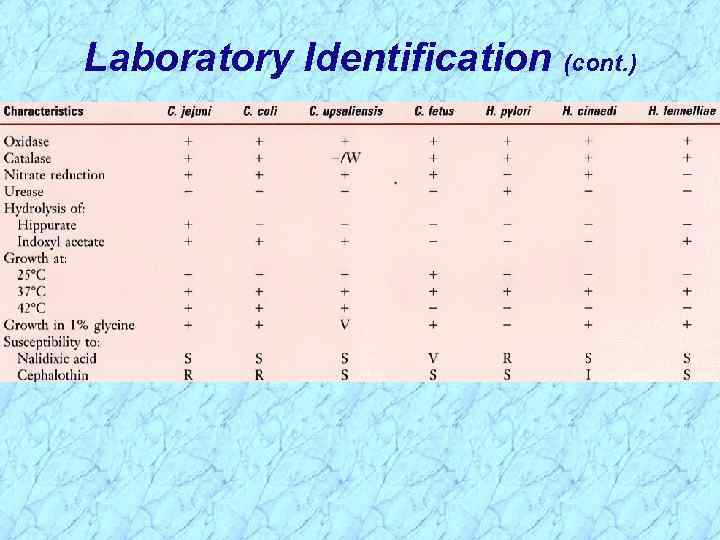
Laboratory Identification (cont. )
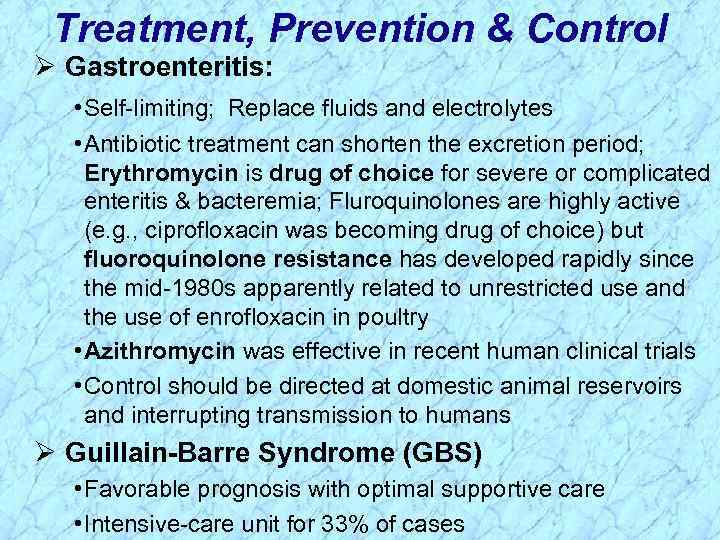
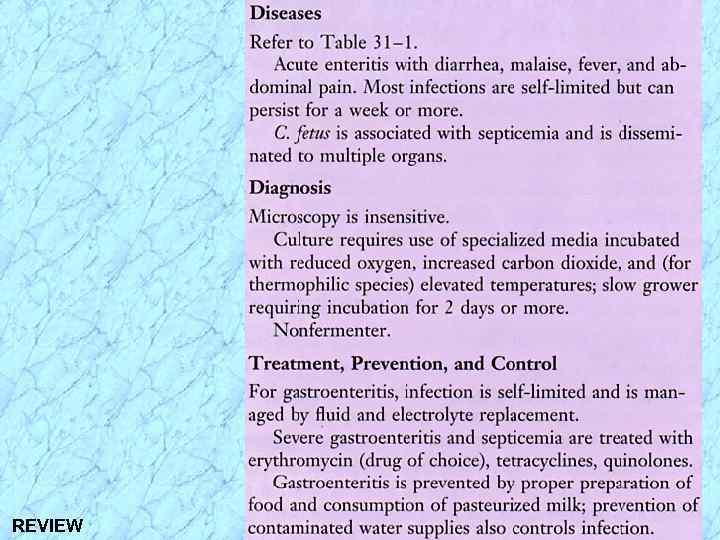
Treatment, Prevention & Control Ø Gastroenteritis: • Self-limiting; Replace fluids and electrolytes • Antibiotic treatment can shorten the excretion period; Erythromycin is drug of choice for severe or complicated enteritis & bacteremia; Fluroquinolones are highly active (e. g. , ciprofloxacin was becoming drug of choice) but fluoroquinolone resistance has developed rapidly since the mid-1980 s apparently related to unrestricted use and the use of enrofloxacin in poultry • Azithromycin was effective in recent human clinical trials • Control should be directed at domestic animal reservoirs and interrupting transmission to humans Ø Guillain-Barre Syndrome (GBS) • Favorable prognosis with optimal supportive care • Intensive-care unit for 33% of cases

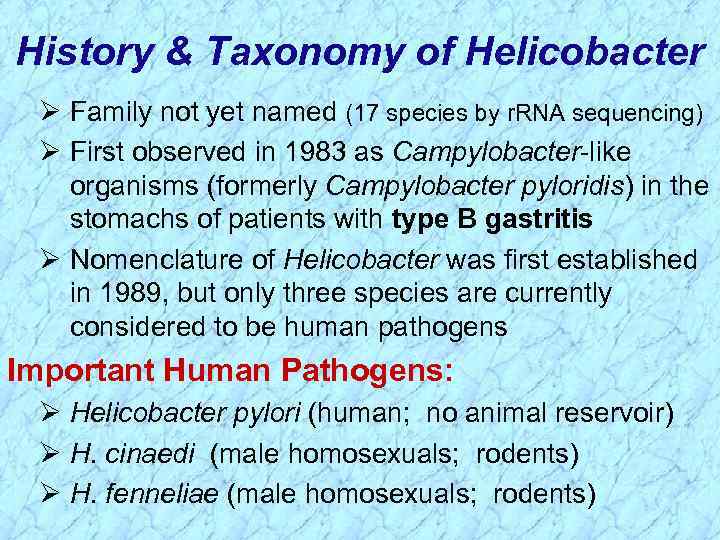
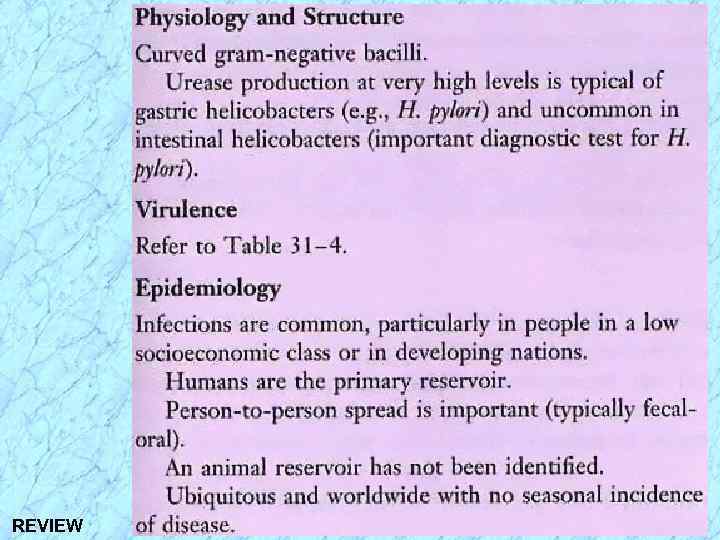
History & Taxonomy of Helicobacter Ø Family not yet named (17 species by r. RNA sequencing) Ø First observed in 1983 as Campylobacter-like organisms (formerly Campylobacter pyloridis) in the stomachs of patients with type B gastritis Ø Nomenclature of Helicobacter was first established in 1989, but only three species are currently considered to be human pathogens Important Human Pathogens: Ø Helicobacter pylori (human; no animal reservoir) Ø H. cinaedi (male homosexuals; rodents) Ø H. fenneliae (male homosexuals; rodents)
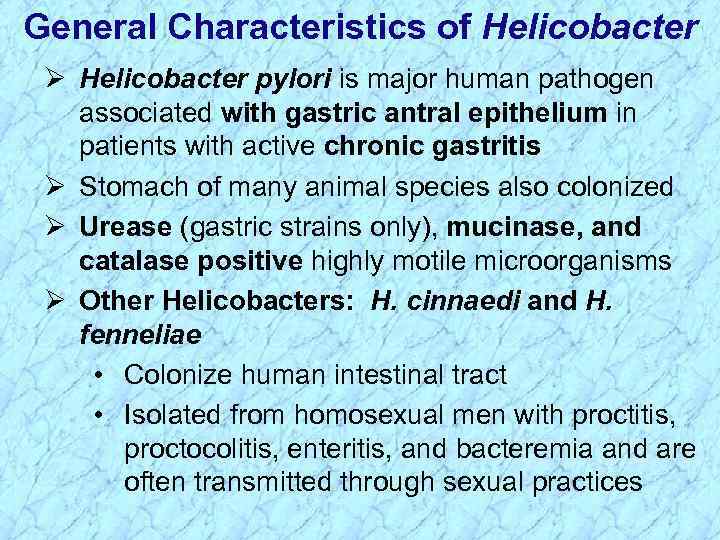
General Characteristics of Helicobacter Ø Helicobacter pylori is major human pathogen associated with gastric antral epithelium in patients with active chronic gastritis Ø Stomach of many animal species also colonized Ø Urease (gastric strains only), mucinase, and catalase positive highly motile microorganisms Ø Other Helicobacters: H. cinnaedi and H. fenneliae • Colonize human intestinal tract • Isolated from homosexual men with proctitis, proctocolitis, enteritis, and bacteremia and are often transmitted through sexual practices
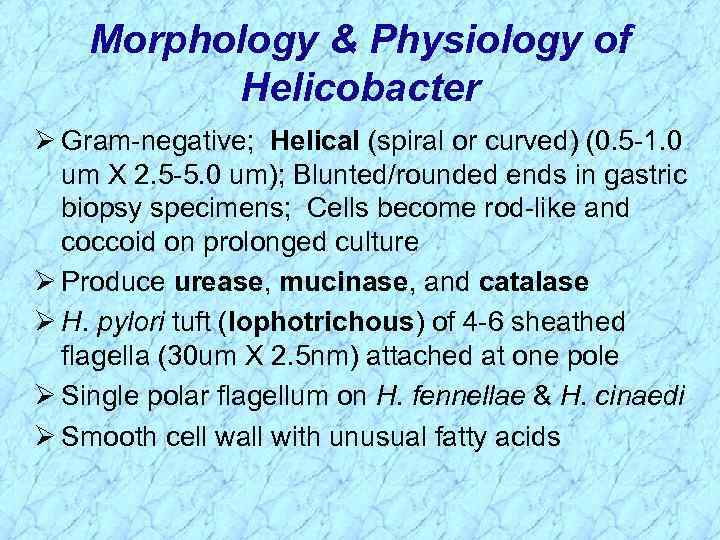
Morphology & Physiology of Helicobacter Ø Gram-negative; Helical (spiral or curved) (0. 5 -1. 0 um X 2. 5 -5. 0 um); Blunted/rounded ends in gastric biopsy specimens; Cells become rod-like and coccoid on prolonged culture Ø Produce urease, mucinase, and catalase Ø H. pylori tuft (lophotrichous) of 4 -6 sheathed flagella (30 um X 2. 5 nm) attached at one pole Ø Single polar flagellum on H. fennellae & H. cinaedi Ø Smooth cell wall with unusual fatty acids
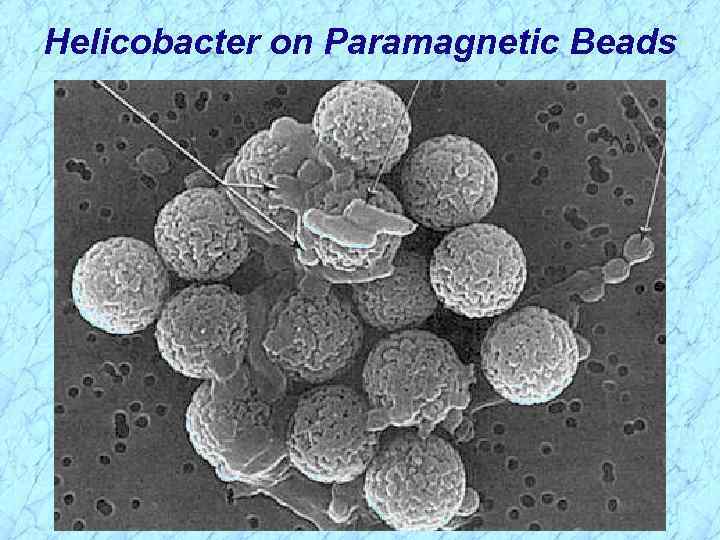
Helicobacter on Paramagnetic Beads
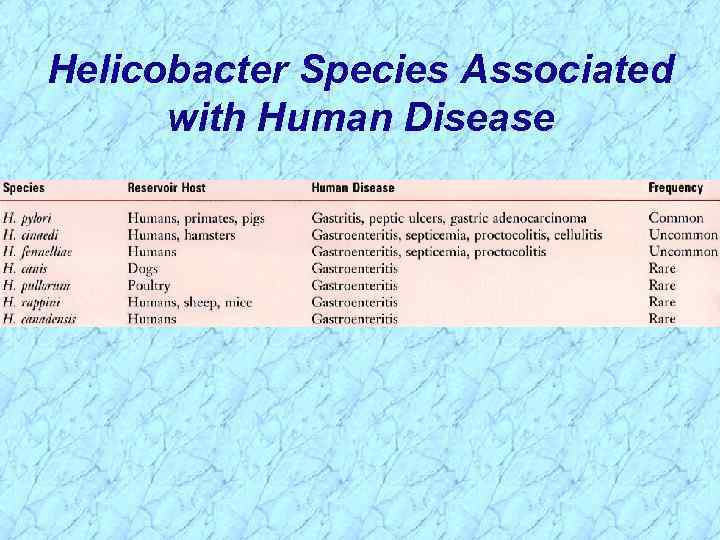
Helicobacter Species Associated with Human Disease
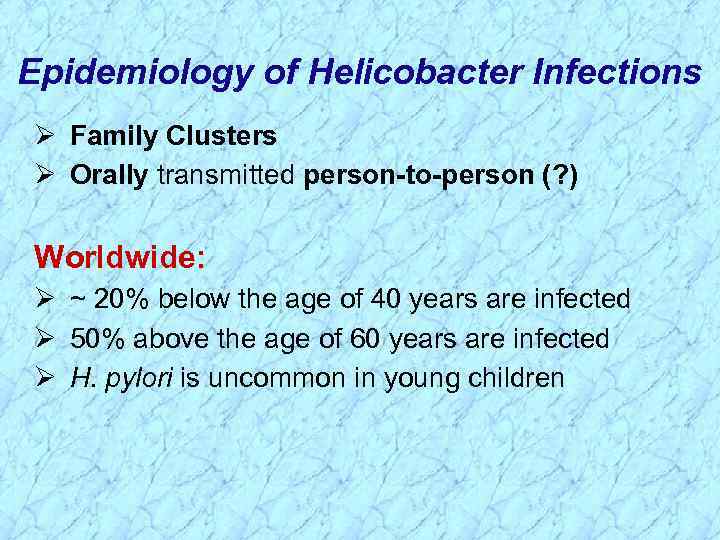
Epidemiology of Helicobacter Infections Ø Family Clusters Ø Orally transmitted person-to-person (? ) Worldwide: Ø ~ 20% below the age of 40 years are infected Ø 50% above the age of 60 years are infected Ø H. pylori is uncommon in young children
Epidemiology of Helicobacter Infections (cont. ) Developed Countries: Ø United States: 30% of total population infected • Of those, ~1% per year develop duodenal ulcer • ~1/3 eventually have peptic ulcer disease(PUD) Ø 70% gastric ulcer cases colonized with H. pylori Ø Low socioeconomic status predicts H. pylori infection Developing Countries: Ø Hyperendemic Ø About 10% acquisition rate per year for children between 2 and 8 years of age Ø Most adults infected but no disease • Protective immunity from multiple childhood infections
Pathogenesis of Helicobacter Infections Ø Colonize mucosal lining of stomach & duodenum in man & animals • Adherent to gastric surface epithelium or pit epithelial cells deep within the mucosal crypts adjacent to gastric mucosal cells • Mucosa protects the stomach wall from its own gastric milleu of digestive enzymes and hydrochloric acid • Mucosa also protects Helicobacter from immune response Ø Most gastric adenocarcinomas and lymphomas are concurrent with or preceded by an infection with H. pylori
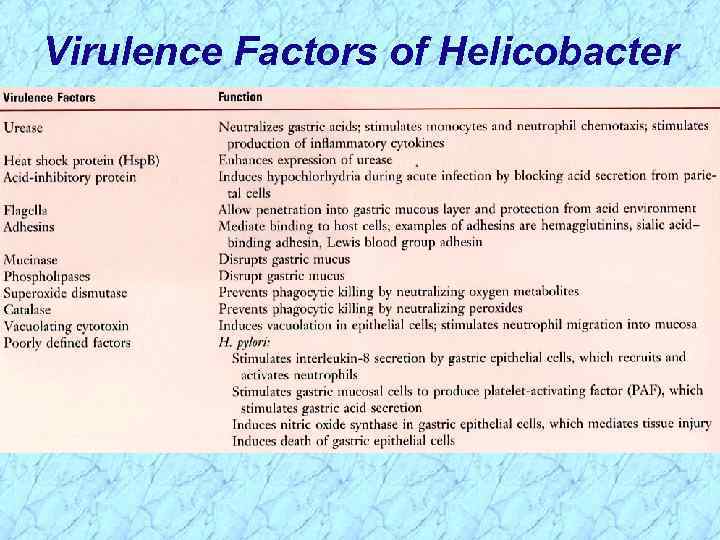
Virulence Factors of Helicobacter
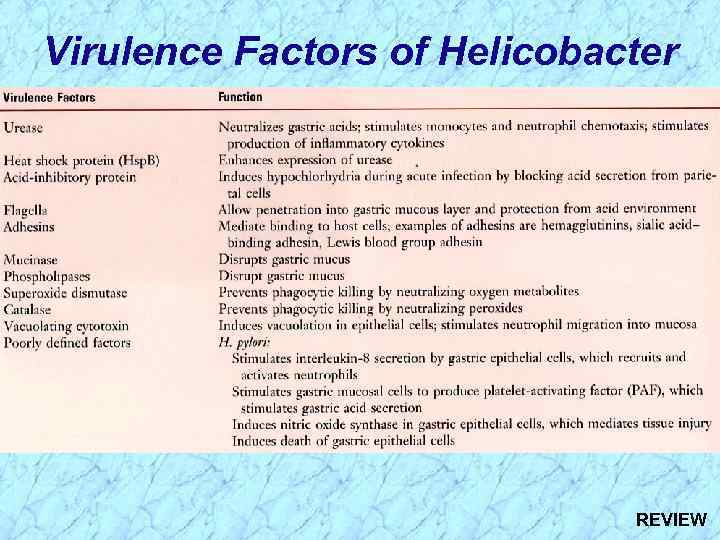
Virulence Factors of Helicobacter Ø Multiple polar, sheathed flagella • Corkscrew motility enables penetration into viscous environment (mucus) Ø Adhesins: Hemagglutinins; Sialic acid binding adhesin; Lewis blood group adhesin Ø Mucinase: Degrades gastric mucus; Localized tissue damage Ø Urease converts urea (abundant in saliva and gastric juices) into bicarbonate (to CO 2) and ammonia • Neutralize the local acid environment • Localized tissue damage Ø Acid-inhibitory protein
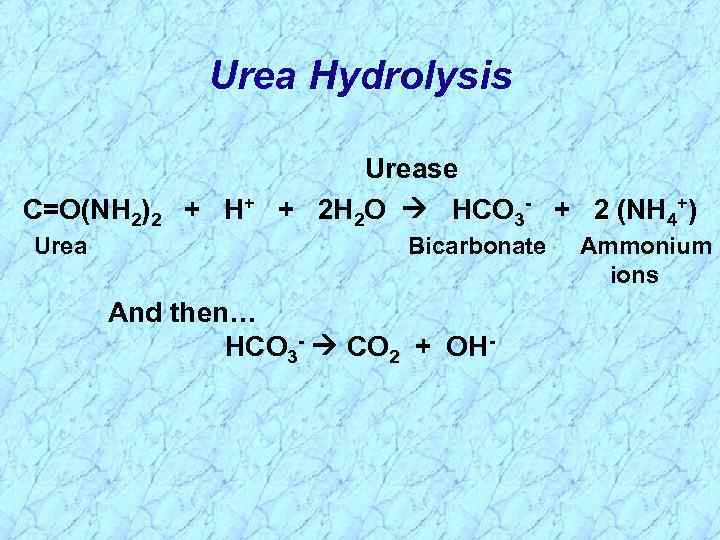
Urea Hydrolysis C=O(NH 2)2 + H+ Urease + 2 H 2 O HCO 3 - + 2 (NH 4+) Bicarbonate And then… HCO 3 - CO 2 + OH- Ammonium ions
Virulence Factors of Helicobacter (cont. ) Tissue damage: Ø Vacuolating cytotoxin: Epithelial cell damage Ø Invasin(s)(? ? ): Poorly defined (e. g. , hemolysins; phospholipases; alcohol dehydrogenase) Protection from phagocytosis & intracellular killing: Ø Superoxide dismutase Ø Catalase
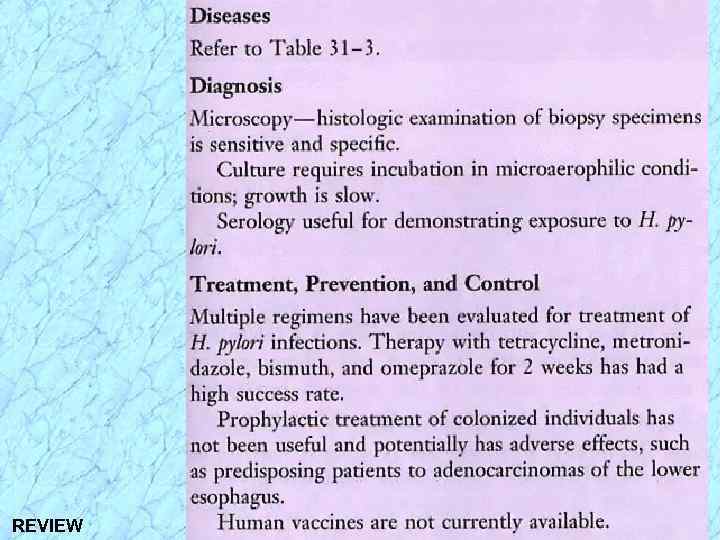
Laboratory Identification Ø Recovered from or detected in endoscopic antral gastric biopsy material; Multiple biopsies are taken Ø Many different transport media Ø Culture media containing whole or lysed blood Ø Microaerophilic Ø Grow well at 37 o. C, but not at 25 nor 42 o. C Ø Like Campylobacter, does not use carbohydrates, neither fermentatively nor oxidatively
Treatment, Prevention & Control Triple Chemotherapy (synergism): ØProton pump inhibitor (e. g. , omeprazole = Prilosec(R)) ØOne or more antibiotics (e. g. , clarithromycin; amoxicillin; metronidazole) ØBismuth compound Inadequate treatment results in recurrence of symptoms


REVIEW Campylobacter & Helicobacter Superfamily
General Characteristics Common to Superfamily Ø Gram-negative Ø Helical (spiral or curved) morphology; Tend to be pleomorphic Ø Characteristics that facilitate penetration and colonization of mucosal environments (e. g. , motile by polar flagella; corkscrew shape) Ø Microaerophilic atmospheric requirements Ø Become coccoid when exposed to oxygen or upon prolonged culture Ø Neither ferment nor oxidize carbohydrates REVIEW

Campylobacter Review
History of Campylobacter Ø First isolated as Vibrio fetus in 1909 from spontaneous abortions in livestock Ø Campylobacter enteritis was not recognized until the mid-1970 s when selective isolation media were developed for culturing campylobacters from human feces Ø Most common form of acute infectious diarrhea in developed countries; Higher incidence than Salmonella & Shigella combined Ø In the U. S. , >2 million cases annually, an annual incidence close to the 1. 1% observed in the United Kingdom; Estimated 200 -700 deaths REVIEW
REVIEW
REVIEW
Morphology & Physiology of Campylobacter Ø Small, thin (0. 2 - 0. 5 um X 0. 5 - 5. 0 um), helical (spiral or curved) cells with typical gram-negative cell wall; “Gull-winged” appearance • Tendency to form coccoid & elongated forms on prolonged culture or when exposed to O 2 Ø Distinctive rapid darting motility • Long sheathed polar flagellum at one (polar) or both (bipolar) ends of the cell • Motility slows quickly in wet mount preparation Ø Microaerophilic & capnophilic 5%O 2, 10%CO 2, 85%N 2 Ø Thermophilic (42 -43 C) (except C. fetus) • Body temperature of natural avian reservoir Ø May become nonculturable in nature REVIEW
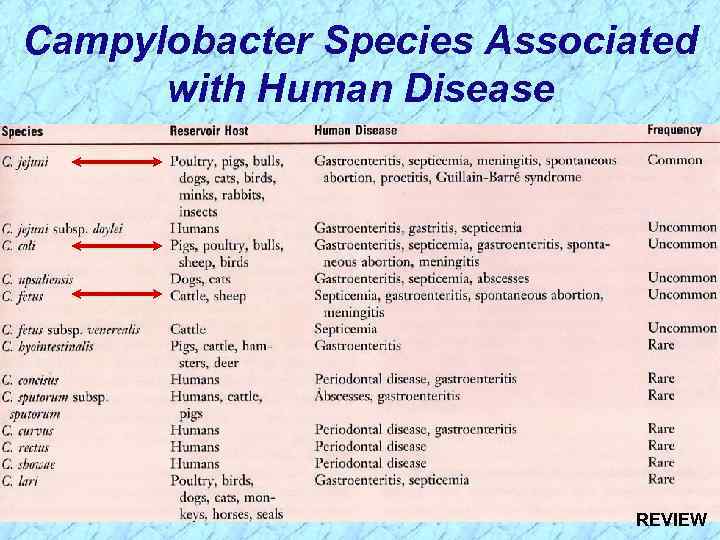
Campylobacter Species Associated with Human Disease REVIEW
Guillain-Barre Syndrome (GBS) Ø Low incidence potential sequela Ø Reactive, self-limited, autoimmune disease Ø Campylobacter jejuni most frequent antecedent pathogen Ø Immune response to specific O-antigens crossreacts with ganglioside surface components of peripheral nerves (molecular or antigenic mimicry) • Acute inflammatory demyelinating neuropathy (85% of cases) from cross reaction with Schwann-cells or myelin • Acute axonal forms of GBS (15% of cases) from molecular mimicry of axonal membrane REVIEW
Epidemiology of Campylobacteriosis Ø Zoonotic infections in many animals particularly avian (bird) reservoirs Ø Spontaneous abortions in cattle, sheep, and swine, but generally asymptomatic carriage in animal reservoir Ø Humans acquire via ingestion of contaminated food (particularly poultry), unpasteurized milk, or improperly treated water Ø Infectious dose is reduced by foods that neutralize gastric acidity, e. g. , milk. Fecal-oral transmission also occurs REVIEW
Epidemiology of Campylobacteriosis(cont. ) Ø Contaminated poultry accounts for more than half of the camylobacteriosis cases in developed countries but different epidemiological picture in developing countries Ø In U. S. and developed countries: Peak incidence in children below one year of age and young adults (15 -24 years old) Ø In developing countries where campylobacters are hyperendemic: Symptomatic disease occurs in young children and persistent, asymptomatic carriage in adults REVIEW
Epidemiology of Campylobacteriosis(cont. ) Ø Sporadic infections in humans far outnumber those affected in point-source outbreaks Ø Sporadic cases peak in the summer in temperate climates with a secondary peak in the late fall seen in the U. S. Ø Globally, C. jejuni subsp. jejuni accounts for more than 80% of all Campylobacter enteriti Ø C. coli accounts for only 2 -5% of the total cases in the U. S. ; C. coli accounts for a higher percentage of cases in developing countries REVIEW


Helicobacter Review
History & Taxonomy of Helicobacter Ø Family not yet named (17 species by r. RNA sequencing) Ø First observed in 1983 as Campylobacter-like organisms (formerly Campylobacter pyloridis) in the stomachs of patients with type B gastritis Ø Nomenclature of Helicobacter was first established in 1989, but only three species are currently considered to be human pathogens Important Human Pathogens: Ø Helicobacter pylori (human; no animal reservoir) Ø H. cinaedi (male homosexuals; rodents) Ø H. fenneliae (male homosexuals; rodents) REVIEW
General Characteristics of Helicobacter Ø Helicobacter pylori is major human pathogen associated with gastric antral epithelium in patients with active chronic gastritis Ø Stomach of many animal species also colonized Ø Urease (gastric strains only), mucinase, and catalase positive highly motile microorganisms Ø Other Helicobacters: H. cinnaedi and H. fenneliae • Colonize human intestinal tract • Isolated from homosexual men with proctitis, proctocolitis, enteritis, and bacteremia and are often transmitted through sexual practices REVIEW
REVIEW
REVIEW
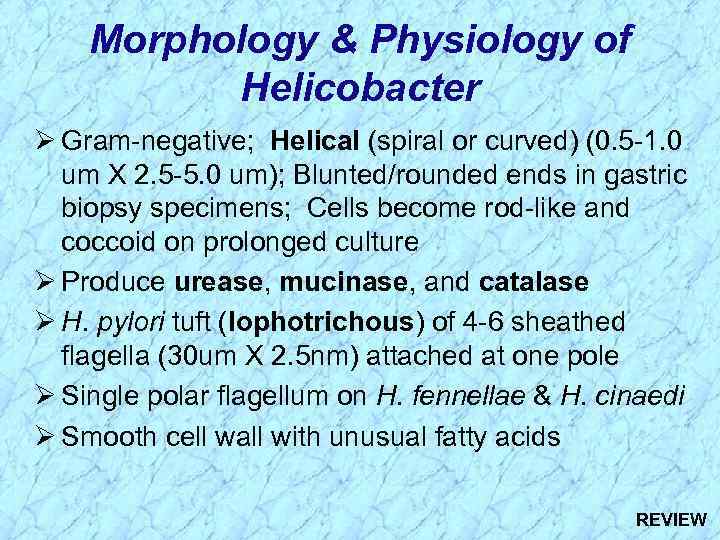
Morphology & Physiology of Helicobacter Ø Gram-negative; Helical (spiral or curved) (0. 5 -1. 0 um X 2. 5 -5. 0 um); Blunted/rounded ends in gastric biopsy specimens; Cells become rod-like and coccoid on prolonged culture Ø Produce urease, mucinase, and catalase Ø H. pylori tuft (lophotrichous) of 4 -6 sheathed flagella (30 um X 2. 5 nm) attached at one pole Ø Single polar flagellum on H. fennellae & H. cinaedi Ø Smooth cell wall with unusual fatty acids REVIEW
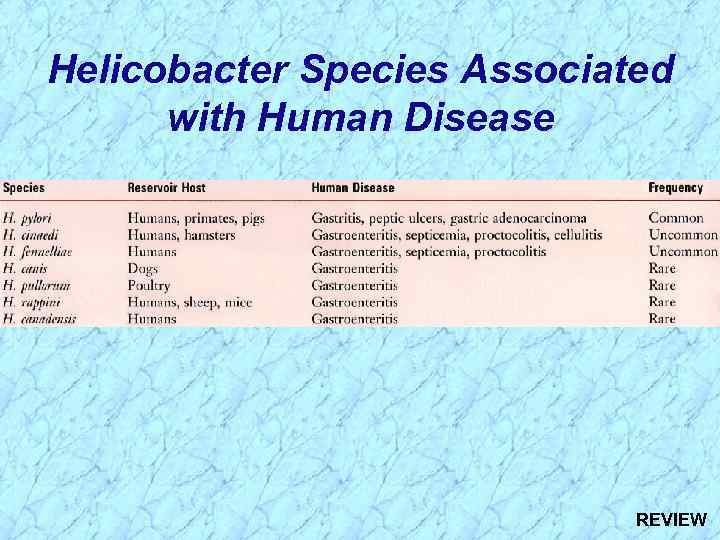
Helicobacter Species Associated with Human Disease REVIEW
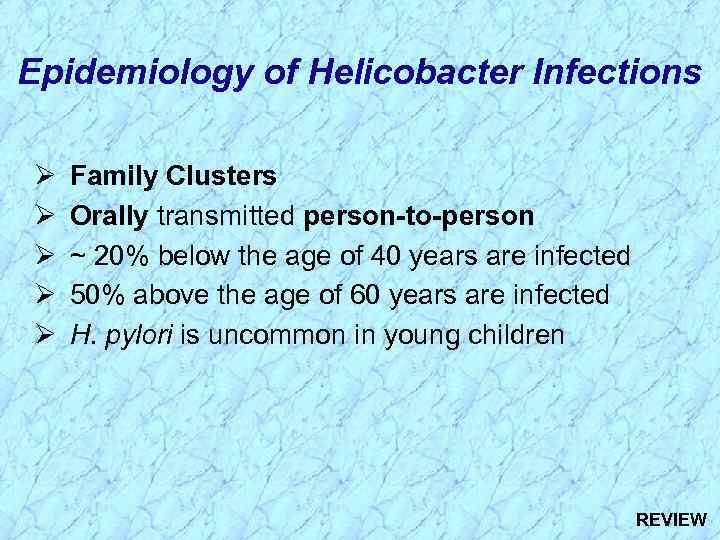
Epidemiology of Helicobacter Infections Ø Ø Ø Family Clusters Orally transmitted person-to-person ~ 20% below the age of 40 years are infected 50% above the age of 60 years are infected H. pylori is uncommon in young children REVIEW
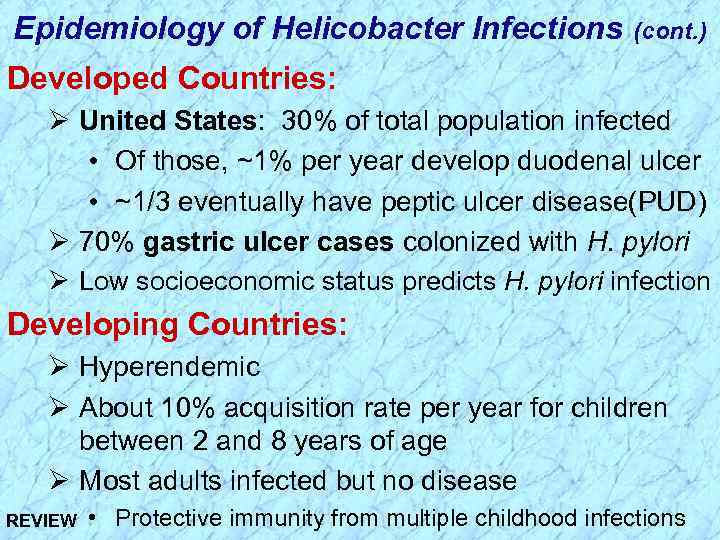
Epidemiology of Helicobacter Infections (cont. ) Developed Countries: Ø United States: 30% of total population infected • Of those, ~1% per year develop duodenal ulcer • ~1/3 eventually have peptic ulcer disease(PUD) Ø 70% gastric ulcer cases colonized with H. pylori Ø Low socioeconomic status predicts H. pylori infection Developing Countries: Ø Hyperendemic Ø About 10% acquisition rate per year for children between 2 and 8 years of age Ø Most adults infected but no disease REVIEW • Protective immunity from multiple childhood infections
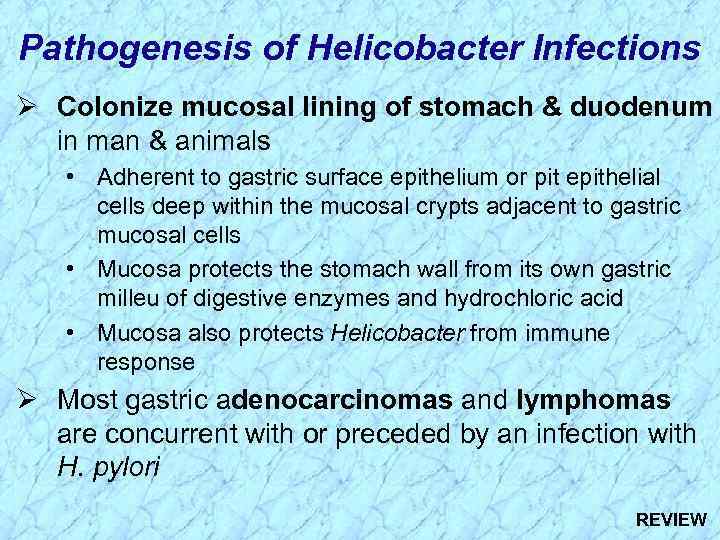
Pathogenesis of Helicobacter Infections Ø Colonize mucosal lining of stomach & duodenum in man & animals • Adherent to gastric surface epithelium or pit epithelial cells deep within the mucosal crypts adjacent to gastric mucosal cells • Mucosa protects the stomach wall from its own gastric milleu of digestive enzymes and hydrochloric acid • Mucosa also protects Helicobacter from immune response Ø Most gastric adenocarcinomas and lymphomas are concurrent with or preceded by an infection with H. pylori REVIEW
Virulence Factors of Helicobacter REVIEW
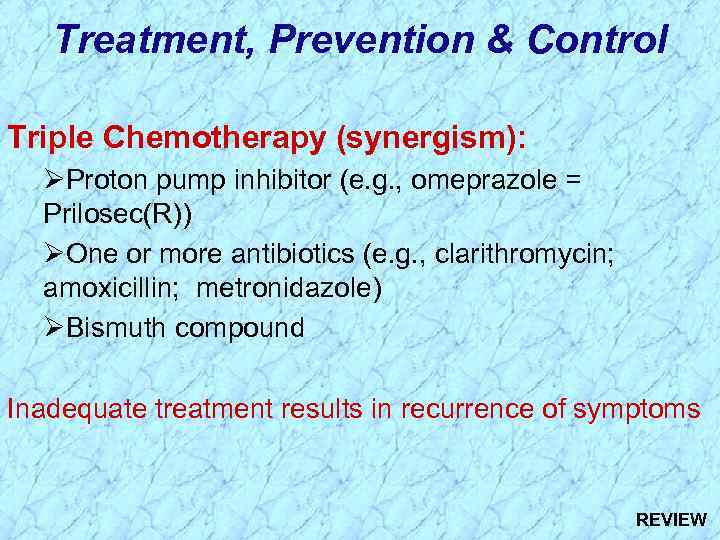
Treatment, Prevention & Control Triple Chemotherapy (synergism): ØProton pump inhibitor (e. g. , omeprazole = Prilosec(R)) ØOne or more antibiotics (e. g. , clarithromycin; amoxicillin; metronidazole) ØBismuth compound Inadequate treatment results in recurrence of symptoms REVIEW
 Скачать презентацию Campylobacter Helicobacter r RNA Superfamily VI of
15_Campylobacter & Helicobacter.ppt