


 Скачать презентацию Callan Institute Saint John of God Hospitaller Ministries
ee582a02ff2569cd371c10e68ce750ec.ppt
- Количество слайдов: 112
 Callan Institute Saint John of God Hospitaller Ministries Skills Teaching Using Systematic Instruction • Caroline Dench • Christina Doody • Gillian Martin • 8 th October, 25 th November, 2013 & 14 th January, 2014. Hospitality Care Compassion Dignity Excellence Justice Respect Trust
 Skills Teaching Using Systematic Instruction 1. Complete 2 Skills Teaching Reports and Teaching Procedures with 2 individual’s with intellectual disability. 2. Complete one 2 -5 minute video clip of you teaching a skill using systematic instruction. 3. Complete a programme monitor for one week to record you/team’s implementation of skills teaching.
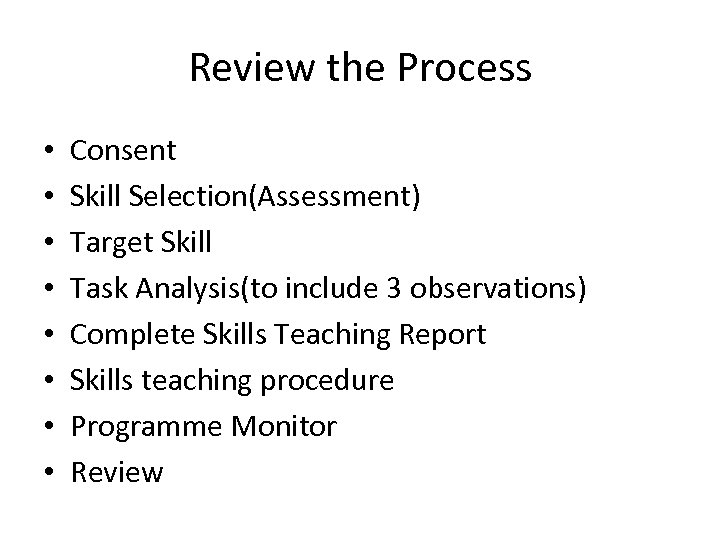
 Review the Process • • Consent Skill Selection(Assessment) Target Skill Task Analysis(to include 3 observations) Complete Skills Teaching Report Skills teaching procedure Programme Monitor Review
 Skills Teaching using Systematic Instruction • • • Day 1 Select a skill for teaching Conduct a task analysis Assess prior to teaching Implement techniques for precision skills teaching
 Skills Teaching
 Skills Teaching
 Disability and Identity
 Models of disability What skills do we teach?
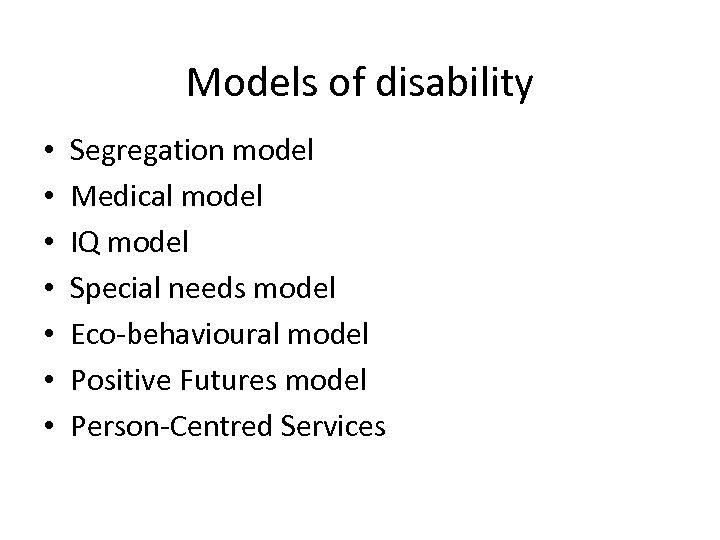 Models of disability • • Segregation model Medical model IQ model Special needs model Eco-behavioural model Positive Futures model Person-Centred Services
 HIQA • Theme 1: • Person Centred Services provide the right support at the right time to enable adults with disabilities to lead their lives on the same basis as their non-disabled peers. A person-centred approach to service provision is one where the services are planned and delivered with the active involvement of people who use services.
 DESIGN AN INDIVIDUAL SUPPORT • 1. What defines quality of life? • 2. Based on the definition, design an individual support service. • 3. Include a philosophy, who would be hired, the resources needed etc. • 4. How would the service be evaluated?
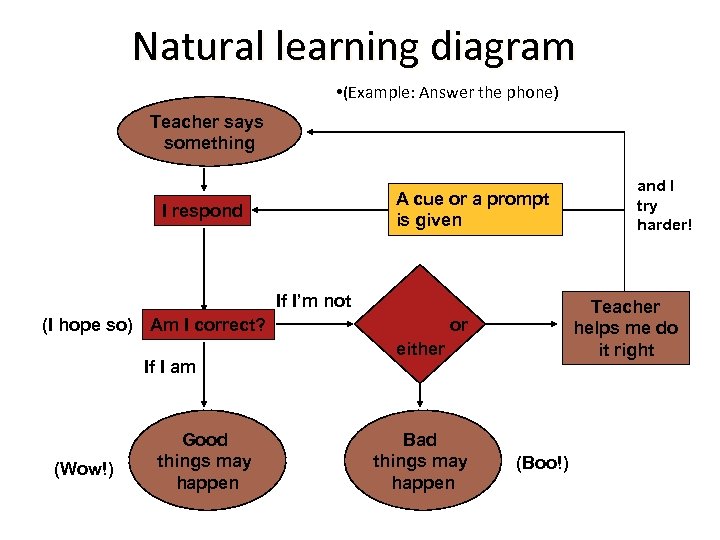 Natural learning diagram • (Example: Answer the phone) Teacher says something A cue or a prompt is given I respond If I’m not (I hope so) Am I correct? If I am (Wow!) Good things may happen Teacher helps me do it right or either Bad things may happen and I try harder! (Boo!)
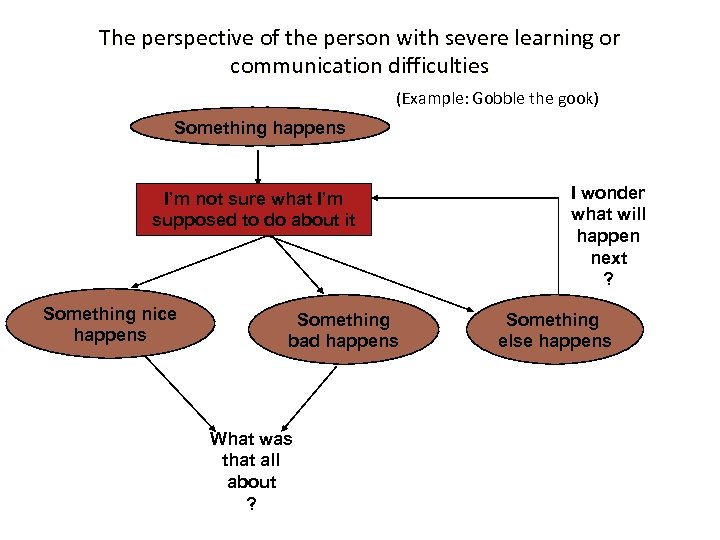 The perspective of the person with severe learning or communication difficulties (Example: Gobble the gook) Something happens I’m not sure what I’m supposed to do about it Something nice happens Something bad happens What was that all about ? I wonder what will happen next ? Something else happens
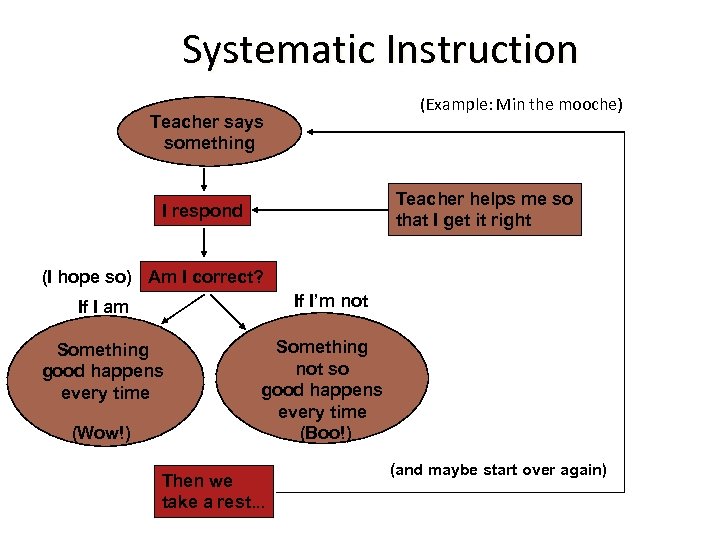 Systematic Instruction (Example: Min the mooche) Teacher says something Teacher helps me so that I get it right I respond (I hope so) Am I correct? If I’m not If I am Something good happens every time (Wow!) Something not so good happens every time (Boo!) Then we take a rest. . . (and maybe start over again)
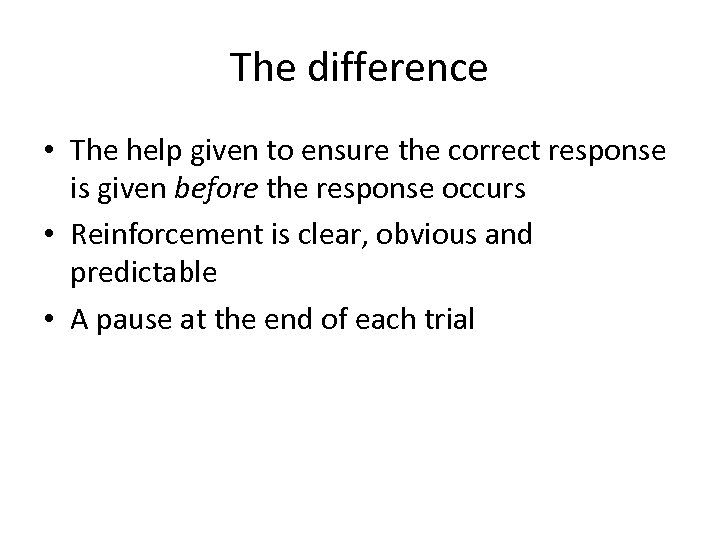 The difference • The help given to ensure the correct response is given before the response occurs • Reinforcement is clear, obvious and predictable • A pause at the end of each trial
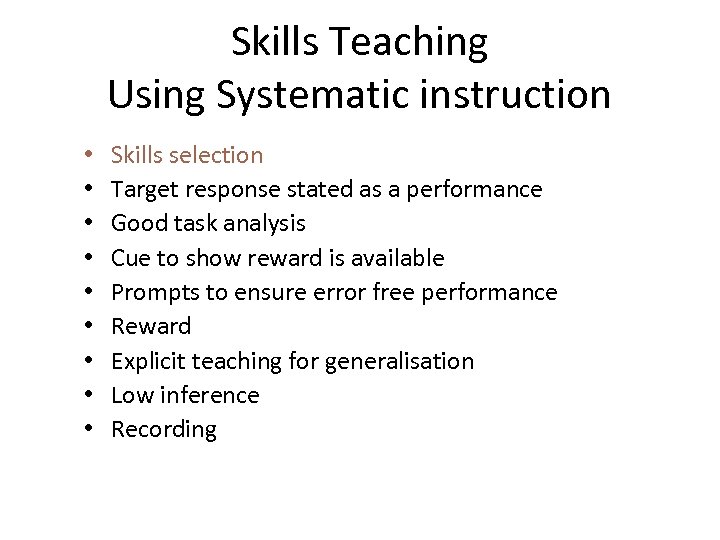 Skills Teaching Using Systematic instruction • • • Skills selection Target response stated as a performance Good task analysis Cue to show reward is available Prompts to ensure error free performance Reward Explicit teaching for generalisation Low inference Recording
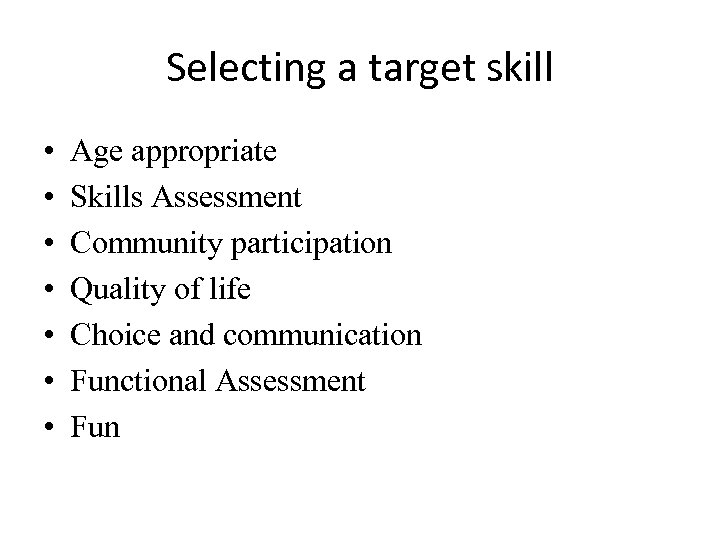 Selecting a target skill • • Age appropriate Skills Assessment Community participation Quality of life Choice and communication Functional Assessment Fun
 Age appropriate • Get inside the person’s shoes! • Would the person value learning it? • Would you value learning it?
 Skills Assessment Skills Profile • Formal Measures: Supports Intensity Scale; Personal Outcomes Measures, Adaptive Behaviour Scale etc. ) • Informal Measures: Person Centred Planning, Interview, Observation.
 Community participation • Low Inference Skills Training • Community Living Skills: What does the person need to learn to be out and about? – With friends – With family – With neighbours – In the community – By themselves
 Quality of life • Lou Brown’s Maxim; Would someone else need to do it? • How will the skill benefit the person? • Does the person have an opportunity to use it? • Will the person’s use of this skill increase the amount of dignity and respect that the person is given? • Person Centred Planning
 Choice and communication • Interview the person: What does the person want to learn? • Communication Profile: What does the person want to understand or communicate?
 Functional Communication • Spontaneous use of new communication skills under the most ordinary of conditions.
 Augmentative Communication Systems • • Eye pointing/ gestures Picture/word cards Objects PECS LAMH/ISL Computer assisted communication Facilitated communication
 Word & Picture cards • • Eoin in Abrakebabra Louise, ‘I want a break’ ‘Hot ones’ ‘No'
 Object cues • • • Bath- sponge Drink- cup Food- plate Walk- bumbag Bus- key
 Picture Exchange Communication System (PECS) • No prerequisite training • First step- teach person to spontaneously request an item- Impact- child approaches adults to initiate social interaction • Gradual change to sentence structure, commenting • No evidence that it inhibits speech acquisition • Greatly reduces prompt dependency
 LAMH • Used for receptive and expressive
 Computer Assisted • Big Mac • Dyna. Vox • Tufftalker • Palmtop The International Society for Augmentative and Alternative Communication Ireland www. isaacireland. org
 Functional Assessment • • • Challenging behaviours The constructive approach Functionally equivalent skills training Functional Assessment questionnaire Multi-Element Behaviour Support Plan
 Fun • • Culturally valued means Enjoyment Mastery Motivation Profile
 Skills Teaching Using Systematic instruction • • • Skills selection Target response stated as a performance Good task analysis Cue to show reward is available Prompts to ensure error free performance Reward Explicit teaching for generalisation Low inference Recording
 Teaching objectives • Sarah will choose a food item for snack independently on 2 out of 3 occasions. • John will communicate ‘No’ independently when asked to go swimming on 3/4 occasions. • Liz will request a walk independently on 2 out of 3 occasions.
 Target Response • Defined as a performance (not a fuzzy) • Only reward the specified correct response • Make sure to accept the correct response (do not up the stakes on a good day!)
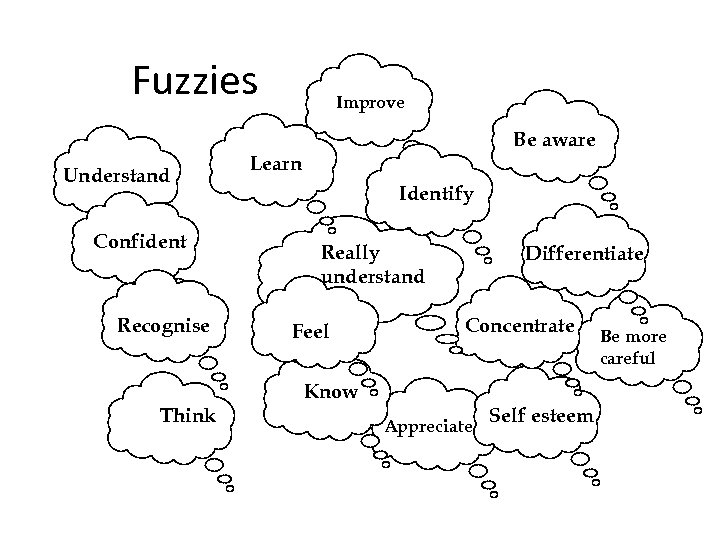 Fuzzies Improve Be aware Understand Confident Recognise Learn Identify Really understand Feel Differentiate Concentrate Know Think Appreciate Self esteem Be more careful
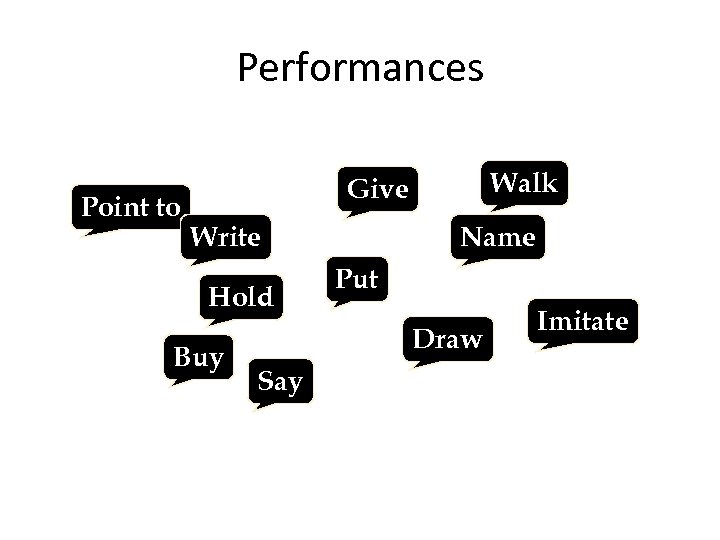 Performances Point to Walk Give Write Hold Buy Name Put Draw Say Imitate
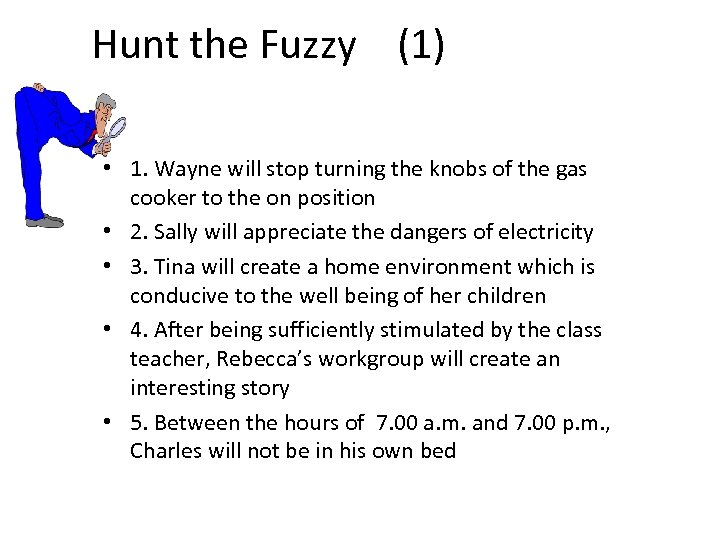 Hunt the Fuzzy (1) • 1. Wayne will stop turning the knobs of the gas cooker to the on position • 2. Sally will appreciate the dangers of electricity • 3. Tina will create a home environment which is conducive to the well being of her children • 4. After being sufficiently stimulated by the class teacher, Rebecca’s workgroup will create an interesting story • 5. Between the hours of 7. 00 a. m. and 7. 00 p. m. , Charles will not be in his own bed
 Hunt the Fuzzy (2) 6. At 7. 45 p. m. Susie will attend her social skills group and listen with interest 7. Sam will be more loving and compassionate towards his wife 8. Jean’s keyworker needs to give Jean attention for ten minutes on three occasions each day 9. Jim will stop and wait at the edge of the kerb when his mother says “James, wait please” 10. Jill will record on a chart whether or not she feels dizzy when she wakes up every morning
 Components of the skills target • • Who Will do what Under what conditions/with what level of help To what level of performance
 Examples of skills targets • Sarah will do aerobics at the local health club with staff accompaniment on five consecutive occasions • Jane will wait (i. e. will not show self-injurious behaviour) for three seconds when asked to on 3 /4 occasions • Ruth will serve herself an additional portion of food from the saucepan using the ladle when she has finished all of the food on her plate
 Skills Teaching Using Systematic instruction • • • Skills selection Target response stated as a performance Good task analysis Cue to show reward is available Prompts to ensure error free performance Reward Explicit teaching for generalisation Low inference Recording
 Task analysis • Component step(s) method • With Fading prompts
 Component steps(multi) method - example • Keith will make a purchase of a glass of Guinness without help on 3 consecutive occasions – – – – – Approaches barman Waits to be served Requests Guinness Waits for Guinness Pays the barman Waits for change Takes change Picks up the glass of Guinness Walks over to a table Sits down
 • Maureen will make friends with someone with whom she can chat on the phone or invite to a movie; – Introduce herself – Initiate conversations – Identify go and no go signals – Maintain conversations without changing the subject – Find activities to do together – Give compliments – Receive compliments – Recognise emotions in others – Recognise emotions in herself – Match self disclosure level
 • Clodagh will make a complaint to her employer without raising her voice – Stating a complaint – Relaxing – Listening to the response – Asking a question – Understanding her rights and responsibilities – Negotiating a compromise
 Component steps method • The steps can be taught – forwards – backwards – or by global chaining
 Component steps method - example • Keith will make a purchase of a glass of Guinness without help on 3 consecutive occasions – – – – – Approaches barman Waits to be served Requests Guinness Waits for Guinness Pays the barman Waits for change Takes change Picks up the glass of Guinness Walks over to a table Sits down 4. 5. 6. 7. 8. 9. 10. 1. 2. 3.
 Assessment of Initial Performance • Conduct three observations with your learner performing the skill, offer help/support as needed. • Explore what the learner finds easy, as these steps may not need to be taught. • Explore what the learner finds difficult, as environmental supports or partial participation may need to be considered. • Record the results of the 3 observations, this is your baseline of the person’s performance before skills teaching begins.
 Component steps method- exercises • • Mary will buy a gift for a family member. Joe will download music from itunes. John will make a cocktail drink for two. Suzanne will make french toast. Daniel will play Mario. Karts on Wii. Kate will take money out using her ATM card. Frank will call his mother on the telephone.
 Prompt fading • Verbal prompts(Auditory) – Fade with time interval(s) – Audio- Ipod, mobile phone head set, church bells • Physical prompts (Touch) – Hand over hand, elbow, shoulder – (H/H, H/E, H/S) • Visual prompts(Vision) – – Gestures Pictures (picture strips) Demonstration Proximity
 Component Step(single) The learner is rewarded for the successful approximation of a target skill. Also known as successive approximation either in performing a smaller step of the skill or by performing a step of the skill with support.
 Component Step(single) with Prompt fading method - example • Mark will sit in his own seat when arrives in the classroom without reminder from his teacher – Arm around shoulder – Hand on back – Hand on elbow – Walk over together
 Component Step(single) using shaping -example • Janet will wait for five minutes without showing self-injurious behaviour when asked to wait for her cup of tea – 0 seconds – 1 second – 3 seconds – 5 seconds – 10 seconds – 20 seconds – 30 seconds - 45 seconds - 1 minute - 1 1/2 minutes - 3 minutes - 5 minutes
 • Keep your ultimate goal in mind • Begin with behaviours that the person can do • Begin with behaviours that most resemble the individual’s goal • Select a step size that can be easily achieved
 Component Step(single) with Prompt fading method - exercises • Gemma will say “Can I have some help please” without reminder when she cannot open something on five consecutive occasions • David will produce a red card from his pocket, to ask for a task to be removed on five consecutive occasions • Jeff eats sausages, chips and carrots without help on five occasions (Jeff currently only eats semi - solid foods, although he can chew and swallow chocolate and toffee)
 Component Step(single) with Shaping method- exercises • Harry will speak in a normal tone instead of shouting loudly enough to be heard in another room • Charles will engage in rough and tumble play for three minutes without hitting on three successive occasions • Sarah will talk to her landlord about getting some work done on her apartment • Derek will only spit into a waste paper basket • John will drink four ounces from a cup without spilling
 Skills Teaching using Systematic Instruction First Assignment 1. Select a skill for teaching. 2. Complete three observations. 3. Complete Section A and Section B of the Skills Teaching Report (page 1 - page 6)
 Skills Teaching using Systematic Instruction • 14 th November 2012
 Skills Teaching using Systematic Instruction • Day 2 • Techniques for maximising learner participation • Techniques for maximising prompt effectiveness • Interaction style for skills teaching • Reinforcement selection and delivery • Efficient methods for documenting progress • How to write a skills teaching programme
 Skills Teaching Using Systematic instruction • Review Assignment
 Skills Teaching Using Systematic instruction • • • Skills selection Target response stated as a performance Good task analysis Cue to show reward is available Prompts to ensure error free performance Reward Explicit teaching for generalisation Low inference Recording
 Cue • • Clear and consistent Based on the abilities of the learner Only presented when the learner is attending Approximate the natural cue in the environment
 Cue • Examples of cue: • • The kettle switches off The phone rings ‘Would you like to. . . ’ Other examples. . .
 Environmental Adaptations • Examples: • A tray with cup, teabag, milk, spoon. • Sticker on the microwave.
 Skills Teaching Using Systematic instruction • • • Skills selection Target response stated as a performance Good task analysis Cue to show reward is available Prompts to ensure error free performance Reward Explicit teaching for generalisation Low inference Recording
 Prompting l l l Learner learns to respond to the first cue Learner does not have to wait Learner is reinforced only for distinctly correct response Fading is planned: prompt dependence is unlikely Learner sees that actions have effects
 Prompting and correcting l l Learner learns to respond to the first cue, does not have to wait Learner is reinforced only for distinctly correct response Fading is planned: prompt dependence is unlikely Learner sees that actions have effects • Learner does not know which is the real cue, and may learn to wait for assistance or correction • Learner may be not be sure what is being reinforced • You cannot fade a correction • Learner experiences failure
 Prompts • Be sure that the prompt gives sufficient help to produce the correct response • Be sure the prompt is not unnecessary or confusing • Be sure the prompt can be faded
 Prompt Options • Verbal prompts(Auditory) – Fade with time interval(s) – Audio- Ipod, mobile phone head set, church bells • Physical prompts (Touch ) – Hand over hand, elbow, shoulder – (H/H, H/E, H/S) • Visual prompts(Vision) – – Gestures Pictures (picture strips) Demonstration Proximity
 Teaching methods • • • Modelling Chain interrupt Picture / Object Exchange Co-trainer prompting Forced Choice Facilitate
 Modelling • Demonstration • Use of video- Anne
 Chain Interrupt • Definition: Interrupt the steps in a task sequence to teach communication in context.
 Picture/Object Exchange • Mobility • Self Initiation
 Co-trainer Prompting • Discriminates between initiator and responder. • Easy to fade. • Physical, gestural, verbal, visual prompts.
 Forced Choice
 Forced Choice Test – Identify a range of potential reinforcers – Person told “Pick one” – Response defined • grasp • gaze • smile – Remove other items – Record: Item chosen, length of use, reaction – Remove item and repeat presentation of all items • Simplified forced choice – Two way choices
 Skills Teaching Using Systematic instruction • • • Skills selection Target response stated as a performance Good task analysis Cue to show reward is available Prompts to ensure error free performance Reward Explicit teaching for generalisation Low inference Recording
 Reward • Defined as a performance • Clearly different from the consequence given to a incorrect response • Look for ways that the artificial reward can be faded to the natural environment • Use a natural reward
 Reward • Artificial Reward • Natural Reward - Fade reward Examples: Signed Card/ Cup of tea/Road map/A photograph
 Motivation Profile • Rationale – Identify events with sufficient motivational characteristics to outweigh the reinforcement associated with non-performance of the target skill – Consent/social validity
 Reasons for programme failure • • • Skills selection was less than 2. Reinforcement not individualised At convenience of others and setting Over emphasis on food and attention Lack of creativity and design Other:
 Token systems • Tokens can overcome satiation • Consider – Happy faces with no exchange – Points for the sake of getting points – Money that cannot be spent – John never remembers to take his tokens – Can of Coke – Bill loses his tokens every day – Annie can earn a maximum of 1, 024 tokens every day
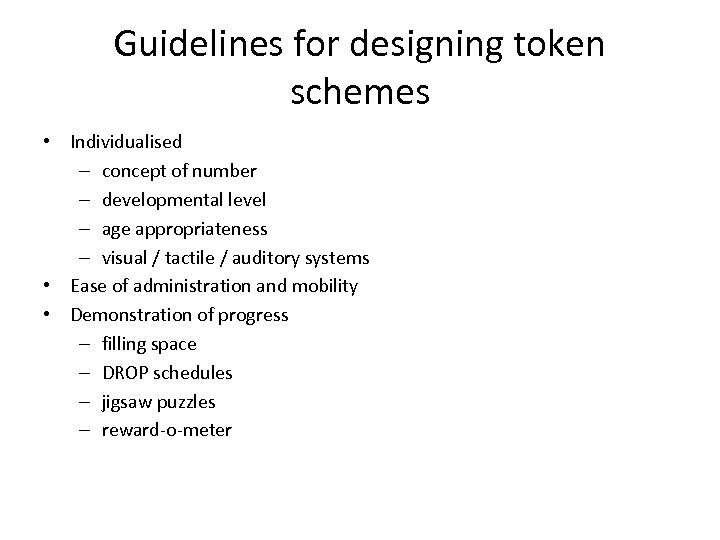 Guidelines for designing token schemes • Individualised – concept of number – developmental level – age appropriateness – visual / tactile / auditory systems • Ease of administration and mobility • Demonstration of progress – filling space – DROP schedules – jigsaw puzzles – reward-o-meter
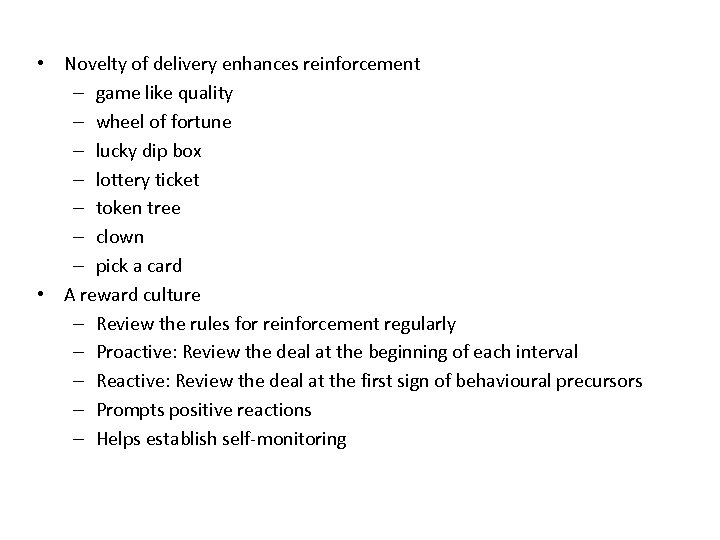 • Novelty of delivery enhances reinforcement – game like quality – wheel of fortune – lucky dip box – lottery ticket – token tree – clown – pick a card • A reward culture – Review the rules for reinforcement regularly – Proactive: Review the deal at the beginning of each interval – Reactive: Review the deal at the first sign of behavioural precursors – Prompts positive reactions – Helps establish self-monitoring
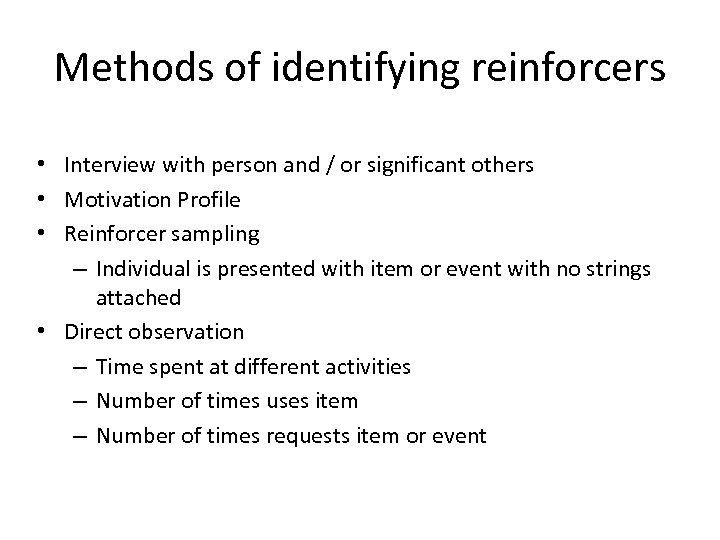 Methods of identifying reinforcers • Interview with person and / or significant others • Motivation Profile • Reinforcer sampling – Individual is presented with item or event with no strings attached • Direct observation – Time spent at different activities – Number of times uses item – Number of times requests item or event
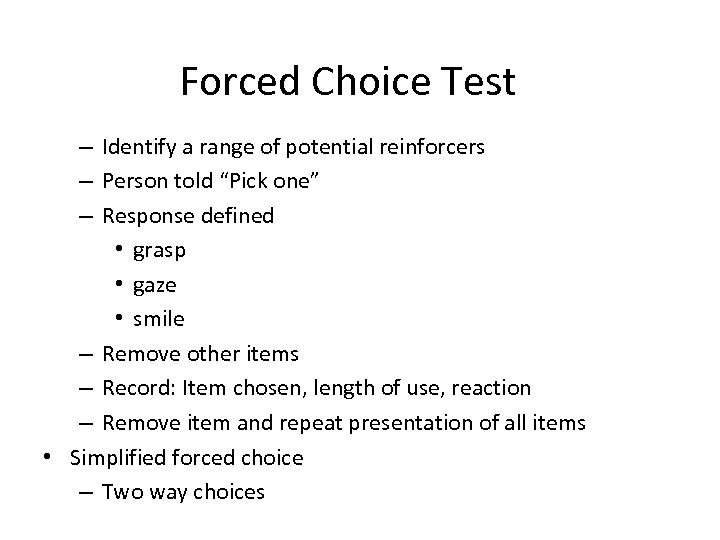 Forced Choice Test – Identify a range of potential reinforcers – Person told “Pick one” – Response defined • grasp • gaze • smile – Remove other items – Record: Item chosen, length of use, reaction – Remove item and repeat presentation of all items • Simplified forced choice – Two way choices
 A Reward Culture – Review the rules of reinforcement regularly – Proactive; Review the ‘deal’ at the beginning of each interval/teaching session. – Prompts positive responses – Helps establish self monitoring
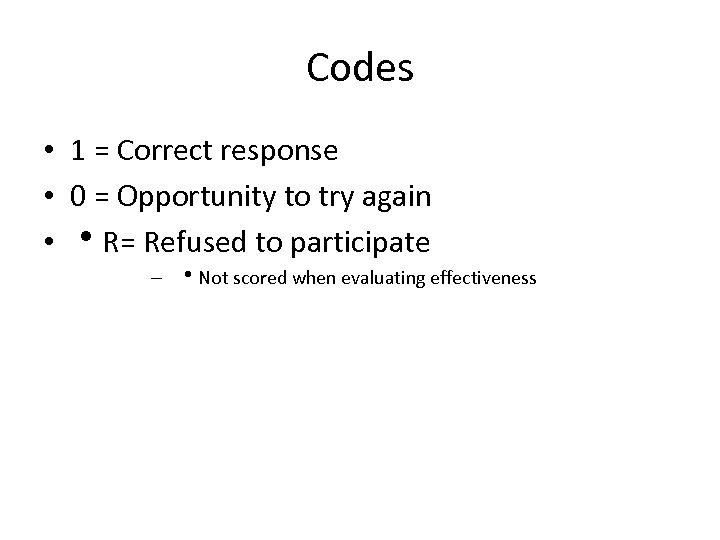
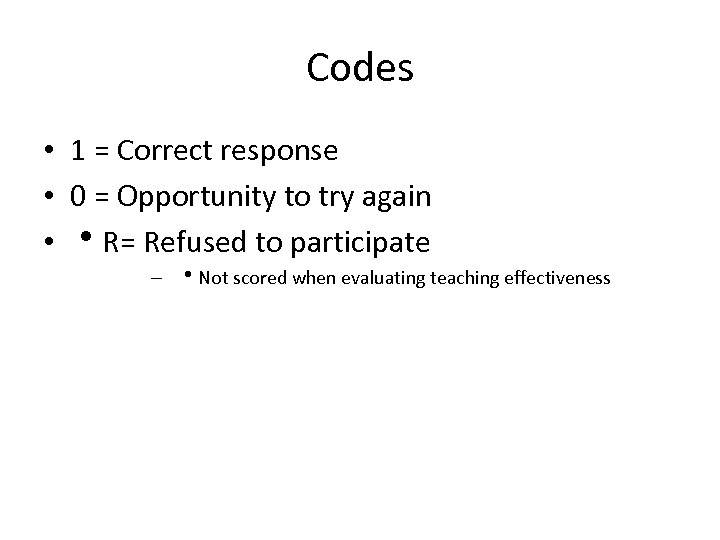 Codes • 1 = Correct response • 0 = Opportunity to try again • R= Refused to participate – Not scored when evaluating teaching effectiveness
 Skills Teaching Using Systematic Instruction • Video
 Skills Teaching using Systematic Instruction • Assignment: 1. Complete the skills teaching report for the first learner. 2. Select 1 more skill for 1 different individual and complete a second Skills Teaching Report. 3. Complete 2 skills teaching procedures. 4. Begin to teach 1 skill
 Skills Teaching using Systematic Instruction • 16 th January 2013
 Skills Teaching using Systematic Instruction • Day 3 • A proven, three level system of staff training • To implement an organisational system for ensuring intensive skills teaching and development within the service. • How to review and feedback on the skills teaching procedures implemented •
 Skills Teaching Using Systematic instruction • Review Skills Selection: Evaluation Instrument • Review Skills Teaching Procedure: Evaluation Instrument
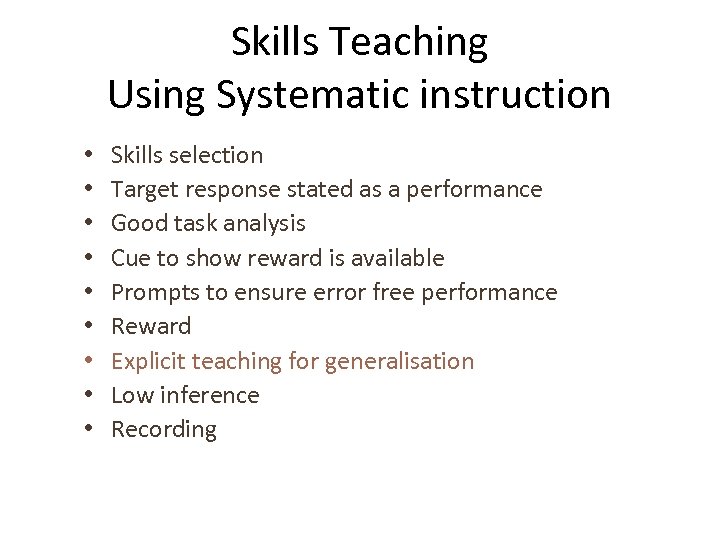 Skills Teaching Using Systematic instruction • • • Skills selection Target response stated as a performance Good task analysis Cue to show reward is available Prompts to ensure error free performance Reward Explicit teaching for generalisation Low inference Recording
 Inter-trial interval • Reason for pause • Base length of pause on needs of learner – Attention span – Stamina • Use the Pause for conversation, recording reinforcement usage or teaching someone else
 Generalisation • Development of ‘Skill’ • Generalisation of skill across different people, settings/
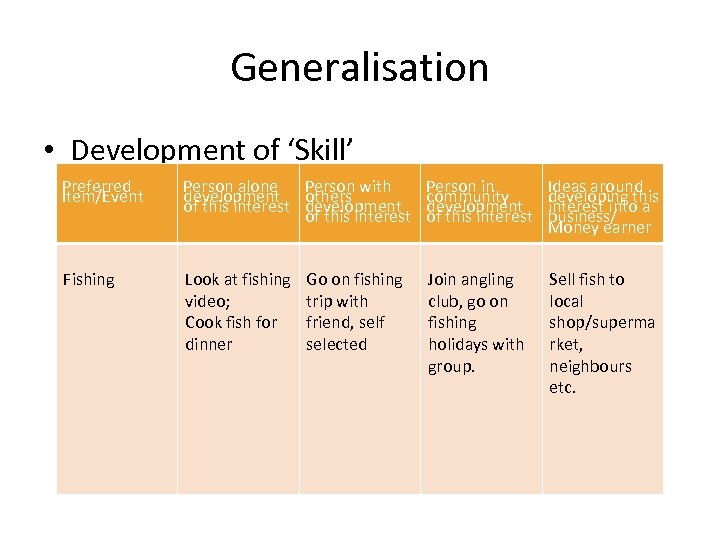 Generalisation • Development of ‘Skill’ Preferred Item/Event Person alone Person with development others of this interest development of this interest Person in community development of this interest Ideas around developing this interest into a business/ Money earner Fishing Look at fishing video; Cook fish for dinner Join angling club, go on fishing holidays with group. Sell fish to local shop/superma rket, neighbours etc. Go on fishing trip with friend, self selected
 Generalisation • Generalisation of skill across different people, settings/ • The skill can be taught by different people and in different settings.
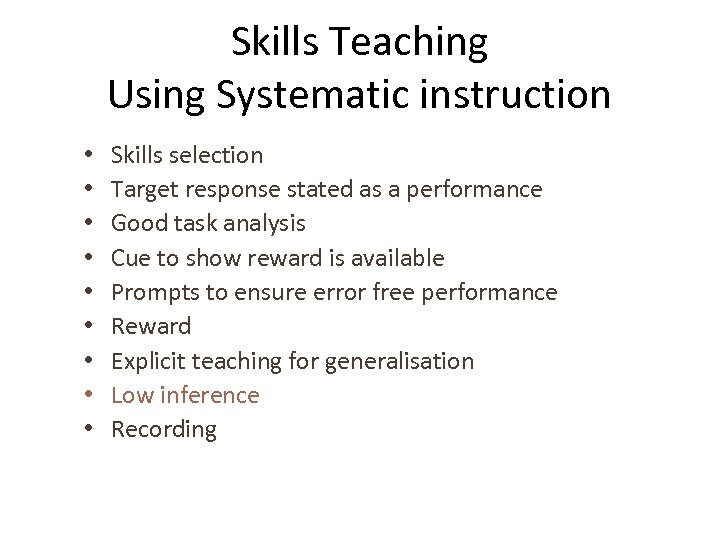 Skills Teaching Using Systematic instruction • • • Skills selection Target response stated as a performance Good task analysis Cue to show reward is available Prompts to ensure error free performance Reward Explicit teaching for generalisation Low inference Recording
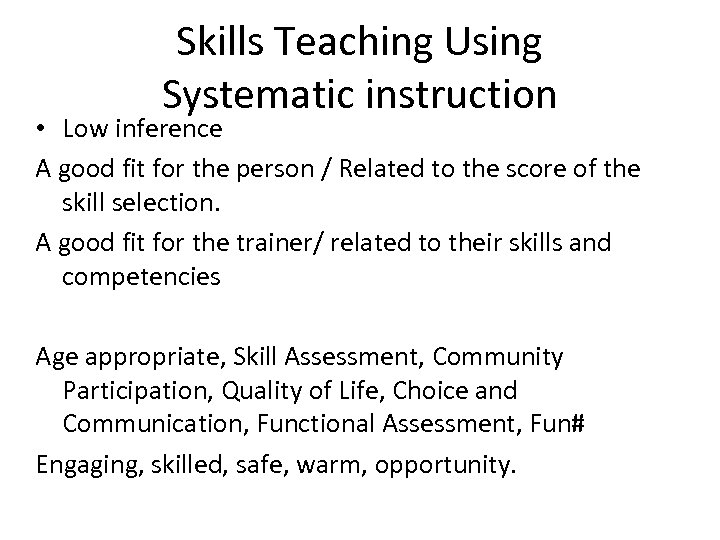 Skills Teaching Using Systematic instruction • Low inference A good fit for the person / Related to the score of the skill selection. A good fit for the trainer/ related to their skills and competencies Age appropriate, Skill Assessment, Community Participation, Quality of Life, Choice and Communication, Functional Assessment, Fun# Engaging, skilled, safe, warm, opportunity.
 Format • Continuous • Momentary • Discrete trial
 Within trial fading • Probe within trial fades • Silent trials
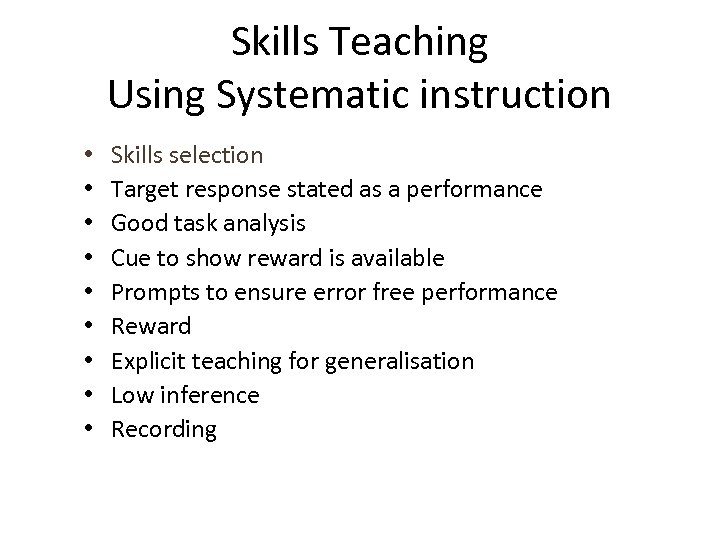 Skills Teaching Using Systematic instruction • • • Skills selection Target response stated as a performance Good task analysis Cue to show reward is available Prompts to ensure error free performance Reward Explicit teaching for generalisation Low inference Recording
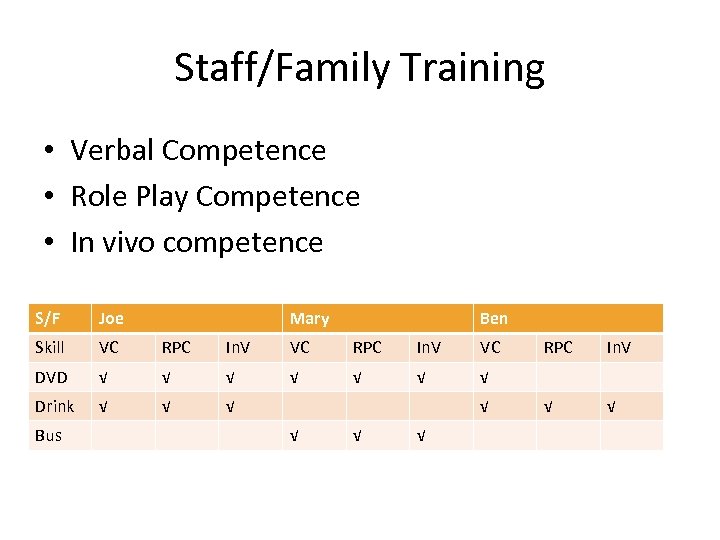 Staff/Family Training • Verbal Competence • Role Play Competence • In vivo competence S/F Joe Skill VC RPC In. V VC DVD √ √ √ √ Drink √ √ √ Bus Mary Ben √ √ RPC In. V √ √
 Programme Monitor • The KISS principle • Graphs • Informing significant others
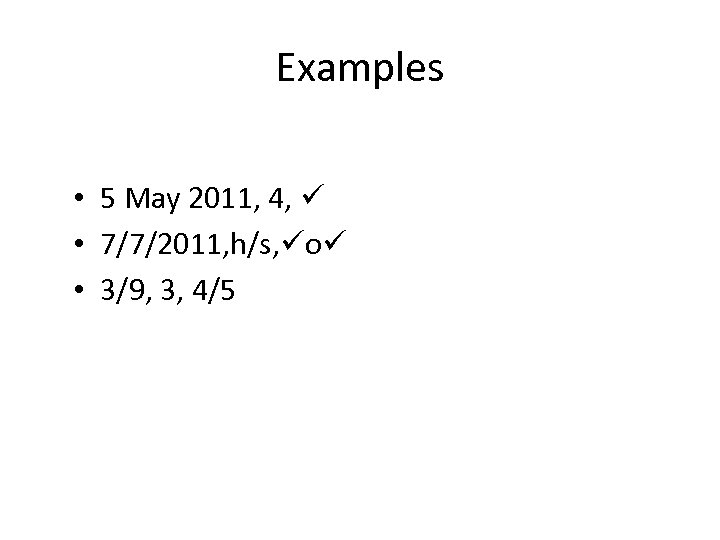 Examples • 5 May 2011, 4, • 7/7/2011, h/s, o • 3/9, 3, 4/5
 Codes • 1 = Correct response • 0 = Opportunity to try again • R= Refused to participate – Not scored when evaluating effectiveness
 Programme Monitor • The KISS principle • Graphs • Informing significant others
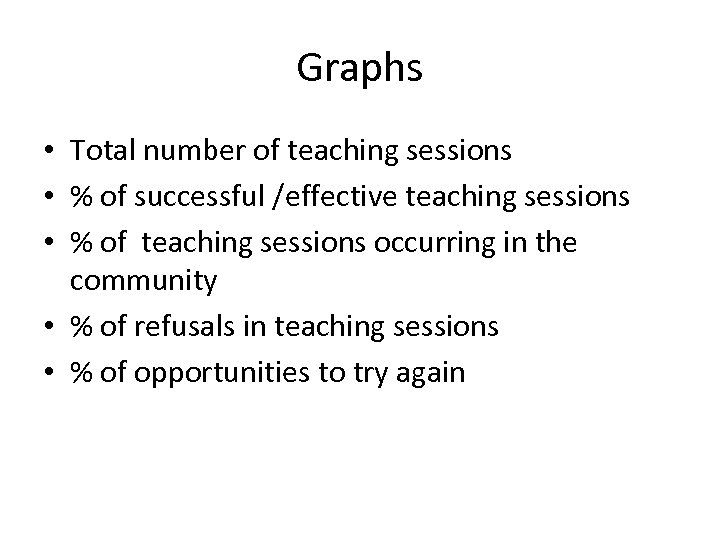 Graphs • Total number of teaching sessions • % of successful /effective teaching sessions • % of teaching sessions occurring in the community • % of refusals in teaching sessions • % of opportunities to try again
 Review the Process • • Consent Skill Selection(Assessment) Target Skill Task Analysis(to include 3 observations) Complete Skills Teaching Report Skills teaching procedure Programme Monitor Review
 Skills Teaching using Systematic Instruction • Final Assignment: 1. Submit 2 Skills Teaching Report with 2 skills teaching procedures. 2. Submit a 2 -3 minute video clip on one skills teaching procedure. 3. Submit a Programme Monitor for 1 week
 Callan Institute Saint John of God Hospitaller Ministries Skills Teaching Using Systematic Instruction • Caroline Dench • Christina Doody • Gillian Martin Hospitality Care Compassion Dignity Excellence Justice Respect Trust