



By Anastassiya Svistunova
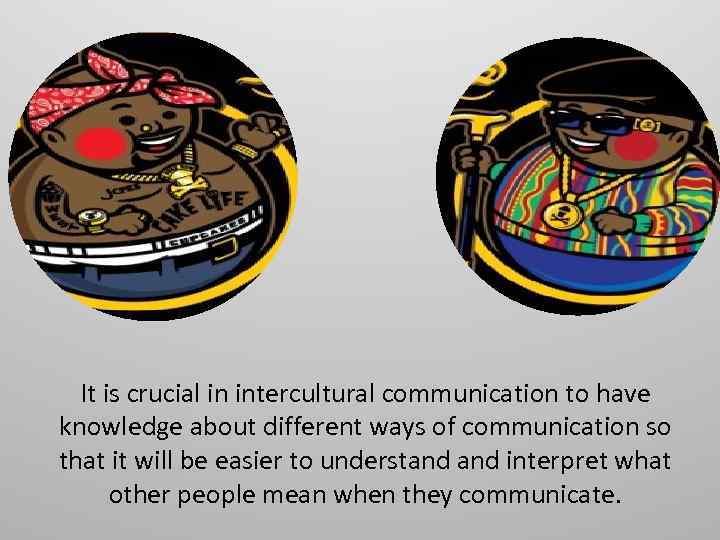
It is crucial in intercultural communication to have knowledge about different ways of communication so that it will be easier to understand interpret what other people mean when they communicate.
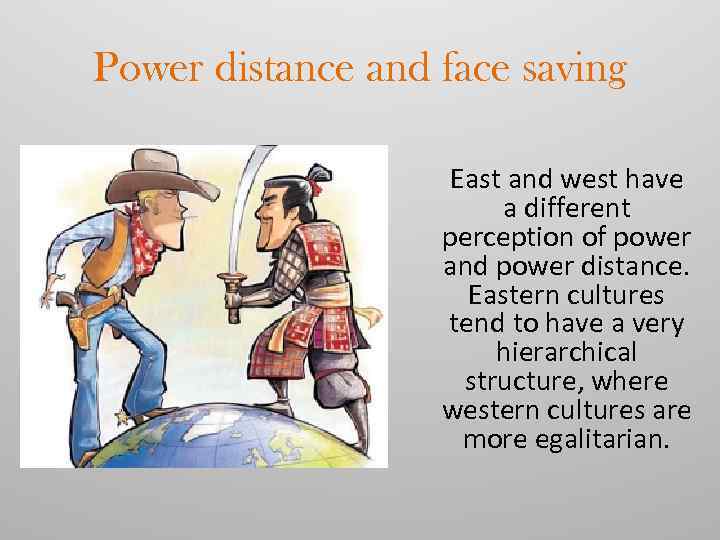
Power distance and face saving East and west have a different perception of power and power distance. Eastern cultures tend to have a very hierarchical structure, where western cultures are more egalitarian.

In multinational companies… An Asian manager wants the employee to be loyal to the company and to him, without showing own initiative, while a western employee would want to be able to show his skills and to pursue personal fulfilment. Most likely, none of the persons would want to adjust to the other one.
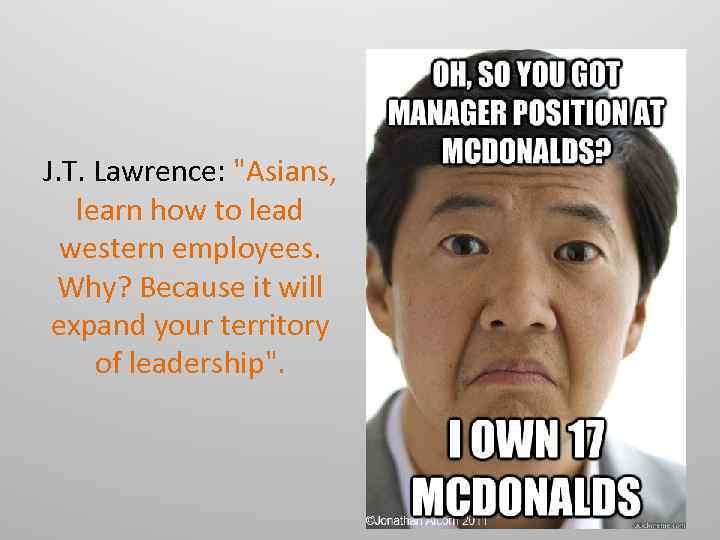
J. T. Lawrence: "Asians, learn how to lead western employees. Why? Because it will expand your territory of leadership".
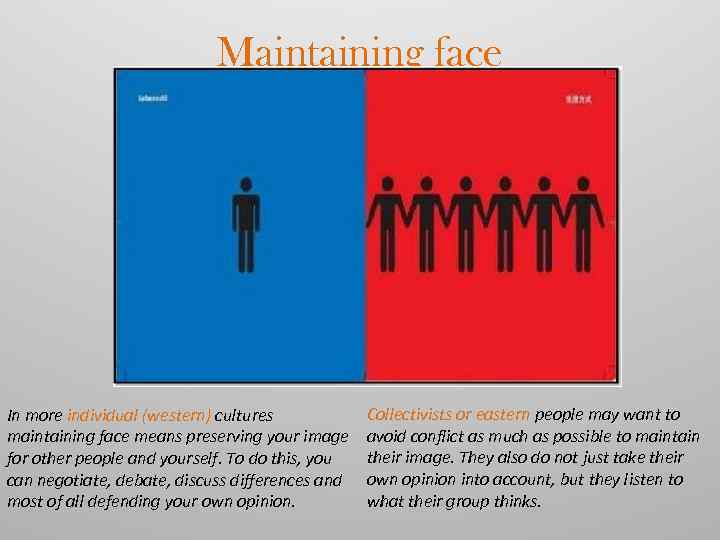
Maintaining face In more individual (western) cultures maintaining face means preserving your image for other people and yourself. To do this, you can negotiate, debate, discuss differences and most of all defending your own opinion. Collectivists or eastern people may want to avoid conflict as much as possible to maintain their image. They also do not just take their own opinion into account, but they listen to what their group thinks.
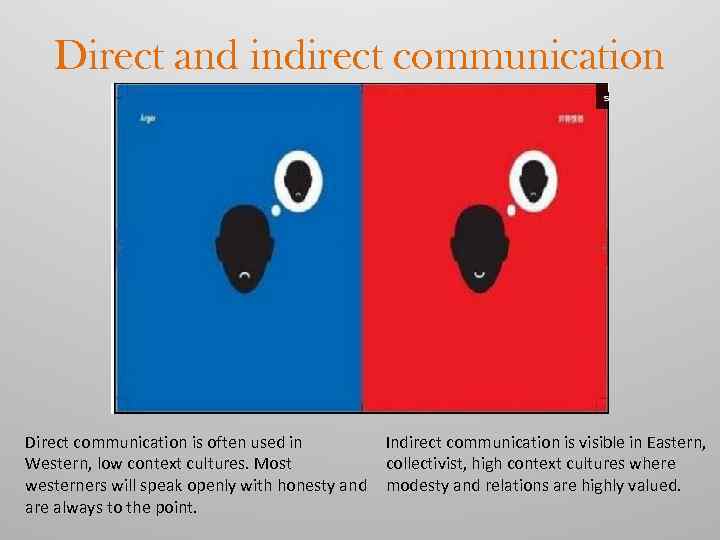
Direct and indirect communication Direct communication is often used in Western, low context cultures. Most westerners will speak openly with honesty and are always to the point. Indirect communication is visible in Eastern, collectivist, high context cultures where modesty and relations are highly valued.
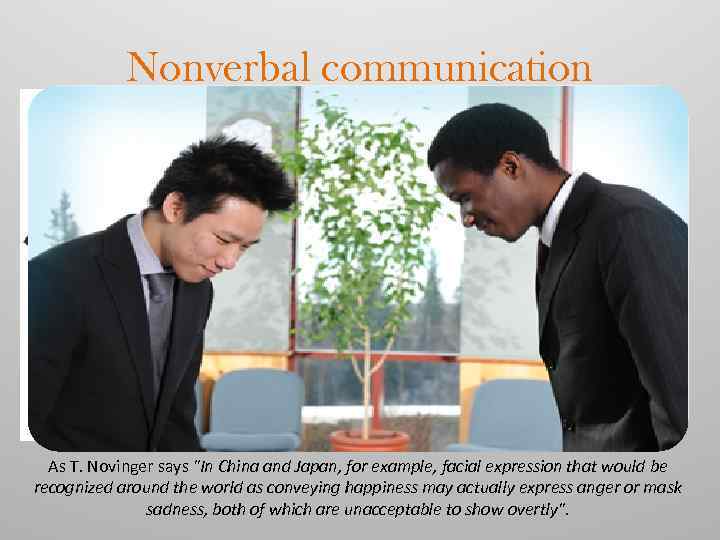
Nonverbal communication As T. Novinger says "In China and Japan, for example, facial expression that would be recognized around the world as conveying happiness may actually express anger or mask sadness, both of which are unacceptable to show overtly".

Body language
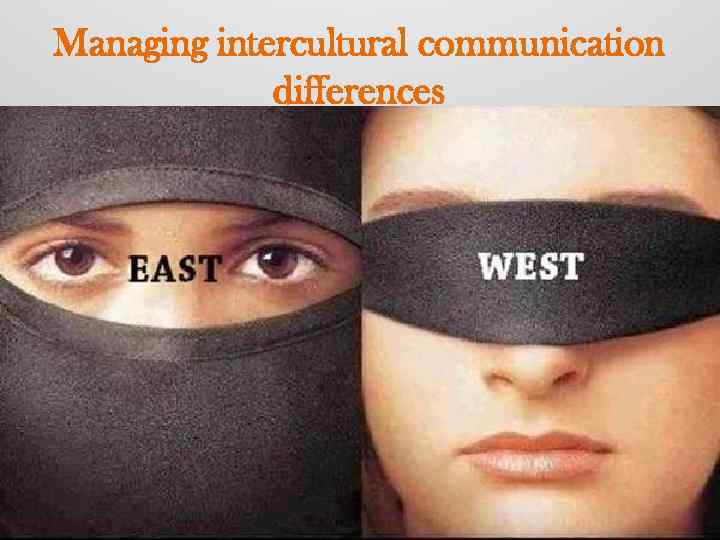
Managing intercultural communication differences
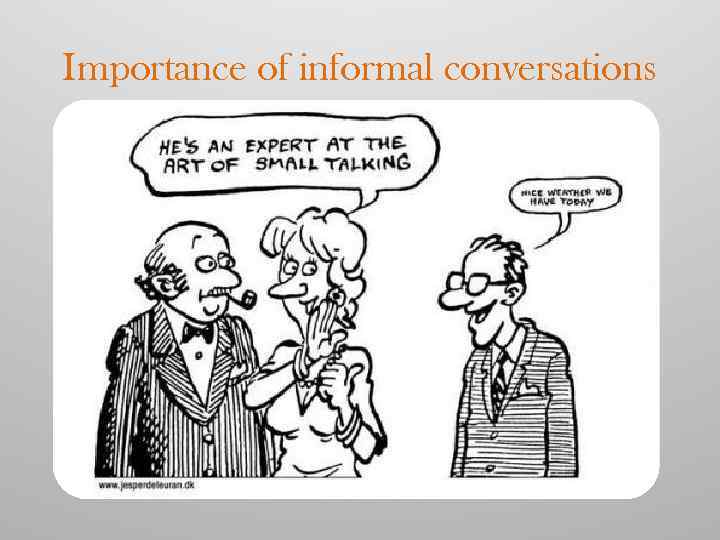
Importance of informal conversations

Ways to distill for the successful prevention and resolution of conflict 1. Know Yourself and. .

2. Learn others expectations

3. Check Your Assumptions

4. Ask questions

5. Listen …
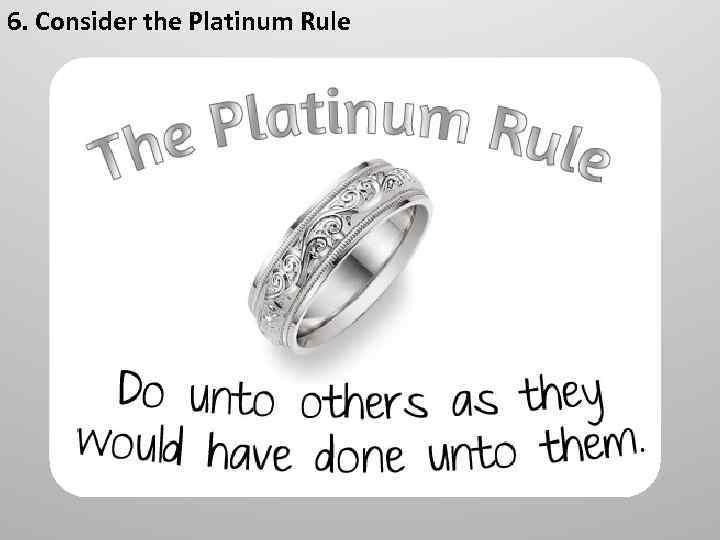
6. Consider the Platinum Rule
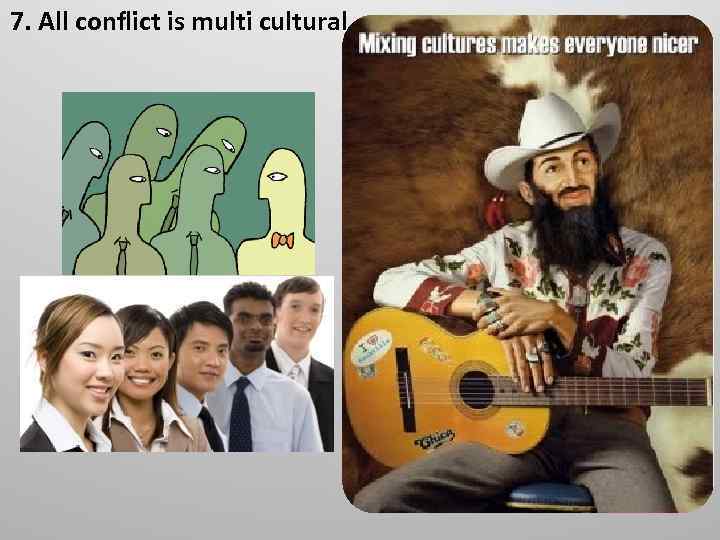
7. All conflict is multi cultural

