 Скачать презентацию Building successful business partnerships to reduce Food and
00c12f1cf798e3697c17e3d4c1a39a26.ppt
- Количество слайдов: 18



Building successful business partnerships to reduce Food and Drink Waste Andy Dawe Head of Food & Drink Programme, WRAP 26 th June 2012
Content § § Why tackle food waste? Consumer strategy Business strategy Conclusions
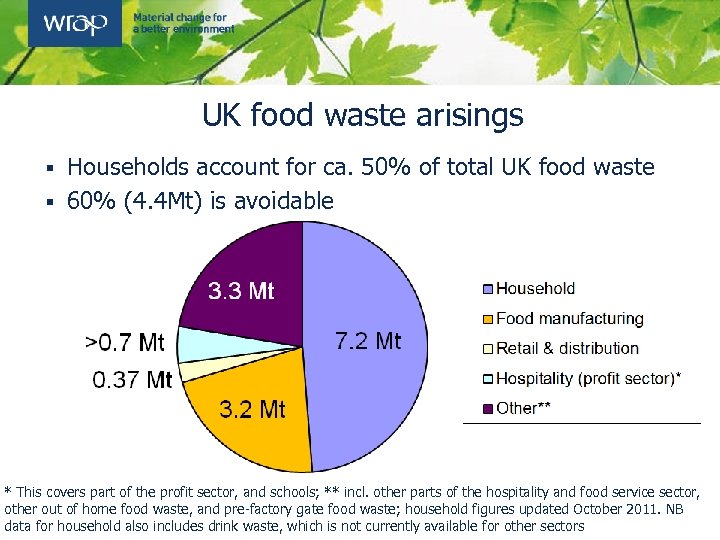
UK food waste arisings Households account for ca. 50% of total UK food waste § 60% (4. 4 Mt) is avoidable § * This covers part of the profit sector, and schools; ** incl. other parts of the hospitality and food service sector, other out of home food waste, and pre-factory gate food waste; household figures updated October 2011. NB data for household also includes drink waste, which is not currently available for other sectors
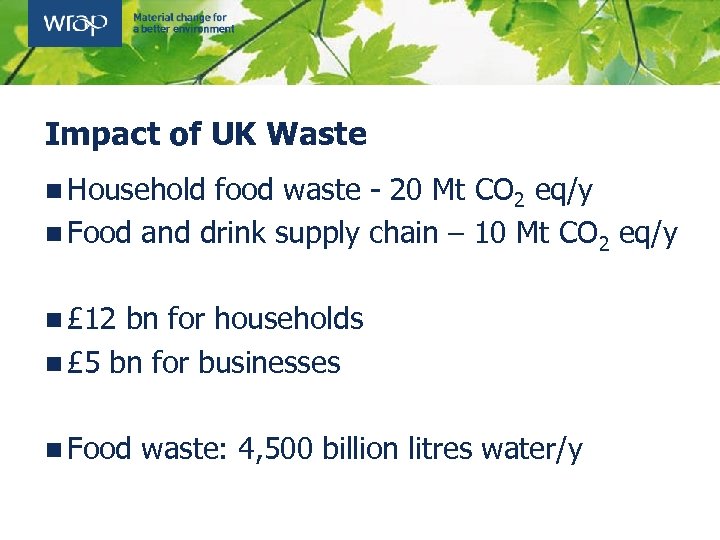
Impact of UK Waste n Household food waste - 20 Mt CO 2 eq/y n Food and drink supply chain – 10 Mt CO 2 eq/y n £ 12 bn for households n £ 5 bn for businesses n Food waste: 4, 500 billion litres water/y
Strategy • • Raise awareness of food waste Prioritise household food waste reductions Drive change in the supply chain Tackle hospitality and catering waste
Consumer food waste prevention
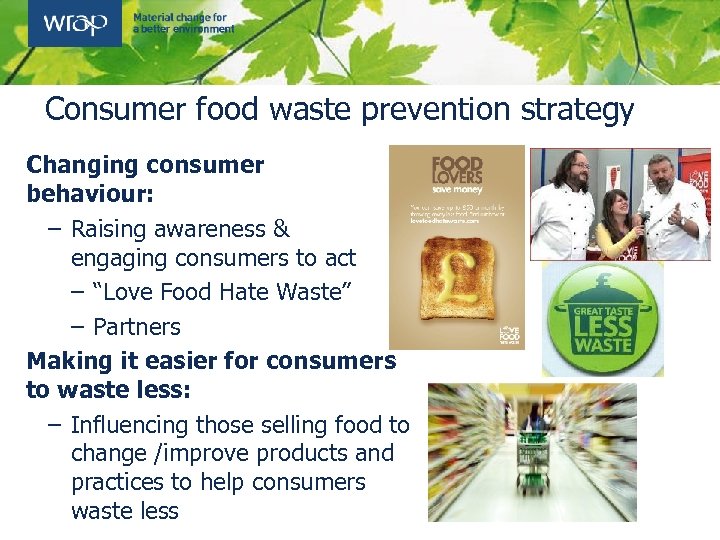
Consumer food waste prevention strategy Changing consumer behaviour: – Raising awareness & engaging consumers to act – “Love Food Hate Waste” – Partners Making it easier for consumers to waste less: – Influencing those selling food to change /improve products and practices to help consumers waste less
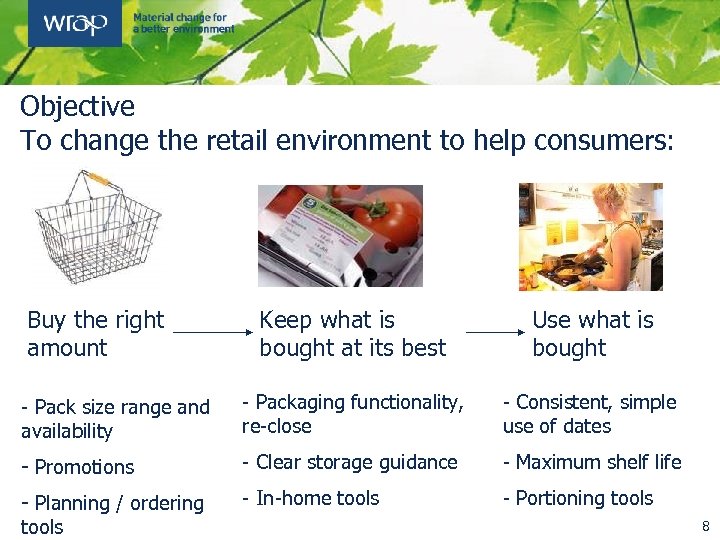
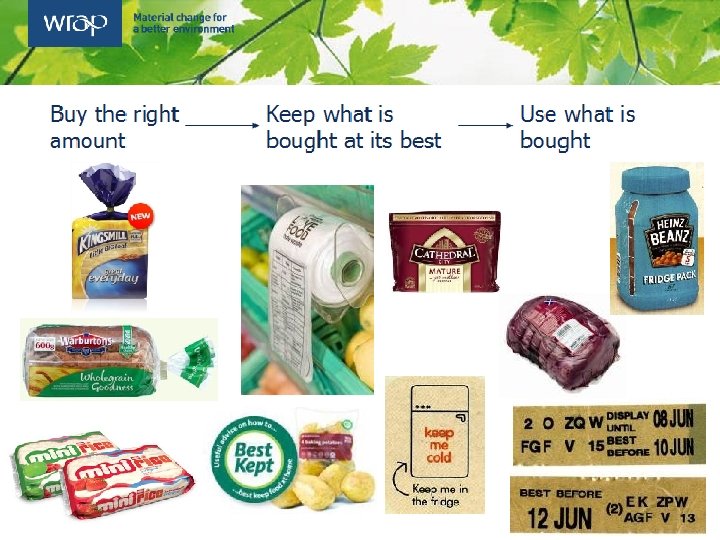
Objective To change the retail environment to help consumers: Buy the right amount Keep what is bought at its best Use what is bought - Pack size range and availability - Packaging functionality, re-close - Consistent, simple use of dates - Promotions - Clear storage guidance - Maximum shelf life - Planning / ordering tools - In-home tools - Portioning tools 8
Impact In 2009 1. 1 Mt/y less food waste was collected than in 2006/7 n Reduction of 13% n Value of avoided food waste was ~ £ 2. 5 billion /y n Lower food sales n
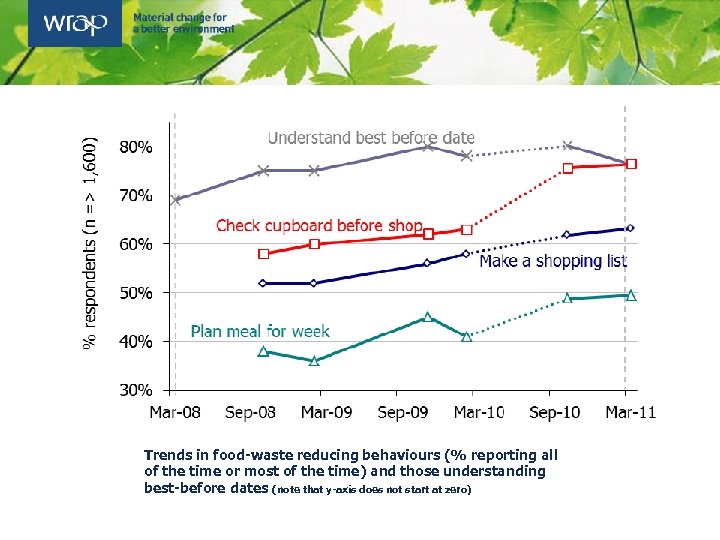
Trends in food-waste reducing behaviours (% reporting all of the time or most of the time) and those understanding best-before dates (note that y-axis does not start at zero)
Business food waste prevention
Courtauld Commitment Phase 2 Signatories
Courtauld Commitment 2 - targets 3 targets, 3 years (2010 -2012): Packaging Target To reduce carbon impact of packaging by 10% Household Food & Drink Waste Target To reduce household food and drink wastes by 4% Supply Chain Product Waste Target To reduce traditional grocery product waste in the grocery supply chain by 5%
Supply chain strategy • • Evidence – resource maps Engagement – Key Account Managers Guidance – Sector guidance notes Support – Waste prevention reviews
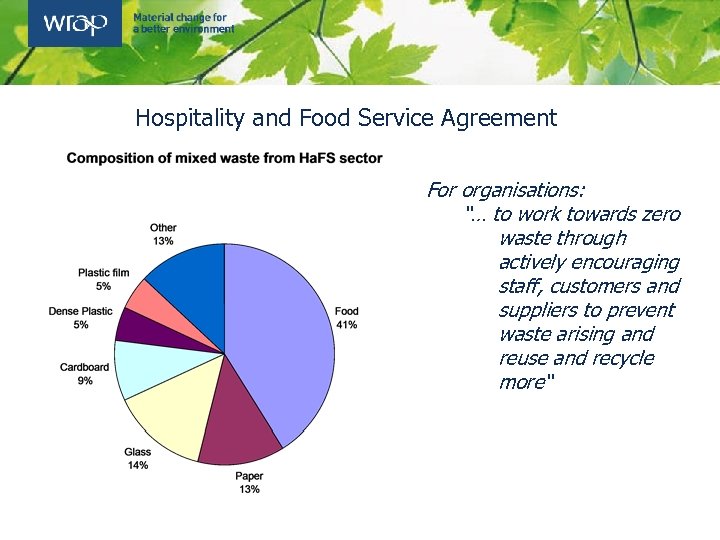
Hospitality and Food Service Agreement For organisations: “… to work towards zero waste through actively encouraging staff, customers and suppliers to prevent waste arising and reuse and recycle more“
Conclusions § Reducing food waste is a priority § Household food waste is single biggest source in UK § Changing consumer behaviour & changing retail environment to help seems to work § Some good progress, much more to do. § Supply chain & hospitality waste now being tackled
Thank you
Скачать презентацию Building successful business partnerships to reduce Food and
00c12f1cf798e3697c17e3d4c1a39a26.ppt