

Britain In The First World War World War

Britain In The First World War
World War I (WWI or WW1), also known as the First World War, the Great War, or the War to End All Wars, was a global war originating in Europe that lasted from 28 July 1914 to 11 November 1918. More than 70 million military personnel, including 60 million Europeans, were mobilised in one of the largest wars in history. Over nine million combatants and seven million civilians died as a result of the war (including the victims of a number of genocides), a casualty rate exacerbated by the belligerents' technological and industrial sophistication, and the tactical stalemate caused by gruelling trench warfare. It was one of the deadliest conflicts in history, and paved the way for major political changes, including revolutions in many of the nations involved. Unresolved rivalries still extant at the end of the conflict contributed to the start of the Second World War only twenty-one years later.
The war drew in all the world's economic great powers,assembled in two opposing alliances: the Allies (based on the Triple Entente of the Russian Empire, the French Third Republic, and the United Kingdom of Great Britain and Ireland) versus the Central Powers of Germany and Austria-Hungary. Although Italy was a member of the Triple Alliance alongside Germany and Austria-Hungary, it did not join the Central Powers, as Austria-Hungary had taken the offensive against the terms of the alliance.These alliances were reorganised and expanded as more nations entered the war: Italy, Japan and the United States joined the Allies, while the Ottoman Empire and Bulgaria joined the Central Powers
The trigger for the war was the assassination of Archduke Franz Ferdinand of Austria, heir to the throne of Austria-Hungary, by Yugoslav nationalist Gavrilo Princip in Sarajevo on 28 June 1914. This set off a diplomatic crisis when Austria-Hungary delivered an ultimatum to the Kingdom of Serbia,and entangled international alliances formed over the previous decades were invoked. Within weeks the major powers were at war, and the conflict soon spread around the world.
By the end of the war or soon after, the German Empire, Russian Empire, Austro-Hungarian Empire and the Ottoman Empire ceased to exist. National borders were redrawn, with several independent nations restored or created, and Germany's colonies were parceled out among the victors.
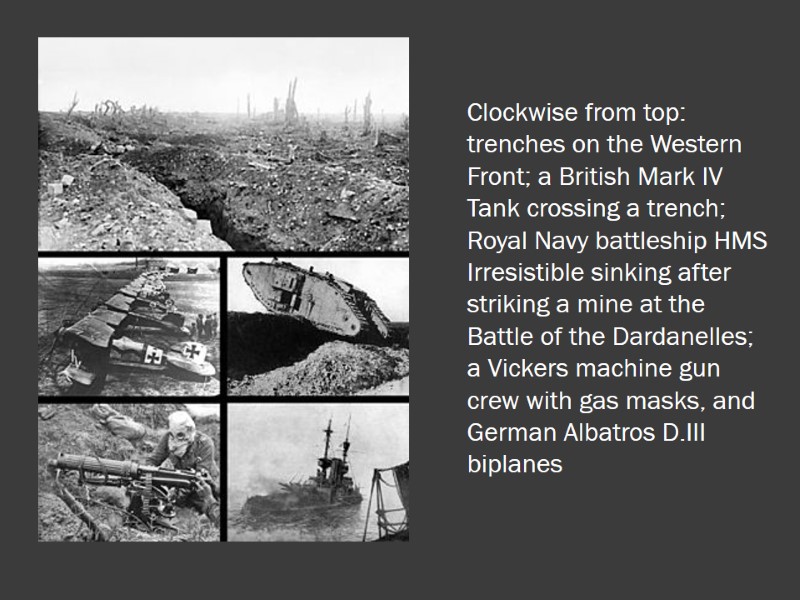
Clockwise from top: trenches on the Western Front; a British Mark IV Tank crossing a trench; Royal Navy battleship HMS Irresistible sinking after striking a mine at the Battle of the Dardanelles; a Vickers machine gun crew with gas masks, and German Albatros D.III biplanes
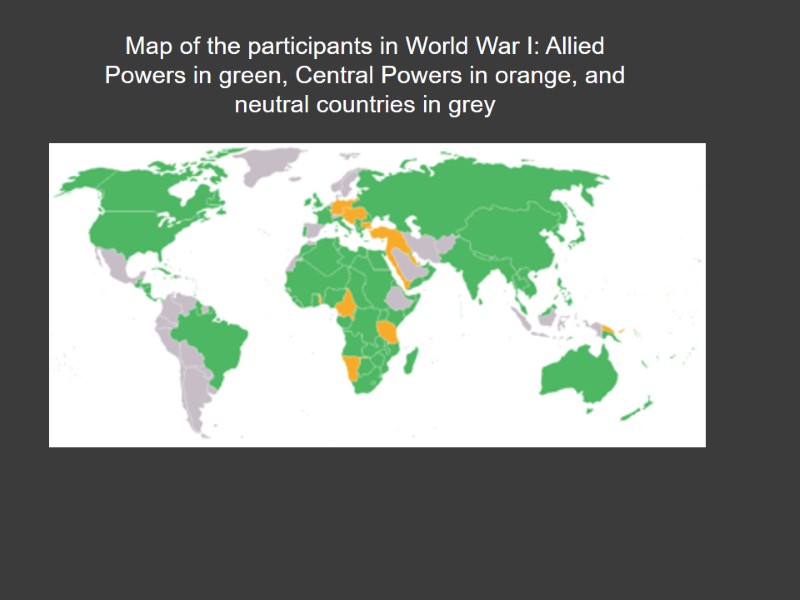
Map of the participants in World War I: Allied Powers in green, Central Powers in orange, and neutral countries in grey
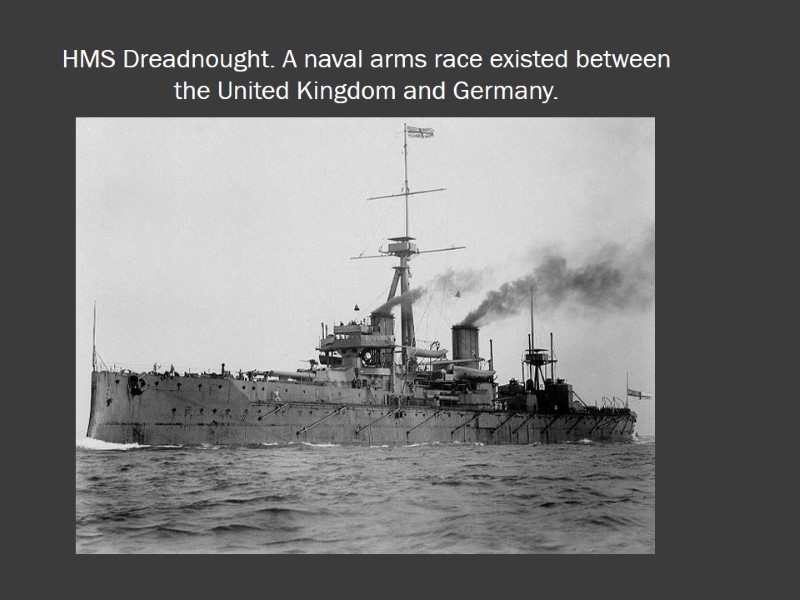
HMS Dreadnought. A naval arms race existed between the United Kingdom and Germany.
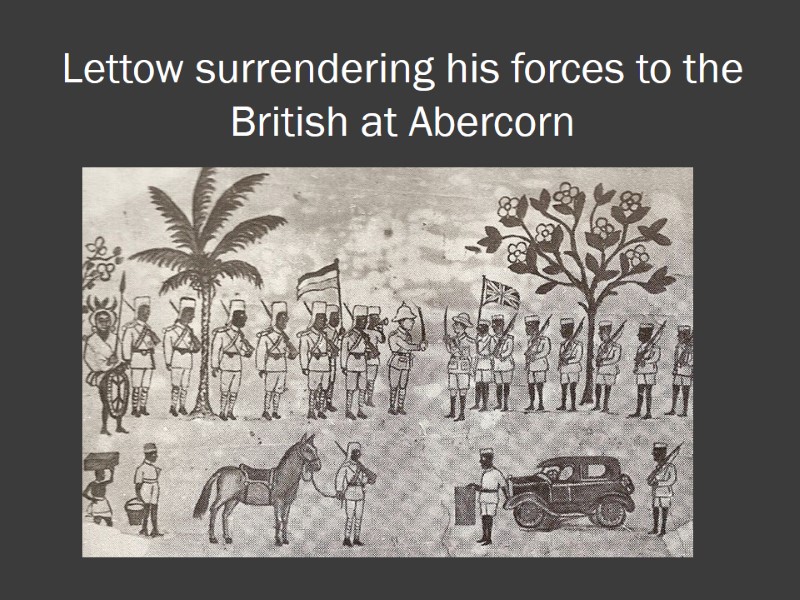
Lettow surrendering his forces to the British at Abercorn
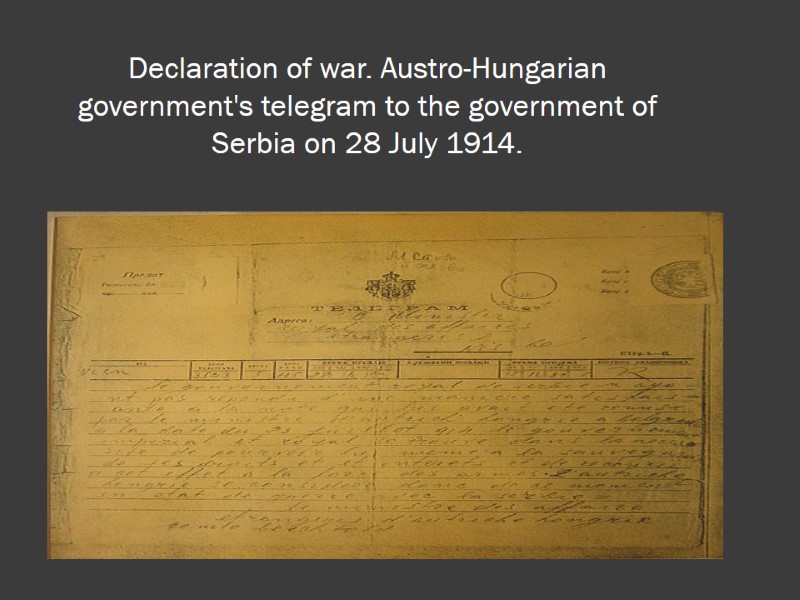
Declaration of war. Austro-Hungarian government's telegram to the government of Serbia on 28 July 1914.
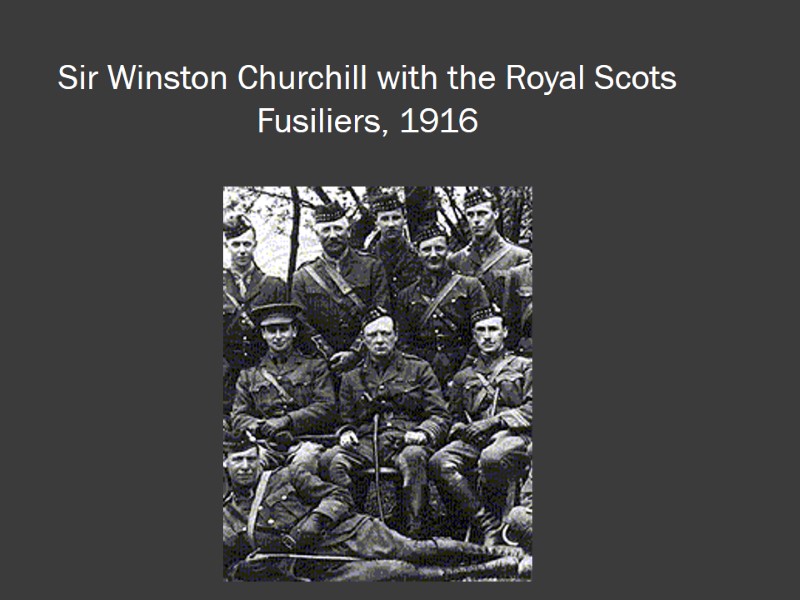
Sir Winston Churchill with the Royal Scots Fusiliers, 1916
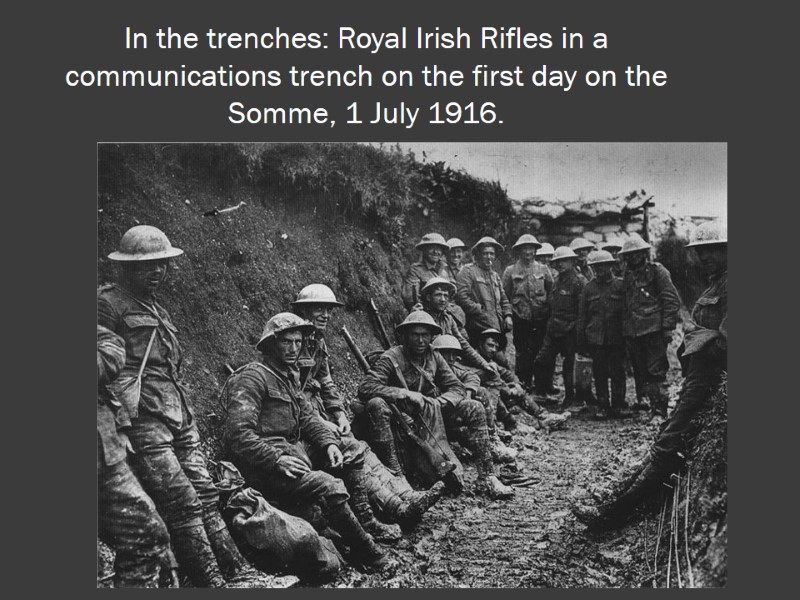
In the trenches: Royal Irish Rifles in a communications trench on the first day on the Somme, 1 July 1916.
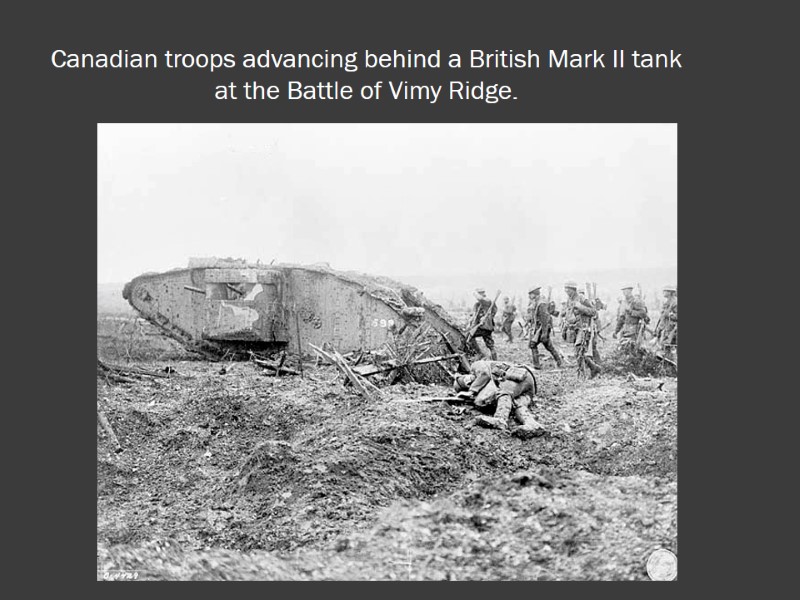
Canadian troops advancing behind a British Mark II tank at the Battle of Vimy Ridge.
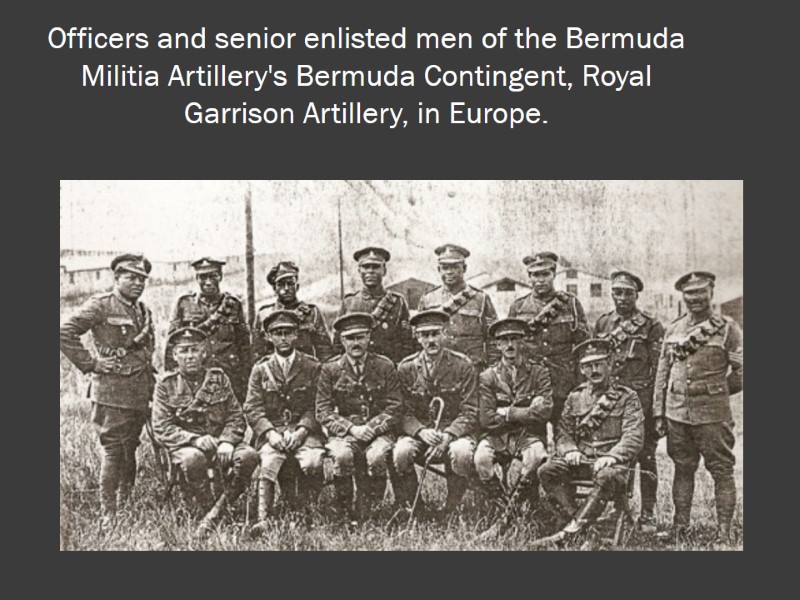
Officers and senior enlisted men of the Bermuda Militia Artillery's Bermuda Contingent, Royal Garrison Artillery, in Europe.
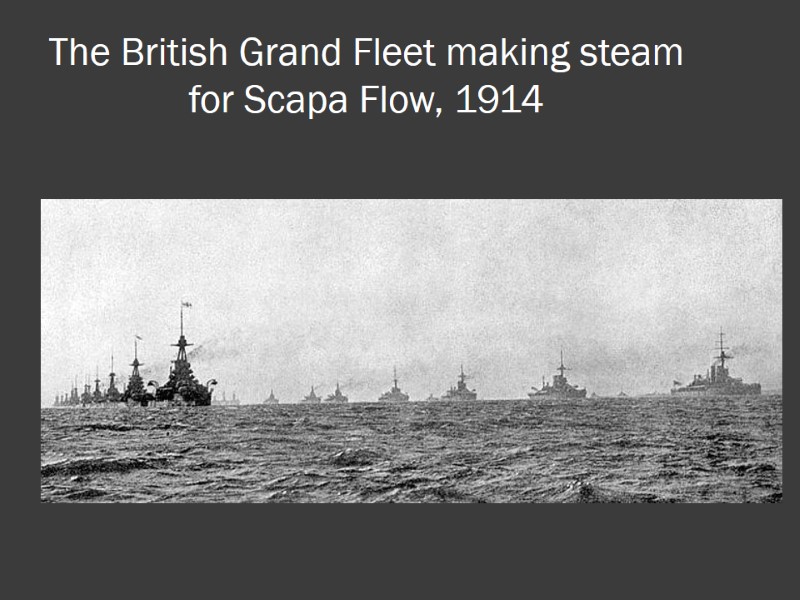
The British Grand Fleet making steam for Scapa Flow, 1914
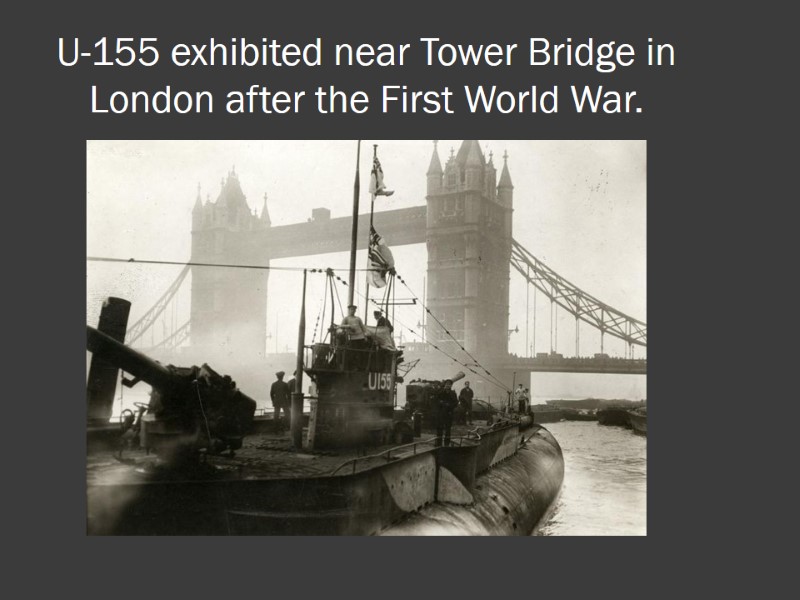
U-155 exhibited near Tower Bridge in London after the First World War.
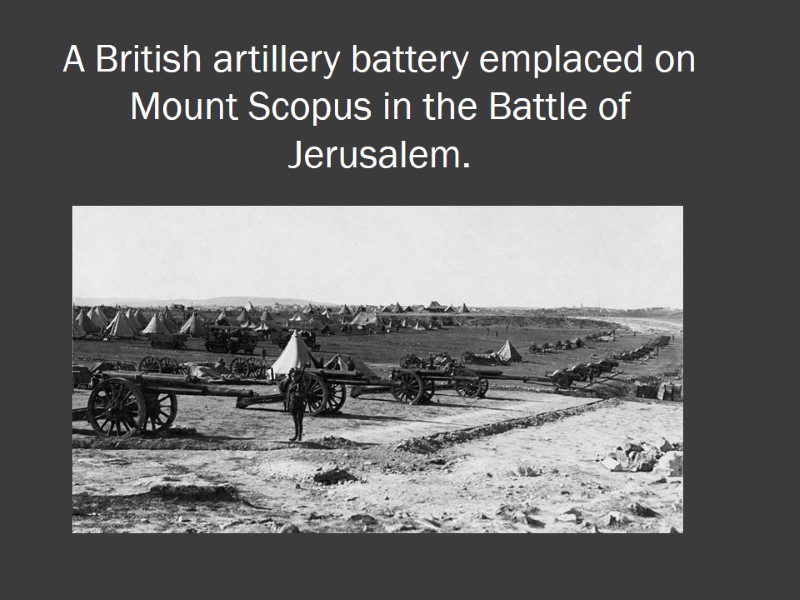
A British artillery battery emplaced on Mount Scopus in the Battle of Jerusalem.
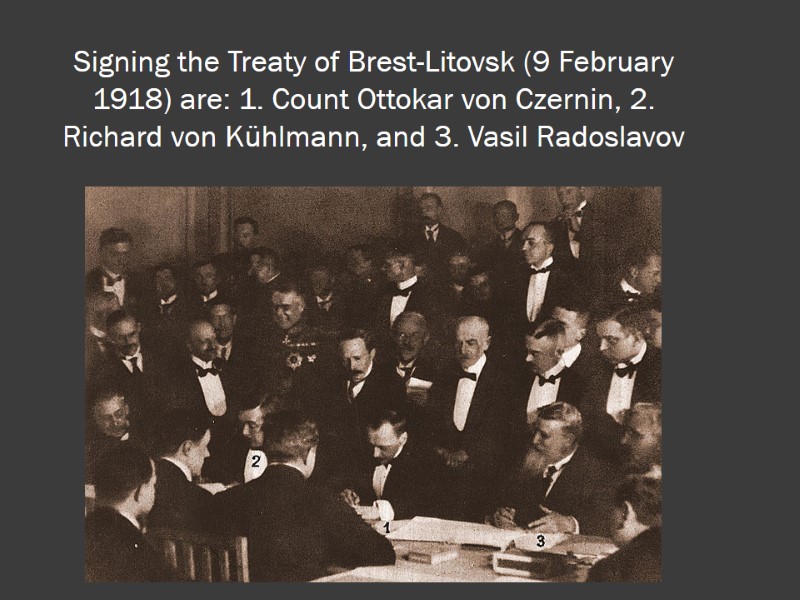
Signing the Treaty of Brest-Litovsk (9 February 1918) are: 1. Count Ottokar von Czernin, 2. Richard von Kühlmann, and 3. Vasil Radoslavov
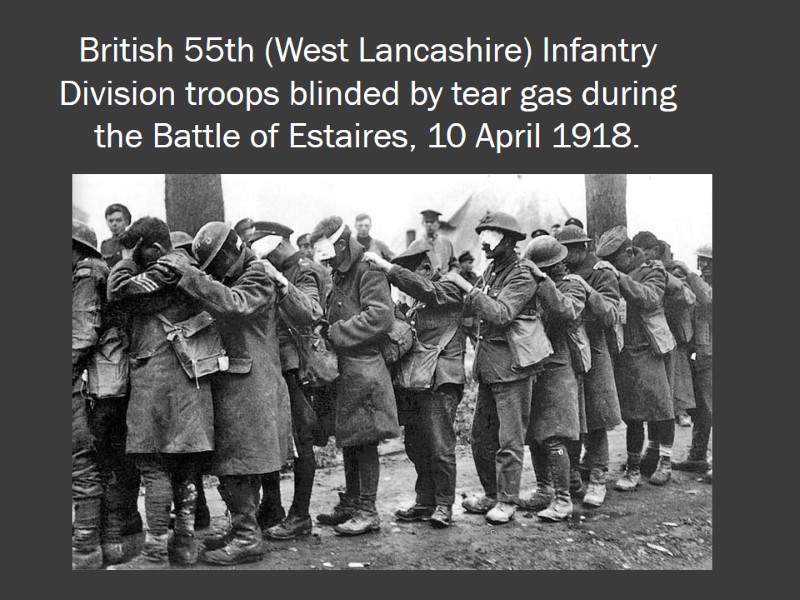
British 55th (West Lancashire) Infantry Division troops blinded by tear gas during the Battle of Estaires, 10 April 1918.
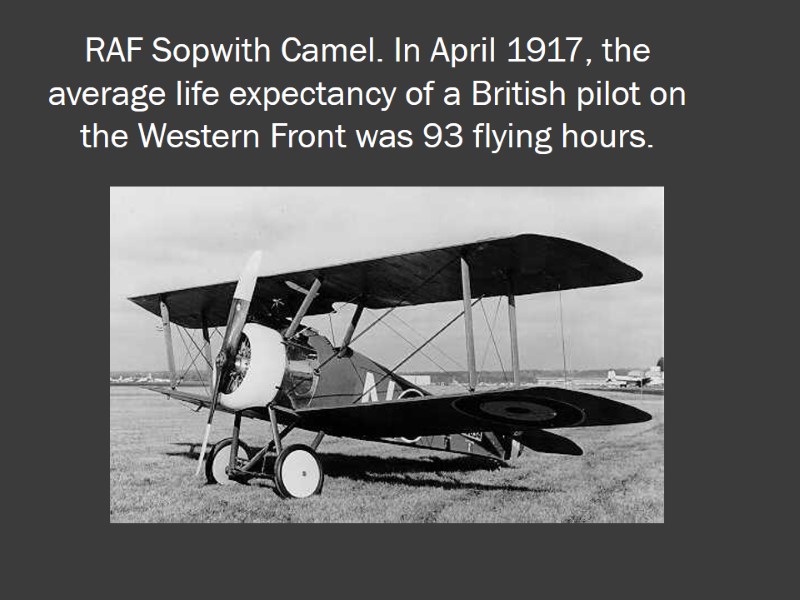
RAF Sopwith Camel. In April 1917, the average life expectancy of a British pilot on the Western Front was 93 flying hours.
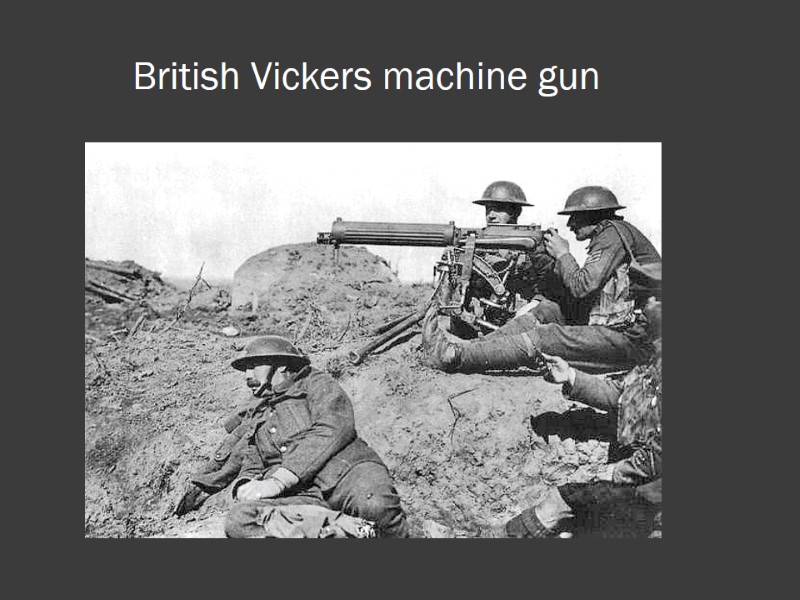
British Vickers machine gun
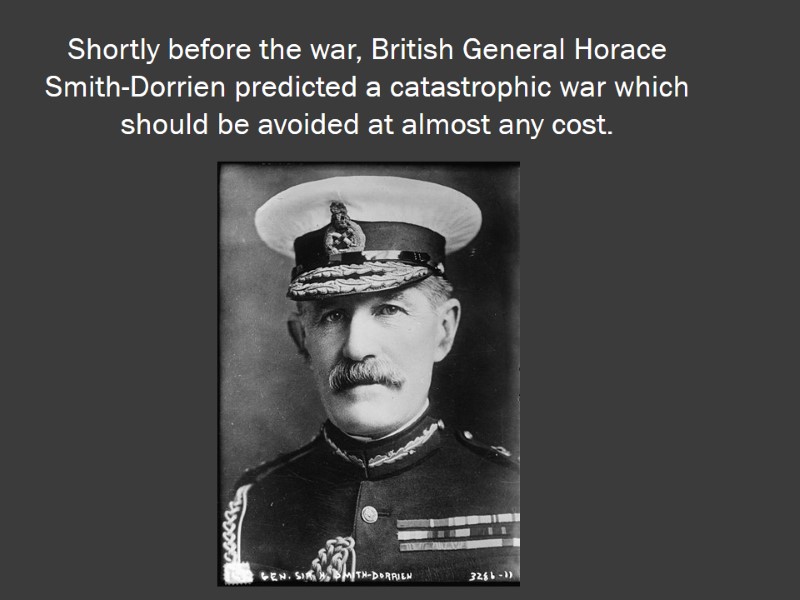
Shortly before the war, British General Horace Smith-Dorrien predicted a catastrophic war which should be avoided at almost any cost.
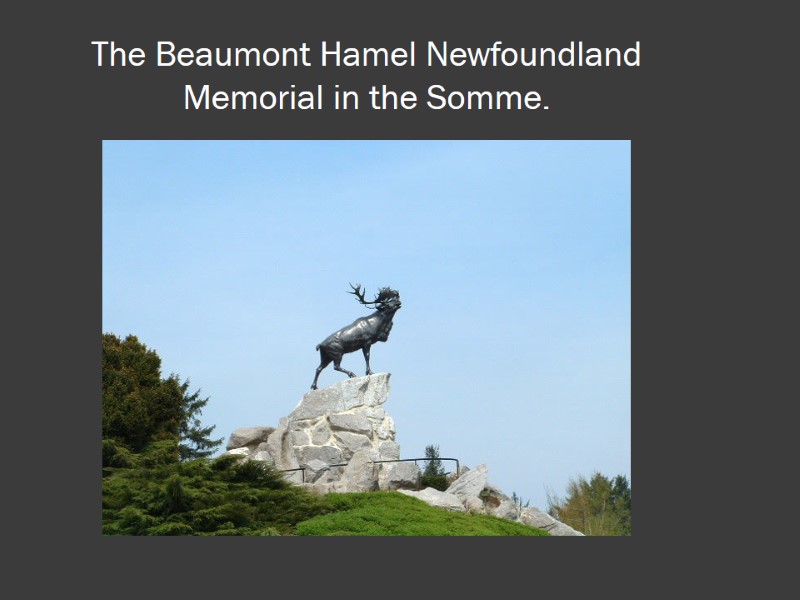
The Beaumont Hamel Newfoundland Memorial in the Somme.
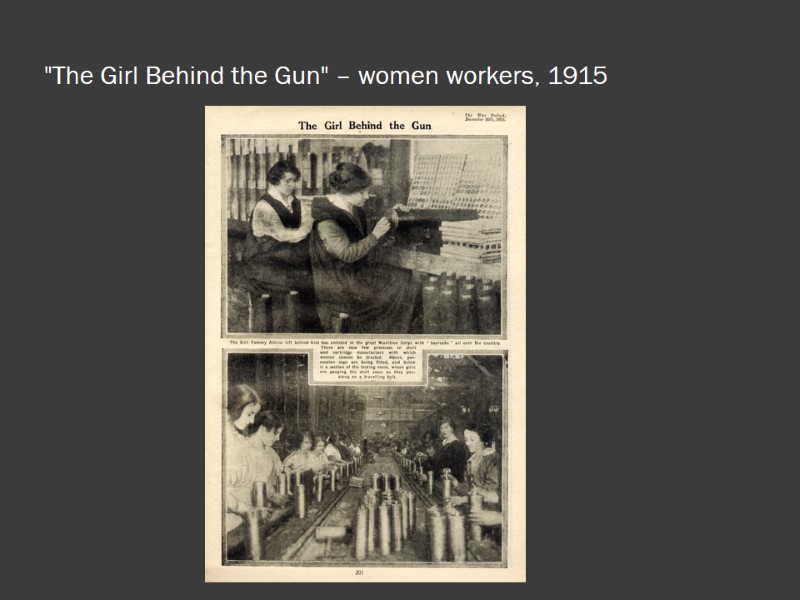
"The Girl Behind the Gun" – women workers, 1915
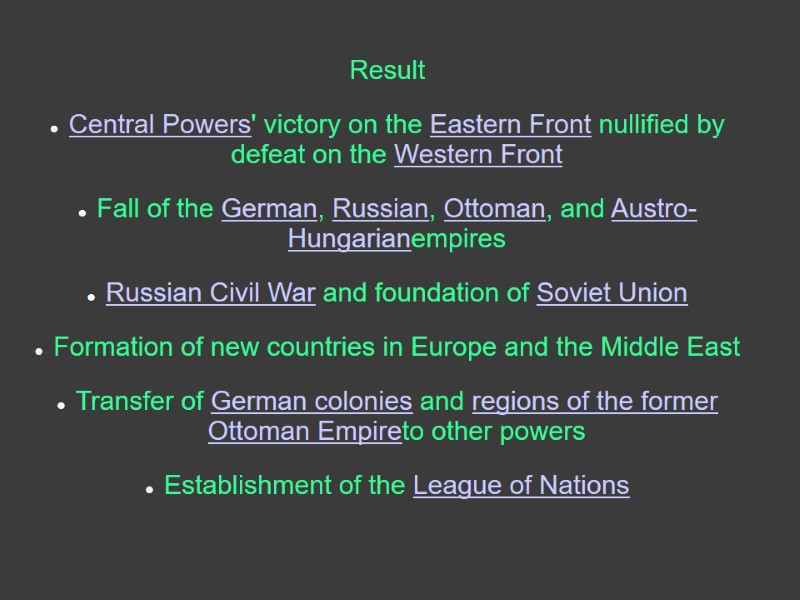
Result Central Powers' victory on the Eastern Front nullified by defeat on the Western Front Fall of the German, Russian, Ottoman, and Austro-Hungarianempires Russian Civil War and foundation of Soviet Union Formation of new countries in Europe and the Middle East Transfer of German colonies and regions of the former Ottoman Empireto other powers Establishment of the League of Nations
 Скачать презентацию Britain In The First World War World War
20776-rymbaeva_bazarbekova_saparbekova.ppt
- Количество слайдов: 25