 Скачать презентацию Breakfast Table Discussion Integrating the Internet Using Web
c23d42a230723f5435db06202ea78c61.ppt
- Количество слайдов: 21



Breakfast Table Discussion Integrating the Internet: Using Web Resources in EMR Settings Lauren Oshman, MD, MPH Sarah Nosal, MD Julia Helstrom, DO Andreas Cohrssen, MD Beth Israel Residency in Urban Family Practice, NY
Description Research shows that family physicians underutilize pointof-care Internet resources to answer questions in the clinical setting. Presented is an innovative Internet home page, a tool used to prompt residents and preceptors to search for point-of-care, evidence-based information during the patient encounter in a residency clinic utilizing an electronic medical record (EMR). We will share our experiences in developing and implementing the tool, and participants will exchange ideas and strategies for improving use of the Internet to augment EMR-based clinical settings.
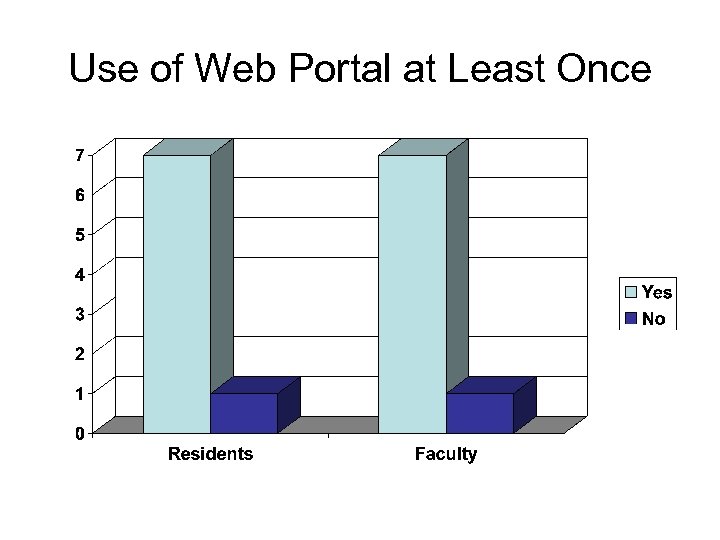
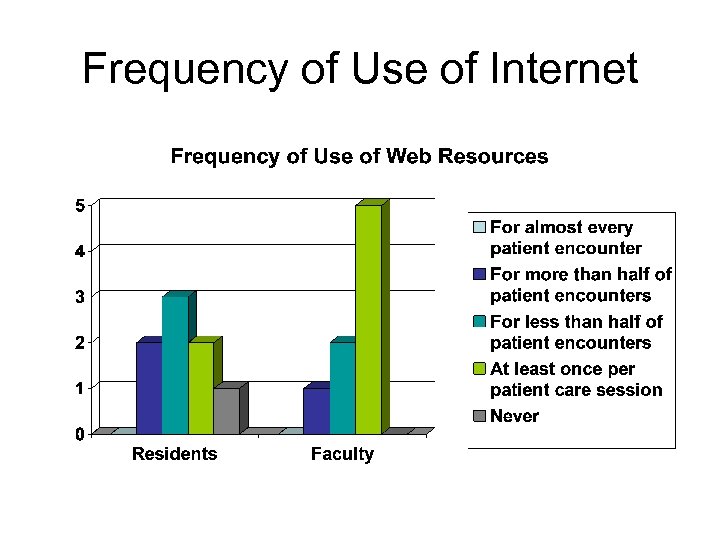
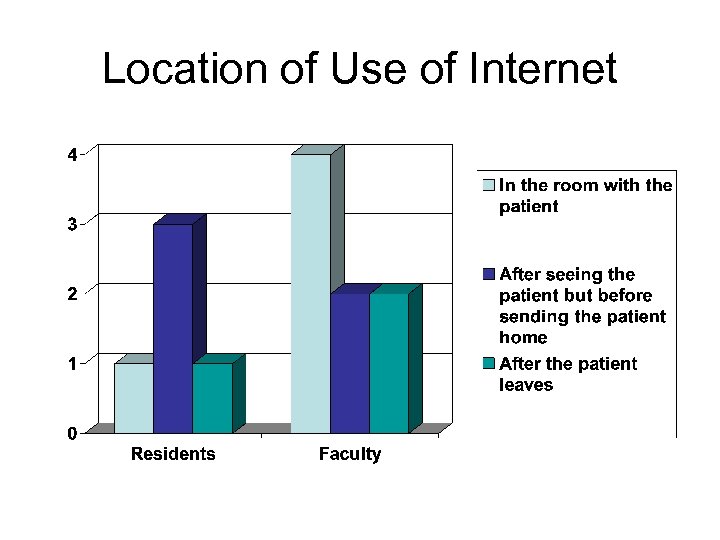
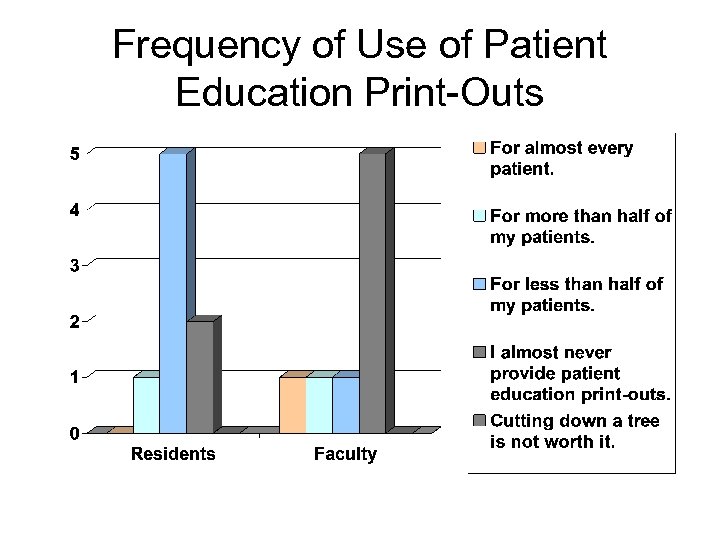
Abstract Background: Research shows that resident physicians underutilize the internet as a source of evidence based point-of-care information in the clinical setting. To increase faculty and resident use of web resources, we created a web portal for use in our clinic. The clinic utilizes the EPIC electronic health record and has computers in each exam room. Methods and Content: Residents and faculty contributed favorite web sites for inclusion in the portal. Three residents and the program director selected the most clinically relevant web sites. Two residents used Dreamweaver web development tool to create a web portal, which was set as home page on all clinic computers. A survey one year later evaluated use of the portal. Conclusions: • Development of web portal encouraged both faculty and residents to use more evidence-based web resources in clinic • Most used resources for at least one but less than half of encounters • Faculty were more likely than residents to use resources in room with patient • Residents were more likely than faculty to provide patient education materials. New directions: • Functionality of the web portal has expanded to include uploaded clinic protocols, forms, and fee schedules, leading to improved efficiency and better patient care. • Clinic administrators and providers have embraced the portal and plan expansion to other network sites.
Literature Review • • 2 family physicians attempted to answer 20 questions with electronic medical databases. Five databases answered at least half of the clinical questions. Some combos answered 75% or more. Average time to obtain an adequate answer ranged from 2. 4 - 6. 5 minutes. (1) 1992 study observing 30 family physicians in office practice showed FPs sought answers to one clinical question for every 15 patients seen (1 in 24 in rural setting v. 1 in 9 in urban setting). (2) 1. Alper, BS; Stevermer, JJ; White, DS; Ewigman, BG. Answering Family Physicians' Clinical Questions Using Electronic Medical Databases. Journal of Family Practice. 50(11): 960 -965, November 2001. 2. Ely JW, Burch RJ, Vinson DC. The information needs of family physicians: case-specific clinical questions. J Fam Pract. 1992 Sep; 35(3): 265 -9.
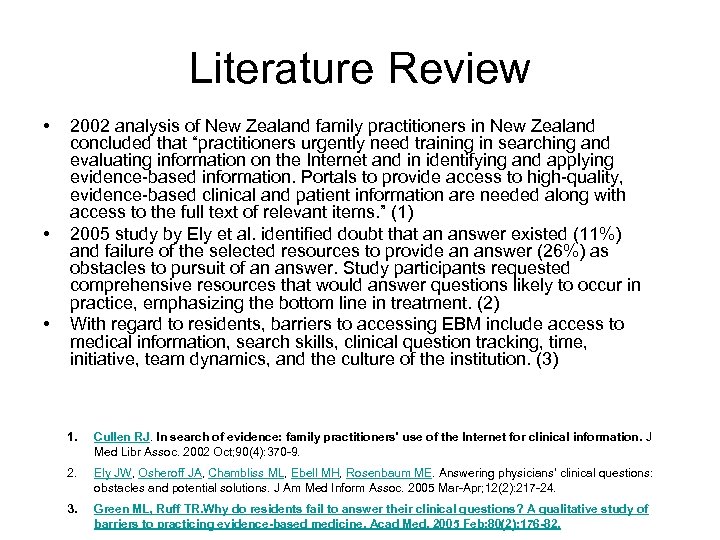
Literature Review • • • 2002 analysis of New Zealand family practitioners in New Zealand concluded that “practitioners urgently need training in searching and evaluating information on the Internet and in identifying and applying evidence-based information. Portals to provide access to high-quality, evidence-based clinical and patient information are needed along with access to the full text of relevant items. ” (1) 2005 study by Ely et al. identified doubt that an answer existed (11%) and failure of the selected resources to provide an answer (26%) as obstacles to pursuit of an answer. Study participants requested comprehensive resources that would answer questions likely to occur in practice, emphasizing the bottom line in treatment. (2) With regard to residents, barriers to accessing EBM include access to medical information, search skills, clinical question tracking, time, initiative, team dynamics, and the culture of the institution. (3) 1. Cullen RJ. In search of evidence: family practitioners' use of the Internet for clinical information. J Med Libr Assoc. 2002 Oct; 90(4): 370 -9. 2. Ely JW, Osheroff JA, Chambliss ML, Ebell MH, Rosenbaum ME. Answering physicians' clinical questions: obstacles and potential solutions. J Am Med Inform Assoc. 2005 Mar-Apr; 12(2): 217 -24. 3. Green ML, Ruff TR. Why do residents fail to answer their clinical questions? A qualitative study of barriers to practicing evidence-based medicine. Acad Med. 2005 Feb; 80(2): 176 -82.
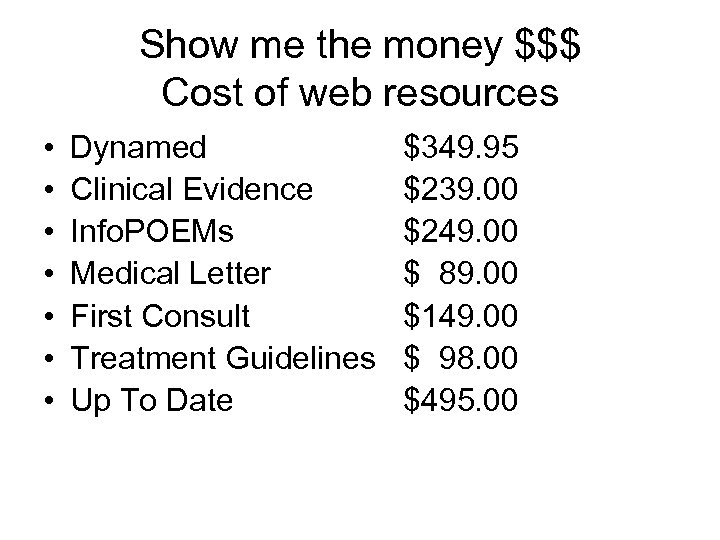
Show me the money $$$ Cost of web resources • • Dynamed Clinical Evidence Info. POEMs Medical Letter First Consult Treatment Guidelines Up To Date $349. 95 $239. 00 $249. 00 $ 89. 00 $149. 00 $ 98. 00 $495. 00
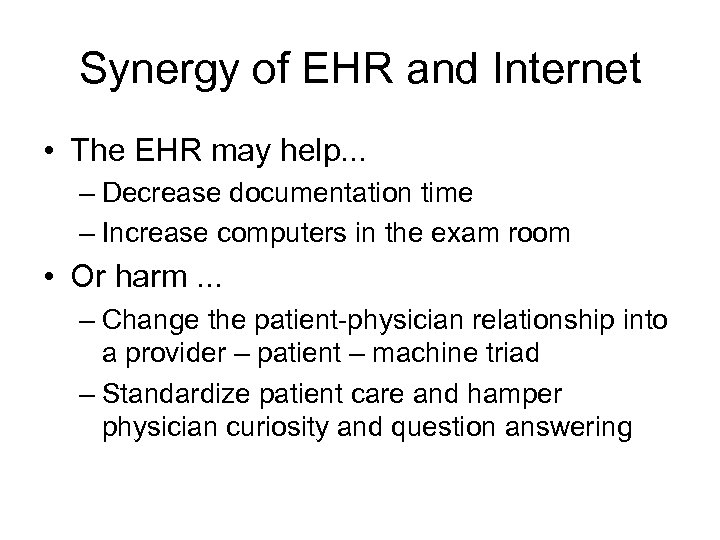
Synergy of EHR and Internet • The EHR may help. . . – Decrease documentation time – Increase computers in the exam room • Or harm. . . – Change the patient-physician relationship into a provider – patient – machine triad – Standardize patient care and hamper physician curiosity and question answering
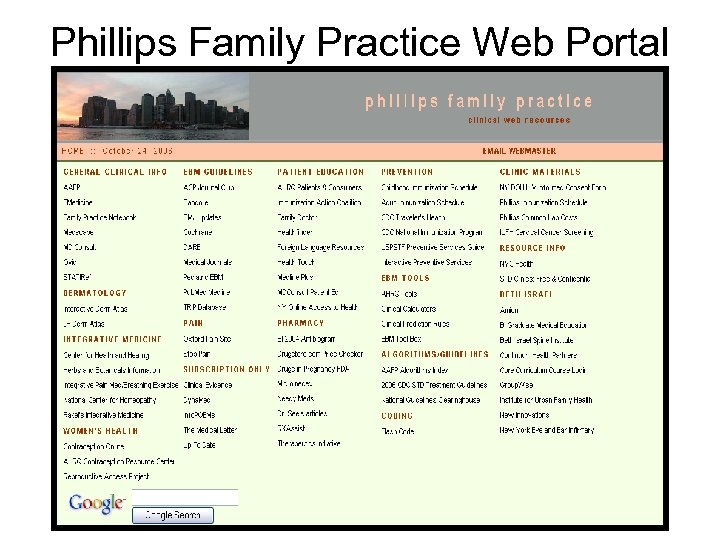
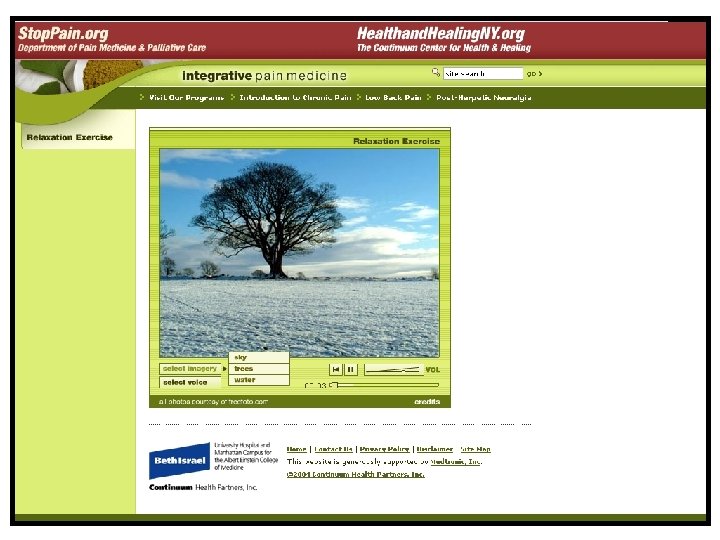
Phillips Family Practice Web Portal
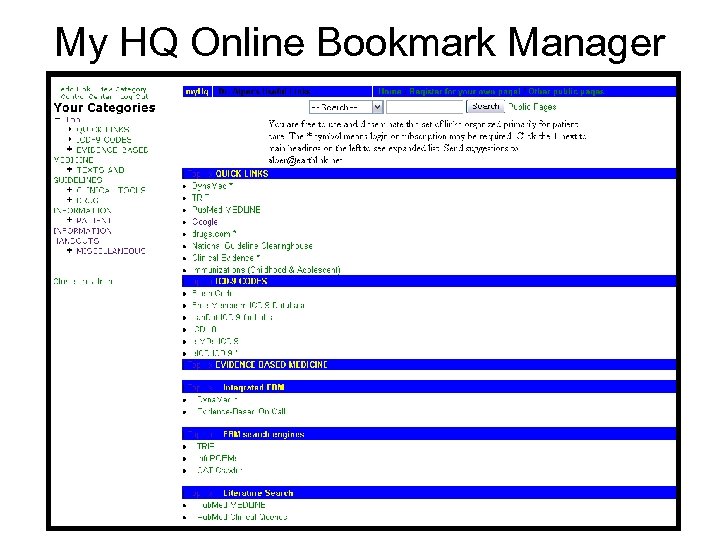
My HQ Online Bookmark Manager
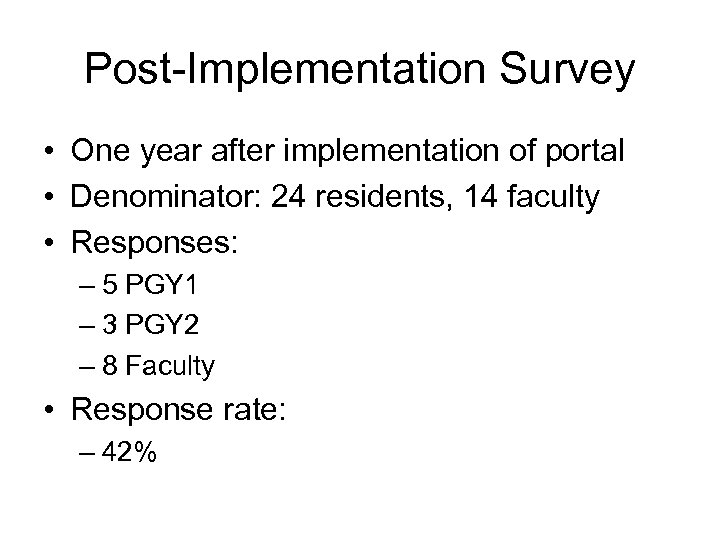
Post-Implementation Survey • One year after implementation of portal • Denominator: 24 residents, 14 faculty • Responses: – 5 PGY 1 – 3 PGY 2 – 8 Faculty • Response rate: – 42%
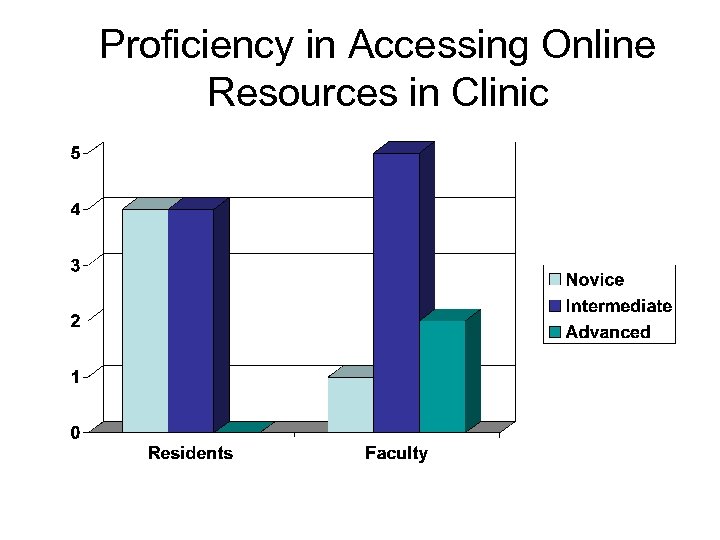
Proficiency in Accessing Online Resources in Clinic
Use of Web Portal at Least Once
Frequency of Use of Internet
Location of Use of Internet
Frequency of Use of Patient Education Print-Outs
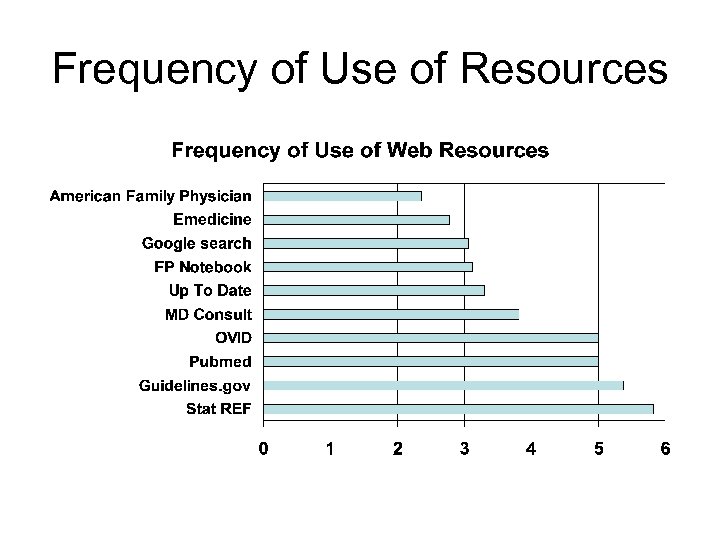
Frequency of Use of Resources
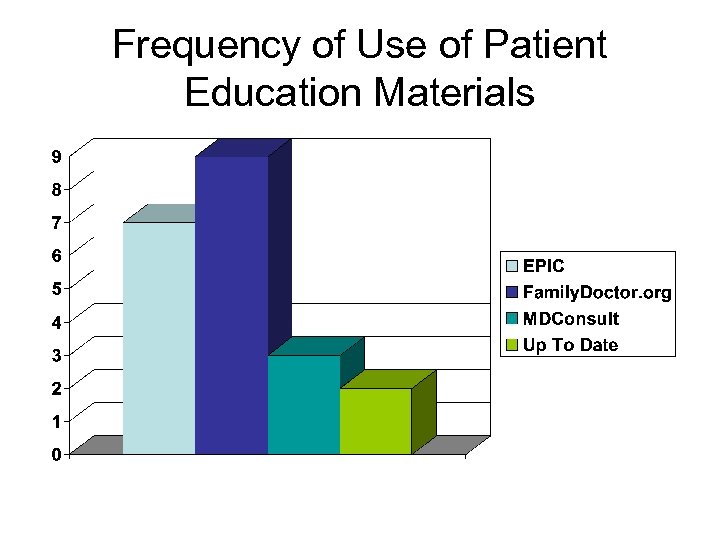
Frequency of Use of Patient Education Materials
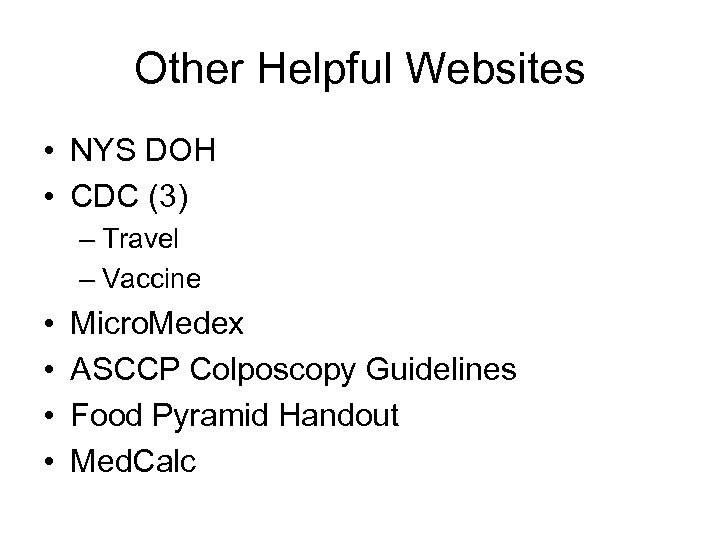
Other Helpful Websites • NYS DOH • CDC (3) – Travel – Vaccine • • Micro. Medex ASCCP Colposcopy Guidelines Food Pyramid Handout Med. Calc
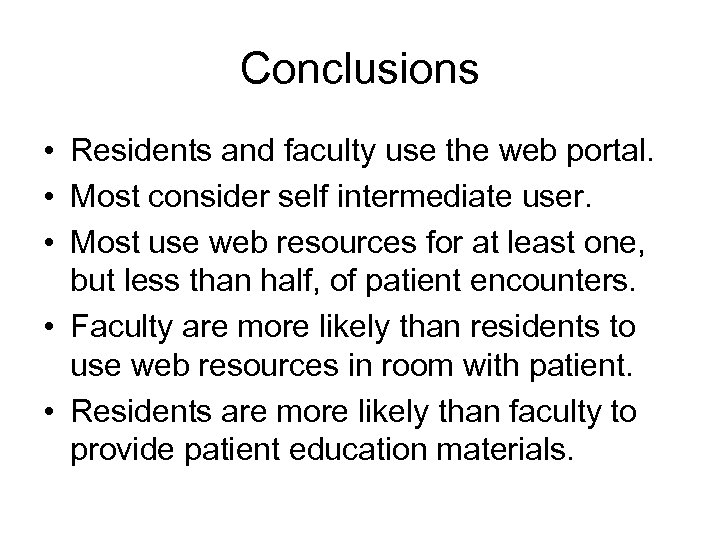
Conclusions • Residents and faculty use the web portal. • Most consider self intermediate user. • Most use web resources for at least one, but less than half, of patient encounters. • Faculty are more likely than residents to use web resources in room with patient. • Residents are more likely than faculty to provide patient education materials.
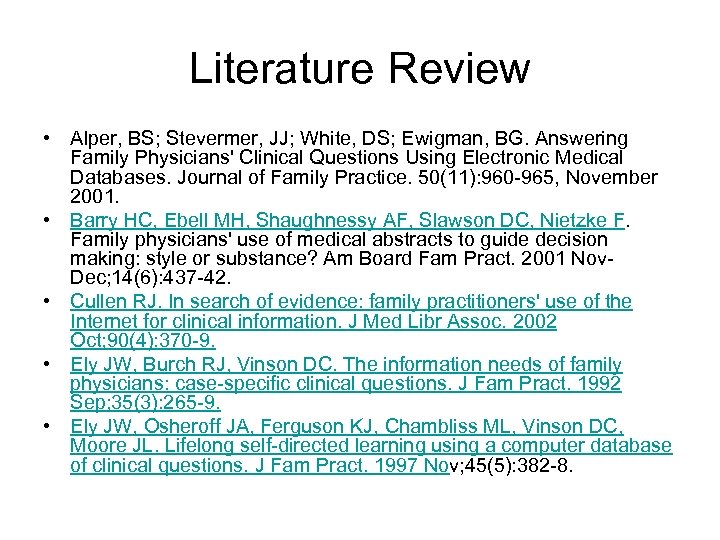
Literature Review • Alper, BS; Stevermer, JJ; White, DS; Ewigman, BG. Answering Family Physicians' Clinical Questions Using Electronic Medical Databases. Journal of Family Practice. 50(11): 960 -965, November 2001. • Barry HC, Ebell MH, Shaughnessy AF, Slawson DC, Nietzke F. Family physicians' use of medical abstracts to guide decision making: style or substance? Am Board Fam Pract. 2001 Nov. Dec; 14(6): 437 -42. • Cullen RJ. In search of evidence: family practitioners' use of the Internet for clinical information. J Med Libr Assoc. 2002 Oct; 90(4): 370 -9. • Ely JW, Burch RJ, Vinson DC. The information needs of family physicians: case-specific clinical questions. J Fam Pract. 1992 Sep; 35(3): 265 -9. • Ely JW, Osheroff JA, Ferguson KJ, Chambliss ML, Vinson DC, Moore JL. Lifelong self-directed learning using a computer database of clinical questions. J Fam Pract. 1997 Nov; 45(5): 382 -8.
Скачать презентацию Breakfast Table Discussion Integrating the Internet Using Web
c23d42a230723f5435db06202ea78c61.ppt