 Скачать презентацию Bodner found that an anarchistic model describes what
d56c20f9ce7bfa1f38d65daf419be86a.ppt
- Количество слайдов: 63




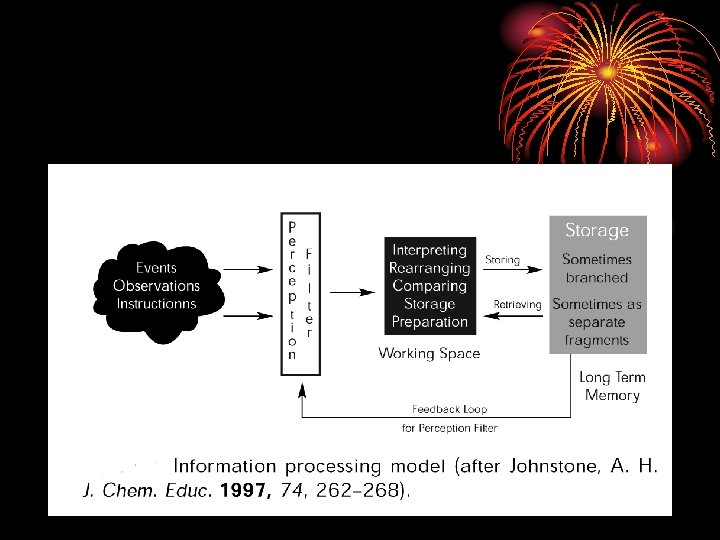
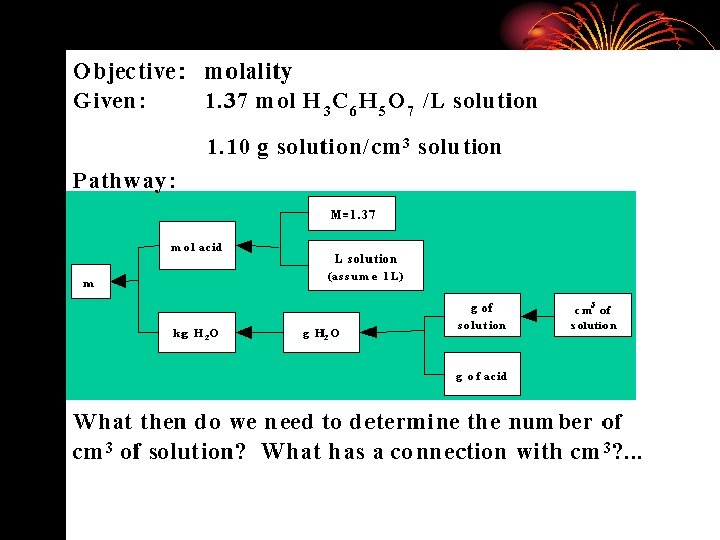
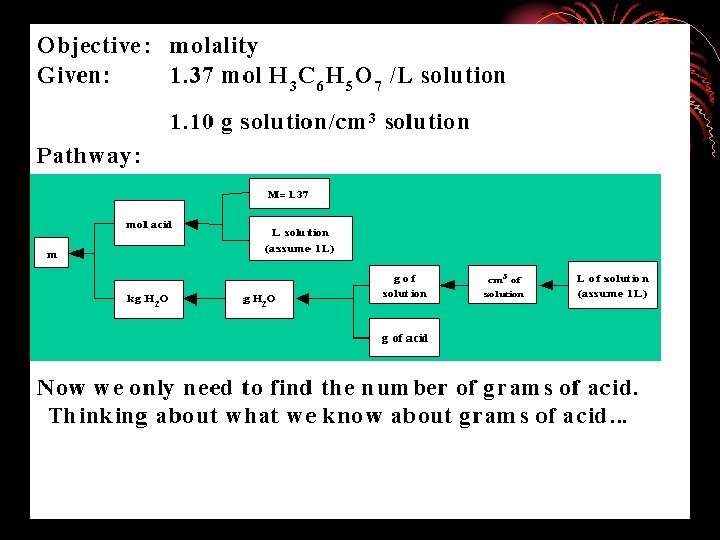
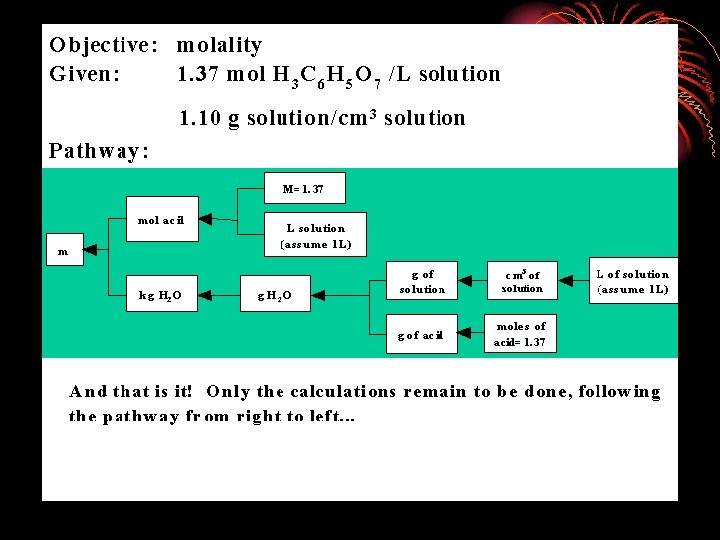
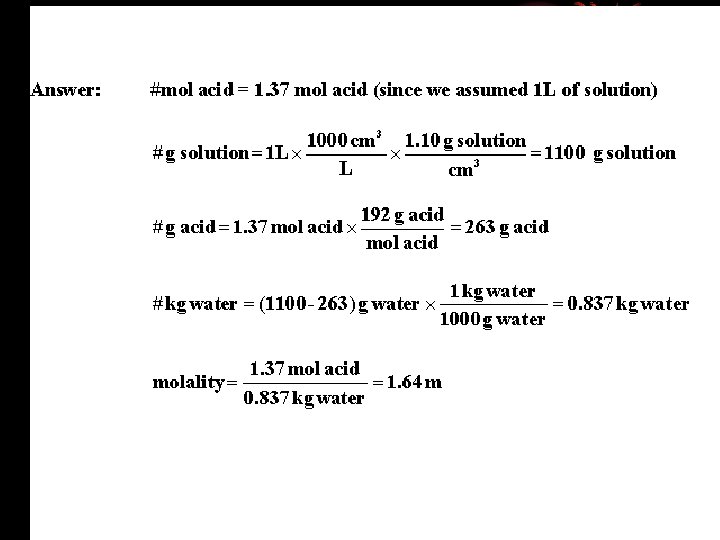
Bodner found that an “anarchistic” model describes what successful problem-solvers do when they work on novel problems in chemistry. You try something and then you try something else if the first try fails. Watching an instructor wade effortlessly through the task is not usually a sufficient teaching tactic. The student must stumble on his or her own personal algorithm for completing the task.
Step 1: There must be 2 pennies. (The only other option would be to use seven pennies, but that would use up all the coins prematurely. ) Step 2: Now we need to figure out how to use the 5 remaining coins to make a total of $0. 55. Because 5 dimes is less than $0. 55, we must use at least one quarter. Step 3: Now we need to use 4 coins to make up the remaining $0. 30. At this point, all the remaining coins must be dimes and nickels, and the only possible combination is to use 2 dimes and 2 nickels.
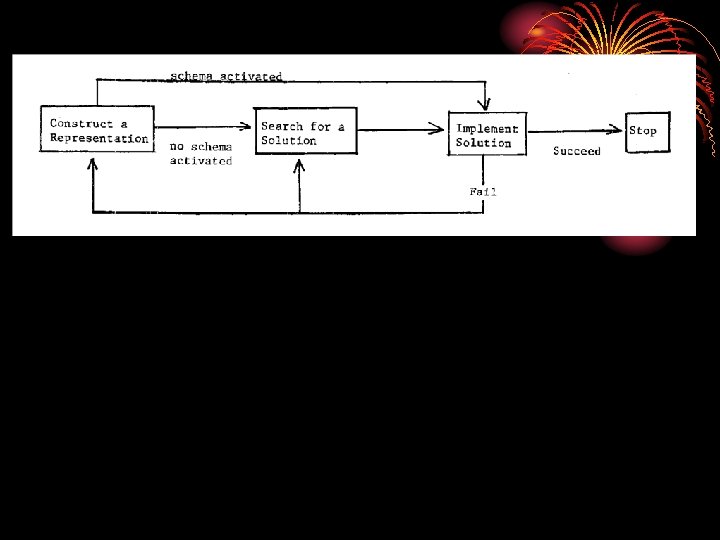
1. PROBLEM SPACE (all possible configurations) 2. PROBLEM STATE (the particular configuration) 3. Key to solving a problem is to choose the right OPERATORS (processes applied to change the configuration) 4. Problem solving is a search process: Each action takes us from one part of the problem space to another
The problem solver compares the present situation with the goal, detects a difference between them, and then searches memory for actions that are likely to reduce the difference. Ask yourself: 1. What is the difference between current and end state? 2. What can I do to reduce this difference? Make a list of means for reducing this difference. state
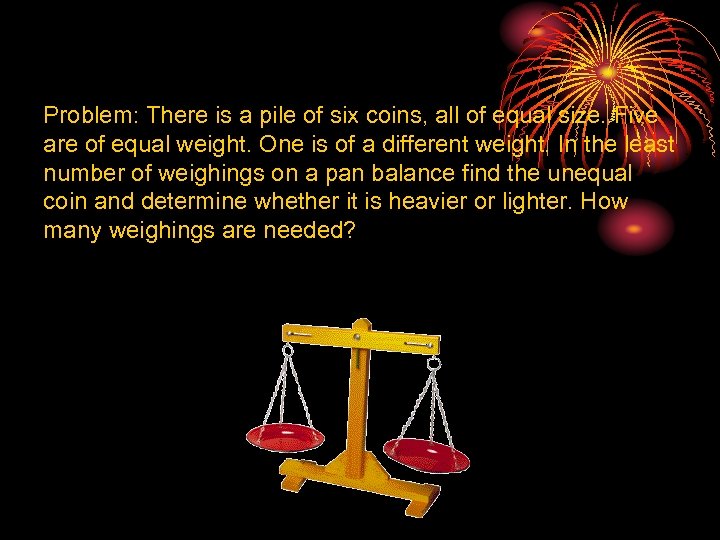
Problem: There is a pile of six coins, all of equal size. Five are of equal weight. One is of a different weight. In the least number of weighings on a pan balance find the unequal coin and determine whether it is heavier or lighter. How many weighings are needed?
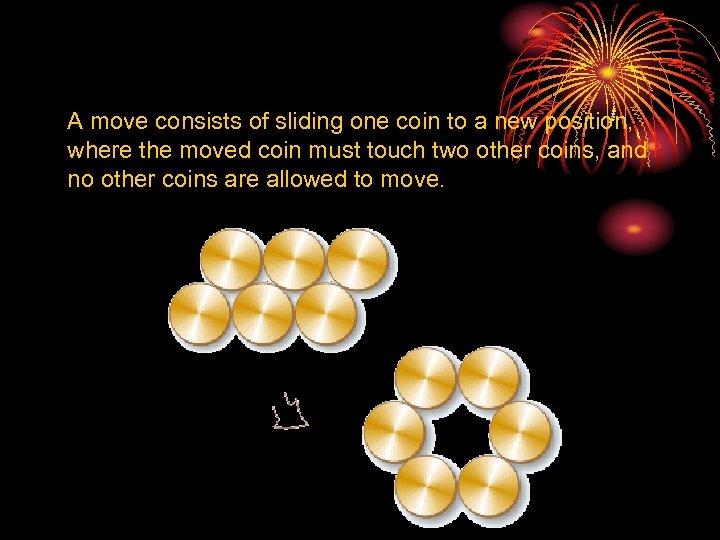
A move consists of sliding one coin to a new position, where the moved coin must touch two other coins, and no other coins are allowed to move.
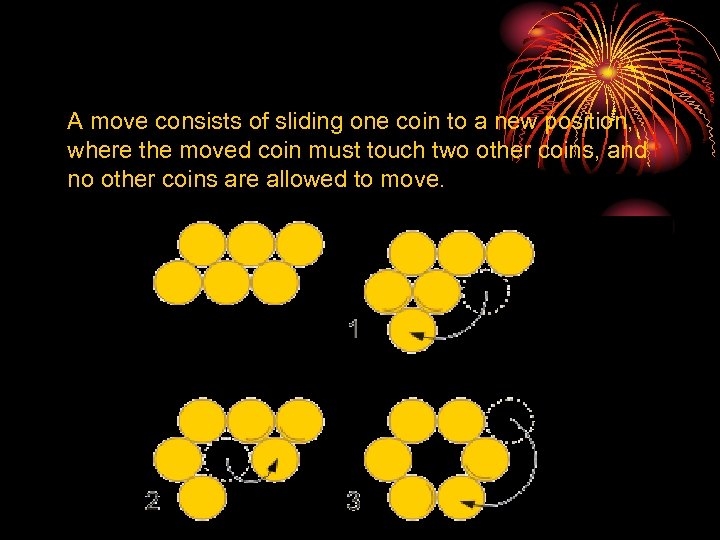
A move consists of sliding one coin to a new position, where the moved coin must touch two other coins, and no other coins are allowed to move.
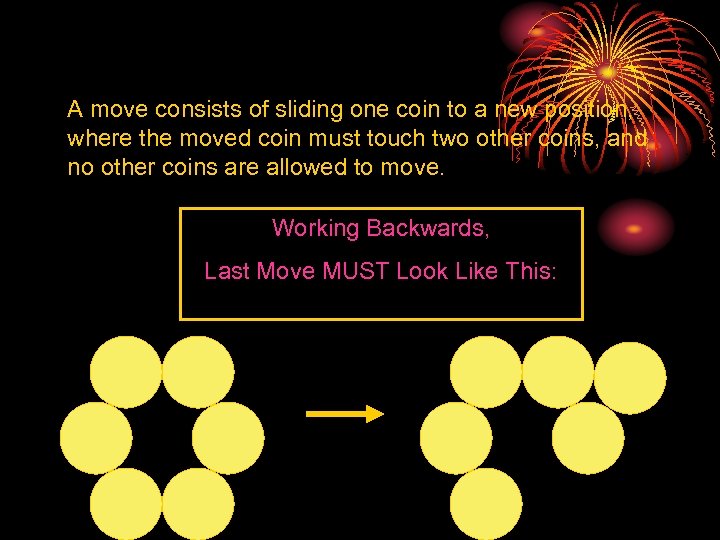
A move consists of sliding one coin to a new position, where the moved coin must touch two other coins, and no other coins are allowed to move. Working Backwards, Last Move MUST Look Like This:

 Скачать презентацию Bodner found that an anarchistic model describes what
d56c20f9ce7bfa1f38d65daf419be86a.ppt