 Скачать презентацию Board of Directors Sheila T Francoeur Chair David
e298d22e768a5310105e83f7b93a14e8.ppt
- Количество слайдов: 16



Board of Directors Sheila T. Francoeur, Chair David Alukonis Michael Buckley NH’s Economy: Looking to the Future William H. Dunlap Eric Herr Richard Ober James Putnam Stephen J. Reno Stuart V. Smith, Jr. May 10, 2012 Donna Sytek Brian F. Walsh Martin L. Gross, Chair Emeritus Dennis Delay NHCPPS John D. Crosier, Sr. , Todd I. Selig Kimon S. Zachos Directors Emeritus 1
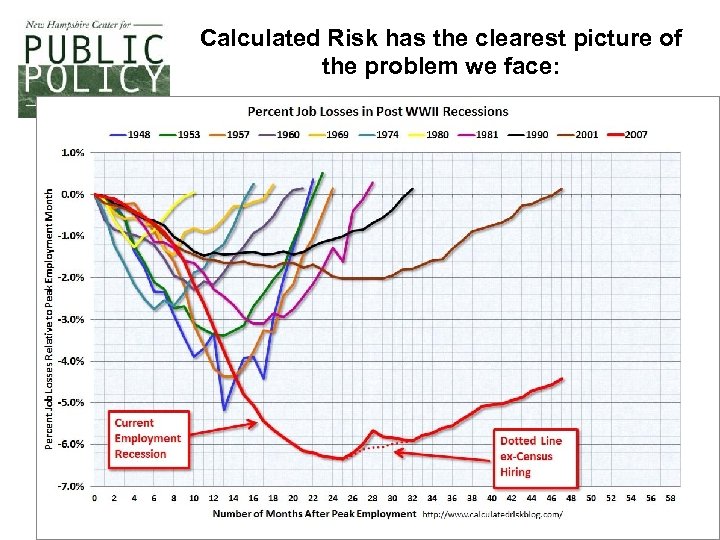
Calculated Risk has the clearest picture of the problem we face: 2
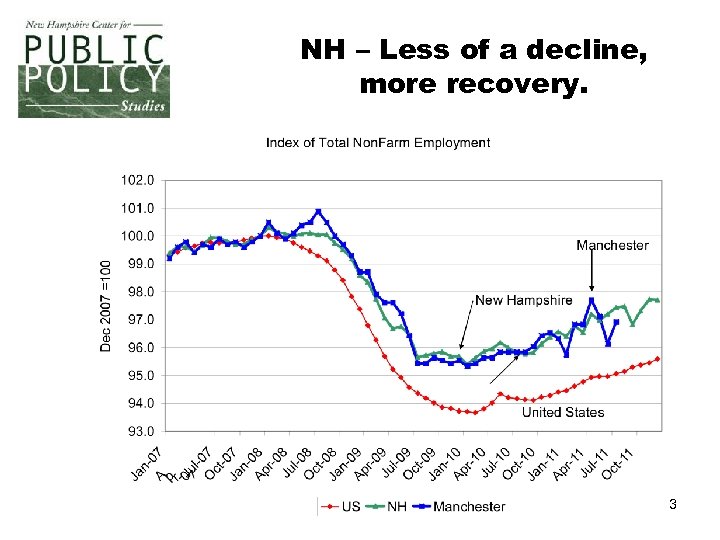
NH – Less of a decline, more recovery. 3
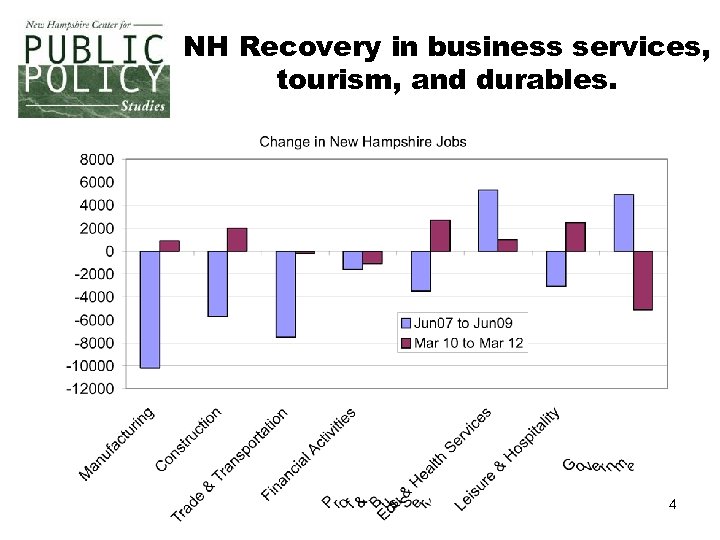
NH Recovery in business services, tourism, and durables. 4
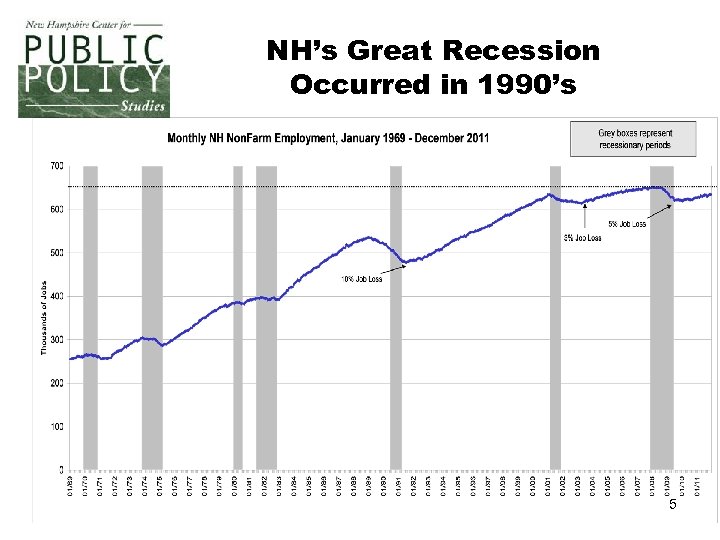
NH’s Great Recession Occurred in 1990’s 5
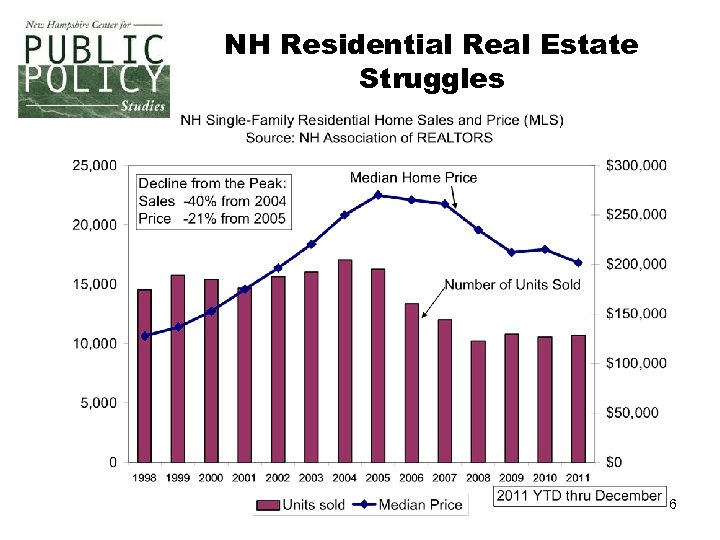
NH Residential Real Estate Struggles 6
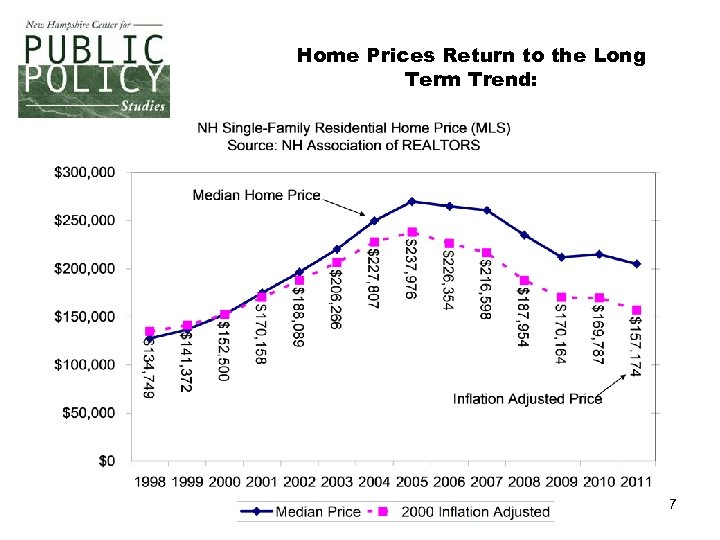
Home Prices Return to the Long Term Trend: 7
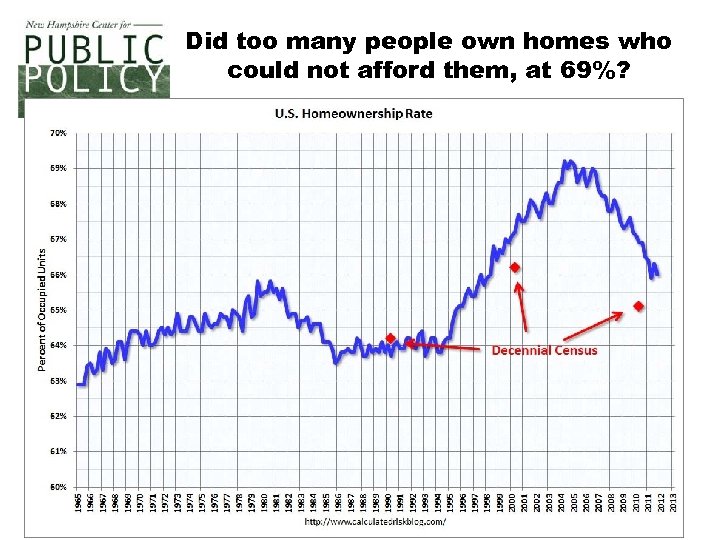
Did too many people own homes who could not afford them, at 69%? 8
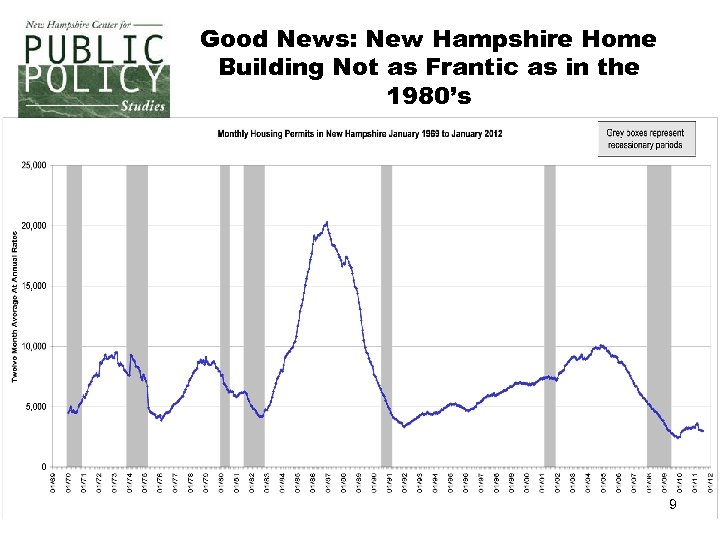
Good News: New Hampshire Home Building Not as Frantic as in the 1980’s 9
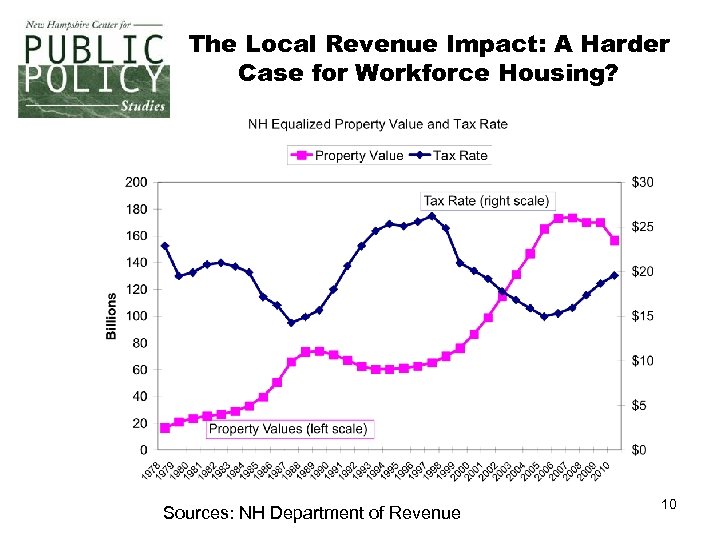
The Local Revenue Impact: A Harder Case for Workforce Housing? Sources: NH Department of Revenue 10
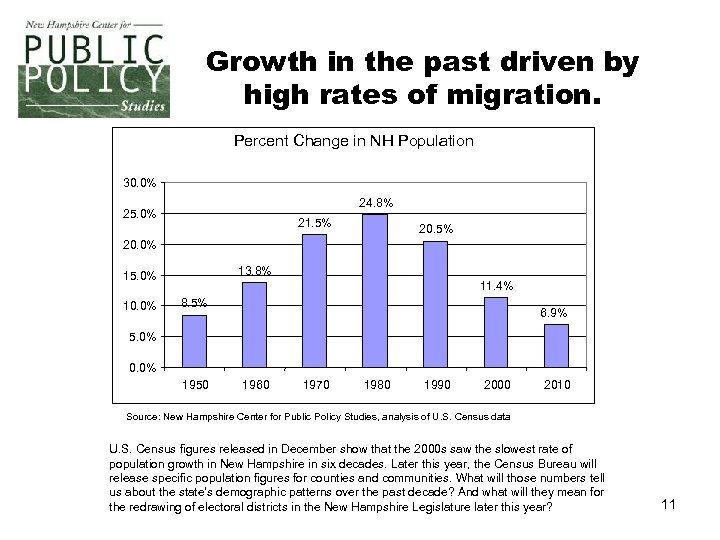
Growth in the past driven by high rates of migration. Percent Change in NH Population 30. 0% 24. 8% 25. 0% 21. 5% 20. 0% 13. 8% 15. 0% 10. 0% 11. 4% 8. 5% 6. 9% 5. 0% 0. 0% 1950 1960 1970 1980 1990 2000 2010 Source: New Hampshire Center for Public Policy Studies, analysis of U. S. Census data U. S. Census figures released in December show that the 2000 s saw the slowest rate of population growth in New Hampshire in six decades. Later this year, the Census Bureau will release specific population figures for counties and communities. What will those numbers tell us about the state’s demographic patterns over the past decade? And what will they mean for the redrawing of electoral districts in the New Hampshire Legislature later this year? 11
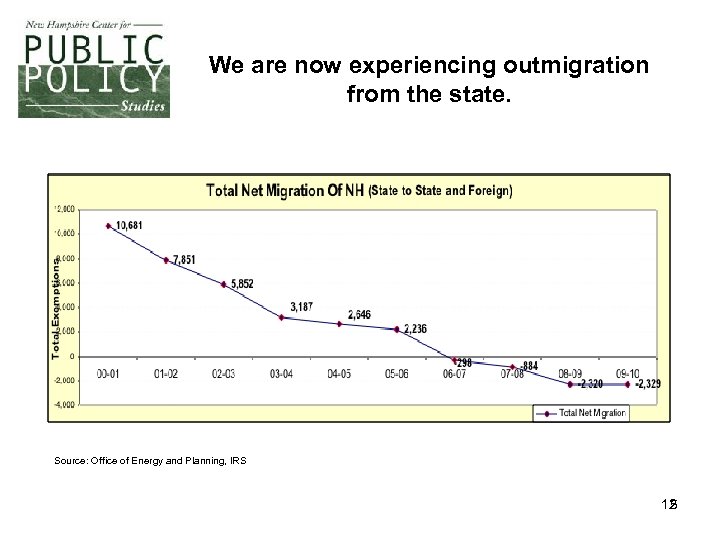
We are now experiencing outmigration from the state. Source: Office of Energy and Planning, IRS 5 12
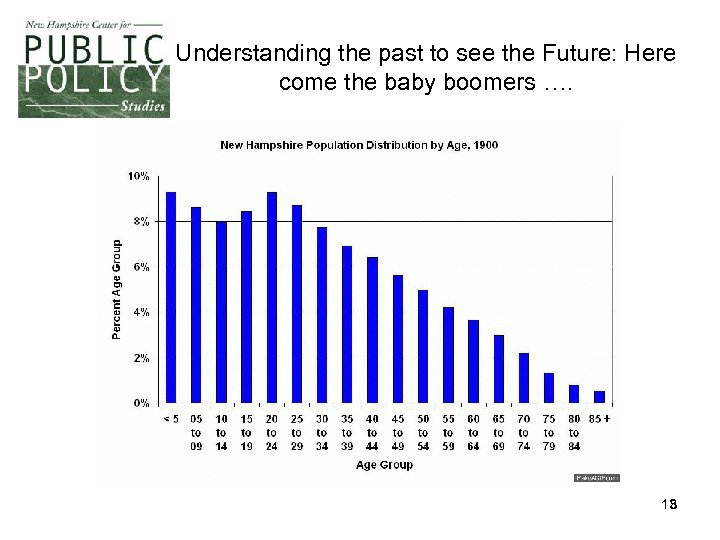
Understanding the past to see the Future: Here come the baby boomers …. 8 13
Long Term Public Policy Questions (part 1) • What set of policies ensure the ongoing development of human capital upon which NH’s economy has been built? – We have been reliant on migration for higher education? Both the population moving into the state and foreign born population have a larger proportion of college graduates. – We can’t continue to depend on migrants for such a significant portion of our highly educated labor force – Relative cost of living – Quality of Life • Infrastructure – Water – Waste Water – Roads Bridges 14 – IT Infrastructure
Long Term Public Policy Questions (part 2) • Aging – Whatever it is, we are going to have to manage it as it’s going to change our labor markets, what people buy, what they are interested in. • Human Capital Development – How do we take advantage of the human capital within the baby boomer generation? – University system? – Education system for the 30 somethings • Mitigating Competitive Disadvantages – Energy Costs – Healthcare Costs 15

New Hampshire Center for Public Policy Studies Board of Directors Sheila T. Francoeur, Chair David Alukonis Michael Buckley William H. Dunlap Eric Herr Richard Ober James Putnam Stephen J. Reno Stuart V. Smith, Jr. Donna Sytek Brian F. Walsh Martin L. Gross, Chair Emeritus Want to learn more? • Online: nhpolicy. org • Facebook: facebook. com/nhpolicy • Twitter: @nhpublicpolicy • Our blog: policyblognh. org • (603) 226 -2500 John D. Crosier, Sr. , Todd I. Selig Kimon S. Zachos Directors Emeritus “…to raise new ideas and improve policy debates through quality information and analysis on issues shaping New Hampshire’s future. ” 16
Скачать презентацию Board of Directors Sheila T Francoeur Chair David
e298d22e768a5310105e83f7b93a14e8.ppt