 Скачать презентацию Biomass to Energy Present Commercial Strategies and Future
542a6fadc227e0d10e1915bcb3bb27fd.ppt
- Количество слайдов: 28



Biomass to Energy: Present Commercial Strategies and Future Options Healthy Landscapes, Thriving Communities: Bioenergy and Wood Products Conference January 21, 2003 John Scahill National Bioenergy Center
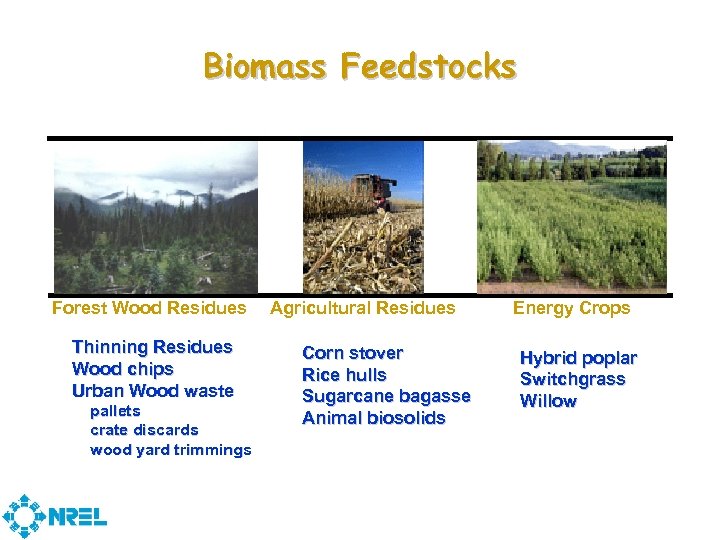
Biomass Feedstocks Forest Wood Residues Thinning Residues Wood chips Urban Wood waste pallets crate discards wood yard trimmings Agricultural Residues Corn stover Rice hulls Sugarcane bagasse Animal biosolids Energy Crops Hybrid poplar Switchgrass Willow
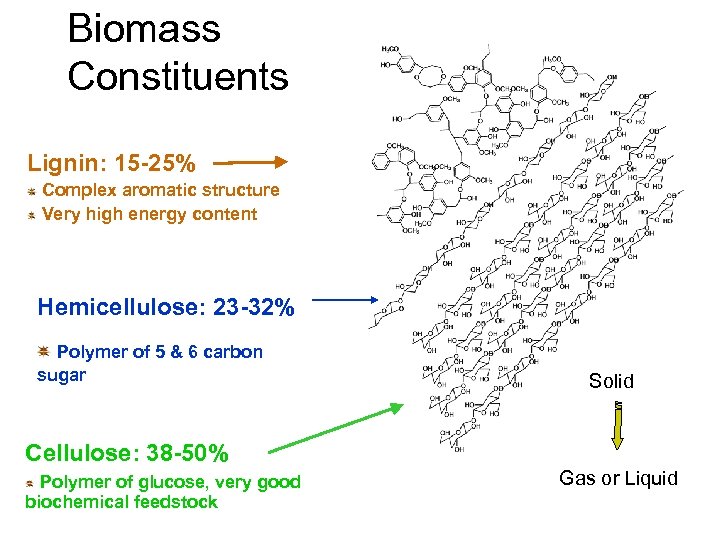
Biomass Constituents Lignin: 15 -25% Complex aromatic structure Very high energy content Hemicellulose: 23 -32% Polymer of 5 & 6 carbon sugar Solid Cellulose: 38 -50% Polymer of glucose, very good biochemical feedstock Gas or Liquid
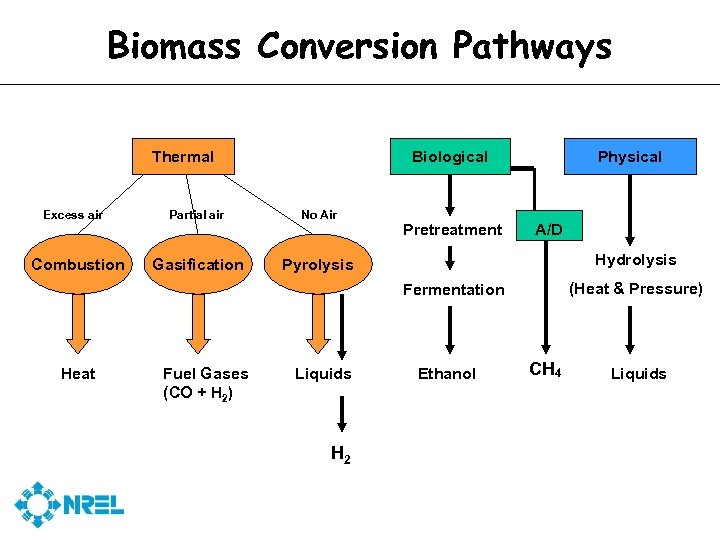
Biomass Conversion Pathways Thermal Excess air Combustion Biological Partial air No Air Gasification Physical Pyrolysis Pretreatment A/D Hydrolysis (Heat & Pressure) Fermentation Heat Fuel Gases (CO + H 2) Liquids H 2 Ethanol CH 4 Liquids
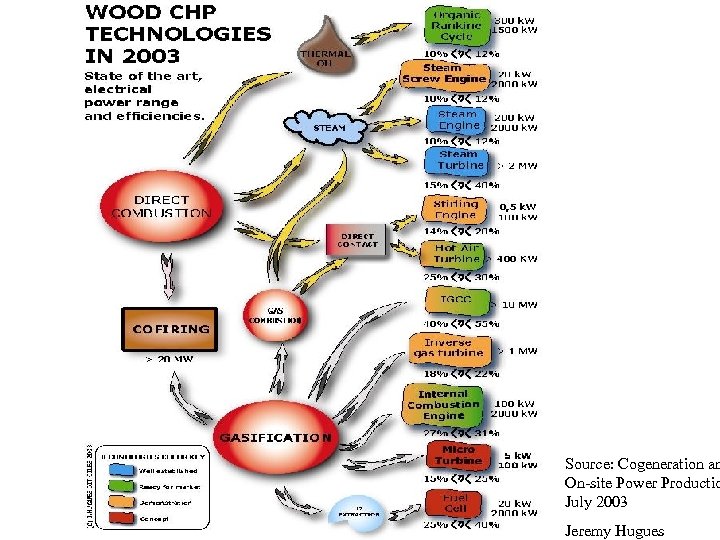
Source: Cogeneration an On-site Power Productio July 2003 Jeremy Hugues
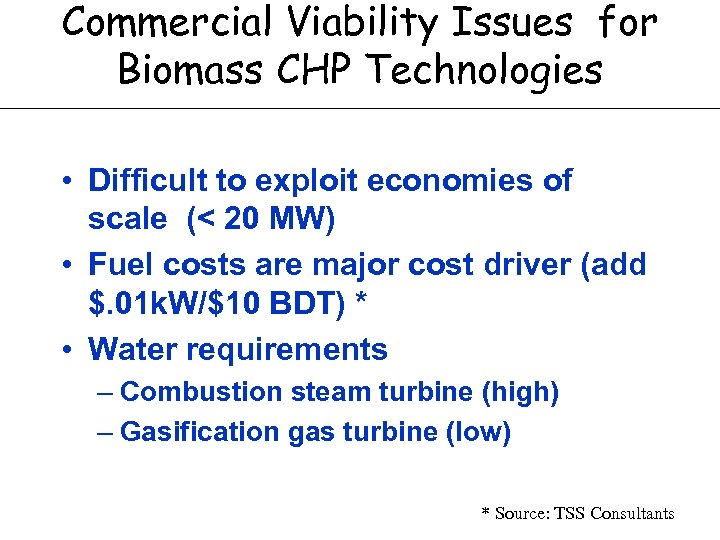
Commercial Viability Issues for Biomass CHP Technologies • Difficult to exploit economies of scale (< 20 MW) • Fuel costs are major cost driver (add $. 01 k. W/$10 BDT) * • Water requirements – Combustion steam turbine (high) – Gasification gas turbine (low) * Source: TSS Consultants
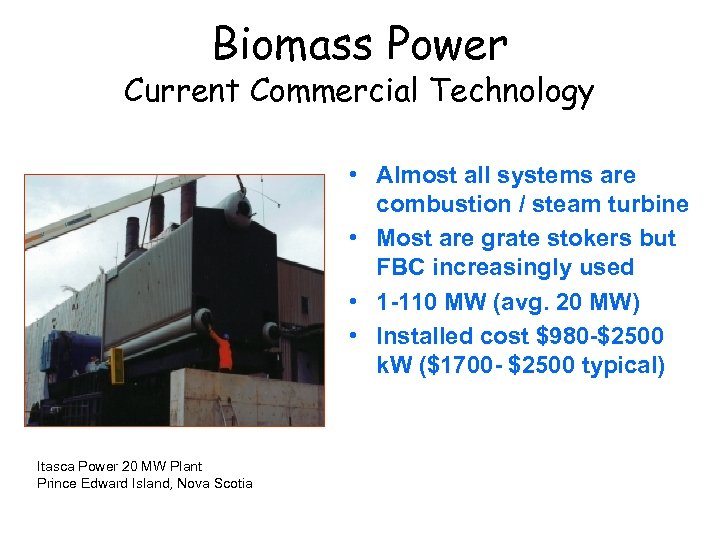
Biomass Power Current Commercial Technology • Almost all systems are combustion / steam turbine • Most are grate stokers but FBC increasingly used • 1 -110 MW (avg. 20 MW) • Installed cost $980 -$2500 k. W ($1700 - $2500 typical) Itasca Power 20 MW Plant Prince Edward Island, Nova Scotia
Combustion for Heat • Can be cost effective if loads > 1 MMBtu/hr – District heating a plus • Need wood fuel cost < $20/ton • Heat and power applications > 10 MMBtu/hr • Generally easy to permit at small scale – No demolition or treated wood
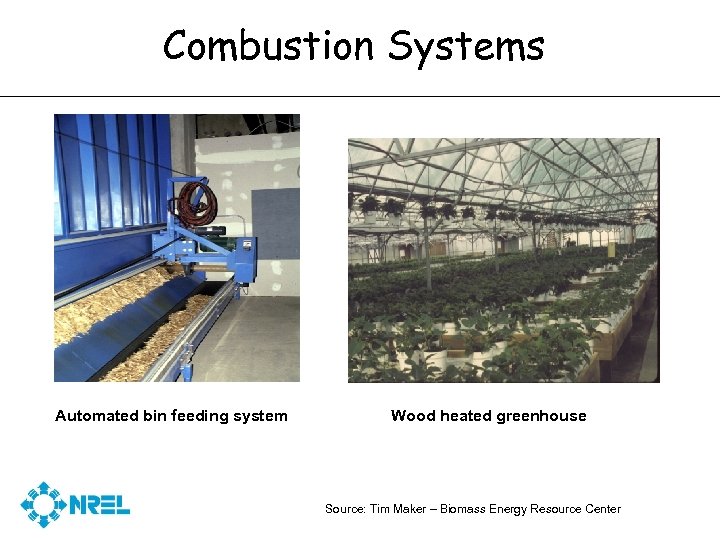
Combustion Systems Automated bin feeding system Wood heated greenhouse Source: Tim Maker – Biomass Energy Resource Center
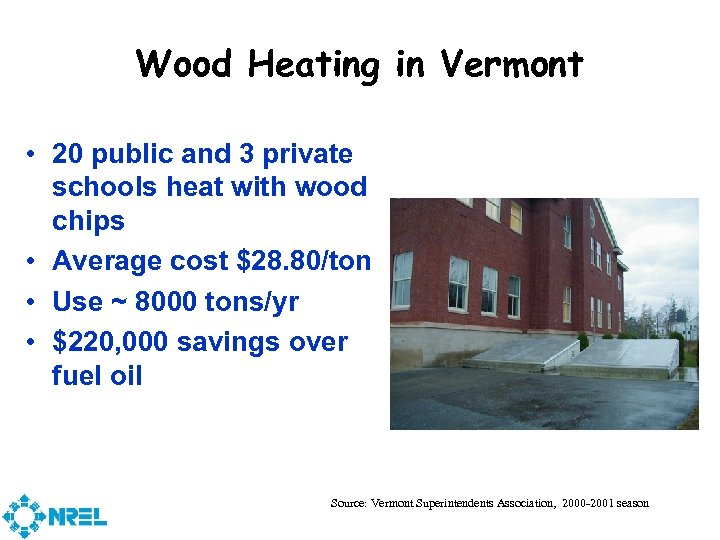
Wood Heating in Vermont • 20 public and 3 private schools heat with wood chips • Average cost $28. 80/ton • Use ~ 8000 tons/yr • $220, 000 savings over fuel oil Source: Vermont Superintendents Association, 2000 -2001 season
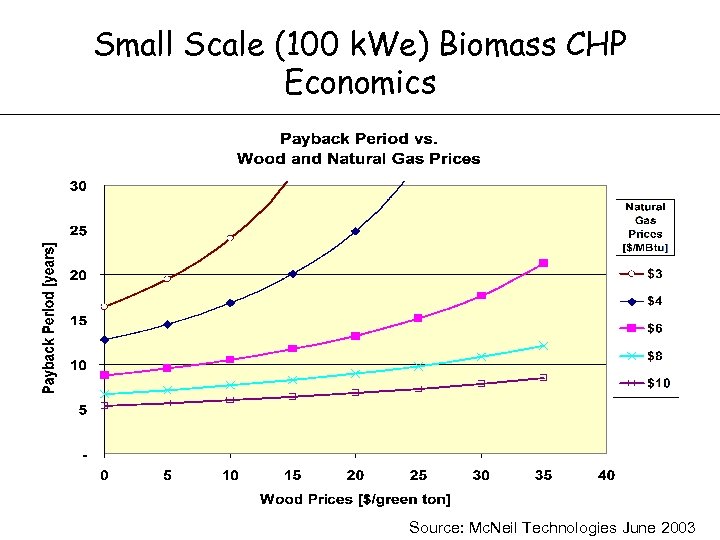
Small Scale (100 k. We) Biomass CHP Economics Source: Mc. Neil Technologies June 2003
Technical Issues Combustion • Conversion efficiency - 20 -25% to power • Mineral management • Emissions NOx, CO, particulate • Mature technology
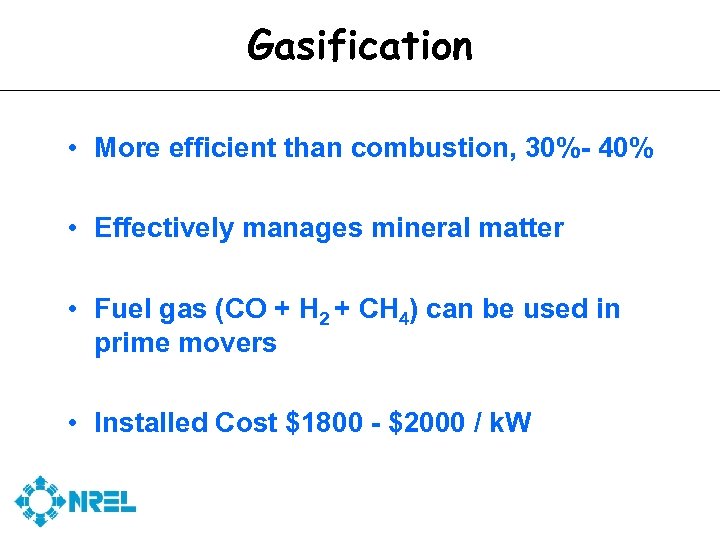
Gasification • More efficient than combustion, 30%- 40% • Effectively manages mineral matter • Fuel gas (CO + H 2 + CH 4) can be used in prime movers • Installed Cost $1800 - $2000 / k. W
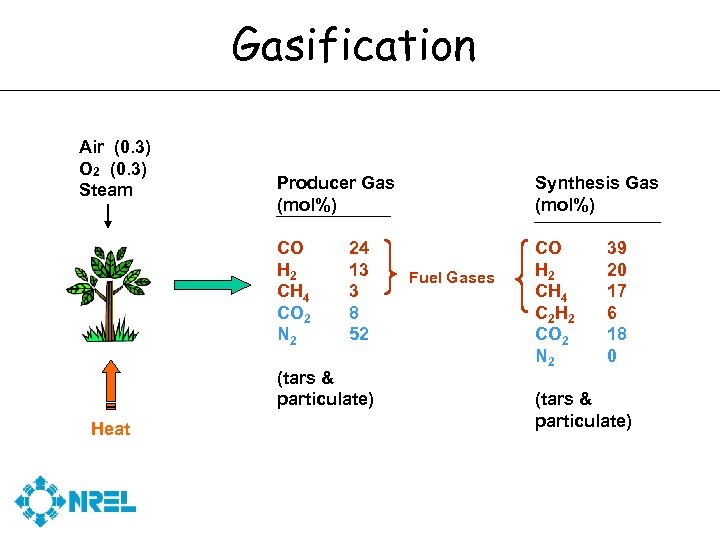
Gasification Air (0. 3) O 2 (0. 3) Steam Producer Gas (mol%) Synthesis Gas (mol%) CO H 2 CH 4 CO 2 N 2 CO H 2 CH 4 C 2 H 2 CO 2 N 2 24 13 3 8 52 (tars & particulate) Heat Fuel Gases 39 20 17 6 18 0 (tars & particulate)
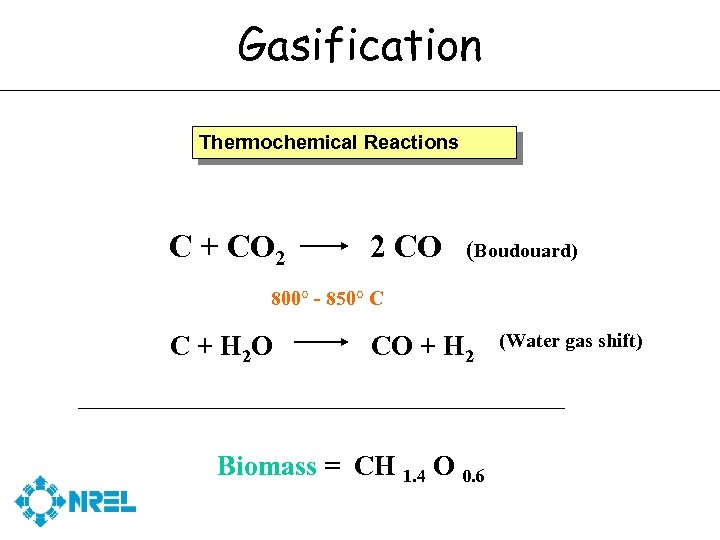
Gasification Thermochemical Reactions C + CO 2 2 CO (Boudouard) 800° - 850° C C + H 2 O CO + H 2 Biomass = CH 1. 4 O 0. 6 (Water gas shift)
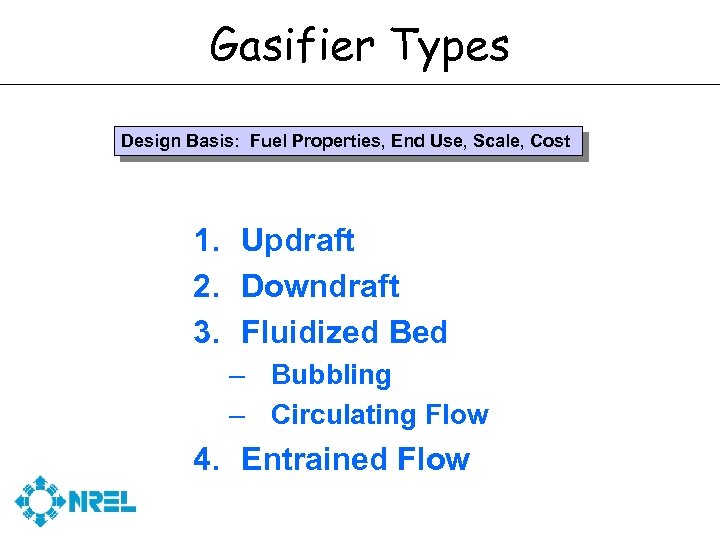
Gasifier Types Design Basis: Fuel Properties, End Use, Scale, Cost 1. Updraft 2. Downdraft 3. Fluidized Bed – Bubbling – Circulating Flow 4. Entrained Flow
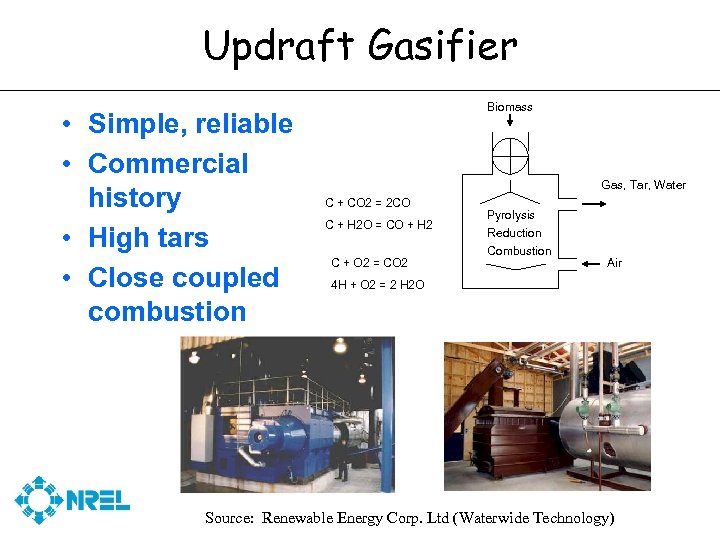
Updraft Gasifier • Simple, reliable • Commercial history • High tars • Close coupled combustion Biomass Gas, Tar, Water C + CO 2 = 2 CO C + H 2 O = CO + H 2 C + O 2 = CO 2 Pyrolysis Reduction Combustion Air 4 H + O 2 = 2 H 2 O Source: Renewable Energy Corp. Ltd (Waterwide Technology)
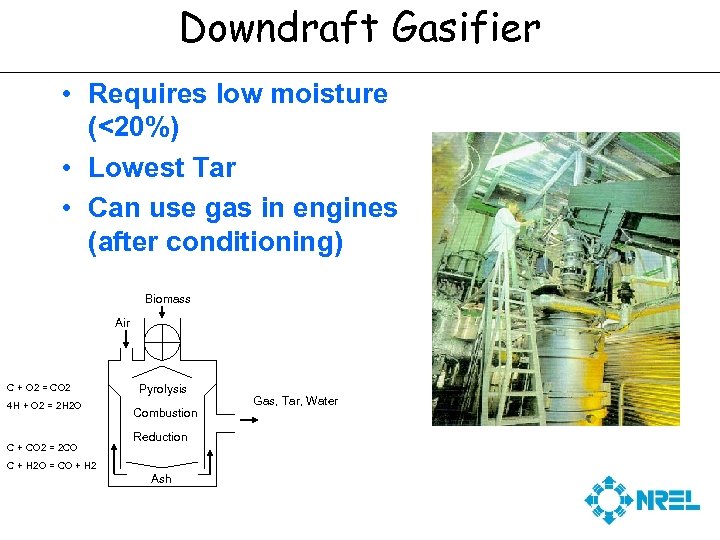
Downdraft Gasifier • Requires low moisture (<20%) • Lowest Tar • Can use gas in engines (after conditioning) Biomass Air C + O 2 = CO 2 4 H + O 2 = 2 H 2 O C + CO 2 = 2 CO Pyrolysis Combustion Reduction C + H 2 O = CO + H 2 Ash Gas, Tar, Water
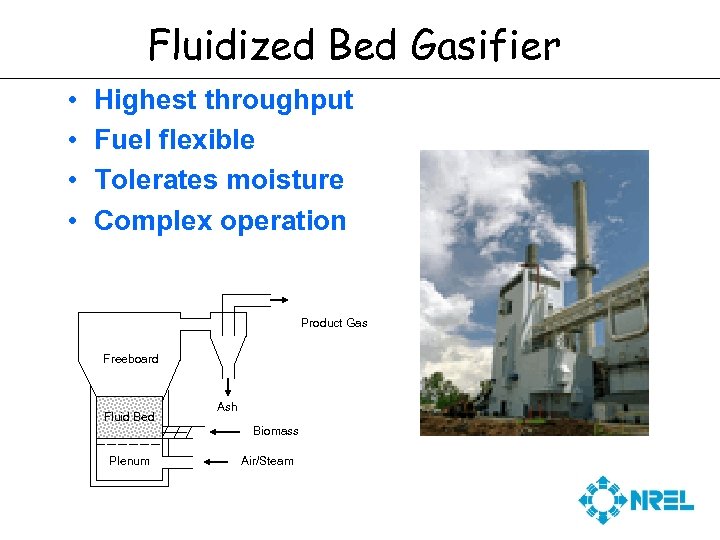
Fluidized Bed Gasifier • • Highest throughput Fuel flexible Tolerates moisture Complex operation Product Gas Freeboard Fluid Bed Ash Biomass Plenum Air/Steam
Gasification Technical Issues • Gas Conditioning – Tars – Particulates (< 2 micron in size) – Acid gases ( H 2 S, NH 3, HCN, HCl)
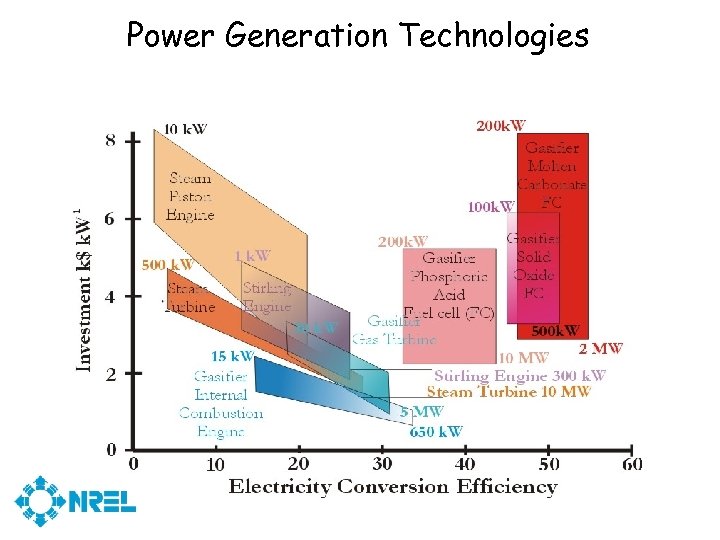
Power Generation Technologies Technology Performance
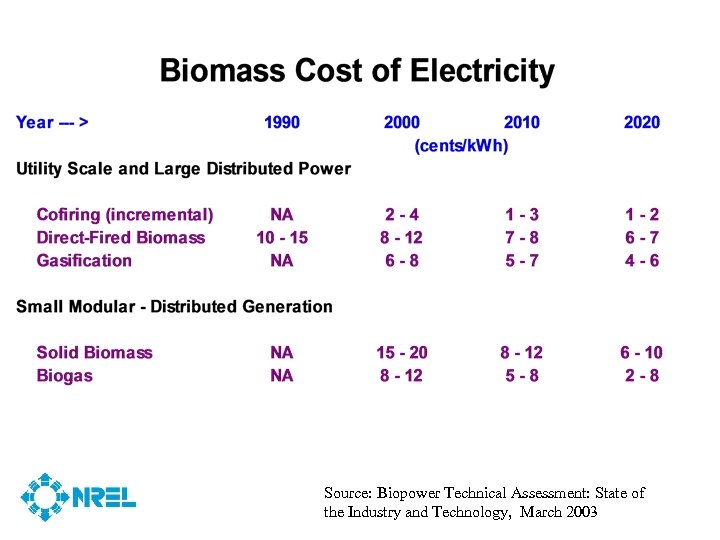
Source: Biopower Technical Assessment: State of the Industry and Technology, March 2003
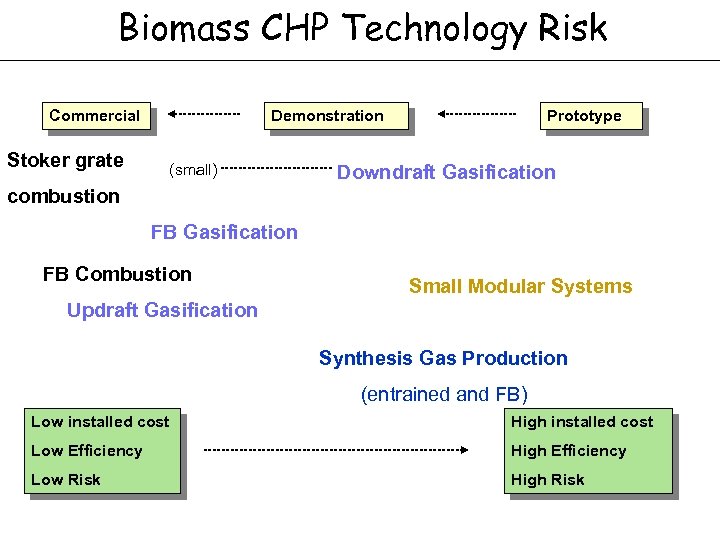
Biomass CHP Technology Risk Commercial Stoker grate Demonstration (small) Prototype Downdraft Gasification combustion FB Gasification FB Combustion Small Modular Systems Updraft Gasification Synthesis Gas Production (entrained and FB) Low installed cost High installed cost Low Efficiency High Efficiency Low Risk High Risk
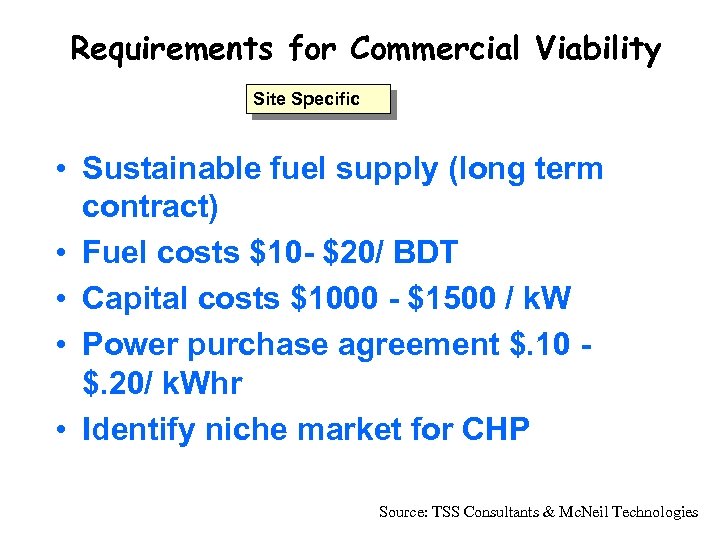
Requirements for Commercial Viability Site Specific • Sustainable fuel supply (long term contract) • Fuel costs $10 - $20/ BDT • Capital costs $1000 - $1500 / k. W • Power purchase agreement $. 10 $. 20/ k. Whr • Identify niche market for CHP Source: TSS Consultants & Mc. Neil Technologies
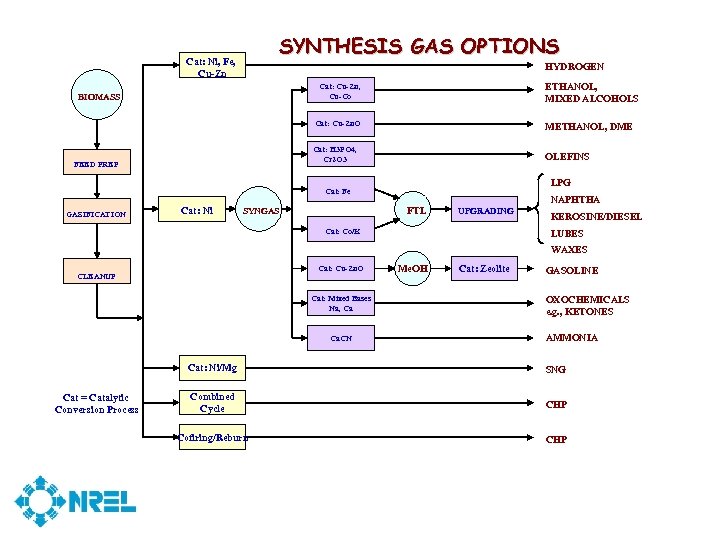
SYNTHESIS GAS OPTIONS Cat: Ni, Fe, Cu-Zn HYDROGEN ETHANOL, MIXED ALCOHOLS Cat: Cu-Zn, Cu-Co BIOMASS Cat: Cu-Zn. O Cat: H 3 PO 4, Cr 2 O 3 FEED PREP METHANOL, DME OLEFINS LPG Cat: Fe GASIFICATION Cat: Ni NAPHTHA FTL SYNGAS UPGRADING Cat: Co/K KEROSINE/DIESEL LUBES WAXES Cat: Cu-Zn. O CLEANUP Cat: Mixed Bases Na, Ca Ca. CN Me. OH Cat: Zeolite GASOLINE OXOCHEMICALS e. g. , KETONES AMMONIA Cat: Ni/Mg Cat = Catalytic Conversion Process SNG Combined Cycle CHP Cofiring/Reburn CHP
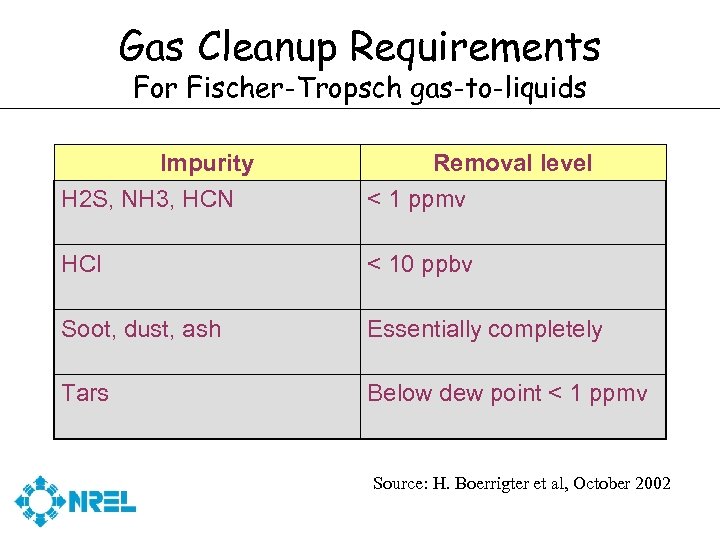
Gas Cleanup Requirements For Fischer-Tropsch gas-to-liquids Impurity H 2 S, NH 3, HCN Removal level < 1 ppmv HCl < 10 ppbv Soot, dust, ash Essentially completely Tars Below dew point < 1 ppmv Source: H. Boerrigter et al, October 2002
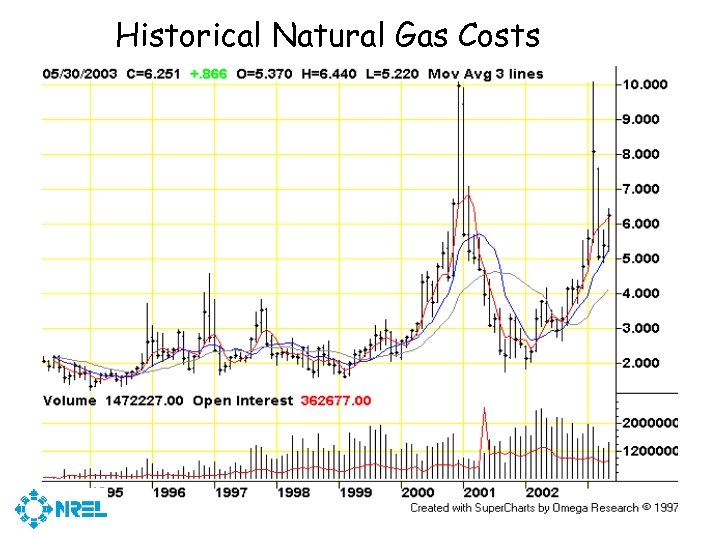
Historical Natural Gas Costs
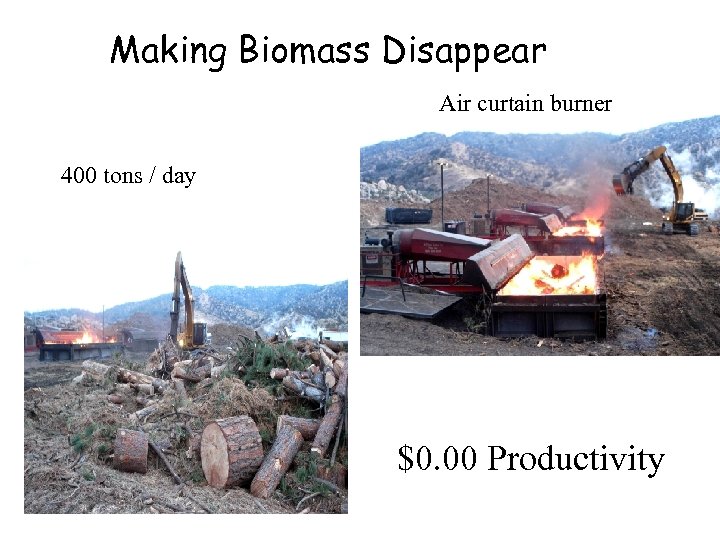
Making Biomass Disappear Air curtain burner 400 tons / day $0. 00 Productivity
Скачать презентацию Biomass to Energy Present Commercial Strategies and Future
542a6fadc227e0d10e1915bcb3bb27fd.ppt