 Скачать презентацию BIOLOGY The study of living things
3dcb53a7b0653d79a4a9dd25e5005106.ppt
- Количество слайдов: 61



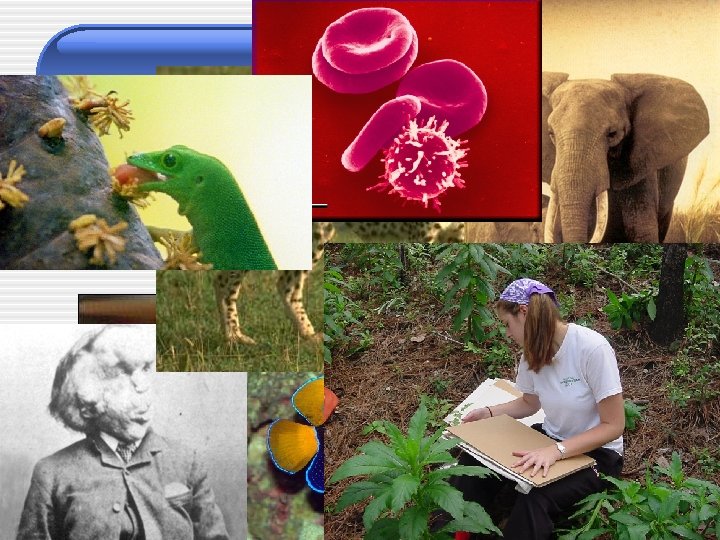
BIOLOGY • The study of living things • Organism: • living thing
Your Job • Take a “Comparing Living and Nonliving • • Things” Lab Go to each station and complete the chart on the first page Use the chart to answer the questions on the other side of the lab
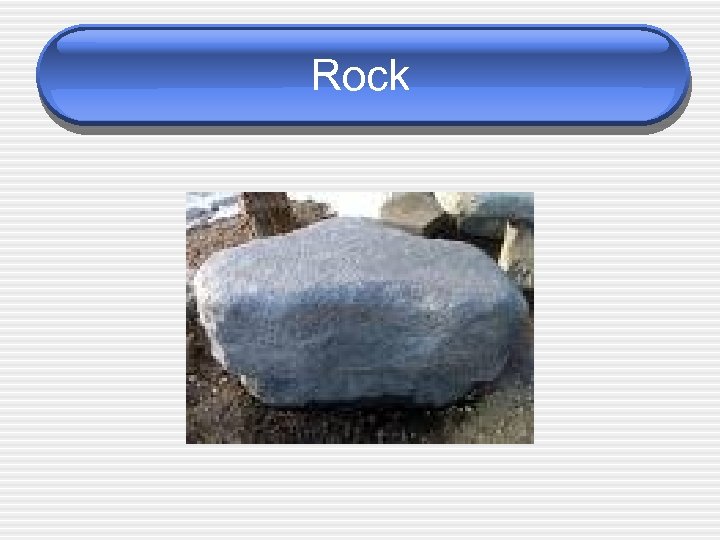
Rock
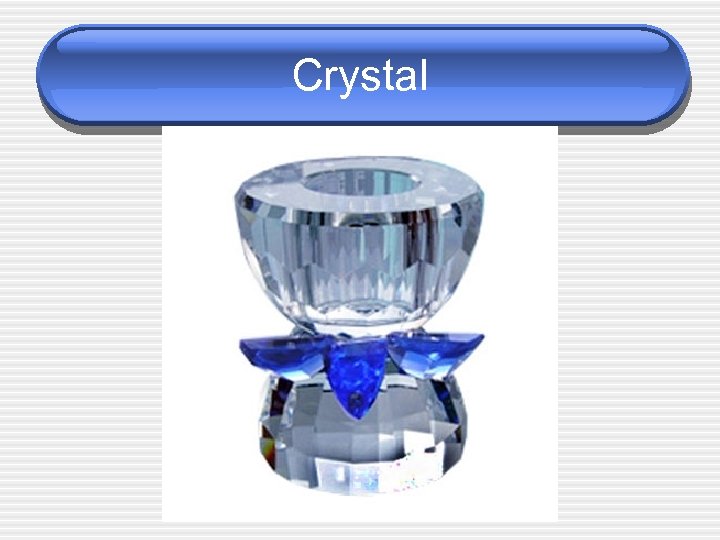
Crystal
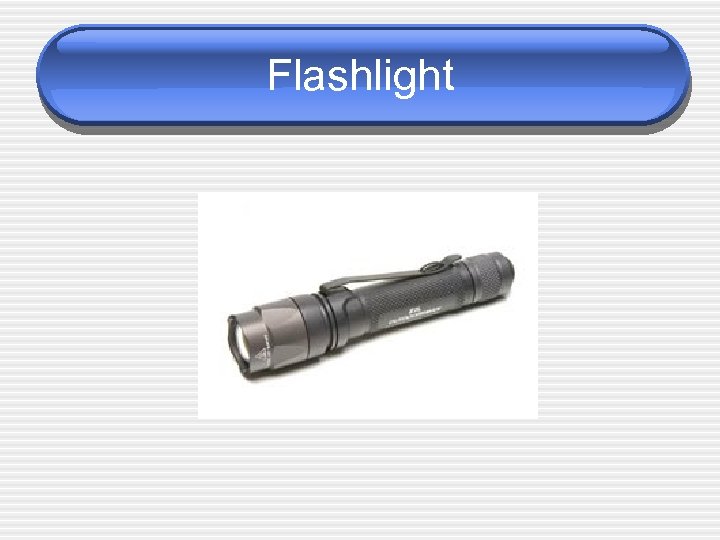
Flashlight
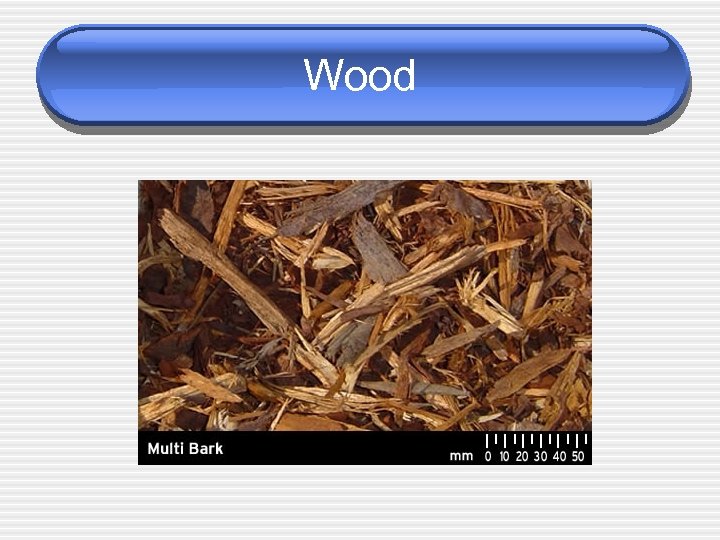
Wood
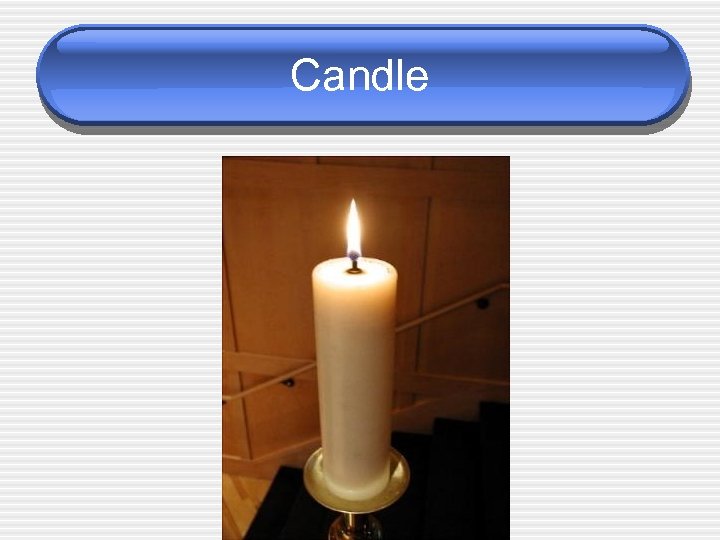
Candle
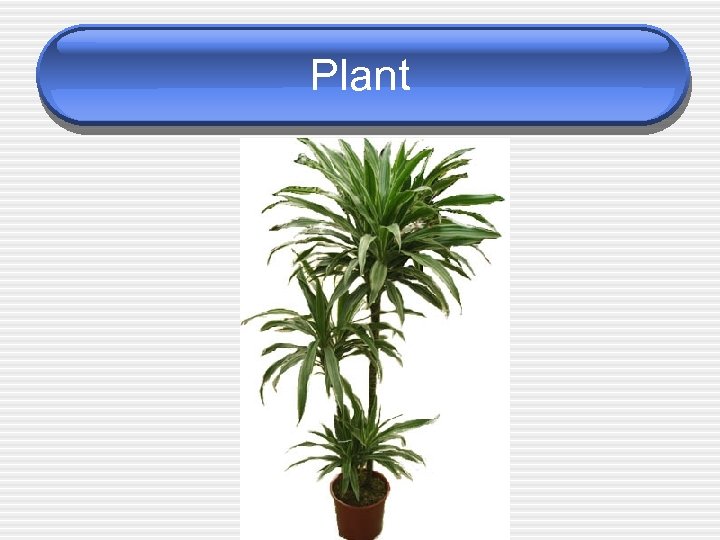
Plant
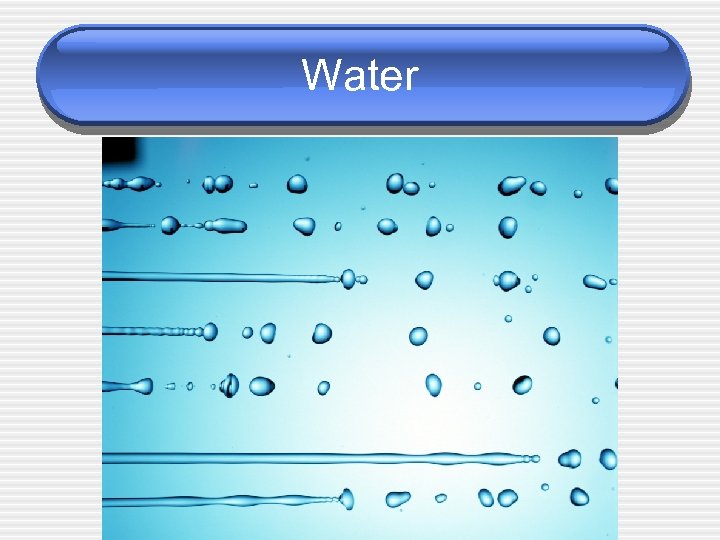
Water
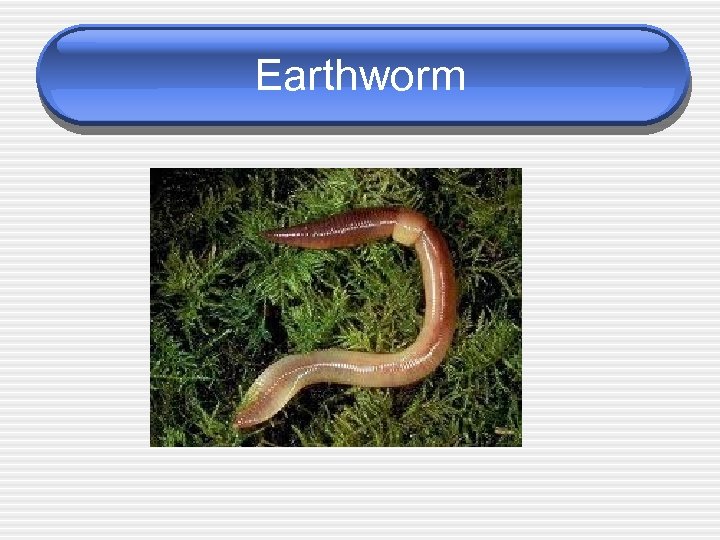
Earthworm
Seed
Egg
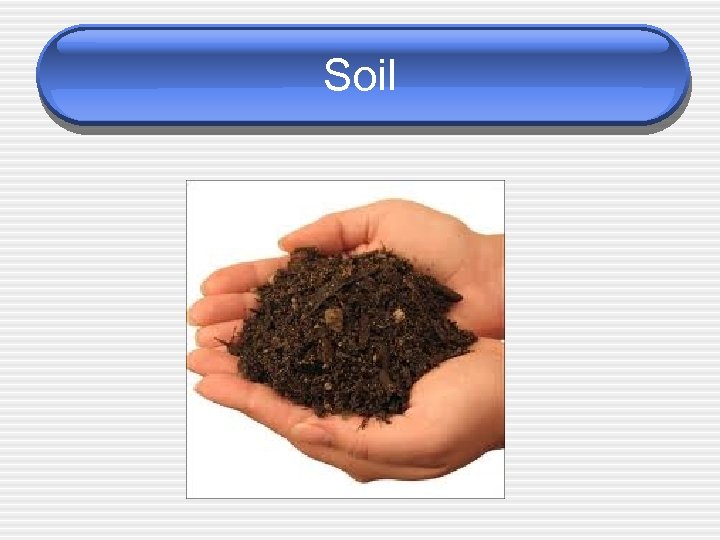
Soil
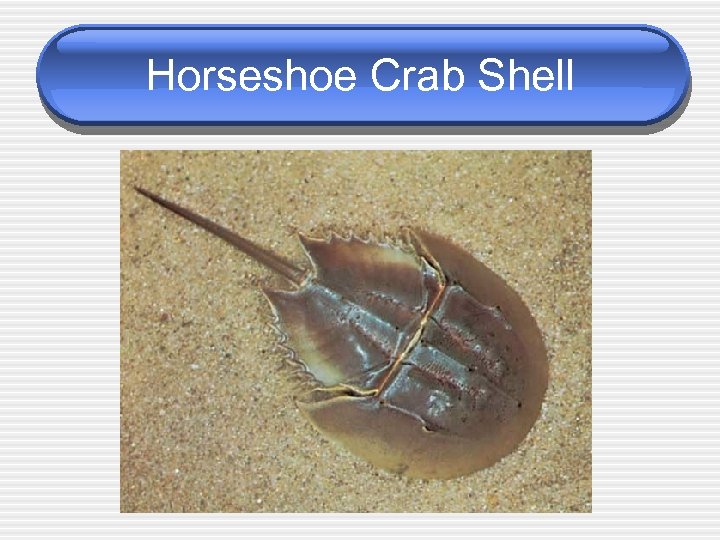
Horseshoe Crab Shell

Informal Write-Up • • • Hypothesis: “If…then…” Materials: List them Procedures: what did we do? PAST TENSE Data: See attached Conclusion: by doing procedures, what did we find out?
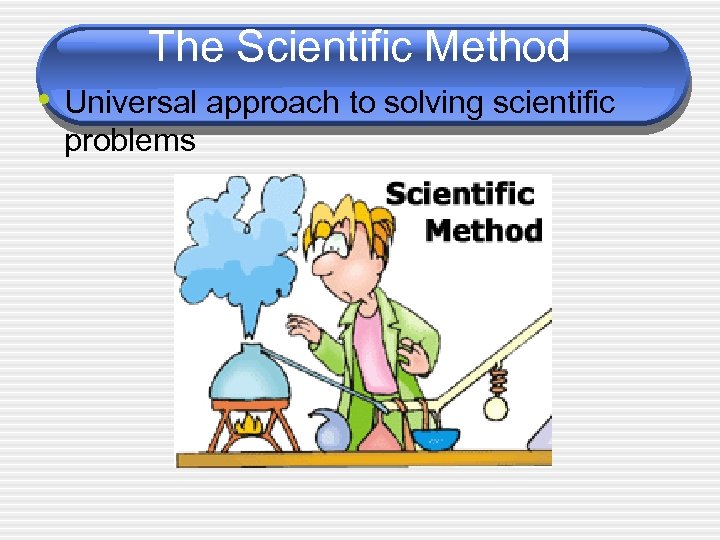
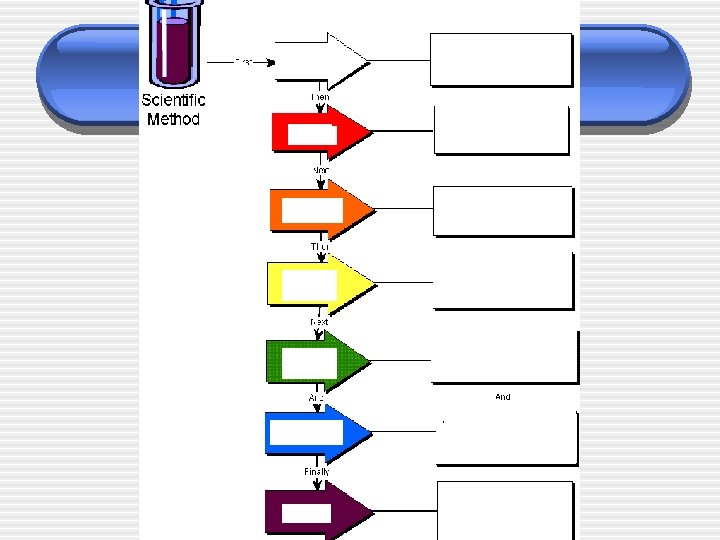
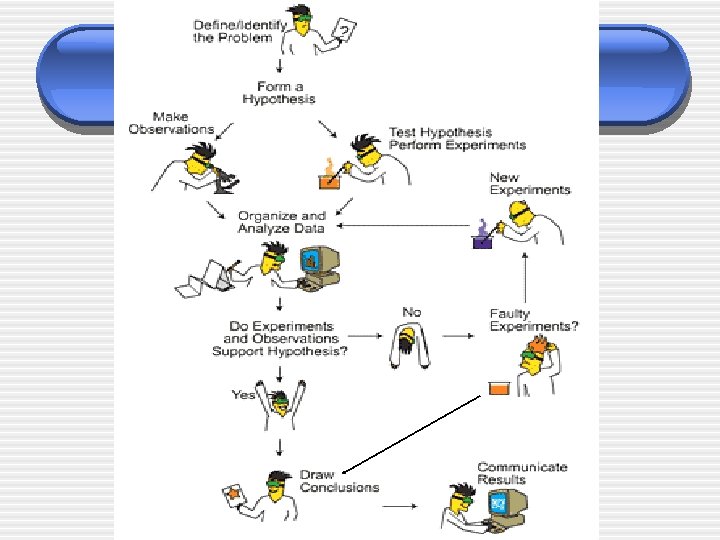
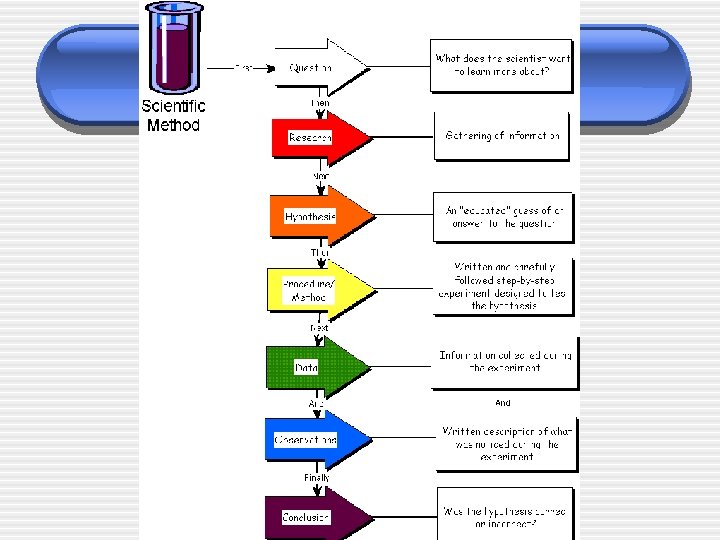
The Scientific Method • Universal approach to solving scientific problems
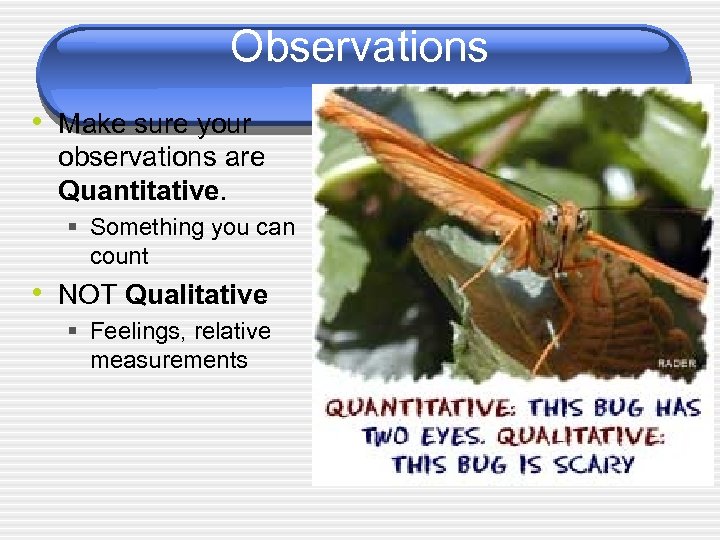
Observations • Make sure your observations are Quantitative. § Something you can count • NOT Qualitative § Feelings, relative measurements
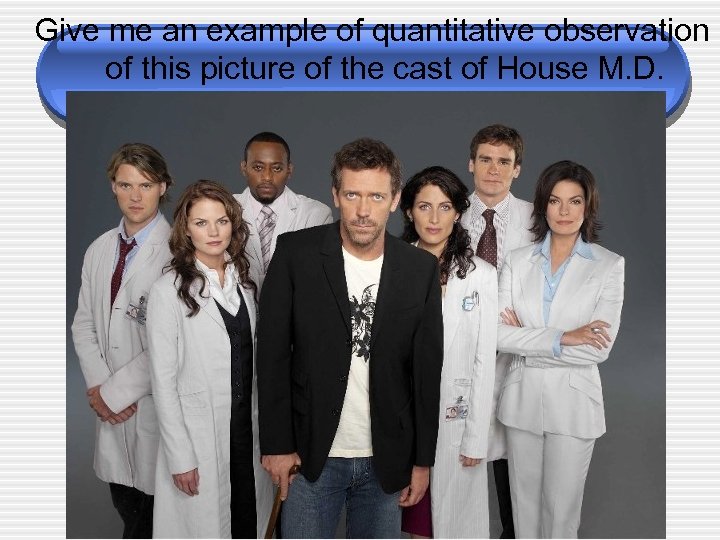
Give me an example of quantitative observation of this picture of the cast of House M. D.
Constructing an Experiment • Tests ONLY 1 variable at a time • Independent Variable § What you change in the experiment • Dependent Variable § What change because of the independent Variable § What you measure • Controls (constants) controlled variables § What stays the same in the whole experiment
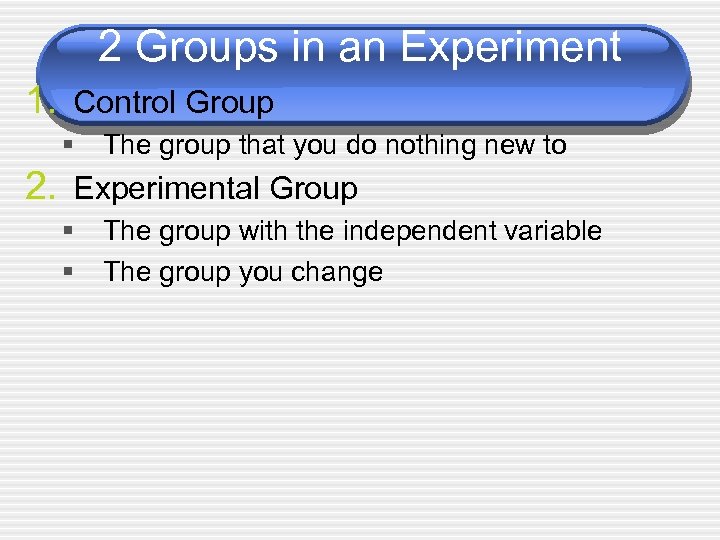
2 Groups in an Experiment 1. Control Group § The group that you do nothing new to 2. Experimental Group § § The group with the independent variable The group you change
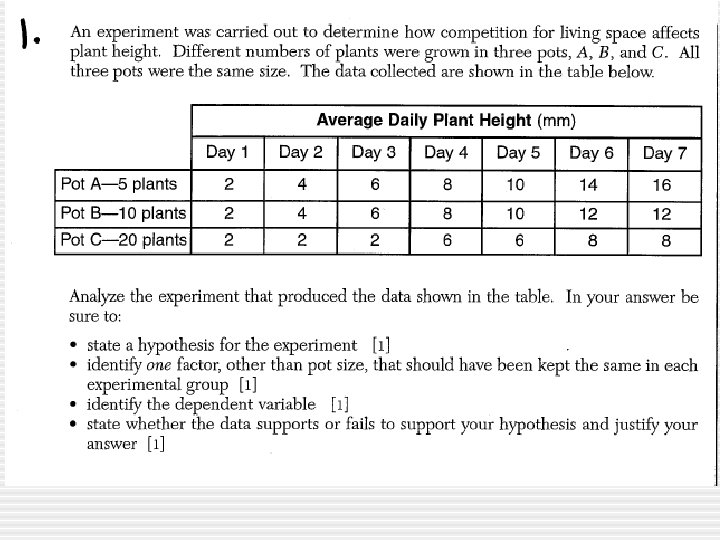

• Smithers thinks that a special juice will increase the productivity of workers. He creates two groups of 50 workers each and assigns each group the same task (in this case, they are supposed to staple a set of papers. ) Group A is given the special juice to drink while they work. Group B is not given the special juice. After an hour, Smithers counts how many stacks of paper each group has made. Group A made 1, 587 stacks, Group B made 2, 113 stacks. 1. Control Group 2. Independent Variable 3. Dependent Variable 4. What should Smithers conclusion be? 5. How could this experiment be improved?
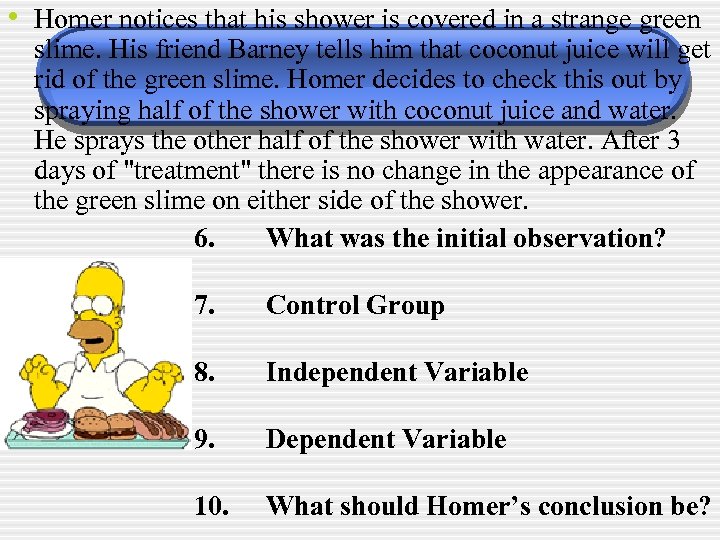
• Homer notices that his shower is covered in a strange green slime. His friend Barney tells him that coconut juice will get rid of the green slime. Homer decides to check this out by spraying half of the shower with coconut juice and water. He sprays the other half of the shower with water. After 3 days of "treatment" there is no change in the appearance of the green slime on either side of the shower. 6. What was the initial observation? 7. Control Group 8. Independent Variable 9. Dependent Variable 10. What should Homer’s conclusion be?
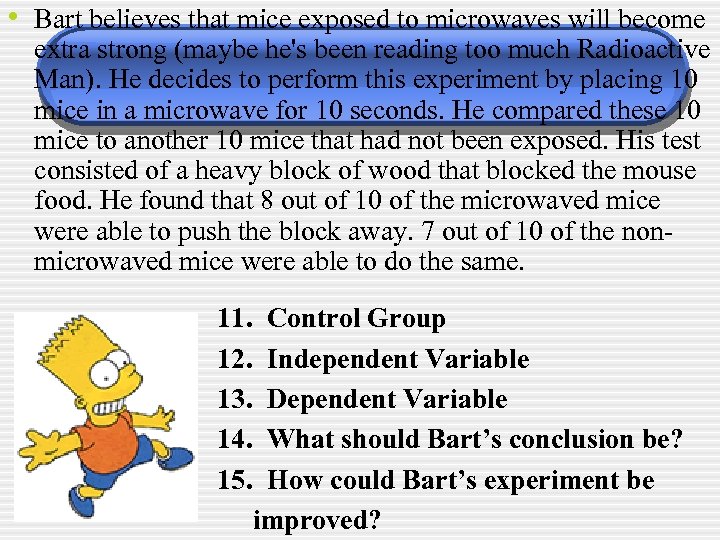
• Bart believes that mice exposed to microwaves will become extra strong (maybe he's been reading too much Radioactive Man). He decides to perform this experiment by placing 10 mice in a microwave for 10 seconds. He compared these 10 mice to another 10 mice that had not been exposed. His test consisted of a heavy block of wood that blocked the mouse food. He found that 8 out of 10 of the microwaved mice were able to push the block away. 7 out of 10 of the nonmicrowaved mice were able to do the same. 11. 12. 13. 14. 15. Control Group Independent Variable Dependent Variable What should Bart’s conclusion be? How could Bart’s experiment be improved?
• Krusty was told that a certain itching powder was the newest best thing on the market, it even claims to cause 50% longer lasting itches. Interested in this product, he buys the itching powder and compares it to his usual product. One test subject (A) is sprinkled with the original itching powder, and another test subject (B) was sprinkled with the Experimental itching powder. Subject A reported having itches for 30 minutes. Subject B reported to have itches for 45 minutes. 16. Control Group 17. Independent Variable 18. Dependent Variable 19. Explain whether the data supports the advertisements claims
• Lisa is working on a science project. Her task is to answer the question: "Does Rogooti (which is a commercial hair product) affect the speed of hair growth". Her family is willing to volunteer for the experiment. 20. Describe how Lisa would perform this experiment. Identify the control group, independent variable and the dependent variable in your description.
Make up your own Experiment • You are the manager of a restaurant. Your staff has been complaining that the paper towels your restaurant uses are not absorbent enough and the tables are still dirty after they clean them. You decide to conduct an experiment to help you decide which brand of paper towel will be the best to clean your restaurant.
M e g a METRIC CONVERSION K i l o H e c t a D e k a b a s e d e c i c e n t i m i l l i m i c r o

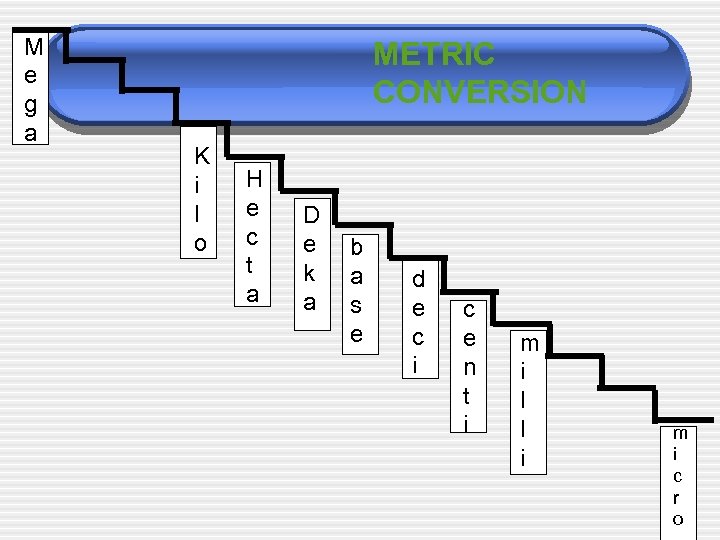
Giga-1, 000, 000 Mega-1, 000, 000 Kilo-1, 000 Heca-100 Deca-10 Base-1 Deci-0. 1 Centi-0. 01 SI UNITS SI = Système International d'unités International System of Units Milli-0. 001 Micro-0. 0000001 Nano-0. 000001

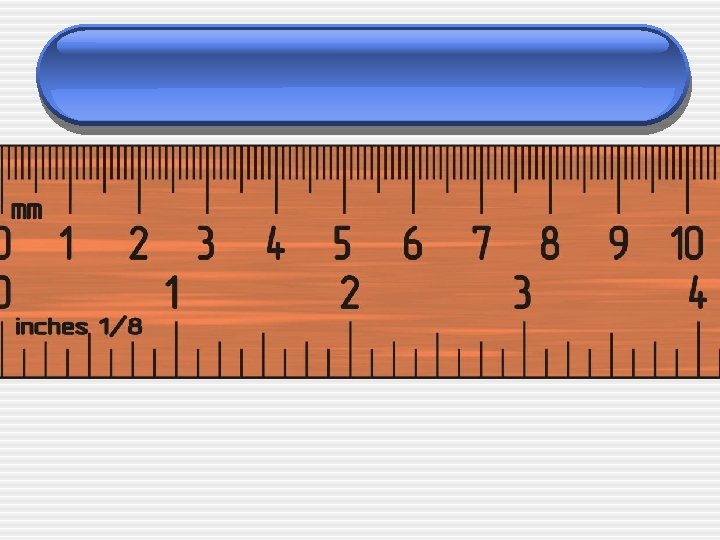
SI UNITS cont… • Length = meters (m) § Metric Ruler • Volume = liters (L) § Graduated Cylinder • Weight = grams (g) § Triple Beam/ Electronic Balance • Temperature = Celsius (C°) § Thermometer
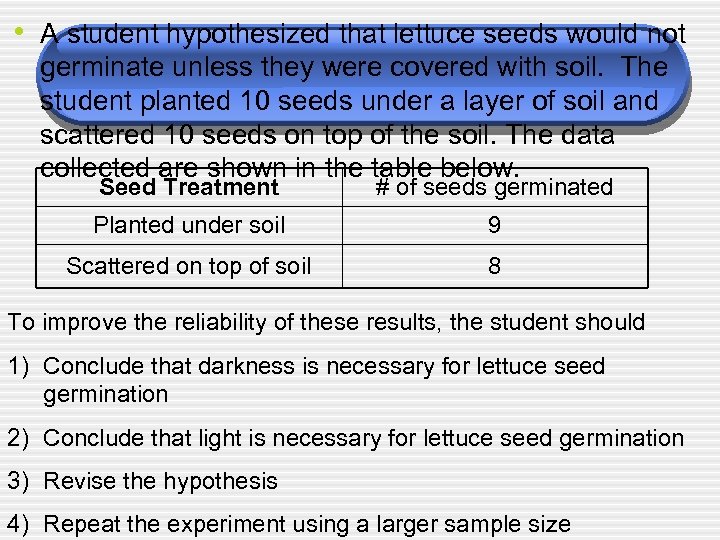
• A student hypothesized that lettuce seeds would not germinate unless they were covered with soil. The student planted 10 seeds under a layer of soil and scattered 10 seeds on top of the soil. The data collected are shown in the table below. Seed Treatment # of seeds germinated Planted under soil 9 Scattered on top of soil 8 To improve the reliability of these results, the student should 1) Conclude that darkness is necessary for lettuce seed germination 2) Conclude that light is necessary for lettuce seed germination 3) Revise the hypothesis 4) Repeat the experiment using a larger sample size
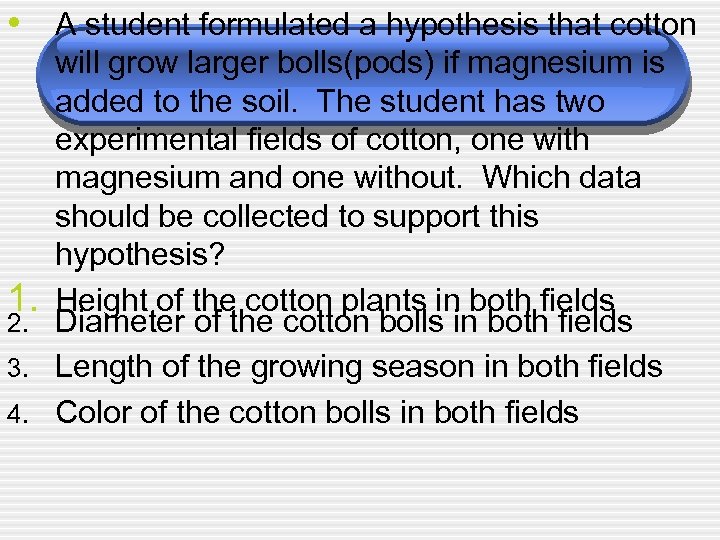
• A student formulated a hypothesis that cotton will grow larger bolls(pods) if magnesium is added to the soil. The student has two experimental fields of cotton, one with magnesium and one without. Which data should be collected to support this hypothesis? 1. Height of the cotton plants in both fields 2. Diameter of the cotton bolls in both fields 3. Length of the growing season in both fields 4. Color of the cotton bolls in both fields
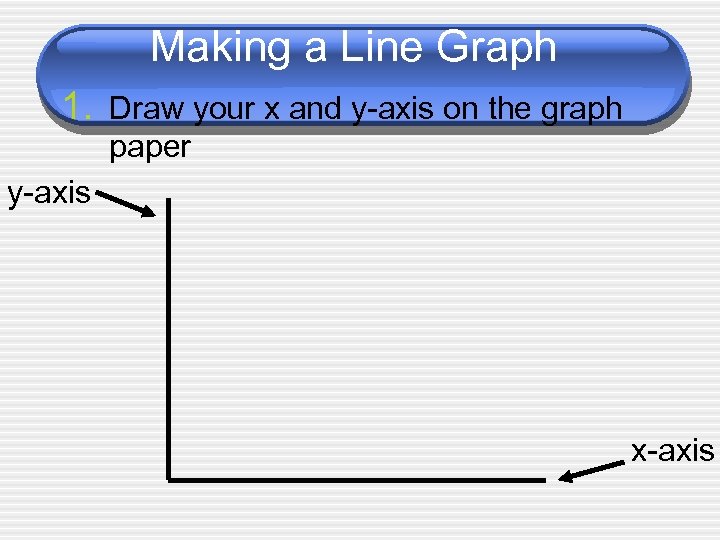
Making a Line Graph 1. Draw your x and y-axis on the graph paper y-axis x-axis
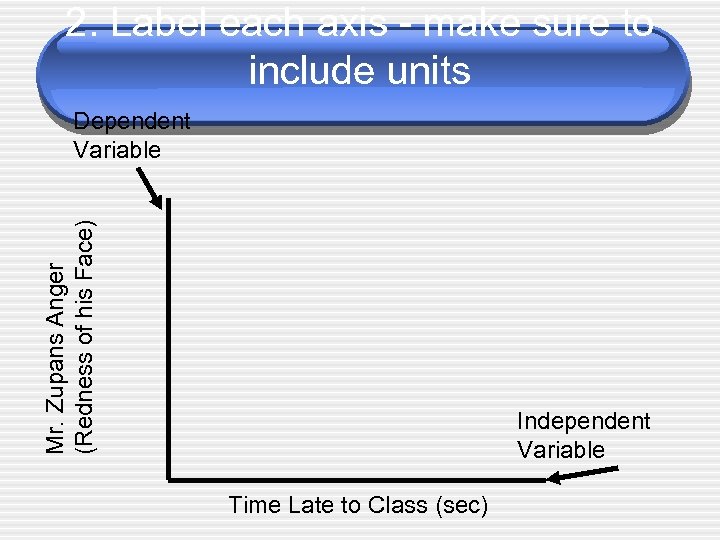
2. Label each axis - make sure to include units Mr. Zupans Anger (Redness of his Face) Dependent Variable Independent Variable Time Late to Class (sec)
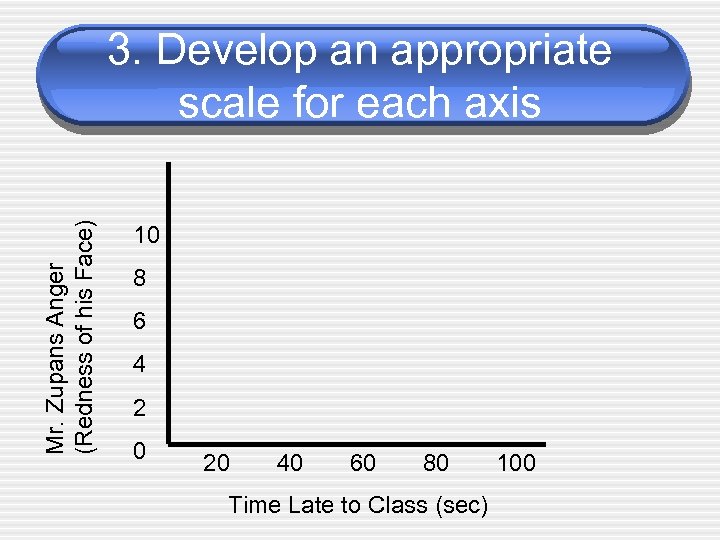
Mr. Zupans Anger (Redness of his Face) 3. Develop an appropriate scale for each axis 10 8 6 4 2 0 20 40 60 80 Time Late to Class (sec) 100
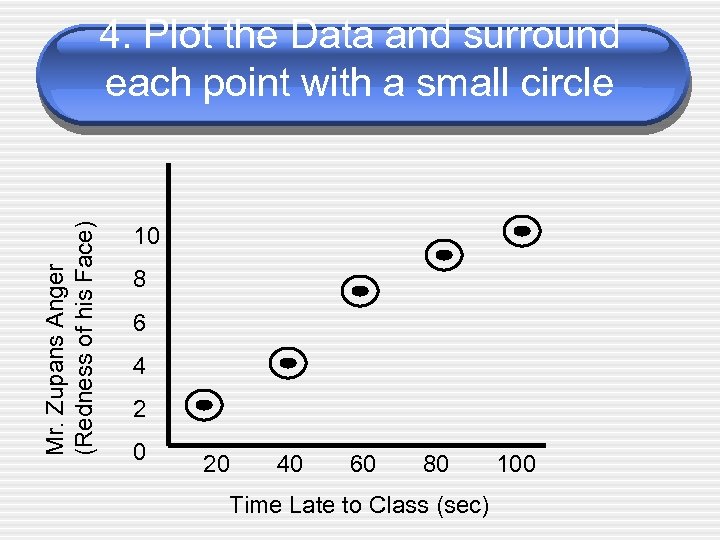
Mr. Zupans Anger (Redness of his Face) 4. Plot the Data and surround each point with a small circle 10 8 6 4 2 0 20 40 60 80 Time Late to Class (sec) 100
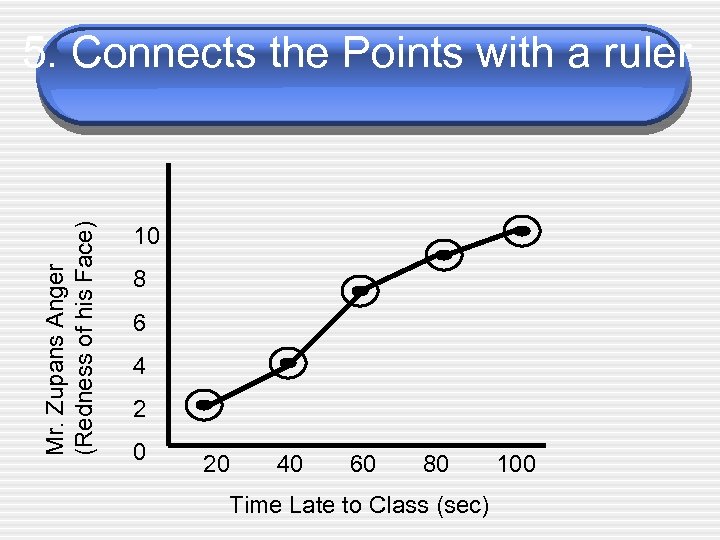
Mr. Zupans Anger (Redness of his Face) 5. Connects the Points with a ruler 10 8 6 4 2 0 20 40 60 80 Time Late to Class (sec) 100
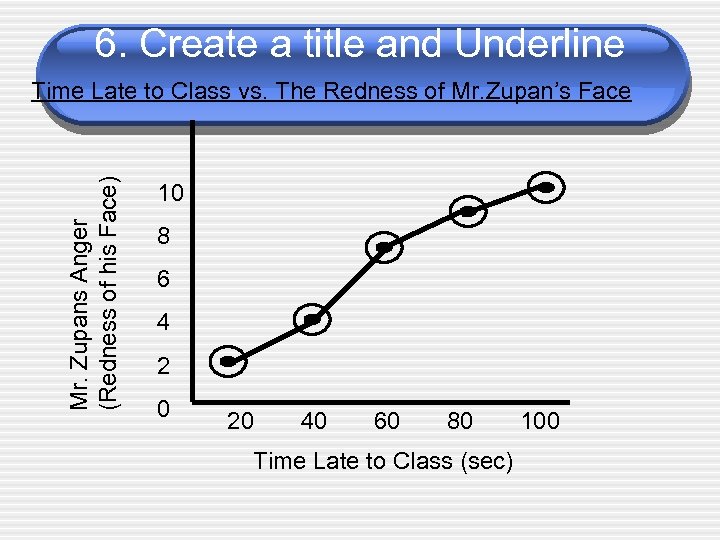
6. Create a title and Underline Mr. Zupans Anger (Redness of his Face) Time Late to Class vs. The Redness of Mr. Zupan’s Face 10 8 6 4 2 0 20 40 60 80 Time Late to Class (sec) 100
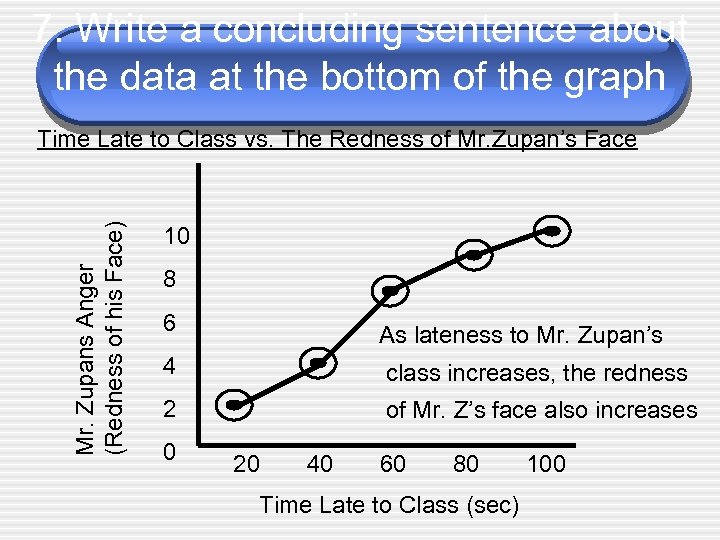
7. Write a concluding sentence about the data at the bottom of the graph Mr. Zupans Anger (Redness of his Face) Time Late to Class vs. The Redness of Mr. Zupan’s Face 10 8 6 As lateness to Mr. Zupan’s 4 class increases, the redness 2 of Mr. Z’s face also increases 0 20 40 60 80 Time Late to Class (sec) 100

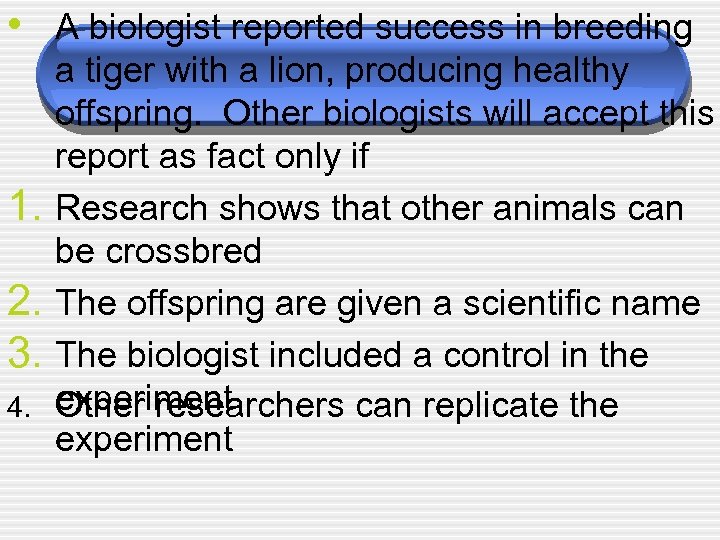
• A biologist reported success in breeding a tiger with a lion, producing healthy offspring. Other biologists will accept this report as fact only if 1. Research shows that other animals can be crossbred 2. The offspring are given a scientific name 3. The biologist included a control in the 4. experiment Other researchers can replicate the experiment
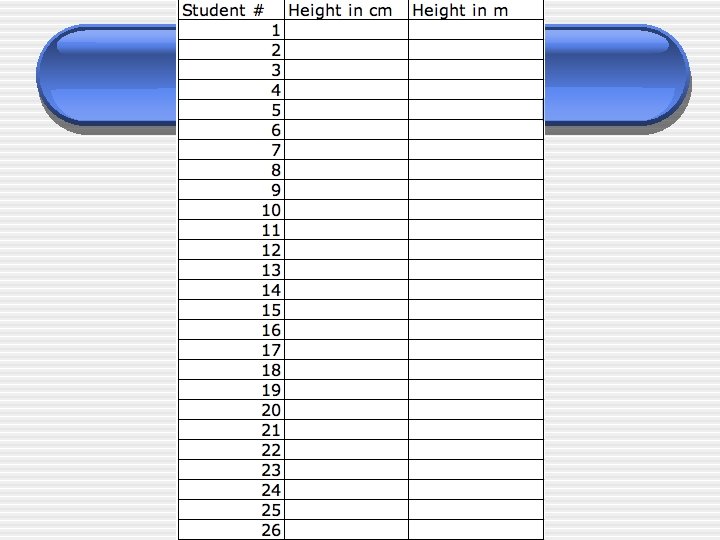
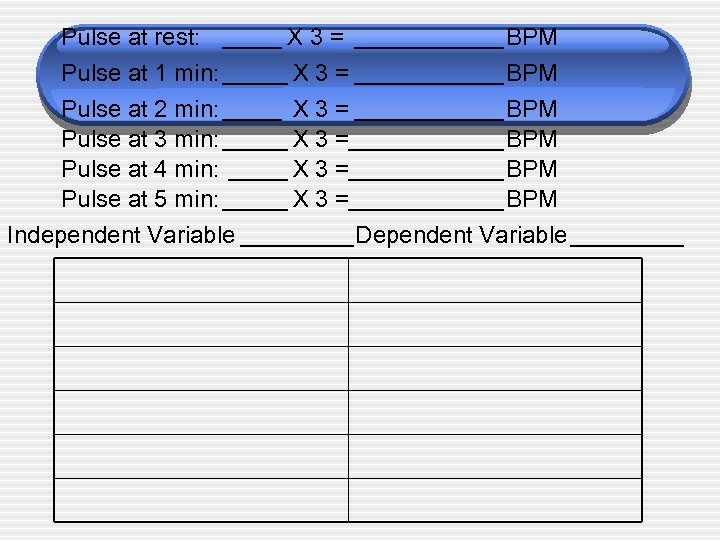
Pulse at rest: Pulse at 1 min: Pulse at 2 min: Pulse at 3 min: Pulse at 4 min: Pulse at 5 min: Independent Variable X 3= X 3= BPM BPM BPM Dependent Variable
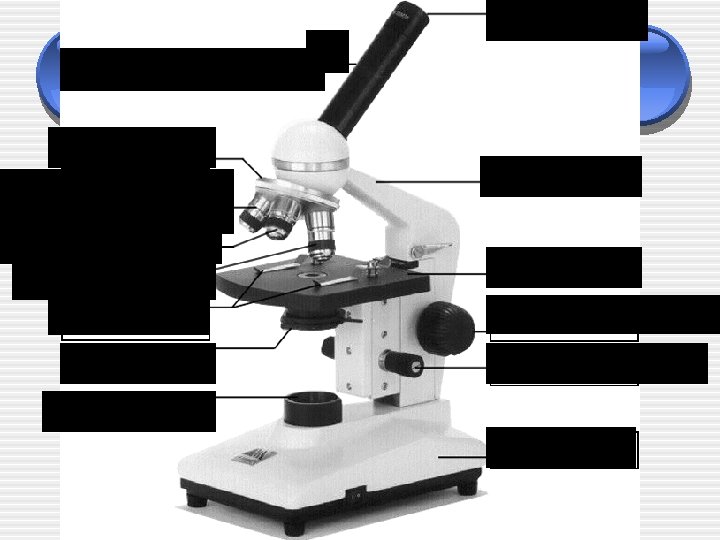
Ocular lens Nose Piece Low power objective lens Med. Odj. lens High power obj Stage clips diaphragm Arm Stage Course adjustment Fine adjustment Light source Base
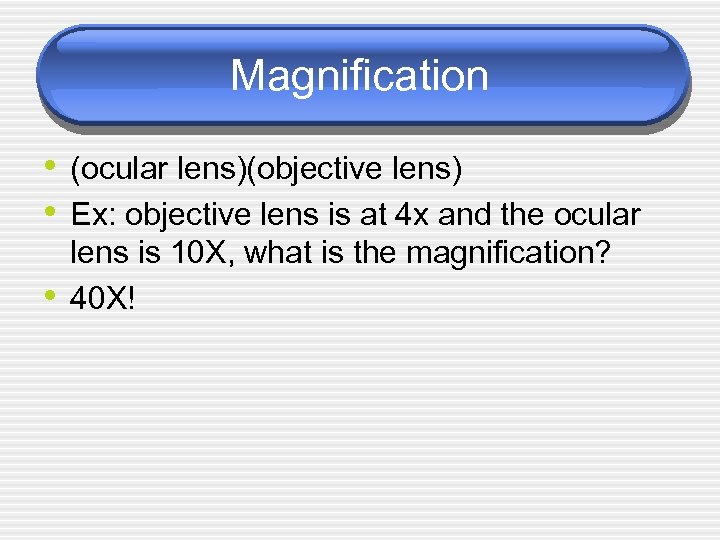
Magnification • (ocular lens)(objective lens) • Ex: objective lens is at 4 x and the ocular • lens is 10 X, what is the magnification? 40 X!

• Depth of field • Field of view
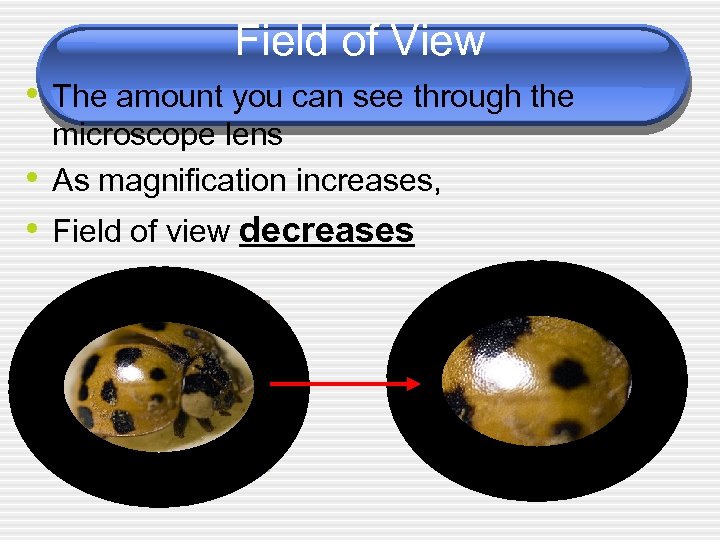
Field of View • The amount you can see through the microscope lens As magnification increases, • • Field of view decreases 40 x 400 x
Making a Wet Mount Slide 1. Cut out a lowercase “d” from the 2. 3. 4. 5. newspapers at your stations Place the “d” on the middle of the slide Place 1 drop of water on top of the “d” Place the coverslip over the “d” and lower like a hinge on a door Find the “d” over medium objective lens
Cheek Cell Lab 1. Place 1 drop of water on the empty 2. 3. 4. slide Take a toothpick and slide it across the inside of your cheek You now have about 100 cells on your toothpick! Take the toothpick and place it in the water on your slide to transfer your cells to the slide
5. Put the coverslip over the cells 6. Now we are going to stain the cells 7. Put a drop of methylene blue on one side of your coverslip 8. Now take a piece of paper towel on place it on the other side of the coverslip 9. You can now watch the dye travel across the coverslip 10. Find your cells at 100 x and 400 x and draw what you see in each magnification
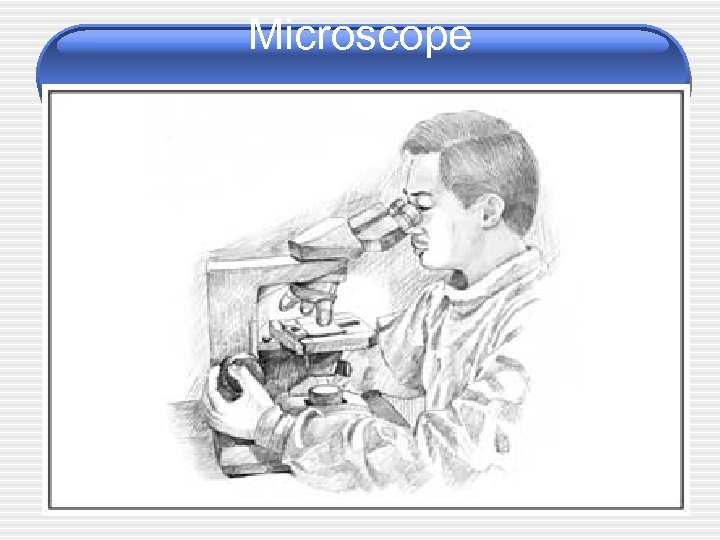
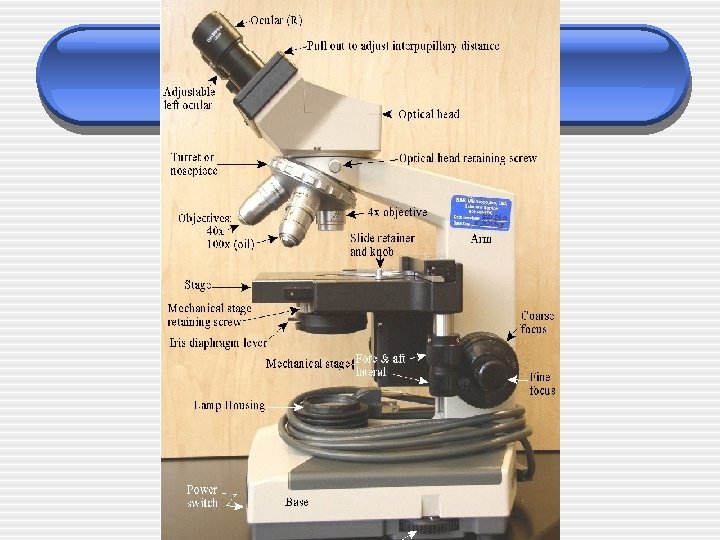
Microscope

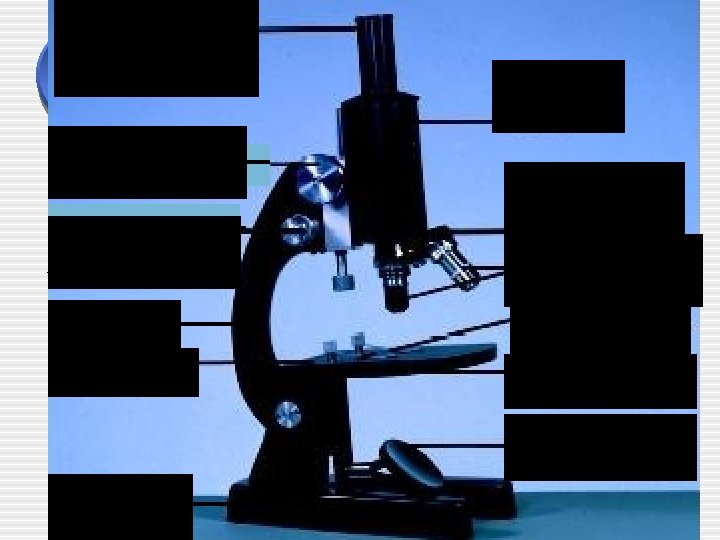
Ocular Lens Coarse Adjustment Fine Adjustment Body Revolving Arm Base Light Source
Скачать презентацию BIOLOGY The study of living things
3dcb53a7b0653d79a4a9dd25e5005106.ppt