 Скачать презентацию Beyond Balancing Using Five Elements of Failure Design
4589c89c6eaacd52c78c226320d29420.ppt
- Количество слайдов: 32



Beyond Balancing: Using Five Elements of Failure Design to Enhance Player Experiences » Jesper Juul » www. jesperjuul. net » Singapore-MIT GAMBIT Game Lab, MIT » gambit. mit. edu
Takeaway from this Talk » Beyond Balancing: From Failure Count to Failure Cost » A toolbox for designing failure in games » Failure definition: > > Game presents challenge to the player. (jump over chasm / avoid getting hit by monsters / finish before time runs out) Player fails at challenge. Game sets back the player. (loses energy / loses life / lose capabilities) » Failure design: How failure is communicated, what setbacks the player is given, and total failure cost
Sources for this Talk » Study of player reactions to failure (lab and online) » Survey of downloadable casual game players » Psychology (attribution theory)
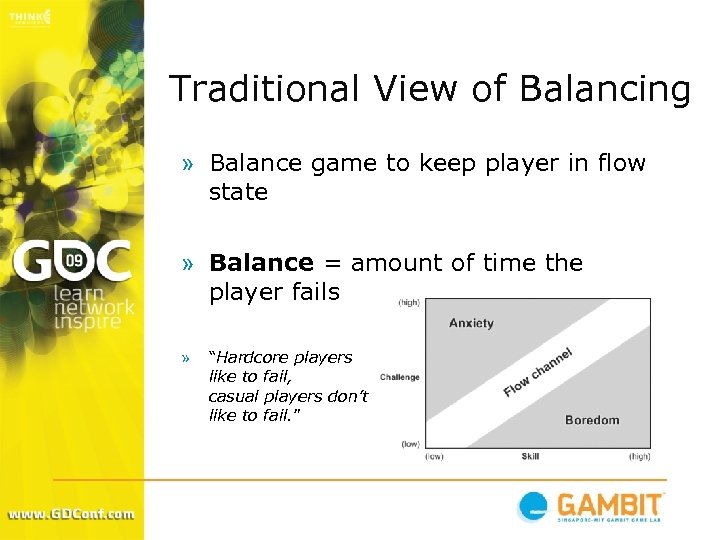
Traditional View of Balancing » Balance game to keep player in flow state » Balance = amount of time the player fails » “Hardcore players like to fail, casual players don’t like to fail. ”
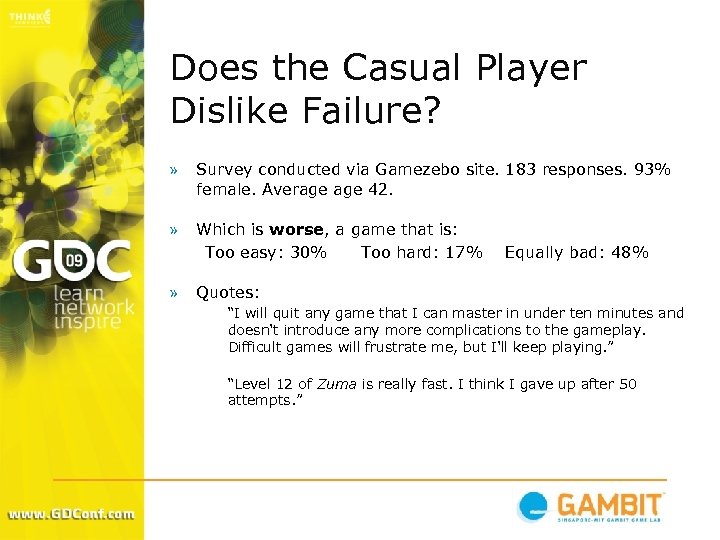
Does the Casual Player Dislike Failure? » Survey conducted via Gamezebo site. 183 responses. 93% female. Average 42. » Which is worse, a game that is: Too easy: 30% Too hard: 17% » Equally bad: 48% Quotes: > “I will quit any game that I can master in under ten minutes and doesn't introduce any more complications to the gameplay. Difficult games will frustrate me, but I'll keep playing. ” > “Level 12 of Zuma is really fast. I think I gave up after 50 attempts. ”
The Failure-Averse Casual Player is a Myth » Wrong: Casual players dislike failing. » Right: Many casual players have strong time constraints. » “Having a baby really changed my game playing habits. When she needs my attention the game must stop. This is why World of Warcraft has been hard to play as of late. ”
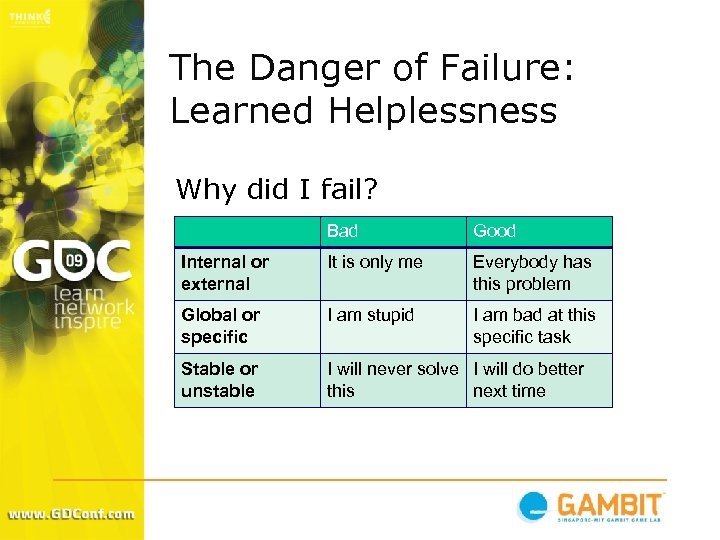
The Danger of Failure: Learned Helplessness Why did I fail? Bad Good Internal or external It is only me Everybody has this problem Global or specific I am stupid I am bad at this specific task Stable or unstable I will never solve I will do better this next time (Source: Abramson, Seligman, Teasdale: Learned Helplessness in Humans)
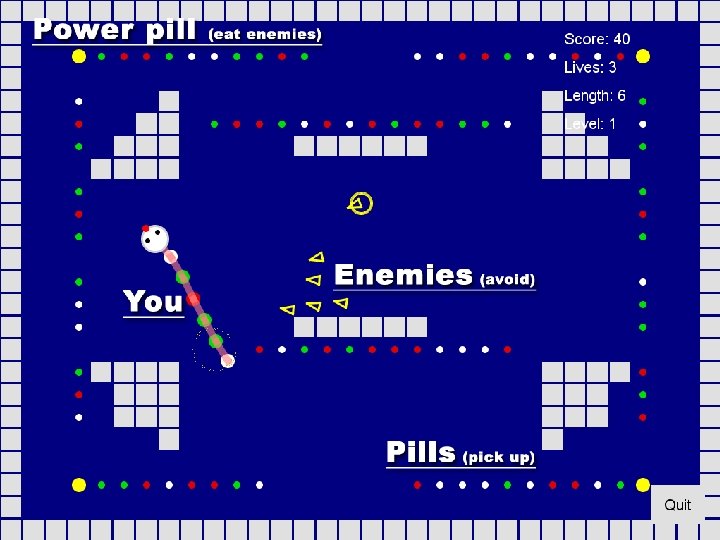
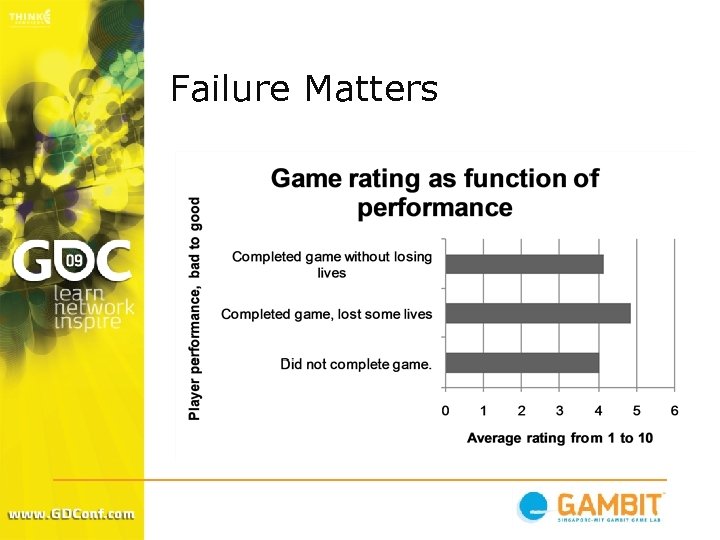
Failure Matters
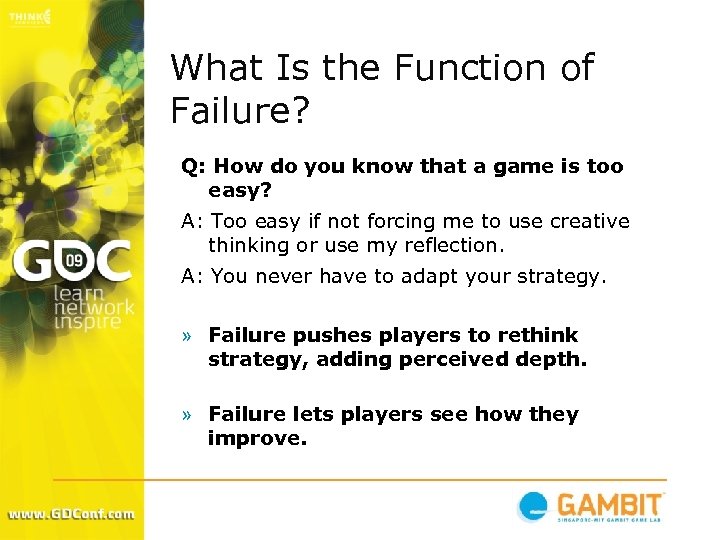
What Is the Function of Failure? Q: How do you know that a game is too easy? A: Too easy if not forcing me to use creative thinking or use my reflection. A: You never have to adapt your strategy. » Failure pushes players to rethink strategy, adding perceived depth. » Failure lets players see how they improve.
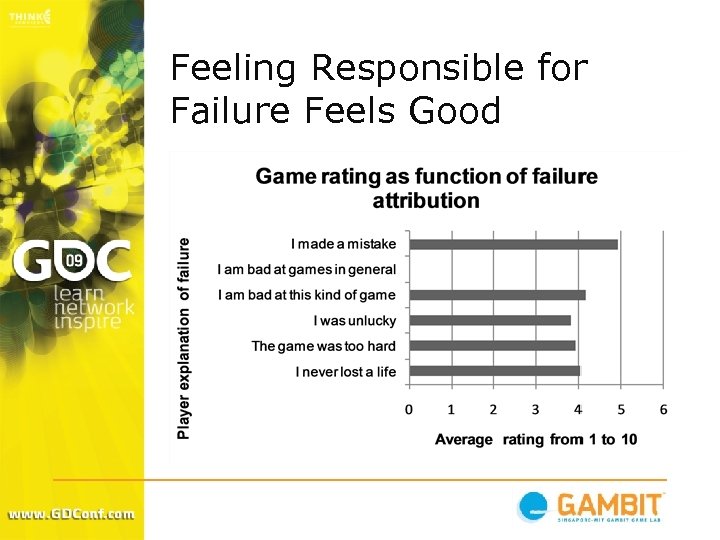
Feeling Responsible for Failure Feels Good
1. Failure Count » The traditional measure of balance » # of times players reach a fail state Tool: Make game easier or harder.
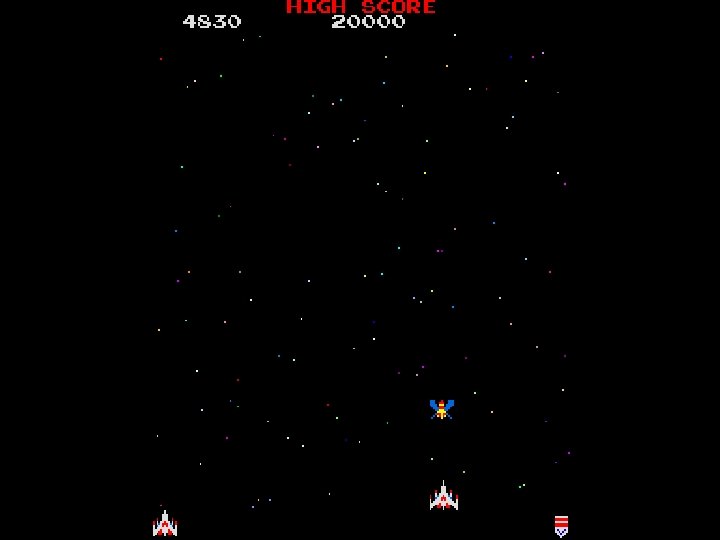
2. Failure Awareness » “Knowing that you might as well have lost, makes you feel good when you make it through the level. ” > Interviewed player » Player can see that they could have failed Tool: Make player aware of possibility of failure, even when unlikely.
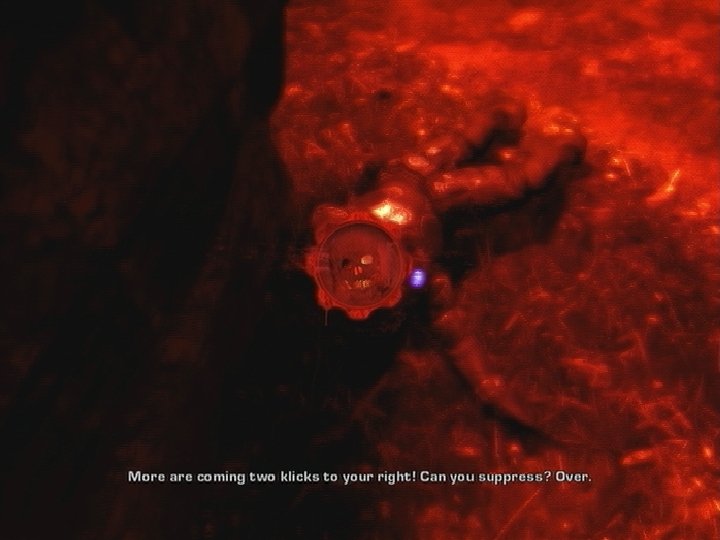
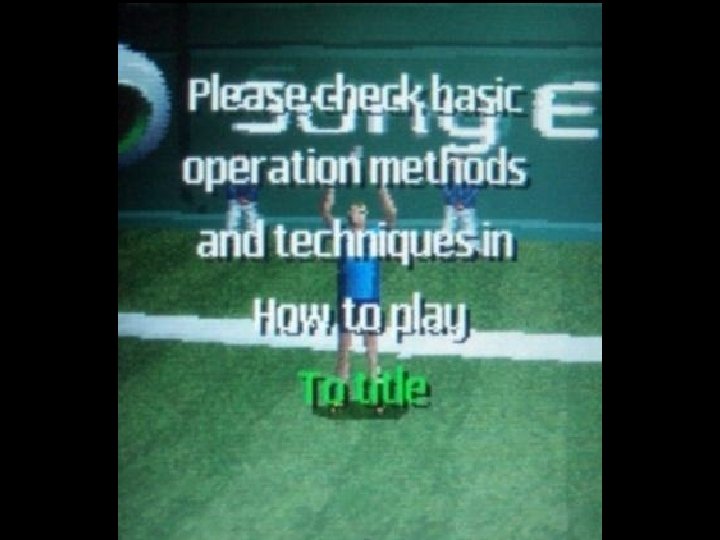
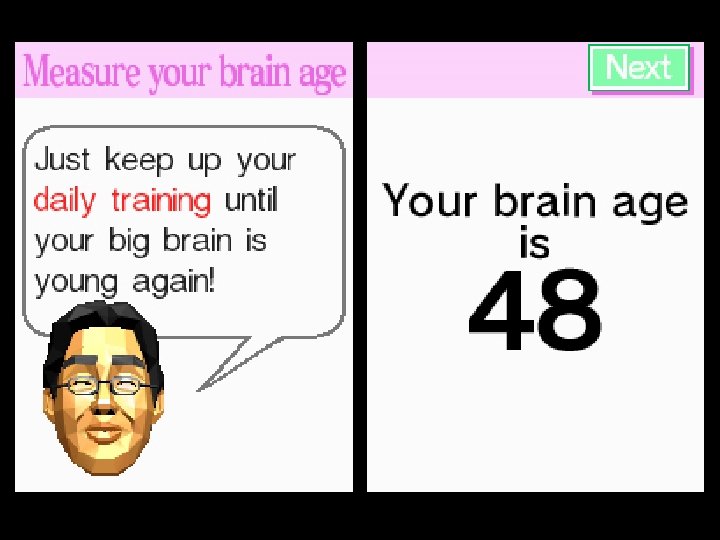
3. Failure Communication » Game objects » Addressing the player Tools: In-game objects or external voice. Compare player to other players?
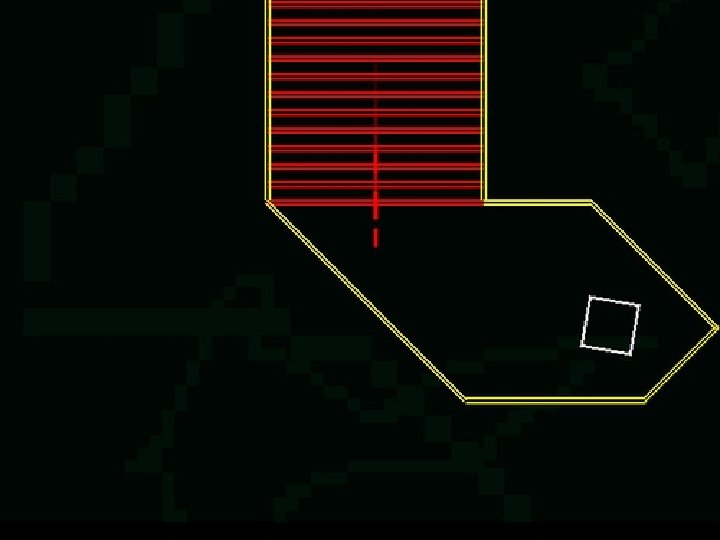
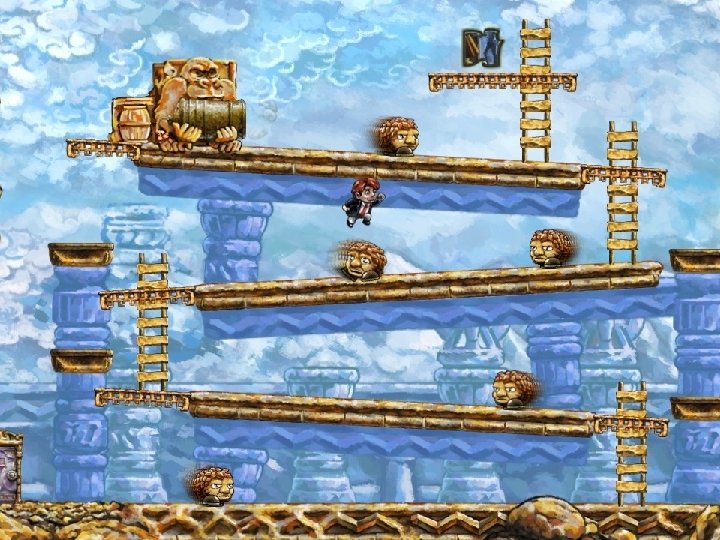
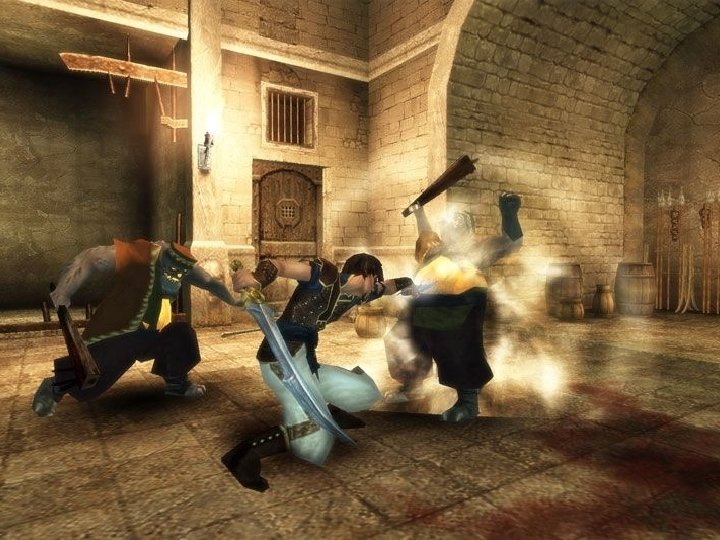
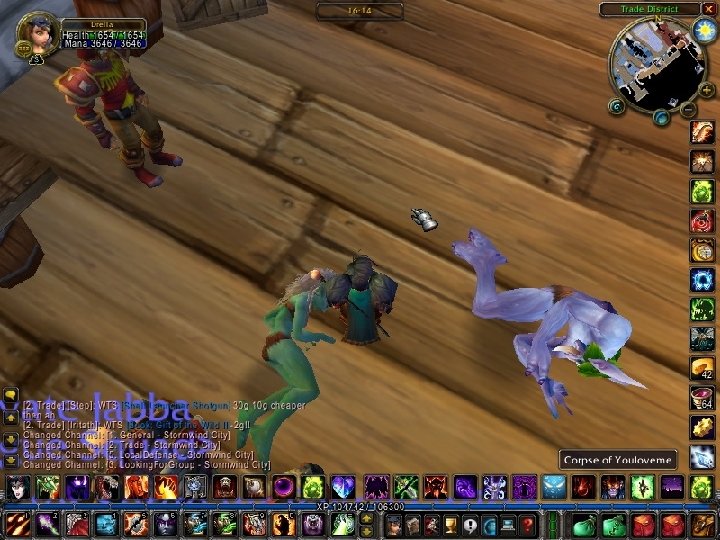
4. Failure Setback » “Snatched moments are far more child-friendly than hour-long Mass Effect sessions. . I can have a game of Mario Kart or Smash Bros and it’s literally five minutes while my daughter entertains herself. ” > -Game player » What is the total failure cost in a play session, measured in time? Tool: Tweak the setback of each failure to match time constraints of players.
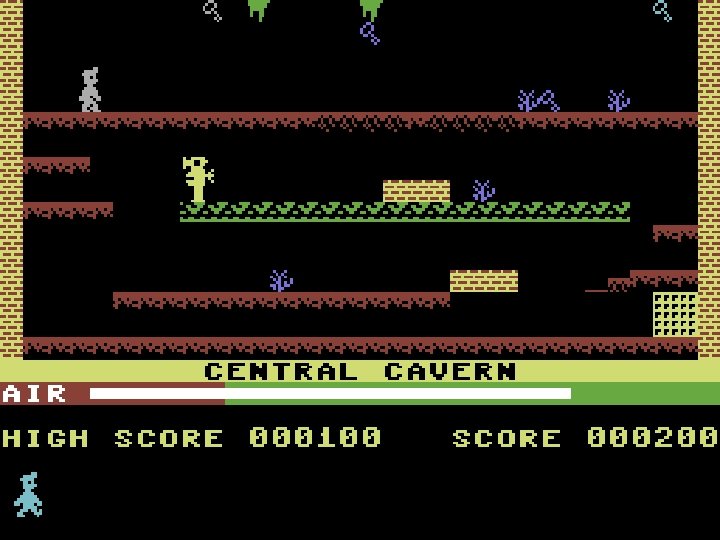
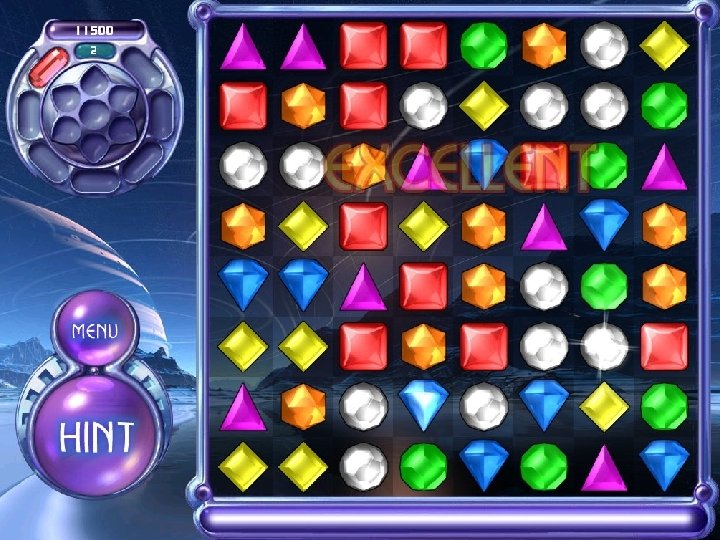
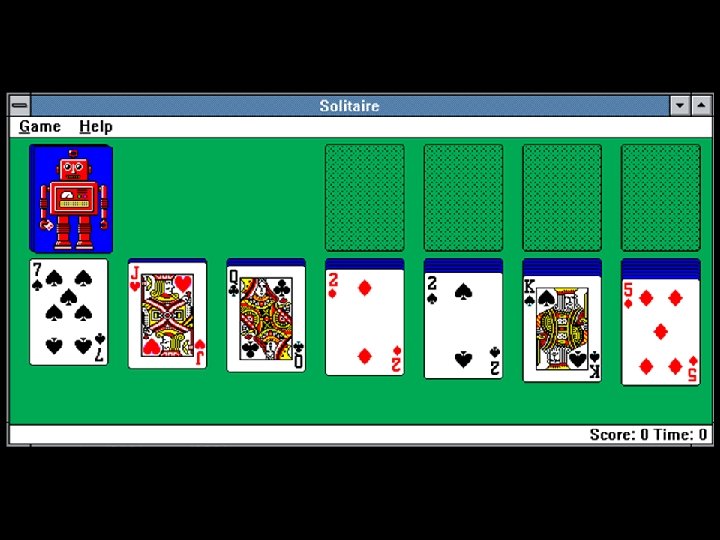
5. Failure Repetition » Randomization minimizes repetition. » Does the player have to replay exactly the same thing after setbacks? Tool: Randomization of levels makes retrying more interesting.
Total Failure Cost » Total failure cost = > > Failure count x failure setback x failure communication x failure repetition » High cost: Frequent failure, large setbacks, unfavorable comparison to other players, repetitive replaying. (Mega Man) » Low cost: Rare failure, small setbacks, favorable comparison to other players, randomized replaying. (Peggle)
Toolbox Sum Up From Failure Count to Failure Cost • Failure Count: Traditional view of balancing • Failure Awareness: Making player see how they could fail • Failure Communication: Communicate internally vs. externally • Failure Setback: How much time does the player lose? • Failure Repetition: Are replays identical or different?

Questions? Jesper Juul www. jesperjuul. net Singapore-MIT GAMBIT Game Lab gambit. mit. edu
Скачать презентацию Beyond Balancing Using Five Elements of Failure Design
4589c89c6eaacd52c78c226320d29420.ppt