 Скачать презентацию Bacteria-binding polymers a novel way to reduce bacterial
9. IPO SM.ppt
- Количество слайдов: 6



Bacteria-binding polymers: a novel way to reduce bacterial load in infection Steve Rimmer, Sheila Mac Neil, Linda Swanson and Ian Douglas
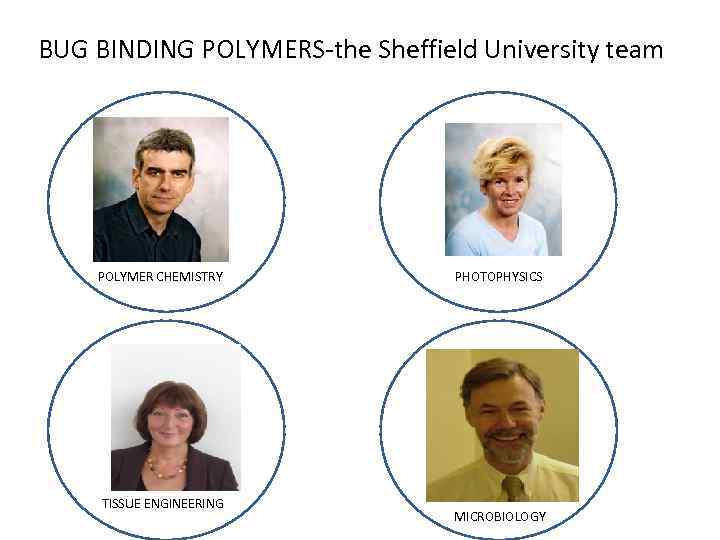
BUG BINDING POLYMERS-the Sheffield University team POLYMER CHEMISTRY TISSUE ENGINEERING PHOTOPHYSICS MICROBIOLOGY
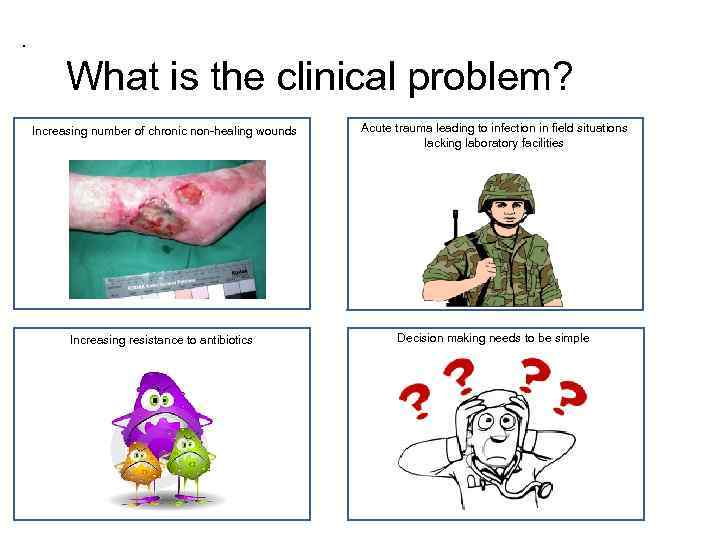
. What is the clinical problem? Increasing number of chronic non-healing wounds Acute trauma leading to infection in field situations lacking laboratory facilities Increasing resistance to antibiotics Decision making needs to be simple
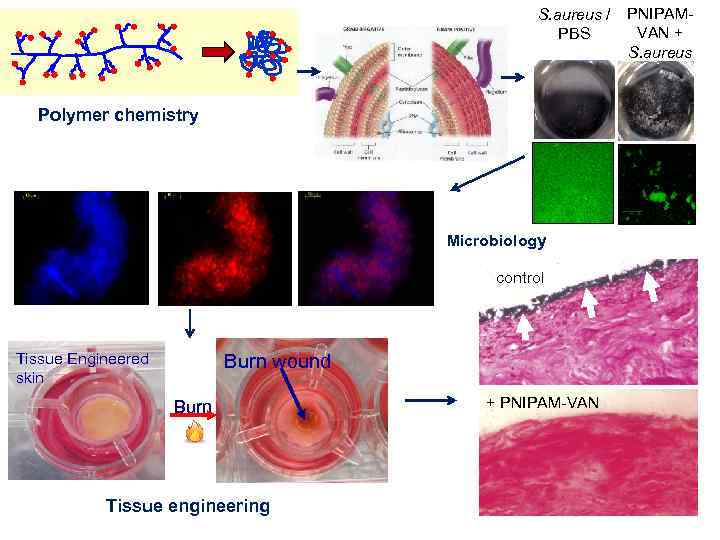
S. aureus / PBS Polymer chemistry Microbiology control Tissue Engineered skin Burn wound Burn Tissue engineering + PNIPAM-VAN PNIPAMVAN + S. aureus
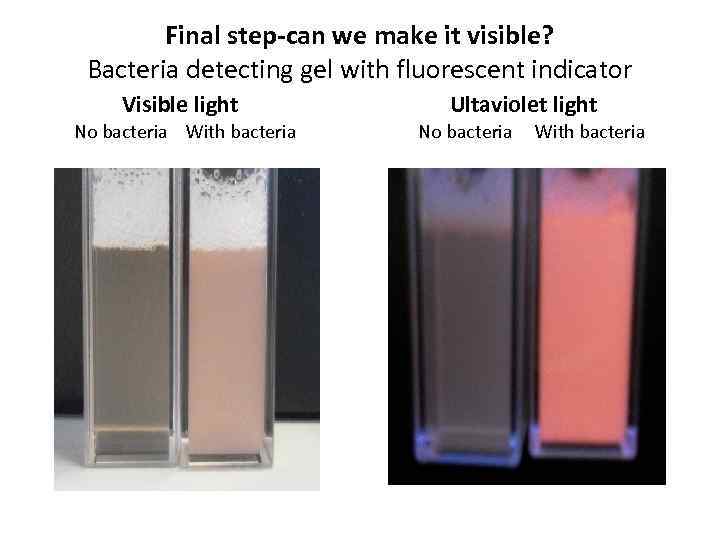
Final step-can we make it visible? Bacteria detecting gel with fluorescent indicator Visible light No bacteria With bacteria Ultaviolet light No bacteria With bacteria
Publications and where next? • Shepherd J, Douglas I, Rimmer S, Swanson L and Mac. Neil S. Development of threedimensional tissue engineered models of bacterial infected human skin wounds. Tissue Engineering 15(3): 475 -484 (2009). • Shepherd J, Sarker P, Douglas I, Mac. Neil S, Swanson L, Rimmer S and Swindells K. Binding bacteria to highly branched poly(N-isopropyl acrylamide) modified with vancomycin induces the coil-to-globule transition. Journal of the American Chemical Society 132(6): 1736 -+ (2010) • Sarker P, Shepherd J, Swindells K, Douglas I, Mac. Neil S, Swanson L, Rimmer S. Highly Branched Polymers with Polymyxin End Groups Responsive to Pseudomonas aeruginosa. Biomacromolecules 2011, 12, 1– 5 (2010) • HAVE RECENTLY BEEN AWARDED TSB FUNDING TO DEVELOP A DETECTOR SYSTEM FOR APPLICATION OF THIS TECHNOLOGY TO WOUNDS-Will start Jan 2013.
Скачать презентацию Bacteria-binding polymers a novel way to reduce bacterial
9. IPO SM.ppt