 Скачать презентацию Avoid plants that are obviously dead Select plants
ed35bf472ac226430ea10c827e194d3f.ppt
- Количество слайдов: 70









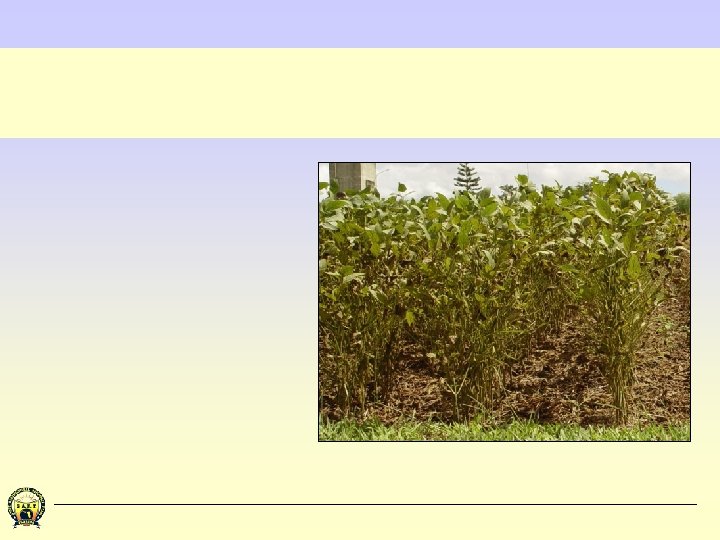
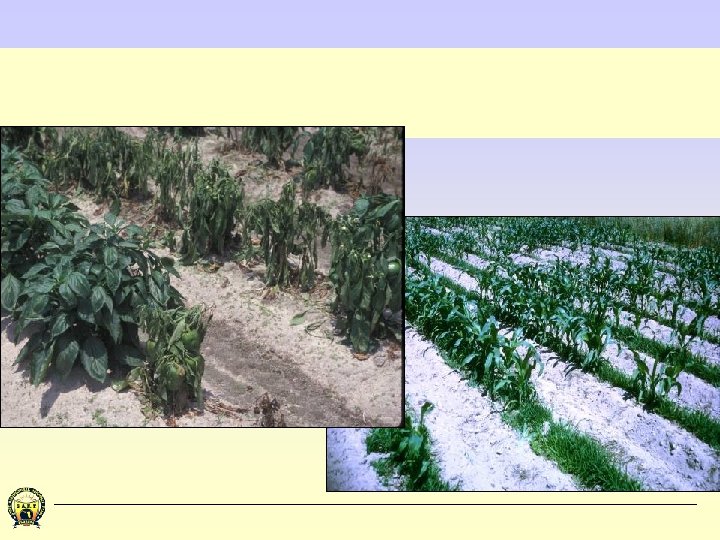
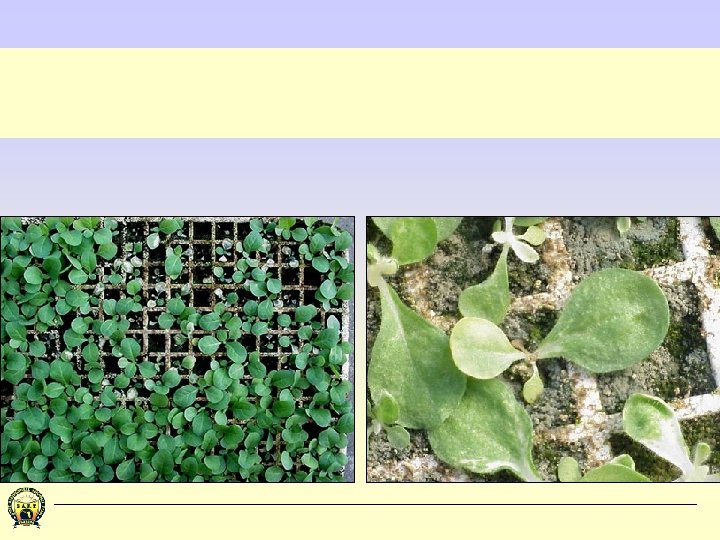
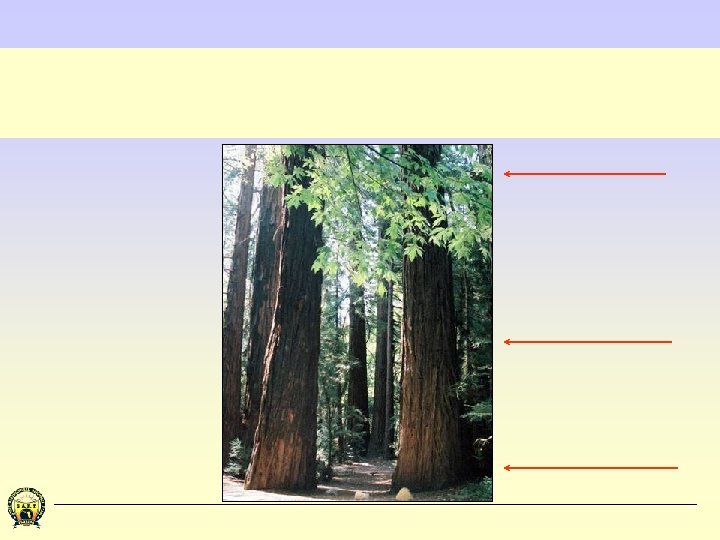
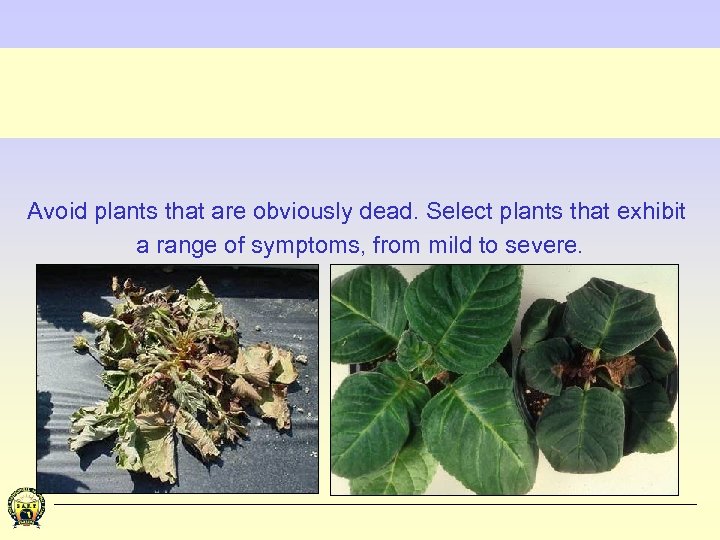
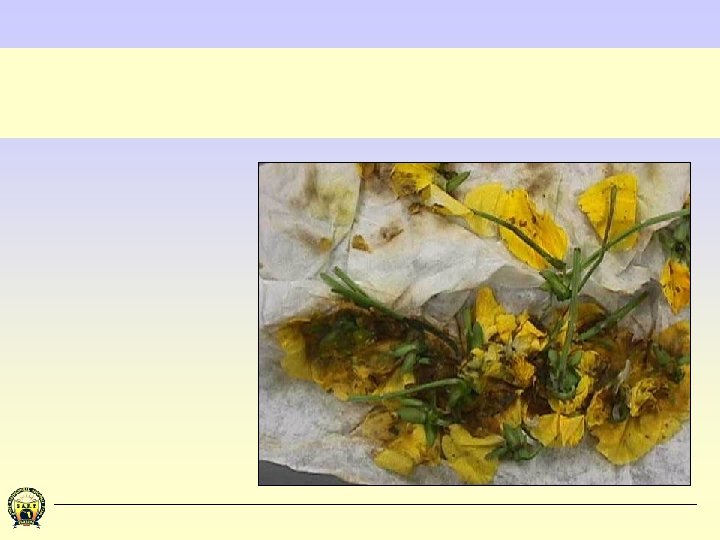
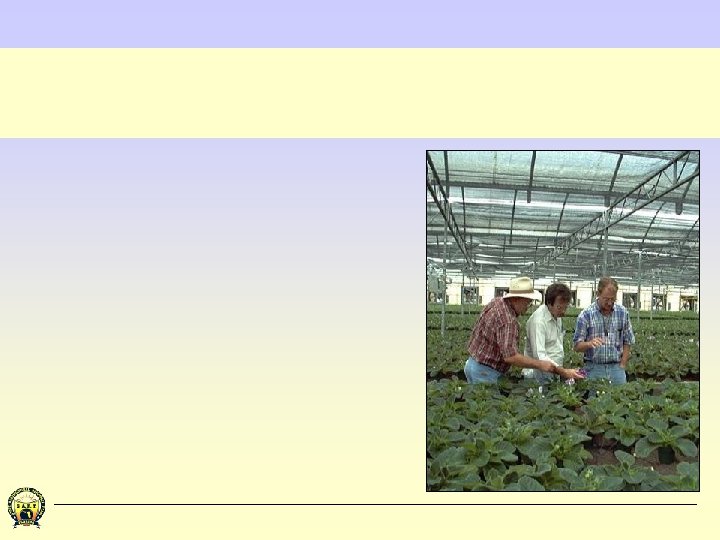
Avoid plants that are obviously dead. Select plants that exhibit a range of symptoms, from mild to severe.

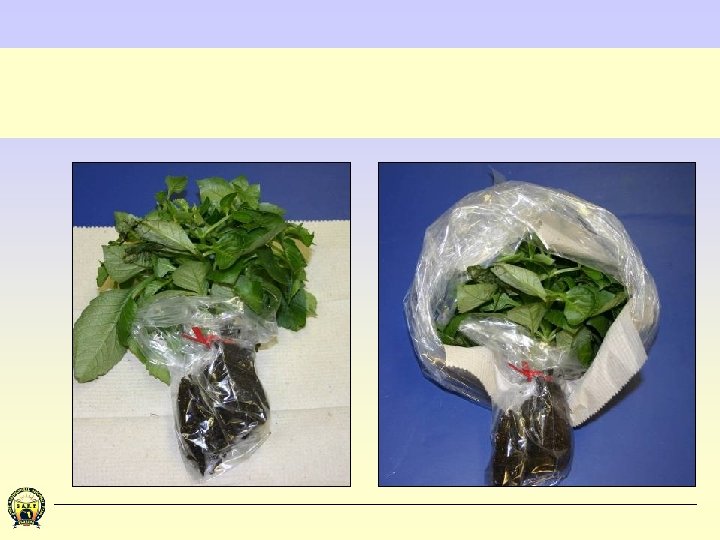
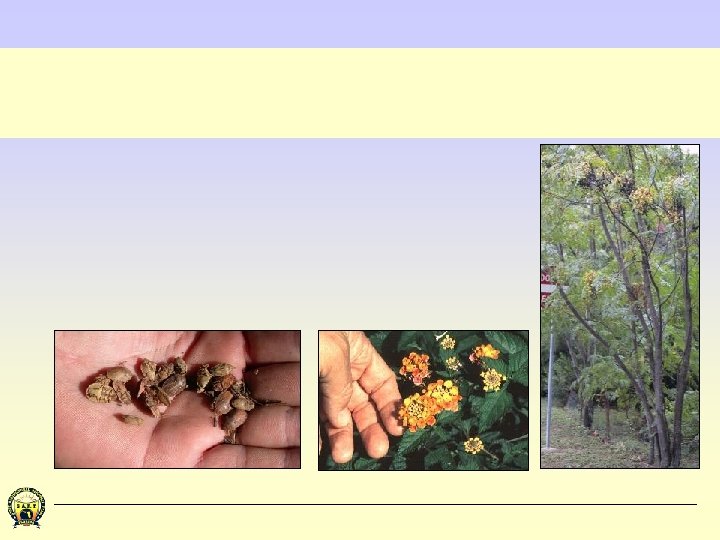
Make sure to include all parts of the plant, including stems, roots if possible, whole leaves attached to the stem, and any flowers, fruits, or seeds.
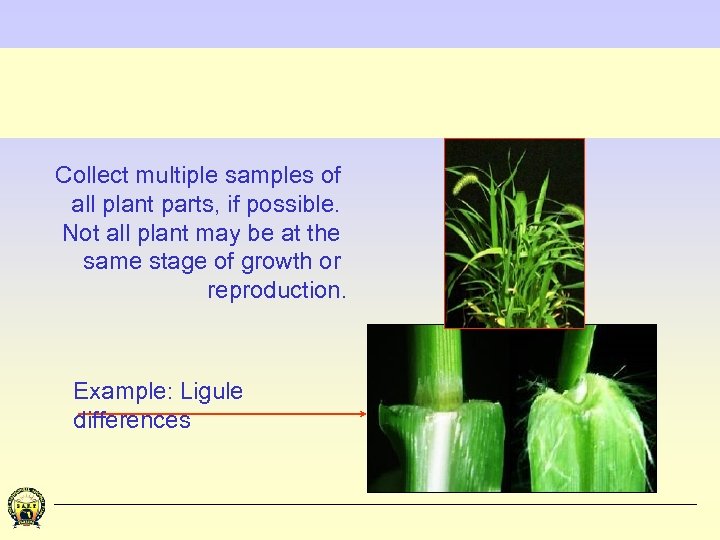
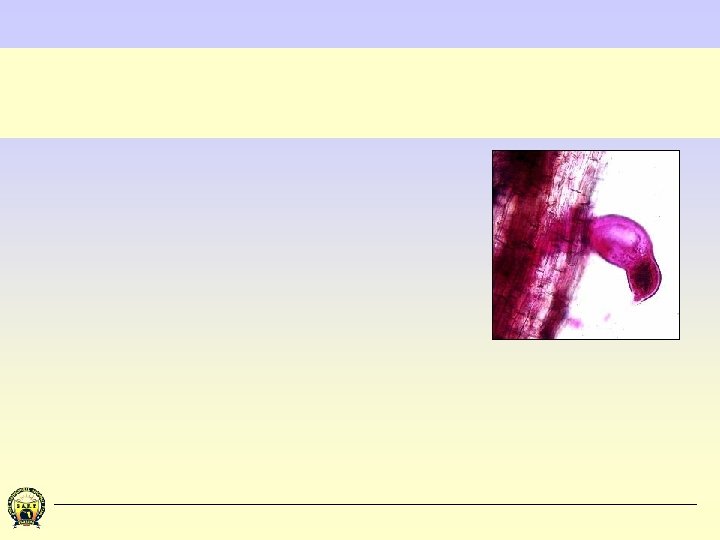
Collect multiple samples of all plant parts, if possible. Not all plant may be at the same stage of growth or reproduction. Example: Ligule differences

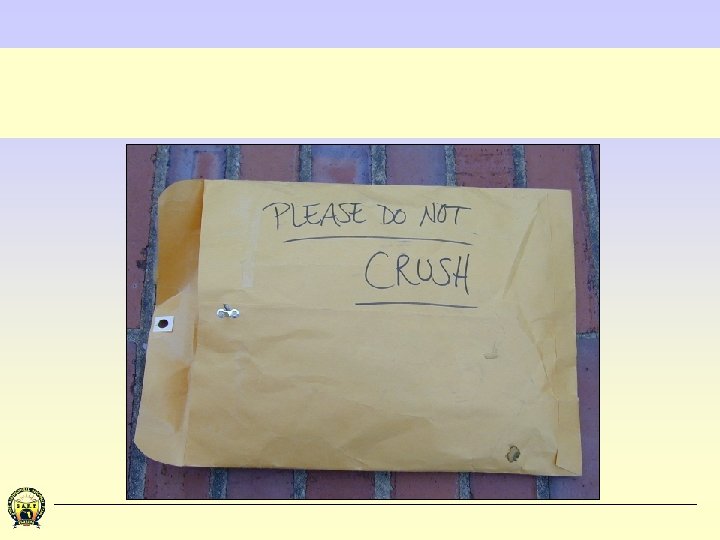
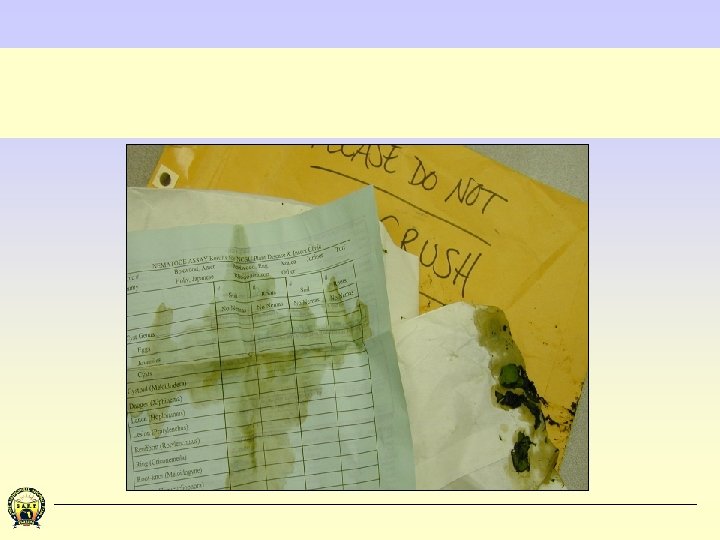
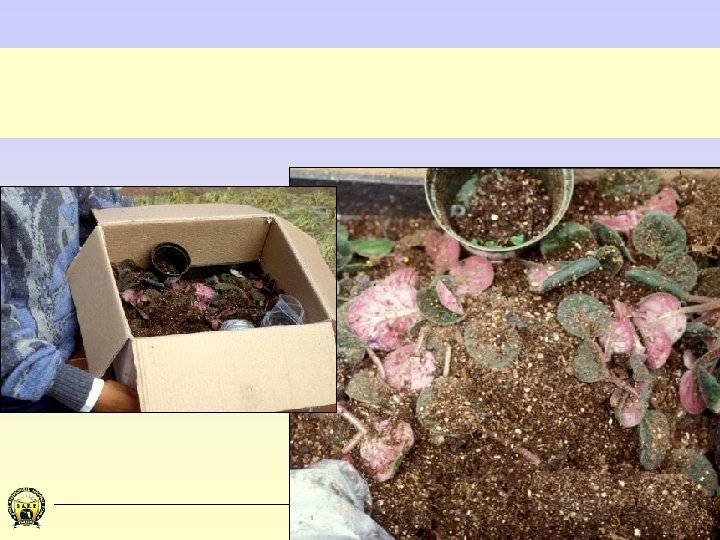
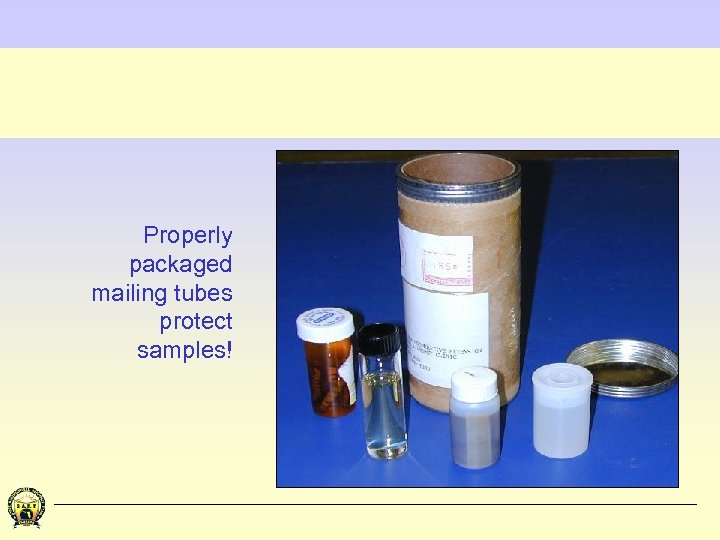
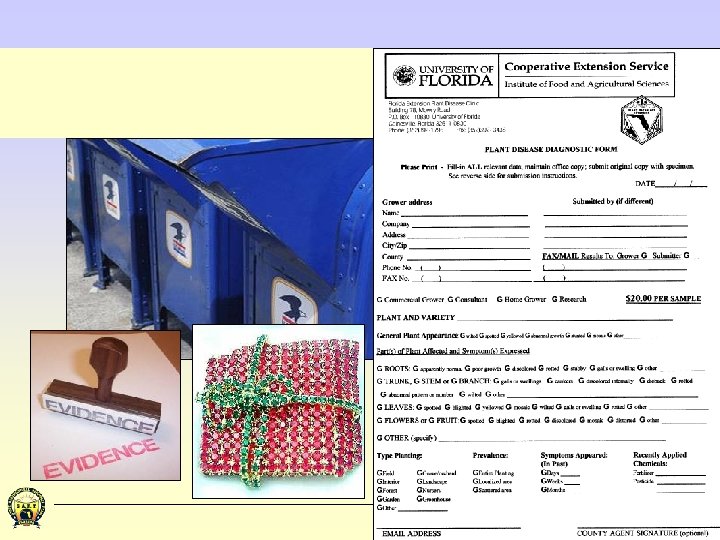
Properly packaged mailing tubes protect samples!
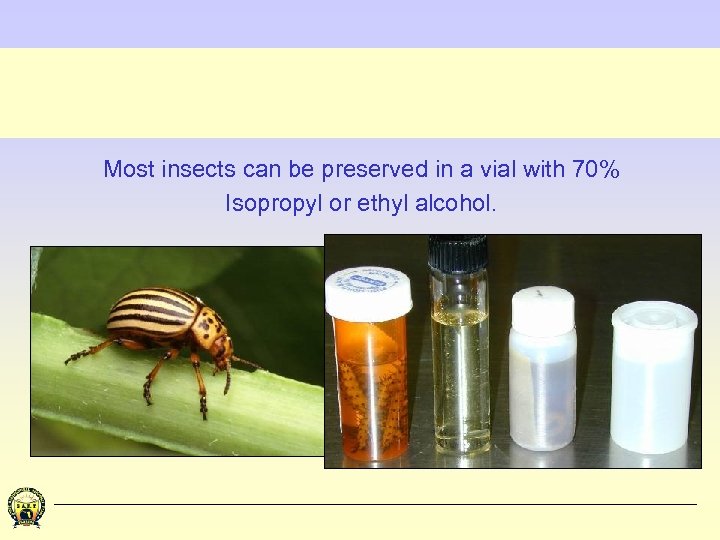
Most insects can be preserved in a vial with 70% Isopropyl or ethyl alcohol.
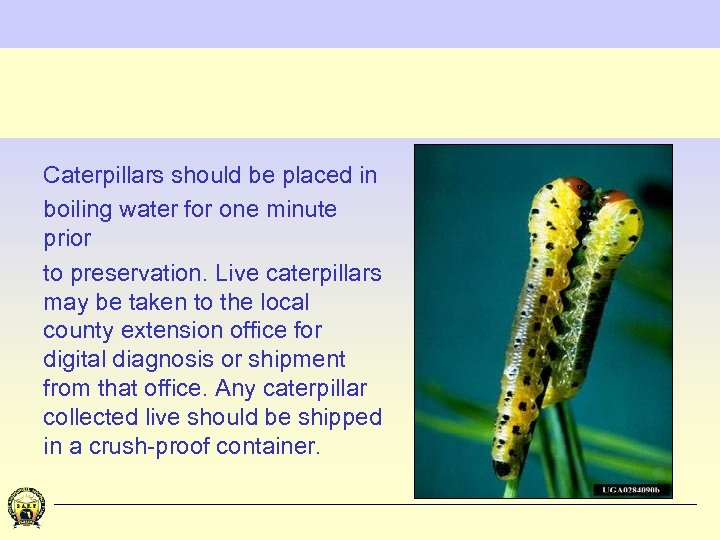
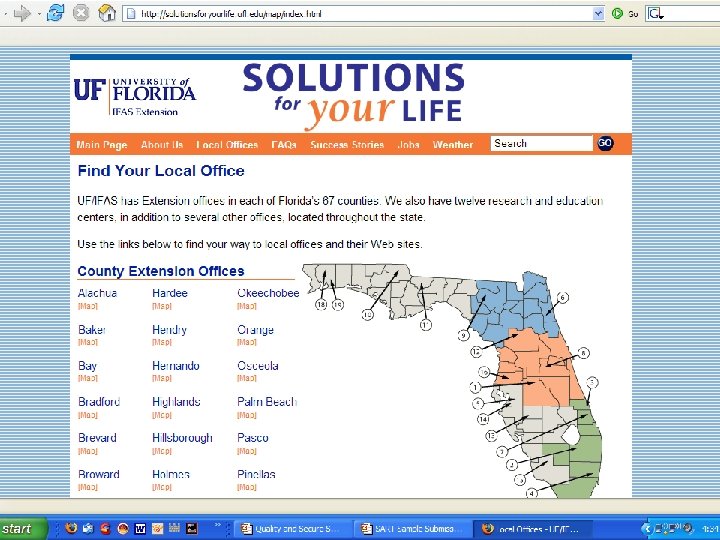
Caterpillars should be placed in boiling water for one minute prior to preservation. Live caterpillars may be taken to the local county extension office for digital diagnosis or shipment from that office. Any caterpillar collected live should be shipped in a crush-proof container.
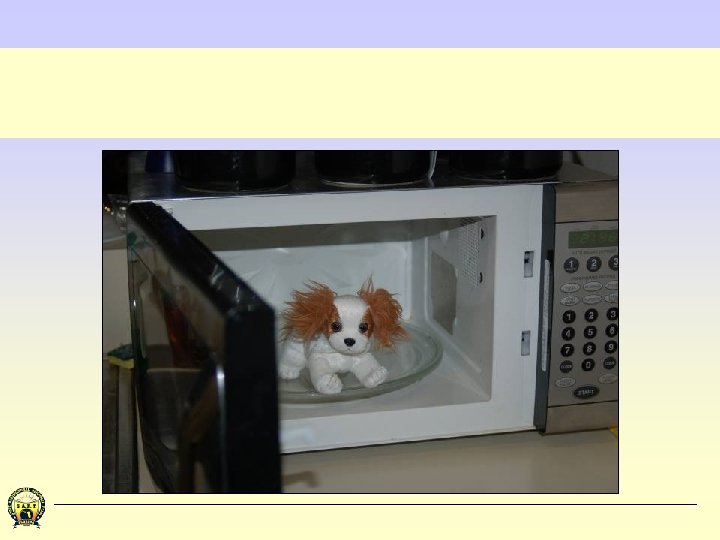
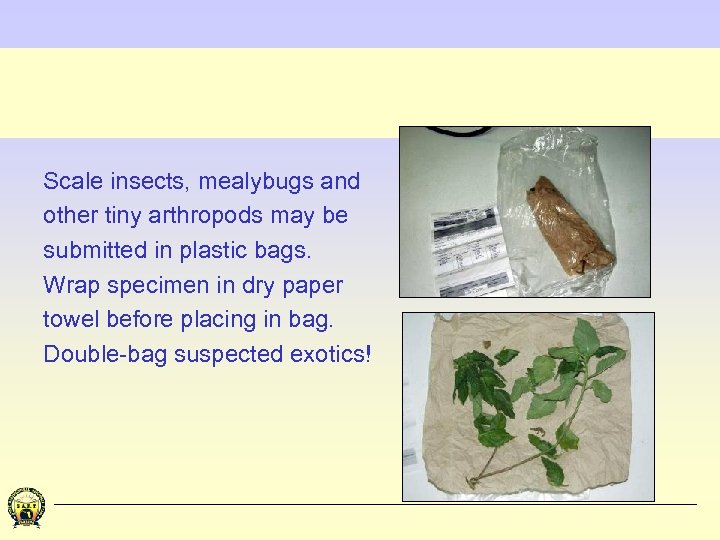
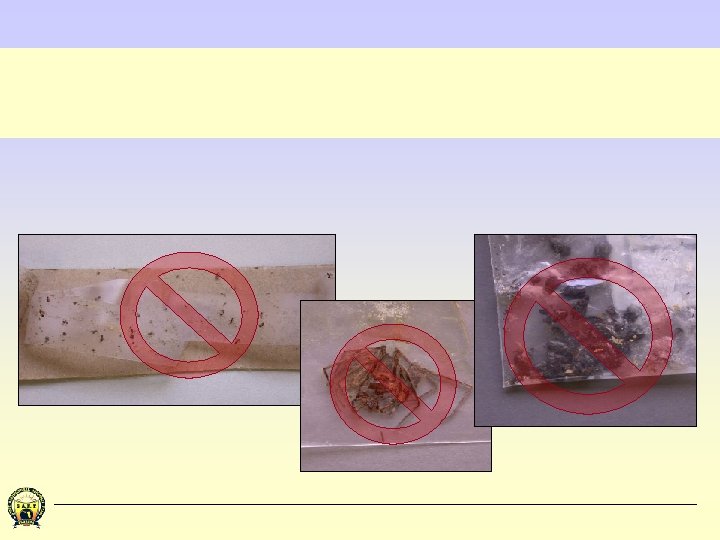
Scale insects, mealybugs and other tiny arthropods may be submitted in plastic bags. Wrap specimen in dry paper towel before placing in bag. Double-bag suspected exotics!
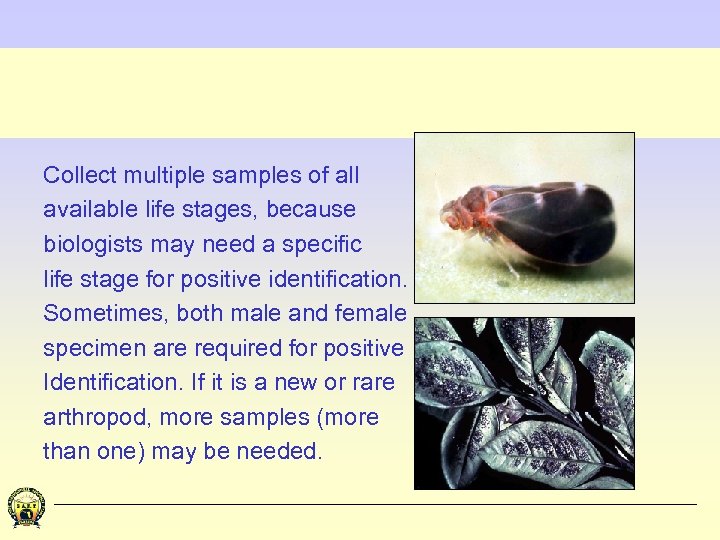
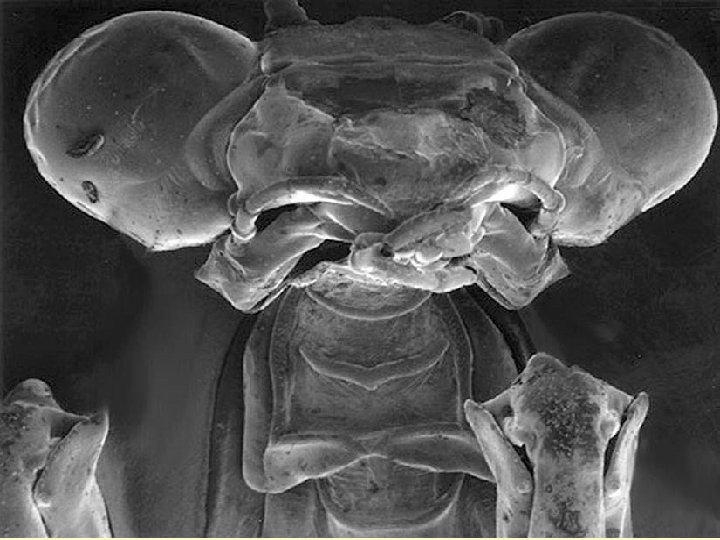
Collect multiple samples of all available life stages, because biologists may need a specific life stage for positive identification. Sometimes, both male and female specimen are required for positive Identification. If it is a new or rare arthropod, more samples (more than one) may be needed.
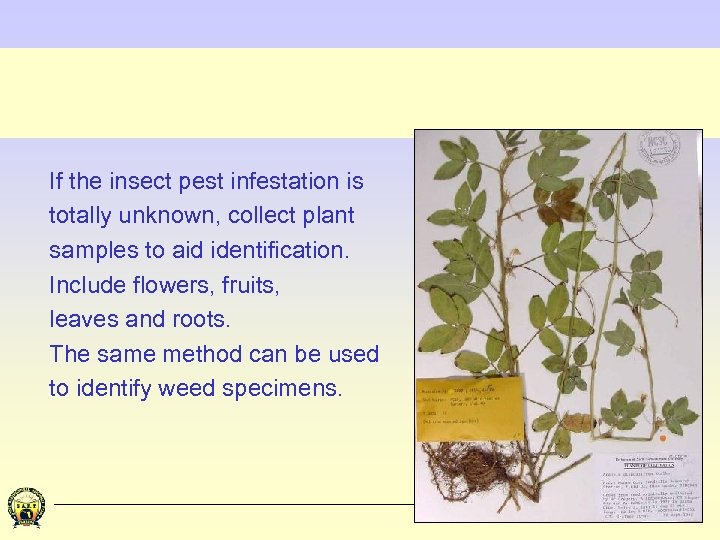
If the insect pest infestation is totally unknown, collect plant samples to aid identification. Include flowers, fruits, leaves and roots. The same method can be used to identify weed specimens.
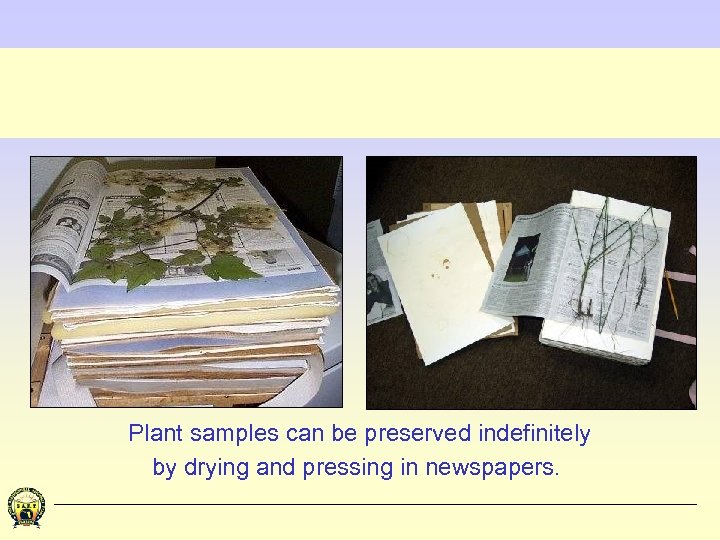
Plant samples can be preserved indefinitely by drying and pressing in newspapers.
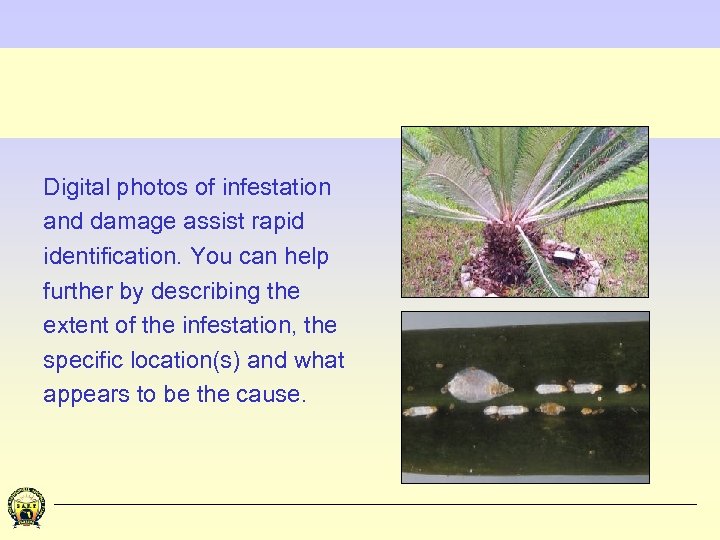
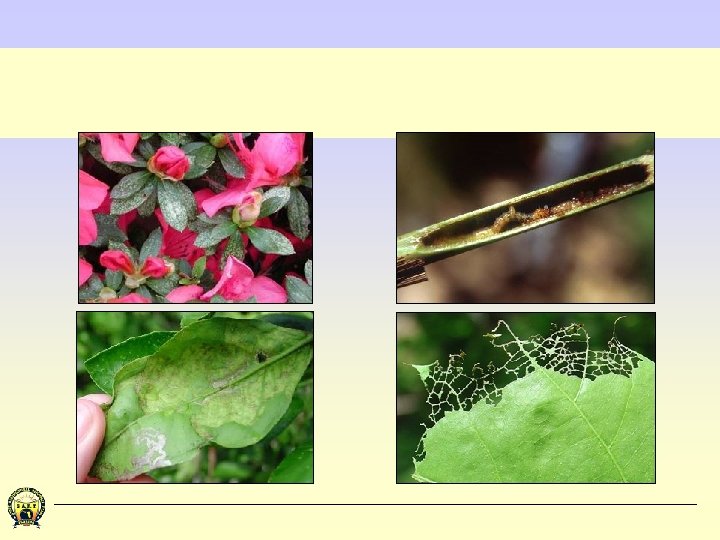
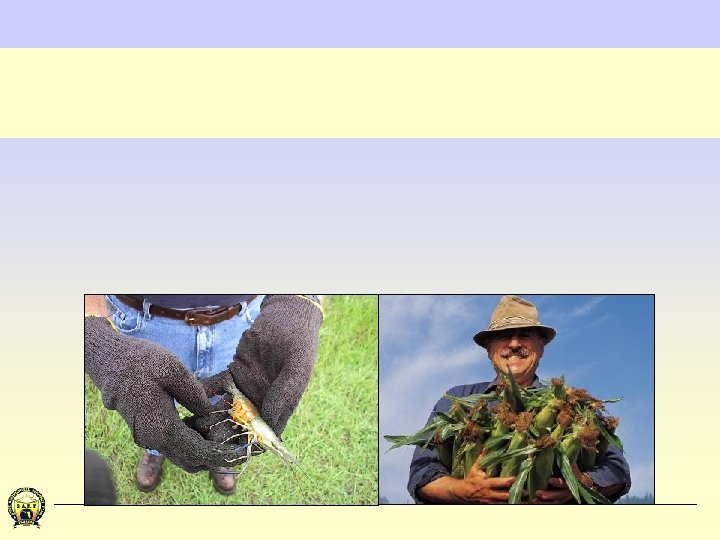
Digital photos of infestation and damage assist rapid identification. You can help further by describing the extent of the infestation, the specific location(s) and what appears to be the cause.







Thank You!






This concludes our presentation on “Quality and Secure Plant and Insect Sample Submission. ” Thank you for attending and participating.
Скачать презентацию Avoid plants that are obviously dead Select plants
ed35bf472ac226430ea10c827e194d3f.ppt