 Скачать презентацию AUTOIMMUNE HEMOLYTIC ANEMIA Dr Fineman Riva RAMBAM M
autoimmune hemolytic anemia.pptx
- Количество слайдов: 12



AUTOIMMUNE HEMOLYTIC ANEMIA Dr. Fineman Riva RAMBAM M. C.
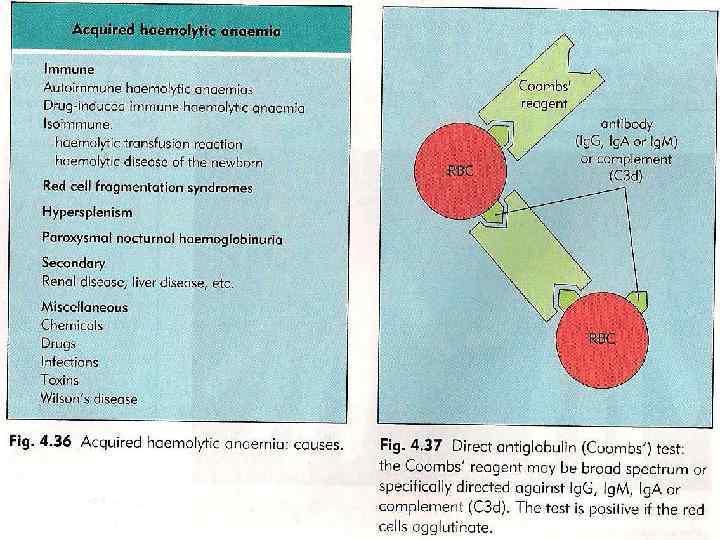
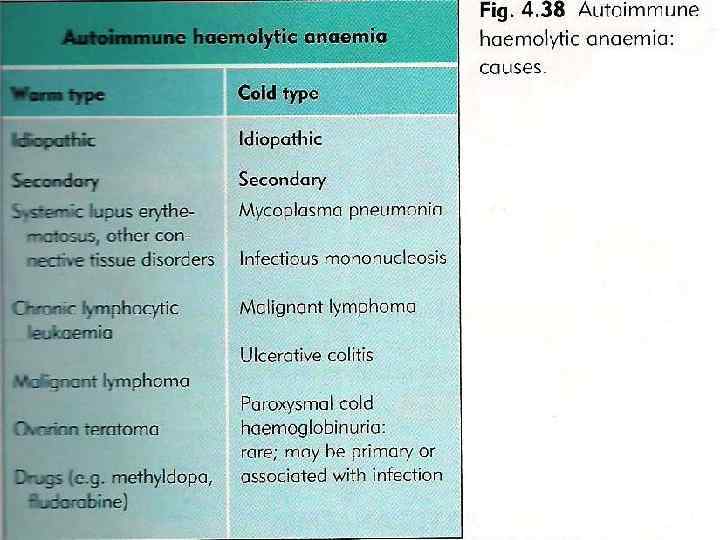
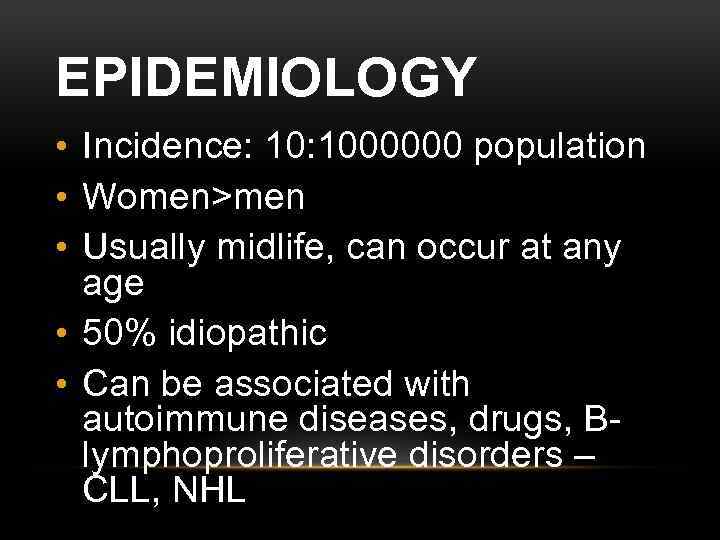
EPIDEMIOLOGY • Incidence: 1000000 population • Women>men • Usually midlife, can occur at any age • 50% idiopathic • Can be associated with autoimmune diseases, drugs, Blymphoproliferative disorders – CLL, NHL
CLINICAL FINDINGS • Jaundice, usually mild • Signs and symptoms of anemia – acute or chronic • 30% splenomegaly • Lymphadenopathy, fever, renal falure, rash, petechiae or echymoses – alert of other underlying disease • Evan’s syndrome – AIHA and Imuune Thrombocytopenia
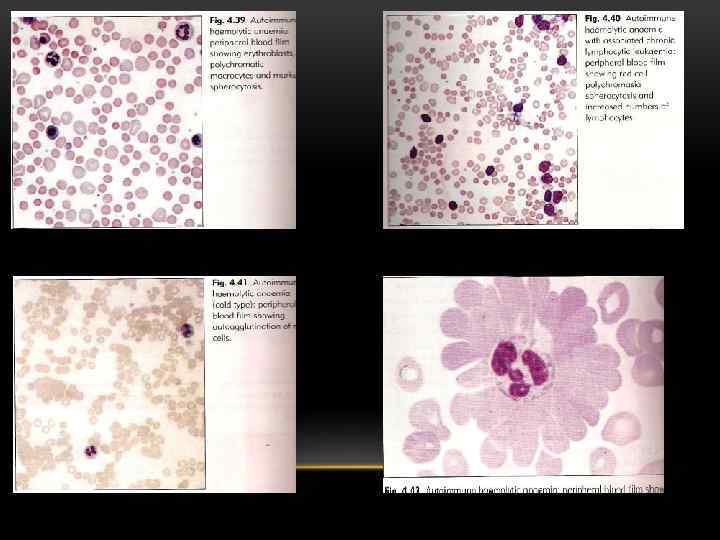
LABORATORY EVALUATION • Anemia with enhanced erythropoesis • Reticulocytosis • Blood smear: spherocytes, occasional fragments, nucleated RBC • Bone marrow – erythroid hyperplasia, megaloblastosis
LABORATORY EVALUATION • Unconjugated bilirubinemia, increased LDH, low haptoglobin • Intravascular hemolysis – free Hb in plasma, hemosiderin in urine • DAT + Ig. G or Complement on patient’s RBC - in 80% of AIHA positive
TREATMENT • Transfusion, if severe symptomatic anemia, with steroids, close follow up and monitoring • Corticosteroids – prednisone 1 -2 mg/kg/day in two divided doses, continue until Hb≥ 10, than slow tapering down • Splenectomy in steroid refractory or dependent cases, 50 -60% response • IVIG 0. 4 gr/kg/day for 5 days • Cytotoxic: azathioprine, cytoxane, vincristine • Danazol
COLD AGGLUTININ DISEASE • Antibodies that bind RBC at cold temperature (5 -18°C), usually Ig. M • Chronic – idiopathic or associated with B cell lymphoma • Transient – post infectious Mycoplasma Pneumonia, EBV, HIV, collagen vascular disease
THERAPY • Warming, warmed blood transfusion • Prednisone, splenectomy mostly non beneficial • Plasma exchange - temporal relief • Chemotherapy – azathioprine,
 Скачать презентацию AUTOIMMUNE HEMOLYTIC ANEMIA Dr Fineman Riva RAMBAM M
autoimmune hemolytic anemia.pptx