 Скачать презентацию Australia s fertility rate 1 81 babies per woman
f504626a2691ff842c8a322a098f01f5.ppt
- Количество слайдов: 36



Australia’s fertility rate (1. 81 babies per woman) is below population replacement level (2. 1) but “it’s not for lack of wanting kids” * Therefore very important that couples have access to information that enables them to have children quickly and easily when they are ready. Until there is good quality evidence, programs and practice can only be opinion based.
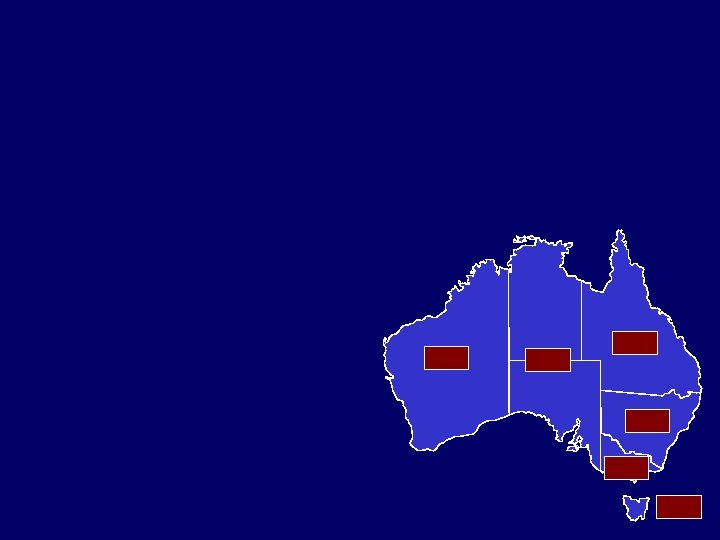

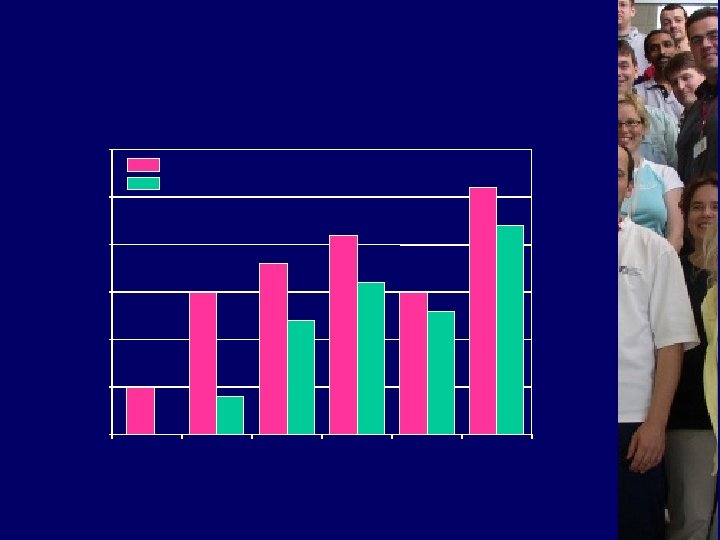

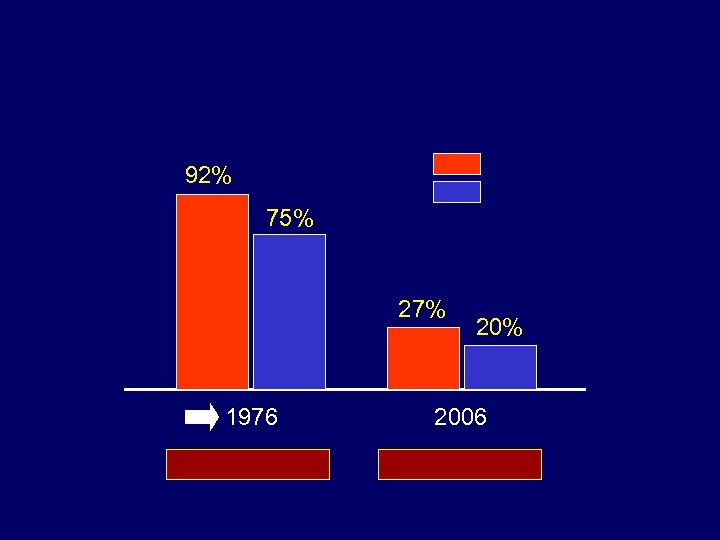
92% 75% 27% 1976 20% 2006
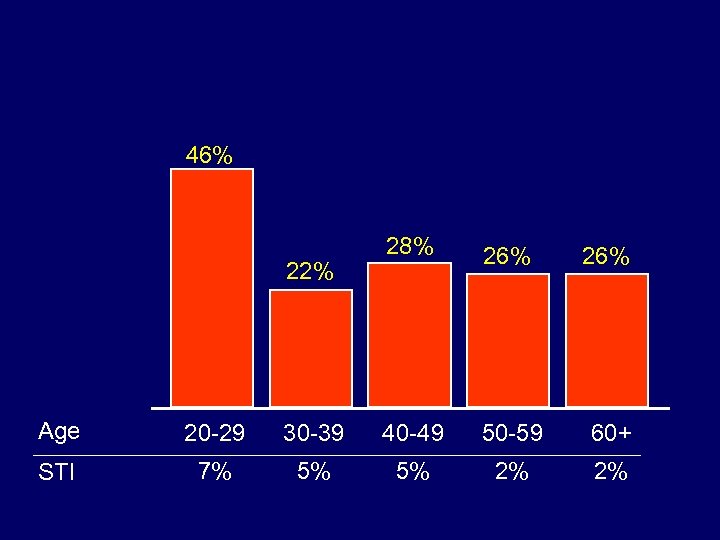
46% 22% 28% 26% Age 20 -29 30 -39 40 -49 50 -59 60+ STI 7% 5% 5% 2% 2%
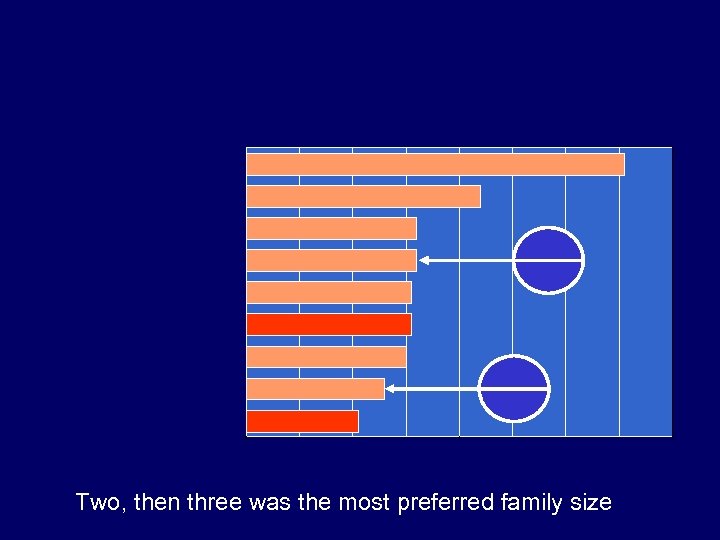
Two, then three was the most preferred family size
Two, then three was the most preferred family size
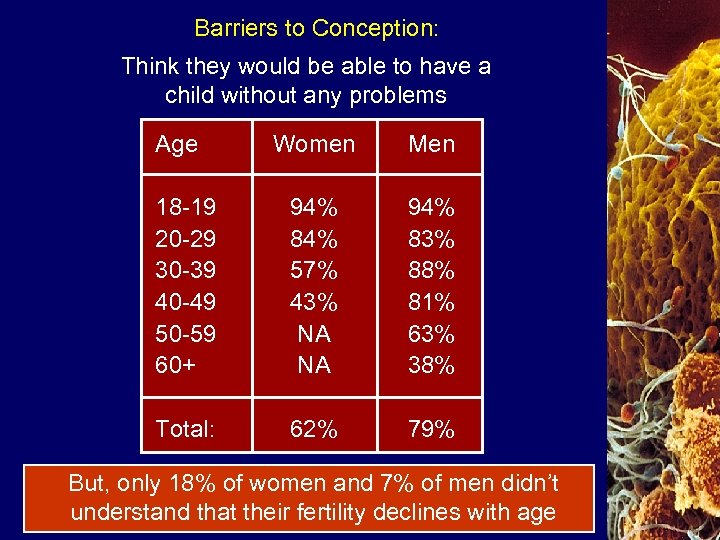
Barriers to Conception: Think they would be able to have a child without any problems Age Women Men 18 -19 20 -29 30 -39 40 -49 50 -59 60+ 94% 84% 57% 43% NA NA 94% 83% 88% 81% 63% 38% Total: 62% 79% But, only 18% of women and 7% of men didn’t understand that their fertility declines with age

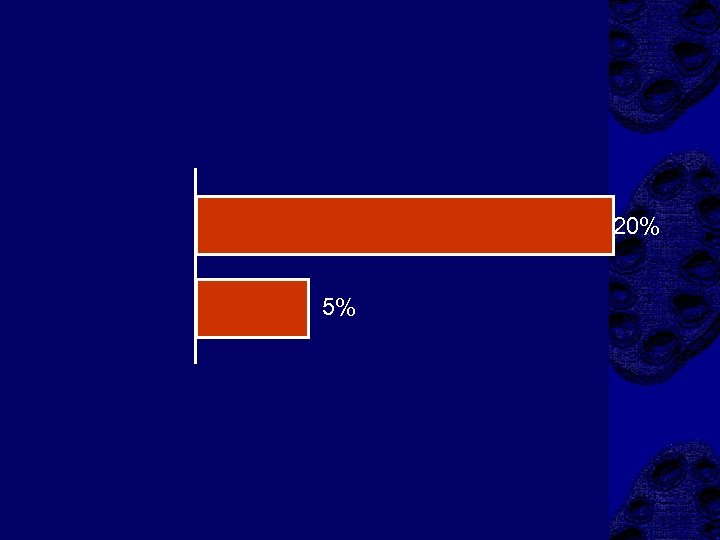
20% 5%
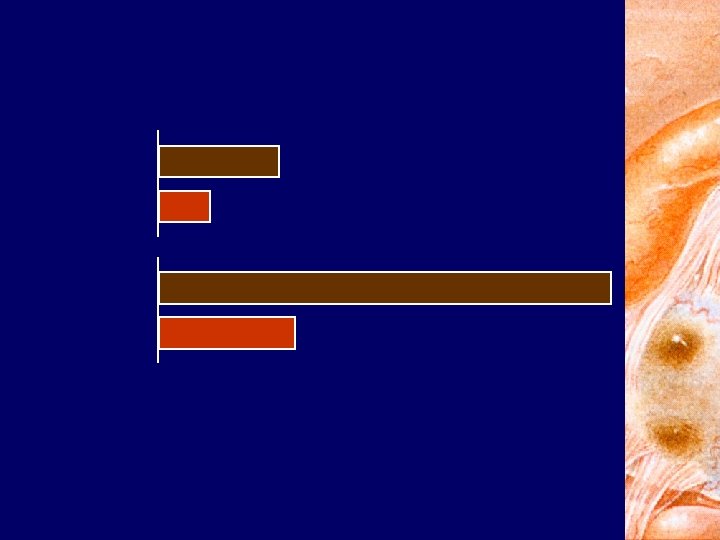
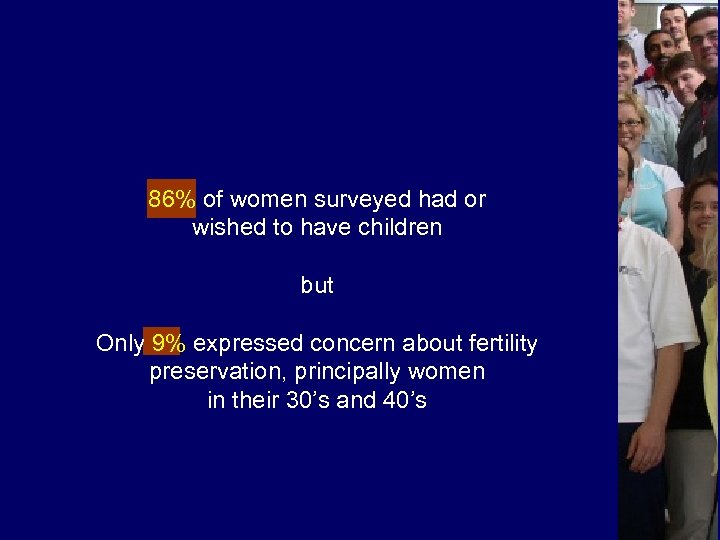
86% of women surveyed had or wished to have children but Only 9% expressed concern about fertility preservation, principally women in their 30’s and 40’s
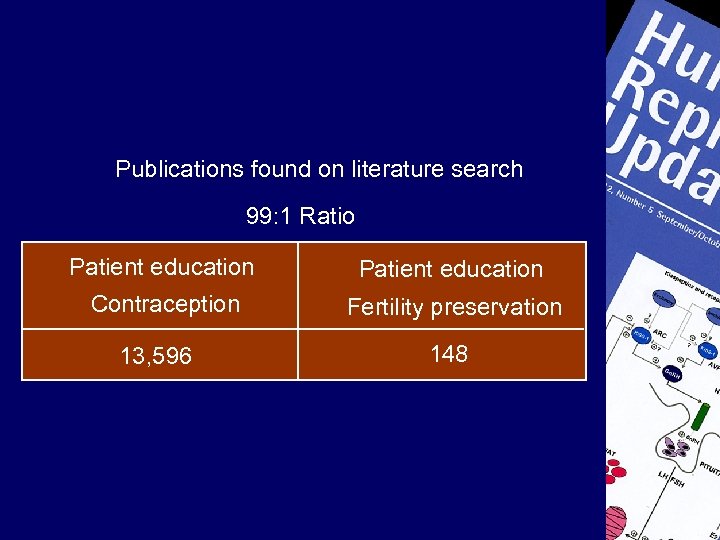
Publications found on literature search 99: 1 Ratio Patient education Contraception Fertility preservation 13, 596 148
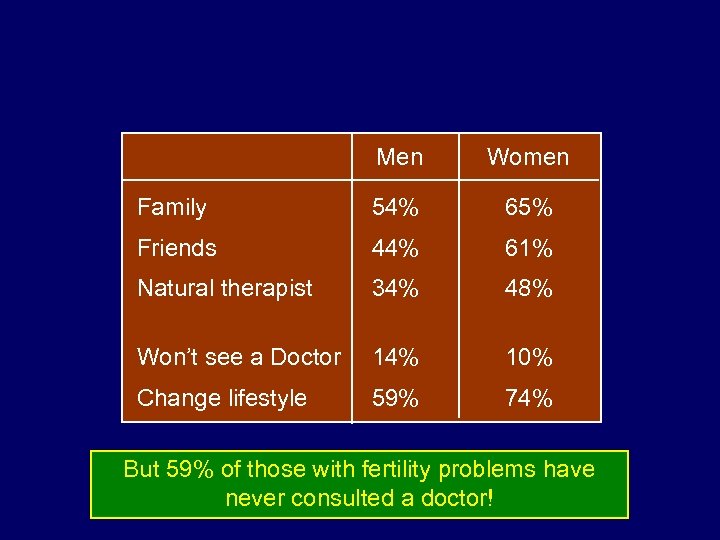
Men Women Family 54% 65% Friends 44% 61% Natural therapist 34% 48% Won’t see a Doctor 14% 10% Change lifestyle 59% 74% But 59% of those with fertility problems have never consulted a doctor!
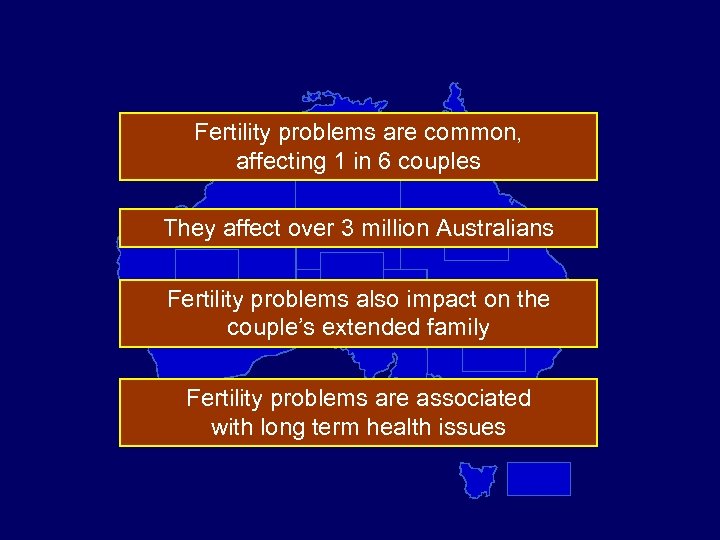
Fertility problems are common, affecting 1 in 6 couples They affect over 3 million Australians Fertility problems also impact on the couple’s extended family Fertility problems are associated with long term health issues

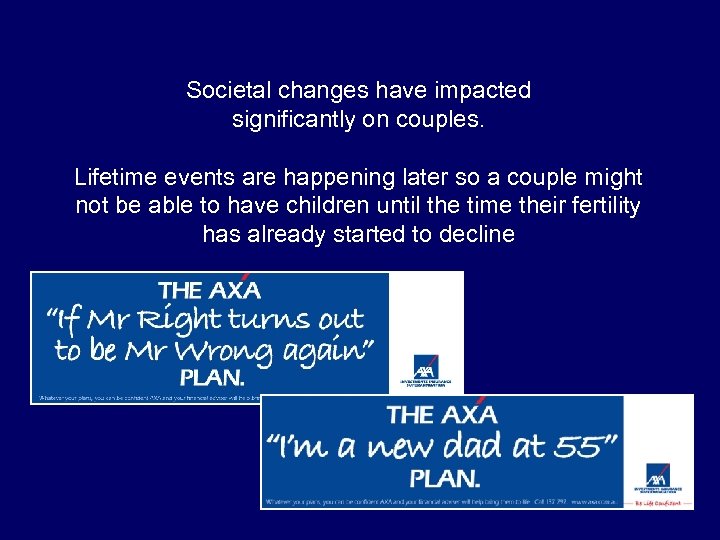
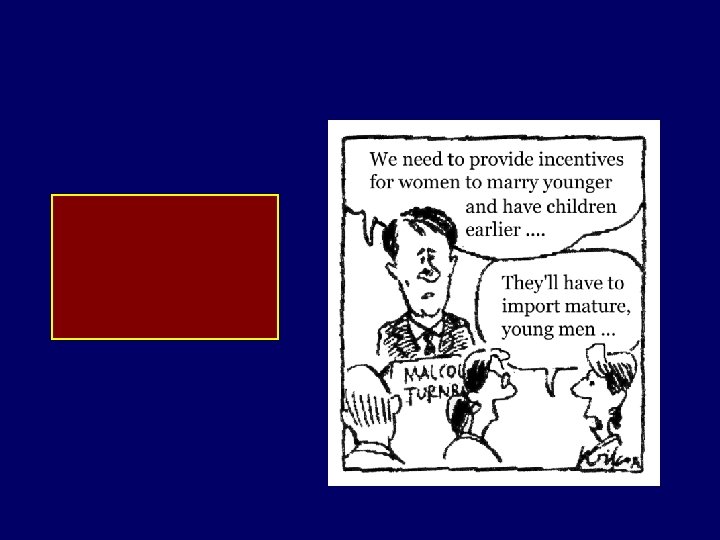
Societal changes have impacted significantly on couples. Lifetime events are happening later so a couple might not be able to have children until the time their fertility has already started to decline

 Скачать презентацию Australia s fertility rate 1 81 babies per woman
f504626a2691ff842c8a322a098f01f5.ppt