

Australia Australia is the only country that is

 Скачать презентацию Australia Australia is the only country that is
36658-australia.ppt
- Количество слайдов: 12
Australia
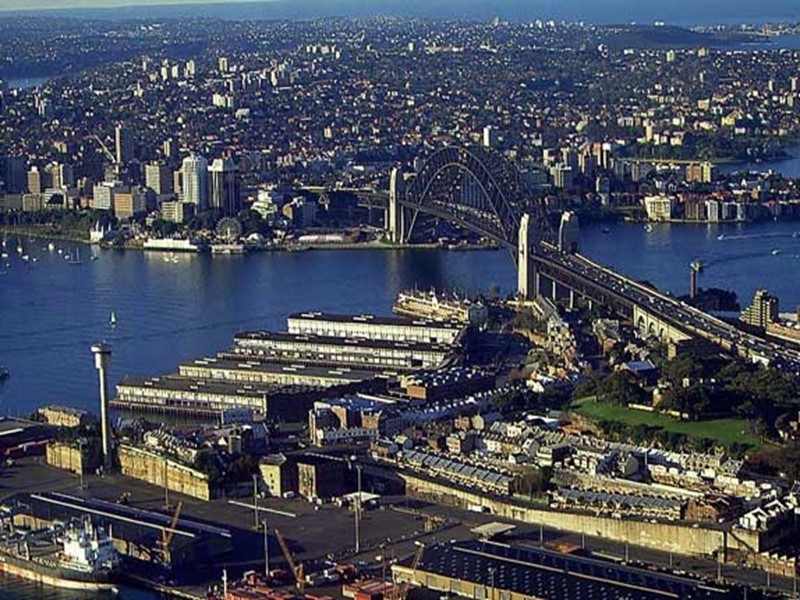
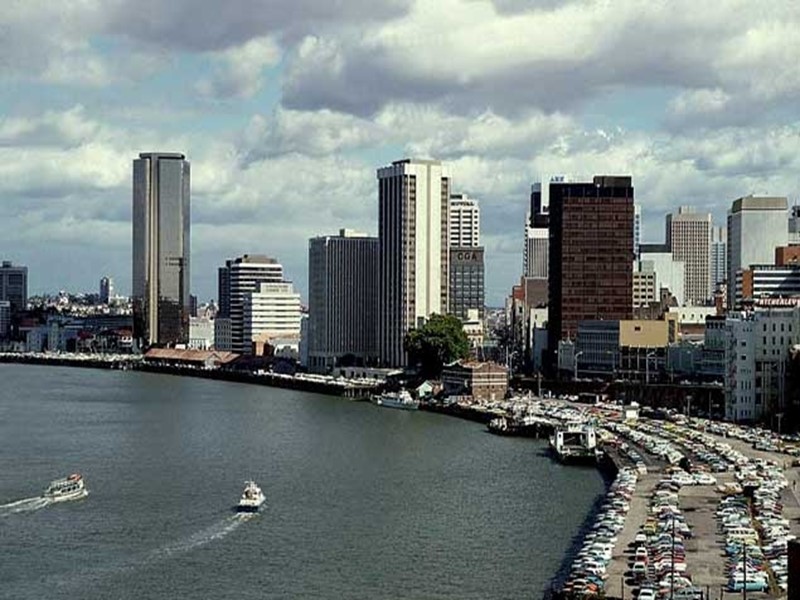
Australia is the only country that is also a continent. In area, Australia ranks as the sixth largest country and smallest continent. Australia is located between the South Pacific Ocean and the Indian Ocean. The part of the Indian Ocean that is south of Australia is called the Southern Ocean in the country. Australia is about 7,000 miles (11,000 kilometers) southwest of North America and about 2,000 miles (3,200 kilometers) southeast of mainland Asia. Australia is often referred to as being "down under" because it lies entirely within the Southern Hemisphere. The name Australia comes from the Latin word australis, which means southern. The official name of the country is the Commonwealth of Australia. The Commonwealth of Australia consists of 6 states: New South Wales South Australia Western Australia Tasmania Victoria Queensland and 2 territories: The Federal Capital Territory The Northern Territory The 5 big cities in Australia are : Sydney Melbourne Brisbane Perth Adelaide
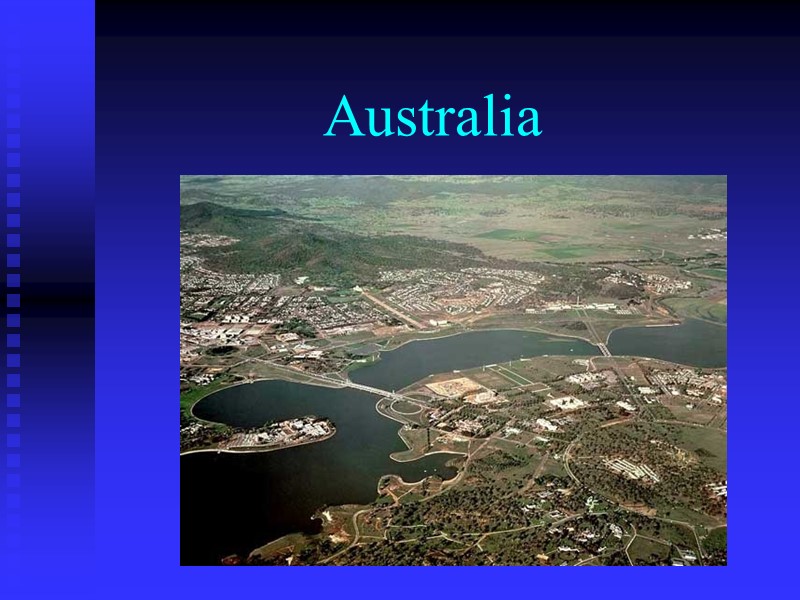
Australia is a dry, thinly populated land. Only a few areas along or near the coasts receive enough rainfall to support a large population. The southeastern coastal region has the most people by far. Australia's two largest cities--Sydney and Melbourne--lie in this region. Canberra, the national capital, lies only a short distance inland. The huge interior of Australia is mostly desert or dry grassland and has few settlements. The country as a whole averages only six persons per square mile (two persons per square kilometer). Australia is famous for its vast open spaces, bright sunshine, enormous numbers of sheep and cattle, and unusual wildlife. Kangaroos, koalas, platypuses, and wombats are only a few of the many unusual animals that live in Australia. The country was once a group of British colonies, and most of the Australian people are of British ancestry. When people moved to Australia from Britain, they took many British customs with them. For example, Australians drive on the left side of the road, as do British drivers. Tea is the favourite hot drink in Australia, as it is in Britain. English, the official language of Australia, includes many British terms. But Australians have developed a way of life all their own. Australia has a warm, sunny climate. The people can therefore spend much of their free time out of doors. Australians love outdoor sports and outdoor living in general. Australia is one of the world's developed countries. It has busy cities, modern factories, and highly productive farms and mines. Australia is the world's leading producer and exporter of wool and bauxite (the ore from which aluminium is made). It also produces and exports large amounts of other minerals and farm goods. The income from these exports has made it possible for most of the people of Australia to have a high standard of living. In the past, Britain was Australia's most important trading partner. Today, Australia trades most with Japan and the United States.
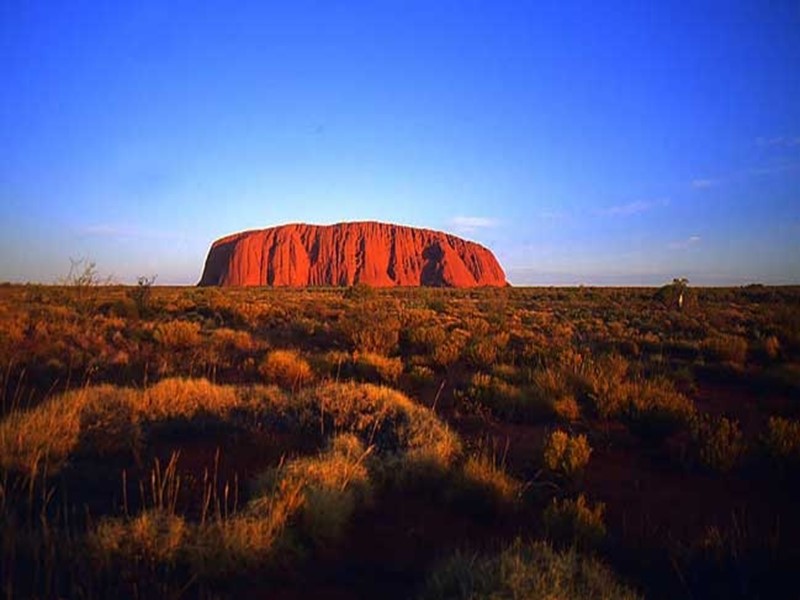
Land regions. Australia can be divided into three major land regions. They are, from east to west: (1) the Eastern Highlands, (2) the Central Lowlands, and (3) the Western Plateau. The Eastern Highlands include the highest elevations in Australia. The region extends from Cape York Peninsula in extreme northeastern Australia to the south coast of Tasmania. A low plain bordered by sandy beaches and rocky cliffs stretches along the Pacific coast. More rain falls on this coastal plain than anywhere else in the country. The southeastern section of the plain, from Brisbane to Melbourne, is by far the most heavily populated part of Australia. The Eastern Highlands are sometimes called the Great Dividing Range because their slopes divide the flow of the rivers in the region. The Central Lowlands have the lowest elevations in Australia. The region is generally flat. Many rivers flow through the lowlands after heavy rains. Farmers in the southern part of the Central Lowlands grow wheat. Most of the rest of the region is too dry or too hot for most kinds of crops. However, much of the land is covered with coarse grass or shrubs and is used to graze livestock. The west-central part of the region is a barren, sandy desert. Lake Eyre, the lowest point in Australia, lies 52 feet (16 meters) below sea level along the southern edge of this desert. The region has no large cities. The two biggest cities--Mount Isa and Broken Hill--have fewer than 30,000 people each. Both cities are mining centers.
The Western Plateau covers the western two-thirds of Australia. The region has a higher average elevation than the Central Lowlands. However, most of the land is flat, as in the lowlands. Deserts cover the central part of the Western Plateau. . Except in the south and northeast, the deserts gradually give way to land covered by grass and shrubs. Much of this land is used to graze livestock. The Western Plateau region has two large cities, Adelaide and Perth. Both cities lie on coastal plains, Adelaide in the extreme southeastern part of the region and Perth in the extreme southwest. Mountains. Australia's highest mountains rise in the Australian Alps in the extreme southern part of the Eastern Highlands. The Australian Alps consist of several ranges. The Snowy Mountains are the best known. Australia's highest peak, Mount Kosciusko, rises 7,310 feet(2,228 meters) above sea level in the Snowy Mountains. Mount Kosciusko and other tall peaks in the Australian Alps are snow covered in winter and attract many skiers. Deserts cover about a third of Australia. The country has four major deserts. The Simpson Desert lies along the western edge of the Central Lowlands. The three other deserts--the Gibson, Great Sandy, and Great Victoria--cover the central part of the Western Plateau. All the deserts except the Gibson consist of swirling sands, which often drift into giant dunes. Some dunes measure more than 200 miles (320 kilometers) long. The Gibson Desert lies outside the path of the general wind direction and of wind-blown sands. Its surface consists of a mass of small stones and pebbles. Rivers are one of Australia's most vital resources. Rivers provide the towns and cities with drinking water, and they supply farmers with much-needed water for irrigation. However, most of Australia's rivers are dry at least part of the year. They fill with water only during the rainy season. The rainy season occurs in summer in northern Australia, and in winter in southern Australia. Dams and reservoirs on all the largest rivers store water for use during the dry season. Australia’s longest rivers are the Murray ( starts in the Snowy Mountains and winds west 1,609 miles (2,589 kilometers) ) and the Darling ( begins in the central part of the Eastern Highlands and flows southwest 1,702 miles (2,739 kilometers) to the Murry ) which flow into the Lake Eyre.
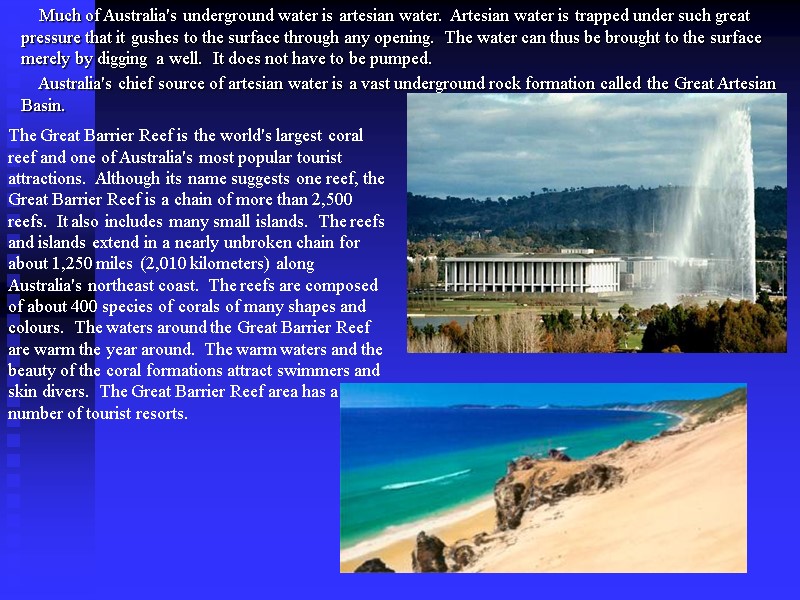
Much of Australia's underground water is artesian water. Artesian water is trapped under such great pressure that it gushes to the surface through any opening. The water can thus be brought to the surface merely by digging a well. It does not have to be pumped. Australia's chief source of artesian water is a vast underground rock formation called the Great Artesian Basin. The Great Barrier Reef is the world's largest coral reef and one of Australia's most popular tourist attractions. Although its name suggests one reef, the Great Barrier Reef is a chain of more than 2,500 reefs. It also includes many small islands. The reefs and islands extend in a nearly unbroken chain for about 1,250 miles (2,010 kilometers) along Australia's northeast coast. The reefs are composed of about 400 species of corals of many shapes and colours. The waters around the Great Barrier Reef are warm the year around. The warm waters and the beauty of the coral formations attract swimmers and skin divers. The Great Barrier Reef area has a number of tourist resorts.
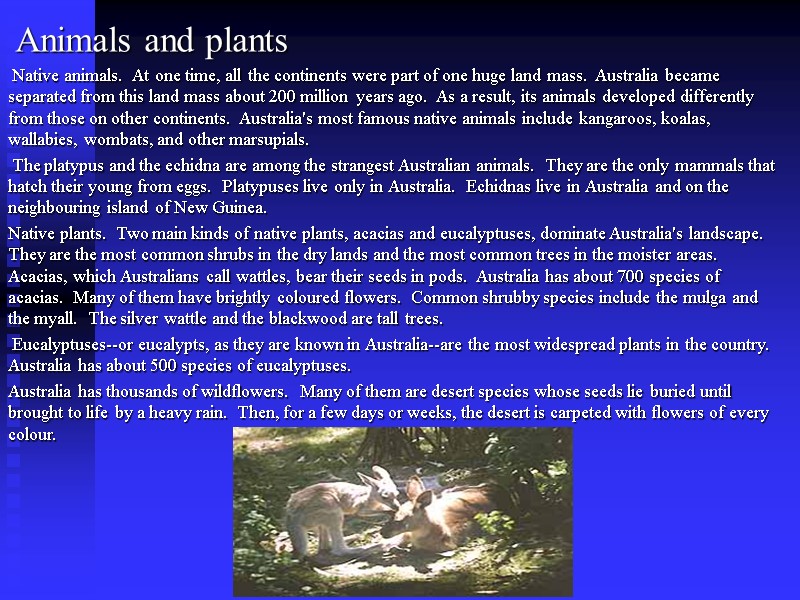
Animals and plants Native animals. At one time, all the continents were part of one huge land mass. Australia became separated from this land mass about 200 million years ago. As a result, its animals developed differently from those on other continents. Australia's most famous native animals include kangaroos, koalas, wallabies, wombats, and other marsupials. The platypus and the echidna are among the strangest Australian animals. They are the only mammals that hatch their young from eggs. Platypuses live only in Australia. Echidnas live in Australia and on the neighbouring island of New Guinea. Native plants. Two main kinds of native plants, acacias and eucalyptuses, dominate Australia's landscape. They are the most common shrubs in the dry lands and the most common trees in the moister areas. Acacias, which Australians call wattles, bear their seeds in pods. Australia has about 700 species of acacias. Many of them have brightly coloured flowers. Common shrubby species include the mulga and the myall. The silver wattle and the blackwood are tall trees. Eucalyptuses--or eucalypts, as they are known in Australia--are the most widespread plants in the country. Australia has about 500 species of eucalyptuses. Australia has thousands of wildflowers. Many of them are desert species whose seeds lie buried until brought to life by a heavy rain. Then, for a few days or weeks, the desert is carpeted with flowers of every colour.