 Скачать презентацию Astronomical Observational Techniques and Instrumentation RIT Course Number
54a26d9e199e2be2774157992f845914.ppt
- Количество слайдов: 53



Astronomical Observational Techniques and Instrumentation RIT Course Number 1060 -771 Professor Don Figer Quantum-Limited Detectors 1
Aims for this lecture • Motivate the need for future detectors • Describe physical principles of future detectors • Review some promising technologies for future detectors 2
Motivation for Future Detectors 3
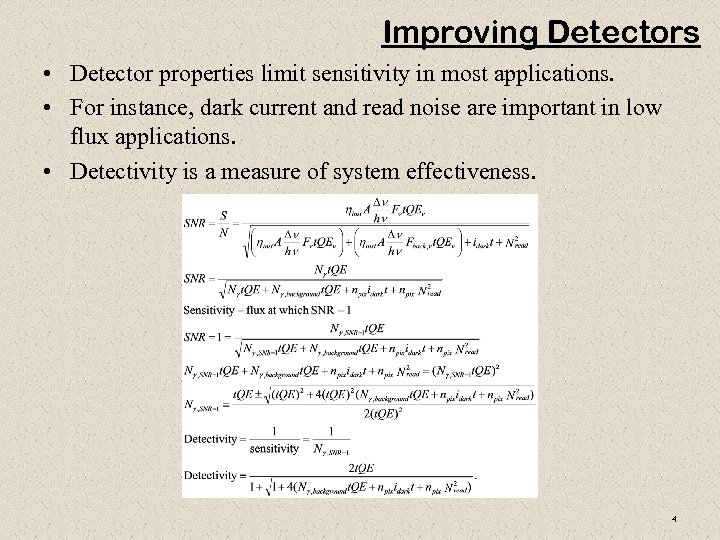
Improving Detectors • Detector properties limit sensitivity in most applications. • For instance, dark current and read noise are important in low flux applications. • Detectivity is a measure of system effectiveness. 4
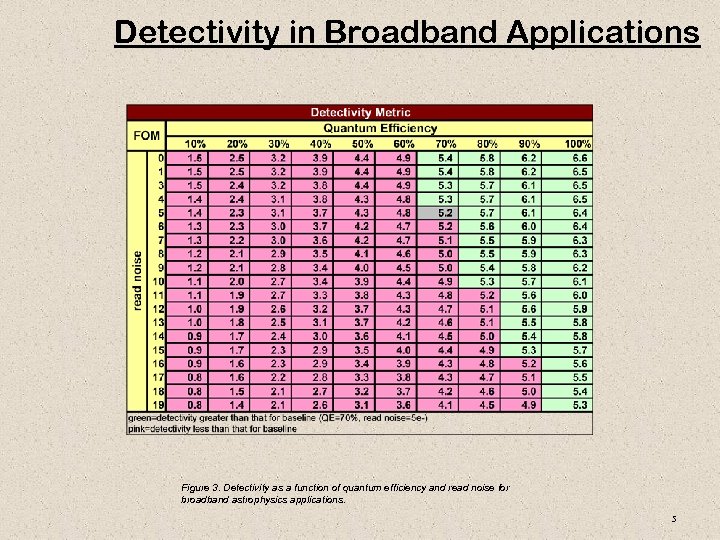
Detectivity in Broadband Applications Figure 3. Detectivity as a function of quantum efficiency and read noise for broadband astrophysics applications. 5
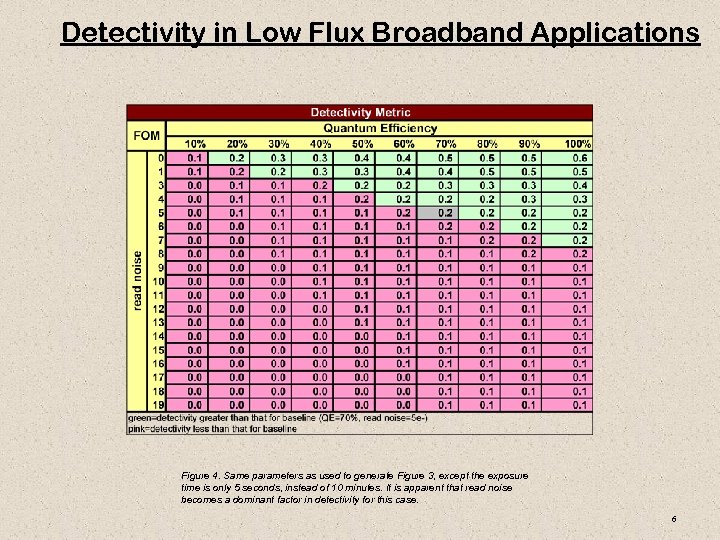
Detectivity in Low Flux Broadband Applications Figure 4. Same parameters as used to generate Figure 3, except the exposure time is only 5 seconds, instead of 10 minutes. It is apparent that read noise becomes a dominant factor in detectivity for this case. 6
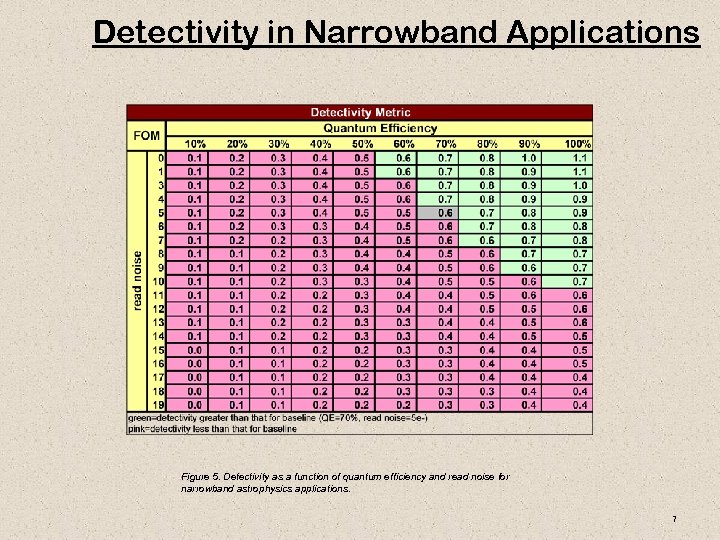
Detectivity in Narrowband Applications Figure 5. Detectivity as a function of quantum efficiency and read noise for narrowband astrophysics applications. 7
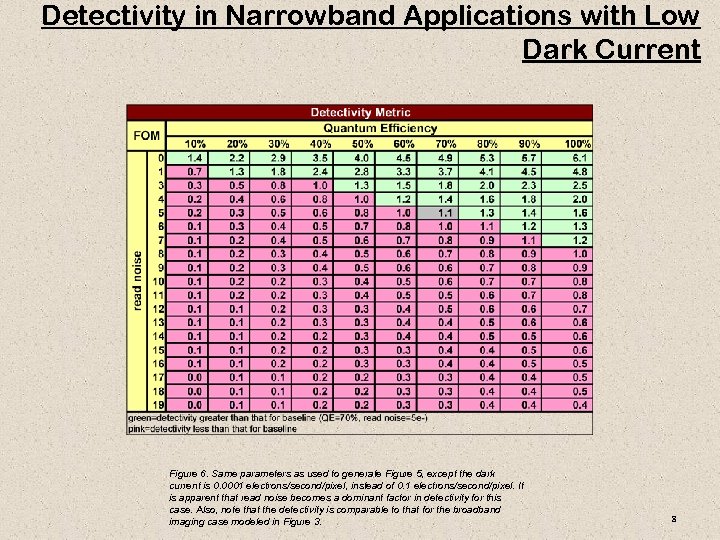
Detectivity in Narrowband Applications with Low Dark Current Figure 6. Same parameters as used to generate Figure 5, except the dark current is 0. 0001 electrons/second/pixel, instead of 0. 1 electrons/second/pixel. It is apparent that read noise becomes a dominant factor in detectivity for this case. Also, note that the detectivity is comparable to that for the broadband imaging case modeled in Figure 3. 8
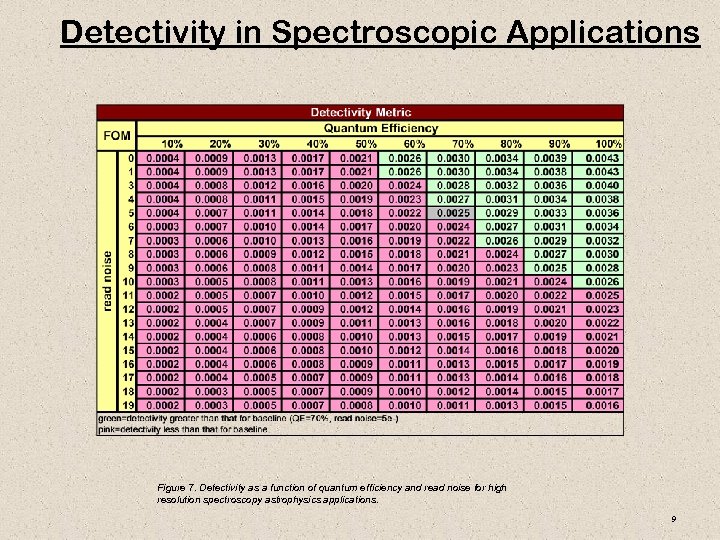
Detectivity in Spectroscopic Applications Figure 7. Detectivity as a function of quantum efficiency and read noise for high resolution spectroscopy astrophysics applications. 9
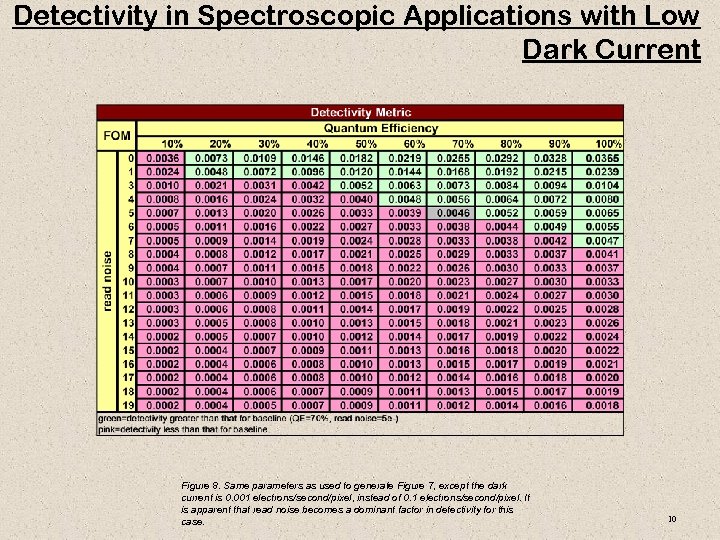
Detectivity in Spectroscopic Applications with Low Dark Current Figure 8. Same parameters as used to generate Figure 7, except the dark current is 0. 001 electrons/second/pixel, instead of 0. 1 electrons/second/pixel. It is apparent that read noise becomes a dominant factor in detectivity for this case. 10
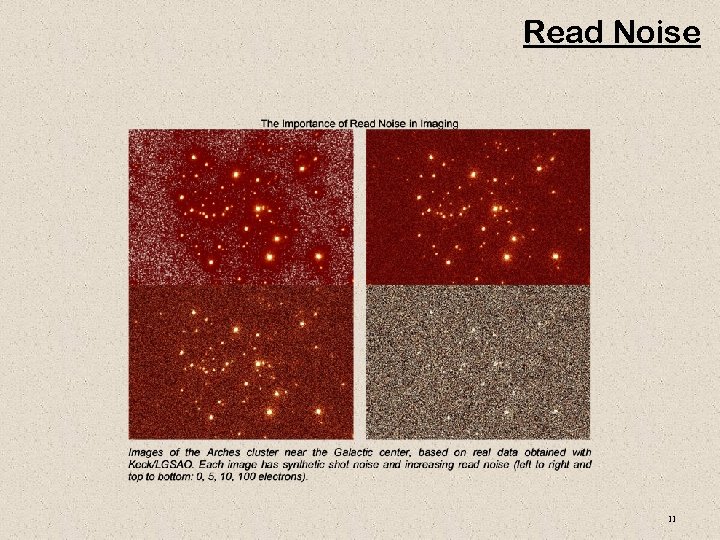
Read Noise 11
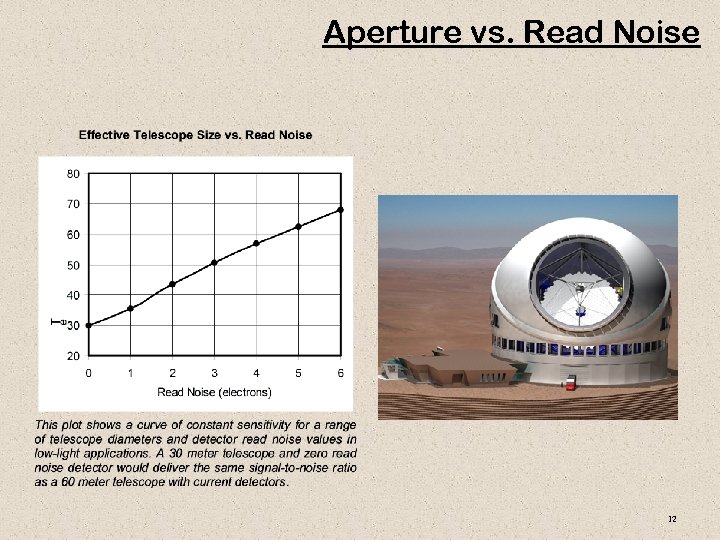
Aperture vs. Read Noise 12
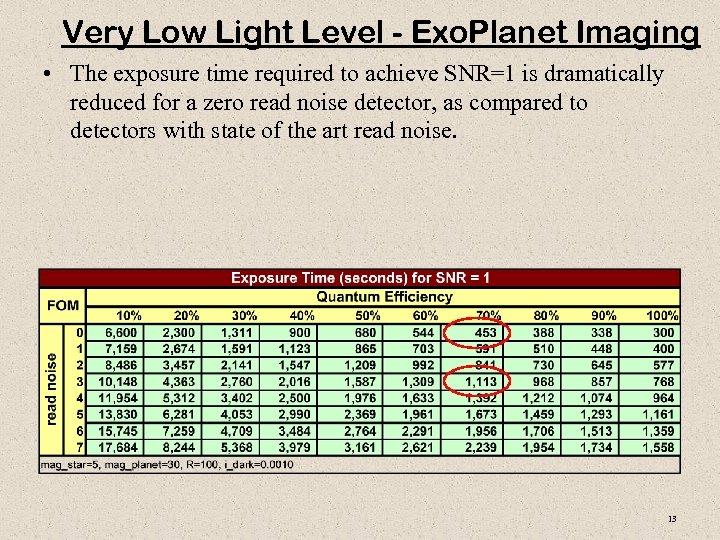
Very Low Light Level - Exo. Planet Imaging • The exposure time required to achieve SNR=1 is dramatically reduced for a zero read noise detector, as compared to detectors with state of the art read noise. 13
Principles of Quantum Limited Detectors 14
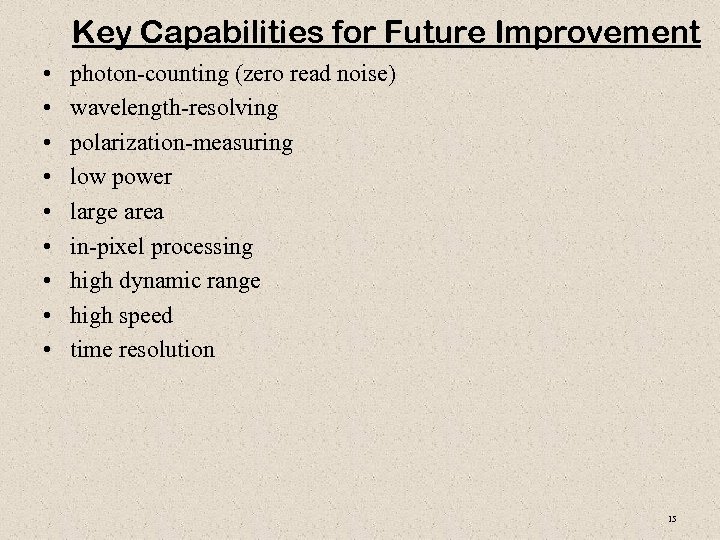
Key Capabilities for Future Improvement • • • photon-counting (zero read noise) wavelength-resolving polarization-measuring low power large area in-pixel processing high dynamic range high speed time resolution 15
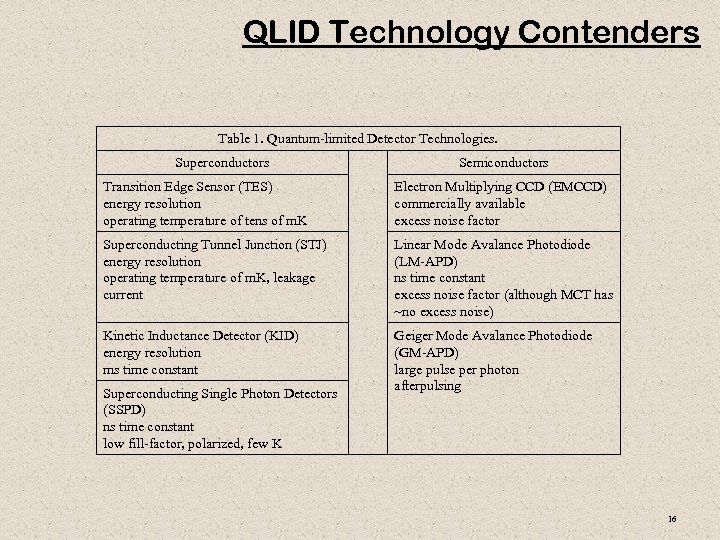
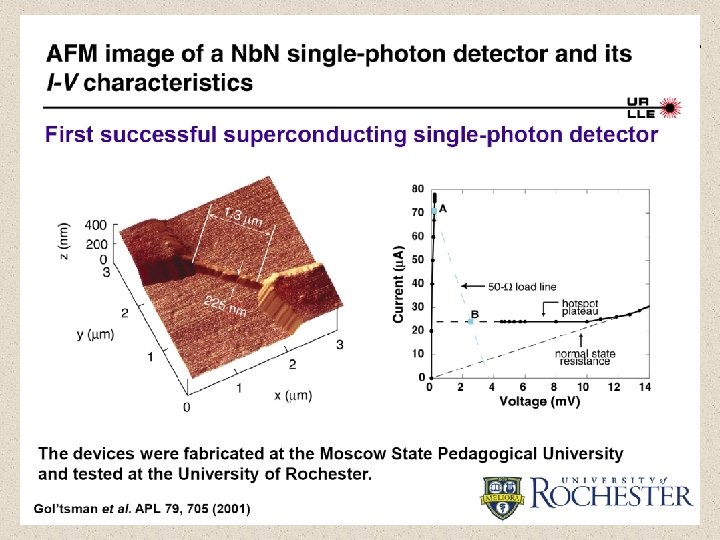
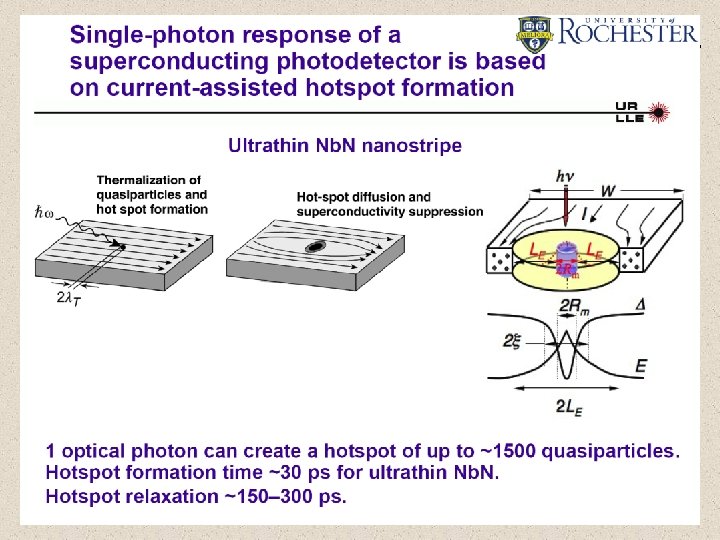
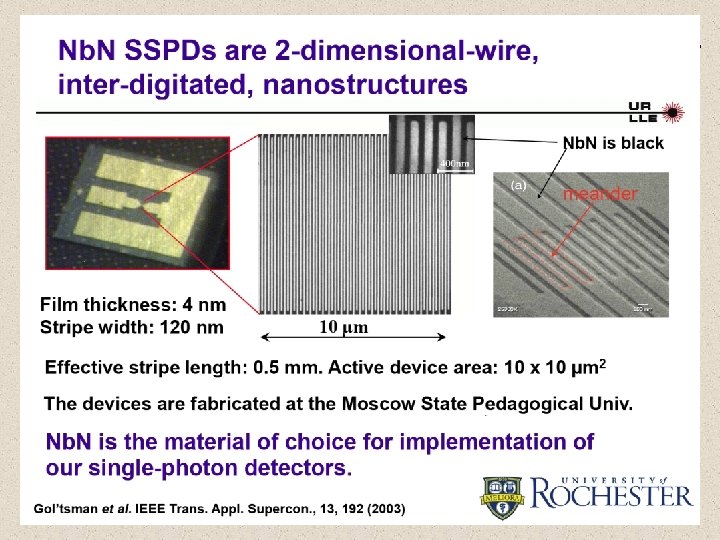
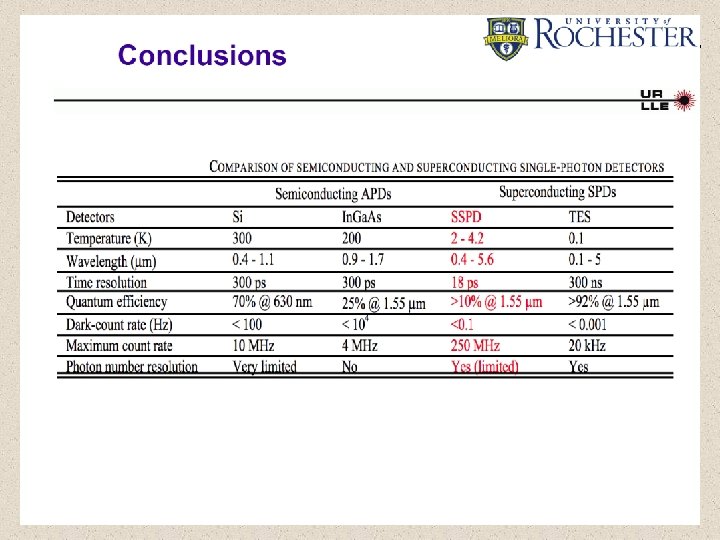
QLID Technology Contenders Table 1. Quantum-limited Detector Technologies. Superconductors Semiconductors Transition Edge Sensor (TES) energy resolution operating temperature of tens of m. K Electron Multiplying CCD (EMCCD) commercially available excess noise factor Superconducting Tunnel Junction (STJ) energy resolution operating temperature of m. K, leakage current Linear Mode Avalance Photodiode (LM-APD) ns time constant excess noise factor (although MCT has ~no excess noise) Kinetic Inductance Detector (KID) energy resolution ms time constant Geiger Mode Avalance Photodiode (GM-APD) large pulse per photon afterpulsing Superconducting Single Photon Detectors (SSPD) ns time constant low fill-factor, polarized, few K 16
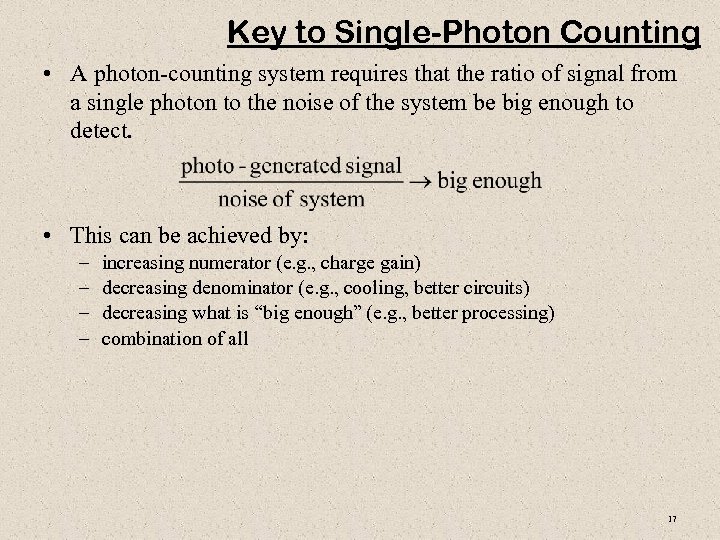
Key to Single-Photon Counting • A photon-counting system requires that the ratio of signal from a single photon to the noise of the system be big enough to detect. • This can be achieved by: – – increasing numerator (e. g. , charge gain) decreasing denominator (e. g. , cooling, better circuits) decreasing what is “big enough” (e. g. , better processing) combination of all 17
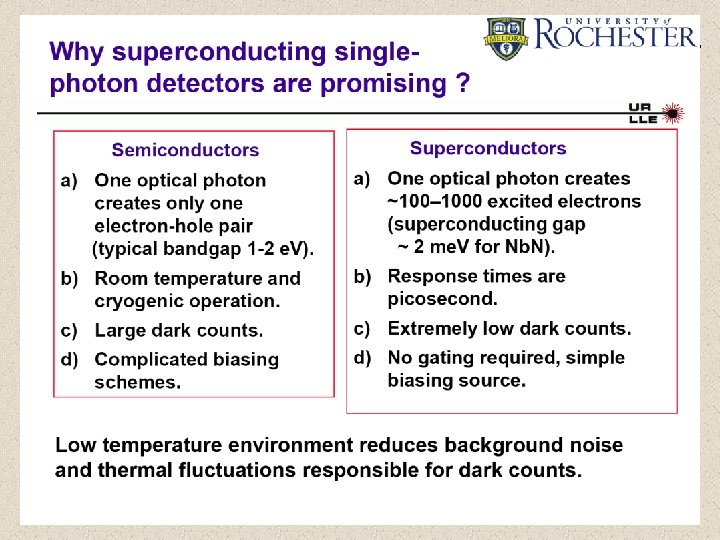
Superconductors • Most metals have descreased resistance with lower temperature, but they still have finite resistance at T=0 K. • Superconductors lose all resistance to electrical current at some temperature, Tc. Examples include: Pb, Al, Sn, and Nb. • Electrons in superconductors bond as “Cooper pairs” that do not interact with the ion lattice below Tc because the required interaction energy exceeds thermal energy in the crystal. • In general, Tc<4. 2 K. • Recent developments have produced “high” temperature superconductors, for which Tc>77 K (temperature of liquid nitrogen). 18
Slide Title 19
Avalanche Photodiodes (APDs) 20
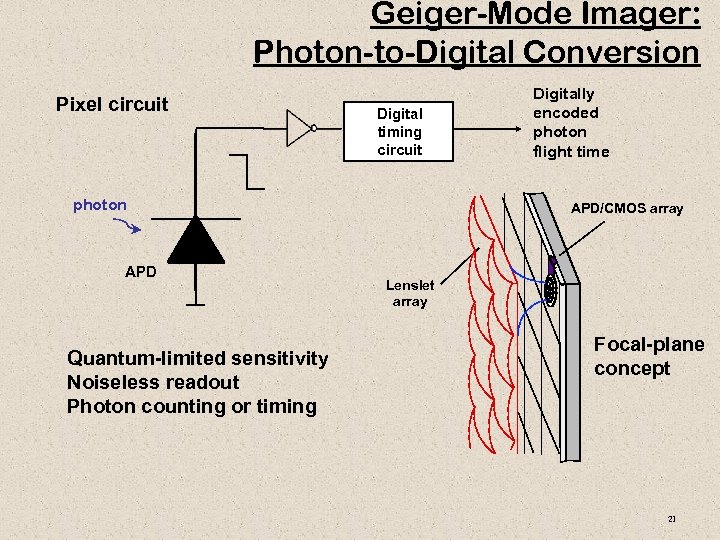
Geiger-Mode Imager: Photon-to-Digital Conversion Pixel circuit Digital timing circuit photon APD Quantum-limited sensitivity Noiseless readout Photon counting or timing Digitally encoded photon flight time APD/CMOS array Lenslet array Focal-plane concept 21
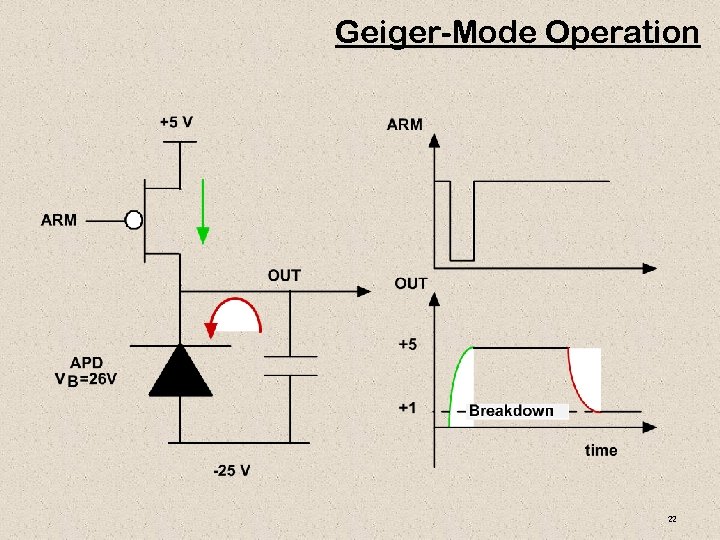
Geiger-Mode Operation 22
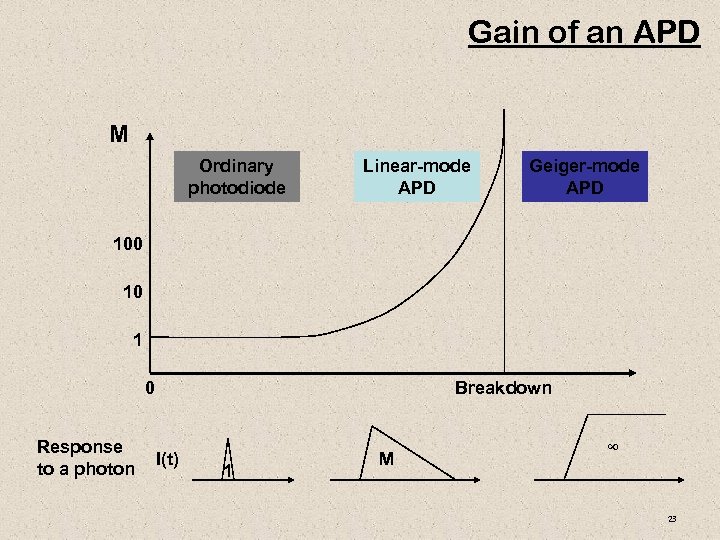
Gain of an APD M Ordinary photodiode Linear-mode APD Geiger-mode APD 100 10 1 0 Response to a photon Breakdown I(t) 1 M ∞ 23
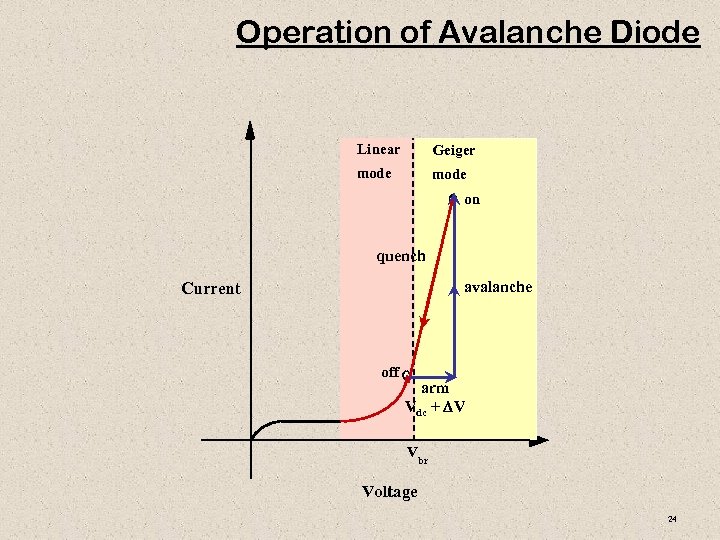
Operation of Avalanche Diode Linear on Geiger mode on Linear Geiger quench mode avalanche Current off arm Vdc + DV Vbr Voltage 24
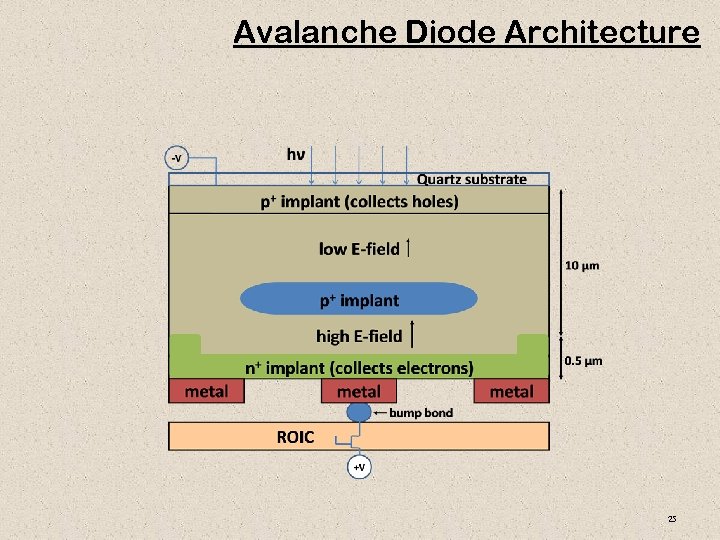
Avalanche Diode Architecture 25
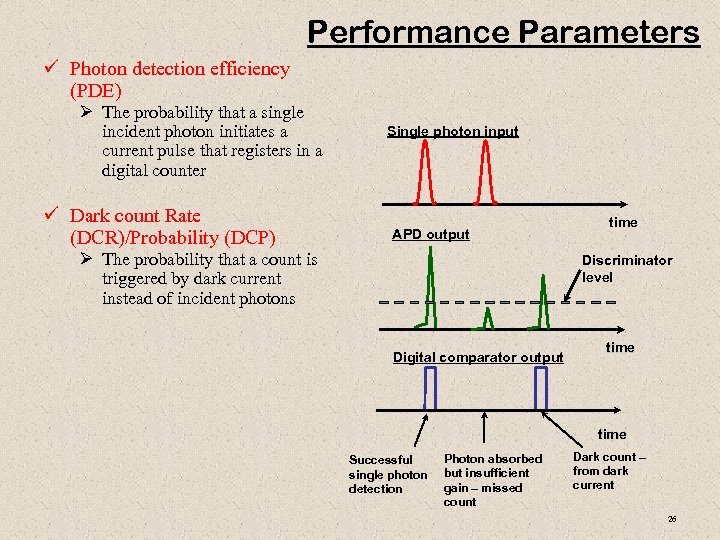
Performance Parameters ü Photon detection efficiency (PDE) Ø The probability that a single incident photon initiates a current pulse that registers in a digital counter ü Dark count Rate (DCR)/Probability (DCP) Single photon input APD output Ø The probability that a count is triggered by dark current instead of incident photons time Discriminator level Digital comparator output time Successful single photon detection Photon absorbed but insufficient gain – missed count Dark count – from dark current 26
APD Charge Gain • Show animation with thumping euro-techno disco music http: //techresearch. intel. com/spaw 2/uploads/files/Silicon. Photonics. html 27
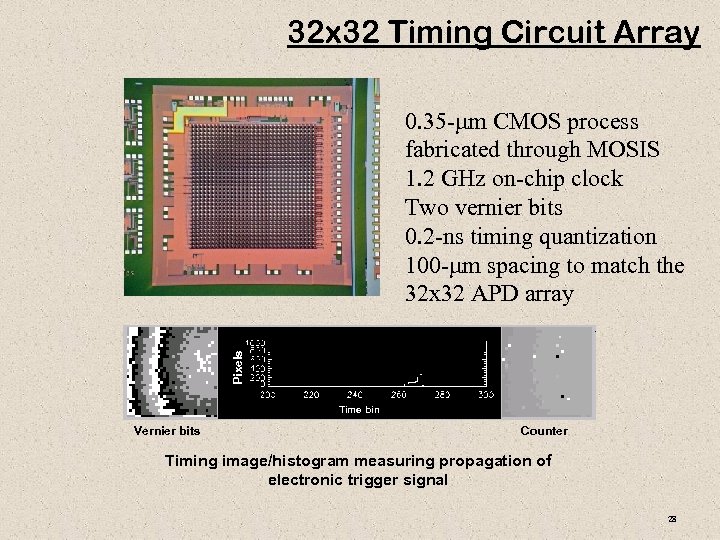
32 x 32 Timing Circuit Array Pixels 0. 35 -mm CMOS process fabricated through MOSIS 1. 2 GHz on-chip clock Two vernier bits 0. 2 -ns timing quantization 100 -mm spacing to match the 32 x 32 APD array Time bin Vernier bits Counter Timing image/histogram measuring propagation of electronic trigger signal 28
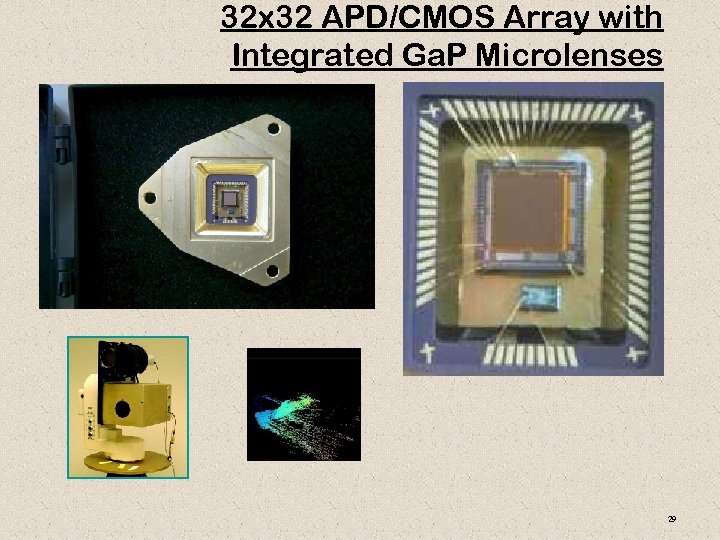
32 x 32 APD/CMOS Array with Integrated Ga. P Microlenses 29
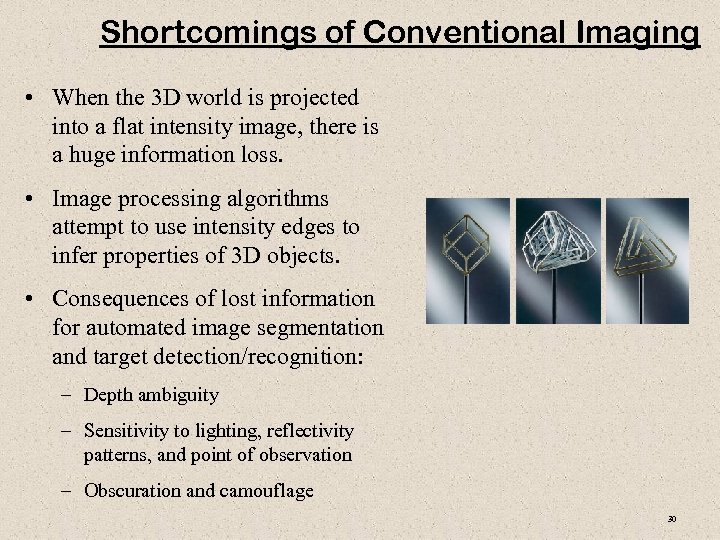
Shortcomings of Conventional Imaging • When the 3 D world is projected into a flat intensity image, there is a huge information loss. • Image processing algorithms attempt to use intensity edges to infer properties of 3 D objects. • Consequences of lost information for automated image segmentation and target detection/recognition: – Depth ambiguity – Sensitivity to lighting, reflectivity patterns, and point of observation – Obscuration and camouflage 30
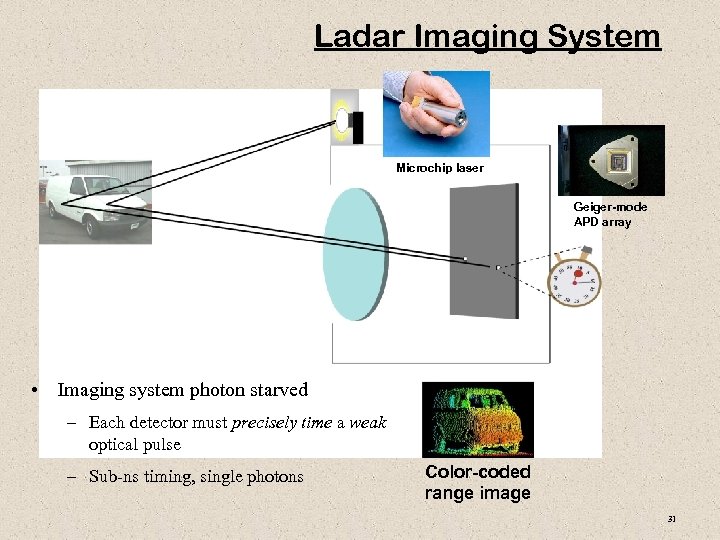
Ladar Imaging System Microchip laser Geiger-mode APD array • Imaging system photon starved – Each detector must precisely time a weak optical pulse – Sub-ns timing, single photons Color-coded range image 31
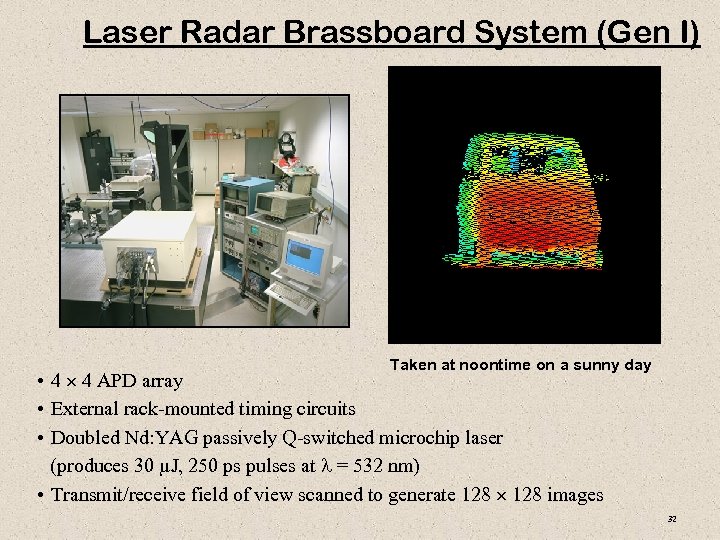
Laser Radar Brassboard System (Gen I) Taken at noontime on a sunny day • 4 4 APD array • External rack-mounted timing circuits • Doubled Nd: YAG passively Q-switched microchip laser (produces 30 µJ, 250 ps pulses at = 532 nm) • Transmit/receive field of view scanned to generate 128 images 32
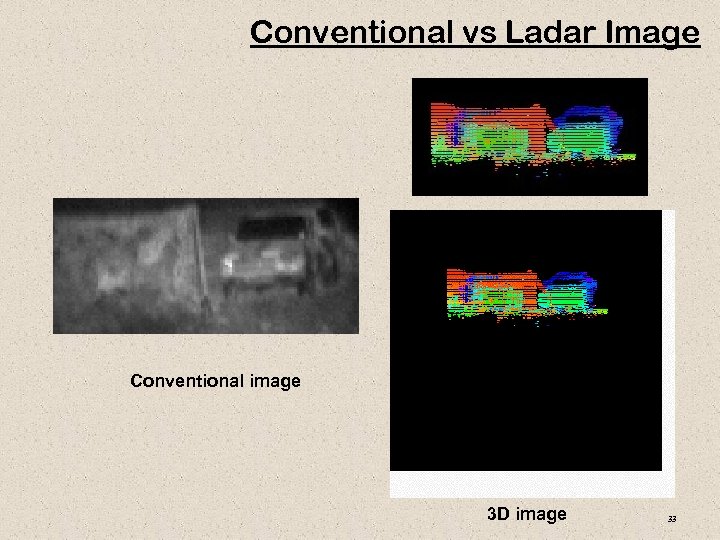
Conventional vs Ladar Image Conventional image 3 D image 33
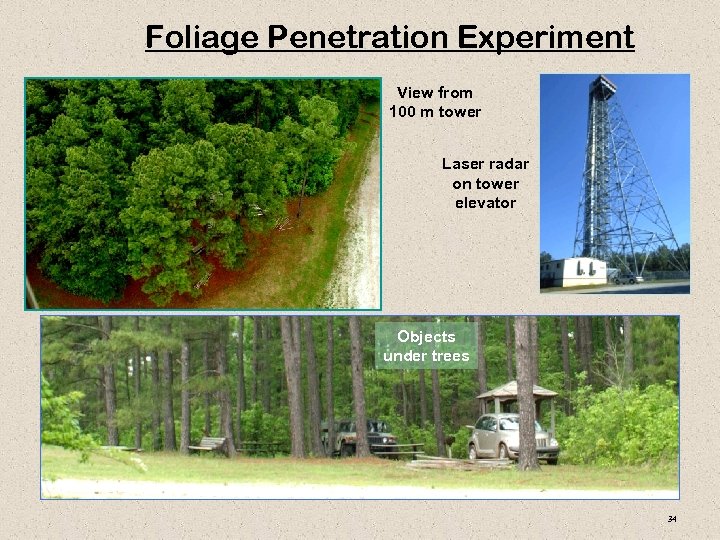
Foliage Penetration Experiment View from 100 m tower Laser radar on tower elevator Objects under trees 34
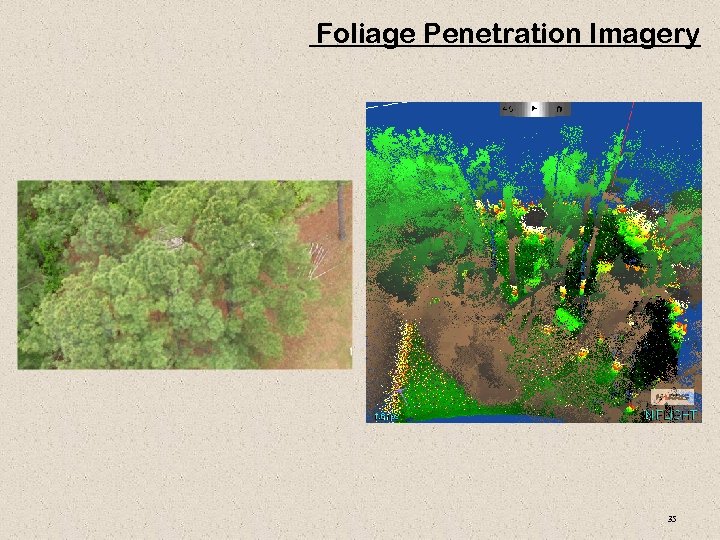
Foliage Penetration Imagery 35
Transition Edge Sensors (TESs) 36
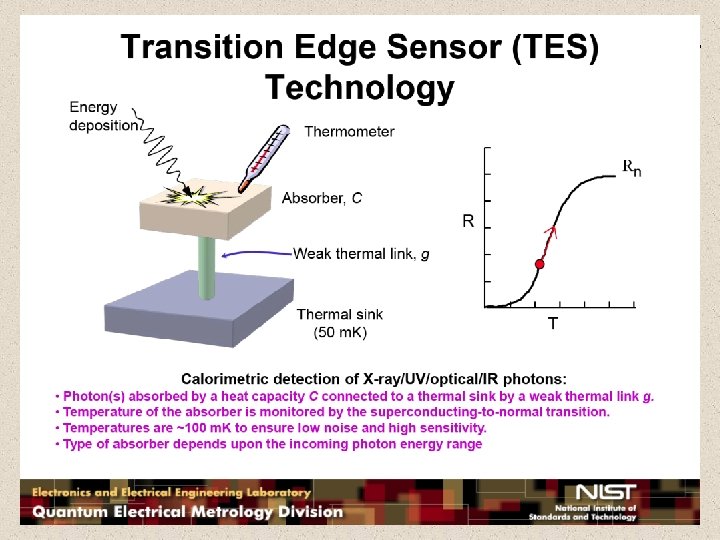
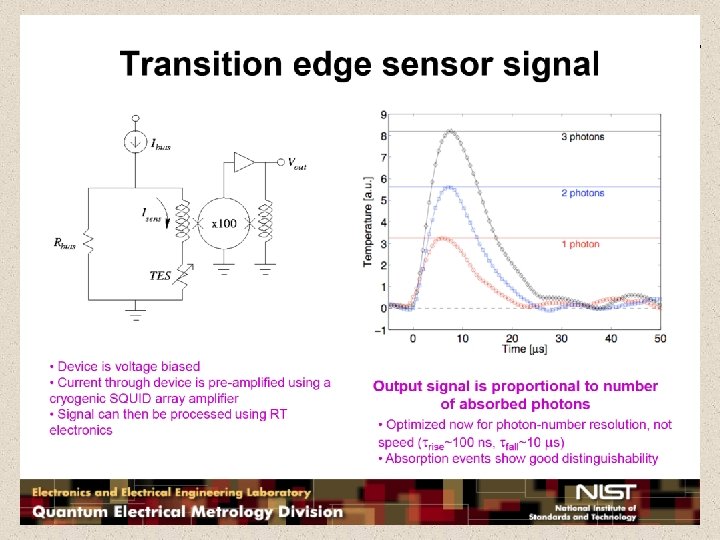
Transition Edge Sensors (TES) • A TES is similar to a bolometer, in that photon energy is detected when it is absorbed in a material that changes resistance with temperature. • The difference is that a TES is held at a temperature just below the transition temperature at which the material becomes supconducting. • The effective change in resistance when photons are absorbed is very large (and easy to detect). • One of the disadvantages of using TES’s is that the transition temperature is usually very low, requiring exotic cooling techniques. 37
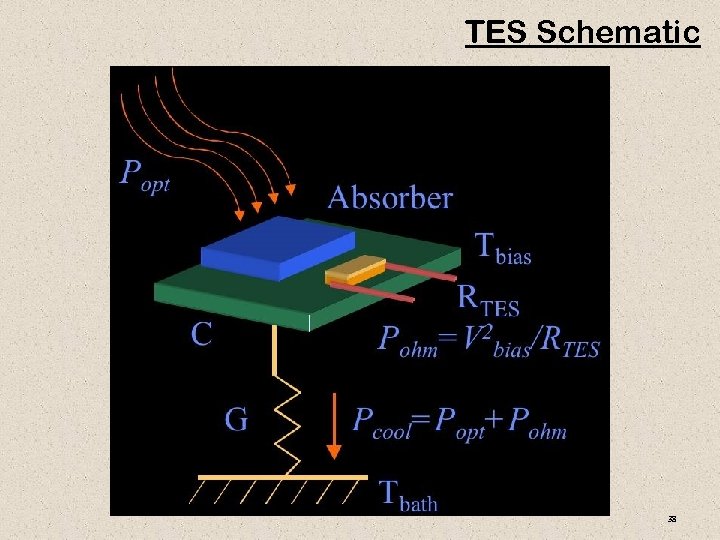
TES Schematic 38
Slide Title • xxxxxx 39
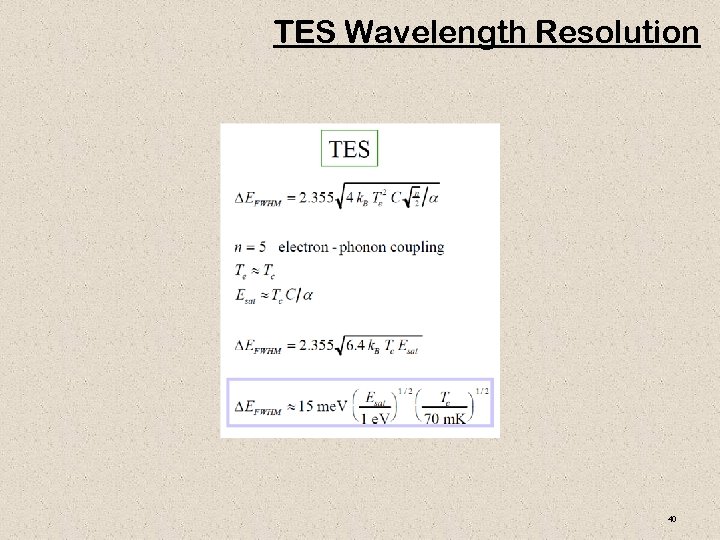
TES Wavelength Resolution 40
Slide Title 41
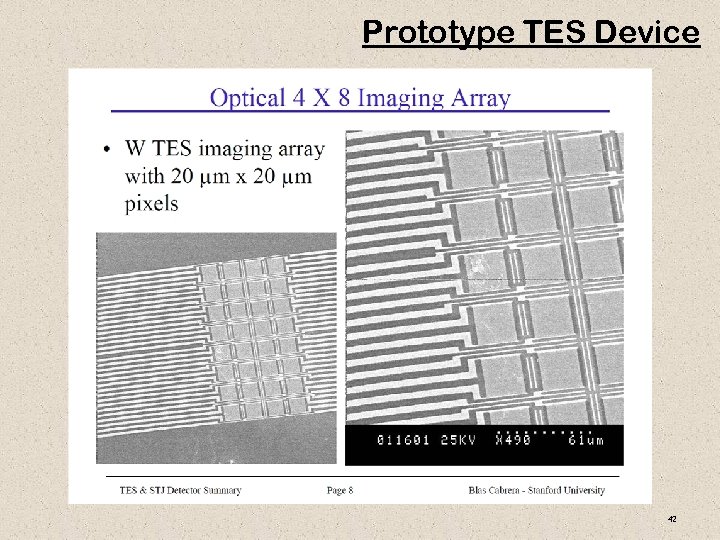
Prototype TES Device 42

Superconducting Tunneling Junctions (STJs) 43
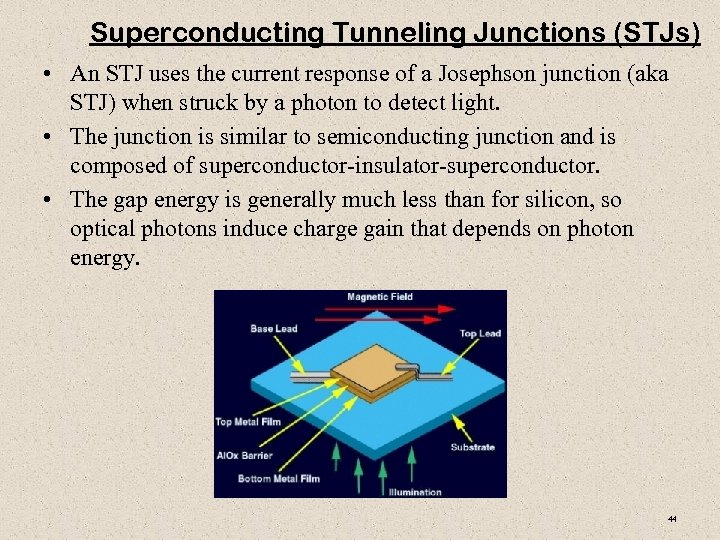
Superconducting Tunneling Junctions (STJs) • An STJ uses the current response of a Josephson junction (aka STJ) when struck by a photon to detect light. • The junction is similar to semiconducting junction and is composed of superconductor-insulator-superconductor. • The gap energy is generally much less than for silicon, so optical photons induce charge gain that depends on photon energy. 44
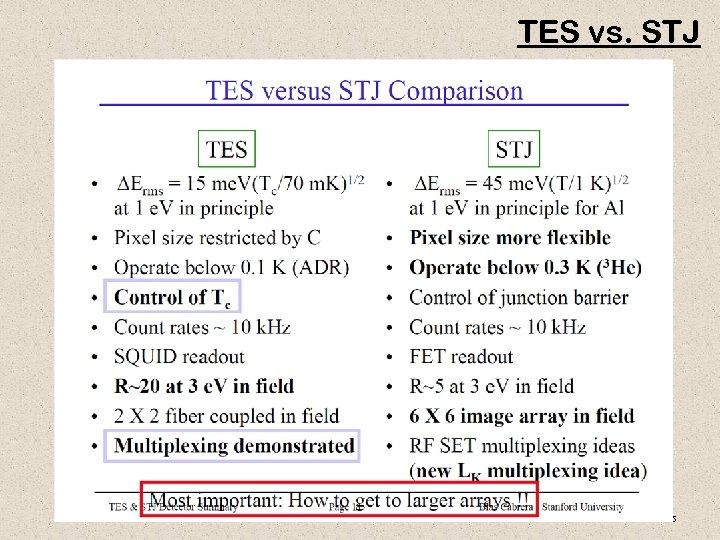
TES vs. STJ 45
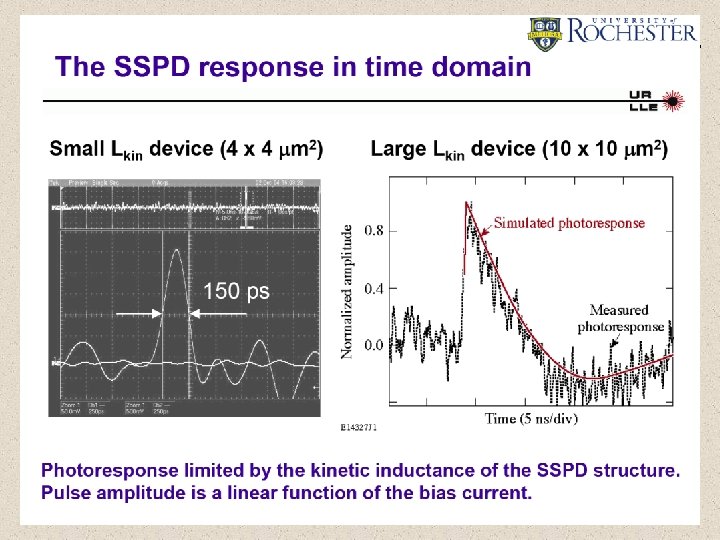
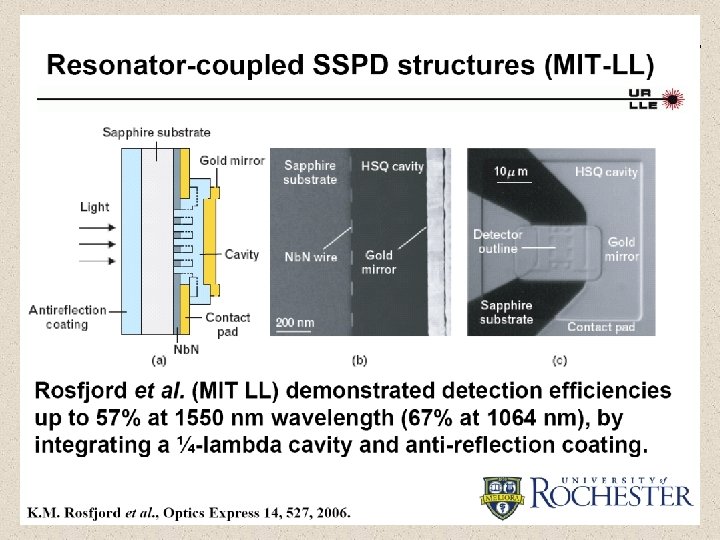
Superconducting Single Photon Detectors (SSPDs) 46
Slide Title 47
Slide Title 48
Slide Title 49
Slide Title 50
Slide Title 51
Slide Title • xxxxxx 52
Slide Title 53
Скачать презентацию Astronomical Observational Techniques and Instrumentation RIT Course Number
54a26d9e199e2be2774157992f845914.ppt