 Скачать презентацию ASPO -USA Challenges of Transition to Sustainability Parallels
7d71191dd9cc115dd41de52485a6f841.ppt
- Количество слайдов: 29



ASPO -USA Challenges of Transition to Sustainability Parallels with Apollo 13 Roscoe G. Bartlett Member of Congress
![[Renewable Resources Began The Industrial Age : Wind, Water Power, Wood & Agriculture]](https://present5.com/presentation/7d71191dd9cc115dd41de52485a6f841/image-2.jpg "[Renewable Resources Began The Industrial Age : Wind, Water Power, Wood & Agriculture]")
[Renewable Resources Began The Industrial Age : Wind, Water Power, Wood & Agriculture]
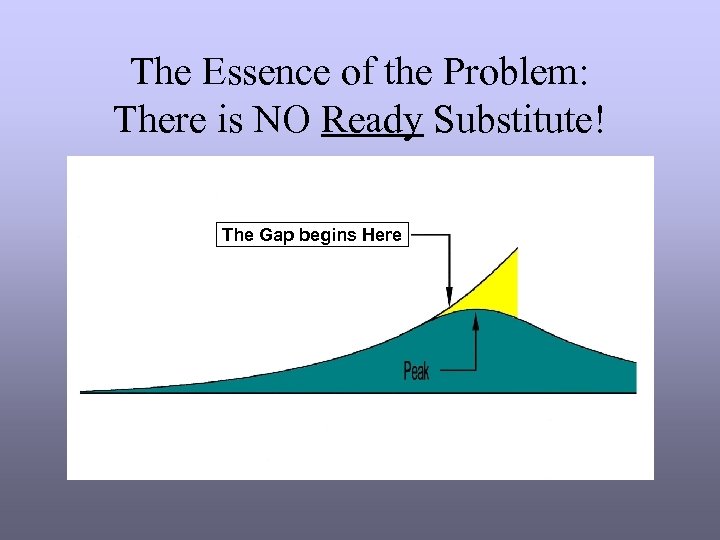
The Essence of the Problem: There is NO Ready Substitute! The Gap begins Here
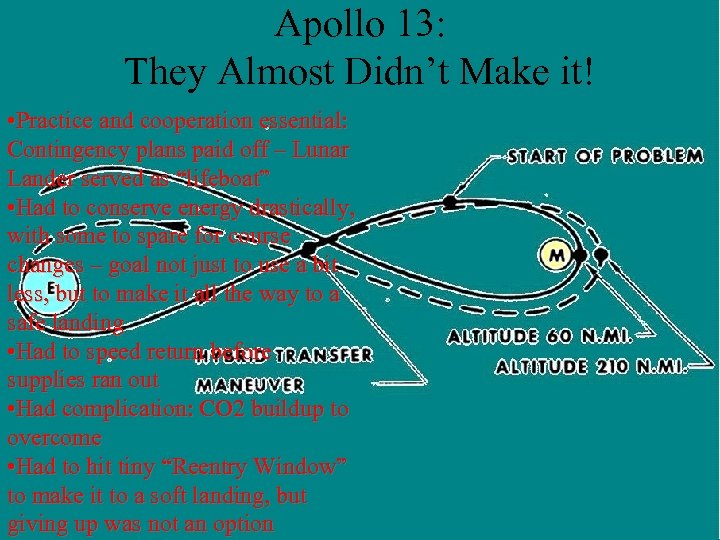
Apollo 13: They Almost Didn’t Make it! • Practice and cooperation essential: Contingency plans paid off – Lunar Lander served as “lifeboat” • Had to conserve energy drastically, with some to spare for course changes – goal not just to use a bit less, but to make it all the way to a safe landing • Had to speed return before supplies ran out • Had complication: CO 2 buildup to overcome • Had to hit tiny “Reentry Window” to make it to a soft landing, but giving up was not an option
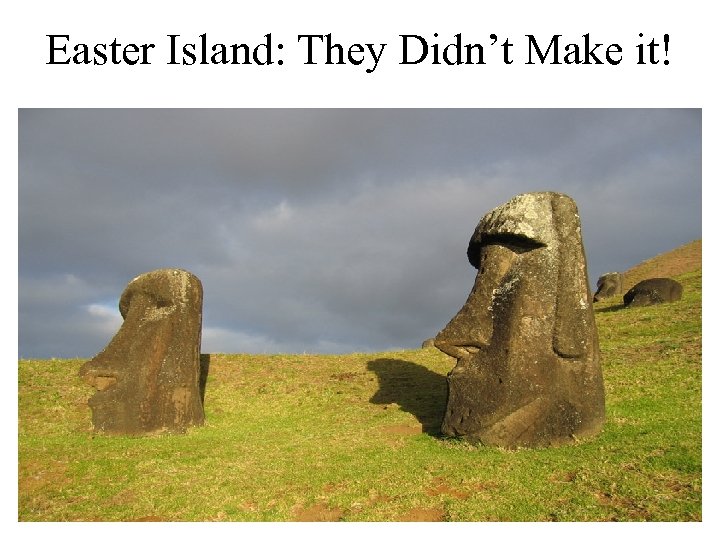
Easter Island: They Didn’t Make it!
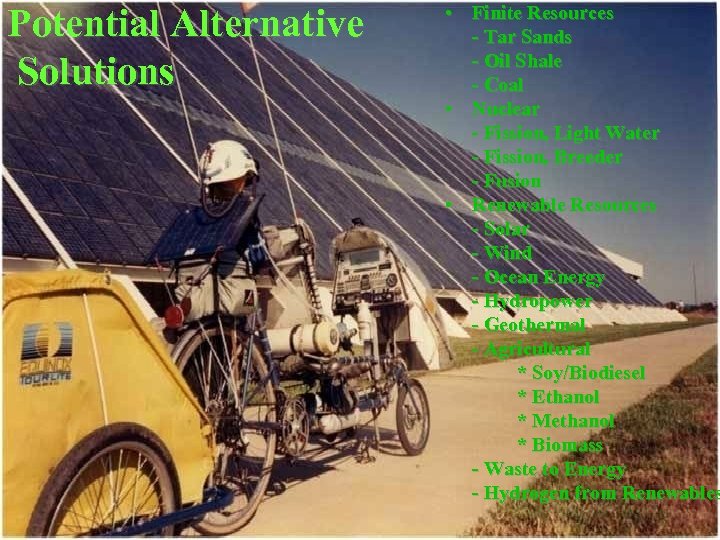
Potential Alternative Solutions • Finite Resources - Tar Sands - Oil Shale - Coal • Nuclear - Fission, Light Water - Fission, Breeder - Fusion • Renewable Resources - Solar - Wind - Ocean Energy - Hydropower - Geothermal - Agricultural * Soy/Biodiesel * Ethanol * Methanol * Biomass - Waste to Energy - Hydrogen from Renewables
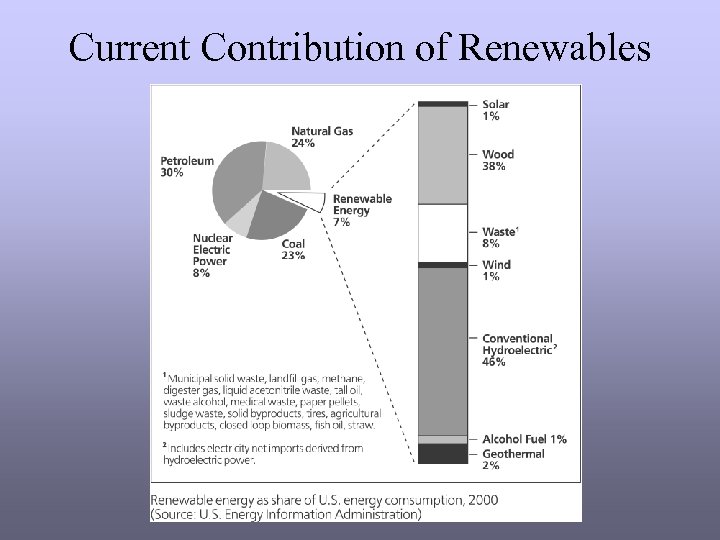
Current Contribution of Renewables
“POME” ANALYSIS § PROBLEM: Long Term Growth of Energy Use WILL Exceed Both Finite Conventional Resources AND Limited (Renewable) Energy/ Environmental Resources § OBJECTIVE: To Transition to Sustainable Energy Economy Before Resources are Depleted § METHOD: Rapidly Reduce Consumption to Buy Time, Save $ & Energy Needed to Invest in Transition to Renewables @ Sustainable Levels § EVALUATION: Test/Optimize Options § by Modeling – Establish Measurable Indices of Success
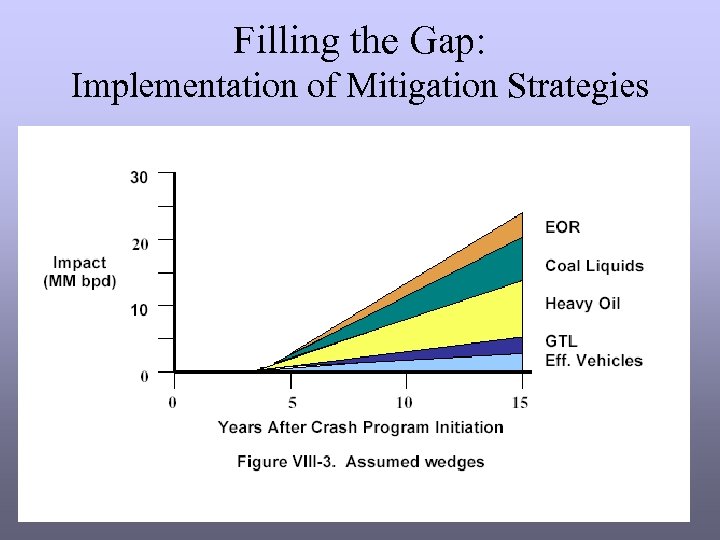
Filling the Gap: Implementation of Mitigation Strategies
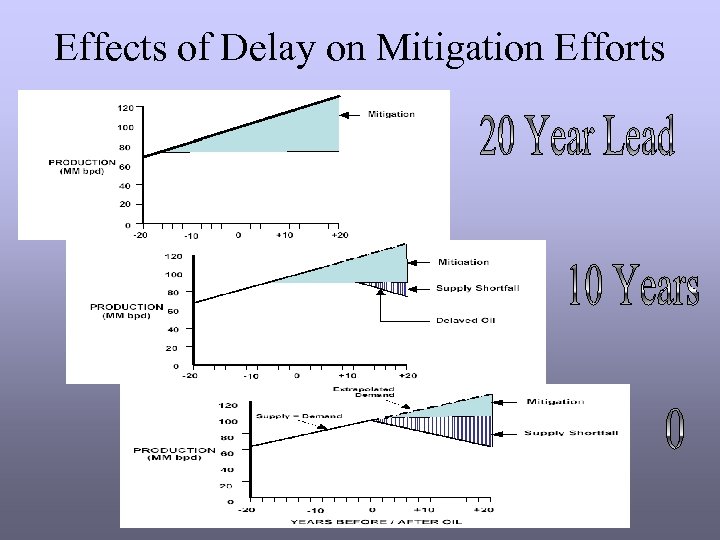
Effects of Delay on Mitigation Efforts
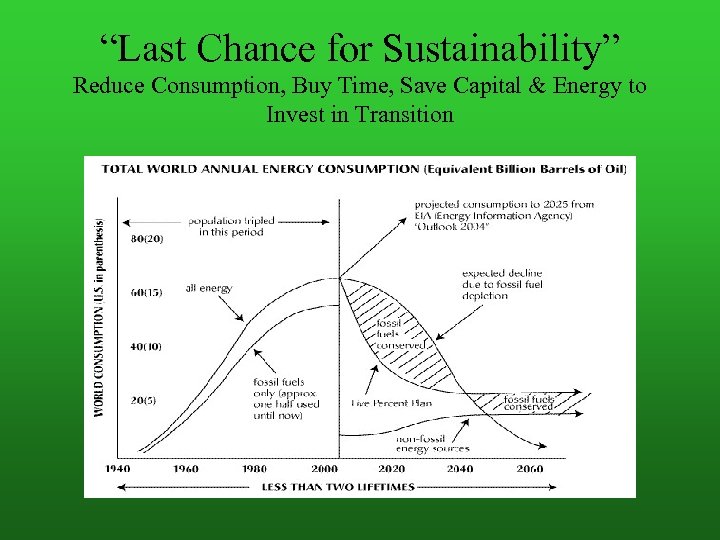
“Last Chance for Sustainability” Reduce Consumption, Buy Time, Save Capital & Energy to Invest in Transition
How Can We Achieve Sustainability? It will Require a Crash Program that Combines the Daring and Clarity of Vision of the Apollo Program and the Urgency and Commitment of the Manhattan Project. The World will have to Mobilize and Unite Around this Shared Challenge to our Survival.
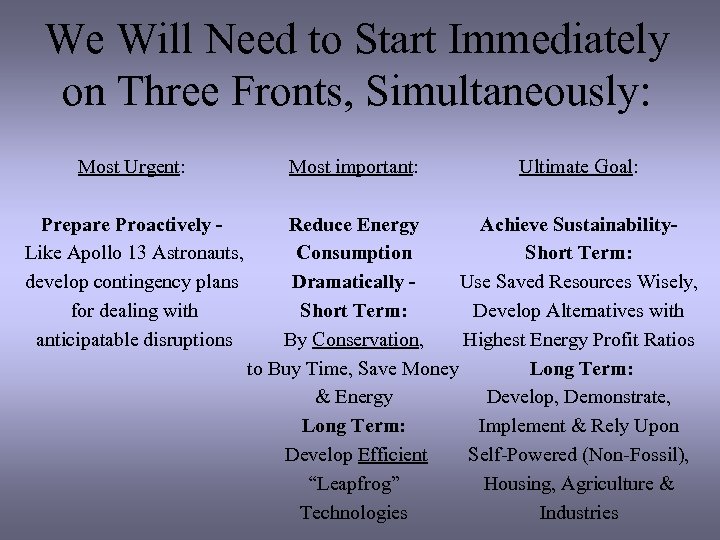
We Will Need to Start Immediately on Three Fronts, Simultaneously: Most Urgent: Prepare Proactively Like Apollo 13 Astronauts, develop contingency plans for dealing with anticipatable disruptions Most important: Ultimate Goal: Reduce Energy Achieve Sustainability. Consumption Short Term: Dramatically Use Saved Resources Wisely, Short Term: Develop Alternatives with By Conservation, Highest Energy Profit Ratios to Buy Time, Save Money Long Term: & Energy Develop, Demonstrate, Long Term: Implement & Rely Upon Develop Efficient Self-Powered (Non-Fossil), “Leapfrog” Housing, Agriculture & Technologies Industries
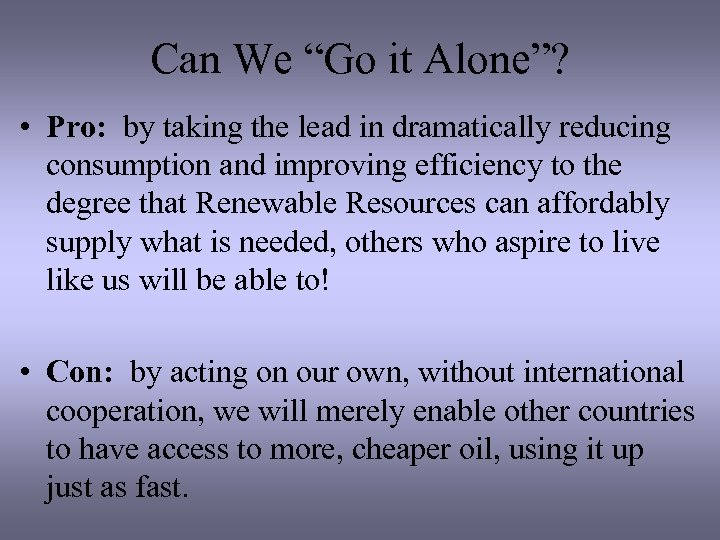
Can We “Go it Alone”? • Pro: by taking the lead in dramatically reducing consumption and improving efficiency to the degree that Renewable Resources can affordably supply what is needed, others who aspire to live like us will be able to! • Con: by acting on our own, without international cooperation, we will merely enable other countries to have access to more, cheaper oil, using it up just as fast.
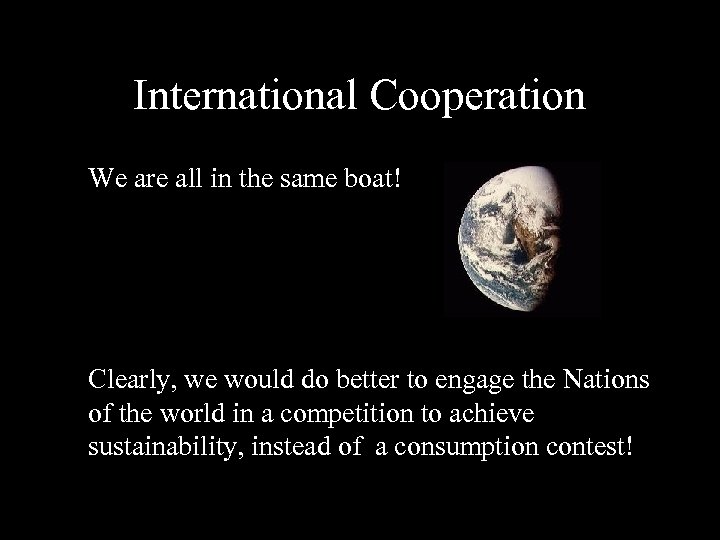
International Cooperation We are all in the same boat! Clearly, we would do better to engage the Nations of the world in a competition to achieve sustainability, instead of a consumption contest!
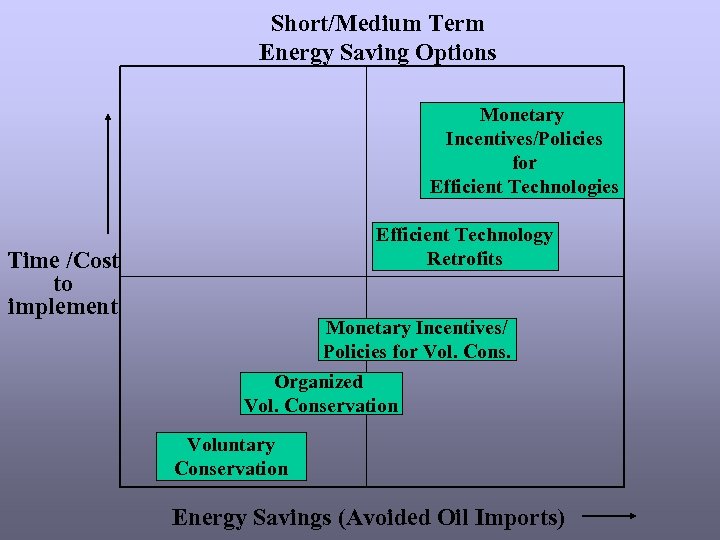
Short/Medium Term Energy Saving Options Monetary Incentives/Policies for Efficient Technologies Efficient Technology Retrofits Time /Cost to implement Monetary Incentives/ Policies for Vol. Cons. Organized Vol. Conservation Voluntary Conservation Energy Savings (Avoided Oil Imports)
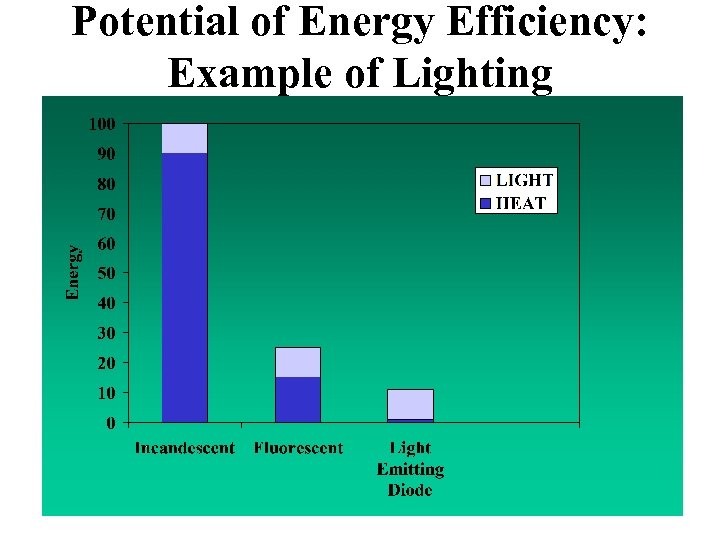
Potential of Energy Efficiency: Example of Lighting
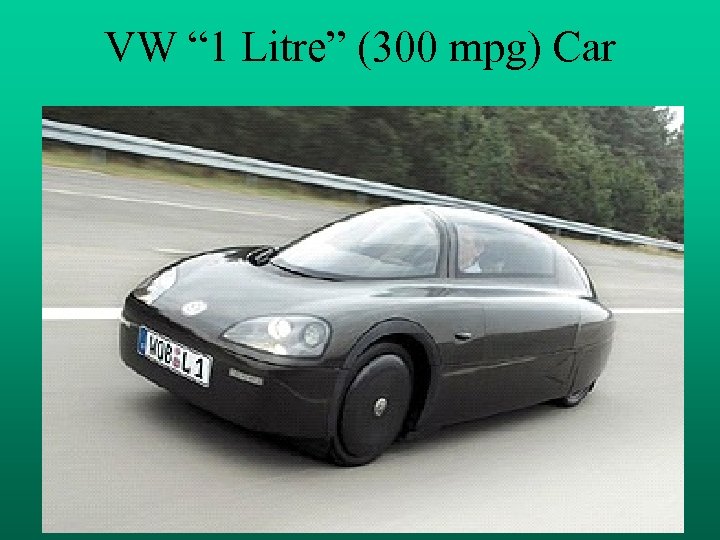
VW “ 1 Litre” (300 mpg) Car
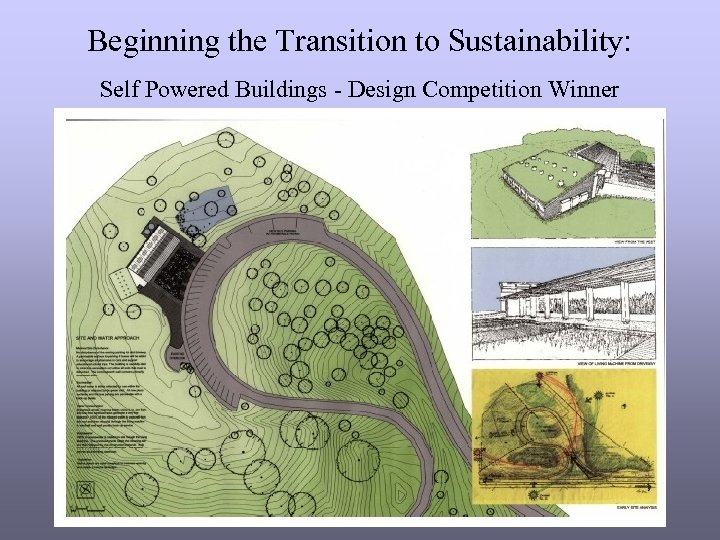
Beginning the Transition to Sustainability: Self Powered Buildings - Design Competition Winner
![Net Food & Energy Producing Farms [Solar Utility Vehicle]](https://present5.com/presentation/7d71191dd9cc115dd41de52485a6f841/image-22.jpg "Net Food & Energy Producing Farms [Solar Utility Vehicle]")
Net Food & Energy Producing Farms [Solar Utility Vehicle]
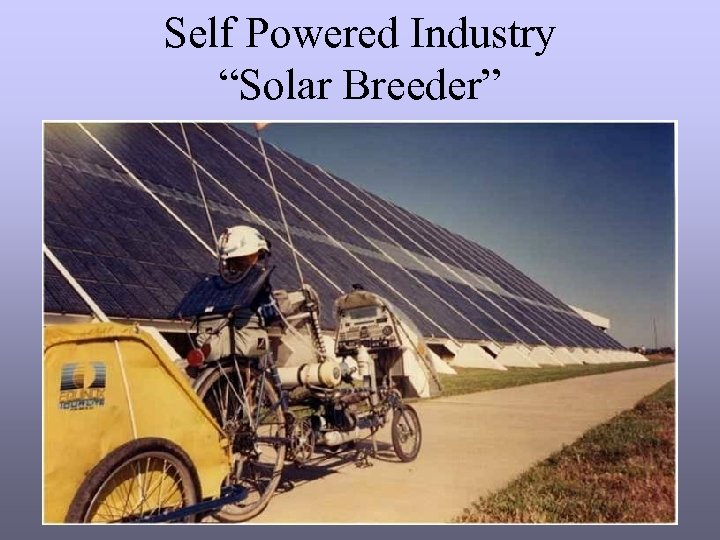
Self Powered Industry “Solar Breeder”
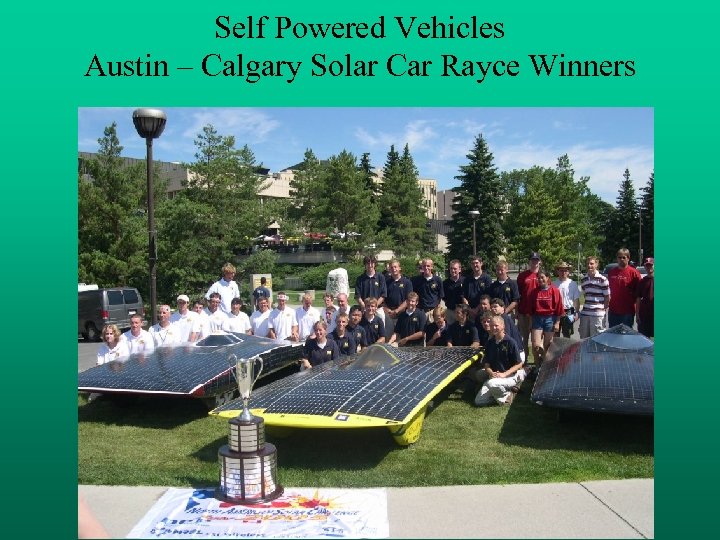
Self Powered Vehicles Austin – Calgary Solar Car Rayce Winners
What Will be Needed? • • • Vision Wisdom Leadership Scientific Understanding Rational Decision Making International Cooperation
We Have Only Just Begun to: • Inform Colleagues to Build Consensus at All Levels of Government: Special Order Speeches, Energy Conference, Distribution of Books and Charts • Initiate Legislation : Self-Powered Visitors/Tech Exhibition Center Design Competition - Beginning Construction Phase; Draft Energy Farms Initiative to Promote Net Food & Energy from Agriculture… • Some encouraging signs are evident… • You can help! – Meet with your Representatives and share your concerns
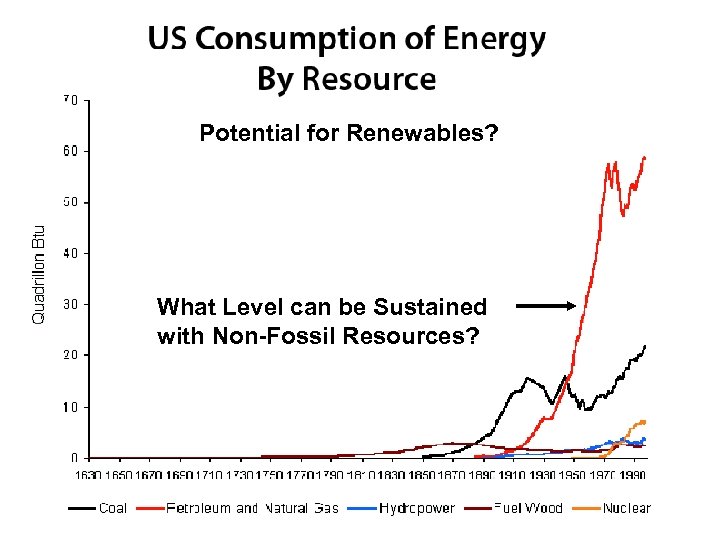
Potential for Renewables? What Level can be Sustained with Non-Fossil Resources?
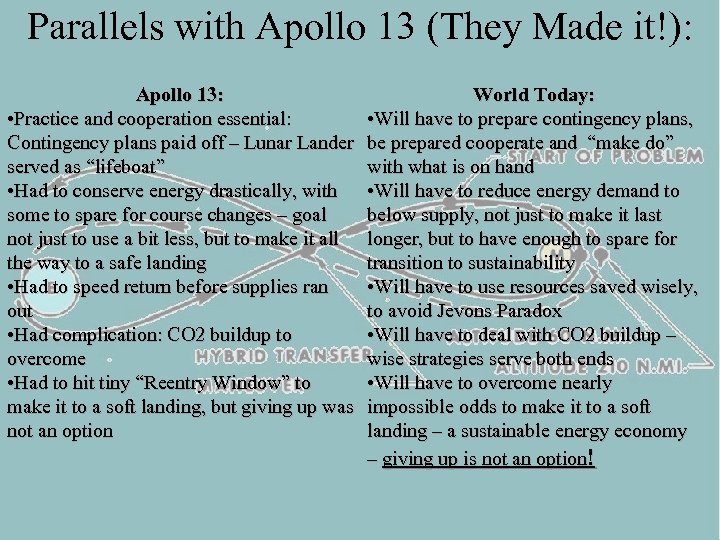
Parallels with Apollo 13 (They Made it!): Apollo 13: • Practice and cooperation essential: Contingency plans paid off – Lunar Lander served as “lifeboat” • Had to conserve energy drastically, with some to spare for course changes – goal not just to use a bit less, but to make it all the way to a safe landing • Had to speed return before supplies ran out • Had complication: CO 2 buildup to overcome • Had to hit tiny “Reentry Window” to make it to a soft landing, but giving up was not an option World Today: • Will have to prepare contingency plans, be prepared cooperate and “make do” with what is on hand • Will have to reduce energy demand to below supply, not just to make it last longer, but to have enough to spare for transition to sustainability • Will have to use resources saved wisely, to avoid Jevons Paradox • Will have to deal with CO 2 buildup – wise strategies serve both ends • Will have to overcome nearly impossible odds to make it to a soft landing – a sustainable energy economy – giving up is not an option!
http: //www. bartlett. house. gov/
Скачать презентацию ASPO -USA Challenges of Transition to Sustainability Parallels
7d71191dd9cc115dd41de52485a6f841.ppt