


 Скачать презентацию ASK THE EXPERT FREQUENTLY ASKED QUESTIONS Q
5ca4c6d923350cd20a12e758610f2b14.ppt
- Количество слайдов: 40
 ASK THE EXPERT FREQUENTLY ASKED QUESTIONS
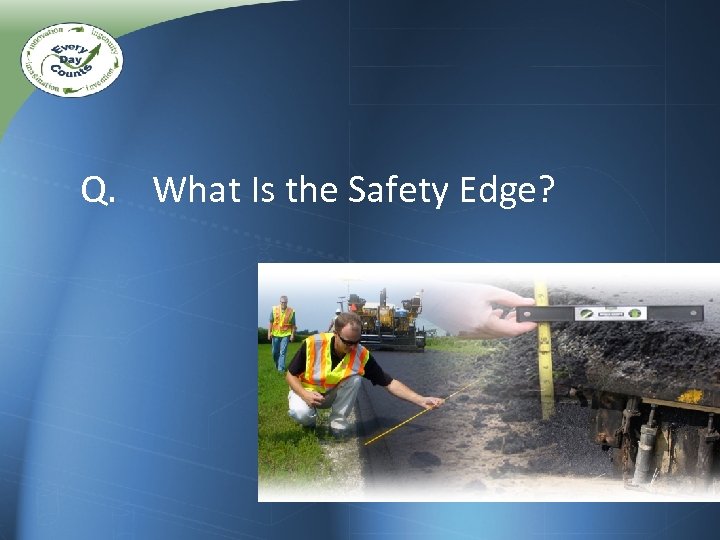 Q. What Is the Safety Edge?
 Q. How does the Safety Edge compare with conventional asphalt paving processes?
 Q. Has the Safety Edge design been used for concrete pavement?
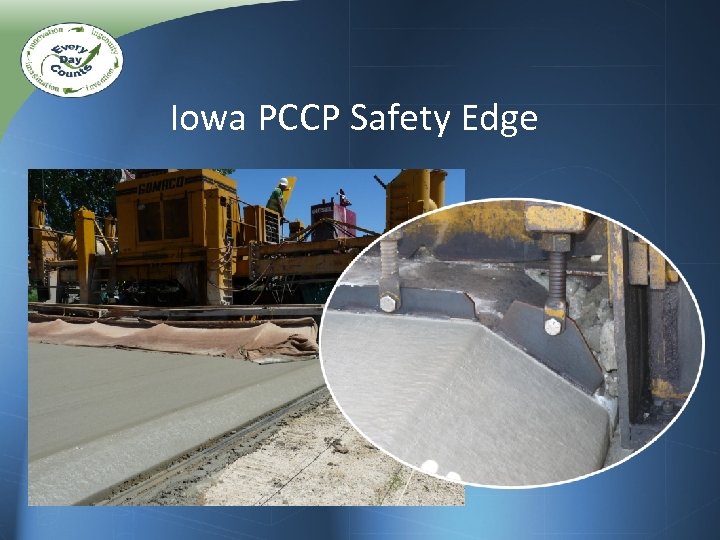 Iowa PCCP Safety Edge
 Q. My State wants to do a Safety Edge project with an Open House so interested DOT personnel, local agencies and contractors can observe an installation. Can we get a loaner shoe and technical assistance in planning and presenting information?
 Q. How should a State DOT or local agency select the best site for a Demonstration Project?
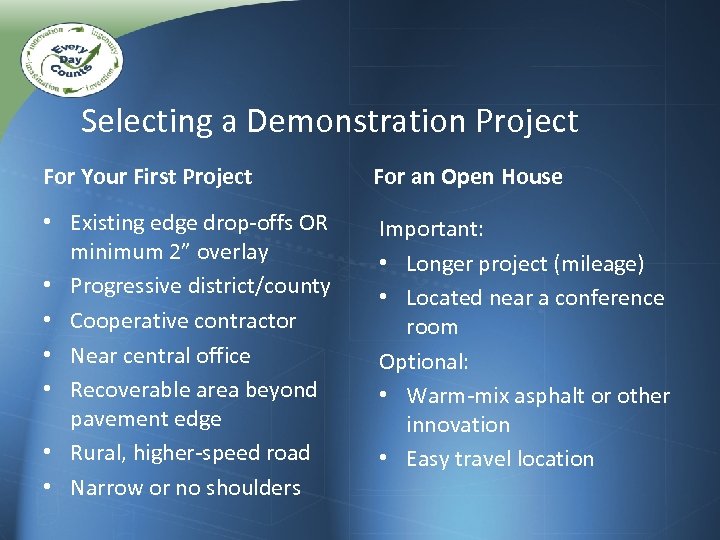 Selecting a Demonstration Project For Your First Project For an Open House • Existing edge drop-offs OR minimum 2” overlay • Progressive district/county • Cooperative contractor • Near central office • Recoverable area beyond pavement edge • Rural, higher-speed road • Narrow or no shoulders Important: • Longer project (mileage) • Located near a conference room Optional: • Warm-mix asphalt or other innovation • Easy travel location
 Q. What is the minimum lift thickness that merits the use of the Safety Edge?
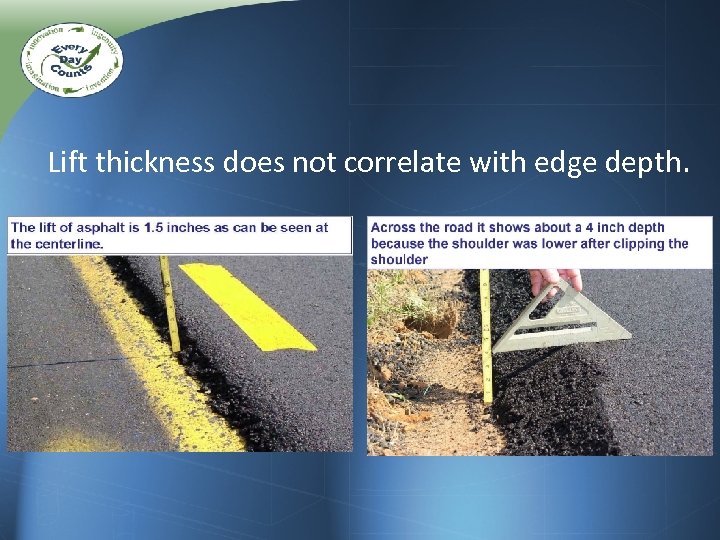 Lift thickness does not correlate with edge depth.
 Q. If a project has paved shoulders, is the Safety Edge needed, and if we have rumble strips do we need it?
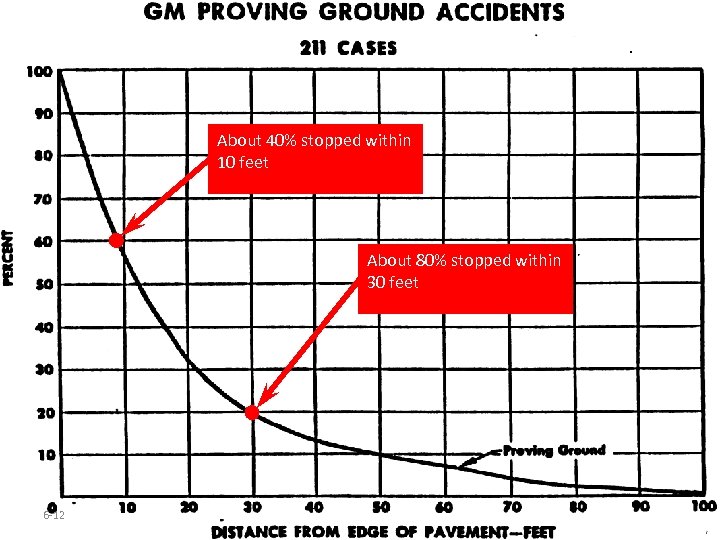 About 40% stopped within 10 feet About 80% stopped within 30 feet 6 -12
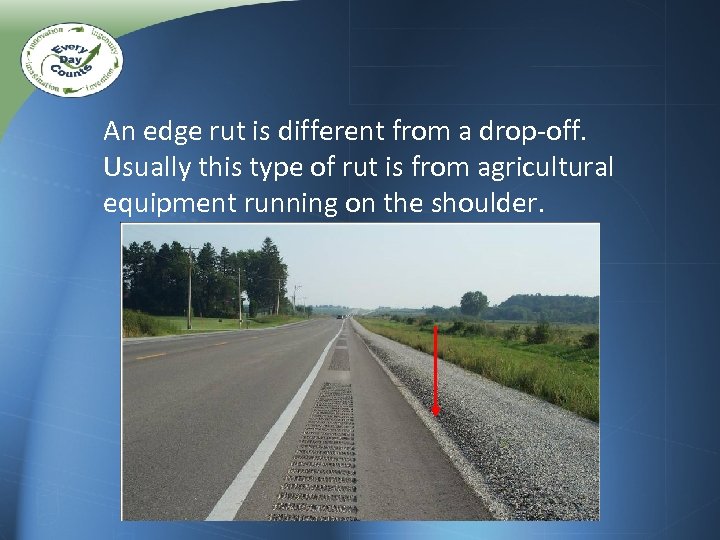 An edge rut is different from a drop-off. Usually this type of rut is from agricultural equipment running on the shoulder.
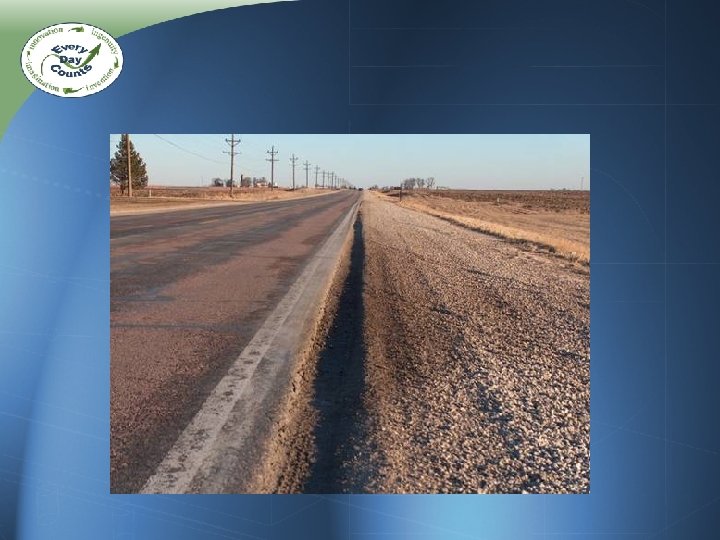
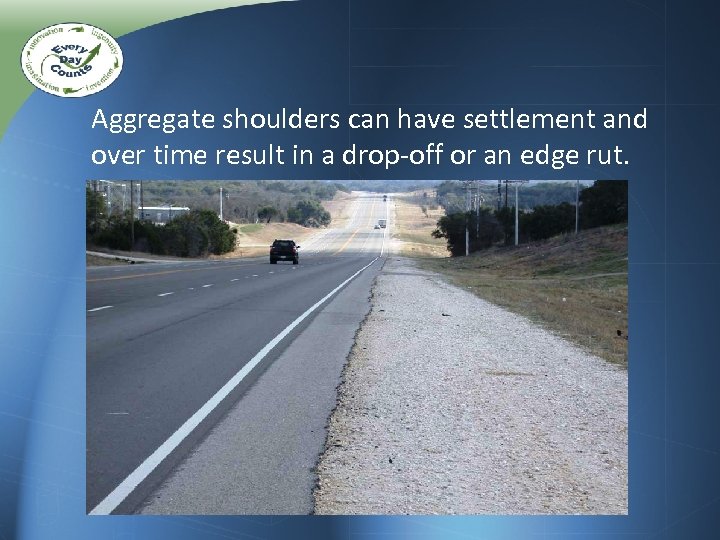 Aggregate shoulders can have settlement and over time result in a drop-off or an edge rut.
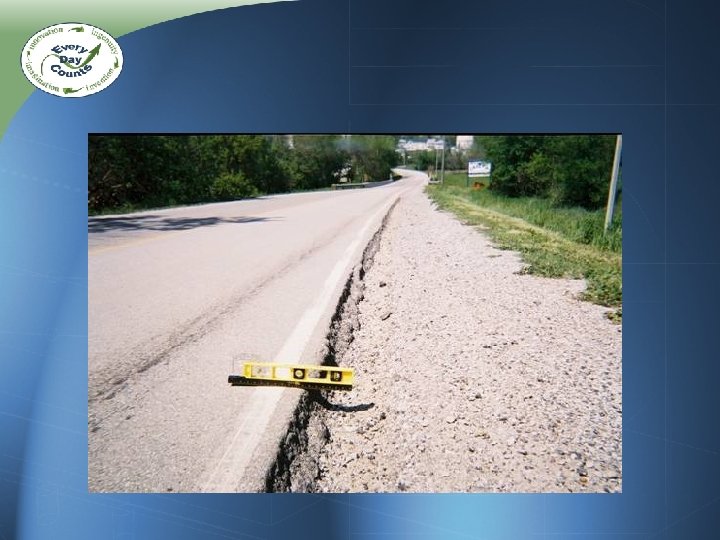
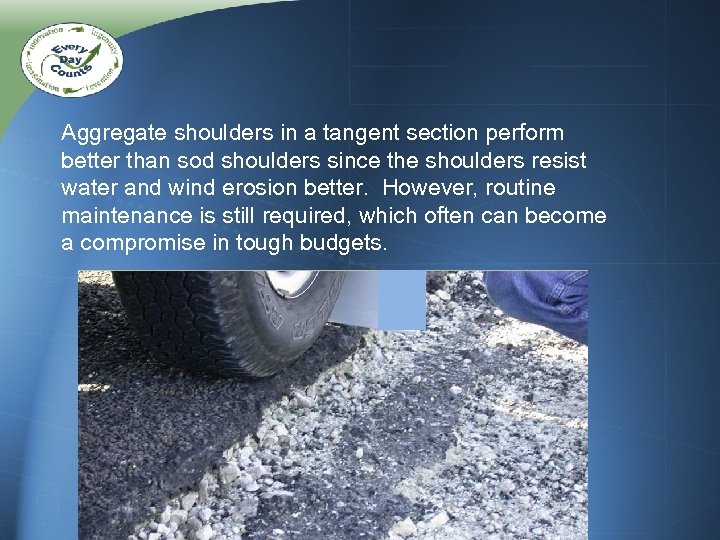 Aggregate shoulders in a tangent section perform better than sod shoulders since the shoulders resist water and wind erosion better. However, routine maintenance is still required, which often can become a compromise in tough budgets.
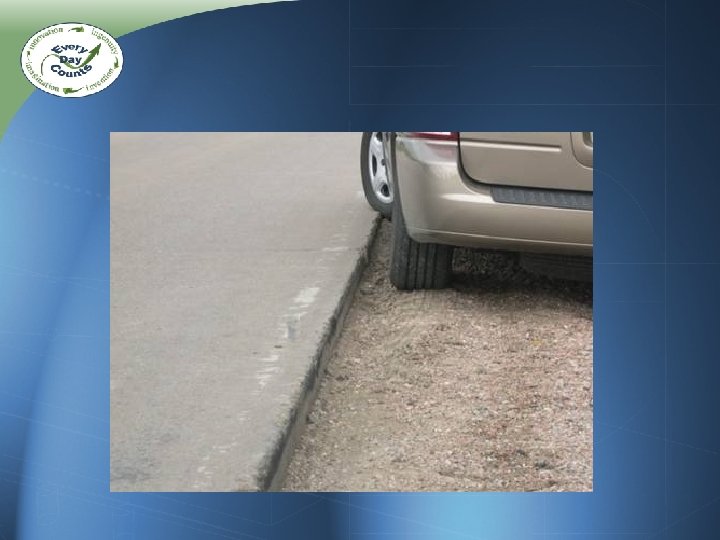
 Q. What if the graded material adjacent to the pavement slopes is greater than the Safety Edge?
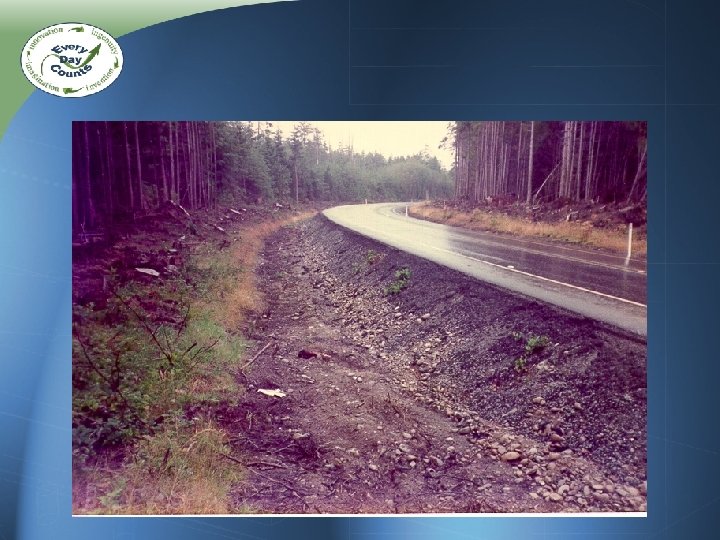
 Q. What are other alternates to the Safety Edge?
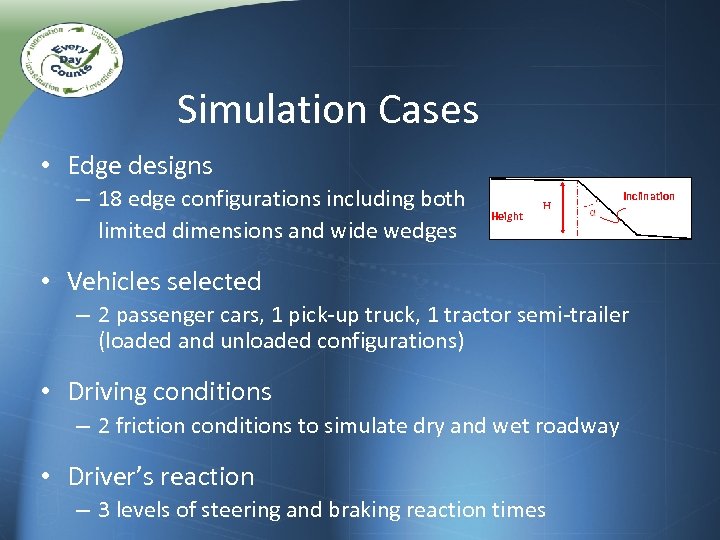 Simulation Cases • Edge designs – 18 edge configurations including both limited dimensions and wide wedges Inclination Height • Vehicles selected – 2 passenger cars, 1 pick-up truck, 1 tractor semi-trailer (loaded and unloaded configurations) • Driving conditions – 2 friction conditions to simulate dry and wet roadway • Driver’s reaction – 3 levels of steering and braking reaction times
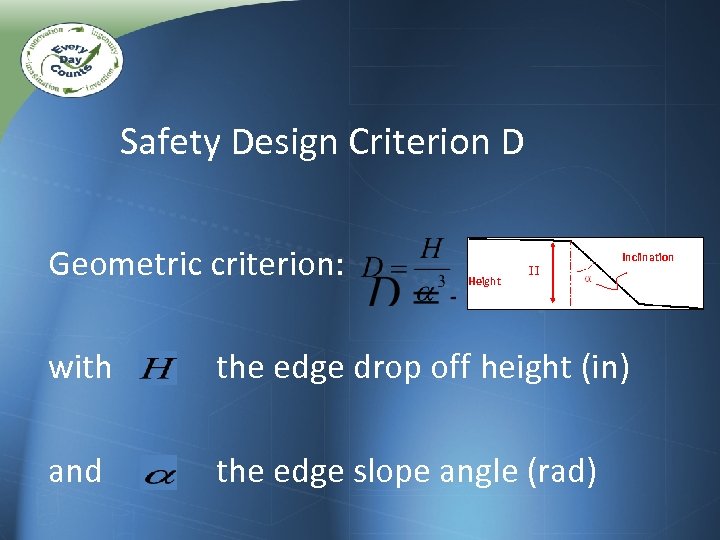 Safety Design Criterion D Geometric criterion: Inclination Height with the edge drop off height (in) and the edge slope angle (rad)
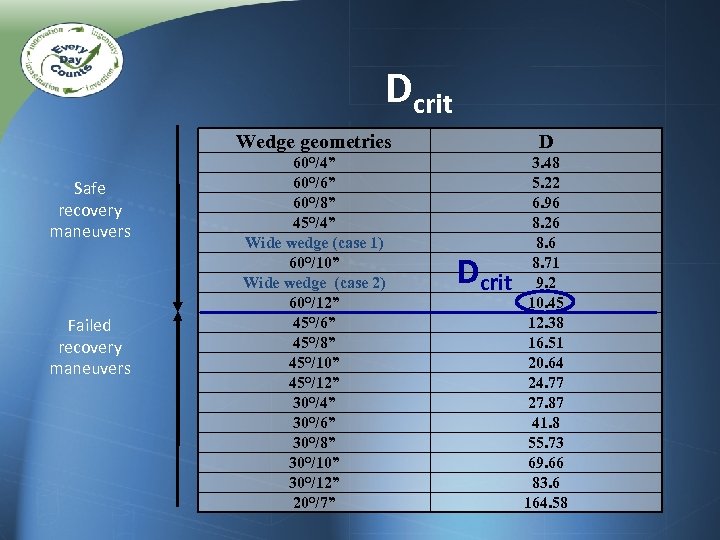 Dcrit Wedge geometries Safe recovery maneuvers Failed recovery maneuvers D 60°/4” 60°/6” 60°/8” 45°/4” Wide wedge (case 1) 60°/10” Wide wedge (case 2) 60°/12” 45°/6” 45°/8” 45°/10” 45°/12” 30°/4” 30°/6” 30°/8” 30°/10” 30°/12” 20°/7” 3. 48 5. 22 6. 96 8. 26 8. 71 9. 2 10. 45 12. 38 16. 51 20. 64 24. 77 27. 87 41. 8 55. 73 69. 66 83. 6 164. 58 Dcrit
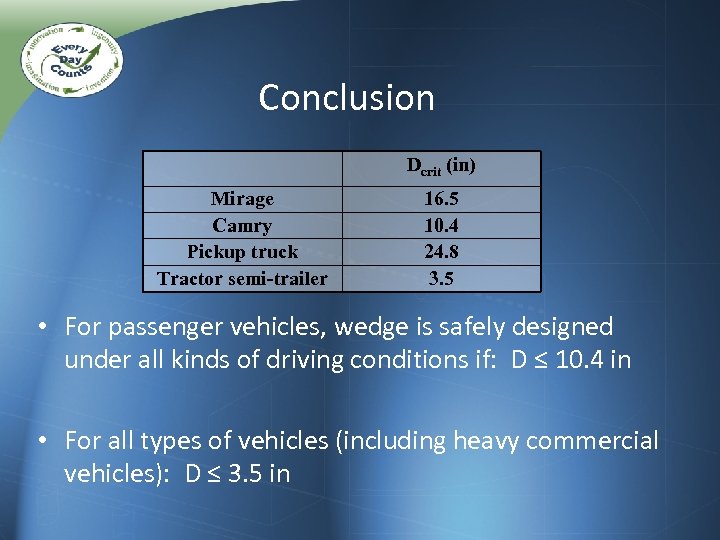 Conclusion Dcrit (in) Mirage Camry Pickup truck Tractor semi-trailer 16. 5 10. 4 24. 8 3. 5 • For passenger vehicles, wedge is safely designed under all kinds of driving conditions if: D ≤ 10. 4 in • For all types of vehicles (including heavy commercial vehicles): D ≤ 3. 5 in
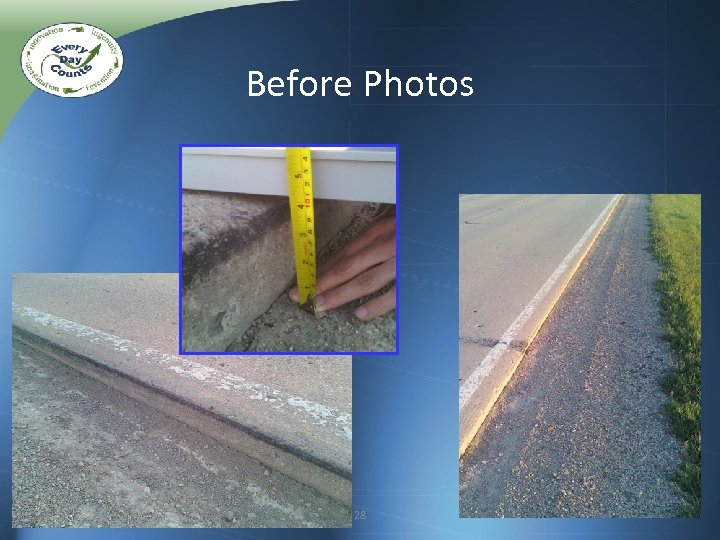
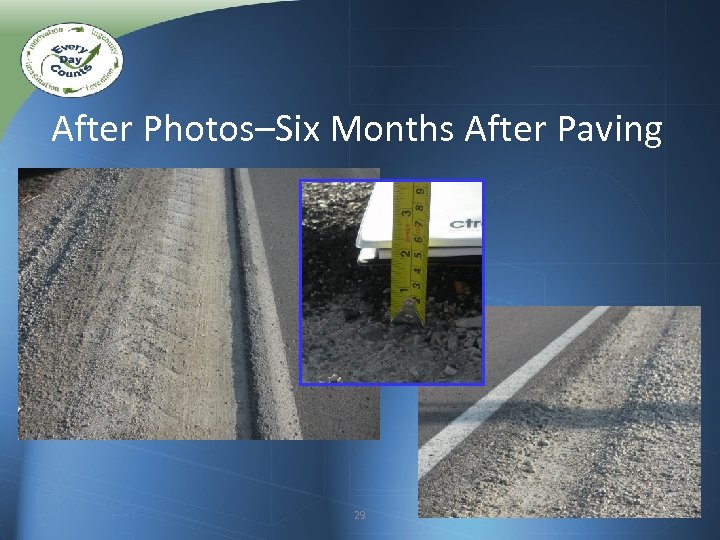
 Q. Will the wedge shape increase erosion or cause aggregate to slide away?
 Before Photos 28
 After Photos–Six Months After Paving 29
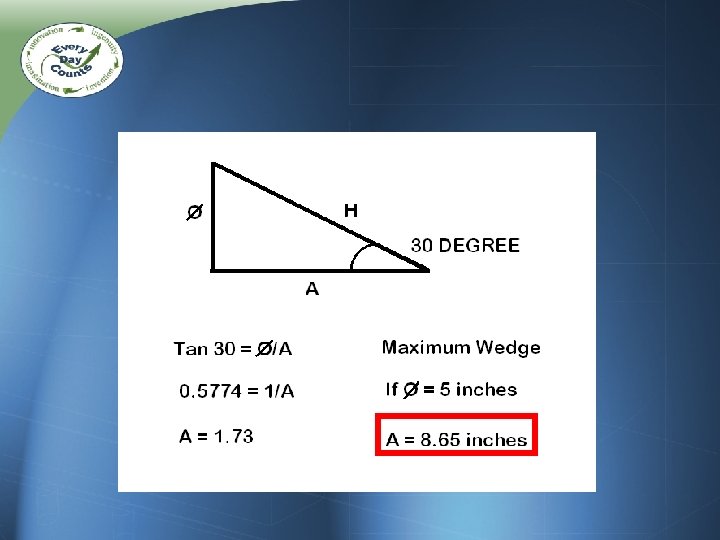
 Q. How much width does the wedge add?
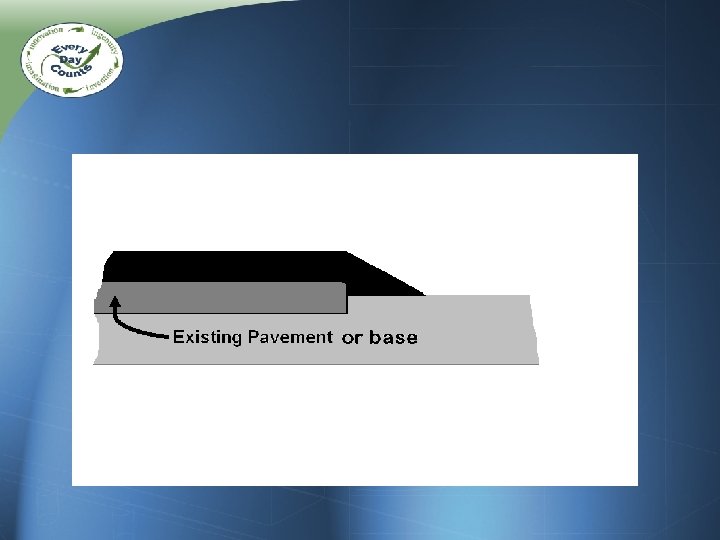
 Q. What happens when you come to a driveway? http: //fhwa. na 3. acrobat. com/sedriveways/
 Q. What happens when a future resurfacing project comes, will the pavement be much wider?
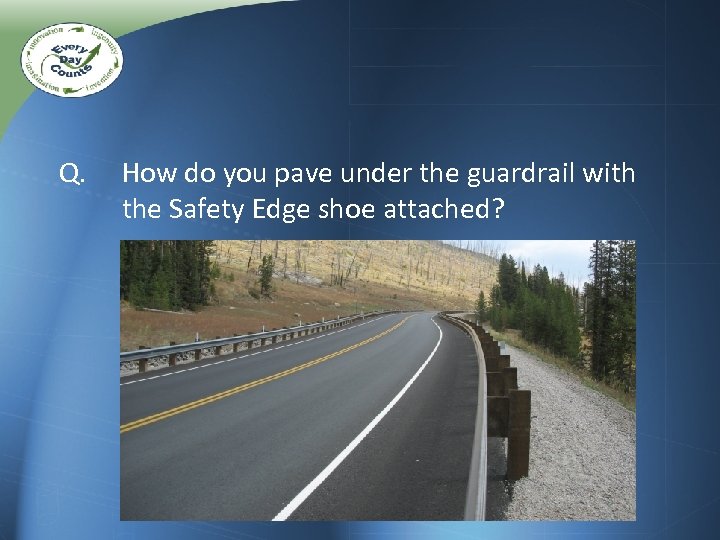 Q. How do you pave under the guardrail with the Safety Edge shoe attached?
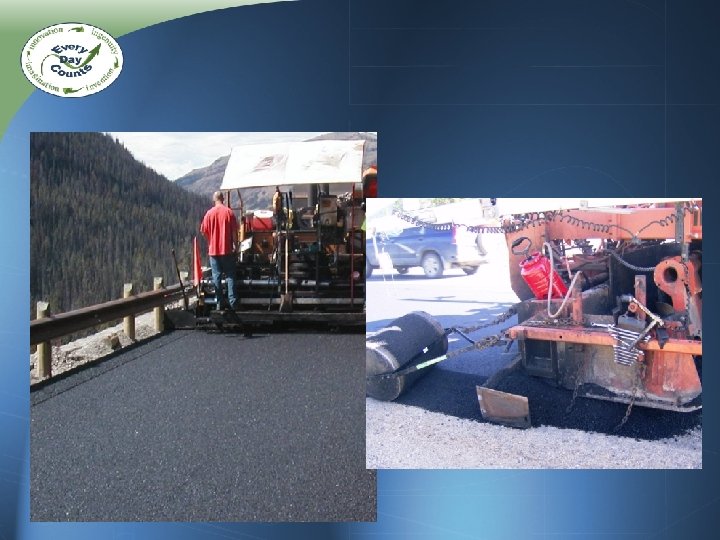
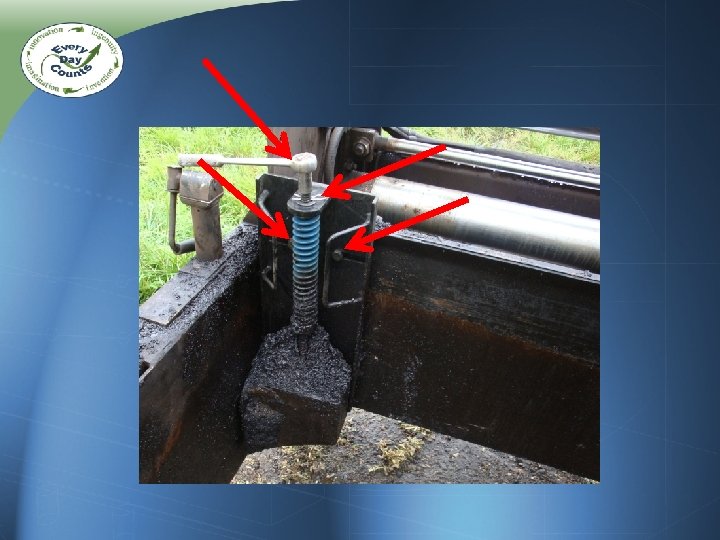
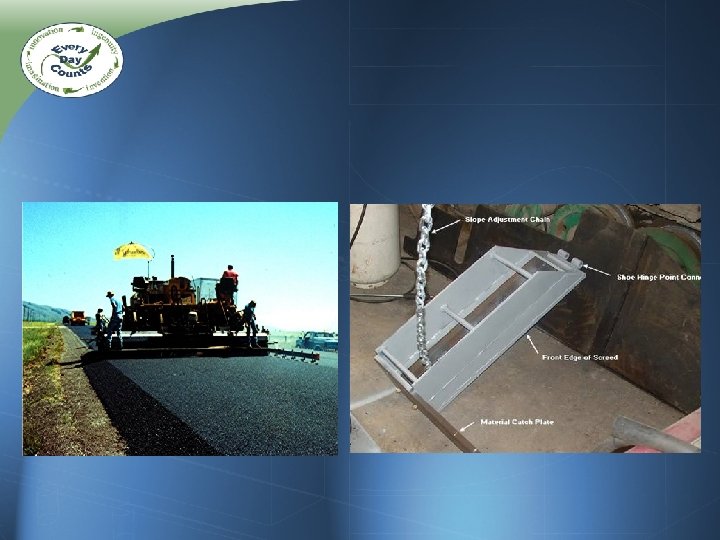
 Q. This looks to be simple. Can we make our own device, and how difficult is it to install the manufacturer’s shoe? http: //fhwa. na 3. acrobat. com/seshoeinstall/
 Q. When you are doing a project with double lifts, do you need the Safety Edge for both lifts? http: //fhwa. na 3. acrobat. com/seddlift/
 Every Day Counts Innovation Initiative Contact Information For training or more information on this Every Day Counts Initiative, please contact your local FHWA Division Office. To learn more about EDC, visit: http: //www. fhwa. dot. gov/everydaycounts