Скачать презентацию ASEXUAL REPRODUCTION ASEXUAL REPRODUCTION Asexual reproduction is
9 class Asexual reproduction.ppt
- Количество слайдов: 34
 ASEXUAL REPRODUCTION
 ASEXUAL REPRODUCTION Asexual reproduction is the production of offspring from a single parent by simple division.
 PROPERTIES OF ASEXUAL REPRODUCTION 1. There is the less variation among of offspring. 2. It is rapid and many offspring are formed.
 PROPERTIES OF ASEXUAL REPRODUCTION 3. All cells contain same hereditary information as the parent cell. 4. Asexual reproduction occurs by means of mitotic cell division. 5. There is only one parent organism.
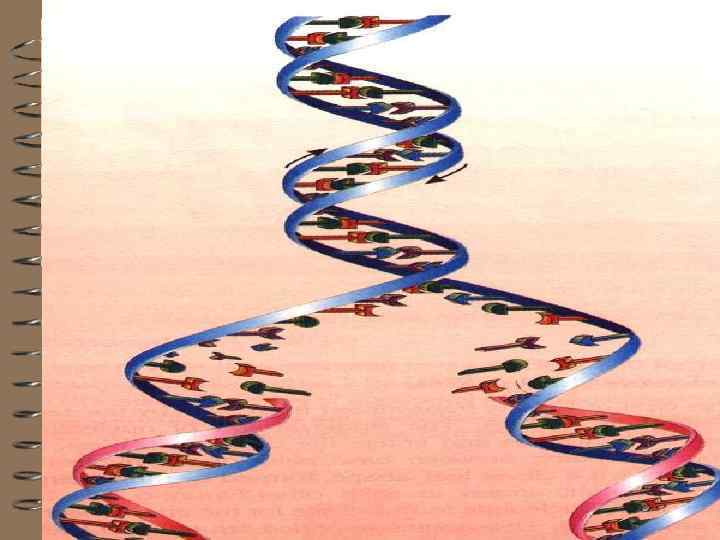
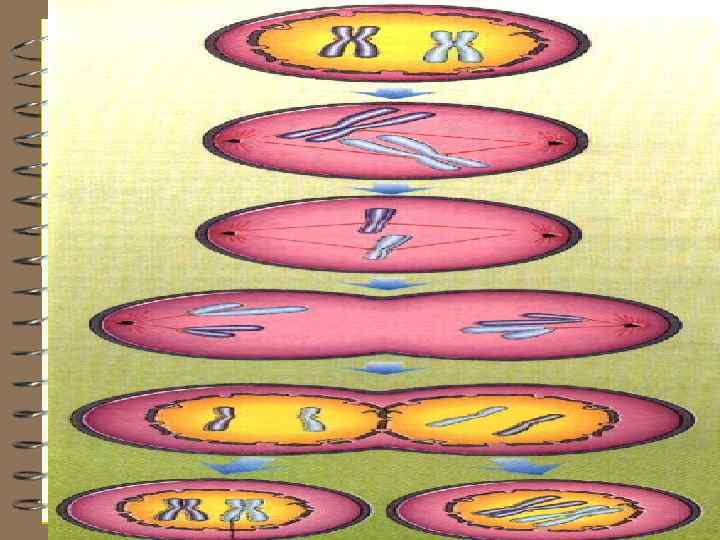
 Asexual reproduction is seen in unicellular organisms, some plants and simple animals.
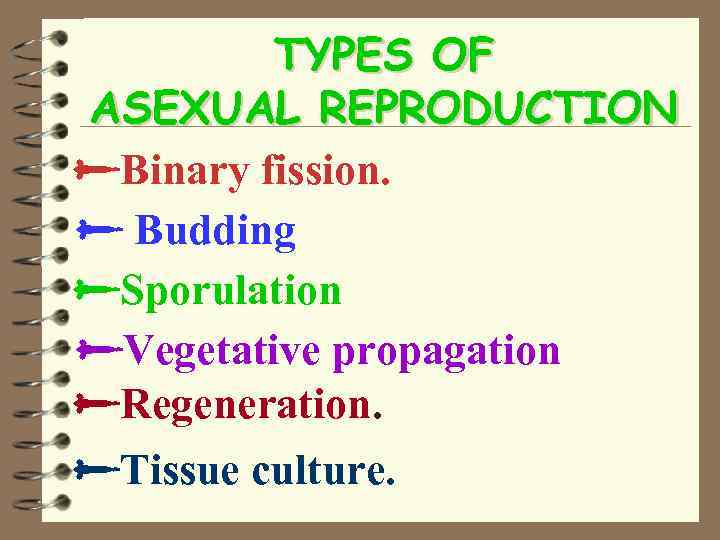 TYPES OF ASEXUAL REPRODUCTION Binary fission. Budding Sporulation Vegetative propagation Regeneration. Tissue culture.
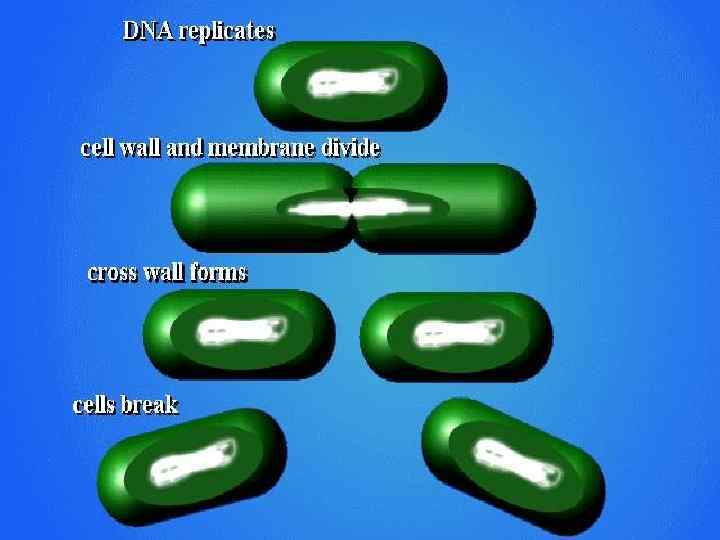
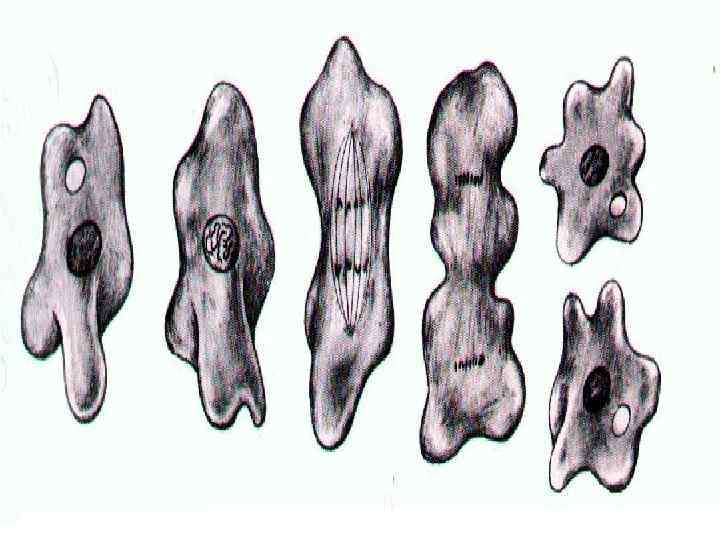
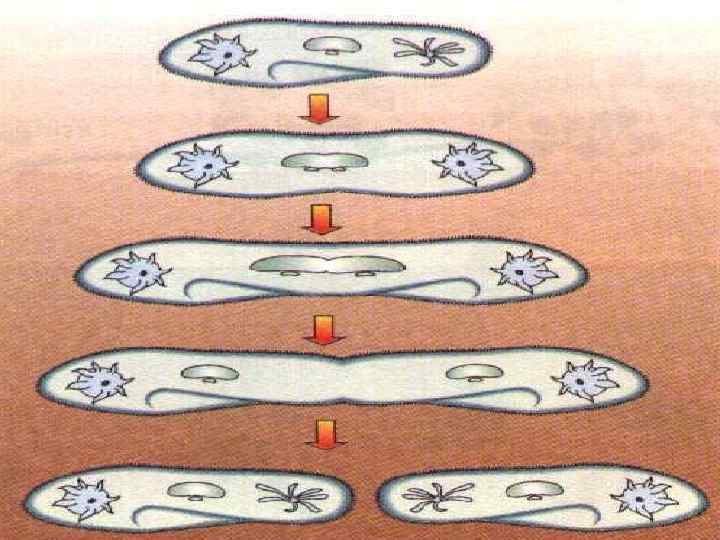
 The cell divides by amitosis or mitosis. The nucleus divides first, then the cytoplasm of the cell is separated.
 Binary fission is seen in bacteria, Amoeba, Paramecium and other unicellular organisms.
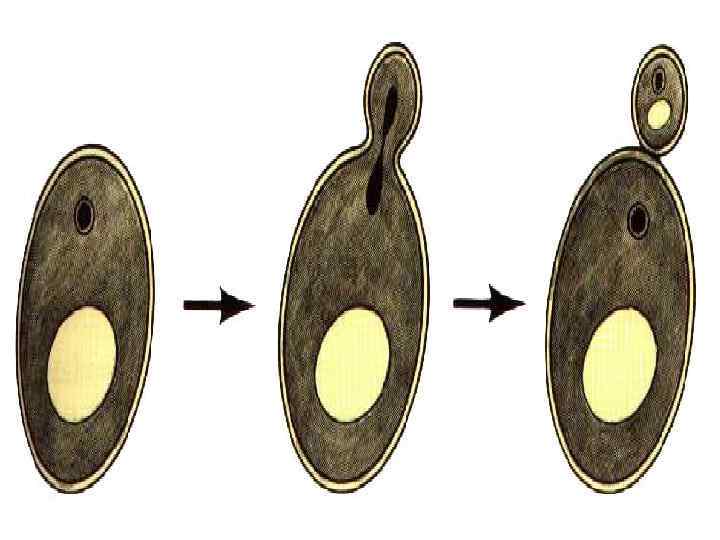
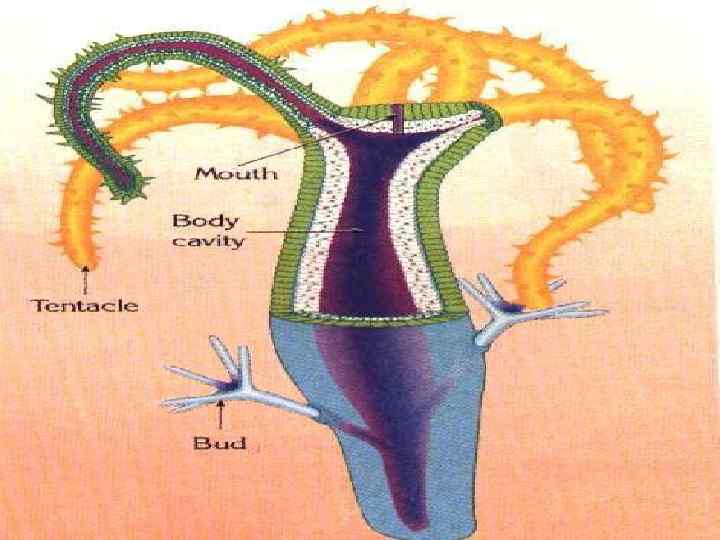
 BUDDING The cell or cells divide mitotically forming a bud on the parent organisms. And then bud separates from parents.
 Budding is seen in hydra, jellyfish, sponges and yeasts.

 SPORULAT ON Many plants produce specialized cells called spores. Each spore can produce a new organism. Spore is surrounded by special thick, hard cell wall.
 Spore formation is seen in some fungi, algae and protozoa.
 VEGETATIVE PROPOGATION Root, stem and leaves are called vegetative organs in plants. When they give rise to new plants this process is called vegetative reproduction.
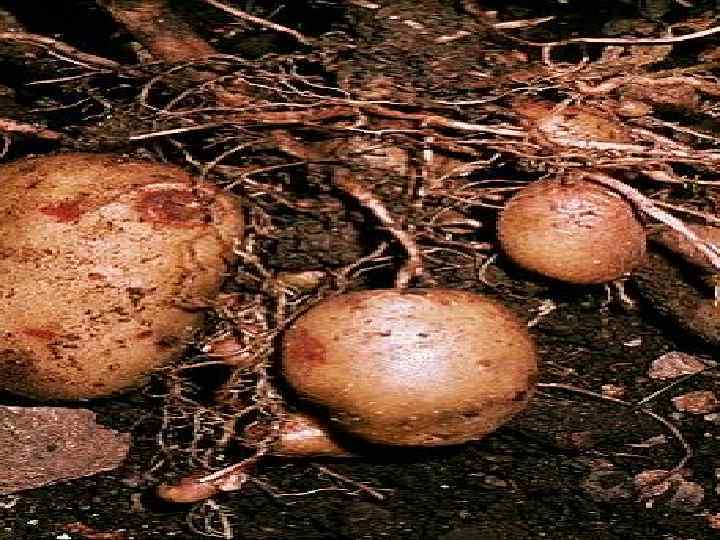
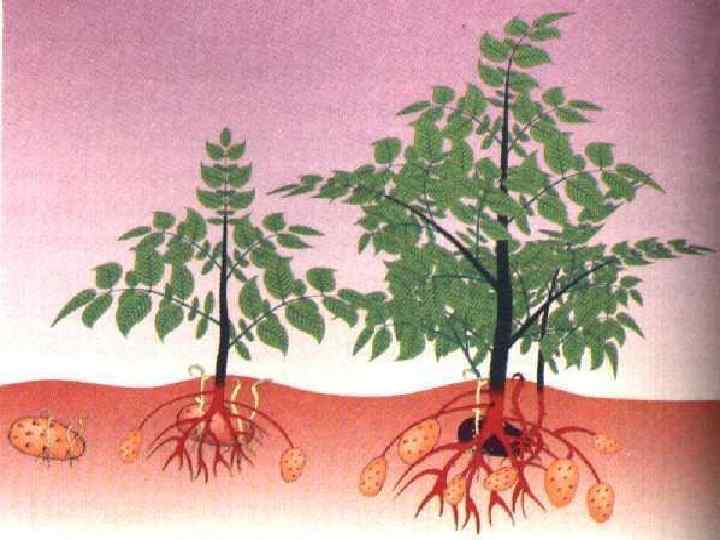
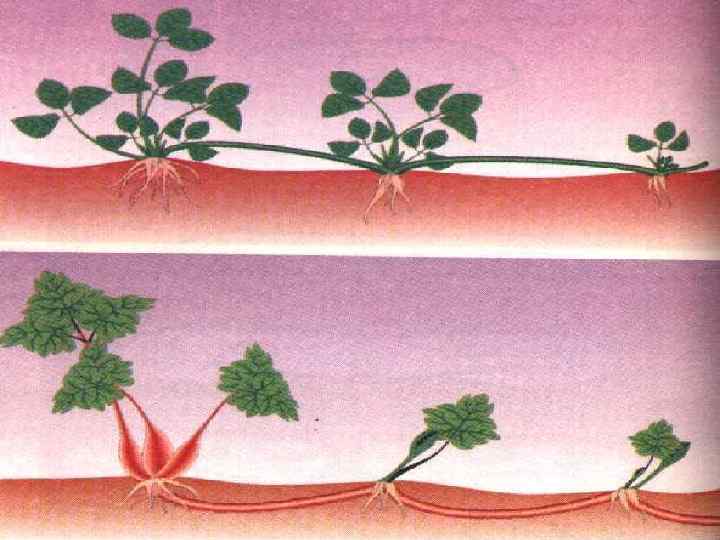
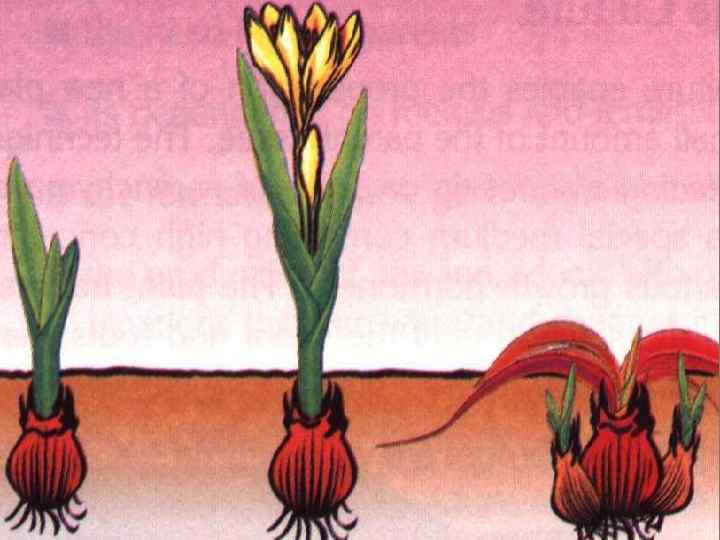
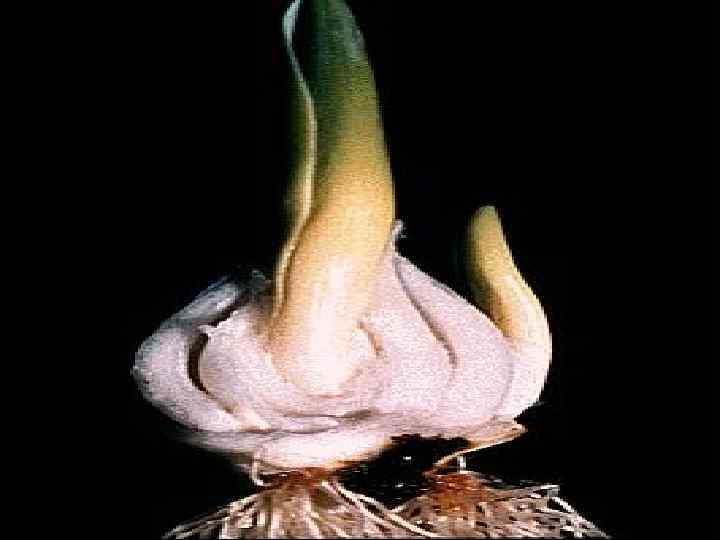
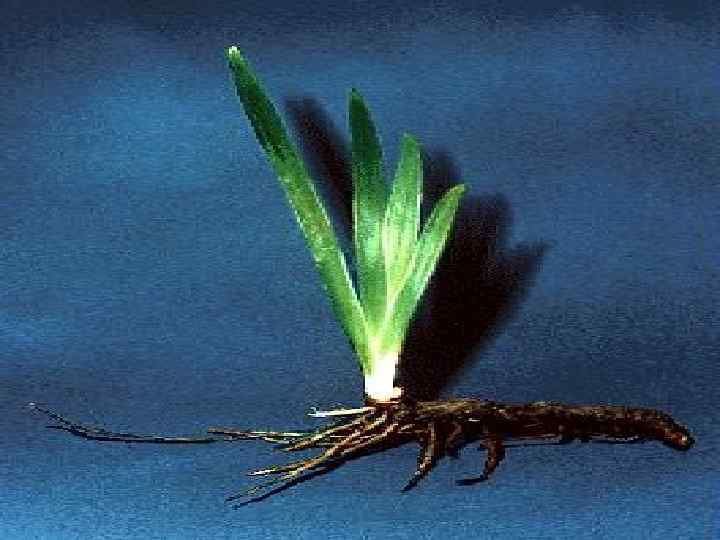
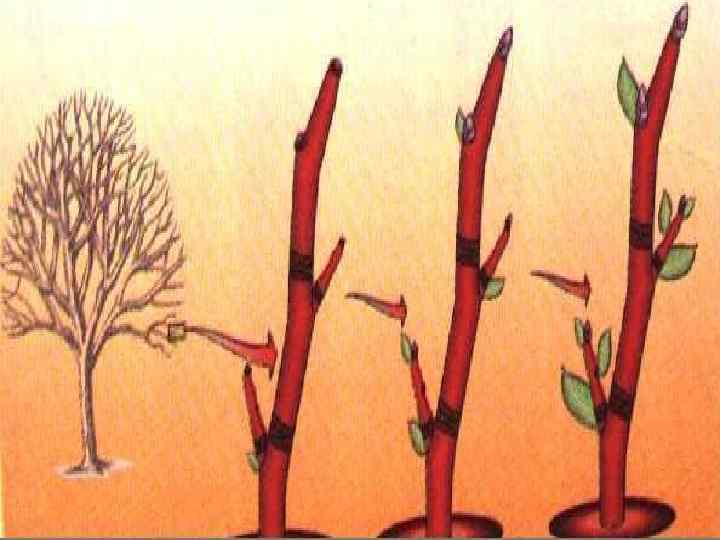
 REGENERATION Regeneration is the ability to regenerate a missing part is possible to varying extents in all organisms. Some organisms regenerate lost body part. EX: Crab, lizard and earthworm.
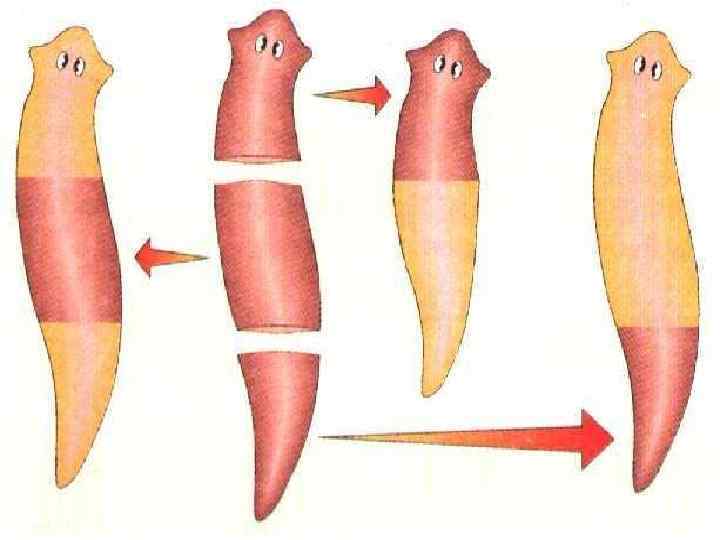
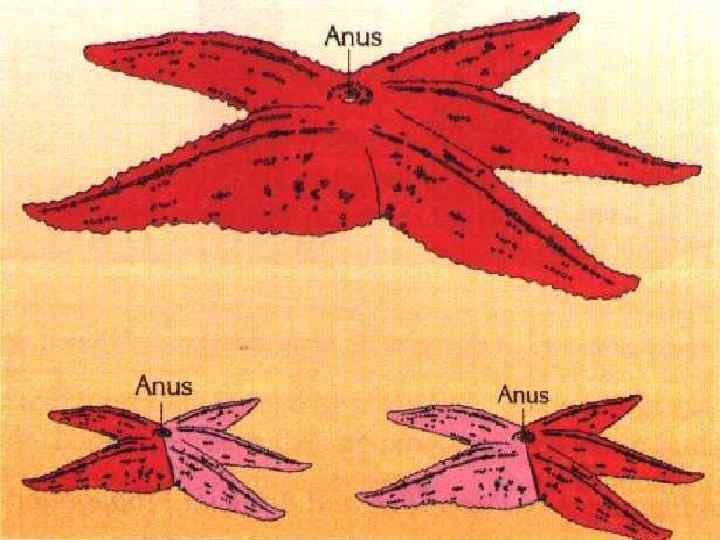
 EXAMPLES Planaria, hydra and starfish can reproduce by regeneration. If a hydra is cut in half, each of this will grow into a complete planaria.
 TISSUE CULTURE Tissue culture enables the propagation of a new organism from a small amount of the parent tissue.