 Скачать презентацию Art Therapy and Acquired Brain Injury Building Integrity
945e9d534fc6647facf6d7c05c830186.ppt
- Количество слайдов: 13




Art Therapy and Acquired Brain Injury: Building Integrity through Creative Self Expression Sally Sainsbury (BSc, Dip. TAT) Elizabeth Mudri (BA)
ART THERAPY AND ABI Rees (2005) notes that in cases of acquired brain injury, “Unless there is significant participation in carefully chosen activities, withdrawal, isolation and dependency can become characteristic and therefore reinforce negative behaviours in an allencompassing cycle of impulsivity, disinhibition, and stress-laden unawareness”.
ART THERAPY AND ABI “Some key contributions that art therapy can make to rehabilitation include; sensory experiences, symbolic expression, emotional expression, life enhancement, cognitive development and social connectedness. ” Van Lith, Fenner and Schfield (2010).
AIMS • Smith(2007)highlights how art can serve as an aid to rehabilitate sense of self, self esteem and social skills through group participation and self exploration • The focus is on the creative process, not the outcome • Facilitating and supporting psychological healing; guiding sense of identity, as a person with ABI • To redefine rehabilitation goals in the context of participants life values • Provide a positive distraction from individuals problems and perseverations
METHOD • 6 ninety minute sessions • 5 -9 participants per session, non-judgemental environment • Group facilitated by Speech Pathologist, Social Worker, with assistance from Occupational Therapy students and allied health students • Transpersonal approach to therapy • Sessions structure consists of myth, story poem, activity, reflections, debrief • “Drop in style”, to accommodate clients with other rehabilitation appointments at the time of the group
Case Study – Mickey G Social History: • 57 yo Italian male, ex-granite worker • Worker’s compensation injury • “House husband” for wife and three kids, including 7 yo twin boys with ADHD Medical history: • Right Pontine stroke 2008, left hemiparesis, TIA’s and other Interests: • Cooking group, bowls, bowling, fishing, woodwork LONG TERM GOAL: To spend as much time possible at home with his wife and kids
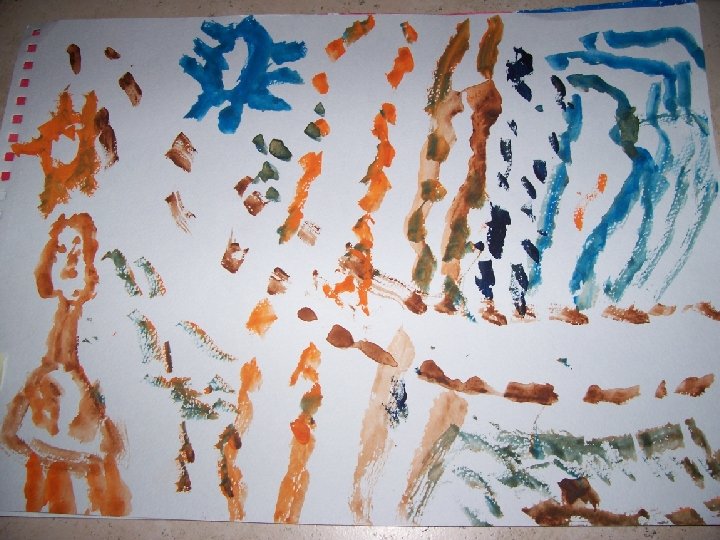
Session 4, 5, 6 - MASKS • Story: “I’m the prince with a beautiful princess” (Sophia Loren) • Fred and George: Fred is quiet, shy, plain/pale – George is vibrant, charismatic, colourful
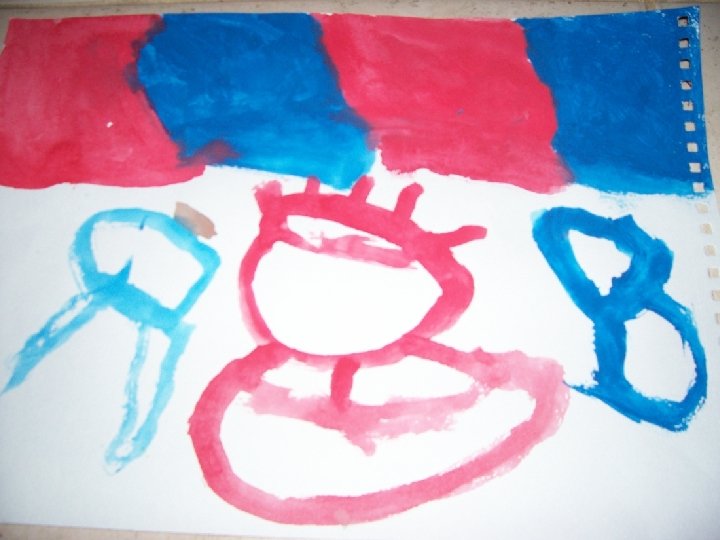
Session 2 – Head/Body Sculptures • Mickey G’s self portrait in dough…
OUTCOMES • Reflections from clients present ideas and their relationship with creative process, overcoming ABI symptoms - conscious and unconscious selfawareness and self- identity • Using stories, myths, poems, and engaging in reflections – creating positive identification with the reality of each participants’ pre morbid and current identities, relationships, experiences • Engagement created a social connectedness, rather than therapist/client relationship – trust and rapport transparent
Art Therapy allows an individual to express their individuality with integrity, rather than being the victim of an Acquired Brain Injury, to understand know THEIR OWN identity, rather than being modelled by their disability “YOUR BRAIN INJURY DOES NOT DEFINE WHO YOU ARE. YOU DEFINE WHO YOU ARE”
REFERENCES Rees, Roger (2005). Interrupted Lives; Rehabilitation & learning following brain injury. Victoria: IP Communications. Smith, C. (2007). Innovative rehabilitation after head injury: Examining the use of a creative intervention. Journal of Social Work Practice, 2(3), 297 -309. Van Lith, T. , Fenner, P. , & Schofield, M. (2010). Art Therapy in Rehabilitation. In J. H. Stone & M. Blouin (Eds. ), International Encylcopedia of Rehabilitation. Retrieved from http: //cirrie. buffalo. edu/encyclopedia/article. php? id=131&language=en

QUESTIONS?
Скачать презентацию Art Therapy and Acquired Brain Injury Building Integrity
945e9d534fc6647facf6d7c05c830186.ppt