



APPEALS Author: Shabay Abzal 2 g-7 -1
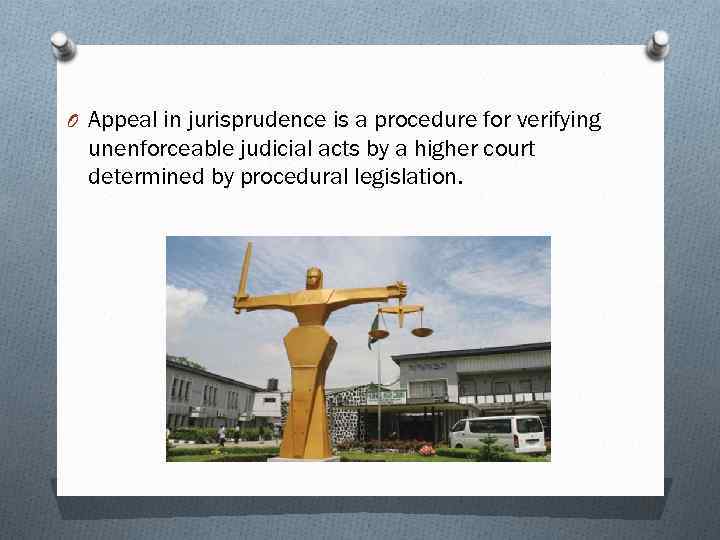
O Appeal in jurisprudence is a procedure for verifying unenforceable judicial acts by a higher court determined by procedural legislation.
Appellate tribunals are usually reluctant to overturn the decisions of lower tribunals on questions of fact even when they have the power to do so. Consequently, most of the argument is about legal errors allegedly committed at the trial.
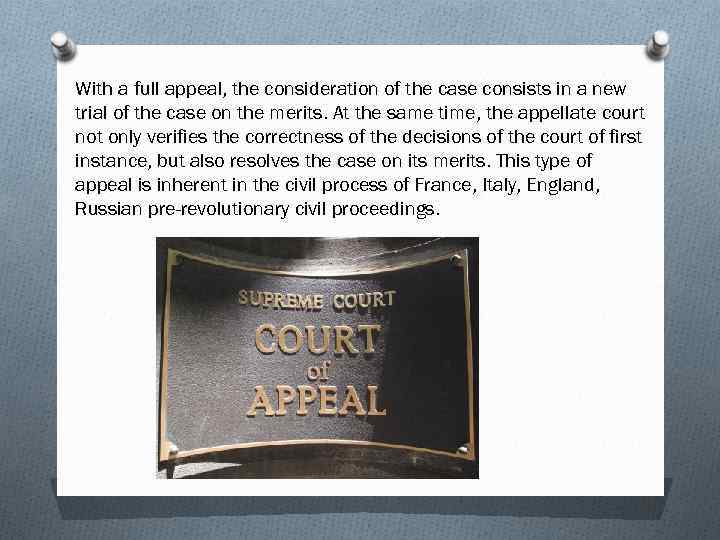
With a full appeal, the consideration of the case consists in a new trial of the case on the merits. At the same time, the appellate court not only verifies the correctness of the decisions of the court of first instance, but also resolves the case on its merits. This type of appeal is inherent in the civil process of France, Italy, England, Russian pre-revolutionary civil proceedings.
An appellate court, commonly called an appeals court, court of appeals (American English), appeal court (British English), court of second instance or second instance court, is any court of law that is empowered to hear an appeal of a trial court or other lower tribunal. In most jurisdictions, the court system is divided into at least three levels: the trial court, which initially hears cases and reviews evidence and testimony to determine the facts of the case; at least one intermediate appellate court; and a supreme court (or court of last resort) which primarily reviews the decisions of the intermediate courts. A jurisdiction's supreme court is that jurisdiction's highest appellate court. Appellate courts nationwide can operate under varying rules.
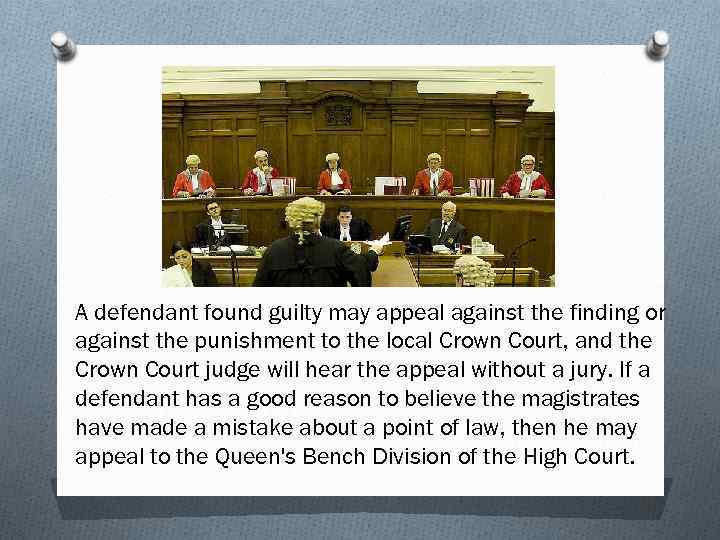
A defendant found guilty may appeal against the finding or against the punishment to the local Crown Court, and the Crown Court judge will hear the appeal without a jury. If a defendant has a good reason to believe the magistrates have made a mistake about a point of law, then he may appeal to the Queen's Bench Division of the High Court.
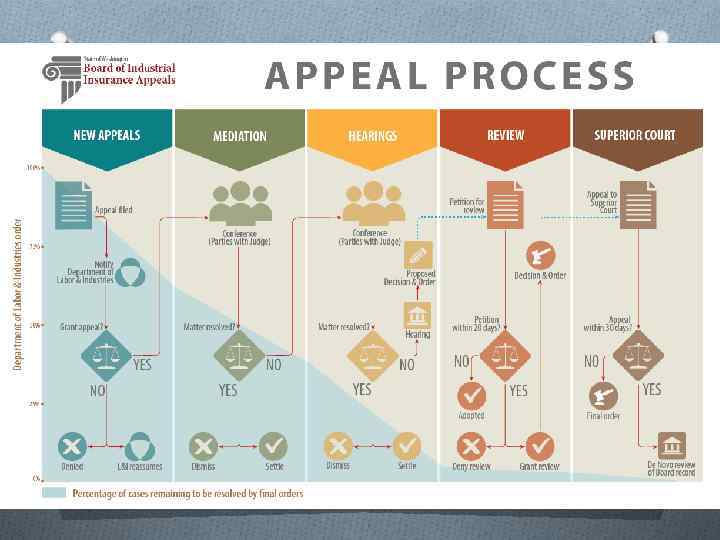
When considering cases on appeal, appellate courts generally affirm, reverse, or vacate the decision of a lower court. Some courts maintain a dual function, where they consider both appeals as well as matters of "first instance". For example, the Supreme Court of the United States primarily hears cases on appeal but retains original jurisdiction over a limited range of cases. Some jurisdictions maintain a system of intermediate appellate courts, which are subject to the review of higher appellate courts. The highest appellate court in a jurisdiction is sometimes referred to as a "court of last resort".
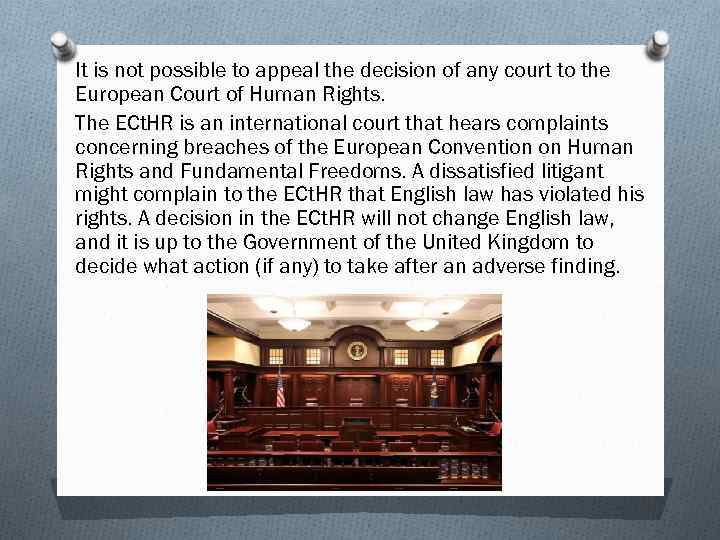
It is not possible to appeal the decision of any court to the European Court of Human Rights. The ECt. HR is an international court that hears complaints concerning breaches of the European Convention on Human Rights and Fundamental Freedoms. A dissatisfied litigant might complain to the ECt. HR that English law has violated his rights. A decision in the ECt. HR will not change English law, and it is up to the Government of the United Kingdom to decide what action (if any) to take after an adverse finding.

Thank you
