 Скачать презентацию Антропология визуального Николай Ссорин-Чайков Кембридж Rouch Jean
Антропология визуального 2,3.ppt
- Количество слайдов: 41




Антропология визуального Николай Ссорин-Чайков (Кембридж)
Rouch, Jean Jaguar 1955 -1967 1) миграция
Ferguson, James, ‘The Bovine Mystique: Power, Property and Livestock in Rural Lesotho’, Man no. N. S. , 1985, pp. 647 -674. Hart, Keith 1987. 'Rural-Urban Migration in West Africa' in Eades, Jeremy (ed. ) Migrants, Workers, and the Social Order. London and New York: Tavistock Publications. Mintz, Sidney, Sweetness and Power: The Place of Sugar in Modern History, New York: Viking, 1985. Rouse, Roger. Mexican Migration and the Social Space of Postmodernism // Diaspora. 1991. Vol. 1, №. 1. С. 8 -23. Wilson, Godfrey. An essay on the economics of detribalization in Northern Rhodesia, Livingstone: Rhodes-Livingstone Institute, 1941. Wilson, Godfrey, & Monica Hunter Wilson. The analysis of social change: based on observations in Central Africa, Cambridge: Cambridge University Press, 1945.
Ривс, М, ‘По ту сторону экономического детерминизма: микродинамика миграции из сельского Кыргызстана’, Неприкосновенный запас vol. 4, no. 66, 2009 Ривс, Мадлен, ‘Миграция, маскулинность и трансформация социального пространства в долине Соха, Узбекисиан’, Этнографическое обозрение no. 4, 2012, pp. 32 -50. Dzenovska, Dace, ‘Historical agency and the coloniality of power in postsocialist Europe’, Anthropological Theory vol. 13, no. 4, 2013, pp. 394 -416.
Hannerz, Ulf 1992. 'Notes on the Global Ecumene'. Public Culture, 1989 (1) • ‘We all live now in a global ecumene’ • Programmatic statement about the anthropology of globalisation refs to: • Kroeber, Alfred L. 1945. 'The ancient Oikoumene as an historic culture aggregate'. Journal of the Royal Anthropological Institute, 75 • Kroeber, Alfred L. 1948. Anthropology. New York: Harcourt, Brace. • ‘Global ecumene as network of networks’ • Networks of perspectives (cf. Boas on relativism) 2
No single vector of cultural influence • Many centres, competing centres • Flows from periphery to centres (cf. Caribbean music) • “As the world turns, today’s periphery may be tomorrow’s center” 4
Material vs cultural asymmetries • How closely aligned are asymmetries of culture w/ those of the economy, politics, or military power? • How do center/periphery relationships affect structures of meaning & cultural expression? [note what he means by culture] 5
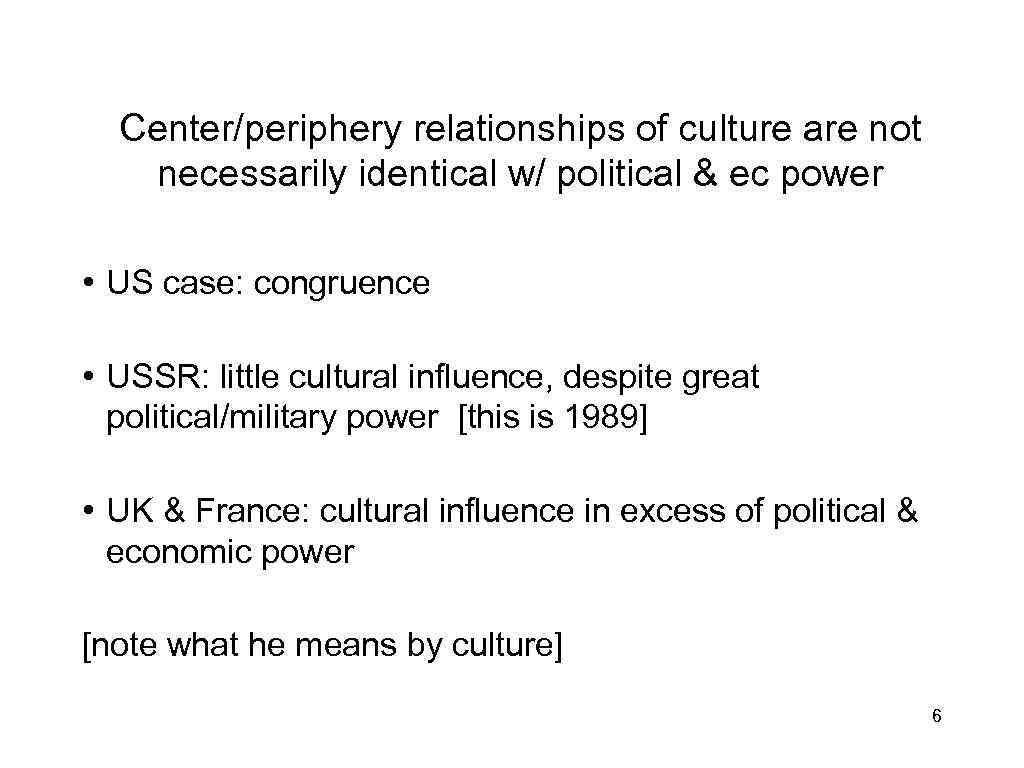
Center/periphery relationships of culture are not necessarily identical w/ political & ec power • US case: congruence • USSR: little cultural influence, despite great political/military power [this is 1989] • UK & France: cultural influence in excess of political & economic power [note what he means by culture] 6
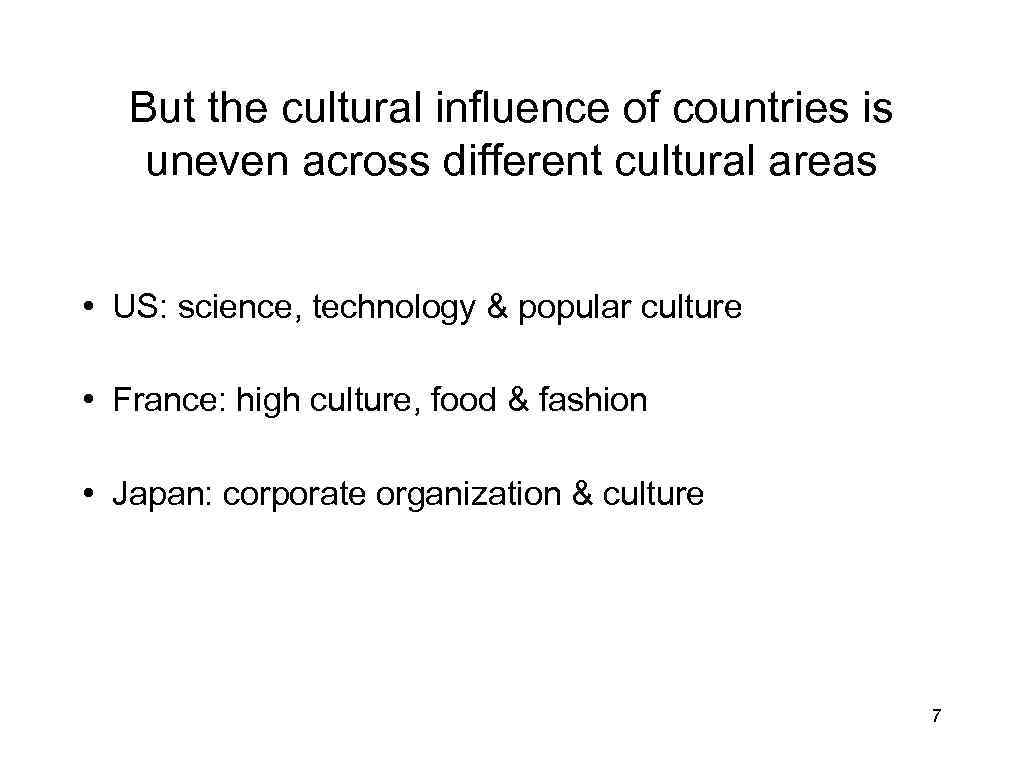
But the cultural influence of countries is uneven across different cultural areas • US: science, technology & popular culture • France: high culture, food & fashion • Japan: corporate organization & culture 7
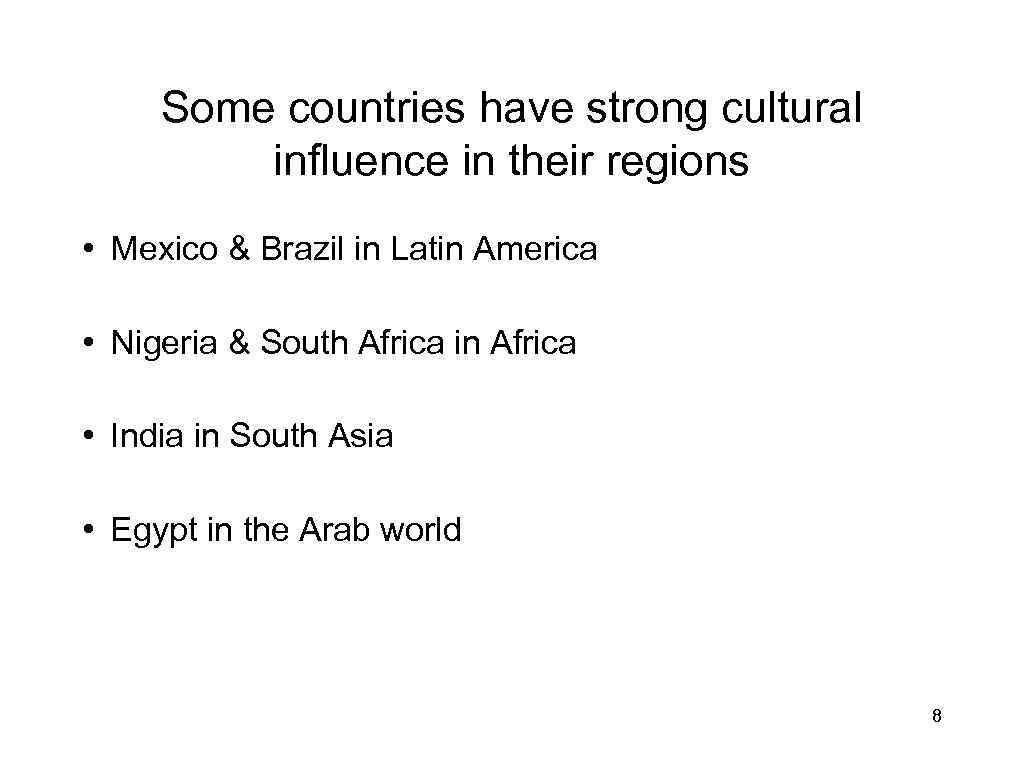
Some countries have strong cultural influence in their regions • Mexico & Brazil in Latin America • Nigeria & South Africa in Africa • India in South Asia • Egypt in the Arab world 8
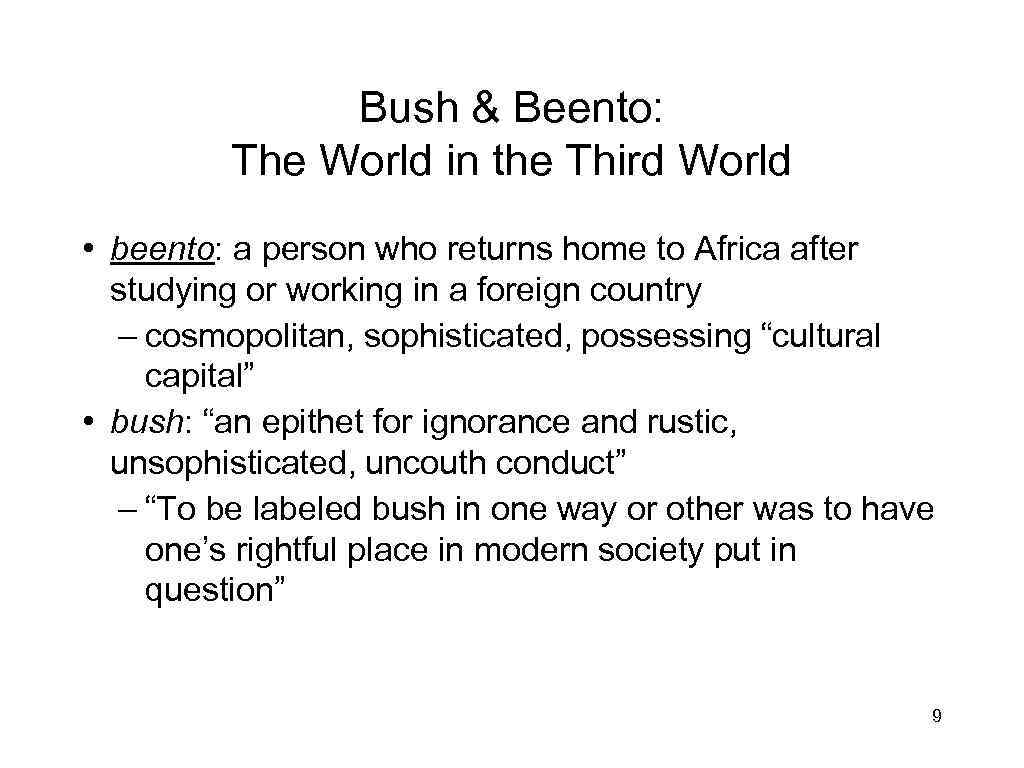
Bush & Beento: The World in the Third World • beento: a person who returns home to Africa after studying or working in a foreign country – cosmopolitan, sophisticated, possessing “cultural capital” • bush: “an epithet for ignorance and rustic, unsophisticated, uncouth conduct” – “To be labeled bush in one way or other was to have one’s rightful place in modern society put in question” 9
Metropoles like NYC, London, Paris, Miami act like “centers” of national cultures of periphery • diaspora produce & disseminate culture (literature, art, film, music) – diaspora: dispersion of people sharing common ethnic identity • exiles find asylum • dissidents organize opposition to home regimes • technocrats and professionals gain skills to bring back to their home countries 10
Creolization & innovation • The transnational cultural flow, by giving the periphery access to a wider cultural inventory, provides new resources of technology and symbolic expression to recombine with local cultural forms – to perform innovative acts of cultural brokerage 11
A Creolizing World: Summary • Autonomy & boundedness of cultures is a matter of degree • Distribution of culture is affected by a structure of asymmetrical center/periphery relationships • These relationships affect cultures, to different degrees, in 2 ways: – By shaping the material and power conditions to which cultures adapt – Through the influx of initially alien meanings & cultural forms • That influx does not enter into a vacuum, or “clean slate, ” but into various kinds of interaction w/ already existing meanings & forms • The transnational cultural flow is internally diverse • Market, state, form of life, and movement frameworks for the organization of cultural flow all have their own ways of organizing • Not all cultures are local, in the sense of being territorially bounded • There may be no overall global “homogenization” of culture going on. 12
Arjun Appadurai (1996) Modernity at Large Flows rather than isolated units De-territorialisation Disjuncture, tension, partial overlap • “[global flows] occur in and through the growing disjunctures among ethnoscapes, technosapes, financescapse, mediascapes, and ideoscapes”
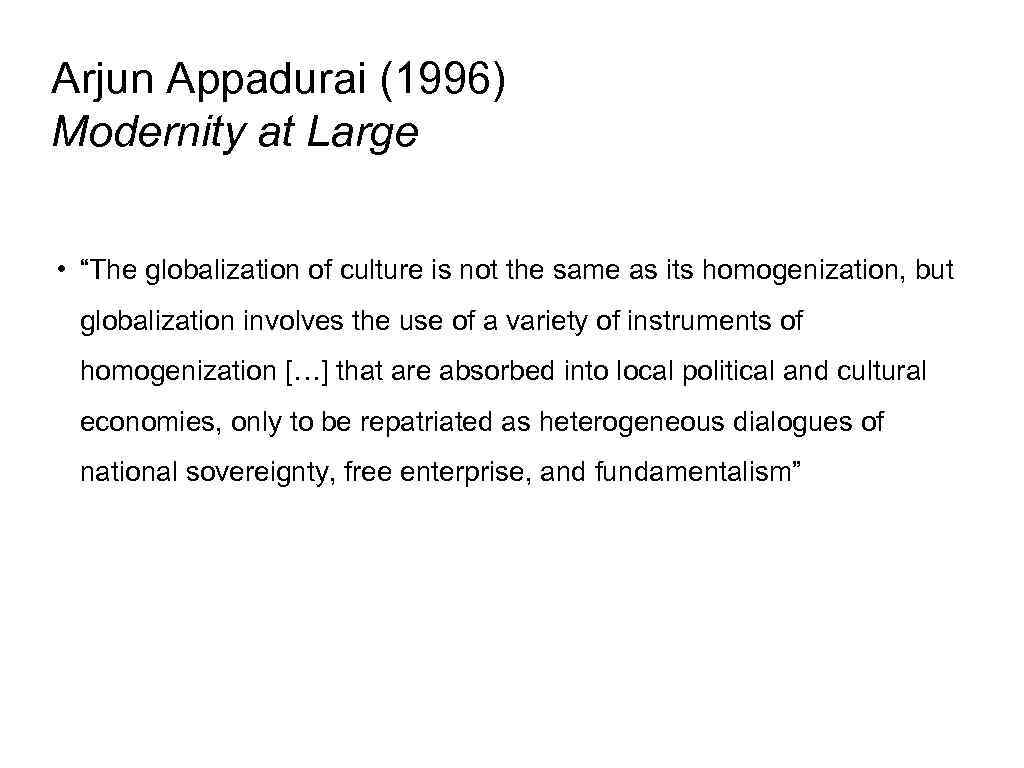
Arjun Appadurai (1996) Modernity at Large • “The globalization of culture is not the same as its homogenization, but globalization involves the use of a variety of instruments of homogenization […] that are absorbed into local political and cultural economies, only to be repatriated as heterogeneous dialogues of national sovereignty, free enterprise, and fundamentalism”
ethnoscape • From ethnic groups to ethnoscapes • Diaspora studies 15
financescapes Abolition of the gold standard (USA 1971) Loss of the ‘real signified’ for currency Value determined by currency trade • Chris Gregory Savage Money • David Harvey The Condition of Postmodernity 18

mediascapes • TV • Newspapers, magazines • internet 19
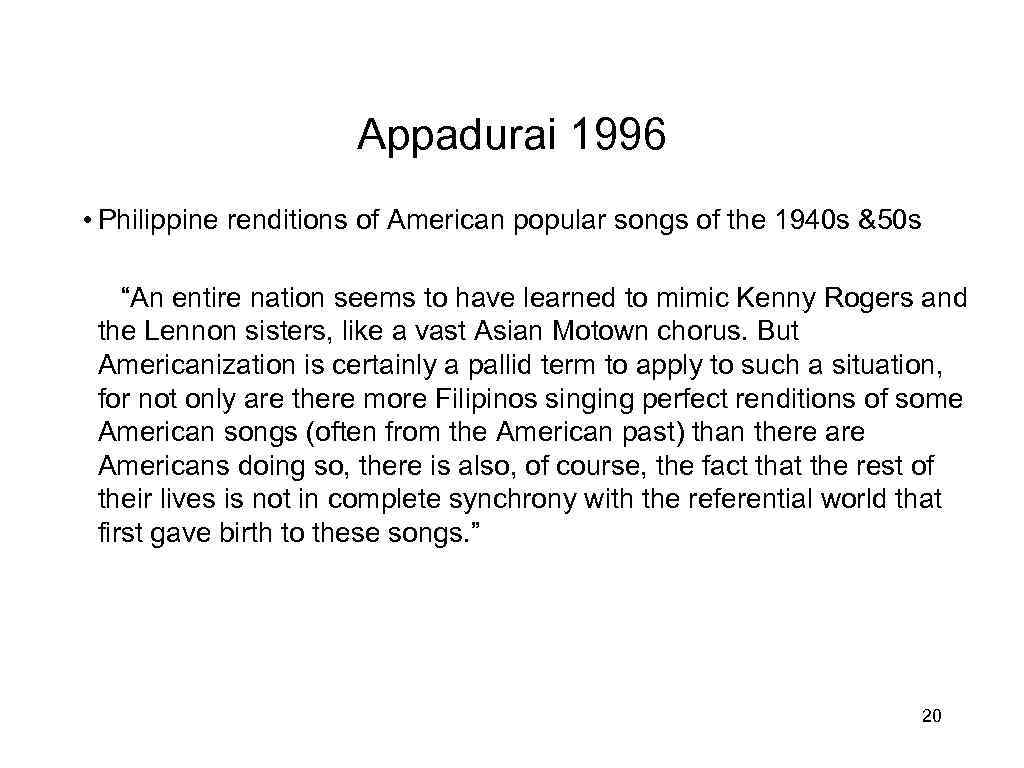
Appadurai 1996 • Philippine renditions of American popular songs of the 1940 s &50 s “An entire nation seems to have learned to mimic Kenny Rogers and the Lennon sisters, like a vast Asian Motown chorus. But Americanization is certainly a pallid term to apply to such a situation, for not only are there more Filipinos singing perfect renditions of some American songs (often from the American past) than there are Americans doing so, there is also, of course, the fact that the rest of their lives is not in complete synchrony with the referential world that first gave birth to these songs. ” 20
Philippine renditions of American popular songs of the 1940 s &50 s • Not nostalgia for Phillipino past • Not nostalgia for American past • "nostalgia for the present” (Frederic Jameson) 21

Rouch, Jean Jaguar 1955 -1967 2) метод
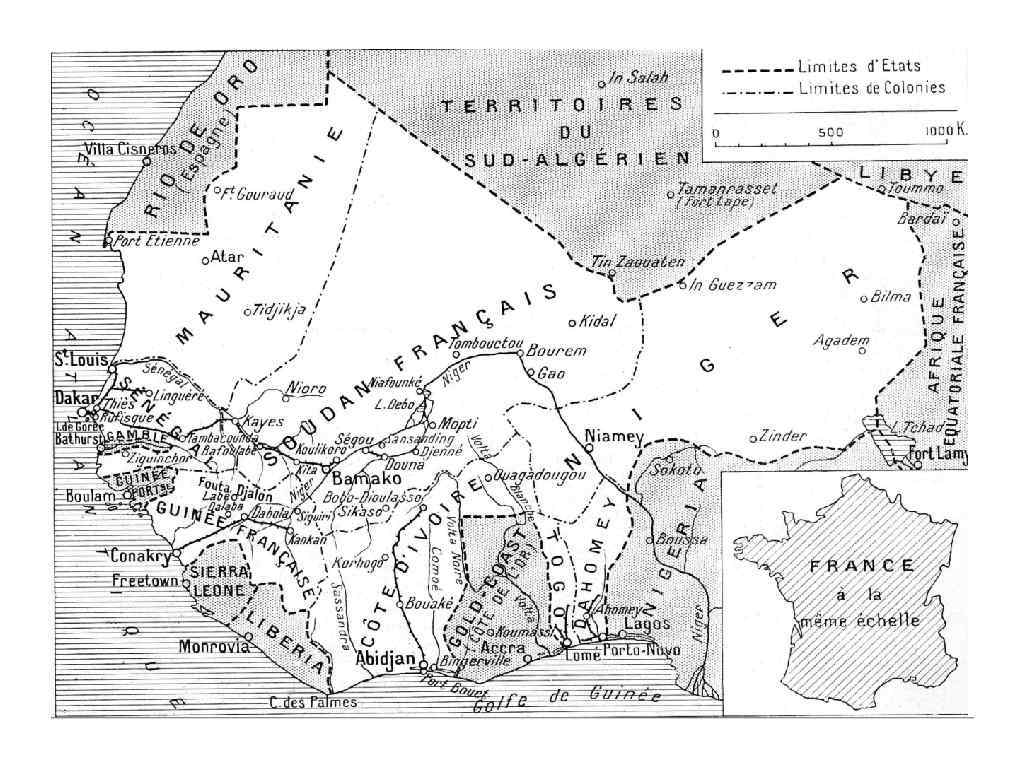
Jean Rouch (31 May 1917, Paris - 18 February 2004, Niger) French filmmaker and anthropologist. Arriving in Niamey as a French colonial hydrology engineer in 1941, Rouch became interested in Zarma and Songhai ethnology and began to film local people and their rituals. In the 1940 s he met Damouré Zika the son of a Songhai/Sorko traditional healer and fisherman, near the town of Ayorou on the Niger River. After ten Sorko workers in a construction depot which Rouch supervised were killed by a lightning strike, Zika's grandmother, a famous possession medium and spiritual advisor, presided over a ritual for the men, which Rouch later claimed sparked his desire to make ethnographic film. During the 1950 s, Rouch began to produce longer, narrative films. In 1954 he filmed Damouré Zika in "Jaguar", as a young Songhai man traveling for work to the Gold Coast. Filmed as a silent ethnographic piece, Zika helped re-edit the film into a feature length movie which stood somewhere between documentary and fiction, and provided dialog and commentary for a 1969 release.
Rouch's films mostly belonged to the cinéma vérité school – a term that Edgar Morin used in a 1960 France-Observateur article referring to Dziga Vertov's Kinopravda. His best known film, one of the central works of the Nouvelle Vague, is Chronique d'un été (1961) which he filmed with sociologist Edgar Morin and in which he portrays the social life of contemporary France.
Вертов, Зига Человек с киноаппаратом (1929) мин. 18. 30 - 24. 00
Jean Rouch: the filmmaker-observer, while recording these phenomena, both unconsciously modifies them and is himself changed by them; then how, when he returns and plays back the images, a strange dialogue takes place in which the film’s “truth” rejoins its mythic representation. [On the Vicissitudes of the Self: The Possessed Dancer, the Magician, the Sorcerer, the Filmmaker, and the Ethnographer (86 -87)]
One of the central myths of Nigerien political culture is that of Dongo, the mercurial thunder god, who is like the countryside of Niger: hard and unforgiving. When Dongo emerges in the primordial past he willfully burns villages, destroys crops and kills human beings. Faced by this celestial threat, Faran Maka Boté, the first praise singer to the spirits, intercedes and asks Dongo, the epitome of political hardness, for mercy. Dongo gives Faran the following choice: submit and coexist, fl ee, or die. The myth establishes that the king (of the sky) has control of supernatural elements— vitality—that he will use unfl inchingly to burn, kill, and subjugate his subjects and consume the spoils. [Paul Stoller]
Sonni Ali Ber (1464– 91) used this very formula to free Songhay from the Kingdom of Mali to establish the Songhay Empire. Reputedly the greatest sorcerer of his day, Sonni Ali Ber was putatively capable of transforming himself into a vulture. From the sky, he surveyed his dominion and planned his attacks, which were murderously vicious. Like Dongo, he killed anyone who tried to resist him and then burned and pillaged the conquered villages, leaving in his wake a dust cloud of fear that did not dissipate. In this way, the power of Songhay expanded exponentially. Sonni Ali Ber’s successor, Askia Mohammed Touré, used Islam as well as his magical capacities to dominate his subjects.
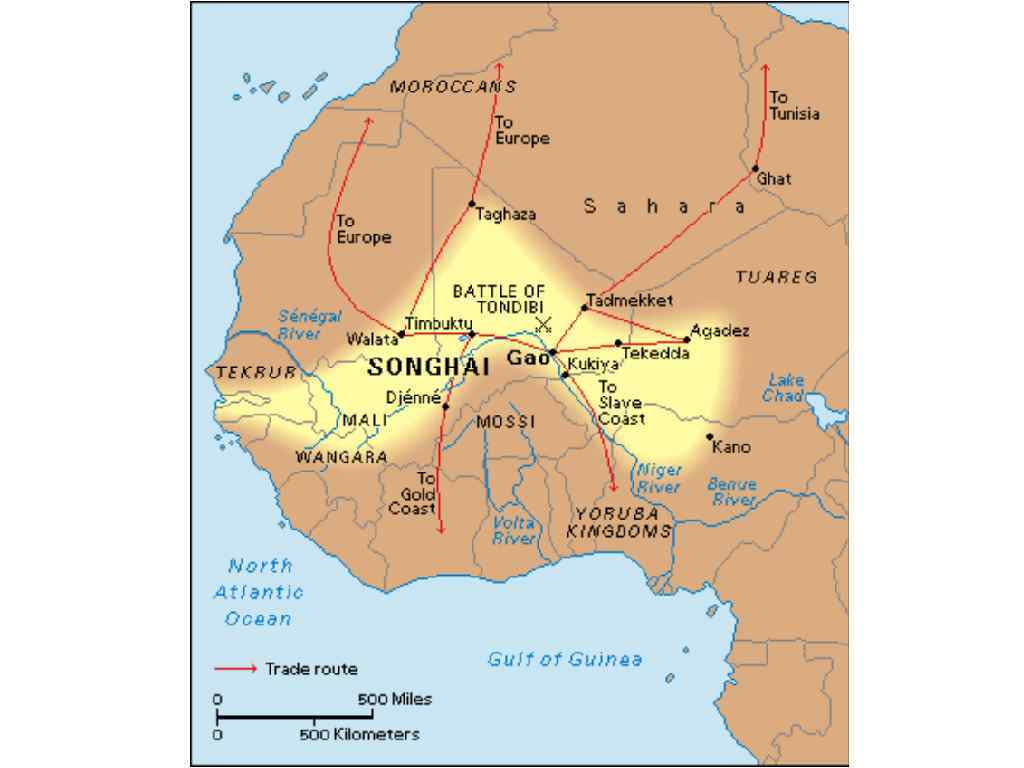
From the fall of the Songhay Empire in 1591 until the arrival of the French Expeditionary Forces during the last decade of the nineteenth century, there was a power vacuum in what is today the Republic of Niger. In the wake of the Songhay Empire there arose numerous chieftaincies and principalities that engaged in what the French call —quite wonderfully— guerre intestin, internecine war.
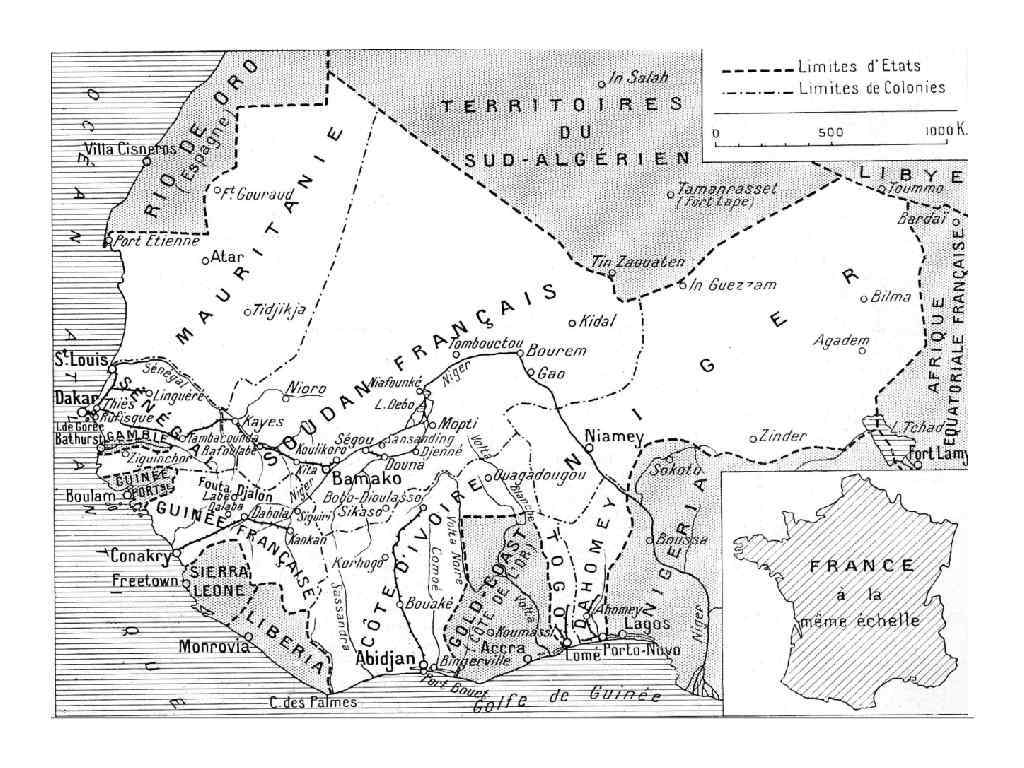
By the turn of the twentieth century the French Army had fi lled this power vacuum. In their relentless military campaigns, they fi red their pistols, rifles, and canons with as much brutal force as the mythical Dongo. Consider the early military record of the French Expeditionary Forces. In 1898 the French colonial authorities formed the infamous Voulet- Chanoine column, which pillaged its way through western and southern Niger, eventually defeating the Hausa army of Zinder as well as that of the Kel Elway Tuareg. Eventually the Voulet-Chanoine column joined another French Army column to engage and defeat Rebeh of Bornu, a feat that enabled the French to create in 1900 the Third Military Territory of Niger.
At the end of the era of French pacifi cation in Niger (circa 1915), what cultural attributes did anasaarey (Europeans) have in the eyes of the pacifi ed? It can be reasonably assumed that Europeans were considered soldiers (sodjé). Soldiers took what they wanted: food and porters—spoils. Soldiers imposed discipline through terror: they fi ned, imprisoned, or executed those who disobeyed them. Soldiers were tough, merciless men who lacked courtesy and respect. And they were feared. This folk portrait of the French colonial soldier is curiously similar to that of Dongo and his relations with Faran Make Boté.
The dire need to submit and find a way to coexist with the French may have triggered the Hauka movement in 1925. In western Niger, it emerged when the Songhay Empire consolidated under the tough rule of Askia Mohammed Touré. When the French ended hundreds of years of guerre intestin by terrorizing Nigeriens between 1898 and 1915, they set up in 1922 the Colony of Niger. They were “hard” soldiers who controlled firepower—a hard kind of vitality. In this sociopolitical context new spirits emerged in Tondigandia in Niger. Hausa people called them babulé (Europeans). Songhay people called them hauka, which in Hausa means “crazy or mad. ”
![[t]he Babulé begins during the 1925 harvest following the return to the village of](https://present5.com/presentation/18337882_283313002/image-37.jpg "[t]he Babulé begins during the 1925 harvest following the return to the village of")
[t]he Babulé begins during the 1925 harvest following the return to the village of a woman called Shibbo who had lived in a neighboring region. There, she had been “attacked” by the “Europeanne, ” a female spirit of the brand new Babulé family, and she returned along with a few mediums of these new spirits as well as with musiciangriots who knew their melodies and their demands. In one month the movement was organized under the guidance of Shibbo-the-Europeanne. About 100 people, considered as soldiers, formed a collectivity under the authority of a general staff that copied the French military hierarchy. The Europeanne ordered the manufacture of rifles: the blacksmiths were capable only of reproducing the form and only the bayonet was usable. During the day the men and women, who had abandoned the harvest after Shibbo’s return, went to the bush to train for guerrilla war. Guard duty was organized, and lookouts were assigned positions in the village. Every evening there was a spirit possession dance during which the Babule came to hunt witches [Nicole Echard, cited by Soller]
Jean Rouch and mimesis • 1955: Les Maîtres Fous (The Mad Masters) Hauka: spirit possession • Possessed by European characters (colonial officers, engineers, governors, famous explorers) • Appeared in Niger in 1920 s and spread to Golden Cost (Ghana) 26
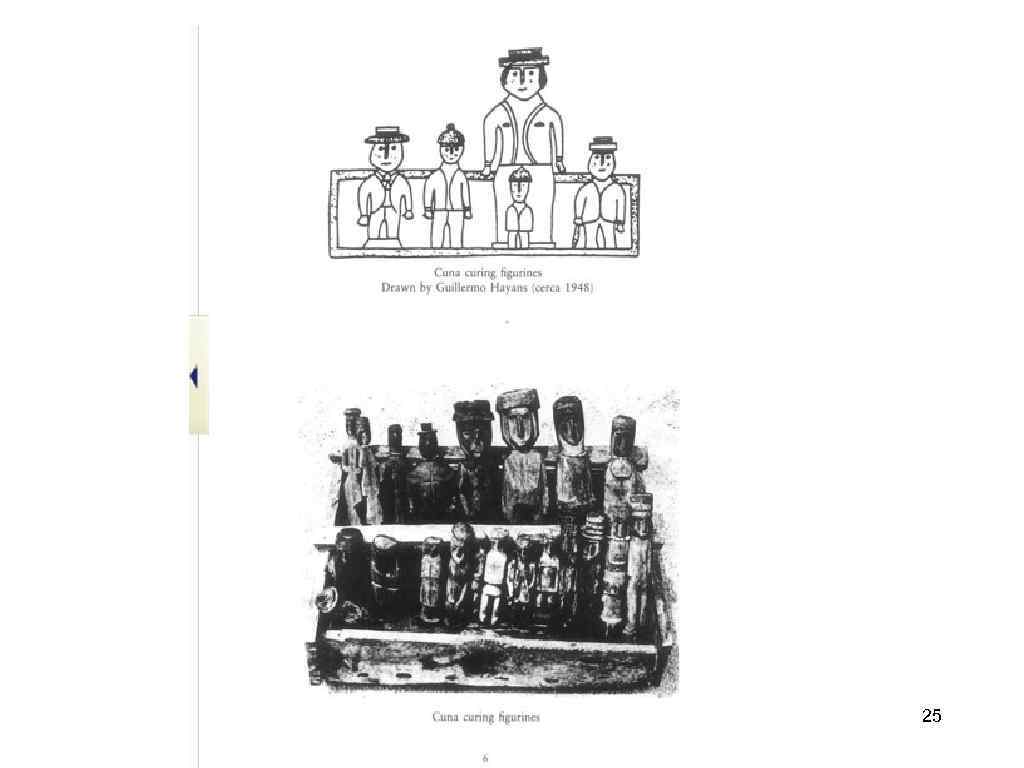
25
• Taussig, Michael T. 1993. Mimesis and alterity: a particular history of the senses. New York: Routledge. Imitation: • not worshiping the powerful Other • but influencing it, exercising power over the Other. • Mockery • Resistance • Frazer, James George 1900. The golden bough: a study in magic and religion. London and New York: Macmillan (Vol. I Ch. 3 ‘Sympathetic Magic’) 27
NSC: Benjamin: “art at the age of mechanical reproduction” Damoré Zika, cinema verite
Скачать презентацию Антропология визуального Николай Ссорин-Чайков Кембридж Rouch Jean
Антропология визуального 2,3.ppt