 Скачать презентацию Antimicrobial Drugs Abdulina G A Ehrlich s Magic
Antibiotics.ppt
- Количество слайдов: 59



Antimicrobial Drugs Abdulina G. A.
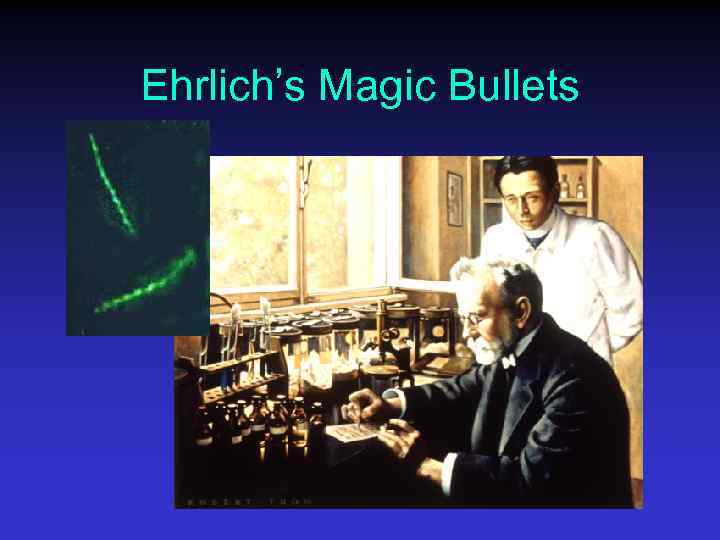
Ehrlich’s Magic Bullets
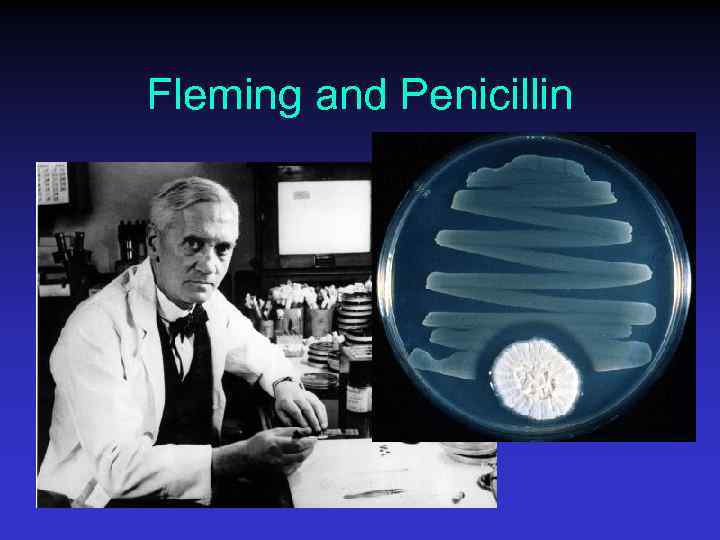
Fleming and Penicillin
Criteria for Evaluating Antimicrobial Drugs • Microorganisms should not readily become resistant to the drug. • The drug should not produce hypersensitivity (allergy) in most hosts • The drug demonstrate selective toxicity • A drug must be soluble in body fluids so that it can rapidly penetrate
Antibiotic/Antimicrobial • Antibiotic: Chemical produced by a microorganism that kills or inhibits the growth of another microorganism • Antimicrobial agent: Chemical that kills or inhibits the growth of microorganisms
Mechanisms of Antimicrobial Action – Cell wall formation – Protein synthesis – DNA replication – RNA synthesis – Synthesis of essential metabolites
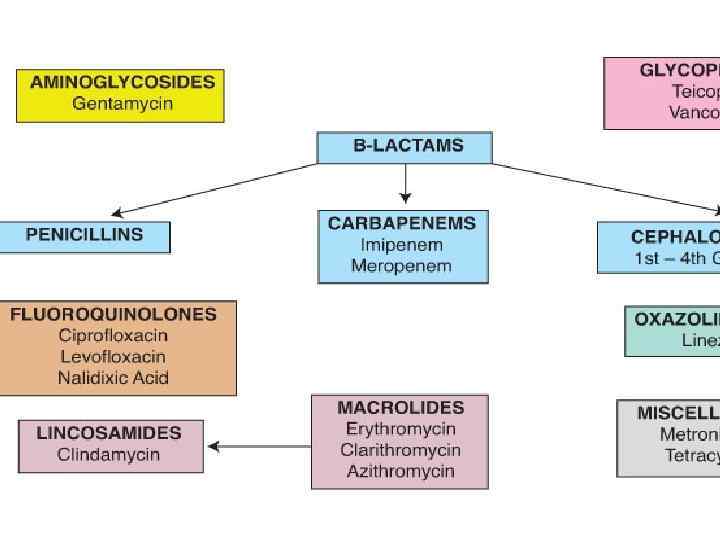
Inhibit bacterial cell wall synthesis • 1. B-lactam antibiotics a. Penicillins b. Cephalosporins c. Carbapenems • 2. Peptides a. Bacitracin b. Polymyxin B
Inhibit bacterial protein synthesis • • Aminoglycosides Tetracyclines Macrolides Lincosamides
Blocks bacterial cell metabolism by inhibiting enzymes • Sulphonamides (Cotrimoxazole, Trimethoprim)
Inhibit bacterial DNA synthesis • Imidazoles (Metronidazole) • Fluoroquinolones (Norfloxacin, Ciprofloxacin, Enoxacin, Ofloxacin)
Microbial Sources of Antibiotics 1. Gram-positive rods Bacillus subtilis – Bacitracin Bacillus polymyxa - Polymyxin
2. Actinomycetes • • • Amphotericin Chloamphenicol Chlortetracycline Erythromycin Neomycin, Nystatin Streptomycin, Gentamicin
3. Fungi Cephalothin Griseofulvin Penicillin
Antibacterial Antibiotics Inhibitors of Cell Wall Synthesis • Penicillin (over 50 compounds) – Share 4 -sided ring ( lactam ring) • Natural penicillins • Narrow range of action • Susceptible to penicillinase ( lactamase)
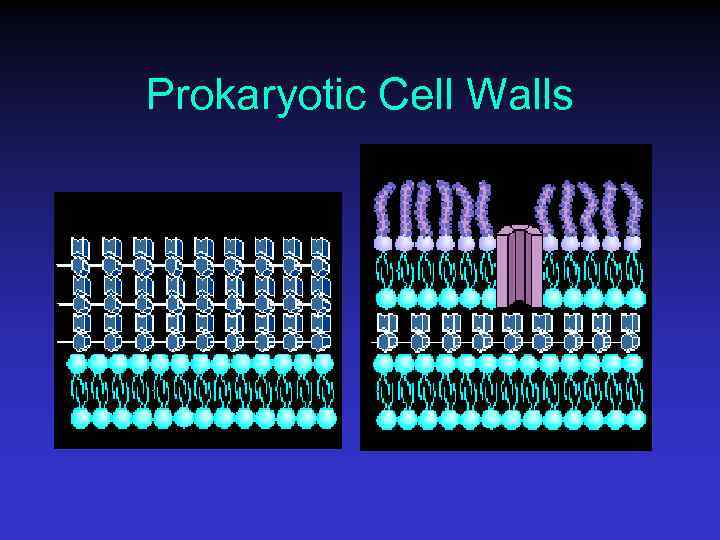
Prokaryotic Cell Walls
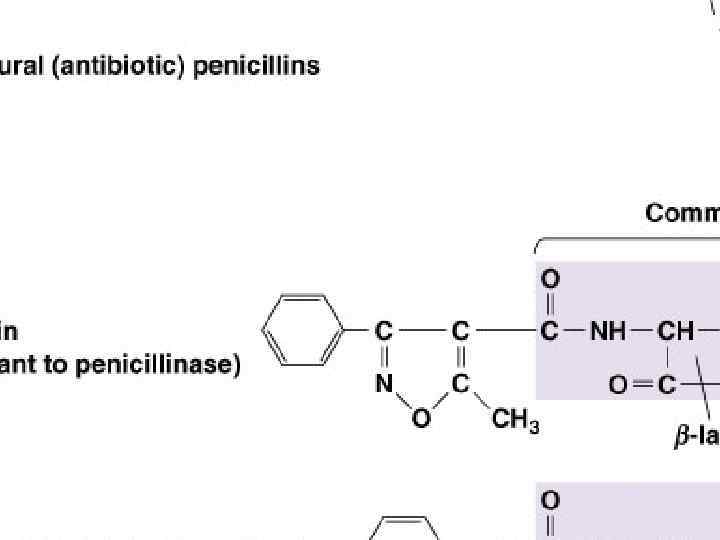
Penicillins Fig 20. 6 Figure 20. 6
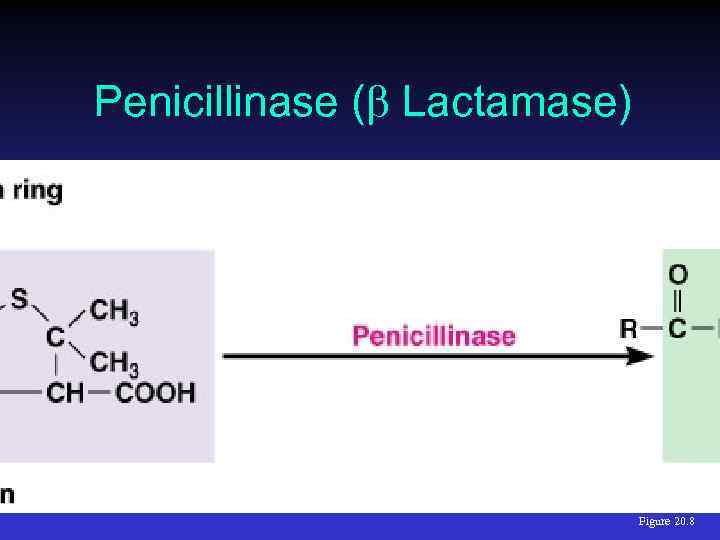
Penicillinase ( Lactamase) Figure 20. 8
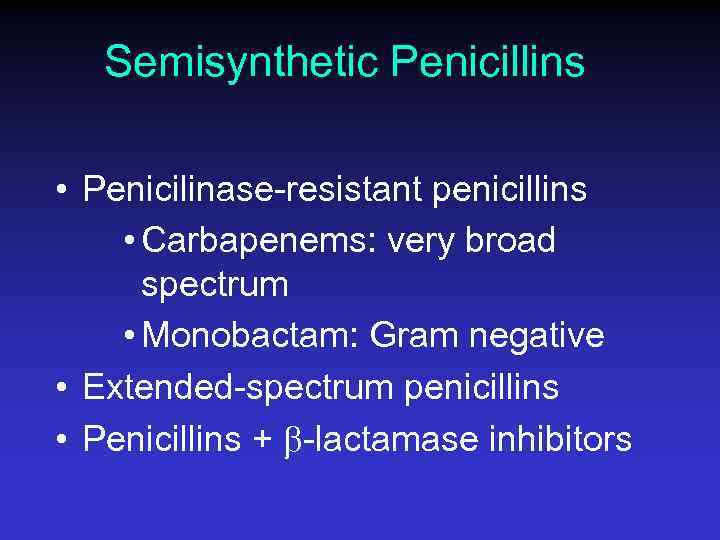
Semisynthetic Penicillins • Penicilinase-resistant penicillins • Carbapenems: very broad spectrum • Monobactam: Gram negative • Extended-spectrum penicillins • Penicillins + -lactamase inhibitors
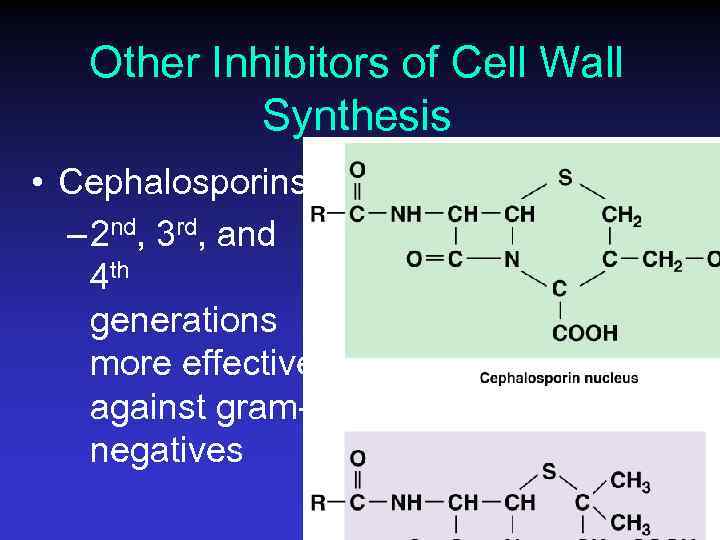
Other Inhibitors of Cell Wall Synthesis • Cephalosporins – 2 nd, 3 rd, and 4 th generations more effective against gramnegatives Figure 20. 9
Other Inhibitors of Cell Wall Synthesis • Polypeptide antibiotics – Bacitracin • Topical application • Against gram-positives – Vancomycin • Glycopeptide • Important "last line" against antibiotic resistant S. aureus
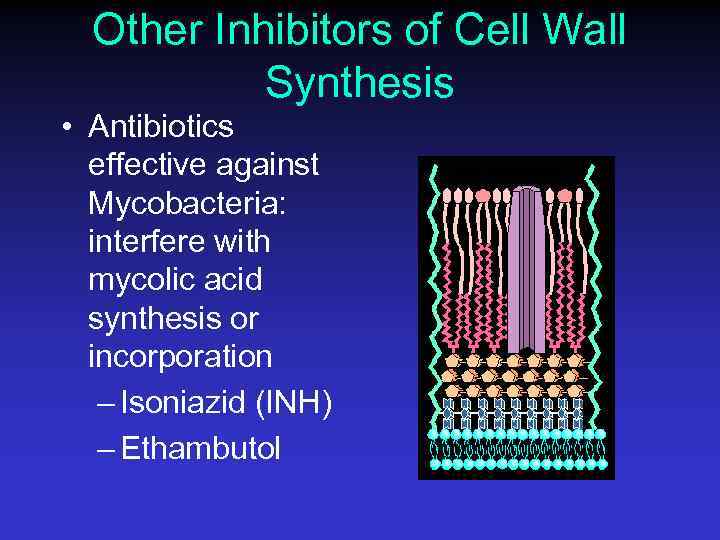
Other Inhibitors of Cell Wall Synthesis • Antibiotics effective against Mycobacteria: interfere with mycolic acid synthesis or incorporation – Isoniazid (INH) – Ethambutol
Inhibitors of Protein Synthesis • Broad spectrum, toxicity problems • Examples – Chloramphenicol (bone marrow) – Aminoglycosides: Streptomycin, neomycin, gentamycin (hearing, kidneys) – Tetracyclines (Rickettsias & Chlamydia; GI tract) – Macrolides: Erythromycin (gram +, used in children)
Injury to the Plasma Membrane • Polymyxin B (Gram negatives) – Topical – Combined with bacitracin and neomycin (broad spectrum) in overthe-counter preparation
Inhibitors of Nucleic Acid Synthesis • Rifamycin – Inhibits RNA synthesis – Antituberculosis • Quinolones and fluoroquinolones – Ciprofloxacin – Inhibits DNA gyrase – Urinary tract infections
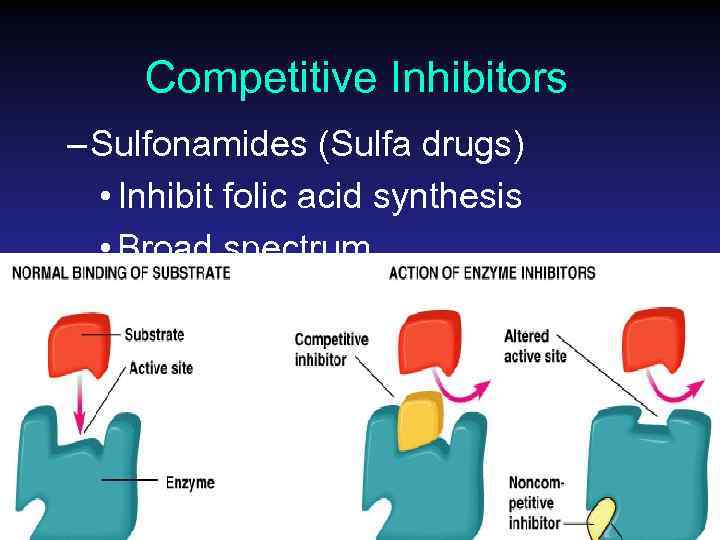
Competitive Inhibitors – Sulfonamides (Sulfa drugs) • Inhibit folic acid synthesis • Broad spectrum Figure 5. 7
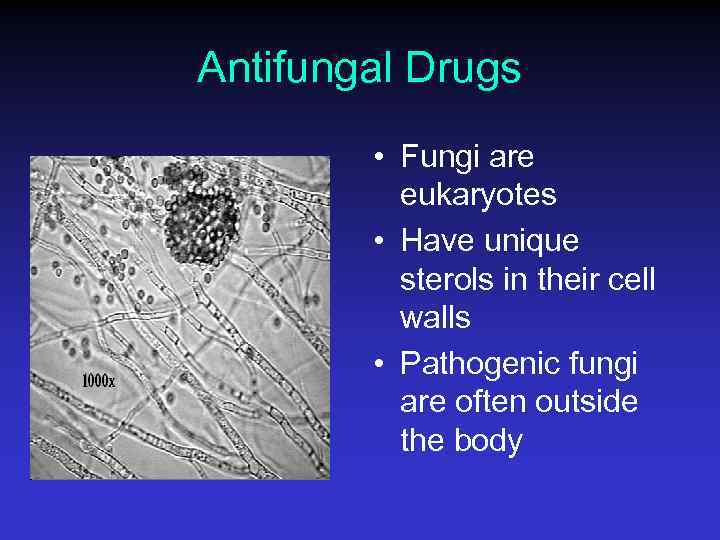
Antifungal Drugs • Fungi are eukaryotes • Have unique sterols in their cell walls • Pathogenic fungi are often outside the body
Antiviral Drugs • Viruses are composed of nucleic acid, protein capsid, and host membrane containing virus proteins • Viruses live inside host cells and use many host enzymes • Some viruses have unique enzymes for DNA/RNA synthesis or protein cutting in virus assembly Figure 20. 16 a
Antiviral drugs for herpes • acyclovir, valacyclovir, and famciclovir named nucleosides and nucleotide analogues, which block viral reproduction.
Influenza antiviral drugs • Two classes • ●The neuraminidase inhibitors, zanamivir and oseltamivir, which are active against both influenza A and influenza B. • ●inhibitors of the viral M 2 protein, such as amantadine and rimantadine which are only active against influenza A.
to treat HIV infection • . Use of these drugs in combination can be termed anti-retroviral therapy (ART), combination anti-retroviral therapy (c. ART) or highly active anti-retroviral therapy (HAART). Anti-retroviral (ARV) drugs are broadly classified by the phase of the retrovirus life-cycle that the drug inhibits.
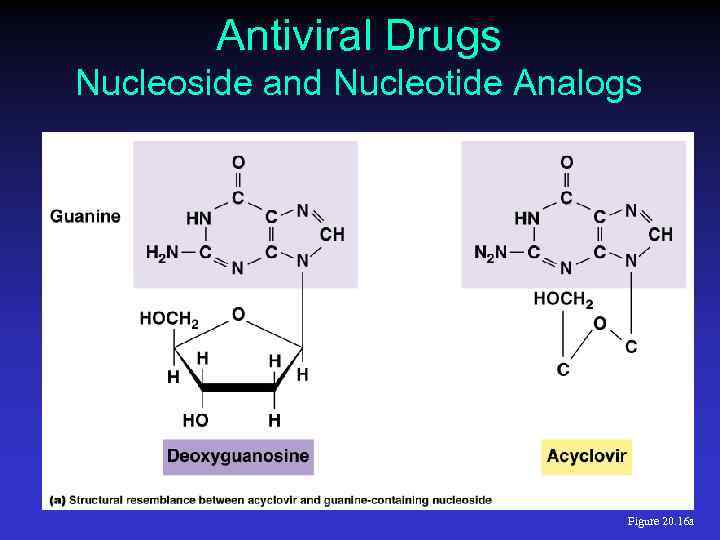
Antiviral Drugs Nucleoside and Nucleotide Analogs Figure 20. 16 a
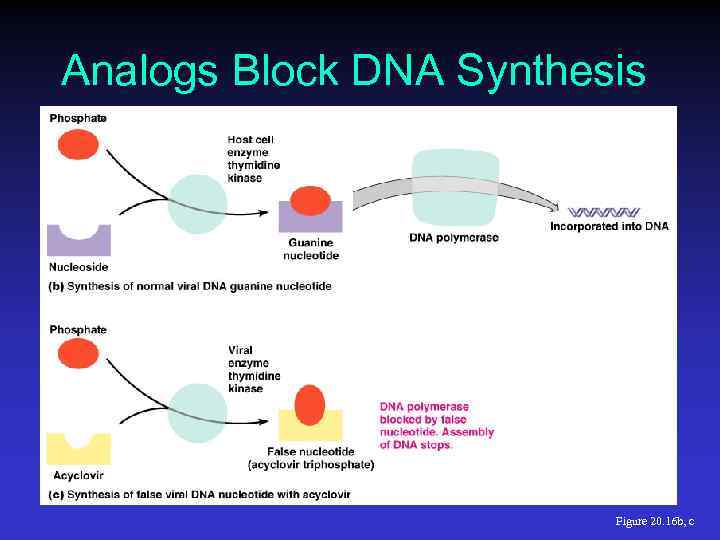
Analogs Block DNA Synthesis Figure 20. 16 b, c
Antiviral Drugs Enzyme Inhibitors • Inhibit assembly – Indinavir (HIV) • Inhibit attachment – Zanamivir (Influenza) • Inhibit uncoating – Amantadine (Influenza)
Antiviral Drugs Enzyme Inhibitors • Interferons prevent spread of viruses to new cells (Viral hepatitis) • Natural products of the immune system in viral infections
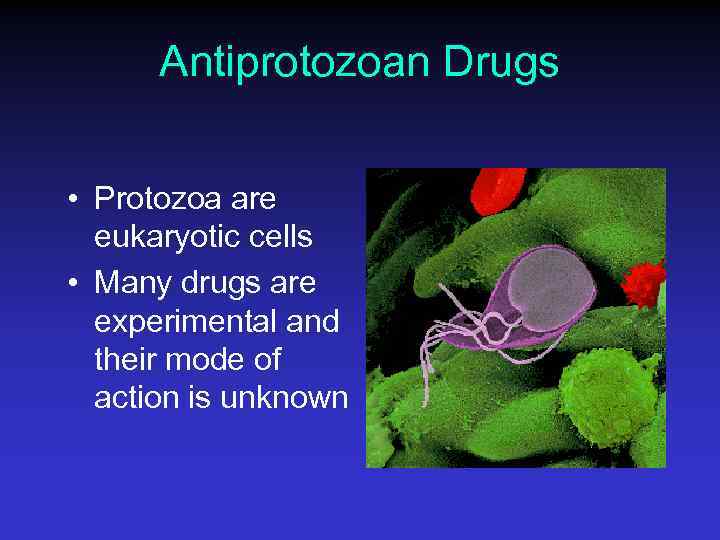
Antiprotozoan Drugs • Protozoa are eukaryotic cells • Many drugs are experimental and their mode of action is unknown
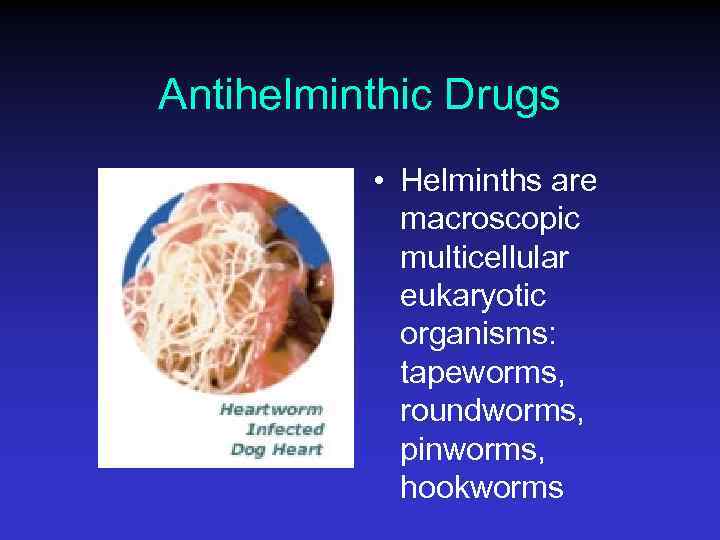
Antihelminthic Drugs • Helminths are macroscopic multicellular eukaryotic organisms: tapeworms, roundworms, pinworms, hookworms
Antihelminthic Drugs • Prevent ATP generation (Tapeworms) • Alters membrane permeability (Flatworms) • Neuromuscular block (Intestinal roundworms) • Inhibits nutrient absorption (Intestinal roundworms) • Paralyzes worm (Intestinal roundworms)
Measuring Antimicrobial Sensitivity • DISK DIFFUSION • BROTH DILLUTION TEST • E -TEST
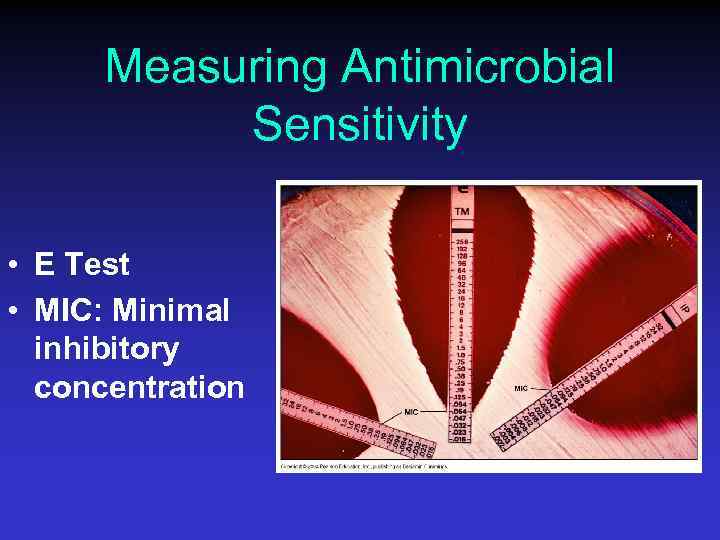
Measuring Antimicrobial Sensitivity • E Test • MIC: Minimal inhibitory concentration
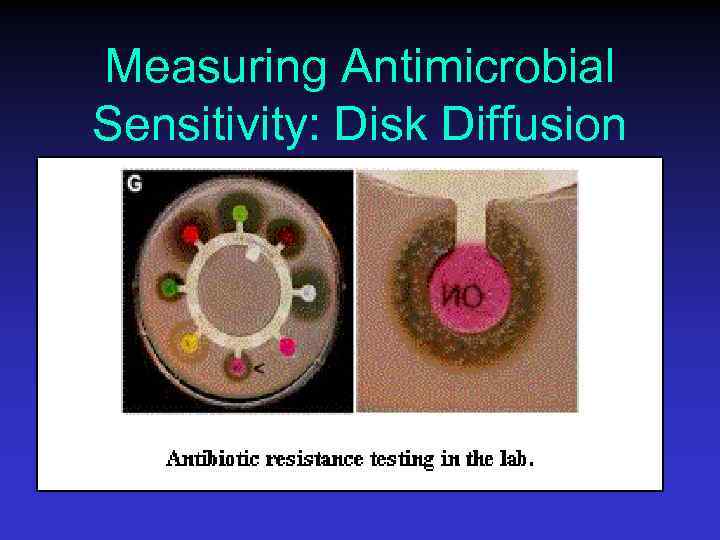
Measuring Antimicrobial Sensitivity: Disk Diffusion
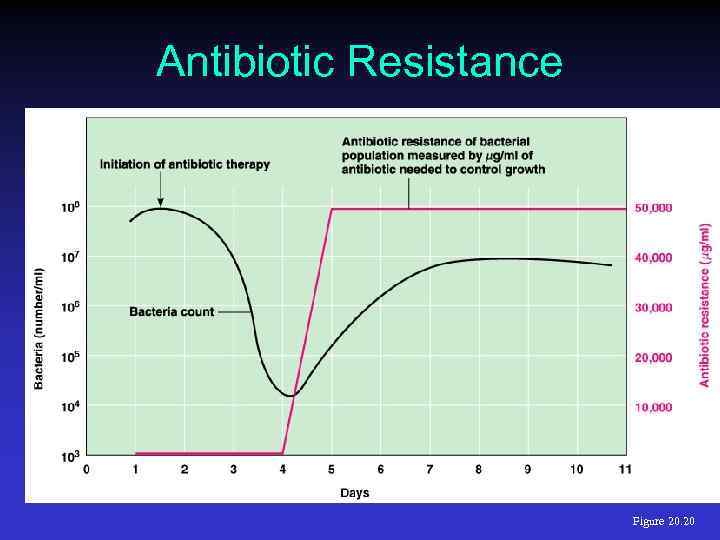
Antibiotic Resistance Figure 20. 20
Antimicrobial Resistance • Relative or complete lack of effect of antimicrobial against a previously susceptible microbe • Increase in MIC
Mechanisms of Antibiotic Resistance • Enzymatic destruction of drug • Prevention of penetration of drug • Alteration of drug's target site • Rapid ejection of the drug
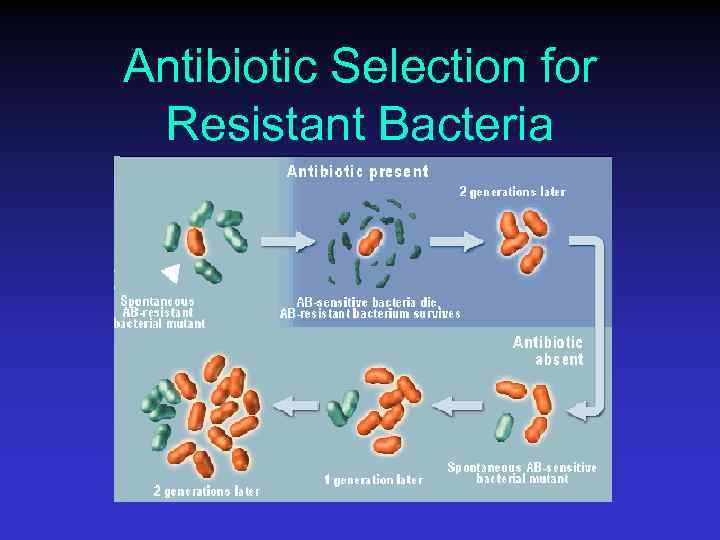
Antibiotic Selection for Resistant Bacteria
What Factors Promote Antimicrobial Resistance? • Exposure to sub-optimal levels of antimicrobial • Exposure to microbes carrying resistance genes
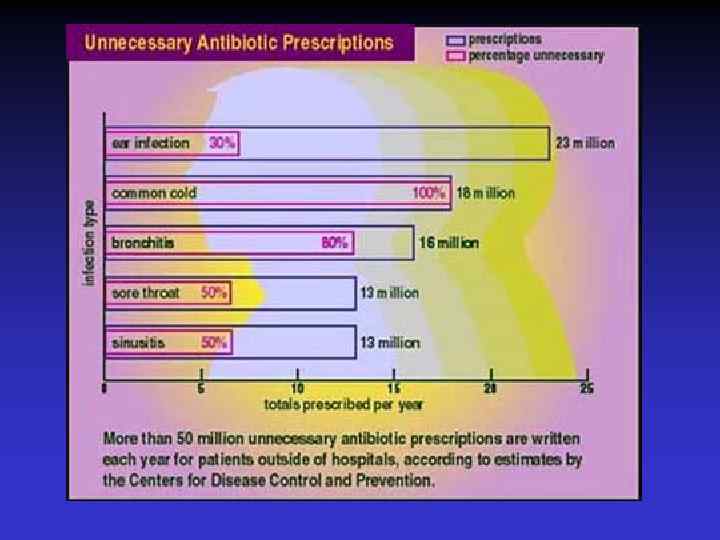
Inappropriate Antimicrobial Use • Prescription not taken correctly • Antibiotics for viral infections • Antibiotics sold without medical supervision • Spread of resistant microbes in hospitals due to lack of hygiene
Inappropriate Antimicrobial Use • Lack of quality control in manufacture or outdated antimicrobial • Inadequate surveillance or defective susceptibility assays • Poverty or war • Use of antibiotics in foods
Antibiotics in Foods • Antibiotics are used in animal feeds and sprayed on plants to prevent infection and promote growth • Multi drug-resistant Salmonella typhi has been found in 4 states in 18 people who ate beef fed antibiotics
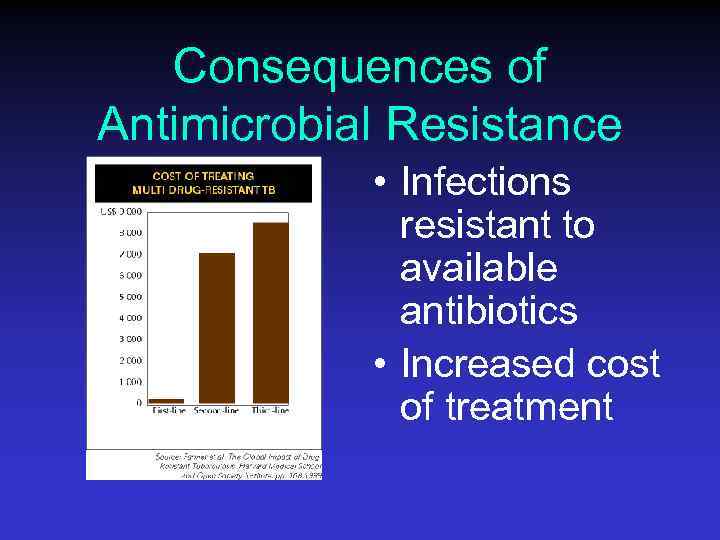
Consequences of Antimicrobial Resistance • Infections resistant to available antibiotics • Increased cost of treatment
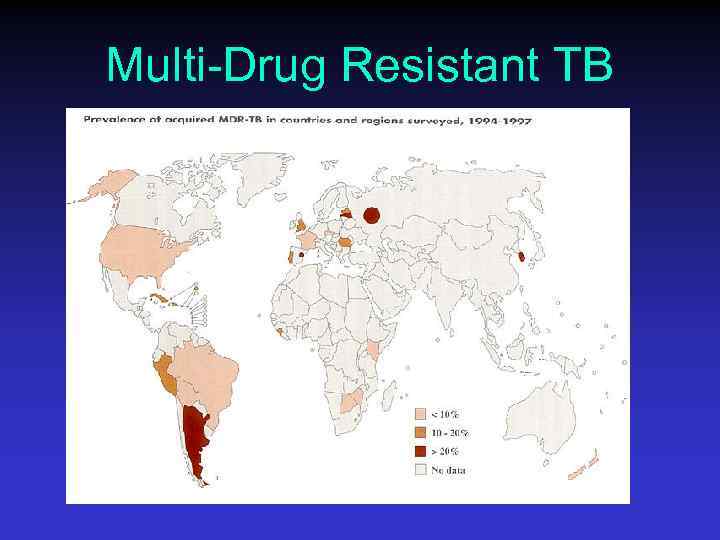
Multi-Drug Resistant TB
MRSA “mer-sah” • Methicillin-Resistant Staphylococcus aureus • Most frequent nosocomial (hospital-acquired) pathogen • Usually resistant to several other antibiotics
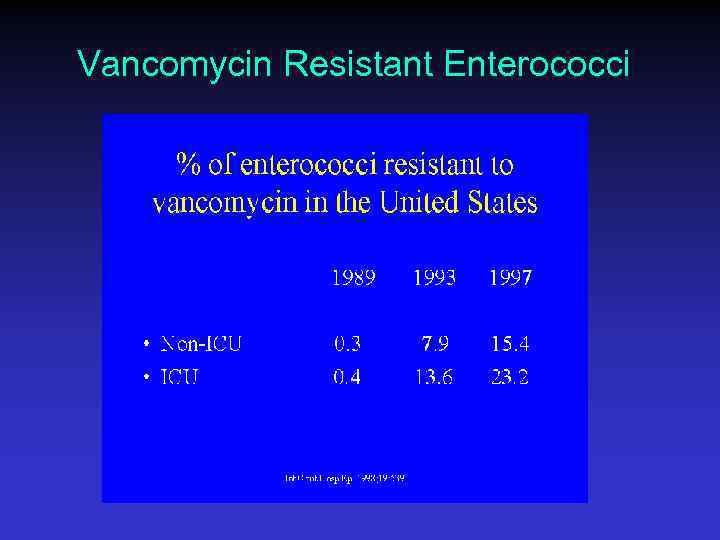
Vancomycin Resistant Enterococci
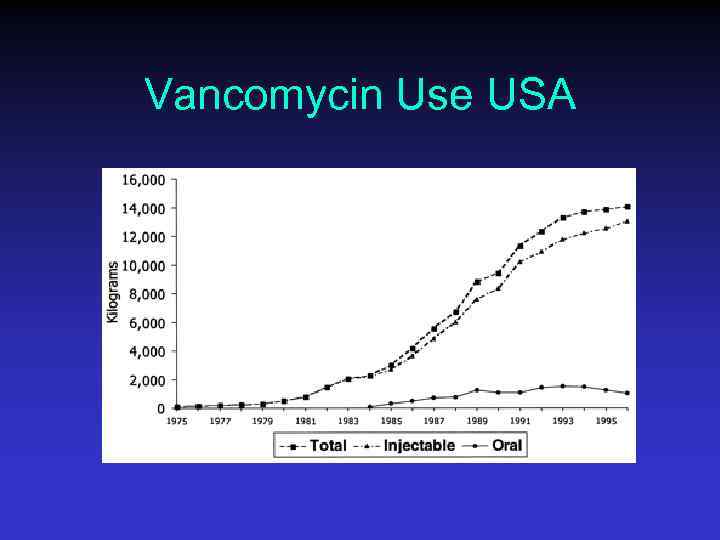
Vancomycin Use USA
Proposals to Combat Antimicrobial Resistance • Speed development of new antibiotics • Track resistance data nationwide • Restrict antimicrobial use • Direct observed dosing (TB)
Proposals to Combat Antimicrobial Resistance • Use more narrow spectrum antibiotics • Use antimicrobial cocktails
The Future of Chemotherapeutic Agents • Antimicrobial peptides – Broad spectrum antibiotics from plants and animals • Squalamine (sharks) • Protegrin (pigs) • Magainin (frogs)
The Future of Chemotherapeutic Agents • Antisense agents – Complementary DNA or peptide nucleic acids that binds to a pathogen's virulence gene(s) and prevents transcription
Скачать презентацию Antimicrobial Drugs Abdulina G A Ehrlich s Magic
Antibiotics.ppt