


 Скачать презентацию ANT HIST 500 The Ancient City Day 3
79876524f7f0f5dc1677115852d54d3c.ppt
- Количество слайдов: 56
 ANT/HIST 500 The Ancient City Day 3
 Toward the Neolithic
 The Ages • • • Paleolithic: Old Stone Age Mesolithic: Middle Stone Age Neolithic: New Stone Age Chalcolithic: Copper Age Bronze Age: d’uh Iron Age: ditto
 Natufian Khiamian The “Epi-Paleolithic” or Mesolithic
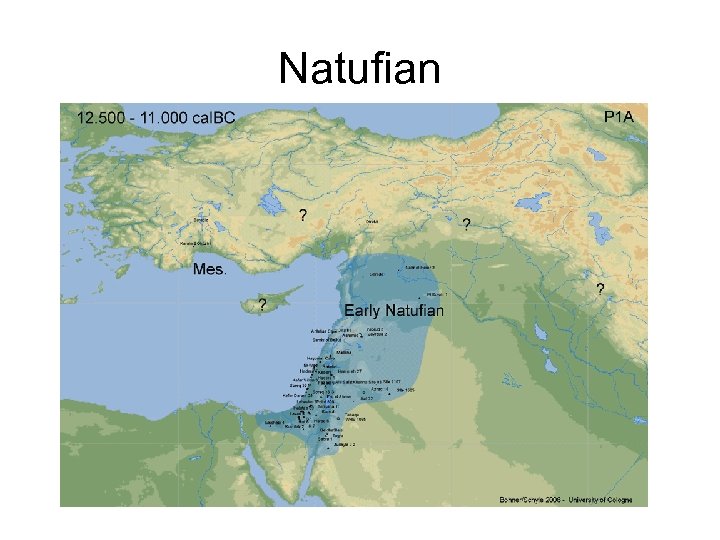 Natufian
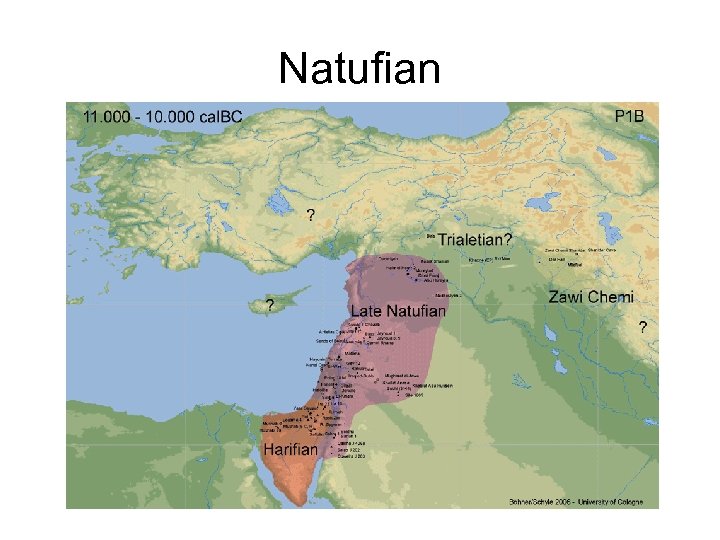 Natufian
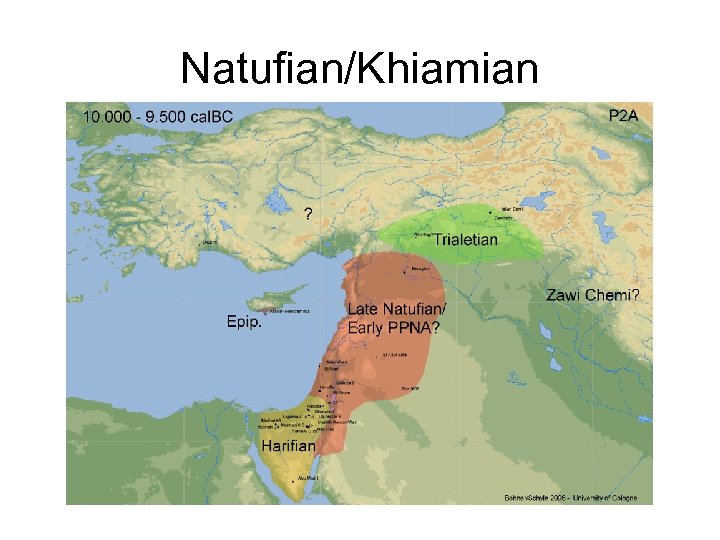 Natufian/Khiamian
 Polity • Not much to be said • Hunting & Gathering societies typically share “Episodic” leadership just as small groups do • No obvious social stratification in burials, architecture, jewelry
 Economy • Hunting & Gathering • “Broad Spectrum” (Flannery) • Evidence of “Down the Line” trade
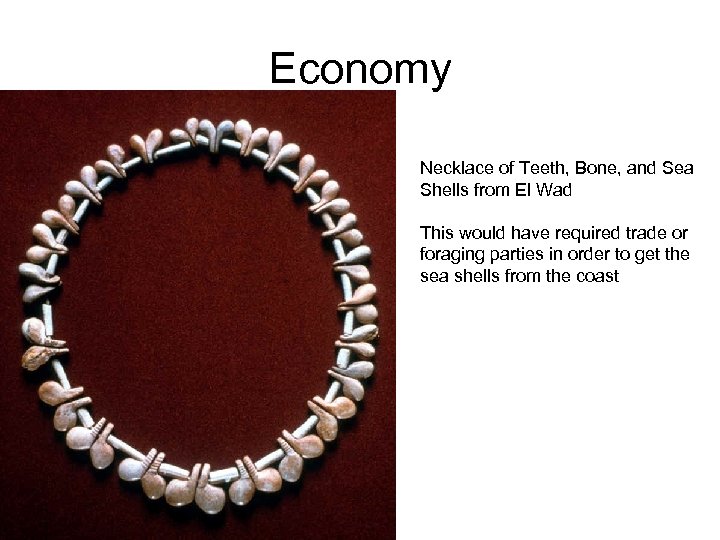 Economy Necklace of Teeth, Bone, and Sea Shells from El Wad This would have required trade or foraging parties in order to get the sea shells from the coast
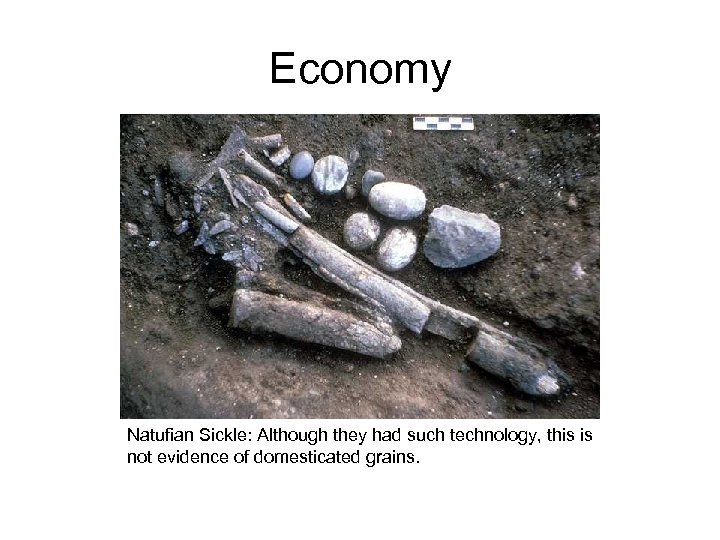 Economy Natufian Sickle: Although they had such technology, this is not evidence of domesticated grains.
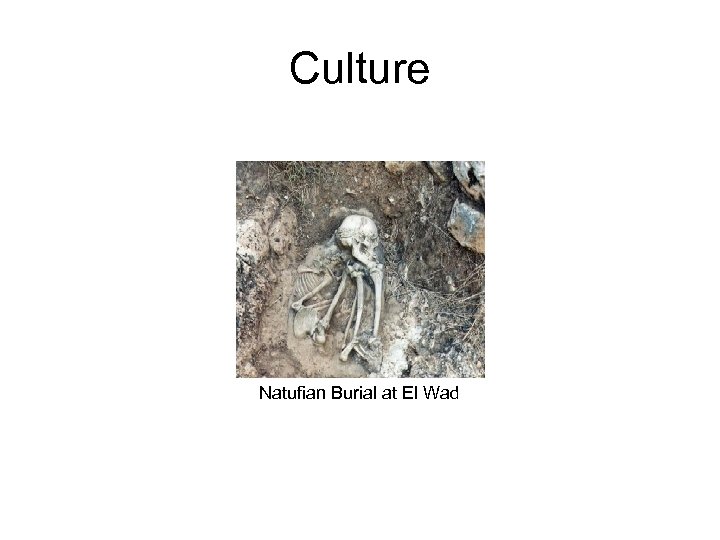 Culture Natufian Burial at El Wad
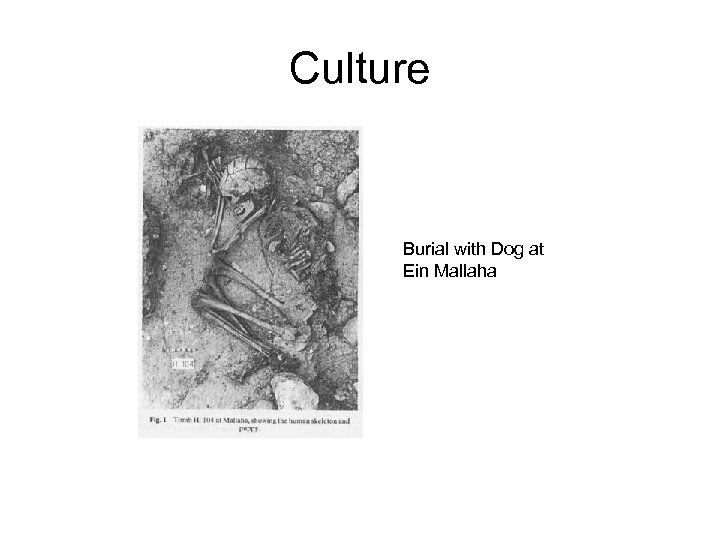 Culture Burial with Dog at Ein Mallaha
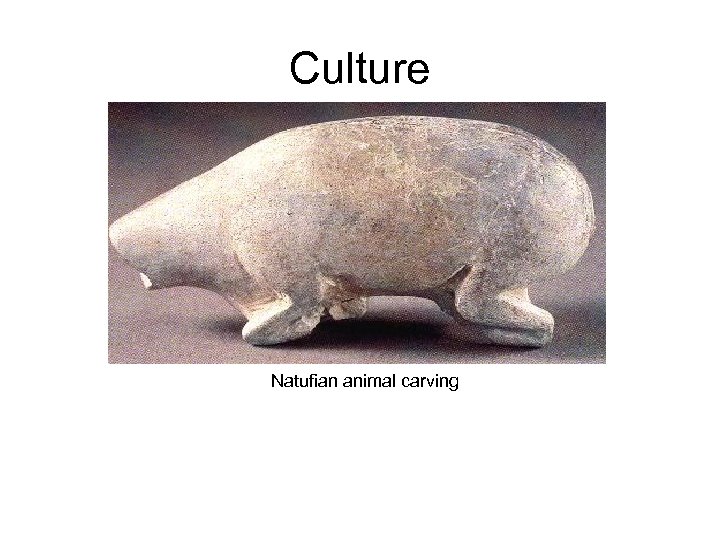 Culture Natufian animal carving
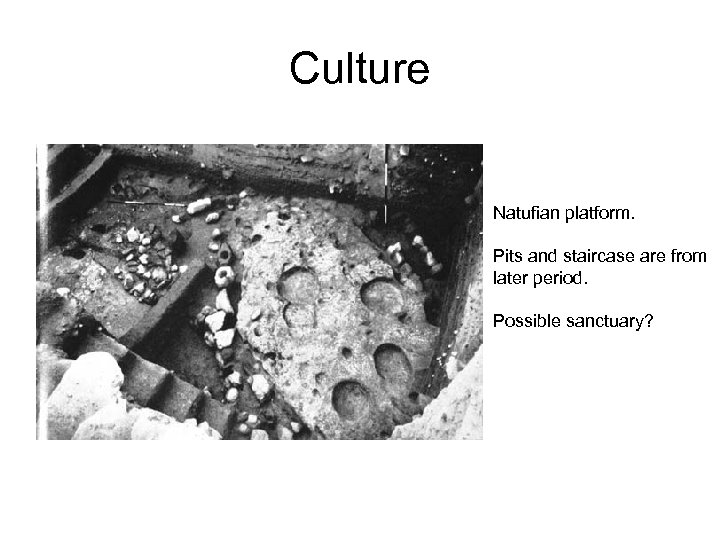 Culture Natufian platform. Pits and staircase are from later period. Possible sanctuary?
 Environment • Early Natufian: Relatively warm, wooded; 12, 500 -11, 000 BC; sedentism in favored environments • Late Natufian: “Younger Dryas” little Ice age; 11, 000 -10, 000 BC; nomadism • Khiamian: End of Late Natufian & return to sedentism; 10, 000 -9, 500 BC
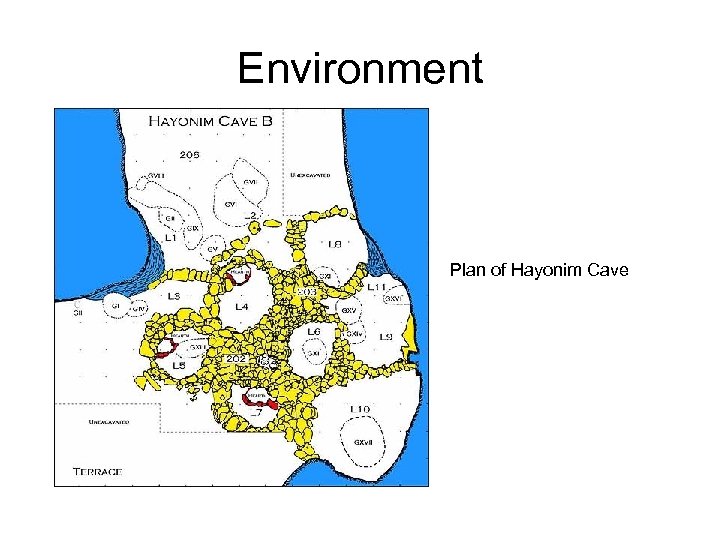 Environment Plan of Hayonim Cave
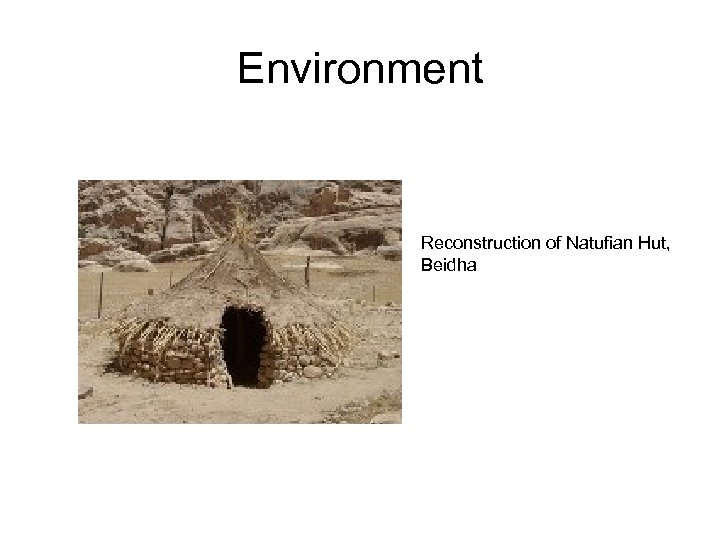 Environment Reconstruction of Natufian Hut, Beidha
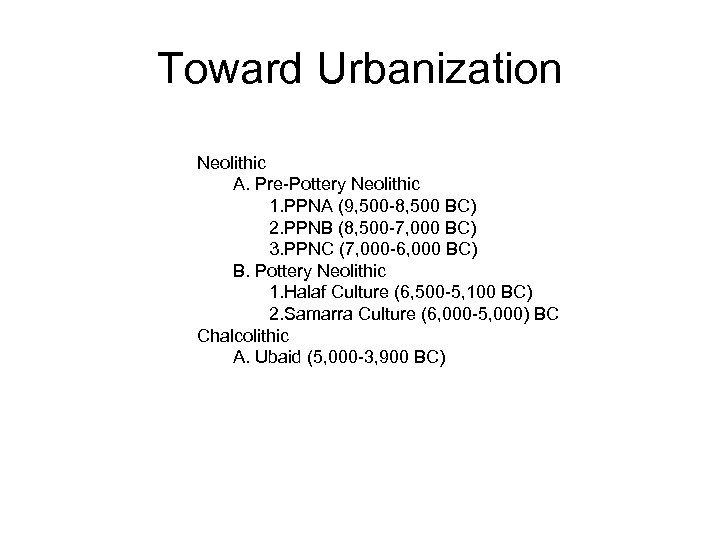 Toward Urbanization Neolithic A. Pre-Pottery Neolithic 1. PPNA (9, 500 -8, 500 BC) 2. PPNB (8, 500 -7, 000 BC) 3. PPNC (7, 000 -6, 000 BC) B. Pottery Neolithic 1. Halaf Culture (6, 500 -5, 100 BC) 2. Samarra Culture (6, 000 -5, 000) BC Chalcolithic A. Ubaid (5, 000 -3, 900 BC)
 Neolithic The first agricultural villages 9, 500 BC-6, 000 BC
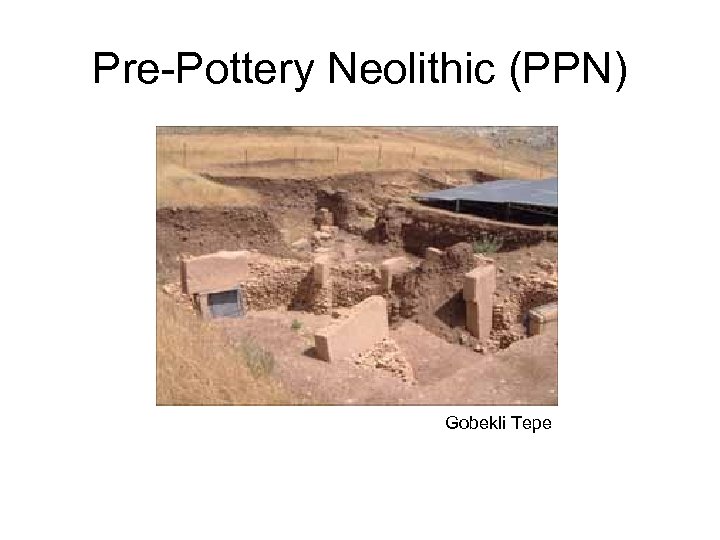 Pre-Pottery Neolithic (PPN) Gobekli Tepe
 PPNA Polity • Appears to still be based on episodic leadership and age • No evidence of stratification • Likely religious “shamans”
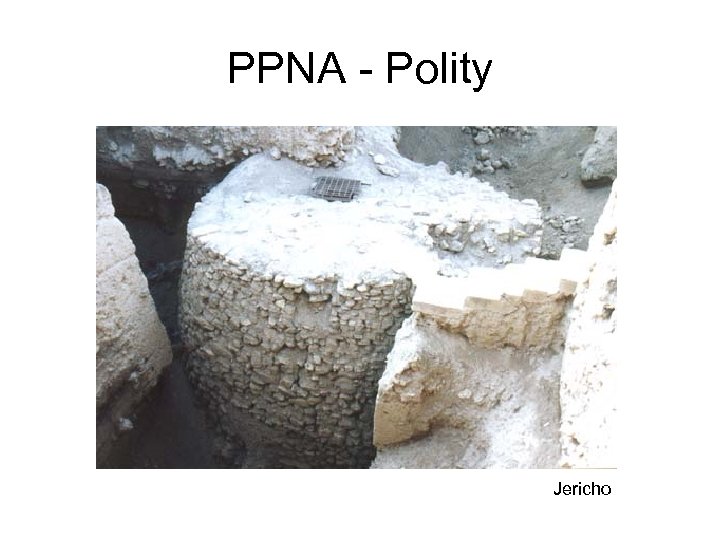 PPNA - Polity Jericho
 PPNA Economy • • • Cultivation of Wild cereals Domestication of fig (9600 BC) Domestication of cereals (9200 BC) Domestication of Legumes (9000 BC) Evidence of Trade in Obsidian, likely for Dead Sea shells and bitumen
 PPNA Culture(s) • Sultanian (Jericho and Jordan Valley) • Aswadian (Syria near Damascus) • Mureybetian (Euphrates Valley and Southern Turkey)
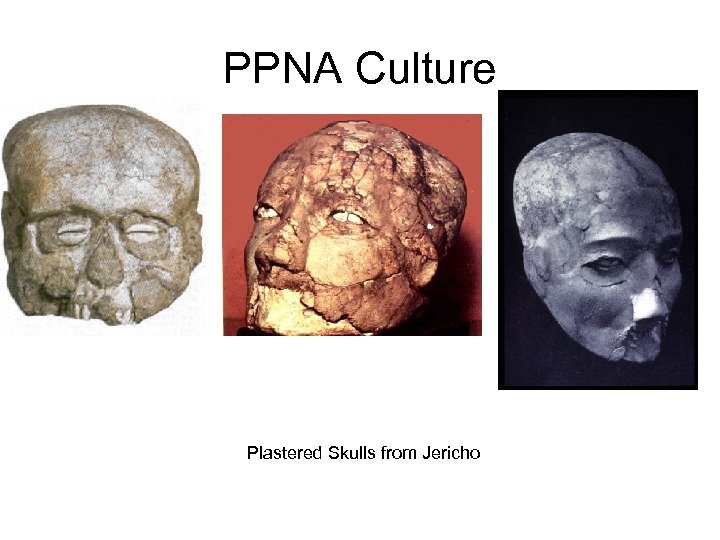 PPNA Culture Plastered Skulls from Jericho
 PPNA Culture • Religion like based on ancestor worship • In north, also evidence of animistic concepts at Gobekli Tepe, but this is not in evidence in the Sultanian or Aswadian regions • Religion appears to be the mechanism by which leaders motivated people
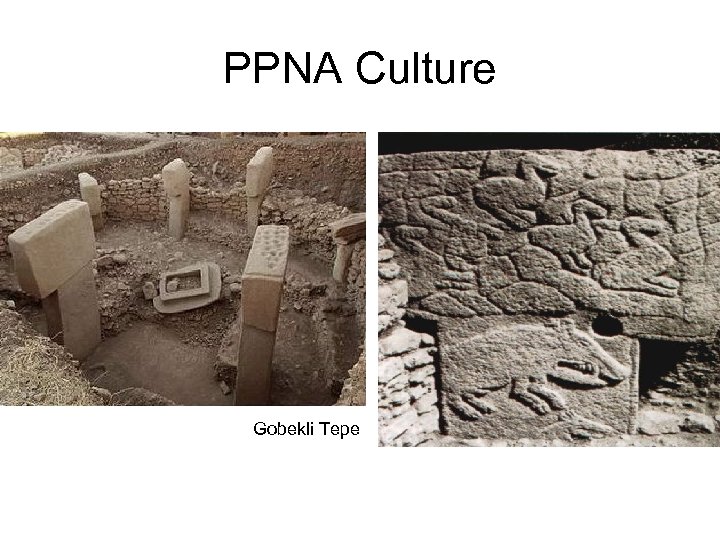 PPNA Culture Gobekli Tepe
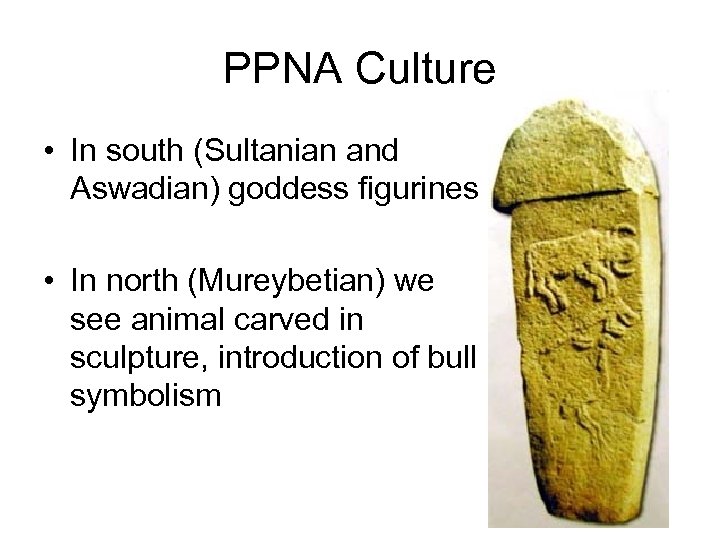 PPNA Culture • In south (Sultanian and Aswadian) goddess figurines • In north (Mureybetian) we see animal carved in sculpture, introduction of bull symbolism
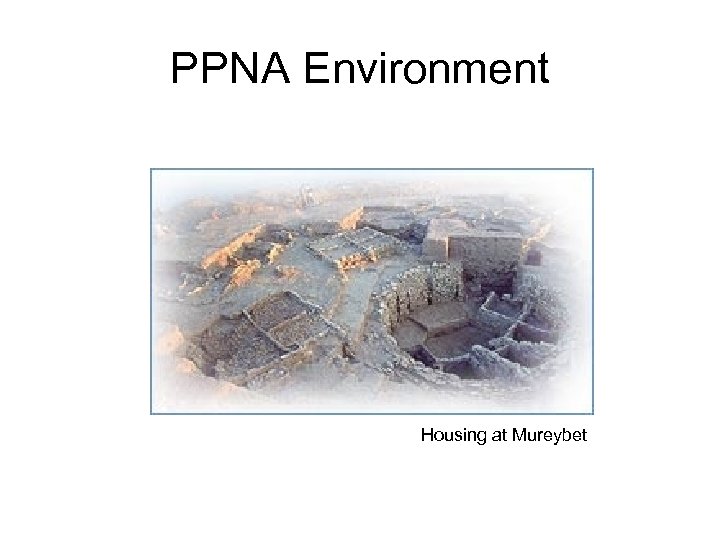 PPNA Environment Housing at Mureybet
 PPNA Environment • Largest villages such as Mureybet and Jericho grew to as many as 700 residents • Held religious authority over surrounding villages and received “help” from them
 PPNB • The “root” of the later Neolithic • Seems to be a later expression and spreading of the Mureybetian culture
 PPNB Polity • Appears to still be based on episodic leadership and age • No evidence of stratification • Likely religious “shamans”
 PPNB Economy • Widespread use of Domesticated cereals & legumes • Evidence of Trade in Obsidian, likely for Dead Sea shells and bitumen • Introduction of goat and sheep herding
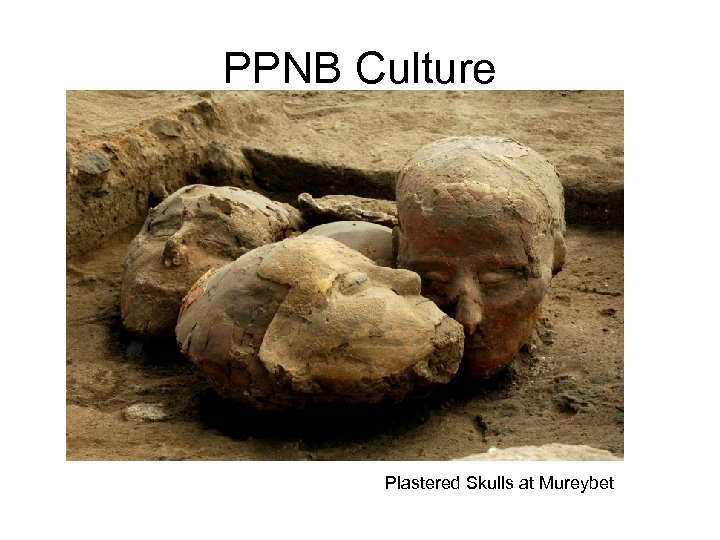 PPNB Culture Plastered Skulls at Mureybet
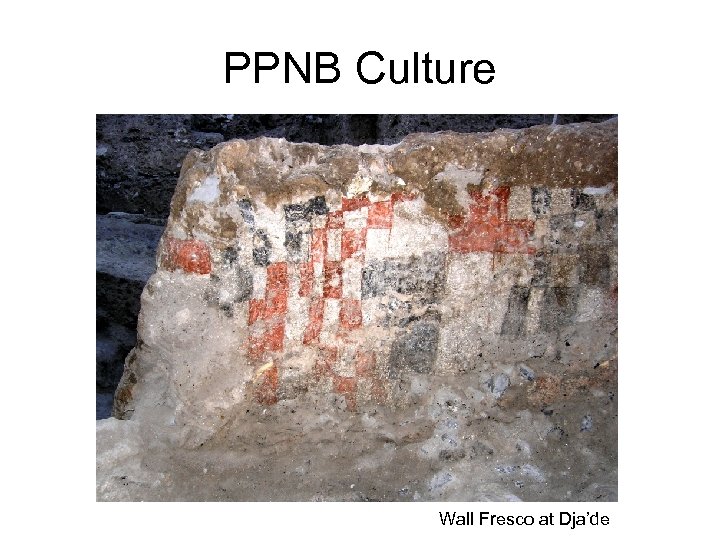 PPNB Culture Wall Fresco at Dja’de
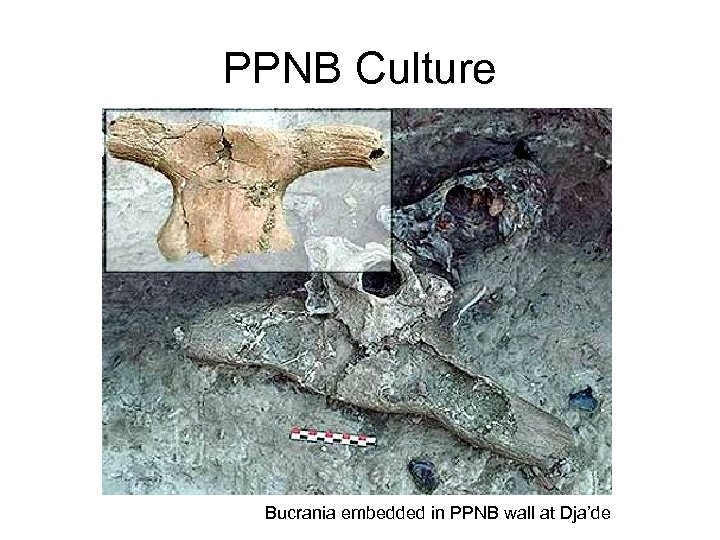 PPNB Culture Bucrania embedded in PPNB wall at Dja’de
 PPNB Environment • Key communities such as Mureybet, Jericho & Beidha on early trade routes, growing to as much as 1, 000 residents • Use of stone for housing, first rectangular housing in world history
 PPNC • An extension of the Aceramic PPNB culture in the southern Levant • In the north, ceramics had been invented during the Late PPNB and the subsequent culture is called “Halaf”
 PPNC Polity • Appears to still be based on episodic leadership and age • No evidence of stratification • Likely religious “shamans”
 PPNC Economy • Comes to be dominated by goat and sheep herding • Environment is degraded due to herding, and in time pastoral nomadism becomes the rule • Extensive trade between settled villages and nomads; likely fellow clans • Extension of Near Eastern trade routes
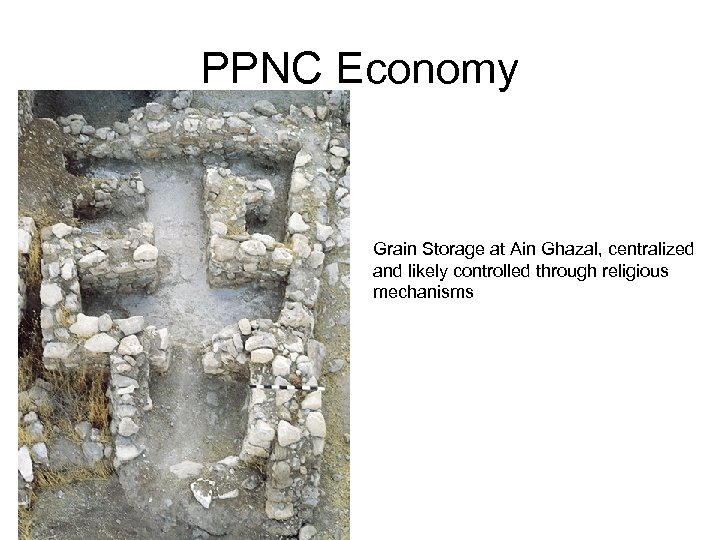 PPNC Economy Grain Storage at Ain Ghazal, centralized and likely controlled through religious mechanisms
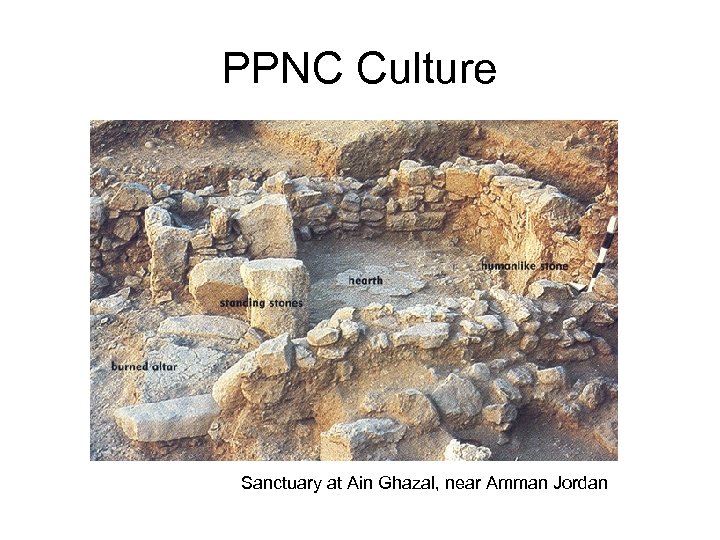 PPNC Culture Sanctuary at Ain Ghazal, near Amman Jordan
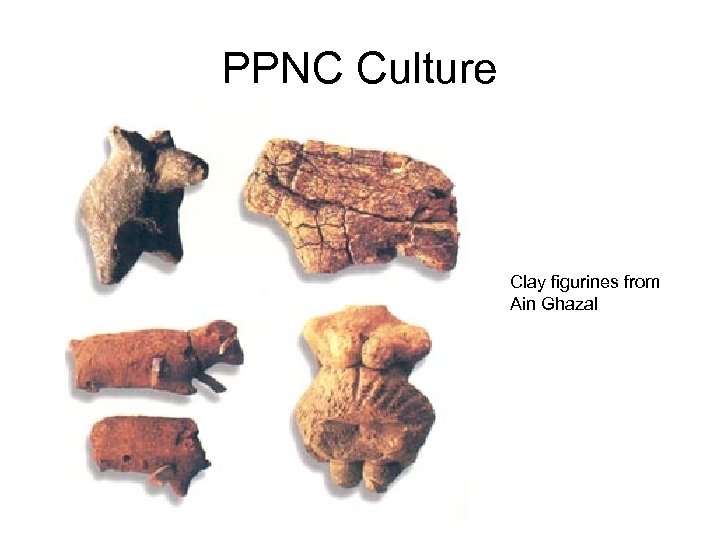 PPNC Culture Clay figurines from Ain Ghazal
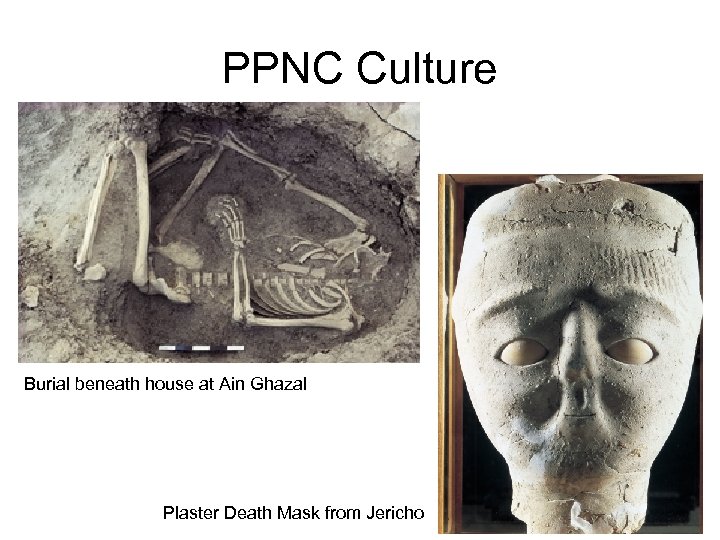 PPNC Culture Burial beneath house at Ain Ghazal Plaster Death Mask from Jericho
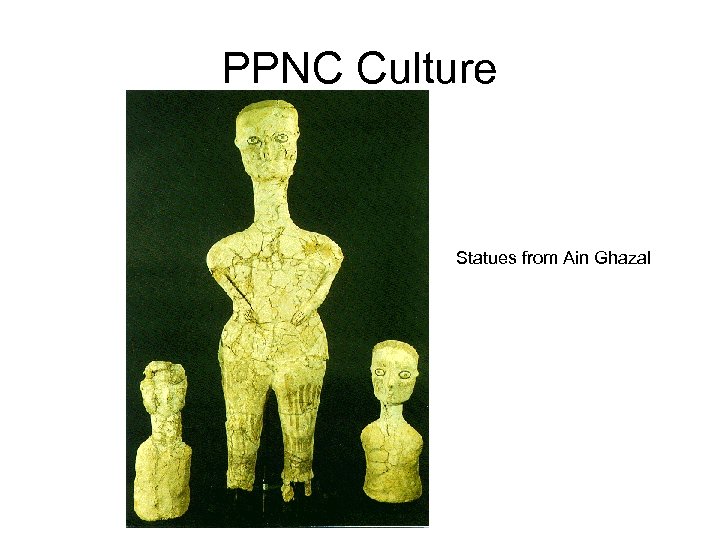 PPNC Culture Statues from Ain Ghazal
 PPNC Environment • Use of plaster on floors • Stone rectangular buildings
 Pottery Neolithic • Primarily in the north, an extension of PPNB culture with the advent of ceramic pottery • A sequence of cultures, including Proto. Hassuna, and Pre-Halaf leading to the Halaf culture after 6, 000 BC • “Culture” is equated with pottery styles
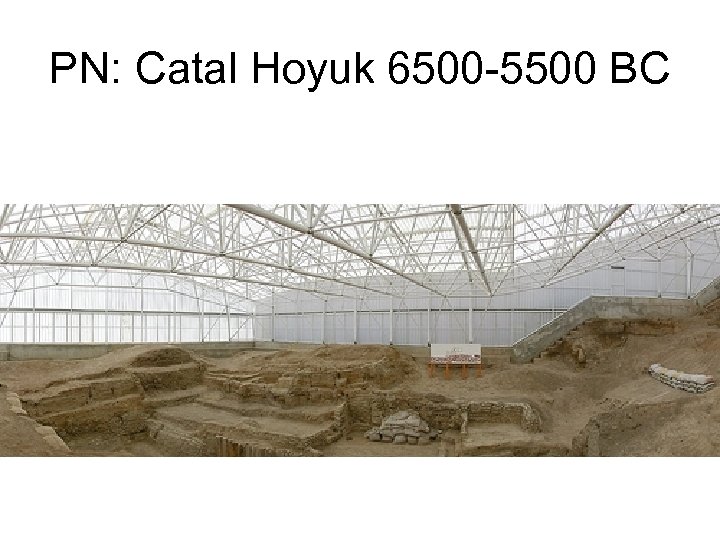 PN: Catal Hoyuk 6500 -5500 BC
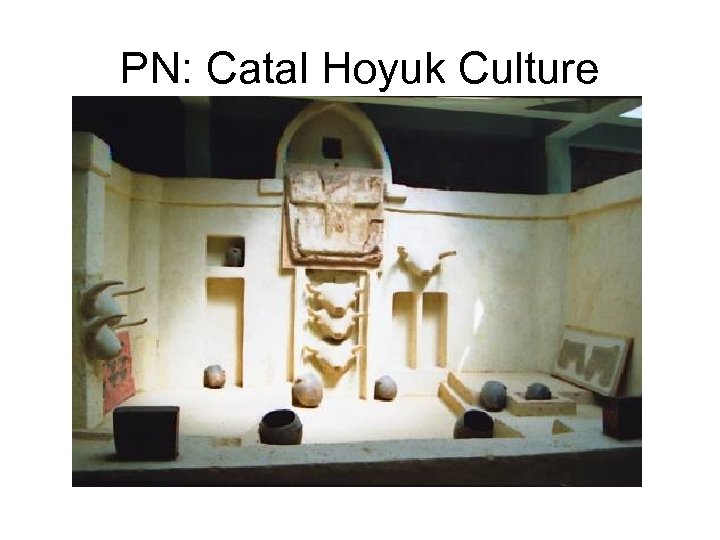
 PN: Catal Hoyuk Polity • Seems to have been based around family units, with each “matriarch” family having a slightly more elaborate home with space for rituals • Rituals included plastered skulls, likely of revered ancestors • No other evidence for social stratification; homes are approximately the same size • No centralized location for collective worship or meetings
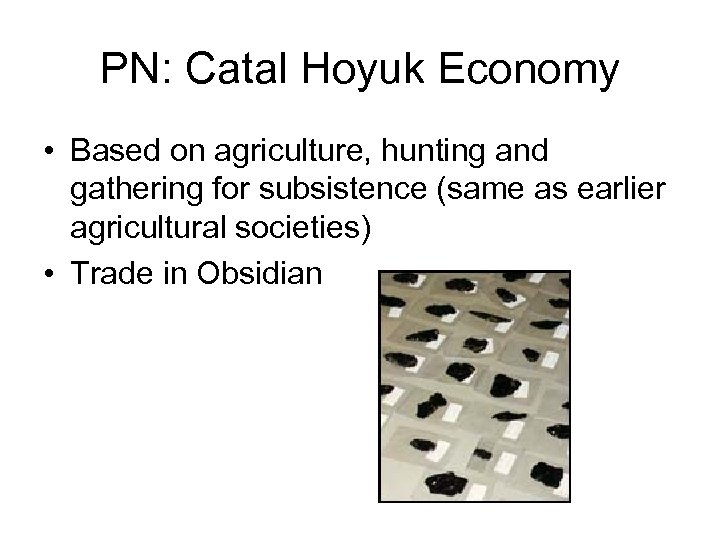 PN: Catal Hoyuk Economy • Based on agriculture, hunting and gathering for subsistence (same as earlier agricultural societies) • Trade in Obsidian
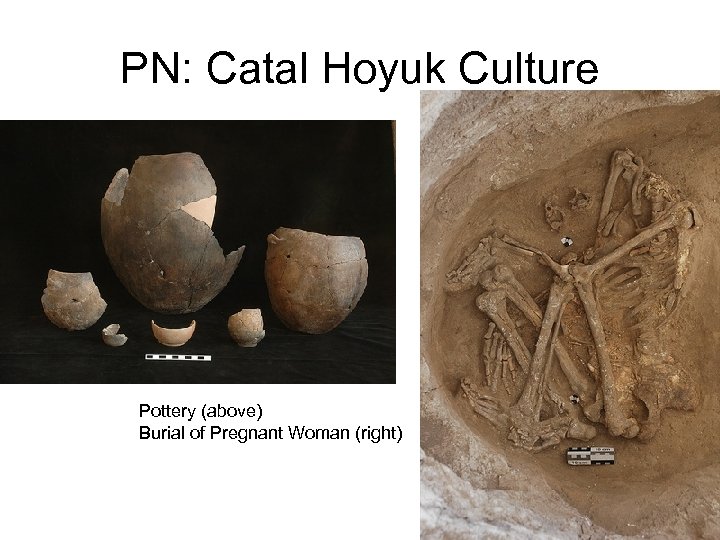 PN: Catal Hoyuk Culture Pottery (above) Burial of Pregnant Woman (right)
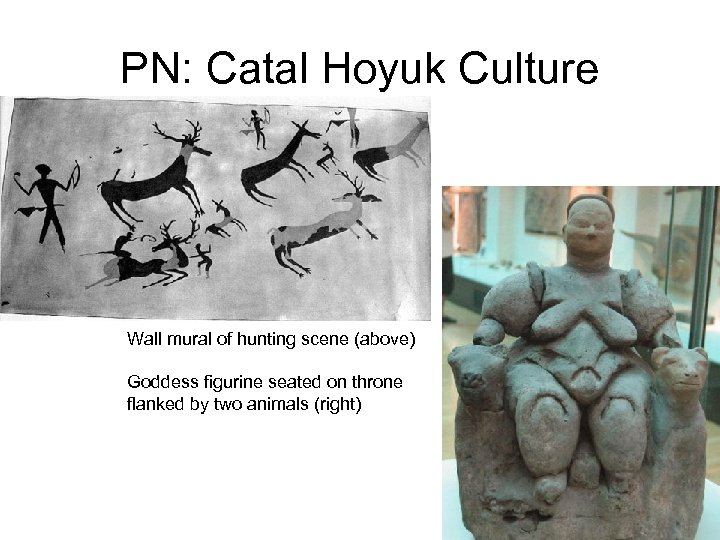 PN: Catal Hoyuk Culture Wall mural of hunting scene (above) Goddess figurine seated on throne flanked by two animals (right)
 PN: Catal Hoyuk Culture
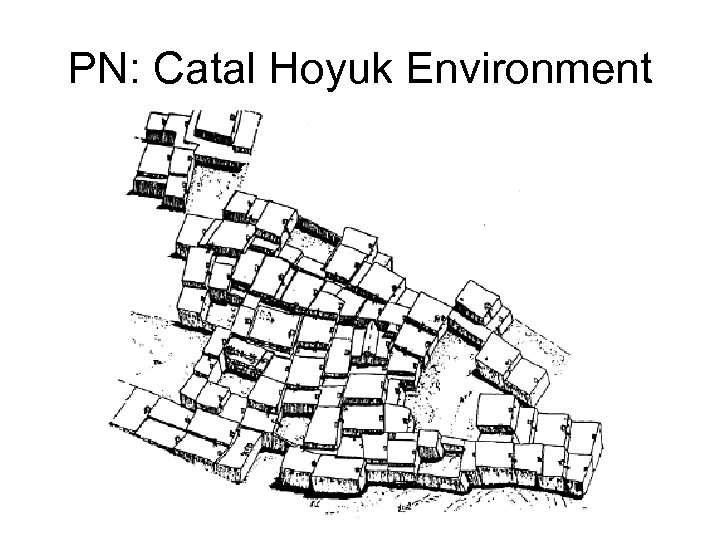 PN: Catal Hoyuk Environment
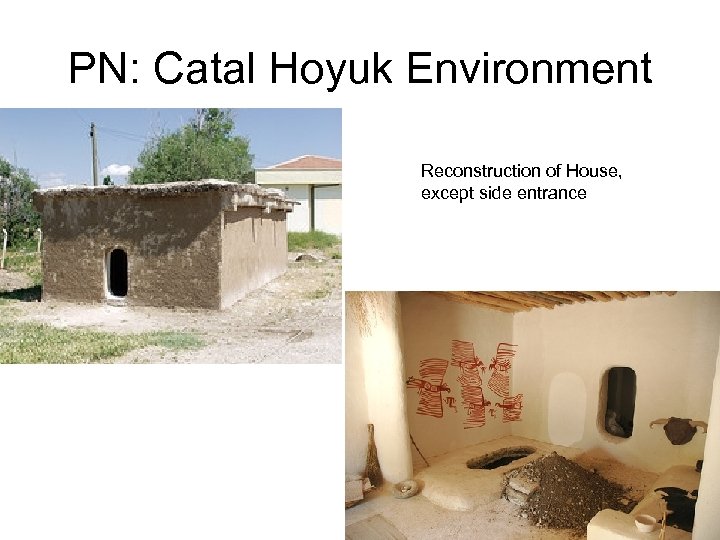 PN: Catal Hoyuk Environment Reconstruction of House, except side entrance