 Скачать презентацию ANIME By Tugutova Tuyana Grigoryeva Lera Rabdanova Anna
Презентация Аниме.pptx
- Количество слайдов: 15



ANIME By Tugutova Tuyana, Grigoryeva Lera, Rabdanova Anna
Contents • • • Introduction History Genres About Cosplay Clubs in Ulan – Ude Conclusion
Introduction Anime is the Japanese abbreviated pronunciation of "animation". The definition sometimes changes depending on the context. In English-speaking countries, the term most commonly refers to Japanese animated cartoons. Anime, like manga, has a large audience in Japan and recognition throughout the world. Distributors can release anime via television broadcasts, directly to video, or theatrically, as well as online. Both hand-drawn and computer-animated anime exist. It is used in television series, films, video games, commercials, and internet-based releases, and represents most, if not all, genres of fiction. As the market for anime increased in Japan, it also gained popularity in East and Southeast Asia. Anime is currently popular in many different regions around the world.

History Anime began at the start of the 20 th century, when Japanese filmmakers experimented with the animation techniques. The success of The Walt Disney Company's 1937 feature film Snow White and the Seven Dwarfs influenced Japanese animators. In the 1960 s, manga artist and animator Osamu Tezuka adapted and simplified many Disney animation-techniques to reduce costs and to limit the number of frames in productions. He intended this as a temporary measure to allow him to produce material on a tight schedule with inexperienced animationstaff. The 1970 s saw a surge of growth in the popularity of manga – many of them later animated. The work of Osamu Tezuka drew particular attention: he has been called a "legend" and the "god of manga". His work – and that of other pioneers in the field – inspired characteristics and genres that remain fundamental elements of anime today. Following a few successful adaptations of anime in overseas markets in the 1980 s, anime gained increased acceptance in those markets in the 1990 s and even more at the turn of the 21 st century.
Genres • The target audience(kodomo - for children; senen - for boys; shoujo - for girls; seynen - for men; dzesey - for women) • By Style story (comedy, drama, thriller, romance, etc. ) • By entourage and Technology (mecha, cyberpunk, school story, fantasy, steampunk, etc. ) • In psychology, the goals and relations of characters (sentay, spokon, Machoshoujo, harem)
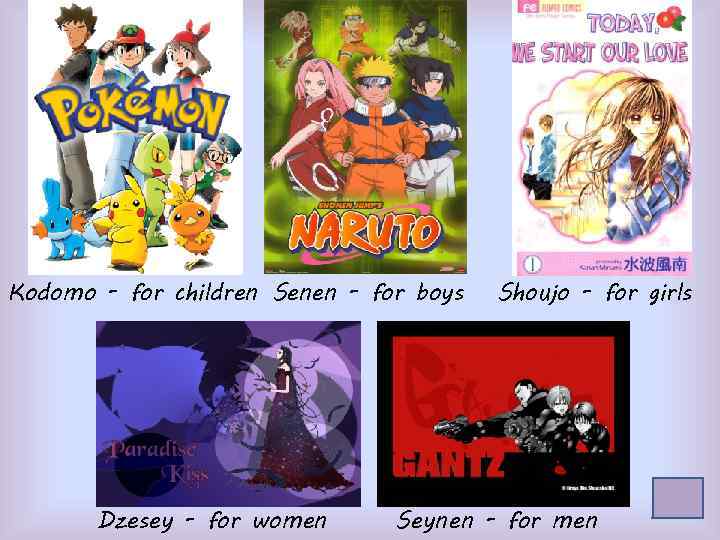
Kodomo - for children Senen - for boys Dzesey - for women Shoujo - for girls Seynen - for men
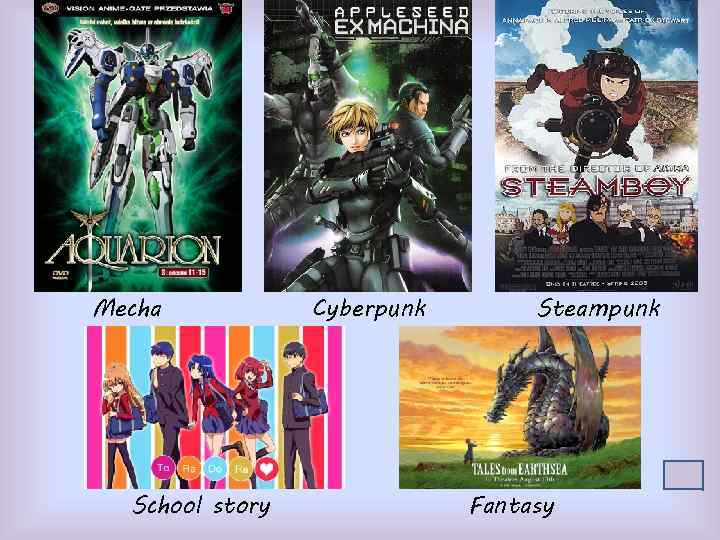
Mecha School story Cyberpunk Steampunk Fantasy
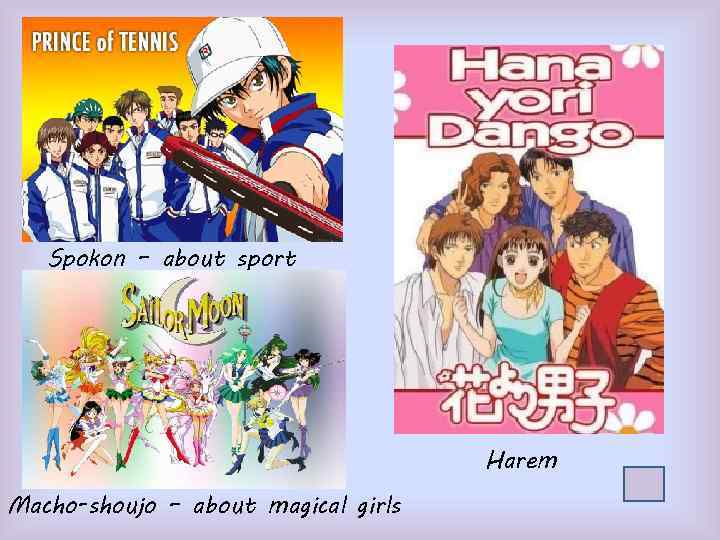
Spokon – about sport Harem Macho-shoujo – about magical girls
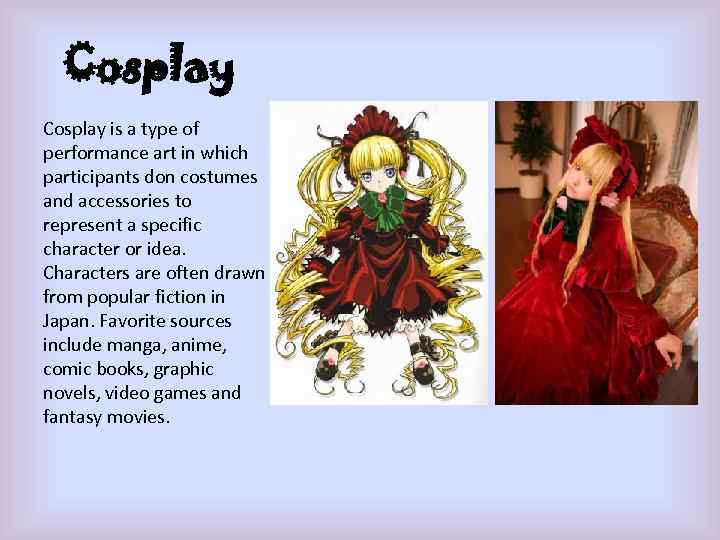
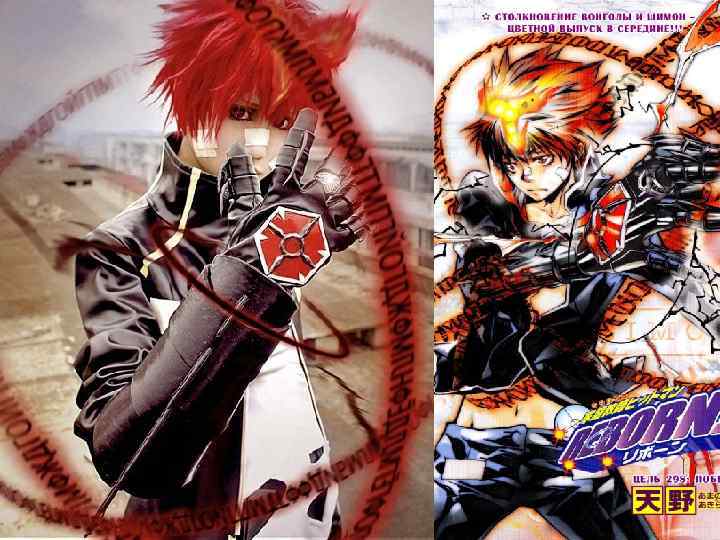
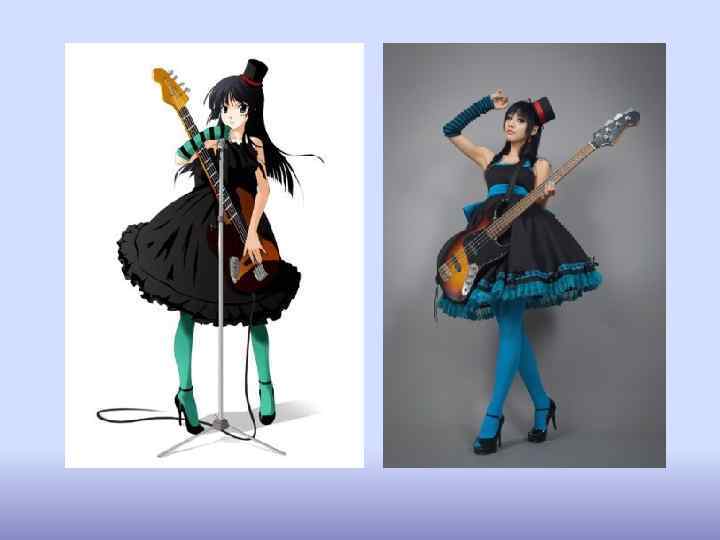
Cosplay is a type of performance art in which participants don costumes and accessories to represent a specific character or idea. Characters are often drawn from popular fiction in Japan. Favorite sources include manga, anime, comic books, graphic novels, video games and fantasy movies.
Clubs in Ulan - Ude Ulan: the first and, respectively, the oldest club PYON!: The most mysterious and most men's club. Senkai: the most active and most ambitious club. They often set up different parties and festivals like “Shin Seiki”.
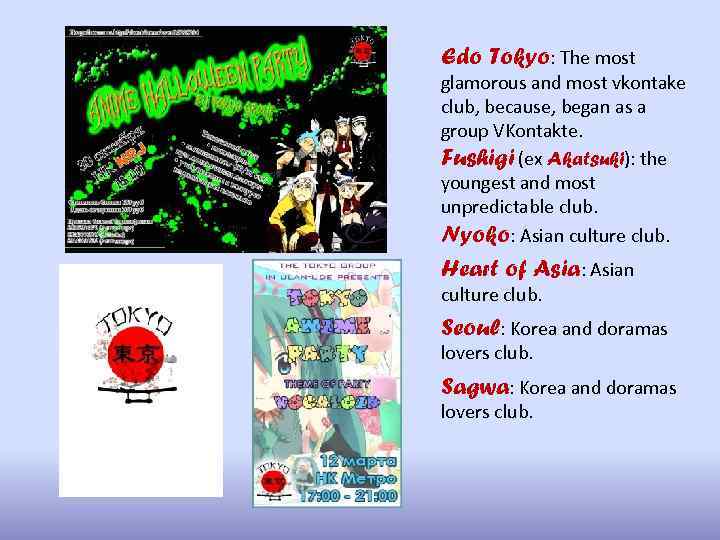
Edo Tokyo: The most glamorous and most vkontake club, because, began as a group VKontakte. Fushigi (ex Akatsuki): the youngest and most unpredictable club. Nyoko: Asian culture club. Heart of Asia: Asian culture club. Seoul: Korea and doramas lovers club. Sagwa: Korea and doramas lovers club.
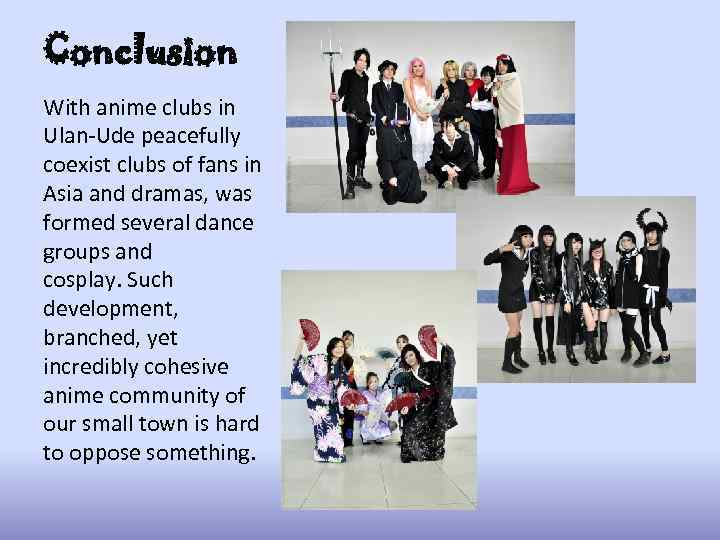
Conclusion With anime clubs in Ulan-Ude peacefully coexist clubs of fans in Asia and dramas, was formed several dance groups and cosplay. Such development, branched, yet incredibly cohesive anime community of our small town is hard to oppose something.

Do you want to be anime lover?
Скачать презентацию ANIME By Tugutova Tuyana Grigoryeva Lera Rabdanova Anna
Презентация Аниме.pptx