Скачать презентацию Angles Originally occupied parts of Germany
f26562449ef7848a43be3453ab2bfc9b.ppt
- Количество слайдов: 61
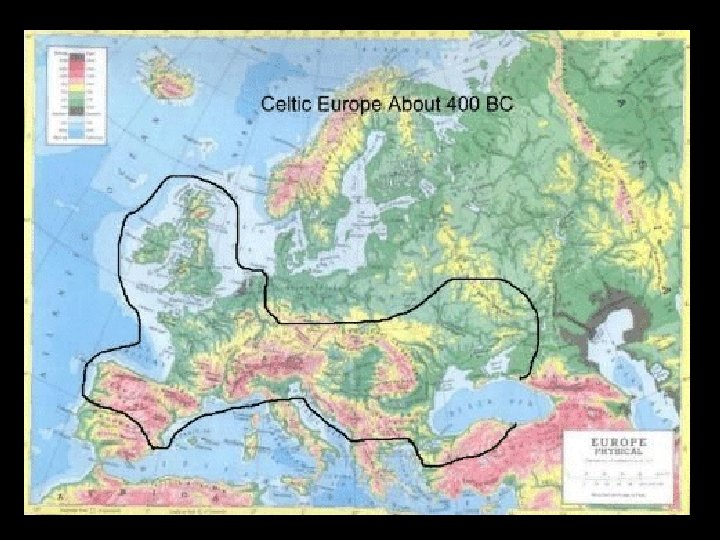
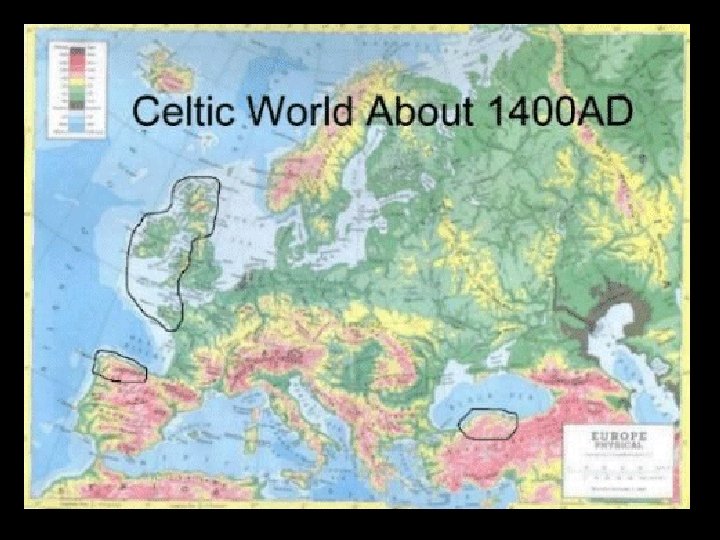
 Angles • Originally occupied parts of Germany • Invaded by Britain with Saxons & Jutes (from Jutland) in 5 th Cent. • Formed people who became known as English (The name England is derived from them)
 Anglo-Saxons • 450 -Present • “Volkerwanderung” • Drove out Britons, Celts • Gave name “Welsh” – strangers • Divided into 7 kingdoms (Kent, Sussex, Essex) – Brought Important Documents
 Christmas Berry Mocha Fudge - A Heavenly treat 1/4 lb. butter 12 oz. can of evaporated milk 3 1/2 Cups of sugar 1 heaping tablespoon of INSTANT COFFEE 10 oz. Hershey's Raspberry chocolate chips 2 oz. bittersweet chocolate 7 oz. Marshmallow cream 1 tsp. Vanilla In a heavy saucepan melt the butter. Add evaporated milk, sugar, and coffee. Bring to a rolling boil, stirring constantly until the temperature reaches 235 degrees. Remove from heat and raspberry chocolate chips and the bittersweet chocolate. Stir the mixture until all ingredients are melted. Add the marshmallow crème and stir until blended. Stir in the vanilla. Pour into a lightly greased 9 X 13 inch pan. Cut in bite sized squared when cooled.
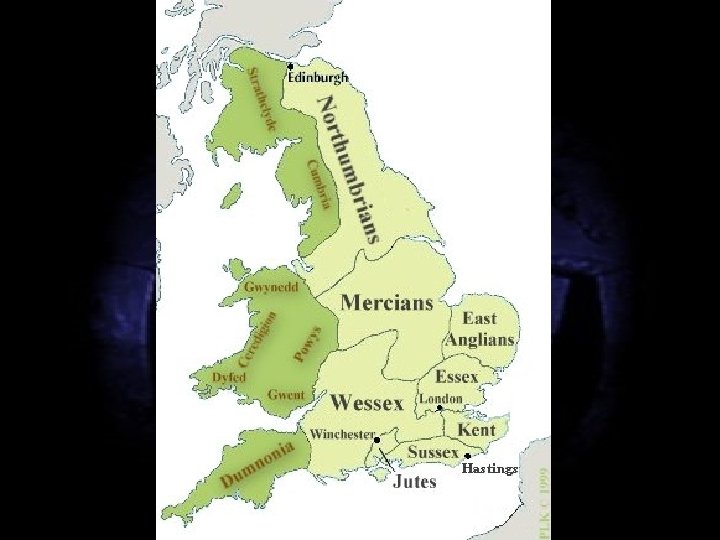
 - 700 AD – All of England Christian (St Patrick) religious unity before political - 7 Stable Kingdoms established -Alfred the Great - Divides into Shires (counties)

 - 700 AD – All of England Christian (St Patrick) religious unity before political - 7 Stable Kingdoms established -Alfred the Great - Divides into Shires (counties) Rules by an Earl Broke into hundreds, ruled by Thegn
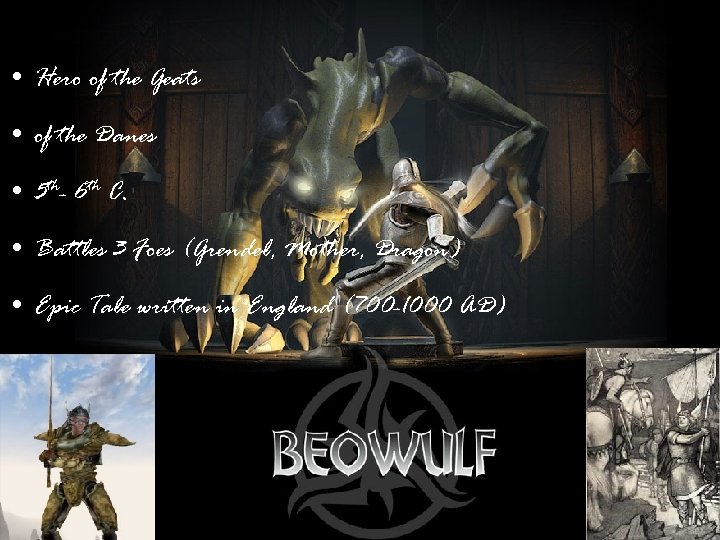 • Hero of the Geats • of the Danes • 5 th- 6 th C. • Battles 3 Foes (Grendel, Mother, Dragon) • Epic Tale written in England (700 -1000 AD)
 King Arthur • Arthur Pendragon, Artorius, Aurelianus • Figure of Mythology • Ideal King in War & Peace • Born in 5 th C.
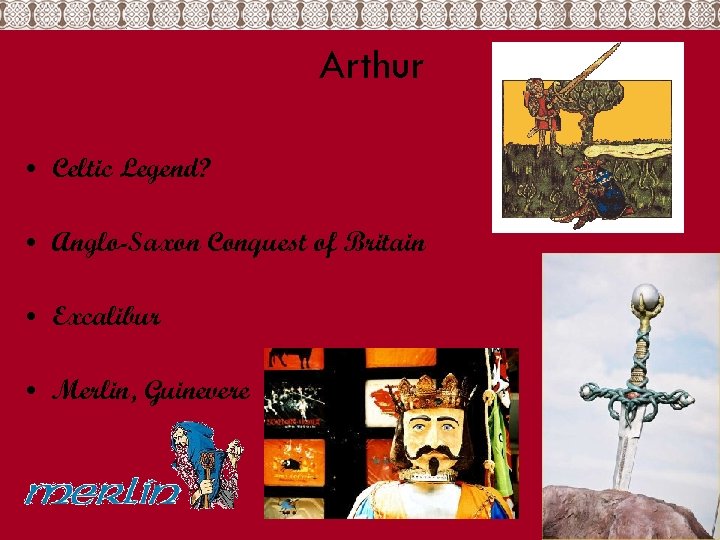 Arthur • Celtic Legend? • Anglo-Saxon Conquest of Britain • Excalibur • Merlin, Guinevere
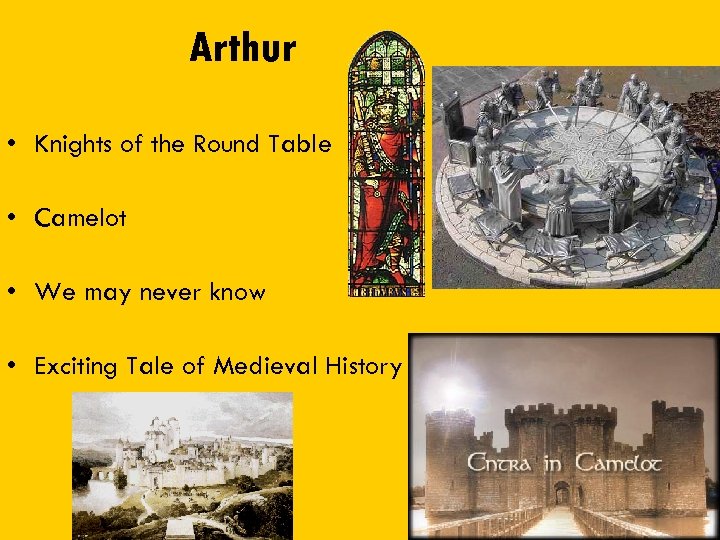 Arthur • Knights of the Round Table • Camelot • We may never know • Exciting Tale of Medieval History
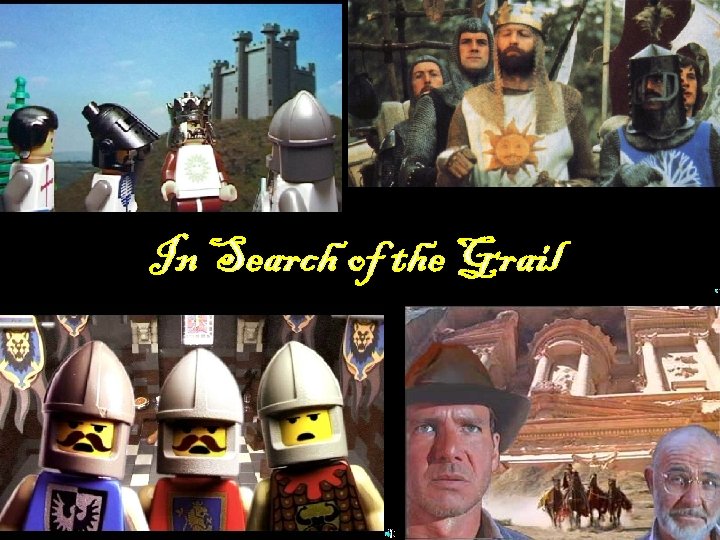
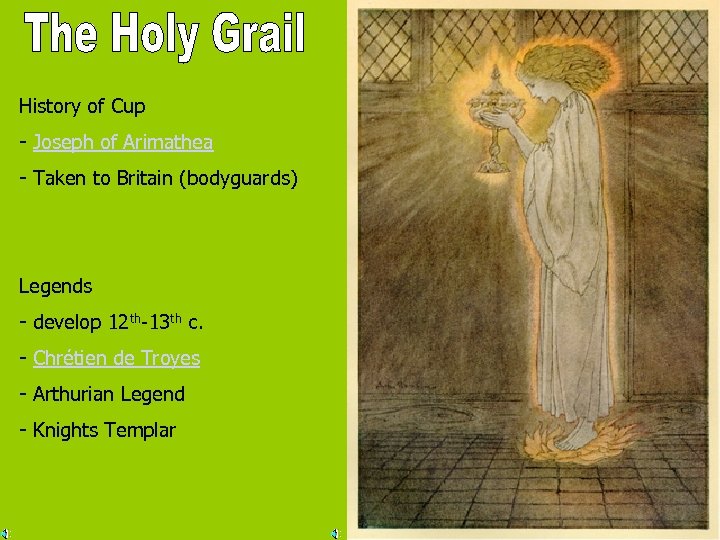 History of Cup - Joseph of Arimathea - Taken to Britain (bodyguards) Legends - develop 12 th-13 th c. - Chrétien de Troyes - Arthurian Legend - Knights Templar
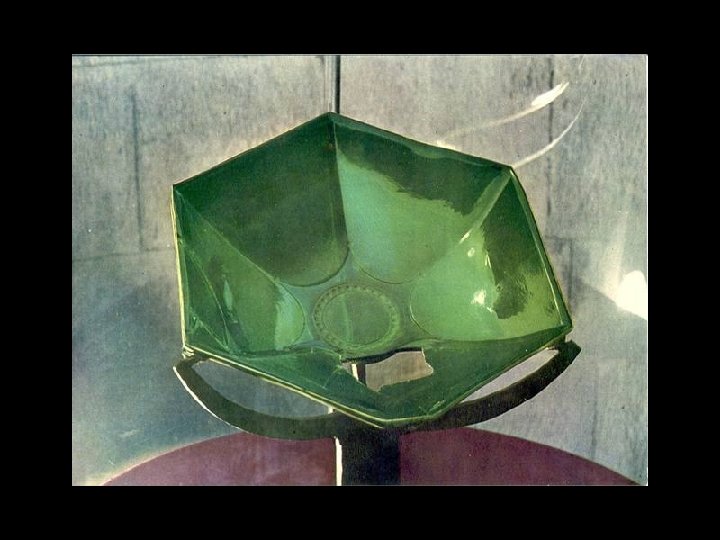
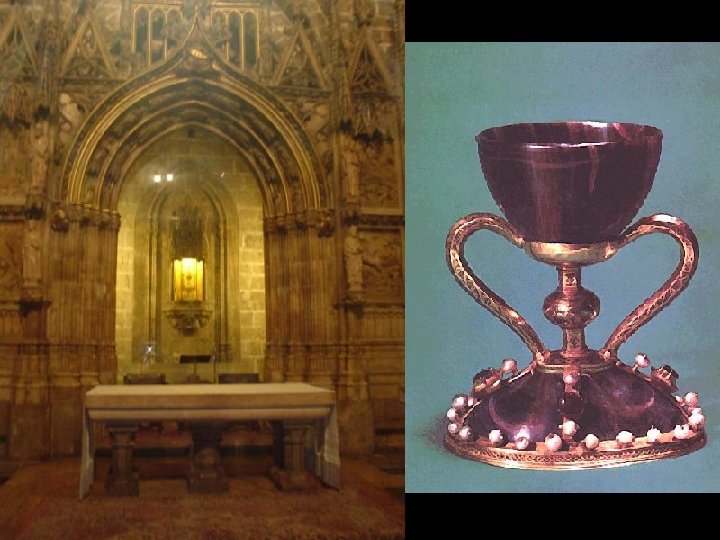
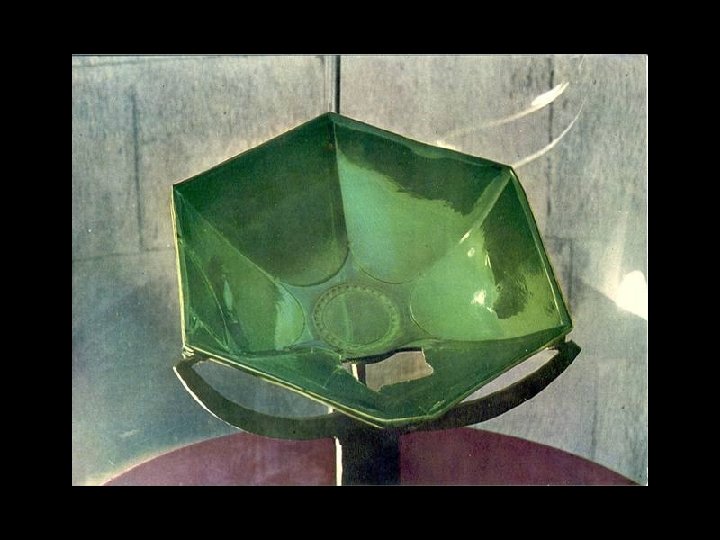
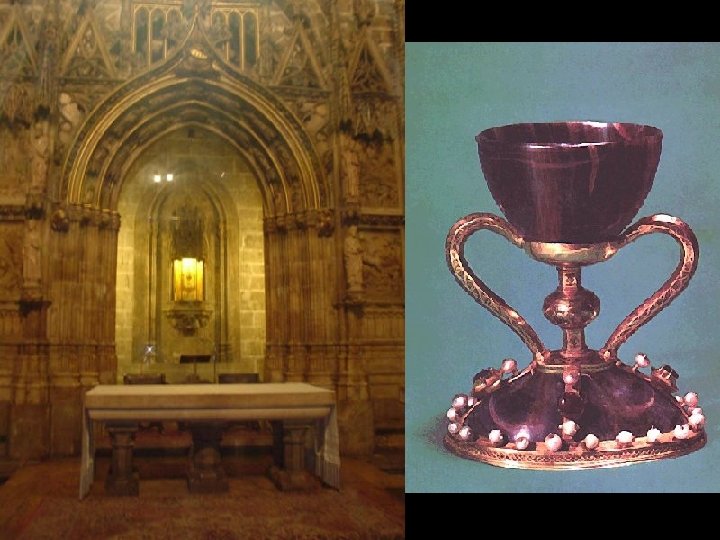
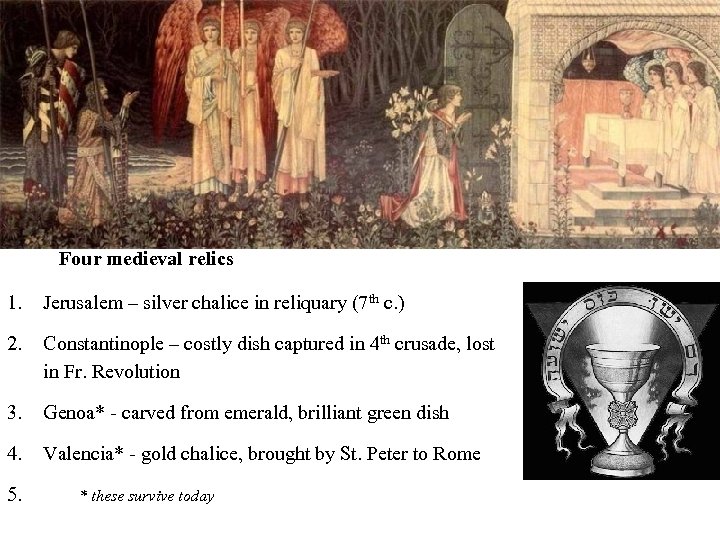 Four medieval relics 1. Jerusalem – silver chalice in reliquary (7 th c. ) 2. Constantinople – costly dish captured in 4 th crusade, lost in Fr. Revolution 3. Genoa* - carved from emerald, brilliant green dish 4. Valencia* - gold chalice, brought by St. Peter to Rome 5. * these survive today
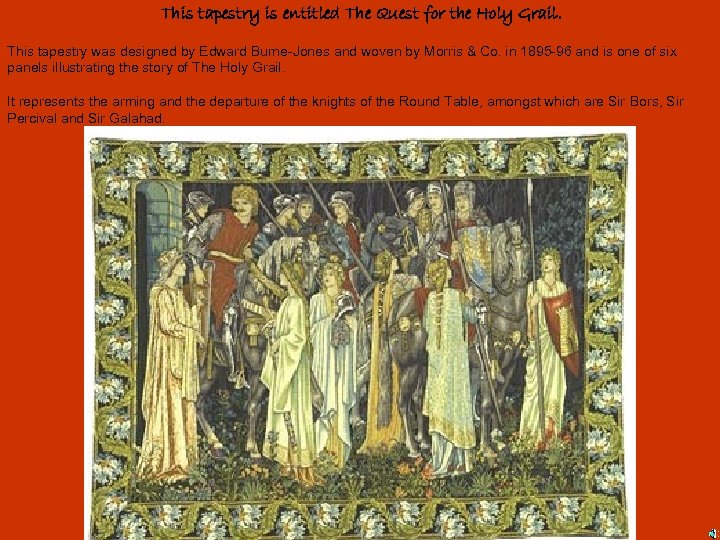 This tapestry is entitled The Quest for the Holy Grail. This tapestry was designed by Edward Burne-Jones and woven by Morris & Co. in 1895 -96 and is one of six panels illustrating the story of The Holy Grail. It represents the arming and the departure of the knights of the Round Table, amongst which are Sir Bors, Sir Percival and Sir Galahad.
 JUSTICE SYSTEM ESTABLISHED WIt. AN (council of earls, thegns) thegn Judge Doomsmen Jury EDWARD THE CONFESSOR Told to many secrets, ha
 • King Edward the Confessor (no heir to throne) Last Anglo-Saxon • 3 way struggle for English Throne Harold Godwinson Harald Hardrada (king of Norway) Duke William
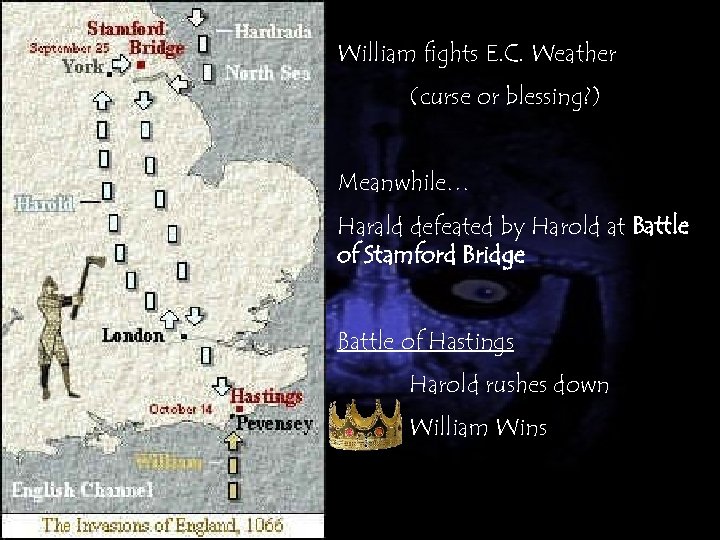 William fights E. C. Weather (curse or blessing? ) Meanwhile… Harald defeated by Harold at Battle of Stamford Bridge Battle of Hastings Harold rushes down William Wins
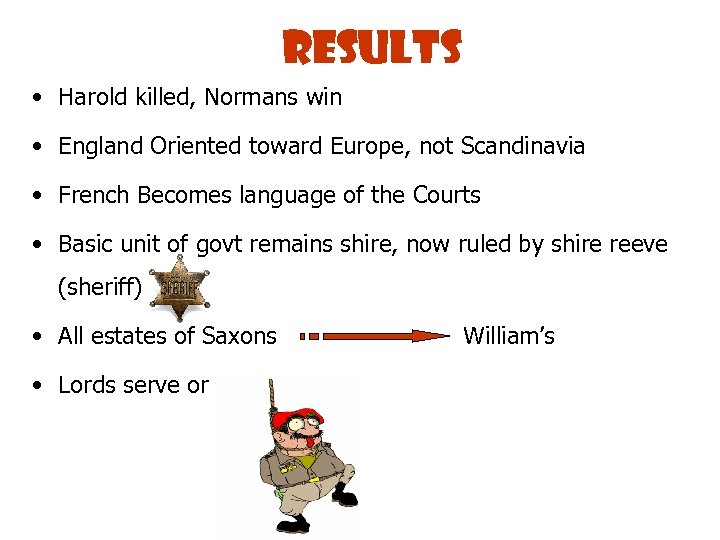 Results • Harold killed, Normans win • England Oriented toward Europe, not Scandinavia • French Becomes language of the Courts • Basic unit of govt remains shire, now ruled by shire reeve (sheriff) • All estates of Saxons • Lords serve or William’s
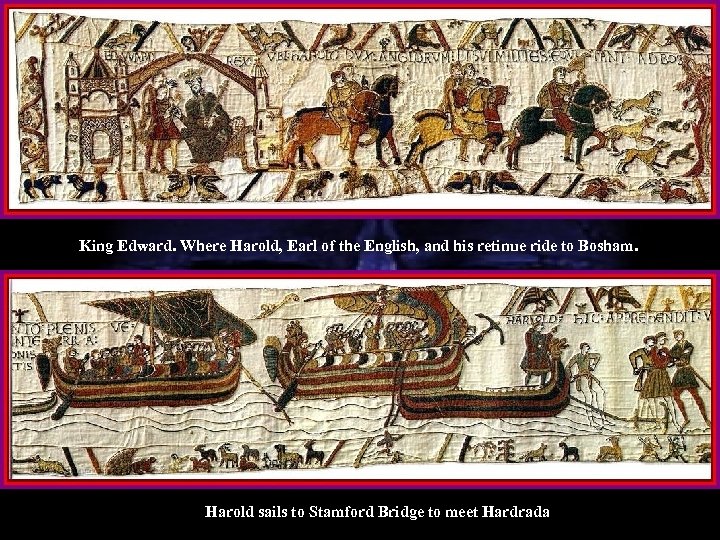 King Edward. Where Harold, Earl of the English, and his retinue ride to Bosham. Harold sails to Stamford Bridge to meet Hardrada
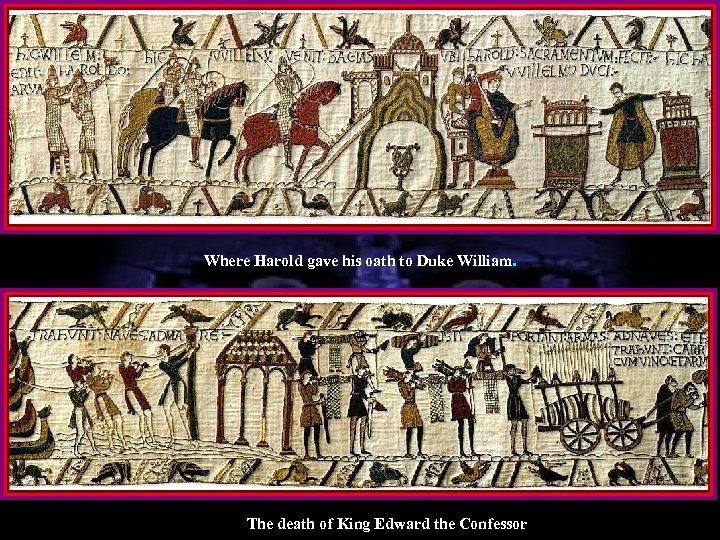 Where Harold gave his oath to Duke William. The death of King Edward the Confessor
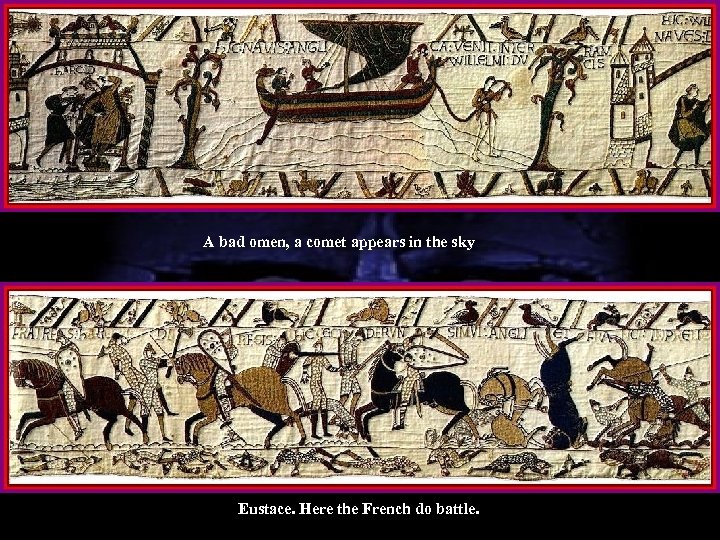 A bad omen, a comet appears in the sky Eustace. Here the French do battle.
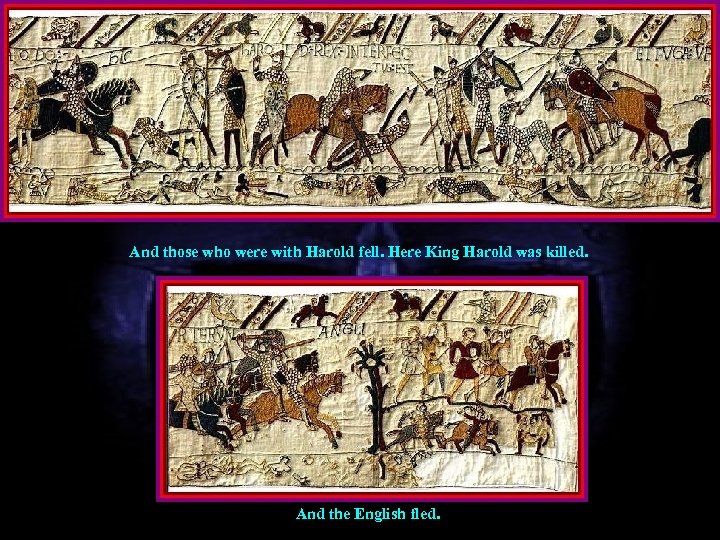 And those who were with Harold fell. Here King Harold was killed. And the English fled.
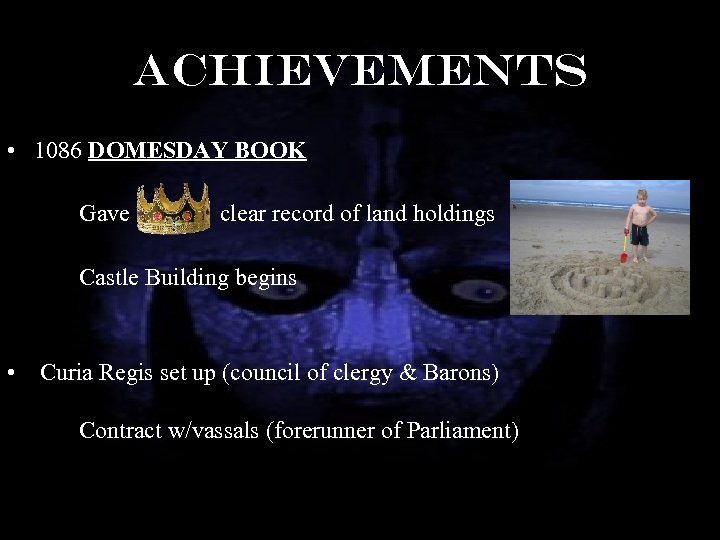 Achievements • 1086 DOMESDAY BOOK Gave clear record of land holdings Castle Building begins • Curia Regis set up (council of clergy & Barons) Contract w/vassals (forerunner of Parliament)
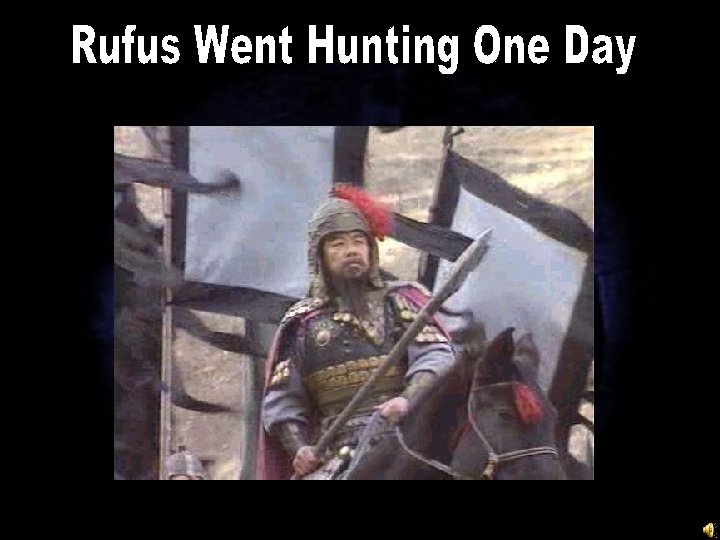
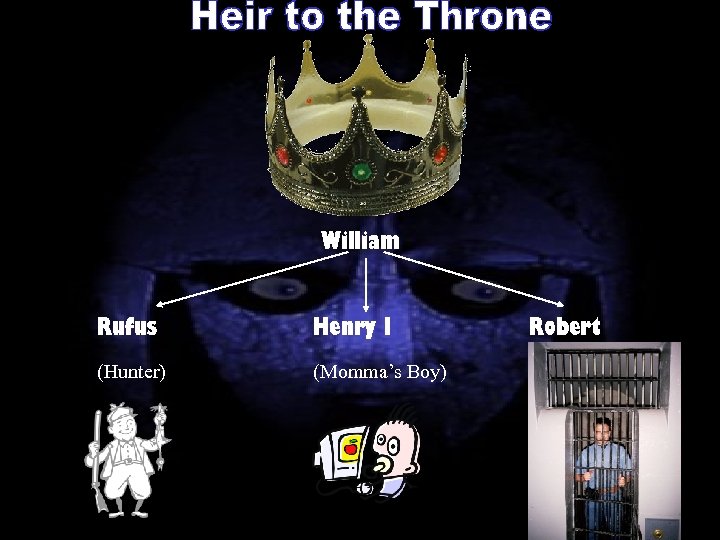 William Rufus Henry I Robert (Hunter) (Momma’s Boy) (Eldest, Crusader)
 Henry is last of sons and will rule as an uneventful king!
 Heir to the Throne - William, sister Mathilda, other illegitimate children
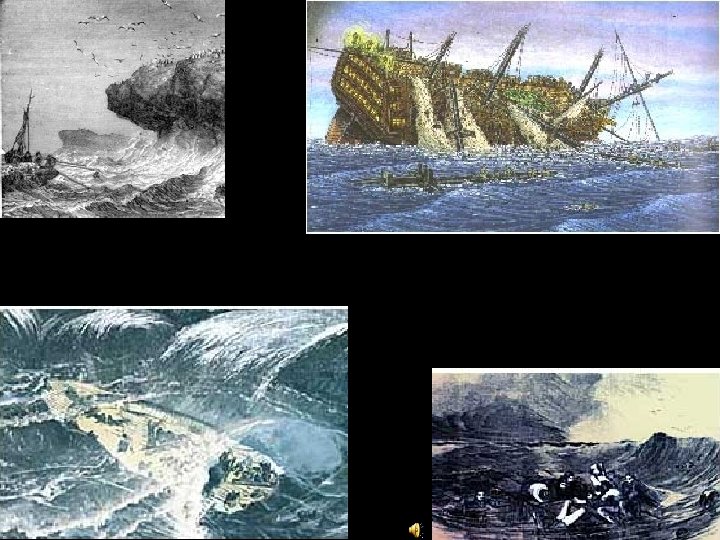
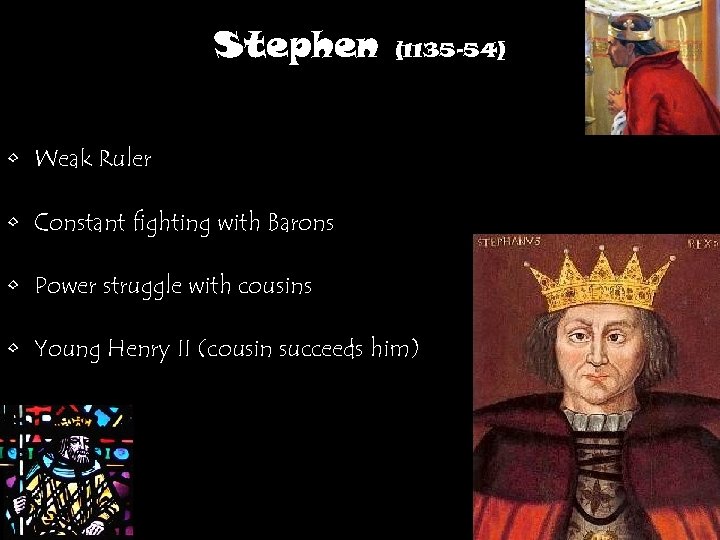 Stephen (1135 -54) • Weak Ruler • Constant fighting with Barons • Power struggle with cousins • Young Henry II (cousin succeeds him)
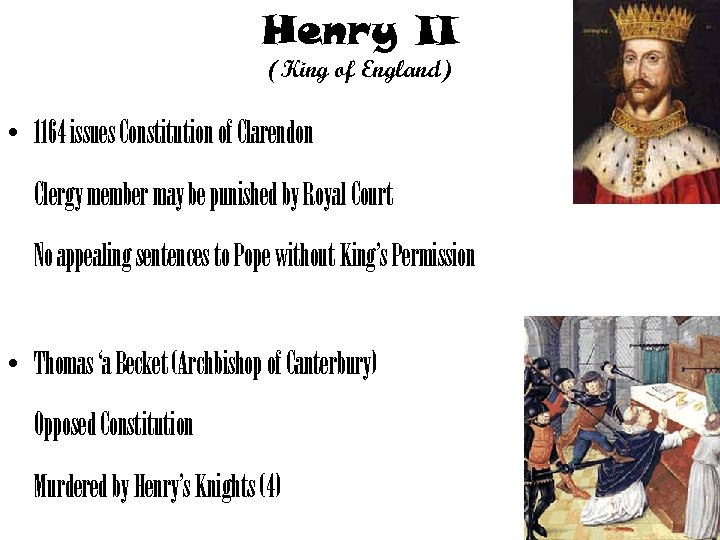 Henry II (King of England) • 1164 issues Constitution of Clarendon Clergy member may be punished by Royal Court No appealing sentences to Pope without King’s Permission • Thomas ‘a Becket (Archbishop of Canterbury) Opposed Constitution Murdered by Henry’s Knights (4)
 Henry II • Fight for the Throne • Sons all want it William , Henry , Richard , John , Geoffrey WHO WILL WIN?
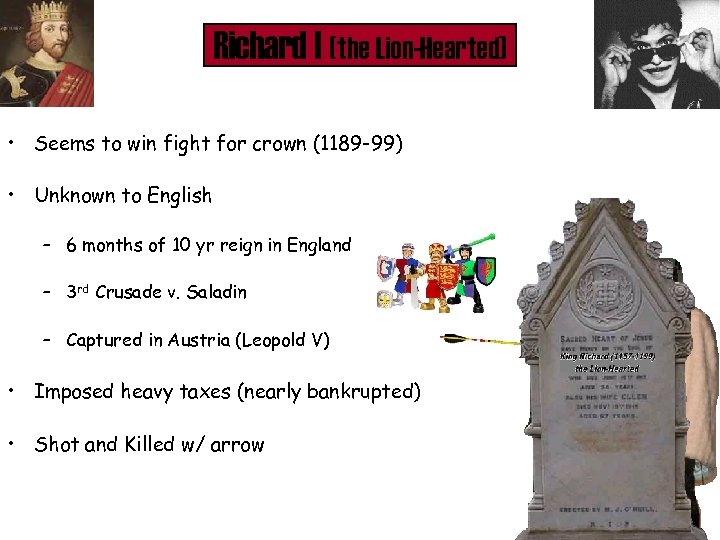 Richard I (the Lion-Hearted) • Seems to win fight for crown (1189 -99) • Unknown to English – 6 months of 10 yr reign in England – 3 rd Crusade v. Saladin – Captured in Austria (Leopold V) • Imposed heavy taxes (nearly bankrupted) • Shot and Killed w/ arrow
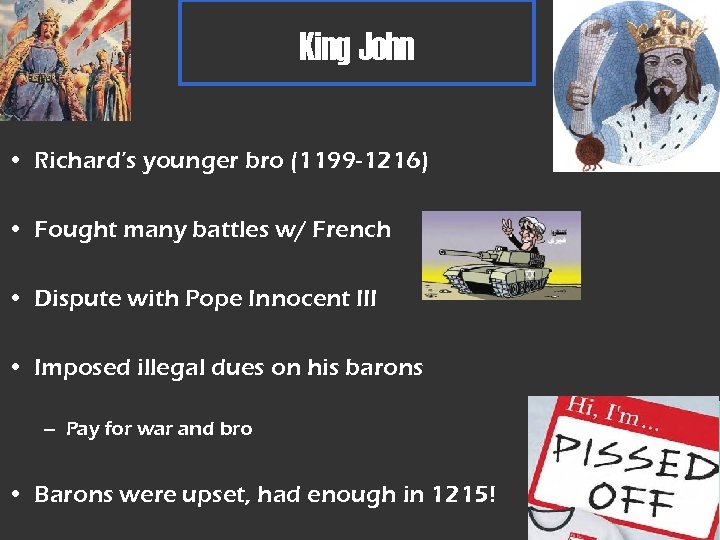 King John • Richard’s younger bro (1199 -1216) • Fought many battles w/ French • Dispute with Pope Innocent III • Imposed illegal dues on his barons – Pay for war and bro • Barons were upset, had enough in 1215!
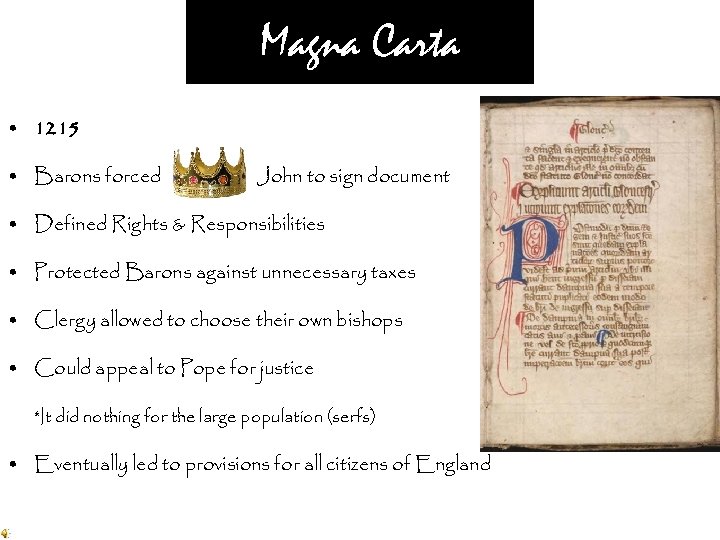 Magna Carta • 1215 • Barons forced John to sign document • Defined Rights & Responsibilities • Protected Barons against unnecessary taxes • Clergy allowed to choose their own bishops • Could appeal to Pope for justice *It did nothing for the large population (serfs) • Eventually led to provisions for all citizens of England
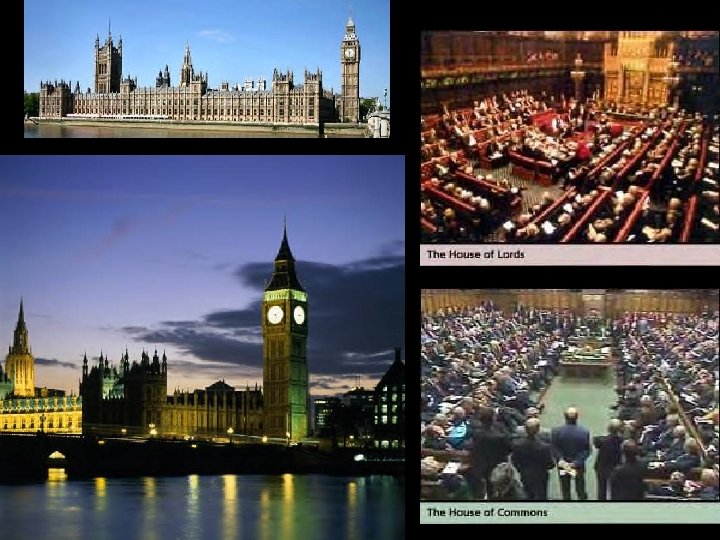
 Parliament • Issue of taxes led to Parliament (to speak) • Divided into 2 Houses House of Lords - bishops & nobles House of Commons - knights & burgesses
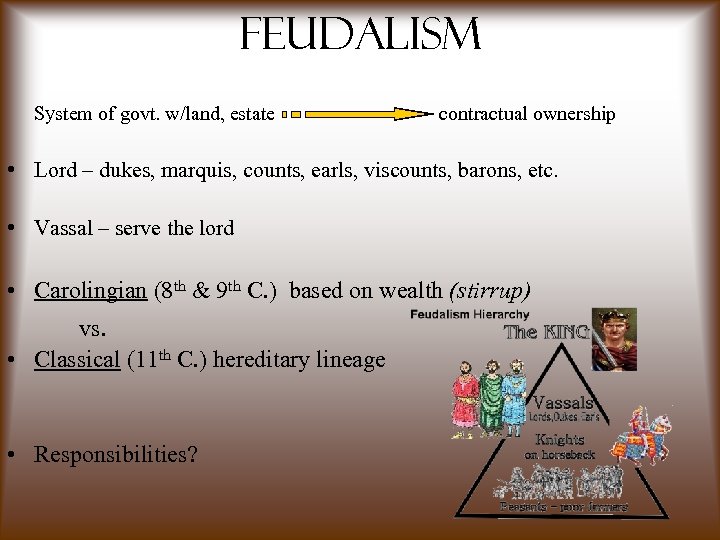 Feudalism System of govt. w/land, estate contractual ownership • Lord – dukes, marquis, counts, earls, viscounts, barons, etc. • Vassal – serve the lord • Carolingian (8 th & 9 th C. ) based on wealth (stirrup) vs. • Classical (11 th C. ) hereditary lineage • Responsibilities?
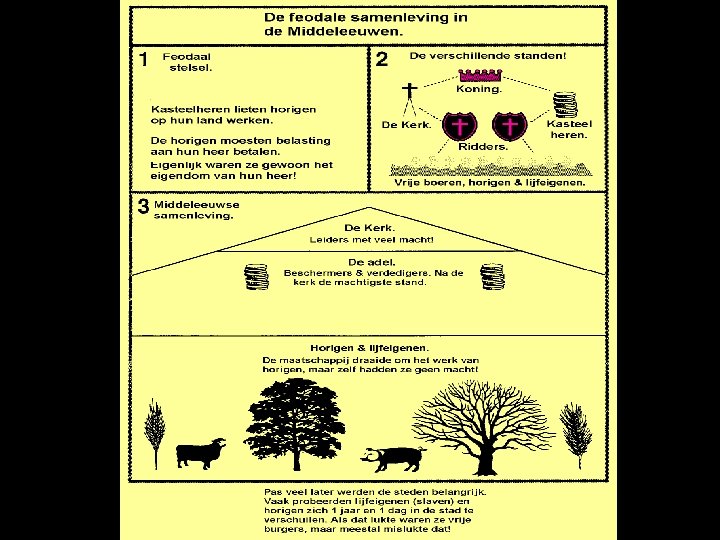
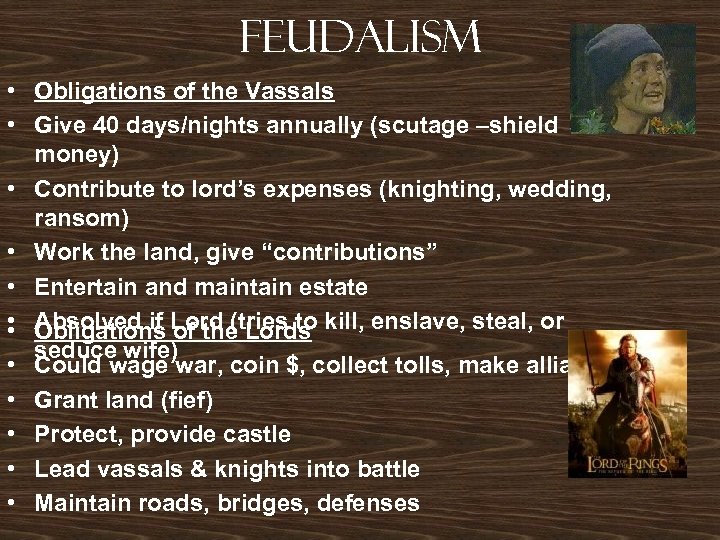 Feudalism • Obligations of the Vassals • Give 40 days/nights annually (scutage –shield money) • Contribute to lord’s expenses (knighting, wedding, ransom) • Work the land, give “contributions” • Entertain and maintain estate • Absolved if Lord (tries to kill, enslave, steal, or • Obligations of the Lords seduce wife) • Could wage war, coin $, collect tolls, make alliances • Grant land (fief) • Protect, provide castle • Lead vassals & knights into battle • Maintain roads, bridges, defenses
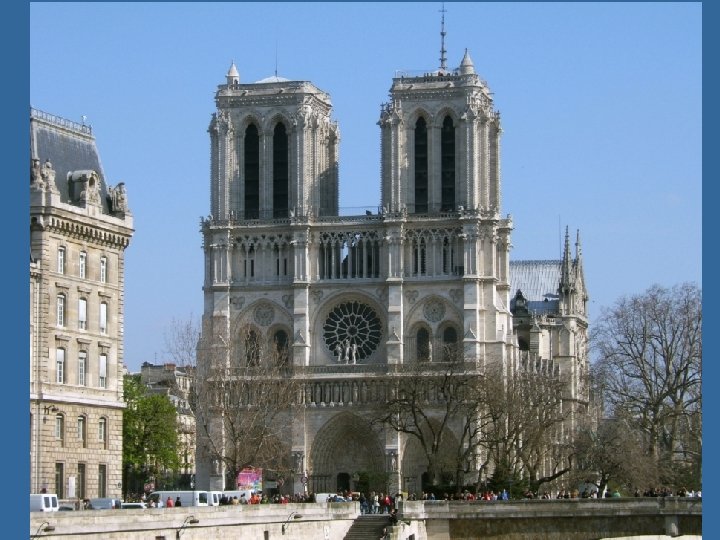
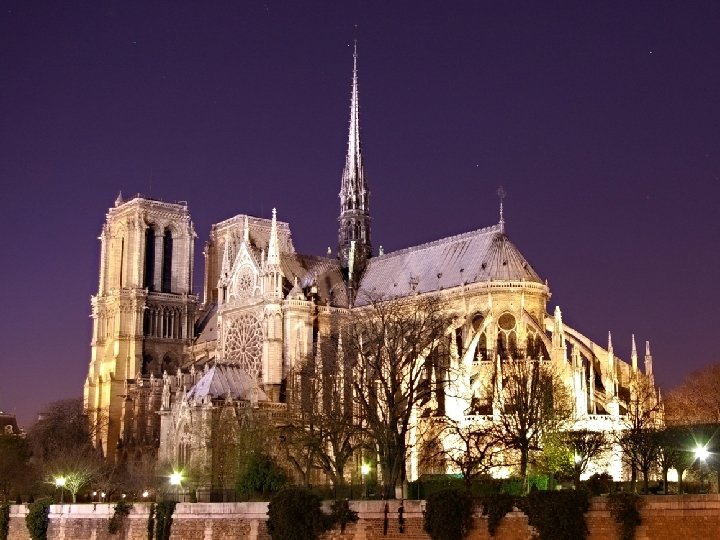
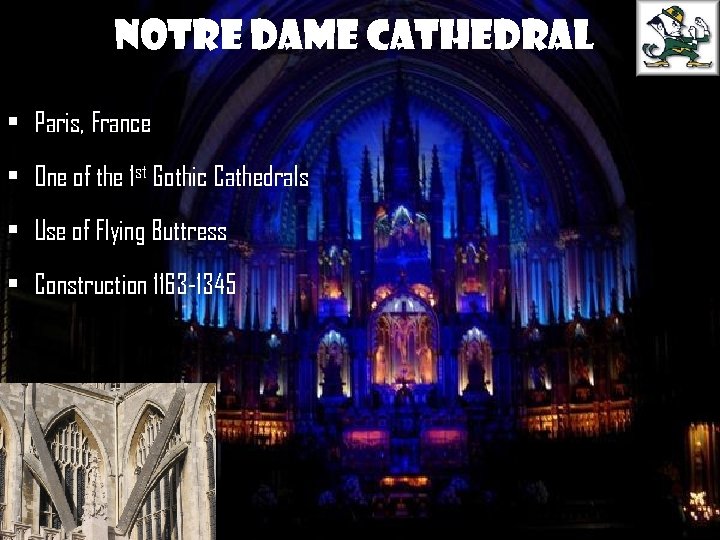 Notre Dame Cathedral • Paris, France • One of the 1 st Gothic Cathedrals • Use of Flying Buttress • Construction 1163 -1345
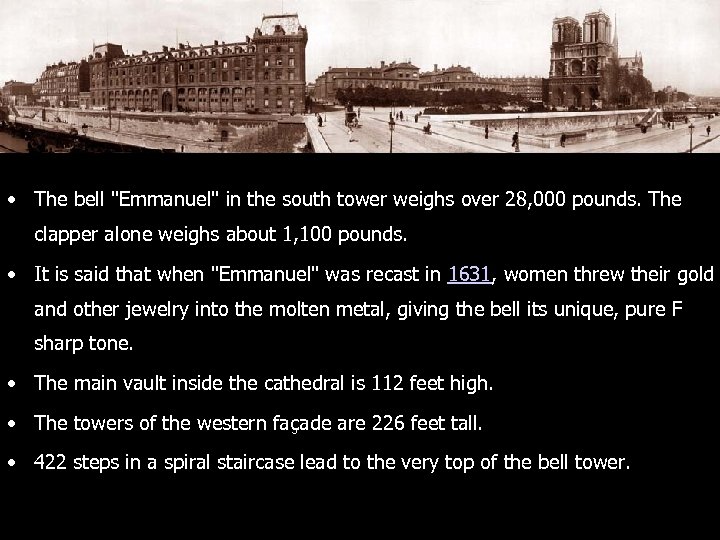 • The bell "Emmanuel" in the south tower weighs over 28, 000 pounds. The clapper alone weighs about 1, 100 pounds. • It is said that when "Emmanuel" was recast in 1631, women threw their gold and other jewelry into the molten metal, giving the bell its unique, pure F sharp tone. • The main vault inside the cathedral is 112 feet high. • The towers of the western façade are 226 feet tall. • 422 steps in a spiral staircase lead to the very top of the bell tower.
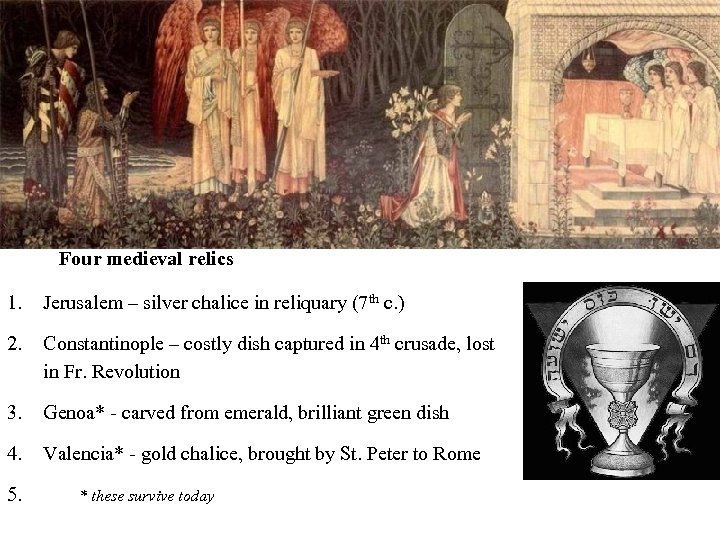 Four medieval relics 1. Jerusalem – silver chalice in reliquary (7 th c. ) 2. Constantinople – costly dish captured in 4 th crusade, lost in Fr. Revolution 3. Genoa* - carved from emerald, brilliant green dish 4. Valencia* - gold chalice, brought by St. Peter to Rome 5. * these survive today
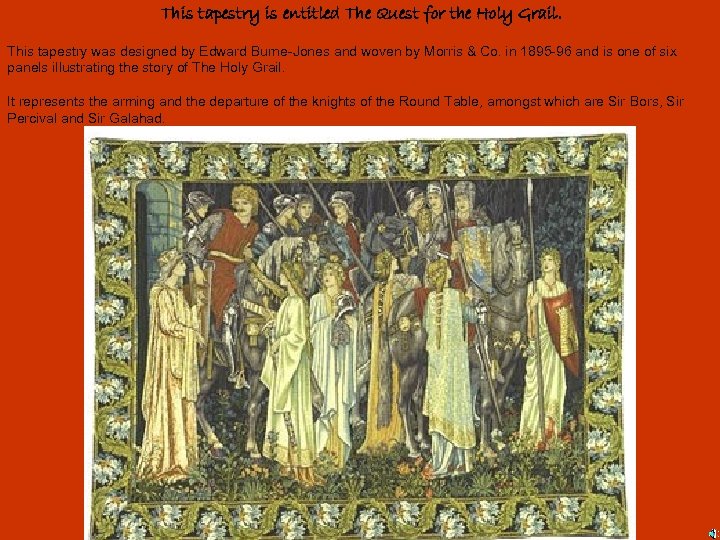 This tapestry is entitled The Quest for the Holy Grail. This tapestry was designed by Edward Burne-Jones and woven by Morris & Co. in 1895 -96 and is one of six panels illustrating the story of The Holy Grail. It represents the arming and the departure of the knights of the Round Table, amongst which are Sir Bors, Sir Percival and Sir Galahad.