


 Скачать презентацию Ancient Middle America The Middle Preclassic Middle Formative
0de8da36071380680e3cf5bf9fec9ba5.ppt
- Количество слайдов: 30
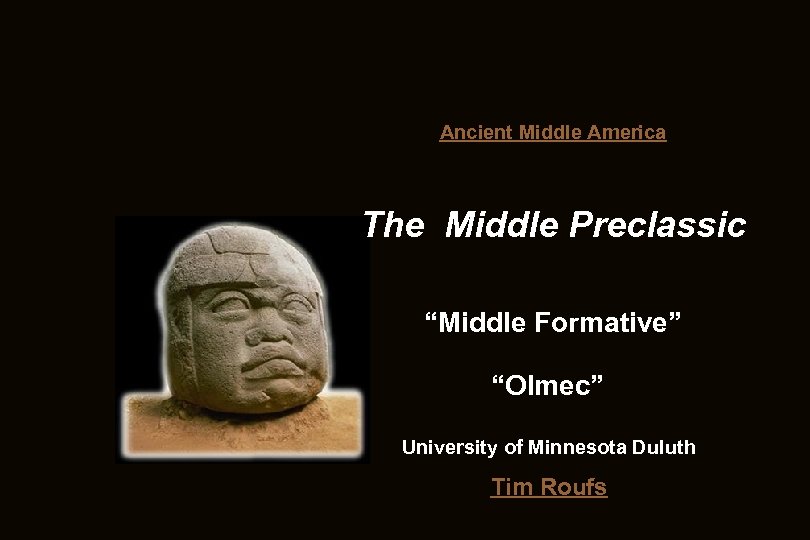 Ancient Middle America The Middle Preclassic “Middle Formative” “Olmec” University of Minnesota Duluth Tim Roufs
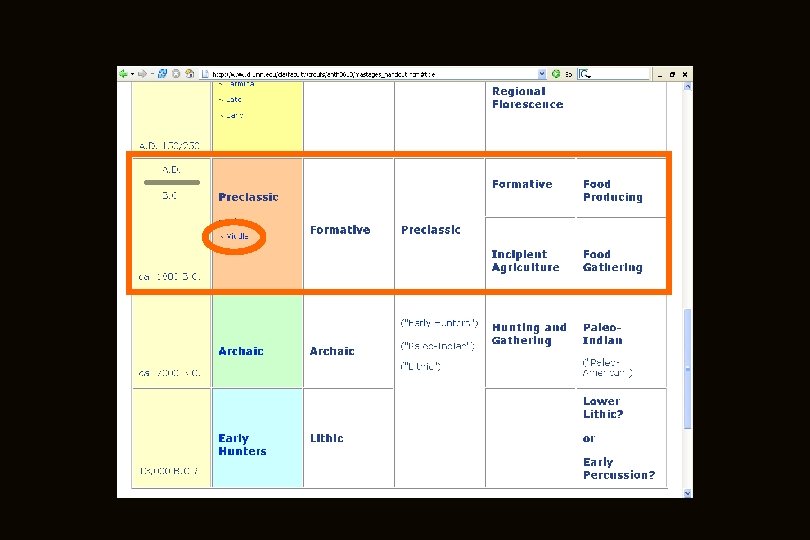
 Middle Preclassic Stage Late Preclassic Middle Preclassic Early Preclassic
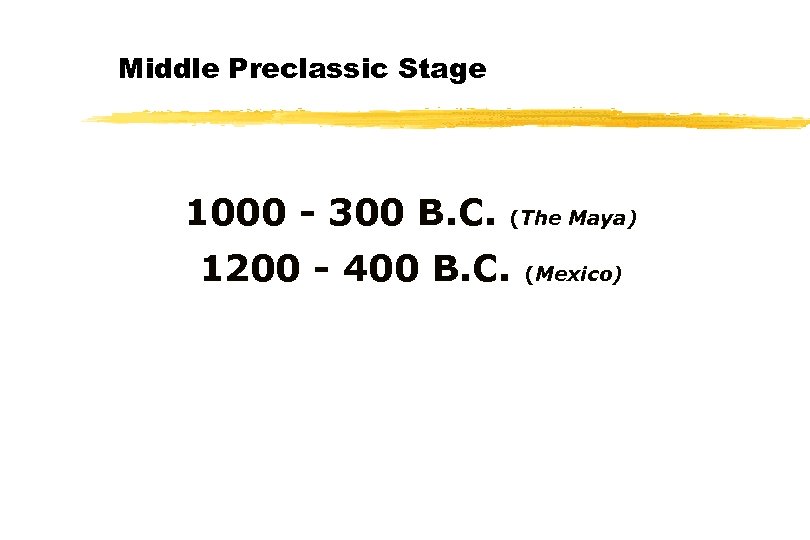 Middle Preclassic Stage 1000 - 300 B. C. (The Maya) 1200 - 400 B. C. (Mexico)
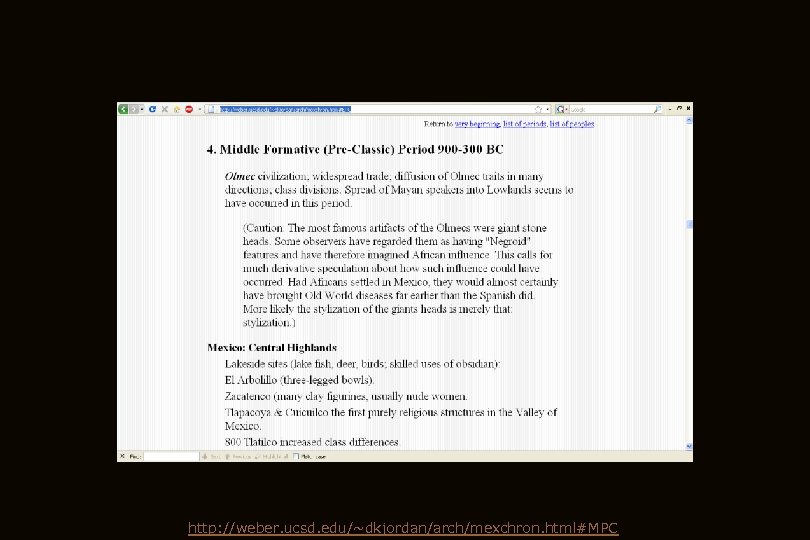 http: //weber. ucsd. edu/~dkjordan/arch/mexchron. html#MPC
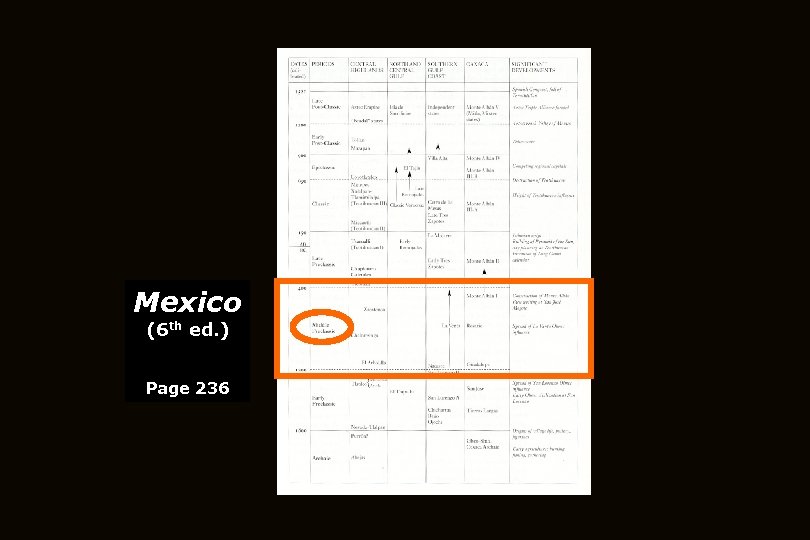 Mexico (6 th ed. ) Page 236
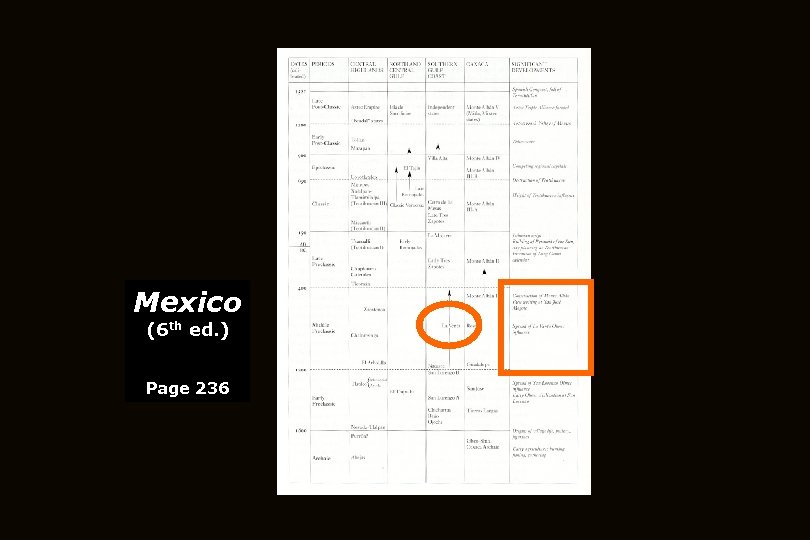 Mexico (6 th ed. ) Page 236
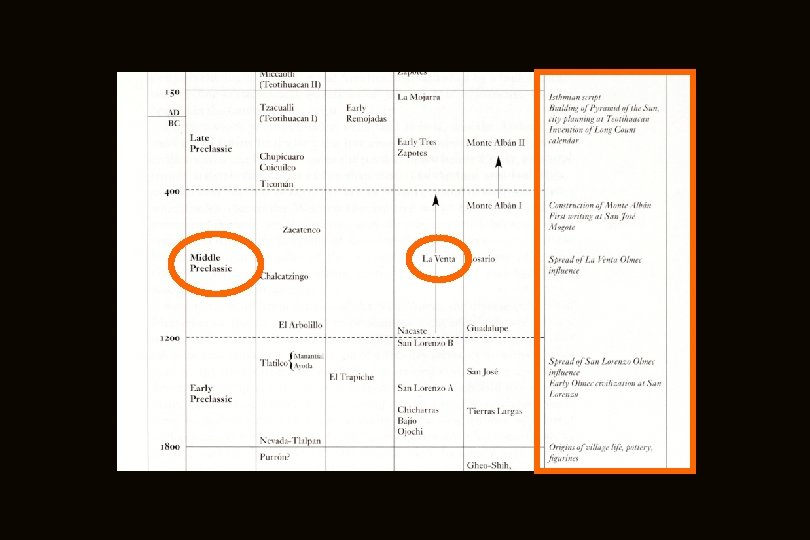
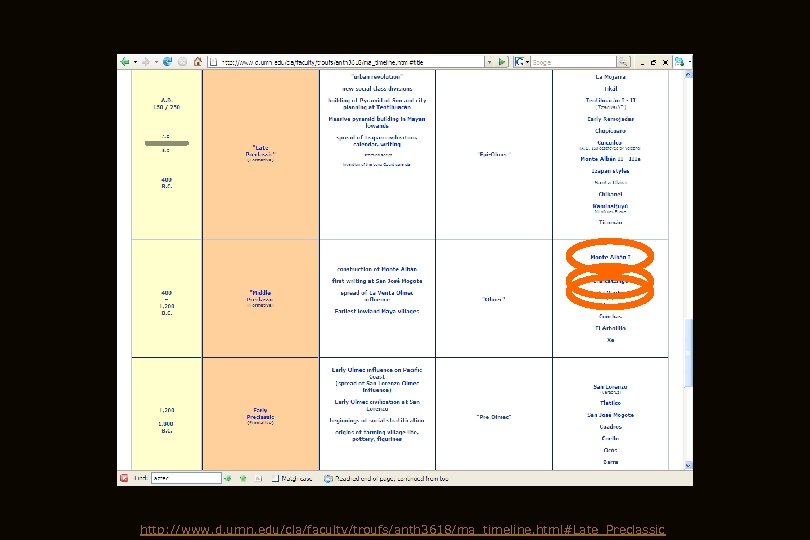 http: //www. d. umn. edu/cla/faculty/troufs/anth 3618/ma_timeline. html#Late_Preclassic
 Middle Preclassic Stage 1000 - 300 B. C. (The Maya) 1200 - 400 B. C. (Mexico) Characterized by. . .
 Middle Preclassic Stage agricultural communities moved in the direction of a more densely populated type of village or town • they were made up of huts built over house -mound platforms of earth covered with stone • with had tamped earth or slab floors
 Middle Preclassic Stage local variations of pottery were being developed in both the round and flat-bottomed traditions of pottery • tecomate / tecomatl • flat-bottomed dish
 Middle Preclassic Stage on the Gulf coast the Olmec culture was now well integrated and had acquired considerable strength • and had widespread influence over groups in the Central Highlands
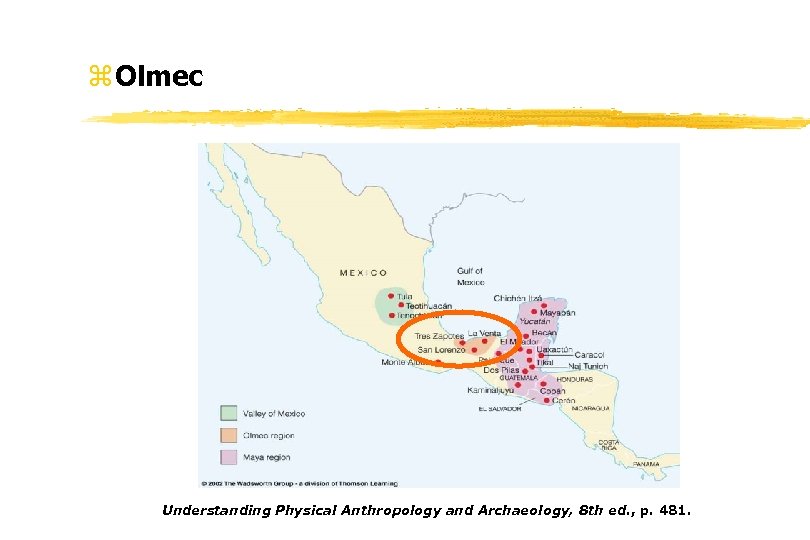 z Olmec Understanding Physical Anthropology and Archaeology, 8 th ed. , p. 481.
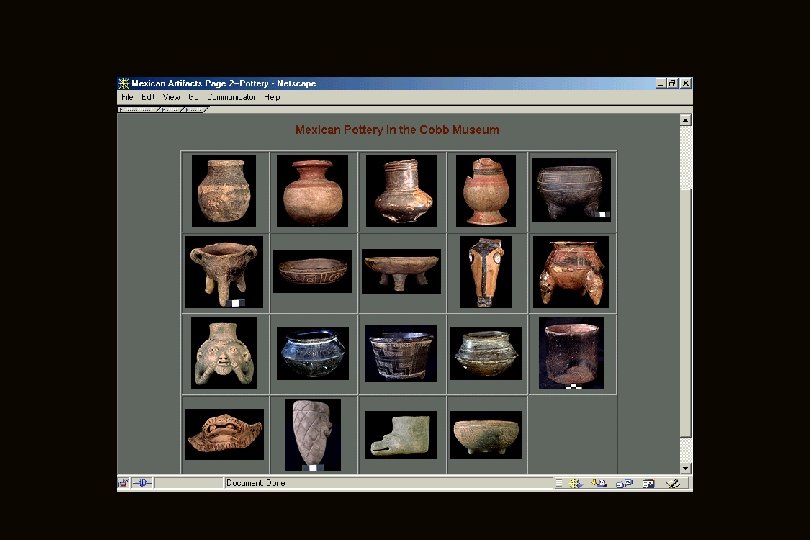
 Middle Preclassic Stage the pottery of the Middle Preclassic period became more improved • for e. g. , they had vessels with a polished surface or red, or white on red
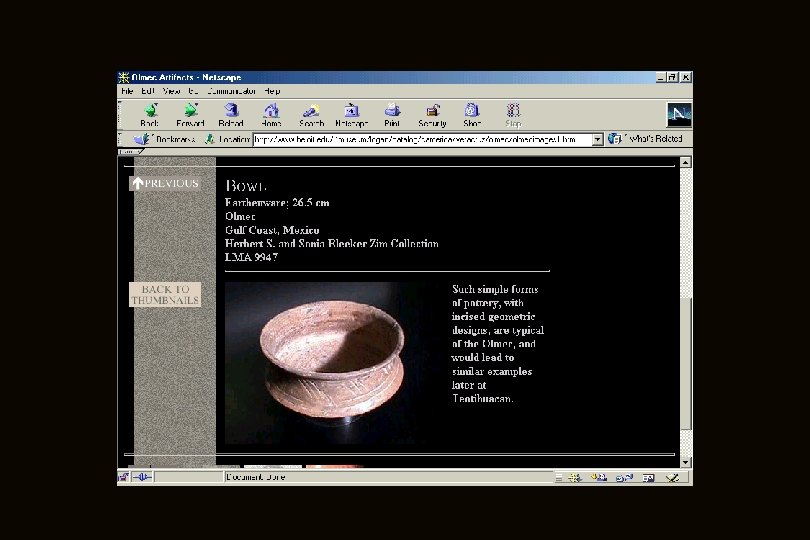
 Middle Preclassic Stage pottery of the Olmec style was introduced into the Highlands from the Gulf Coast • characterized by vases, plates, gourd-shaped bowls and bottles • had flat bottoms, adorned with feline or geometric motifs • used decorative techniques of finger-nail marking, rocker stamping, textile impressions, excisions, etc.
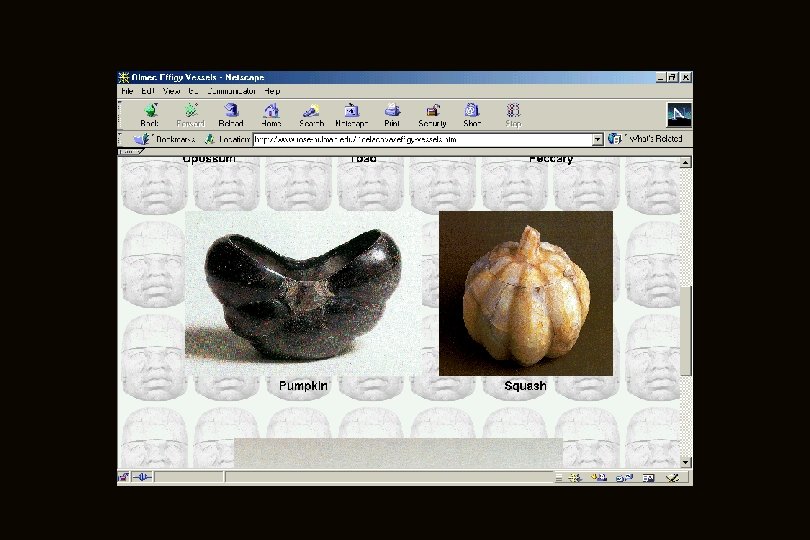
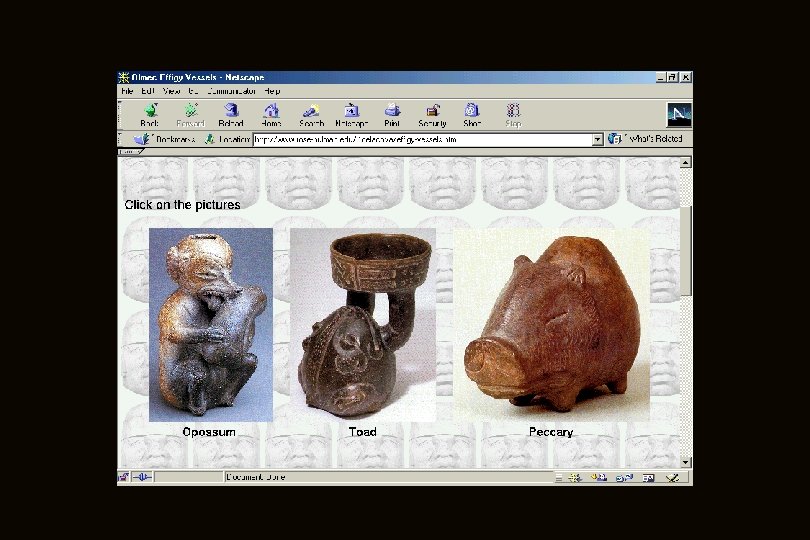
 Middle Preclassic Stage at this stage phytomorphic (plant-like forms) and zoomorphic bottles, dishes with spouts, stirrupspout vessels, anthropmorphic receptacles, and other pottery forms appear
 Middle Preclassic Stage colors and techniques used: • red on white, red on brown, orange and yellowish lacquer, white with negative painting, and painting on dry stucco
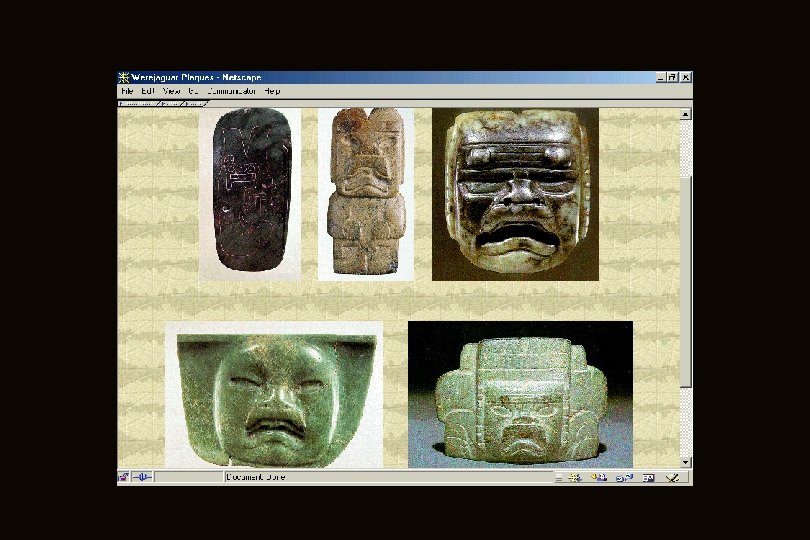
 Middle Preclassic Stage with the arrival of the Olmec a new type of figurine is also introduced into Central Mexico, characterized by a trapezoidal and enlarged mouth • representing that of a child or a jaguar • facial features formed by incising and punctuation
 Middle Preclassic Stage other types of figures continue to develop in the Highlands and become intermixed, resulting in may new types of figurines in the Middle Preclassic
 Middle Preclassic Stage Middle Preclassic Sites include: La Venta Chalcatzingo Monte Alban I Copilco Kaminaljuyú Uaxactún
 Middle Preclassic Stage Middle Preclassic Sites include: Gualupita Mamon Xe El Arbolillo Conchas Mazatán
 Late Preclassic Stage Late Preclassic Middle Preclassic Early Preclassic
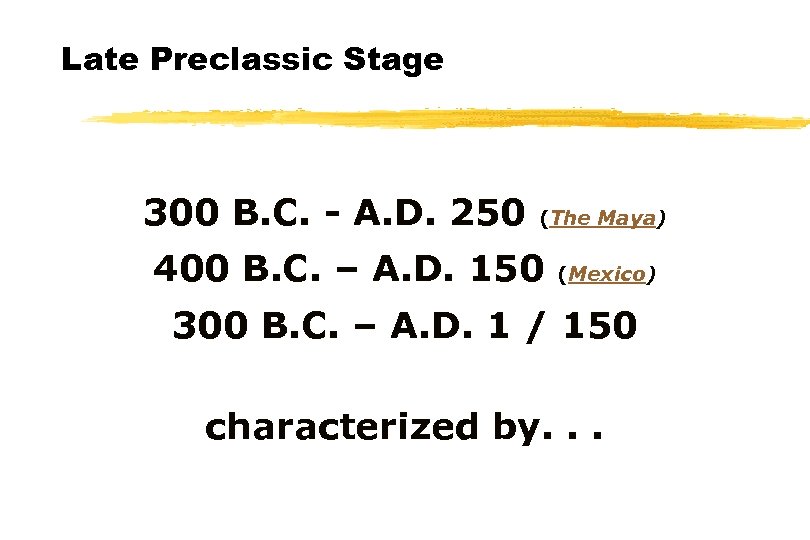 Late Preclassic Stage 300 B. C. - A. D. 250 (The Maya) 400 B. C. – A. D. 150 (Mexico) 300 B. C. – A. D. 1 / 150 characterized by. . .
 End of The Middle Preclassic Continue on to The Late Classic