Скачать презентацию Anatomy Physiology of Heart Geu-Ru Hong MD
1. Heart_anatomy_and_physiology.ppt
- Количество слайдов: 44
 Anatomy & Physiology of Heart Geu-Ru Hong, MD, Ph. D Associate Professor Director of Echocardiography Yonsei University, Seoul, Korea
 Agenda Day 1: Heart anatomy & Physioligy, Ultrasound physics & Hemodynamic Assessment Day 2: Standard Imaging, Systolic & diastolic function Assessment Day 3: Valvular heart disease & Ischemic heart disease Day 4: Cardiomyopathy & Congenital heart disease Day 5: Pericardial disease, tumor, aortic disease, New technology in echo
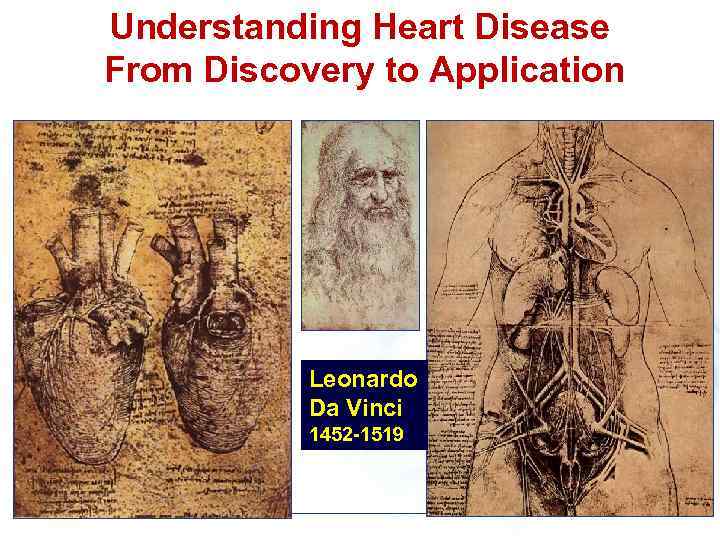 Understanding Heart Disease From Discovery to Application Leonardo Da Vinci 1452 -1519
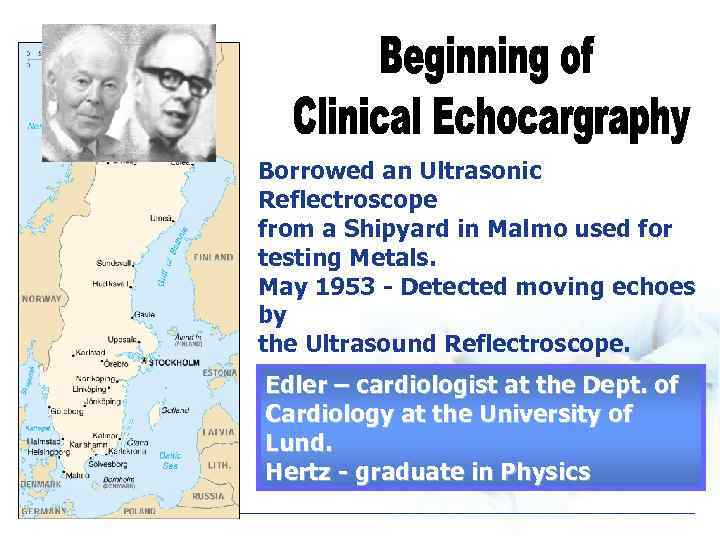 Borrowed an Ultrasonic Reflectroscope from a Shipyard in Malmo used for testing Metals. May 1953 - Detected moving echoes by the Ultrasound Reflectroscope. Edler – cardiologist at the Dept. of Cardiology at the University of Lund. Hertz - graduate in Physics
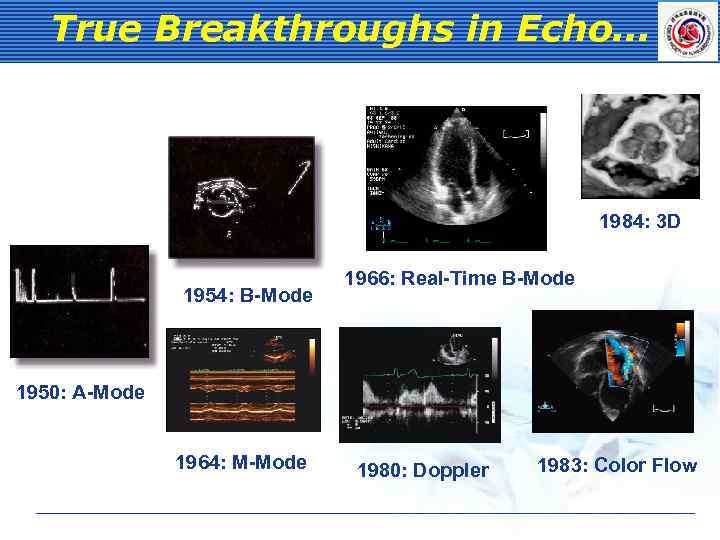 True Breakthroughs in Echo. . . 1984: 3 D 1954: B-Mode 1966: Real-Time B-Mode 1950: A-Mode 1964: M-Mode 1980: Doppler 1983: Color Flow
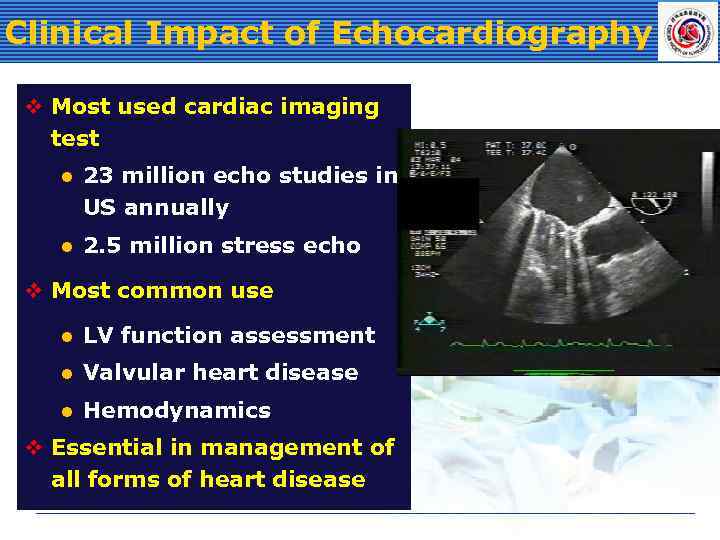 Clinical Impact of Echocardiography v Most used cardiac imaging test l 23 million echo studies in US annually l 2. 5 million stress echo v Most common use l LV function assessment l Valvular heart disease l Hemodynamics v Essential in management of all forms of heart disease
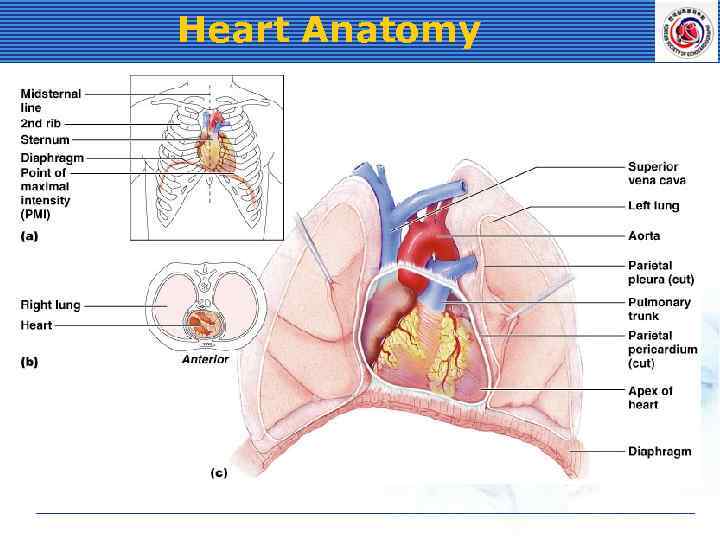 Heart Anatomy
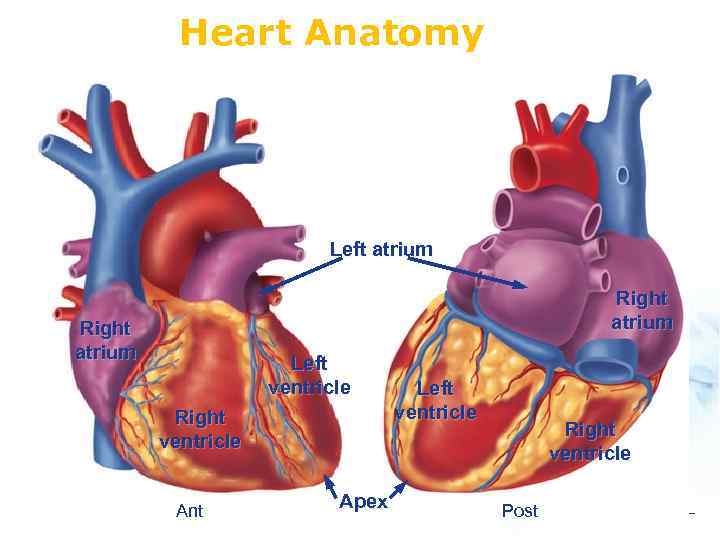 Heart Anatomy Left atrium Right atrium Left ventricle Right ventricle Ant Apex Left ventricle Right ventricle Post
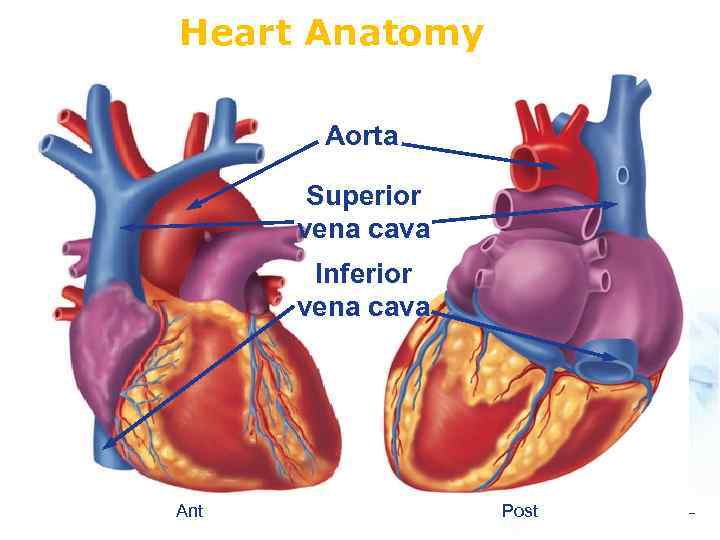 Heart Anatomy Aorta Superior vena cava Inferior vena cava Ant Post
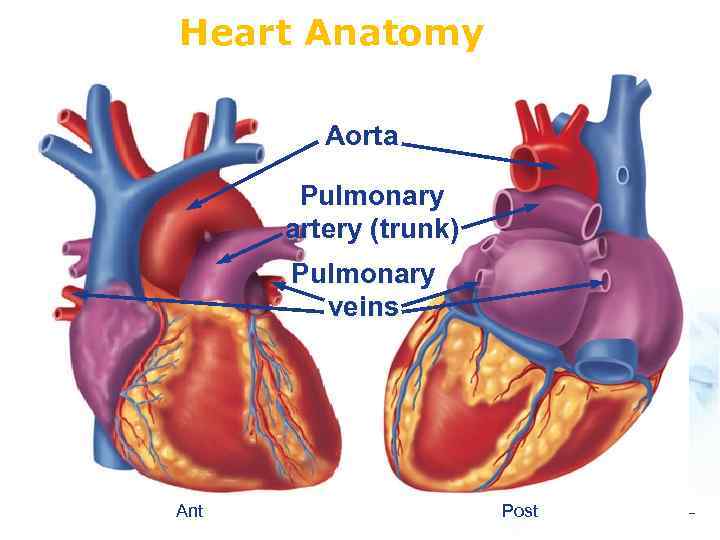 Heart Anatomy Aorta Pulmonary artery (trunk) Pulmonary veins Ant Post
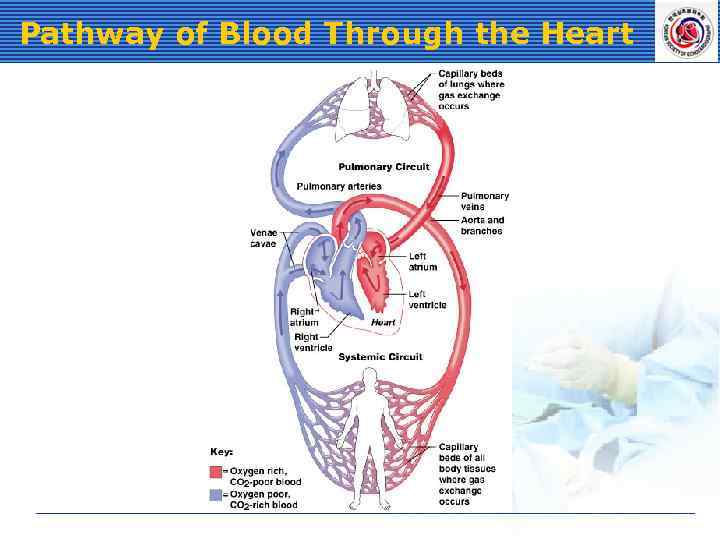 Pathway of Blood Through the Heart
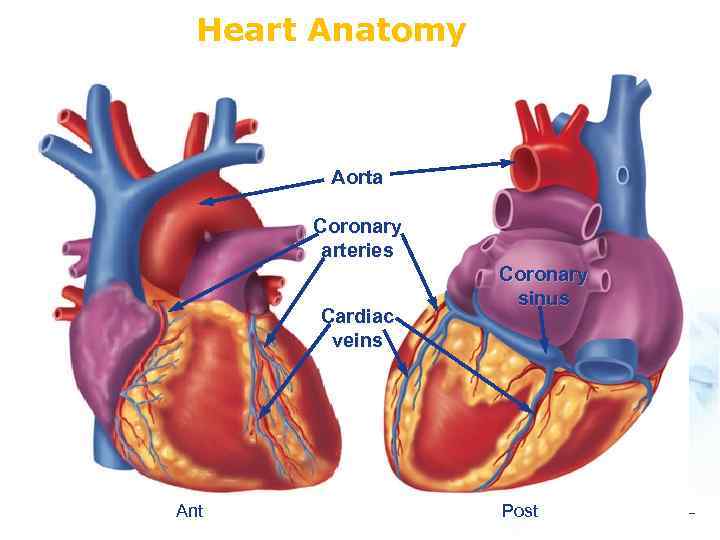 Heart Anatomy Aorta Coronary arteries Cardiac veins Ant Coronary sinus Post
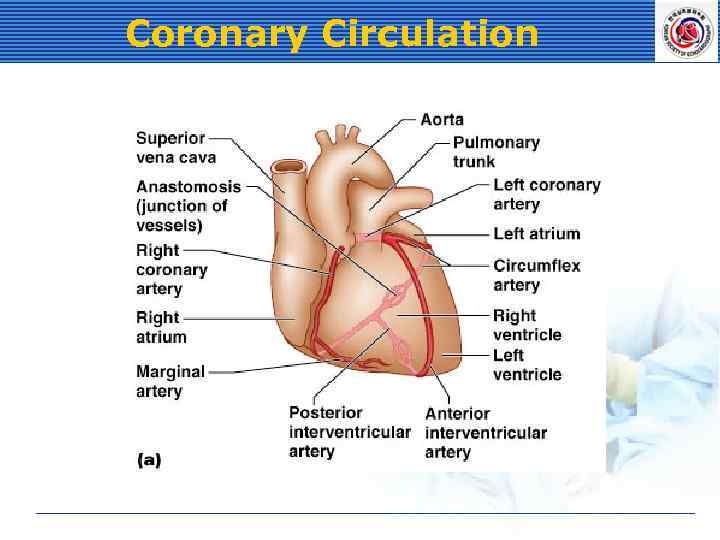 Coronary Circulation
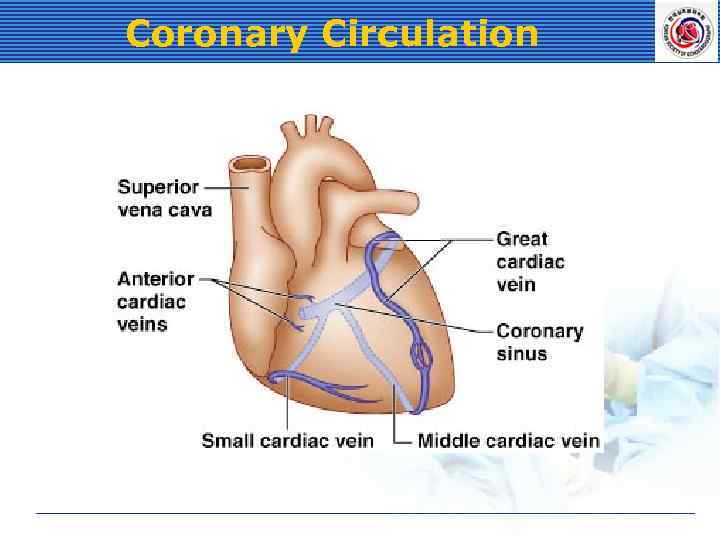 Coronary Circulation
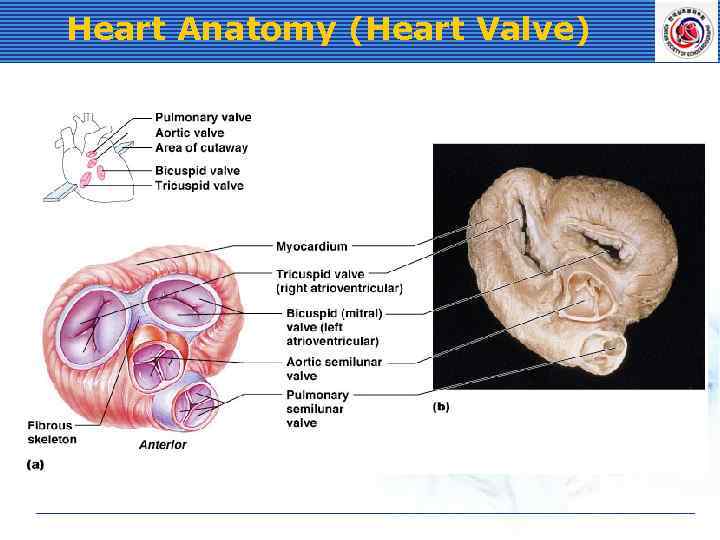 Heart Anatomy (Heart Valve)
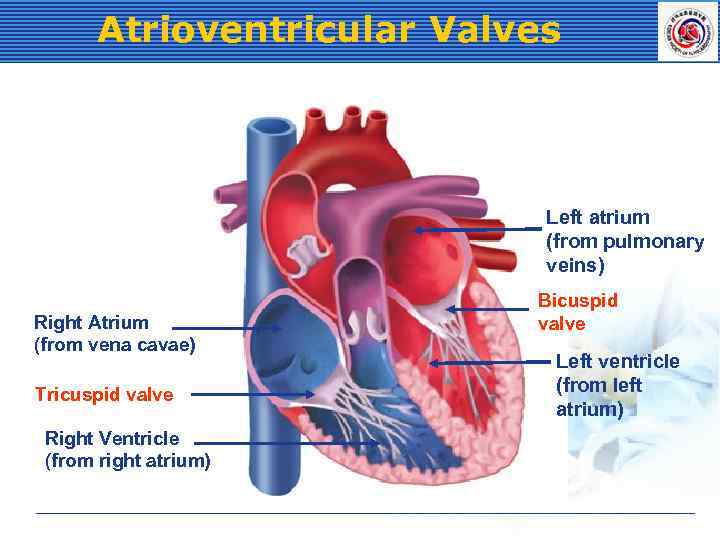 Atrioventricular Valves Left atrium (from pulmonary veins) Right Atrium (from vena cavae) Tricuspid valve Right Ventricle (from right atrium) Bicuspid valve Left ventricle (from left atrium)
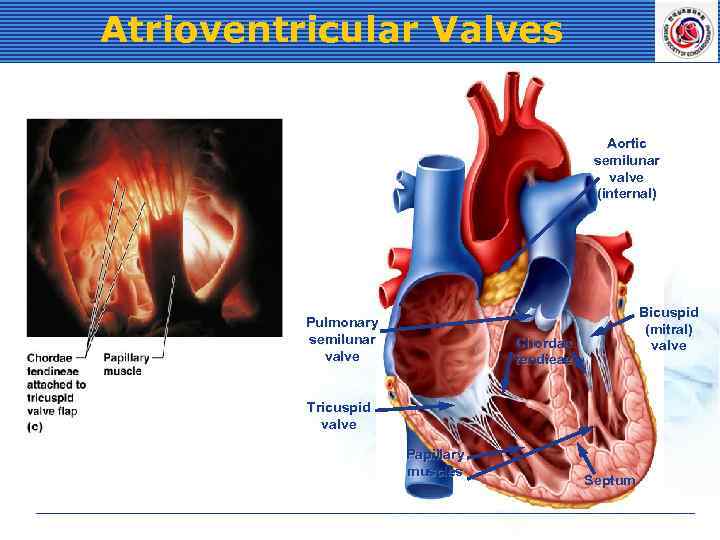 Atrioventricular Valves Aortic semilunar valve (internal) Pulmonary semilunar valve Bicuspid (mitral) valve Chordae tendieae Tricuspid valve Papillary muscles Septum
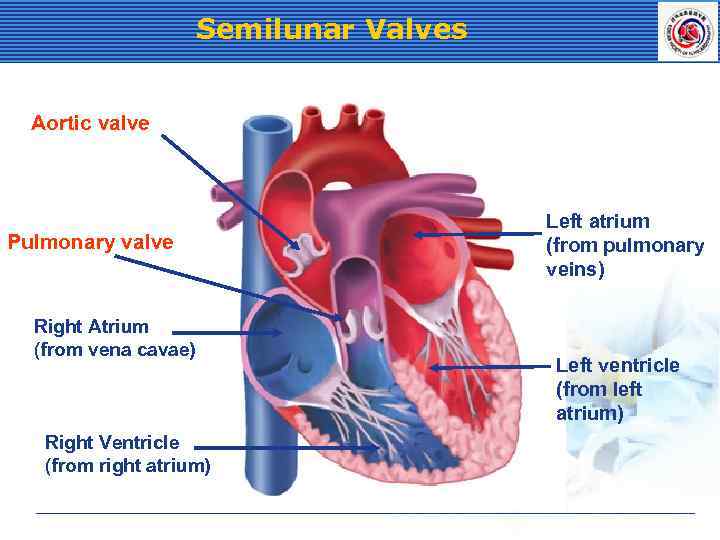 Semilunar Valves Aortic valve Pulmonary valve Right Atrium (from vena cavae) Right Ventricle (from right atrium) Left atrium (from pulmonary veins) Left ventricle (from left atrium)
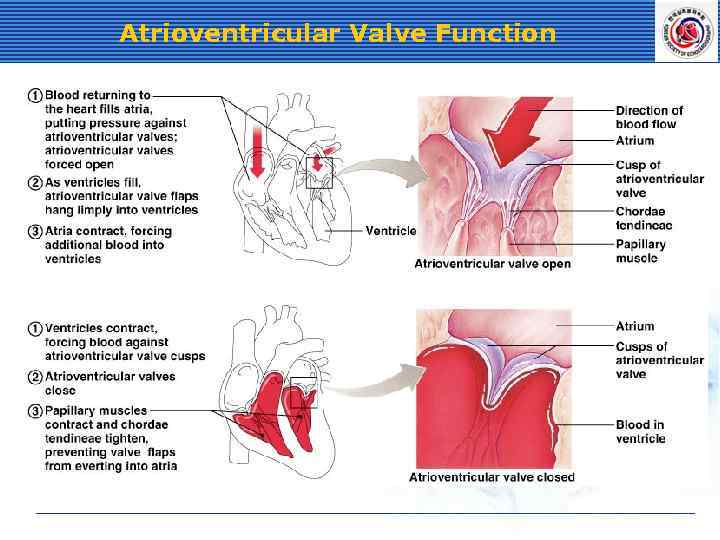 Atrioventricular Valve Function
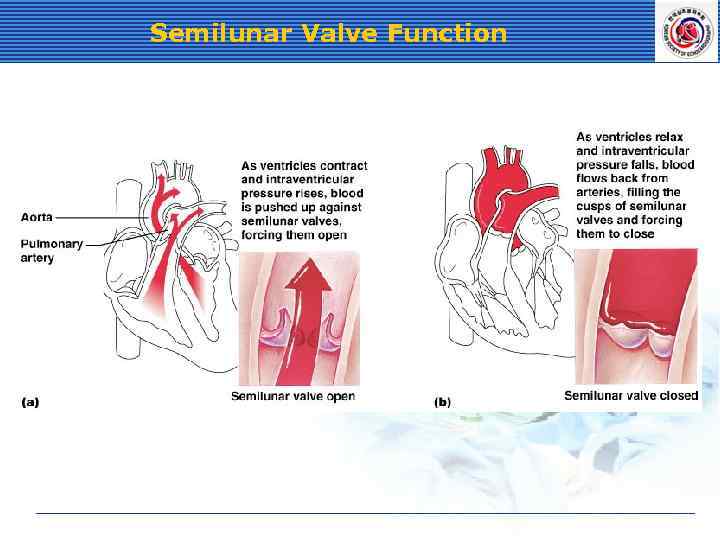 Semilunar Valve Function
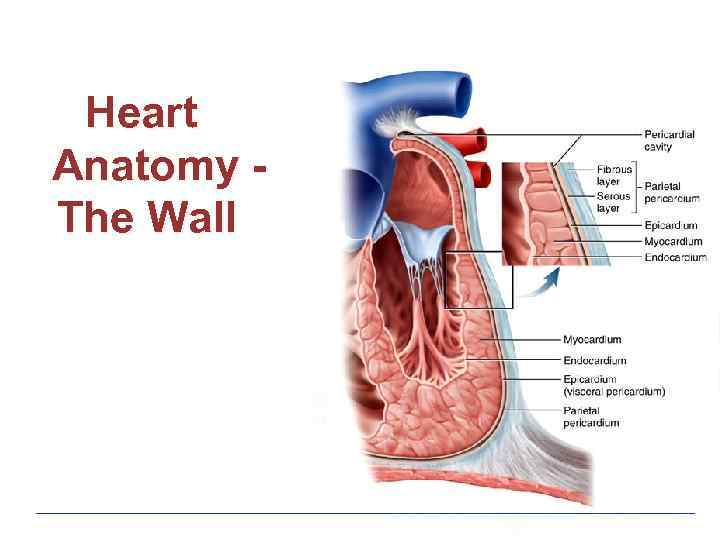 Heart Anatomy The Wall
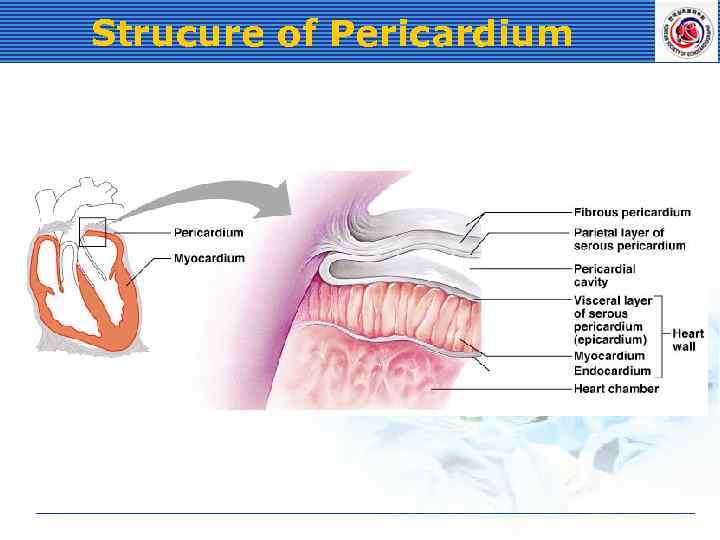 Strucure of Pericardium
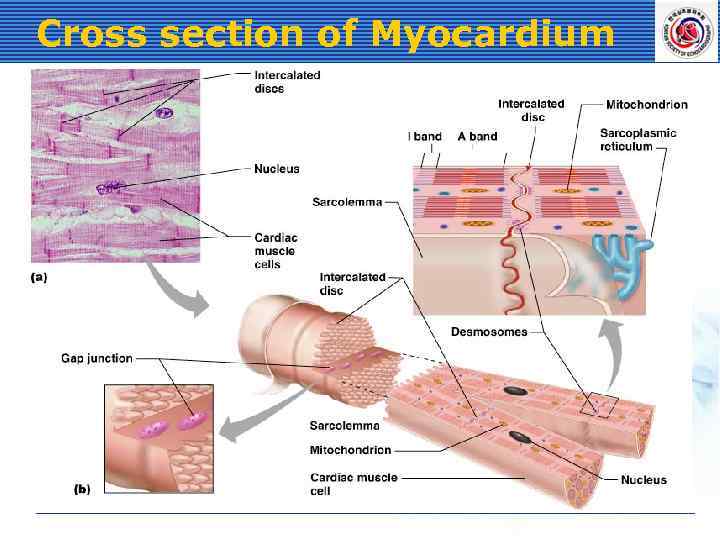 Cross section of Myocardium
 Heart physiology - Hemodynamics - Electrophysiology
 Heart physiology 1 Hemodynamics 2 Electrophysiology
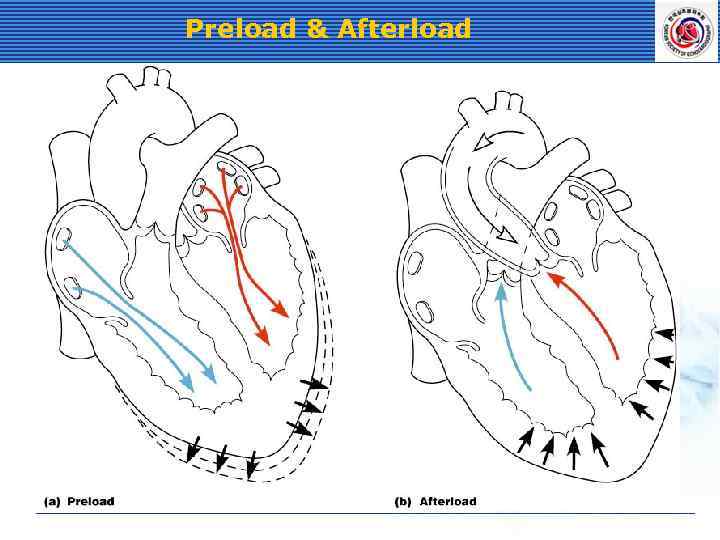 Preload & Afterload
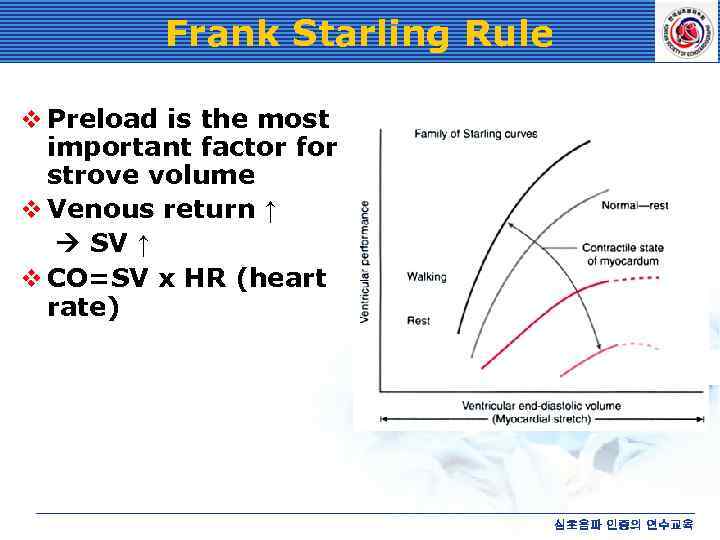 Frank Starling Rule v Preload is the most important factor for strove volume v Venous return ↑ SV ↑ v CO=SV x HR (heart rate) 심초음파 인증의 연수교육
 Stroke volume v CO (ml/min) = HR (75 beats/min) x SV (70 ml/beat) v CO = 5250 ml/min (5. 25 L/min) CO: cardiac output, HR: heart rate, SV: strove volume
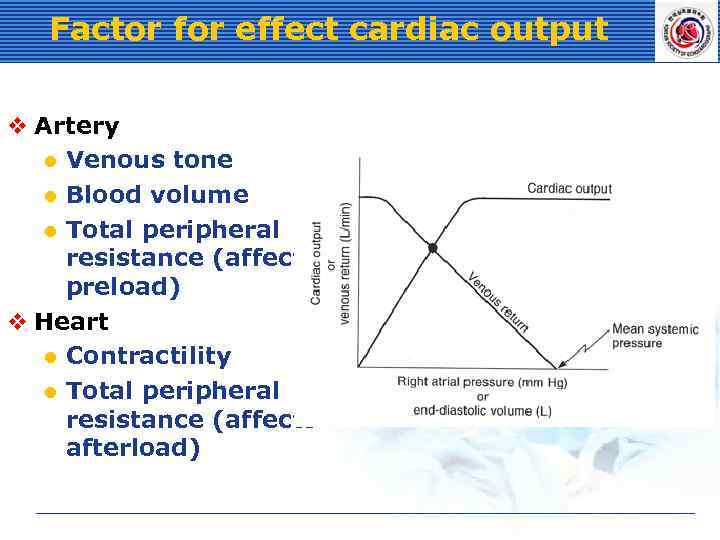 Factor for effect cardiac output v Artery l Venous tone l Blood volume l Total peripheral resistance (affects preload) v Heart l Contractility l Total peripheral resistance (affects afterload)
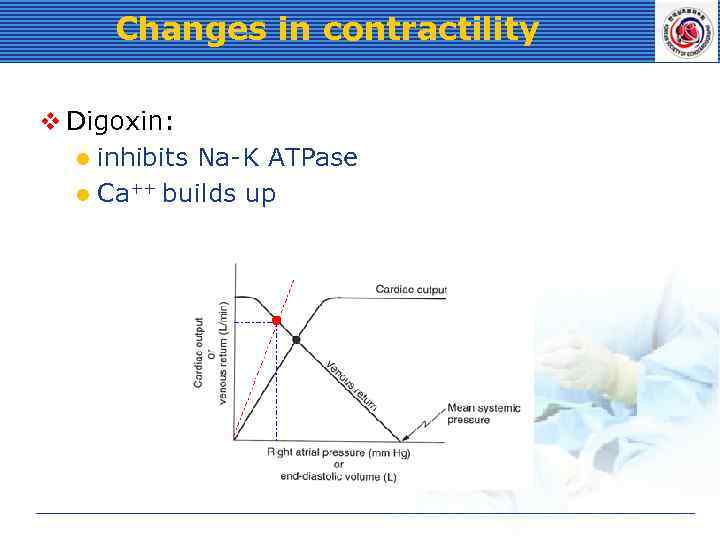 Changes in contractility v Digoxin: l inhibits Na-K ATPase l Ca++ builds up
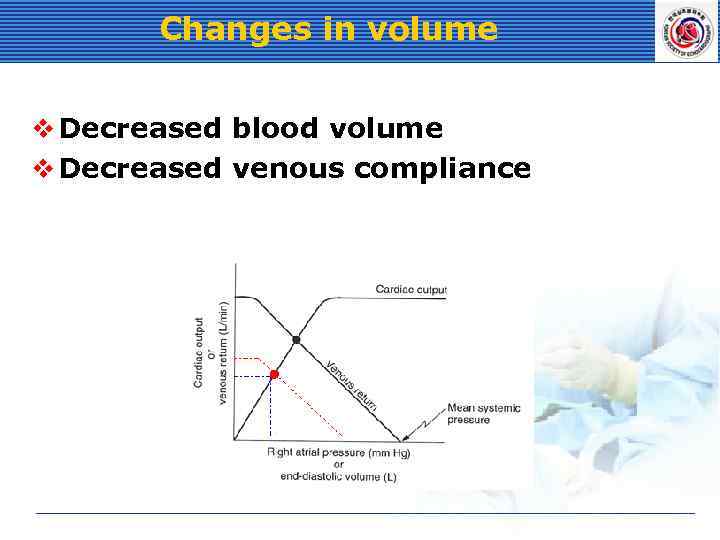 Changes in volume v Decreased blood volume v Decreased venous compliance
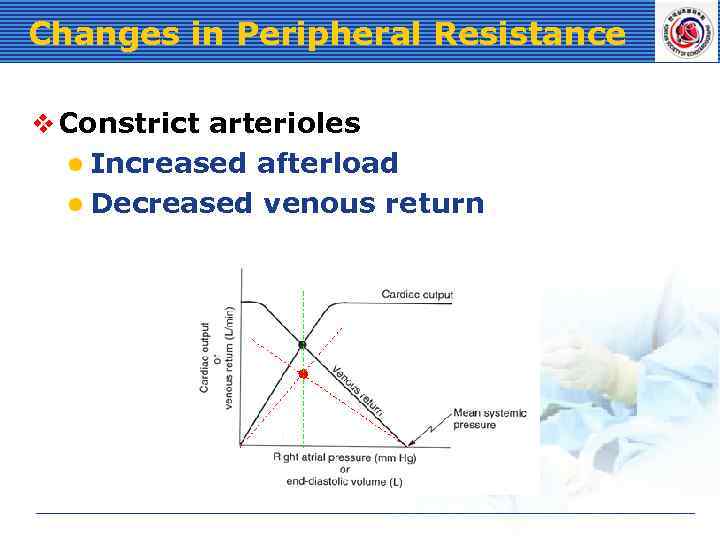 Changes in Peripheral Resistance v Constrict arterioles l Increased afterload l Decreased venous return
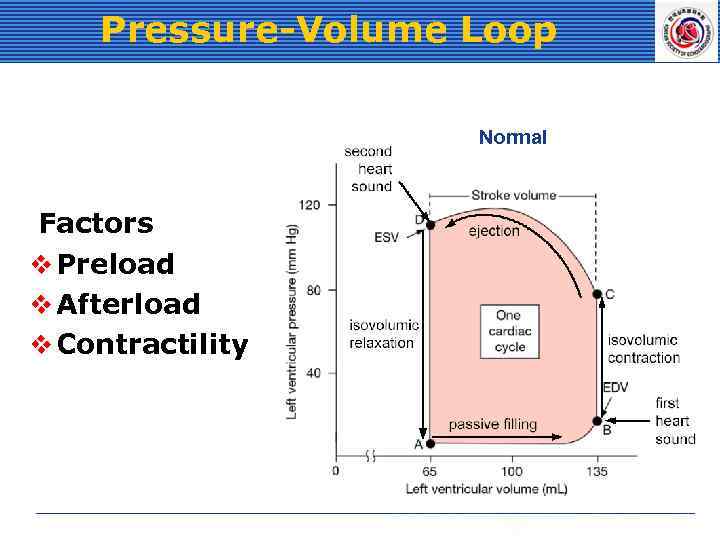 Pressure-Volume Loop Normal Factors v Preload v Afterload v Contractility
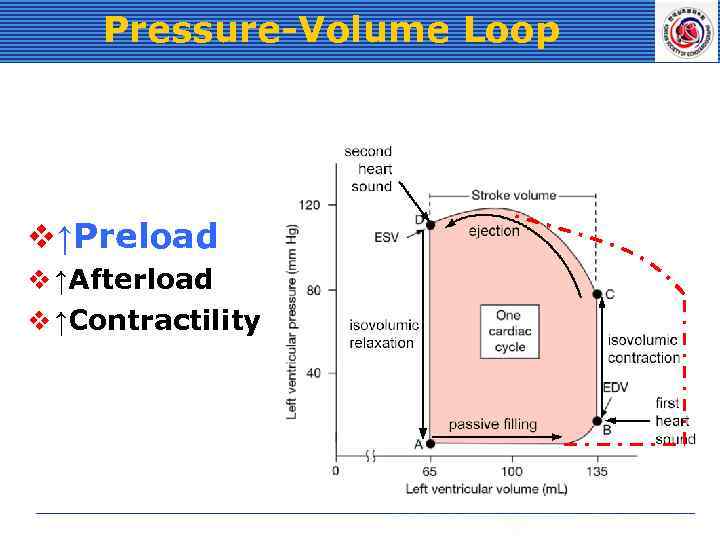 Pressure-Volume Loop v↑Preload v ↑Afterload v ↑Contractility
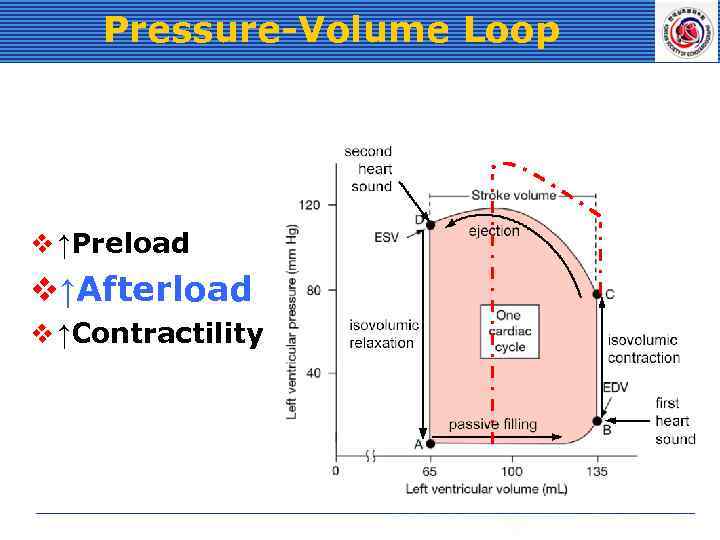 Pressure-Volume Loop v ↑Preload v↑Afterload v ↑Contractility
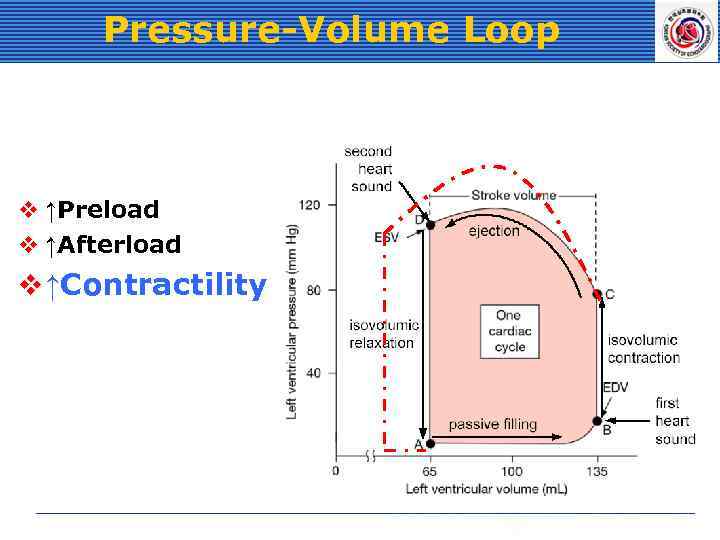 Pressure-Volume Loop v ↑Preload v ↑Afterload v ↑Contractility
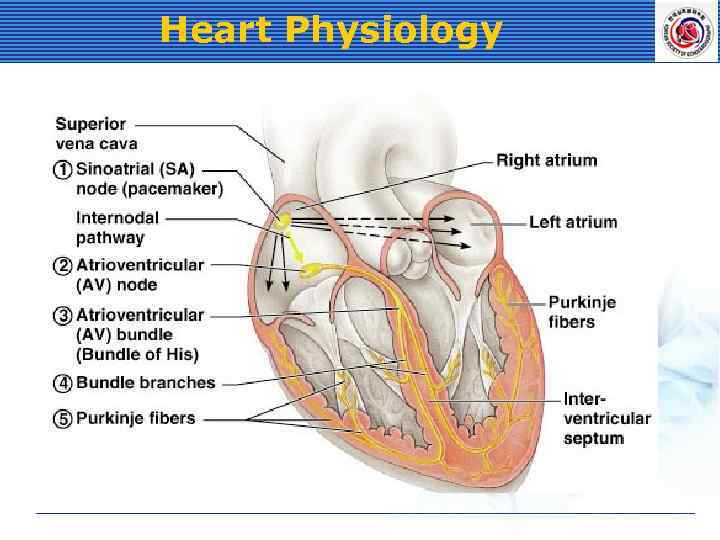 Heart Physiology
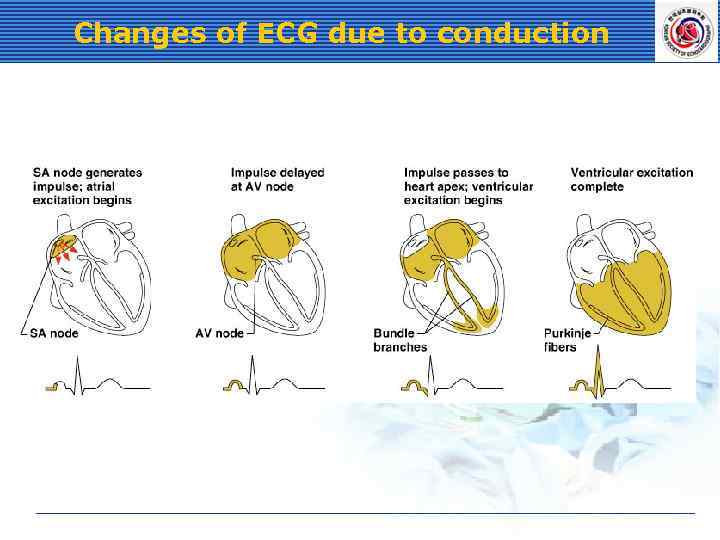 Changes of ECG due to conduction
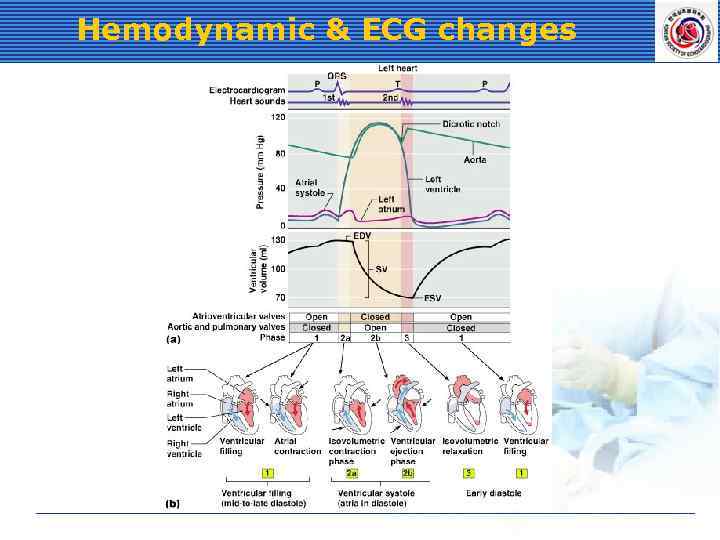
 Cardiac Cycle v Cardiac cycle l Systole muscle – contraction of heart l Diastole muscle – relaxation of heart
 Phases of the Cardiac Cycle l Atria relax l Rising ventricular pressure results in closing of AV valves l Isovolumetric l Ventricular contraction phase ejection phase opens semilunar valves
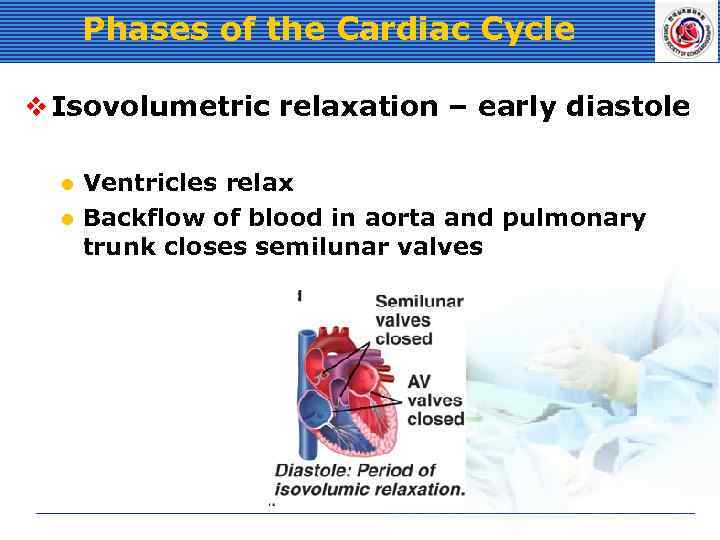 Phases of the Cardiac Cycle v Isovolumetric relaxation – early diastole Ventricles relax l Backflow of blood in aorta and pulmonary trunk closes semilunar valves l
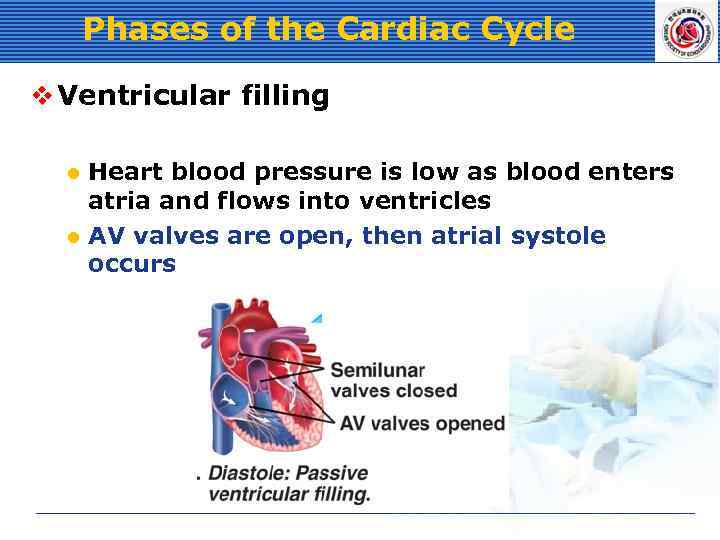 Phases of the Cardiac Cycle v Ventricular filling Heart blood pressure is low as blood enters atria and flows into ventricles l AV valves are open, then atrial systole occurs l
 Hemodynamic & ECG changes