 Скачать презентацию Anatomic and Functional Guidance of Neurosurgery Robert L
4d0b1b2b72440827bec825c7e9c03248.ppt
- Количество слайдов: 63



Anatomic and Functional Guidance of Neurosurgery. Robert L. Galloway Jr. Associate Professor of Biomedical Engineering and Neurosurgery Director, Center for Technology-Guided Therapy TGT
Technology-Guided Therapy The use of technology to improve the spatial and temporal specificity of the delivery of therapy TGT
Technology -Guided Therapy • Pre-therapeutic data (images, population data, therapy plan…) • Registration methodology (matching pretherapeutic data to specific patient in specific position) • Intraoperative guidance and data collection. • Display of position, plan, anatomy, function and disease.
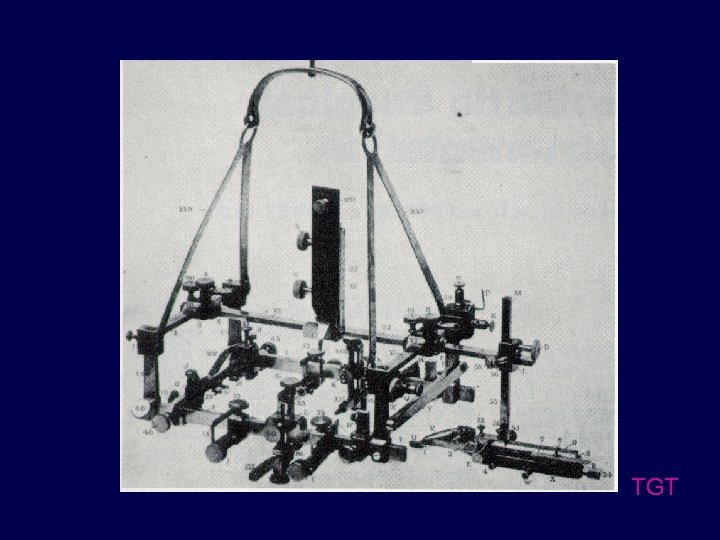
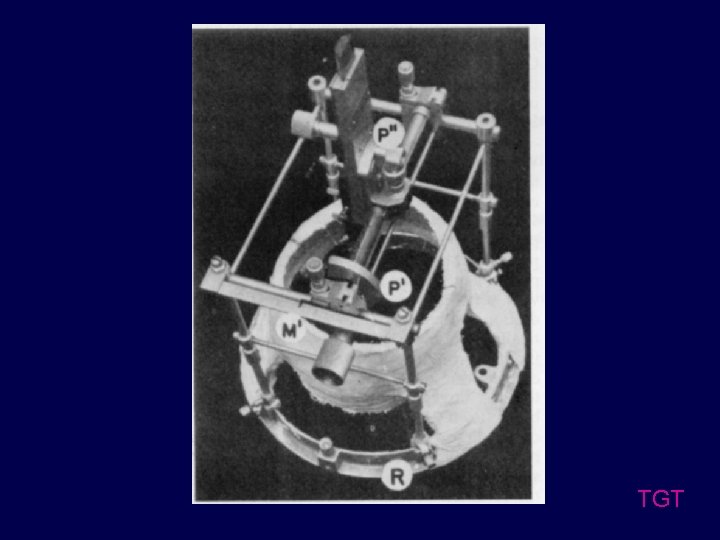
History of Image-Guided Therapy • 1896 J. H. Clayton. X-Ray use in surgery • 1904 Horsley and Clarke. Stereotactic frame • 1946 Spiegel and Wycis. Stereotactic frame using xrays. • 1940’s~1950 s: Leksell, Riechert. Mundinger, Talairach, Cooper. . . TGT
TGT
TGT
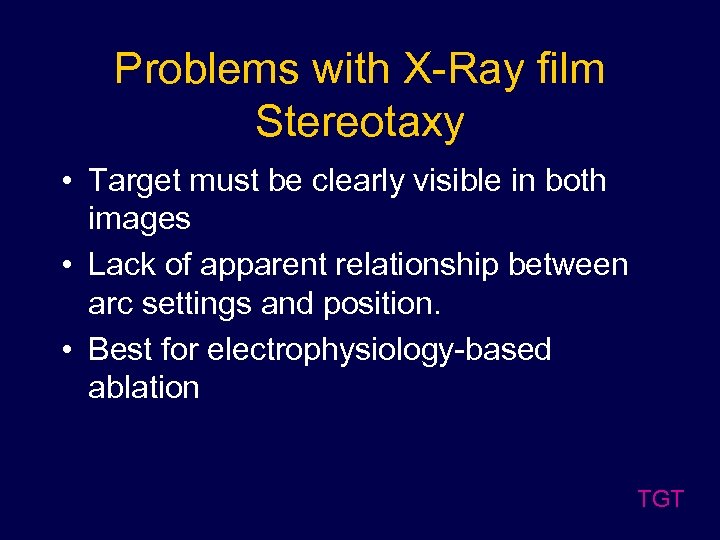
Problems with X-Ray film Stereotaxy • Target must be clearly visible in both images • Lack of apparent relationship between arc settings and position. • Best for electrophysiology-based ablation TGT
TGT
TGT
TGT

TGT
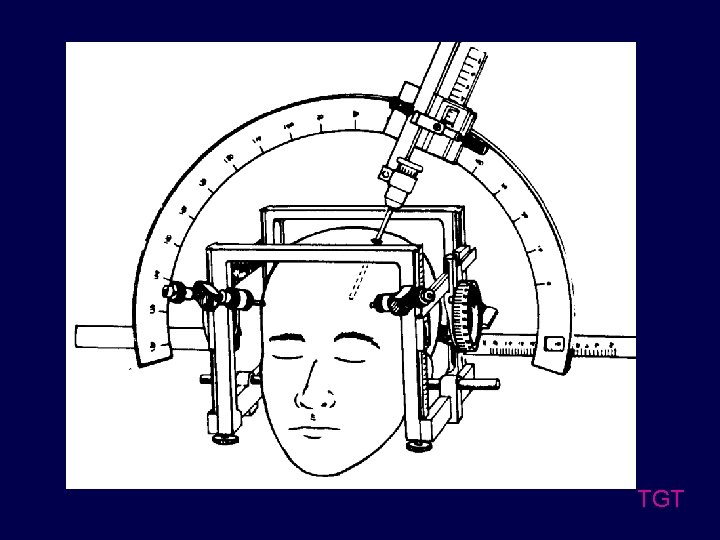
Problems with Frame-Based Stereotaxy • Still point-based • Frame obstructs surgical field • Arc-based approach obscures relationship between target points and arc settings. TGT
TGT
TGT

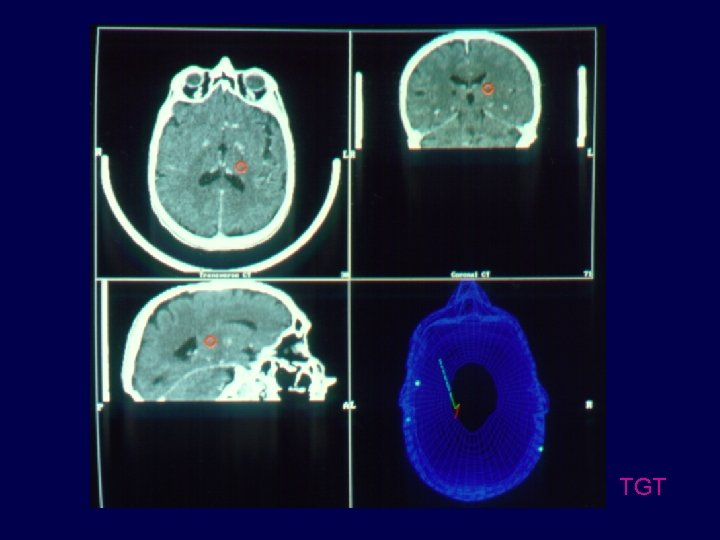
Registration When the mathematical relationship between a point in one space and the homologous point in another space is known, the spaces are considered registered. If that relationship can be reduced to a single common translation and rotation, the registration is considered rigid, TGT

Rigid Registration Rotate Translate TGT
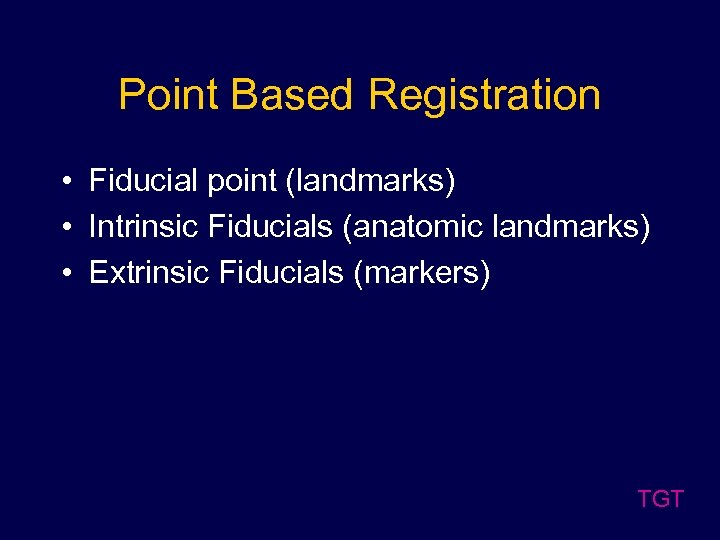
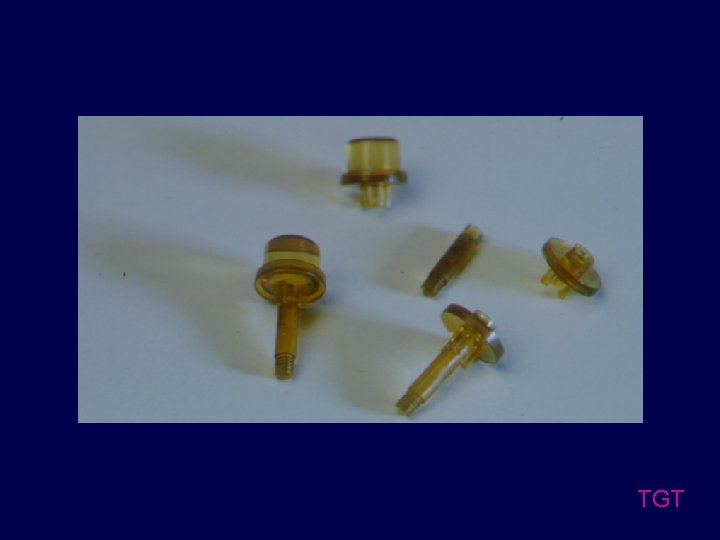
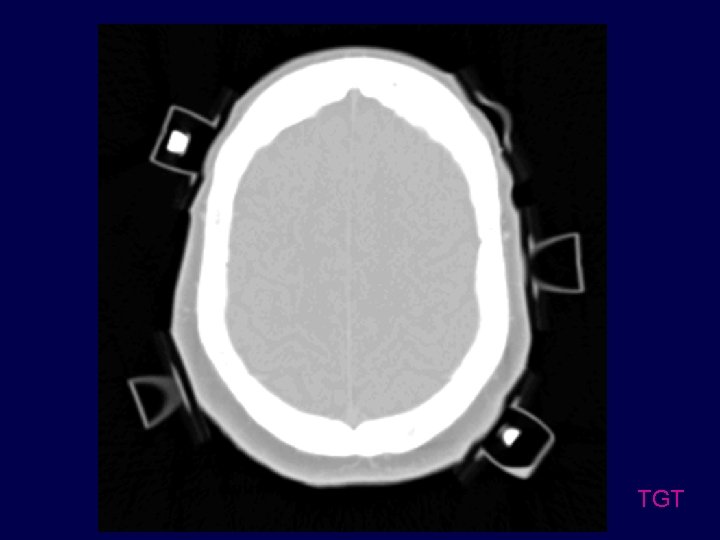
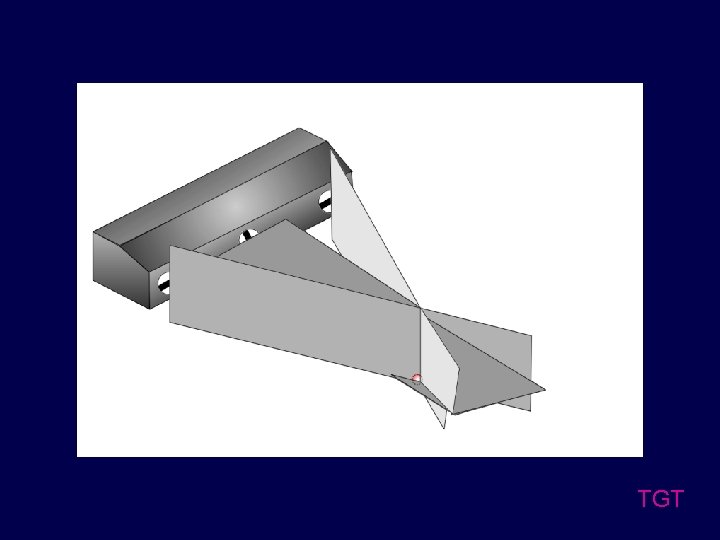
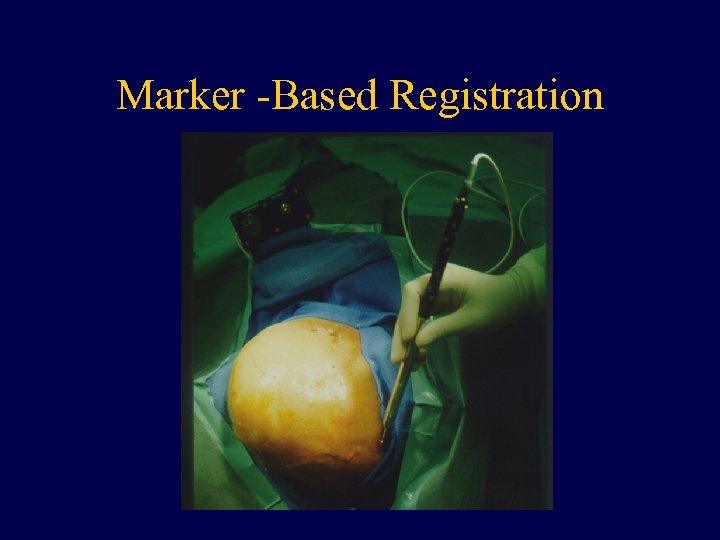
Point Based Registration • Fiducial point (landmarks) • Intrinsic Fiducials (anatomic landmarks) • Extrinsic Fiducials (markers) TGT
TGT
TGT
TGT
Marker -Based Registration
TGT

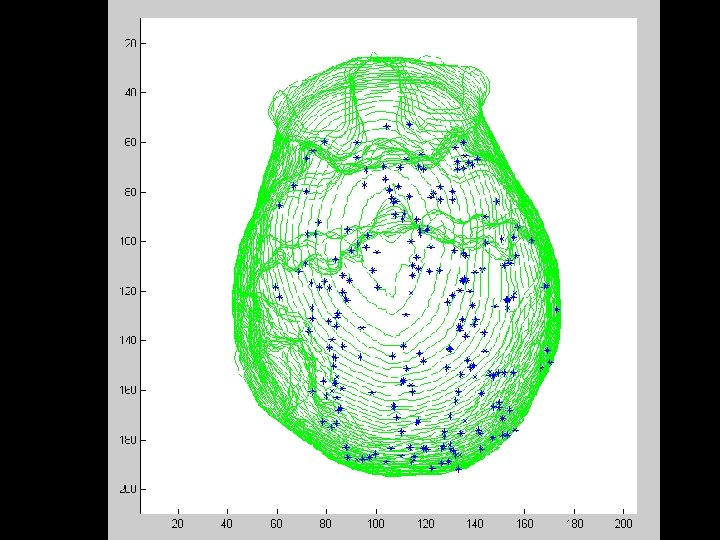
New Methods of Registration Surface-Based Registration
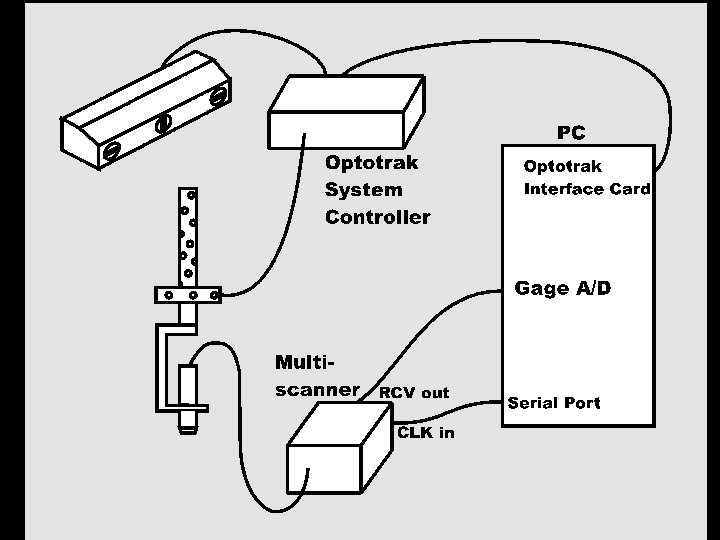
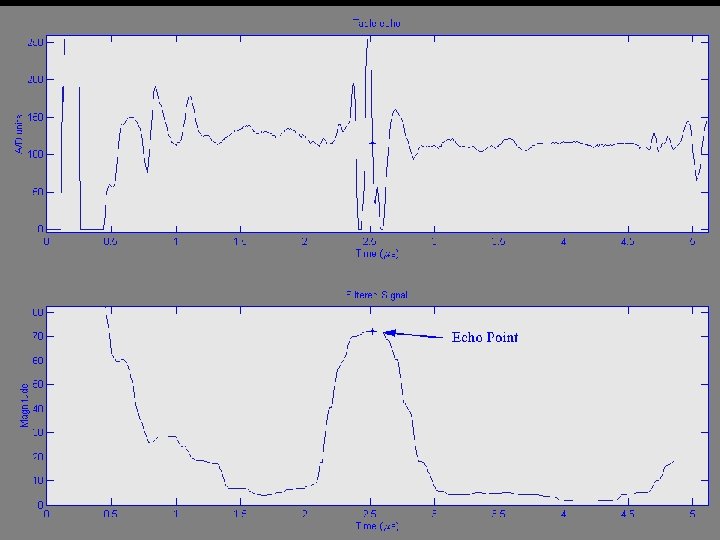
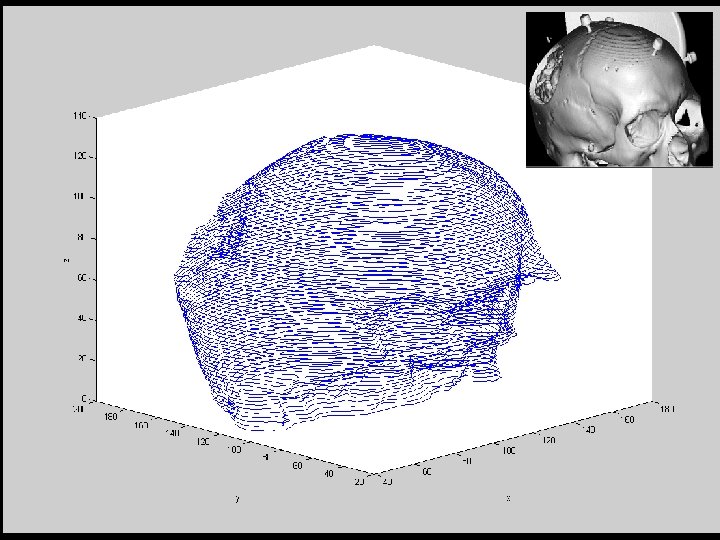
Surface-based registration of physical space with CT images using A-mode ultrasound localization of the skull • • Image to Physical Space Registration Use the outer surface of the skull Segmentation in CT forms a surface Measure points on the outer surface of the skull with ultrasound
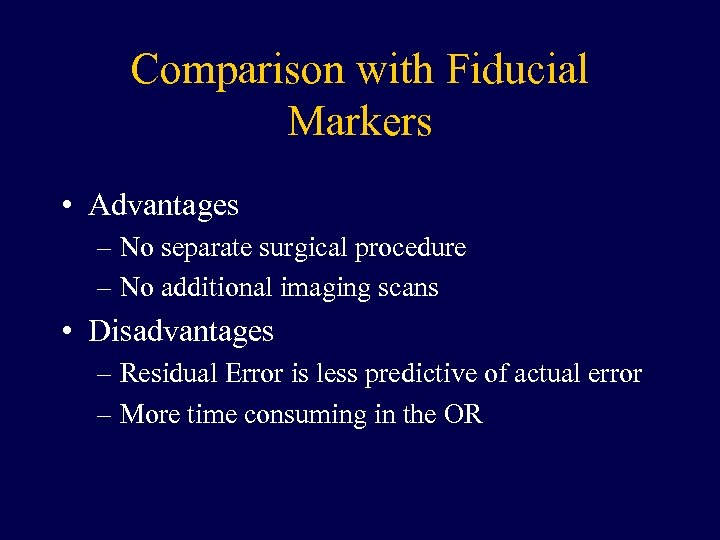
Comparison with Fiducial Markers • Advantages – No separate surgical procedure – No additional imaging scans • Disadvantages – Residual Error is less predictive of actual error – More time consuming in the OR
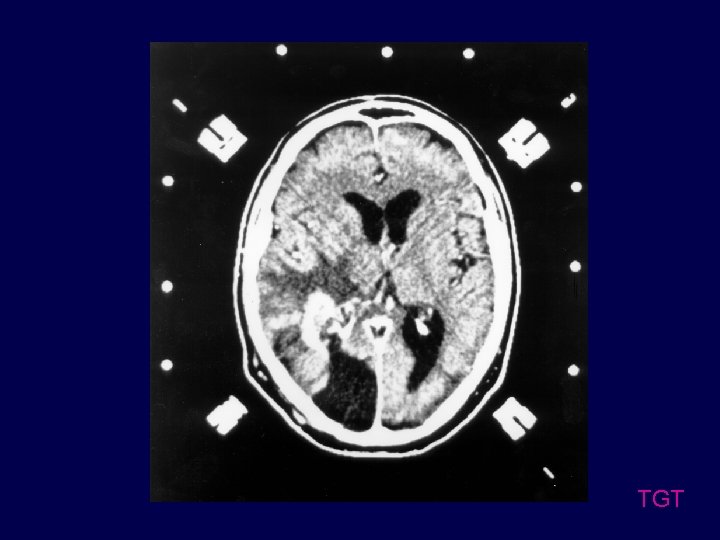
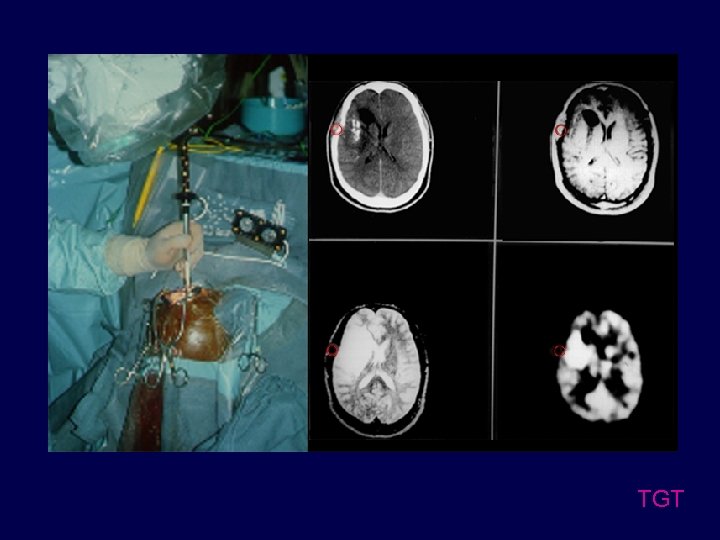
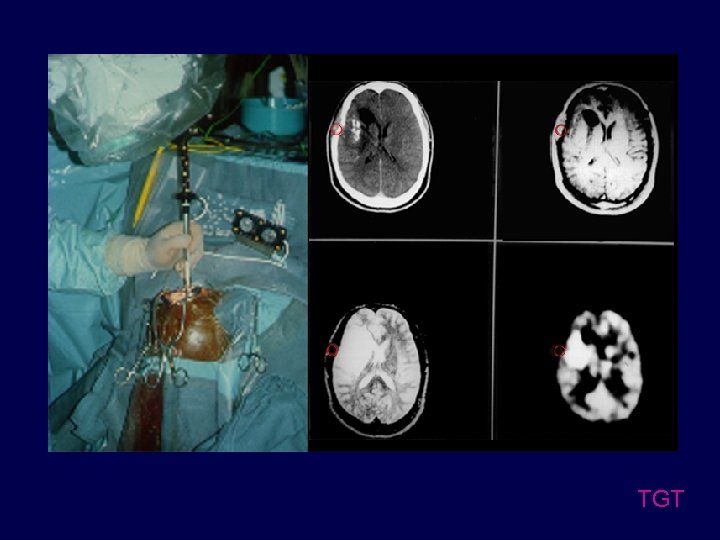
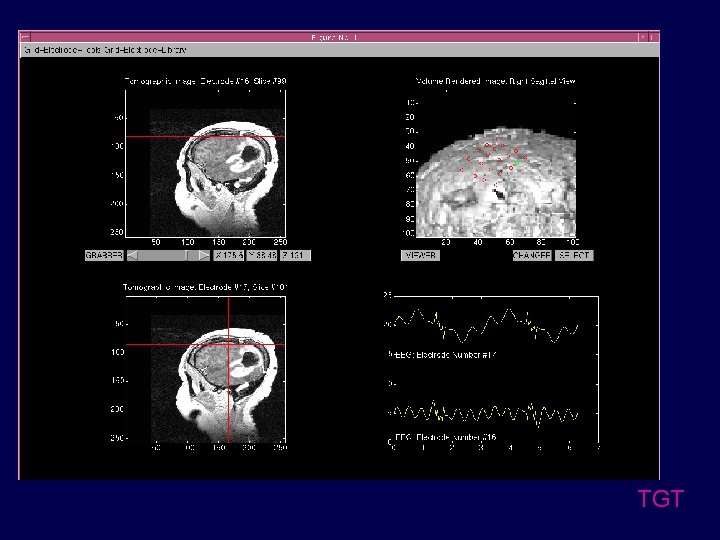
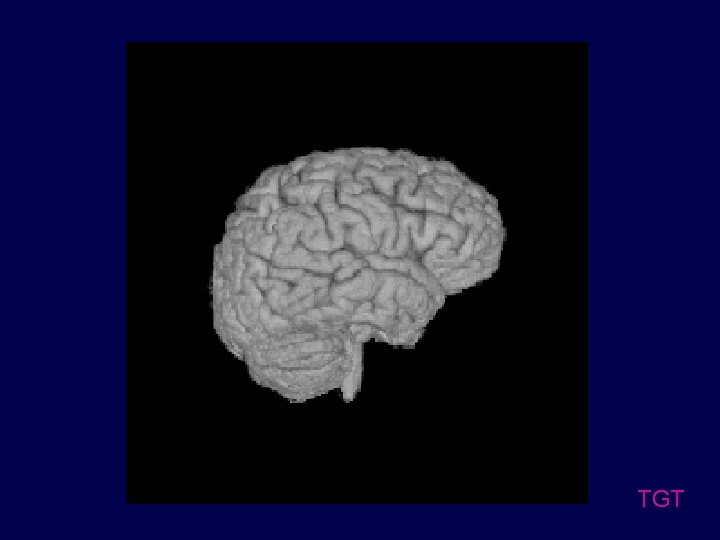
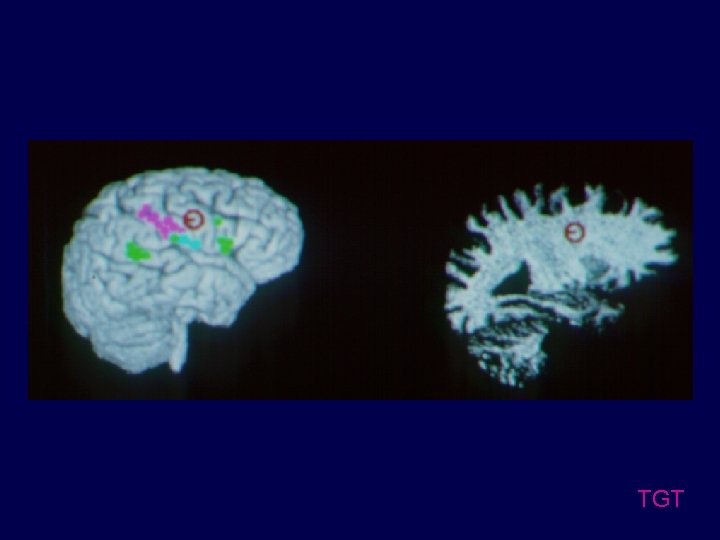
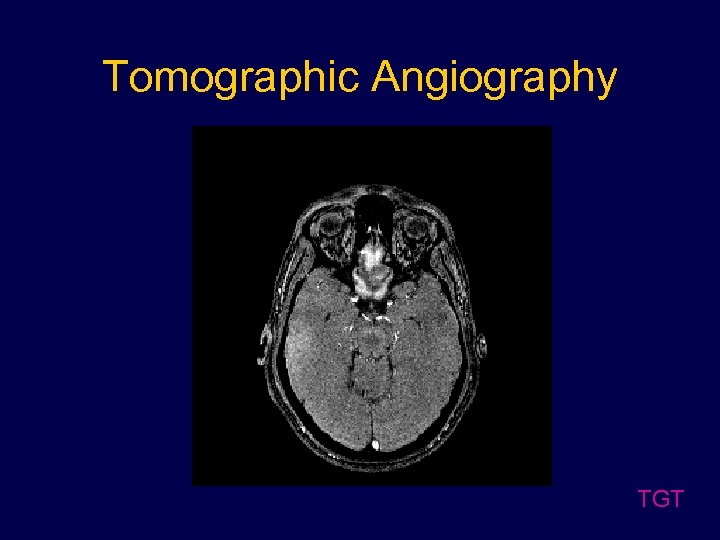
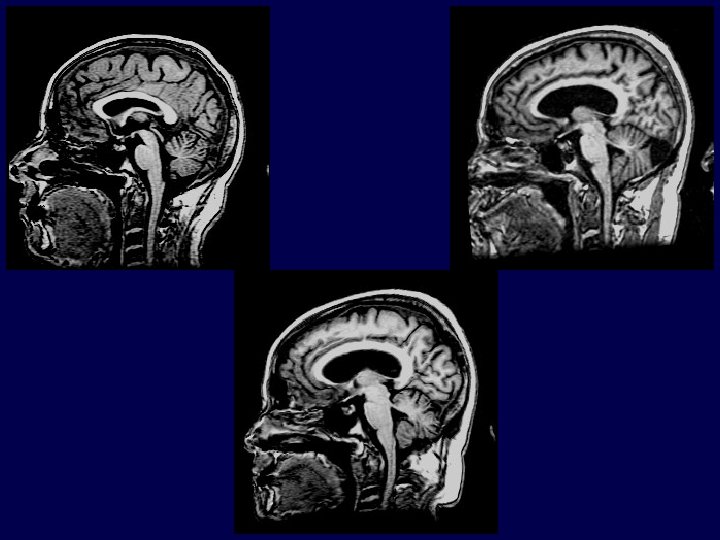
Tomographic Images • Can show anatomy • Can show function (PET and functional MR) • Can show extent of disease. All of the above are qualified statements
TGT
TGT
TGT
TGT
Surface Normal Uncertainty Surface TGT
TGT
TGT
Tomographic Angiography TGT
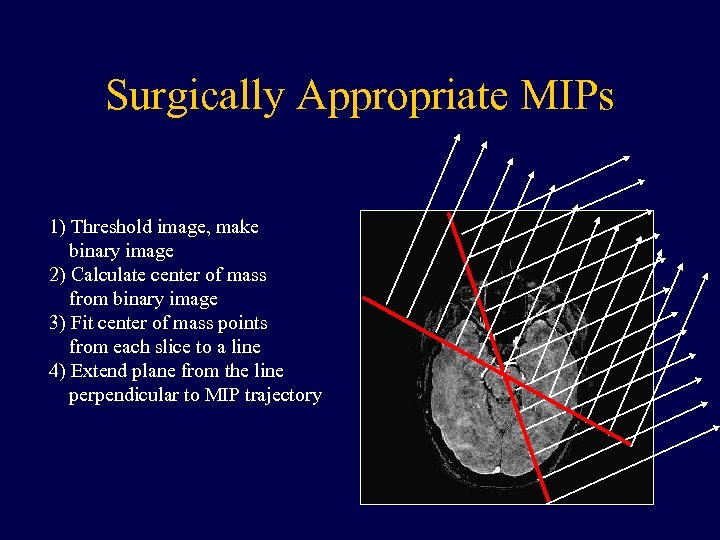
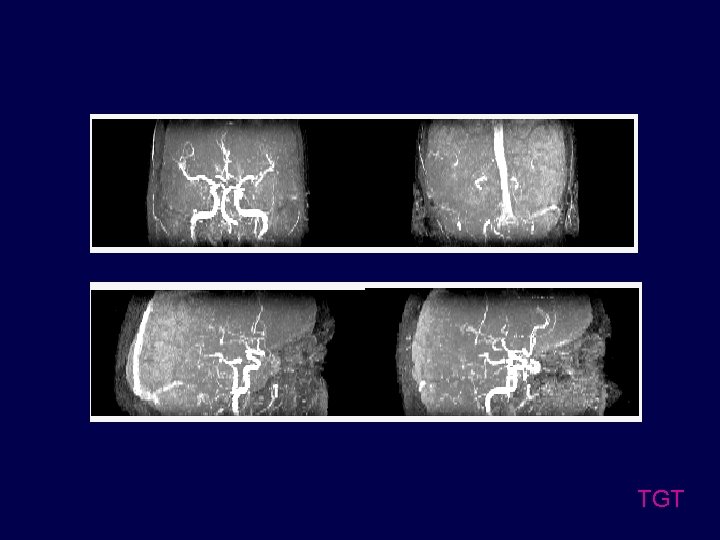
Surgically Appropriate MIPs 1) Threshold image, make binary image 2) Calculate center of mass from binary image 3) Fit center of mass points from each slice to a line 4) Extend plane from the line perpendicular to MIP trajectory
TGT
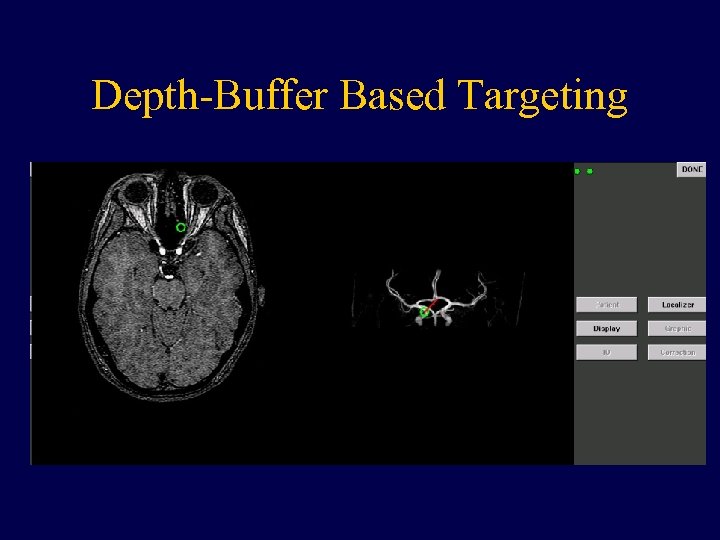
Depth-Buffer Based Targeting
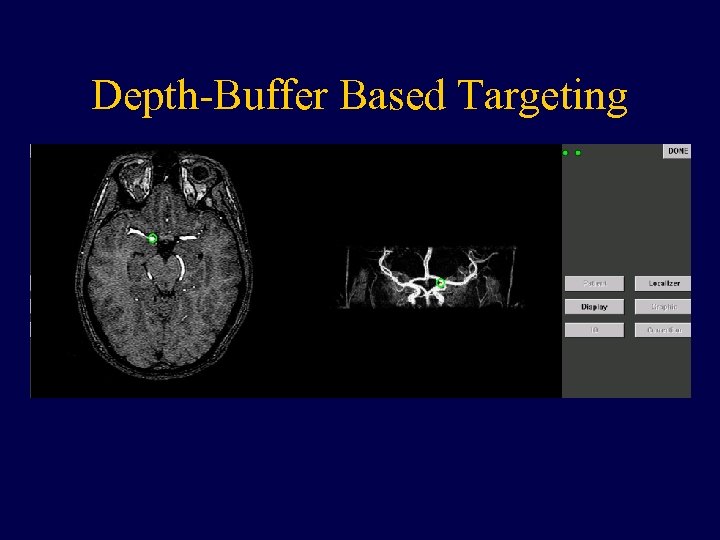
Depth-Buffer Based Targeting
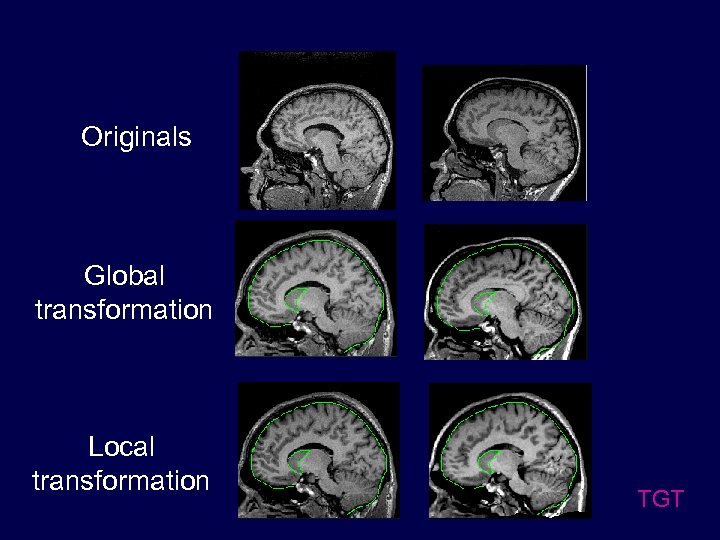
Originals Global transformation Local transformation TGT
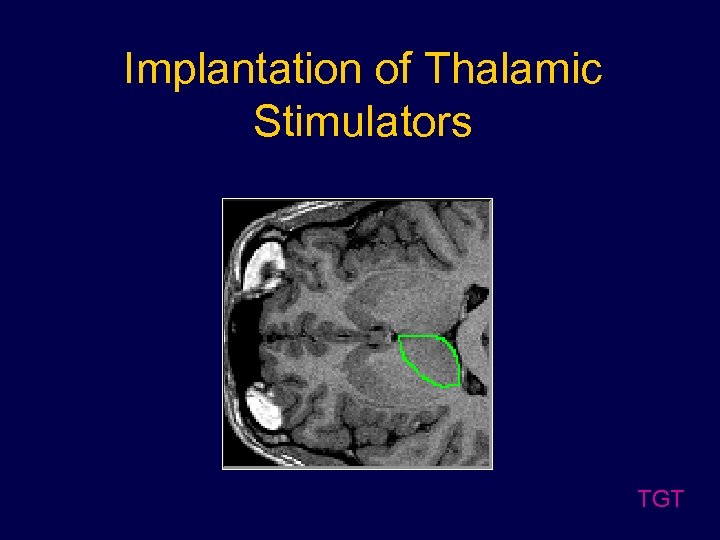
Implantation of Thalamic Stimulators TGT
Population Data • Goal - to provide information from multiple subjects during surgery • Create a functional Atlas (MR or CT)
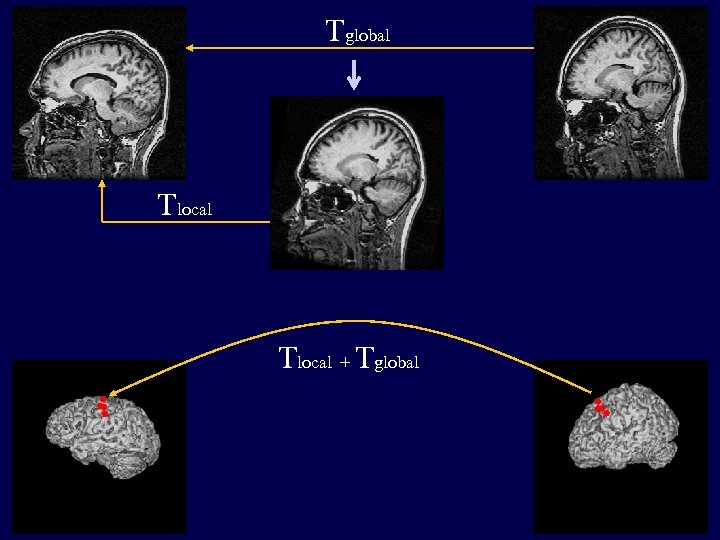
Tglobal Tlocal + Tglobal
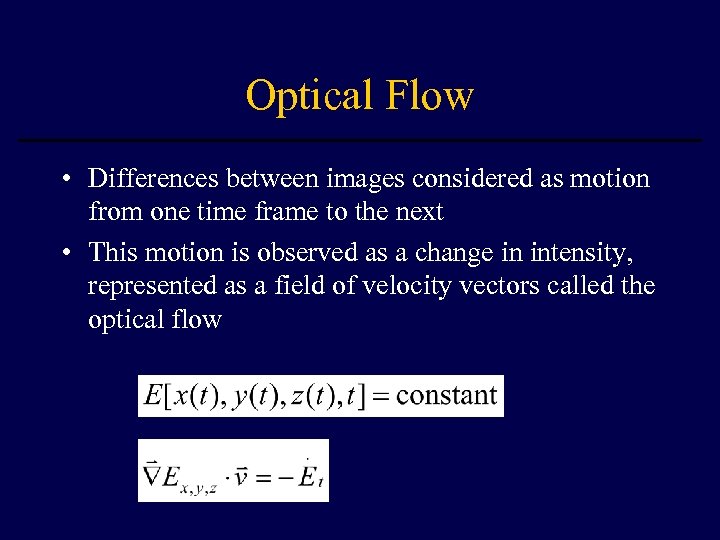
Optical Flow • Differences between images considered as motion from one time frame to the next • This motion is observed as a change in intensity, represented as a field of velocity vectors called the optical flow
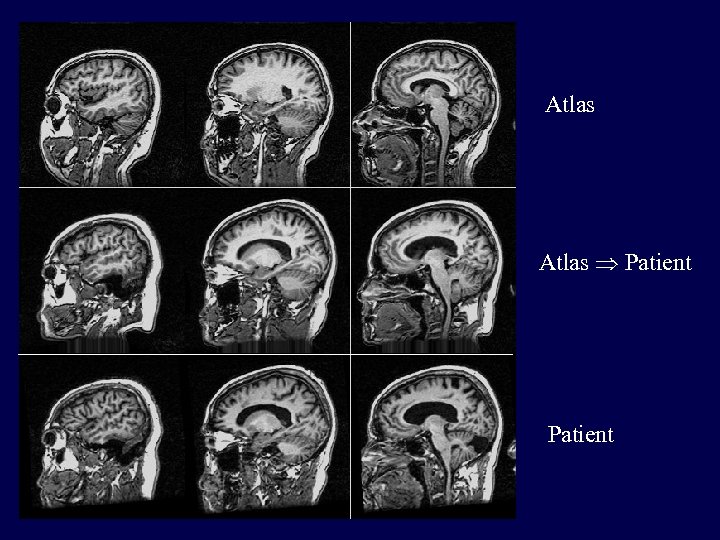
Atlas Patient
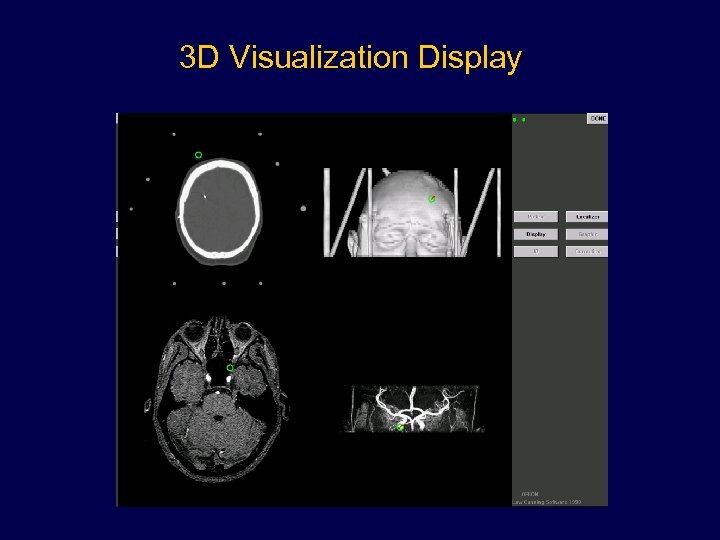
3 D Visualization Display
Intraoperative Tracking and Data Collection
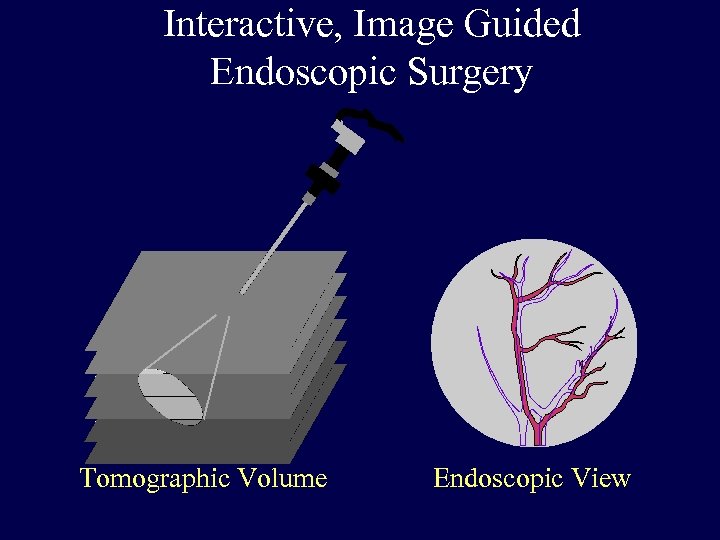
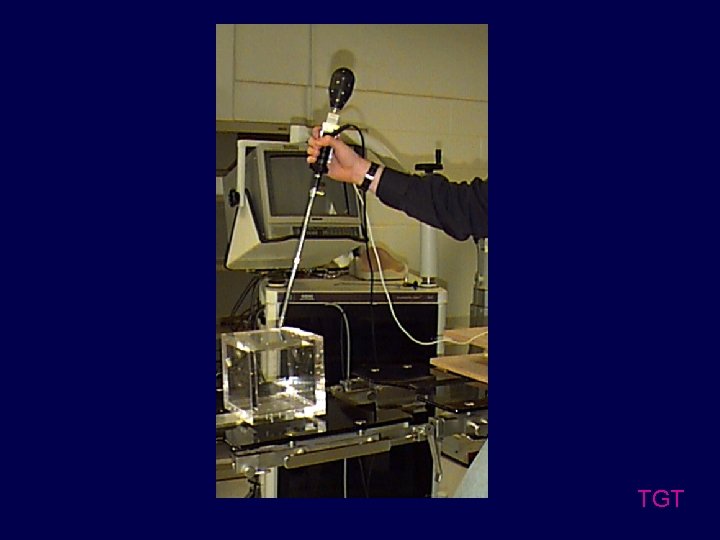
Interactive, Image Guided Endoscopic Surgery Tomographic Volume Endoscopic View
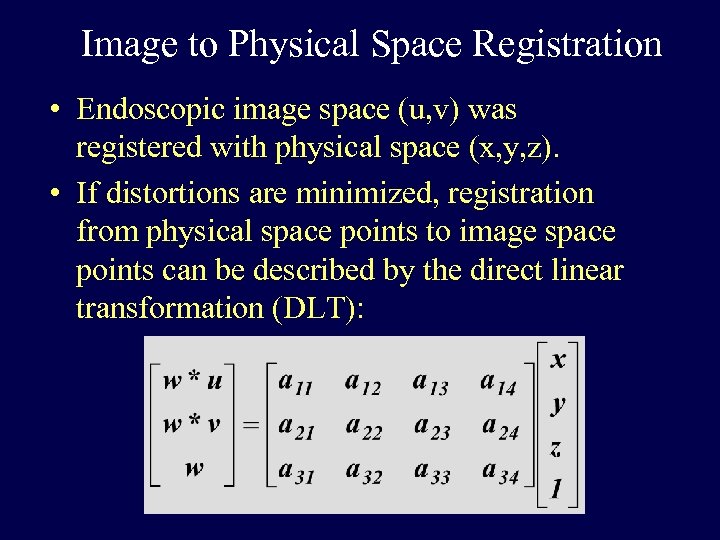
Image to Physical Space Registration • Endoscopic image space (u, v) was registered with physical space (x, y, z). • If distortions are minimized, registration from physical space points to image space points can be described by the direct linear transformation (DLT):
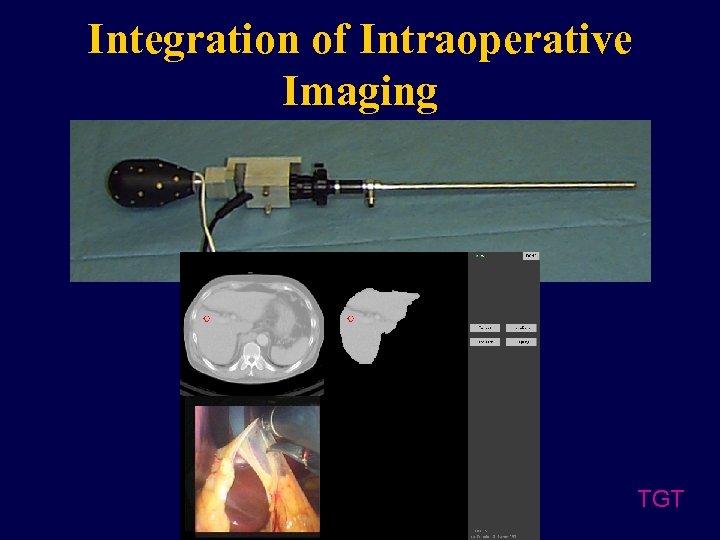
Integration of Intraoperative Imaging TGT
TGT
Tracked Ultrasound
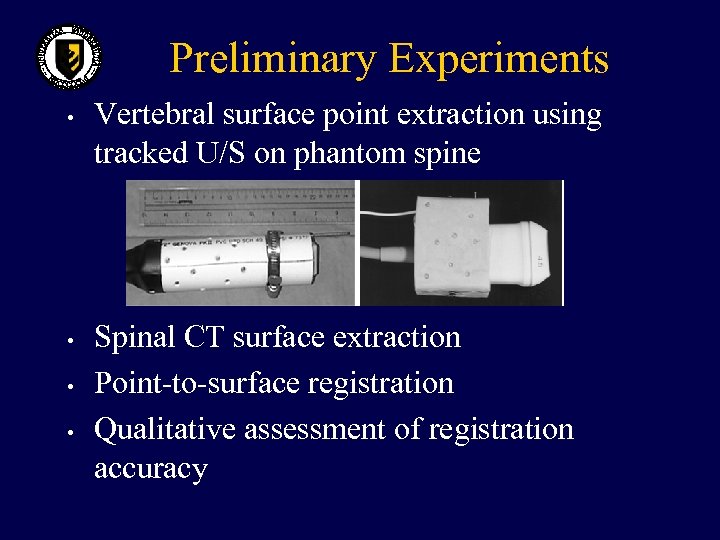
Preliminary Experiments • Vertebral surface point extraction using tracked U/S on phantom spine • Spinal CT surface extraction Point-to-surface registration Qualitative assessment of registration accuracy • •
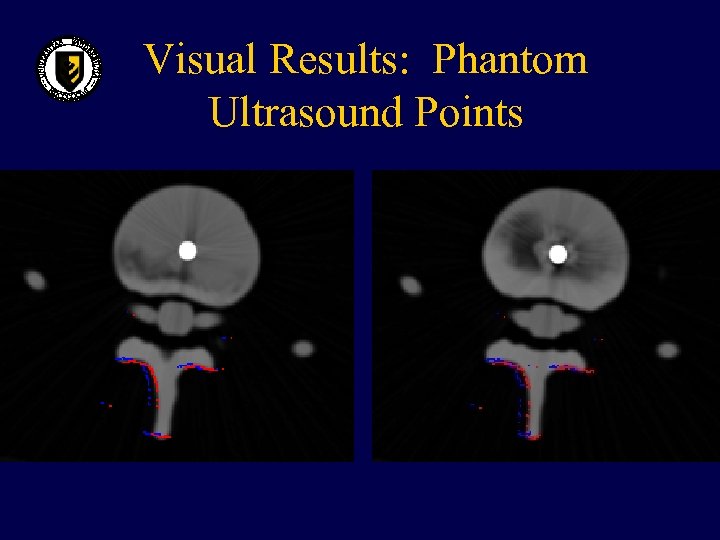
Visual Results: Phantom Ultrasound Points
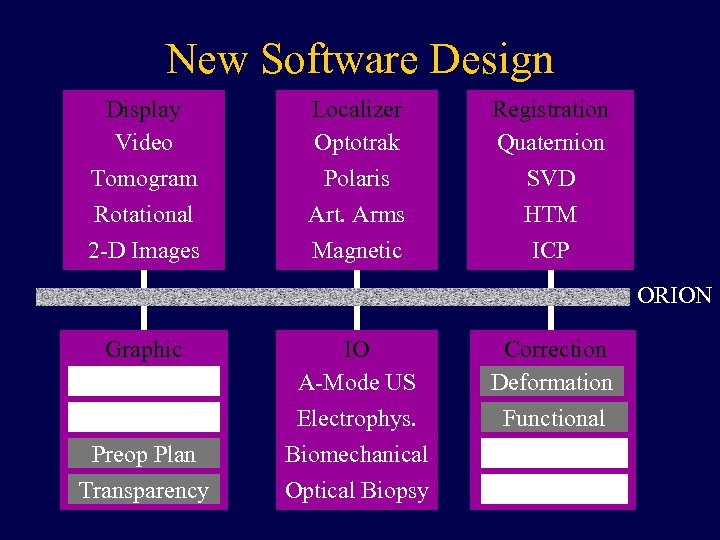
New Software Design Display Video Tomogram Rotational 2 -D Images Localizer Optotrak Polaris Art. Arms Magnetic Registration Quaternion SVD HTM ICP ORION Graphic Render Biopsy Preop Plan Transparency IO A-Mode US Electrophys. Biomechanical Optical Biopsy Correction Deformation Functional
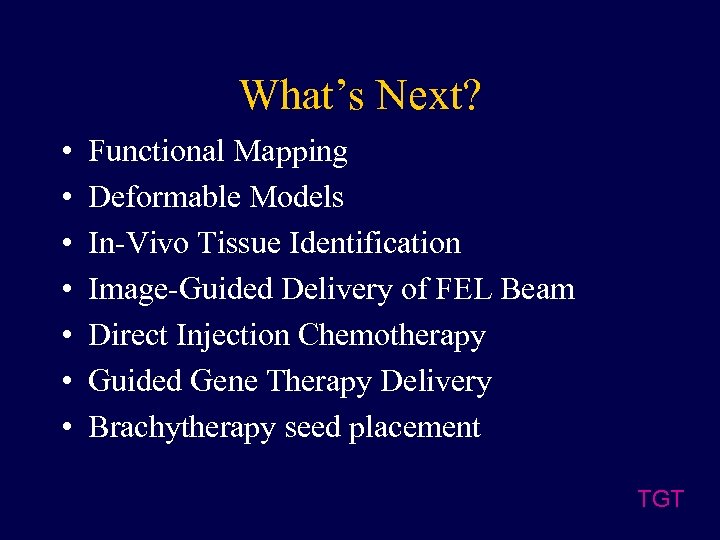
What’s Next? • • Functional Mapping Deformable Models In-Vivo Tissue Identification Image-Guided Delivery of FEL Beam Direct Injection Chemotherapy Guided Gene Therapy Delivery Brachytherapy seed placement TGT
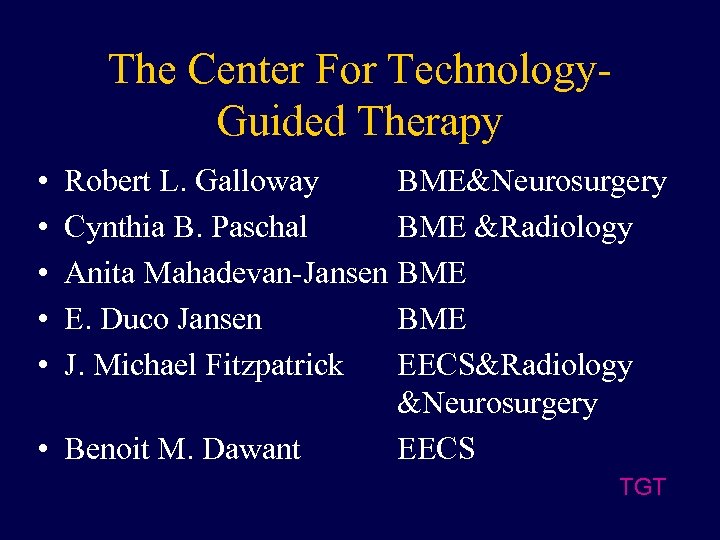
The Center For Technology. Guided Therapy • • • Robert L. Galloway BME&Neurosurgery Cynthia B. Paschal BME &Radiology Anita Mahadevan-Jansen BME E. Duco Jansen BME J. Michael Fitzpatrick EECS&Radiology &Neurosurgery • Benoit M. Dawant EECS TGT
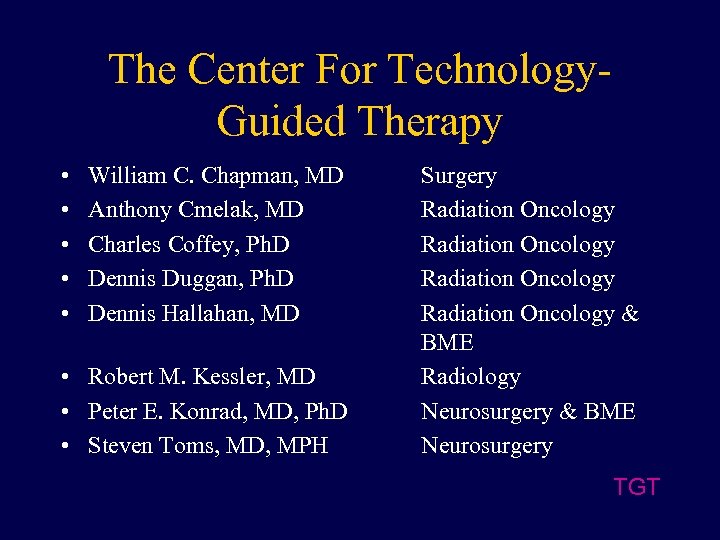
The Center For Technology. Guided Therapy • • • William C. Chapman, MD Anthony Cmelak, MD Charles Coffey, Ph. D Dennis Duggan, Ph. D Dennis Hallahan, MD • Robert M. Kessler, MD • Peter E. Konrad, MD, Ph. D • Steven Toms, MD, MPH Surgery Radiation Oncology & BME Radiology Neurosurgery & BME Neurosurgery TGT
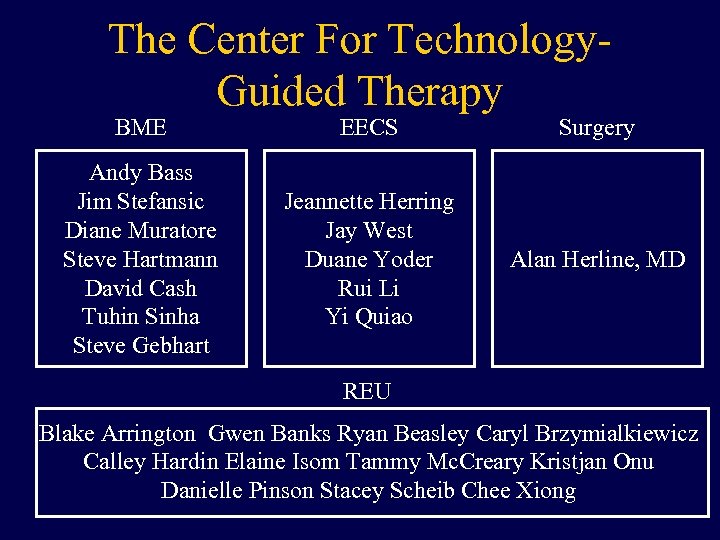
The Center For Technology. Guided Therapy BME EECS Surgery Andy Bass Jim Stefansic Diane Muratore Steve Hartmann David Cash Tuhin Sinha Steve Gebhart Jeannette Herring Jay West Duane Yoder Rui Li Yi Quiao Alan Herline, MD REU Blake Arrington Gwen Banks Ryan Beasley Caryl Brzymialkiewicz Calley Hardin Elaine Isom Tammy Mc. Creary Kristjan Onu Danielle Pinson Stacey Scheib Chee Xiong
Скачать презентацию Anatomic and Functional Guidance of Neurosurgery Robert L
4d0b1b2b72440827bec825c7e9c03248.ppt