Скачать презентацию Analyze how the following factors changed American cities
972749c4765f3487673981d4481833fc.ppt
- Количество слайдов: 83
 Analyze how the following factors changed American cities between 1865 to 1920. -architecture -immigration -transportation -government -popular culture
 Urbanization= the growth of cities
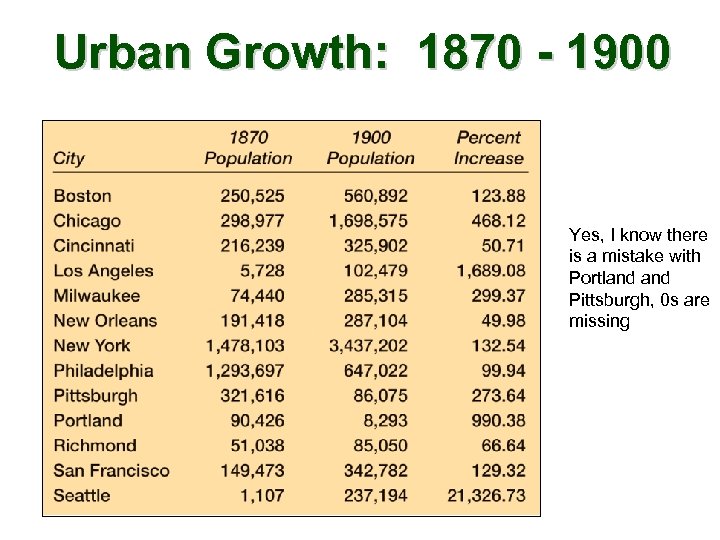 Urban Growth: 1870 - 1900 Yes, I know there is a mistake with Portland Pittsburgh, 0 s are missing
 Why grow? • Immigration, #1 • Jobs available, growth of big business • Mechanization of farm labor
 I. Architecture • Skyscrapers- cities built up vertically • Chicago and New York home to the first skyscrapers • Architects- Daniel Burnham and Louis Sullivan
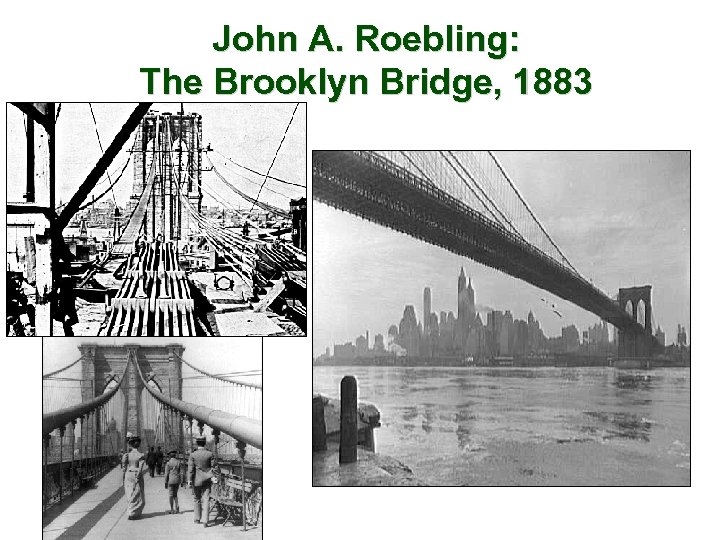 John A. Roebling: The Brooklyn Bridge, 1883
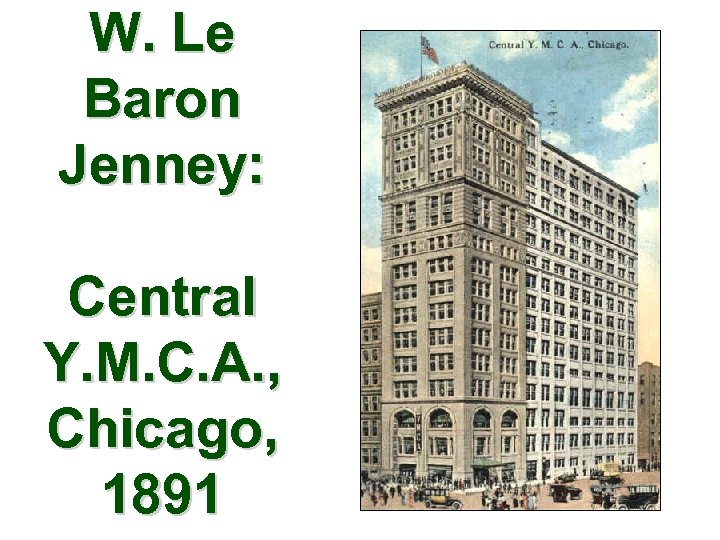 W. Le Baron Jenney: Central Y. M. C. A. , Chicago, 1891
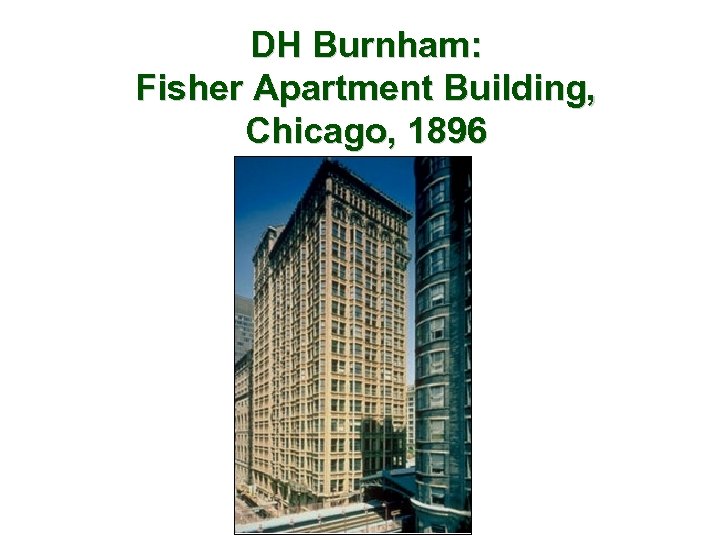 DH Burnham: Fisher Apartment Building, Chicago, 1896
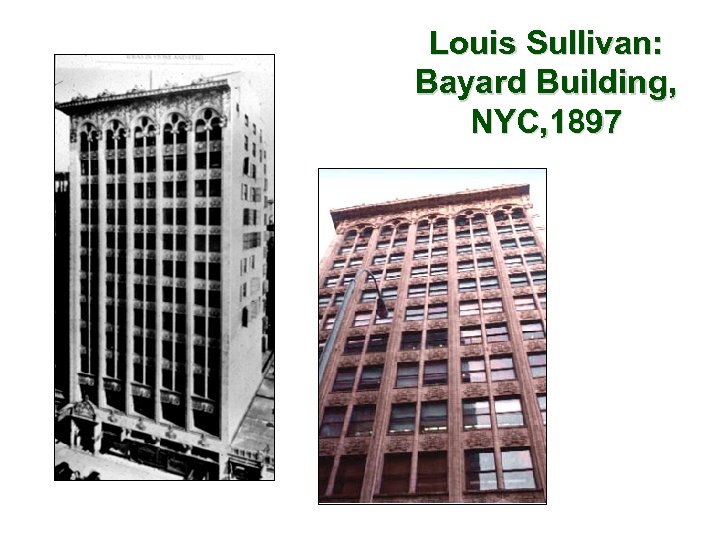 Louis Sullivan: Bayard Building, NYC, 1897
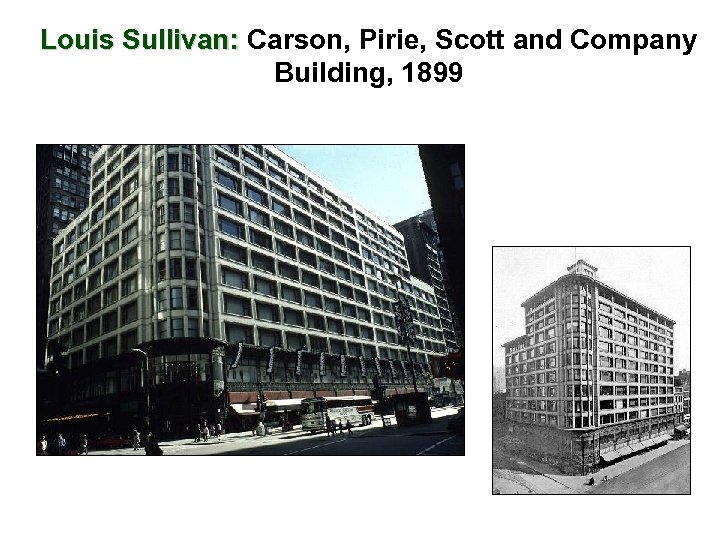 Louis Sullivan: Carson, Pirie, Scott and Company Building, 1899
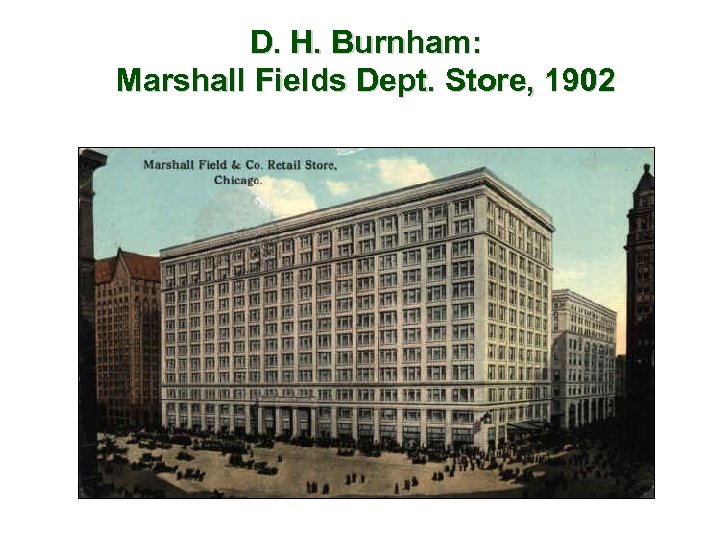 D. H. Burnham: Marshall Fields Dept. Store, 1902
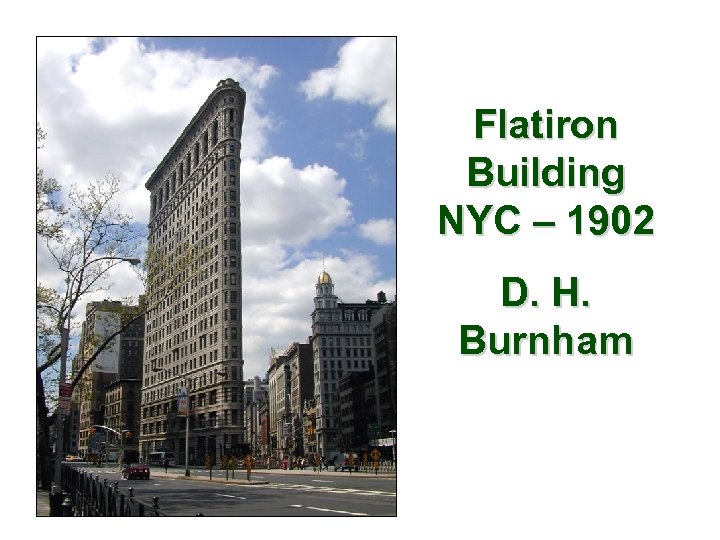 Flatiron Building NYC – 1902 D. H. Burnham
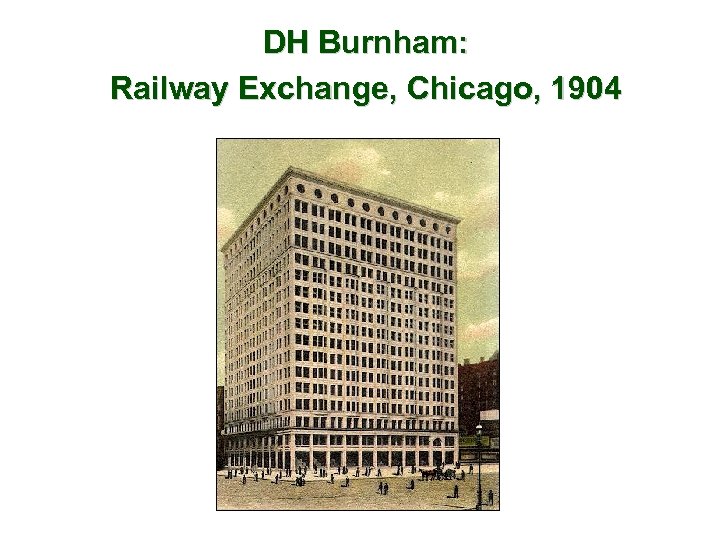 DH Burnham: Railway Exchange, Chicago, 1904
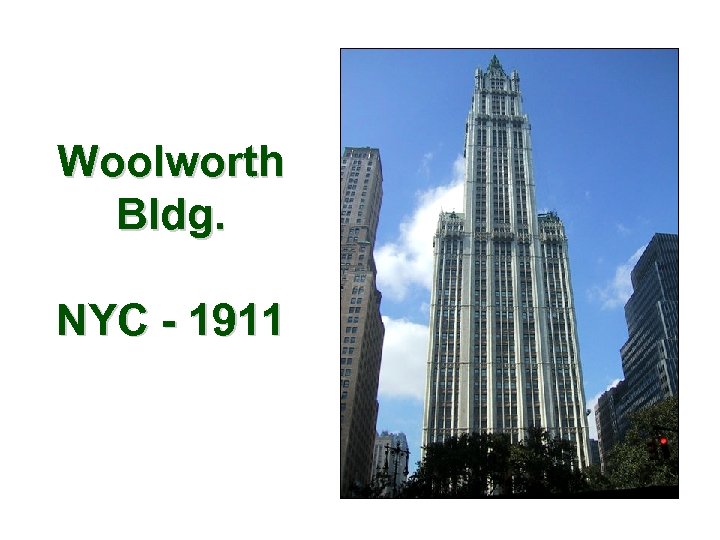 Woolworth Bldg. NYC - 1911
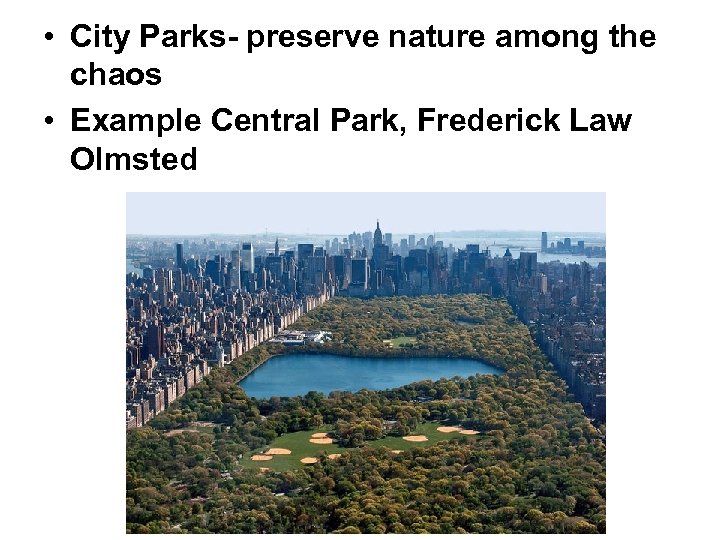 • City Parks- preserve nature among the chaos • Example Central Park, Frederick Law Olmsted
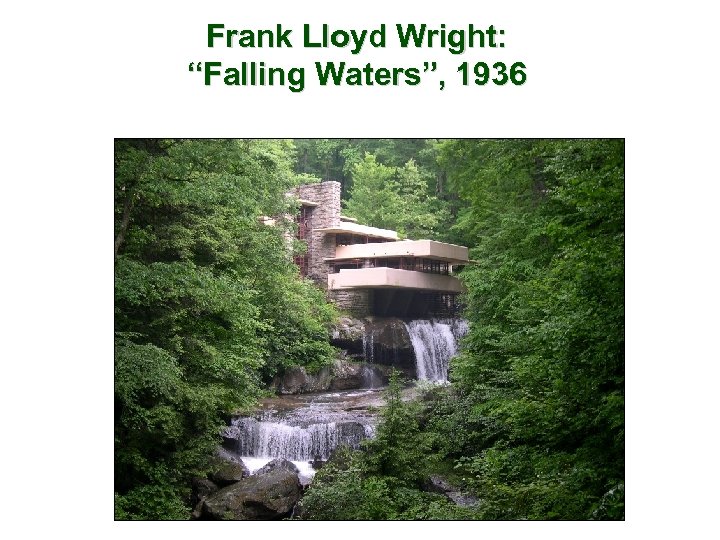 Frank Lloyd Wright: “Falling Waters”, 1936
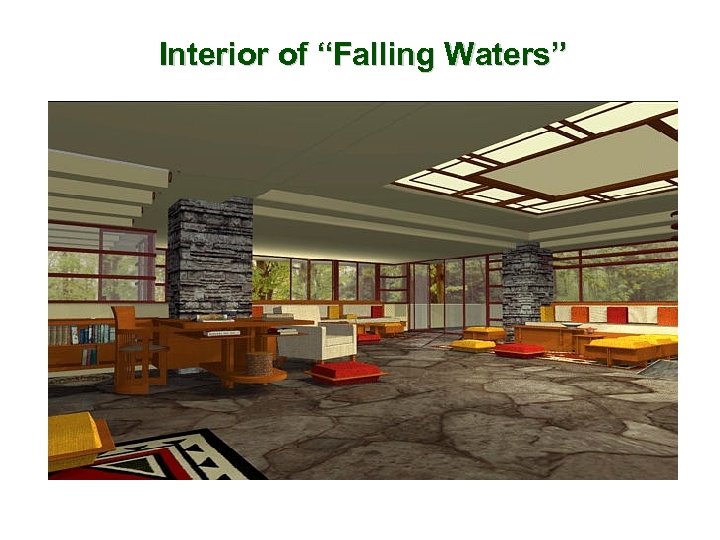 Interior of “Falling Waters”
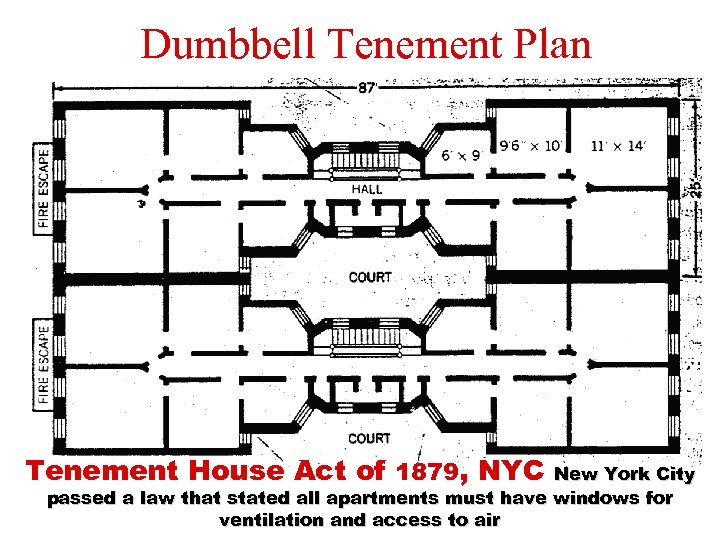 Dumbbell Tenement Plan Tenement House Act of 1879, NYC New York City passed a law that stated all apartments must have windows for ventilation and access to air
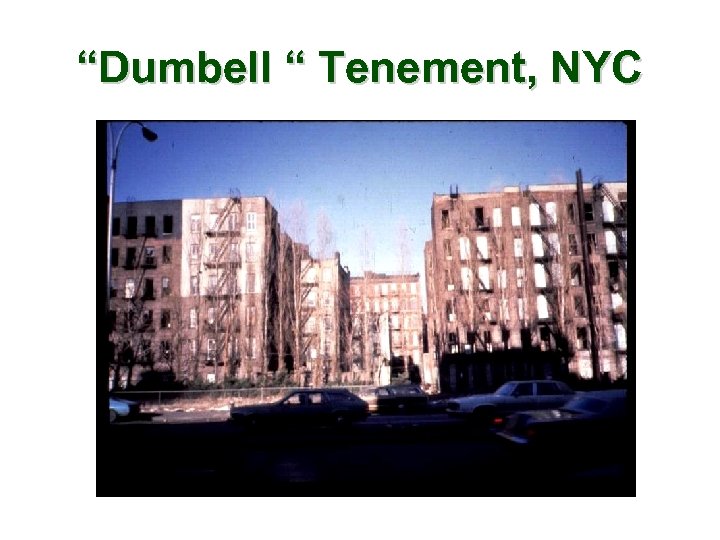 “Dumbell “ Tenement, NYC
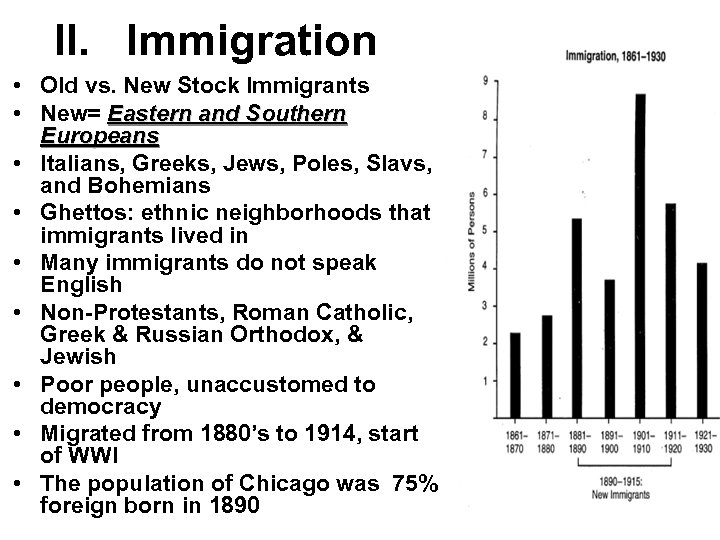 II. Immigration • Old vs. New Stock Immigrants • New= Eastern and Southern Europeans • Italians, Greeks, Jews, Poles, Slavs, and Bohemians • Ghettos: ethnic neighborhoods that immigrants lived in • Many immigrants do not speak English • Non-Protestants, Roman Catholic, Greek & Russian Orthodox, & Jewish • Poor people, unaccustomed to democracy • Migrated from 1880’s to 1914, start of WWI • The population of Chicago was 75% foreign born in 1890
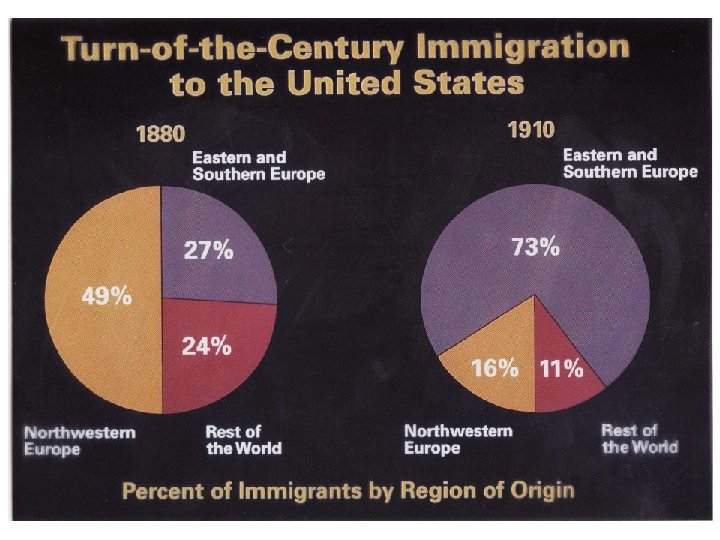
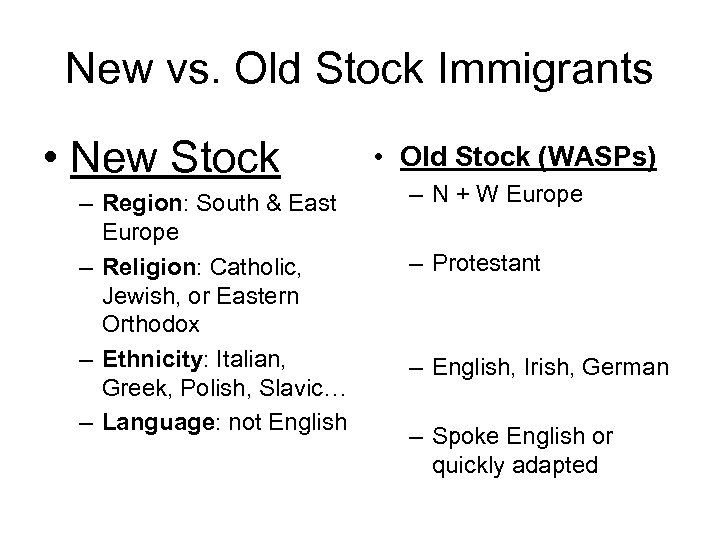 New vs. Old Stock Immigrants • New Stock – Region: South & East Europe – Religion: Catholic, Jewish, or Eastern Orthodox – Ethnicity: Italian, Greek, Polish, Slavic… – Language: not English • Old Stock (WASPs) – N + W Europe – Protestant – English, Irish, German – Spoke English or quickly adapted
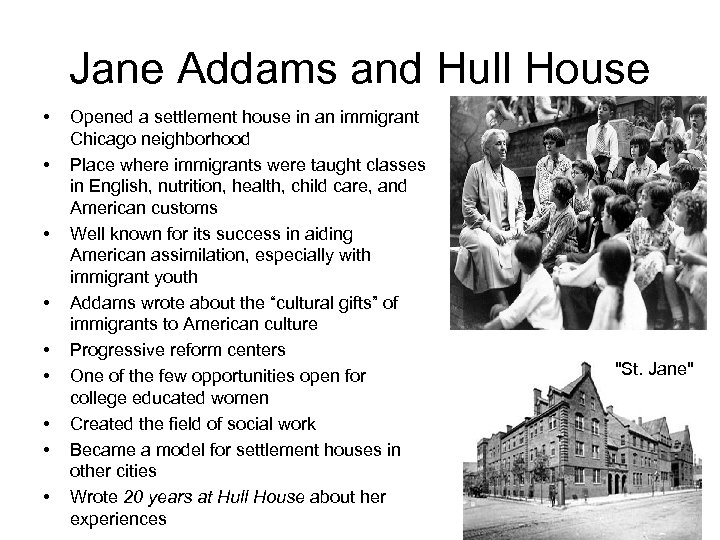 Jane Addams and Hull House • • • Opened a settlement house in an immigrant Chicago neighborhood Place where immigrants were taught classes in English, nutrition, health, child care, and American customs Well known for its success in aiding American assimilation, especially with immigrant youth Addams wrote about the “cultural gifts” of immigrants to American culture Progressive reform centers One of the few opportunities open for college educated women Created the field of social work Became a model for settlement houses in other cities Wrote 20 years at Hull House about her experiences "St. Jane"
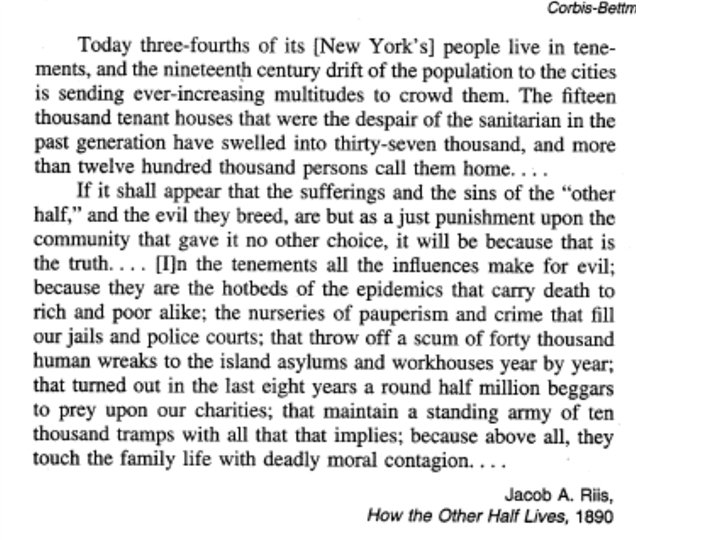
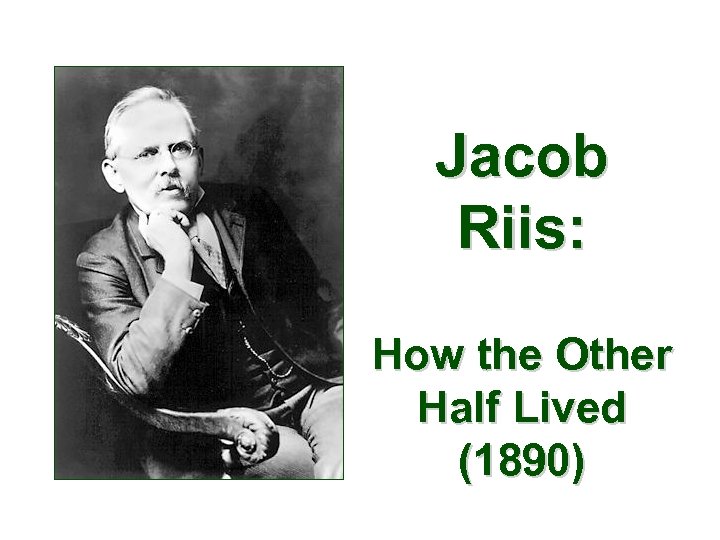 Jacob Riis: How the Other Half Lived (1890)
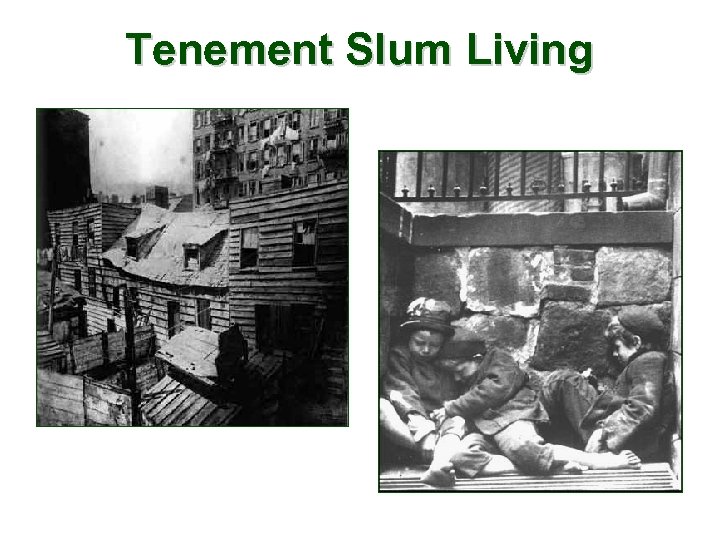 Tenement Slum Living
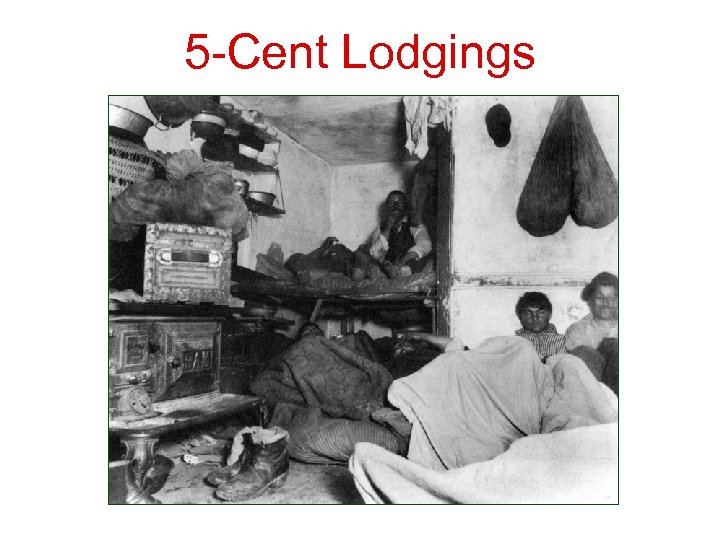 5 -Cent Lodgings
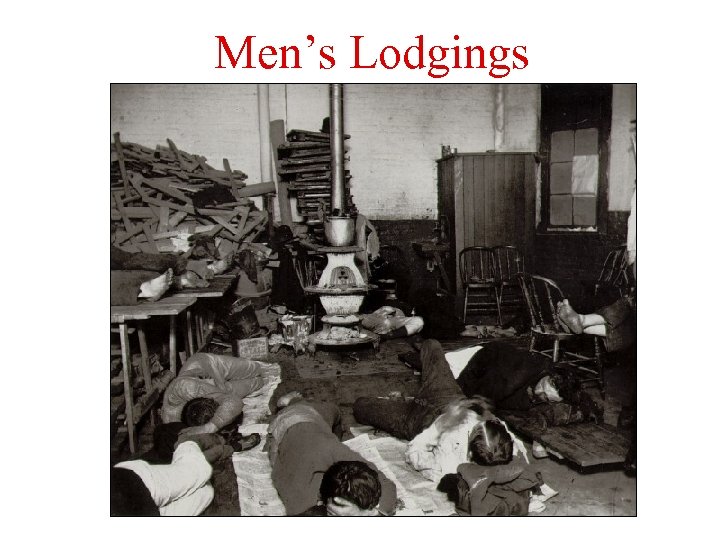 Men’s Lodgings
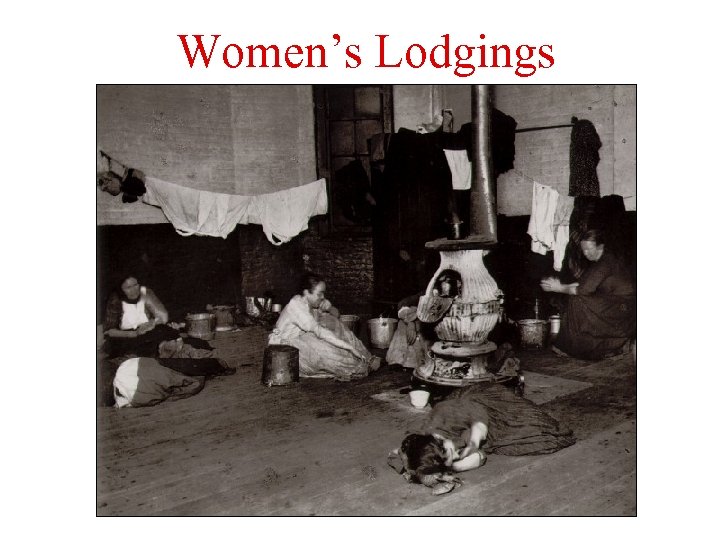 Women’s Lodgings
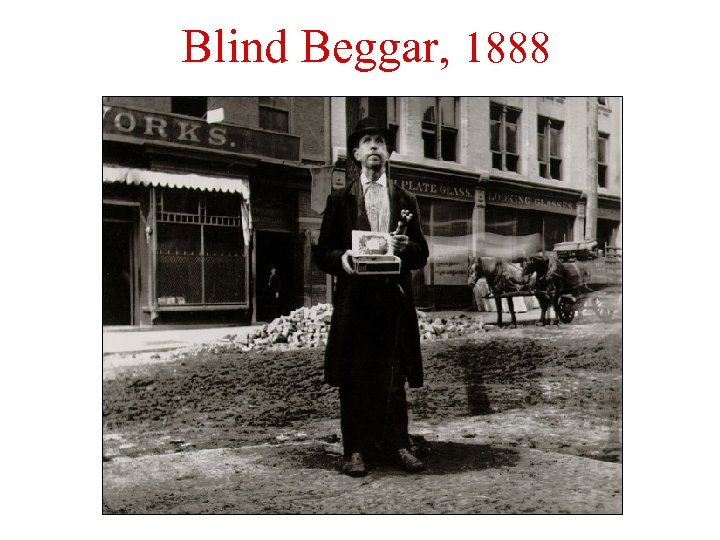 Blind Beggar, 1888
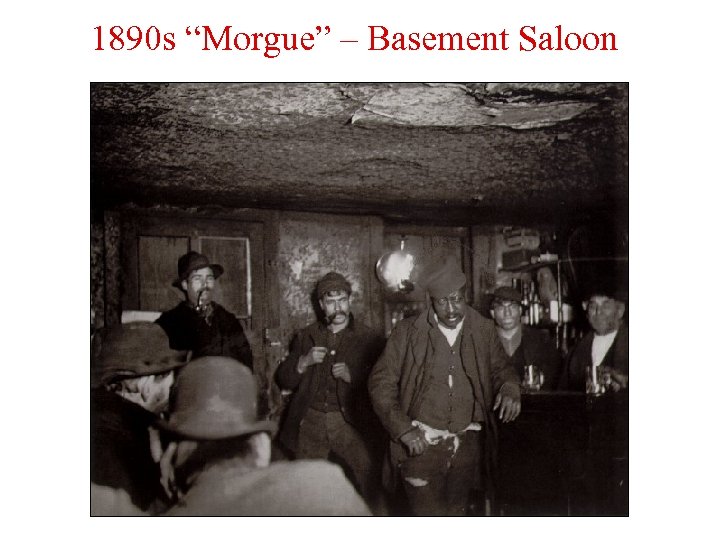 1890 s “Morgue” – Basement Saloon
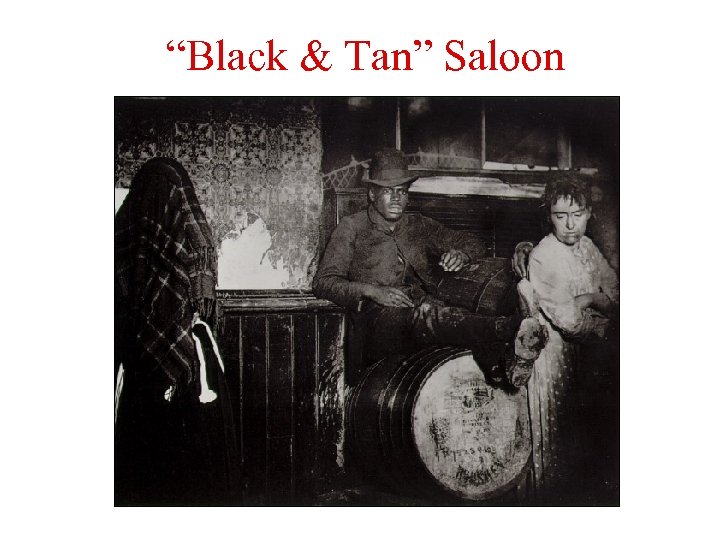 “Black & Tan” Saloon
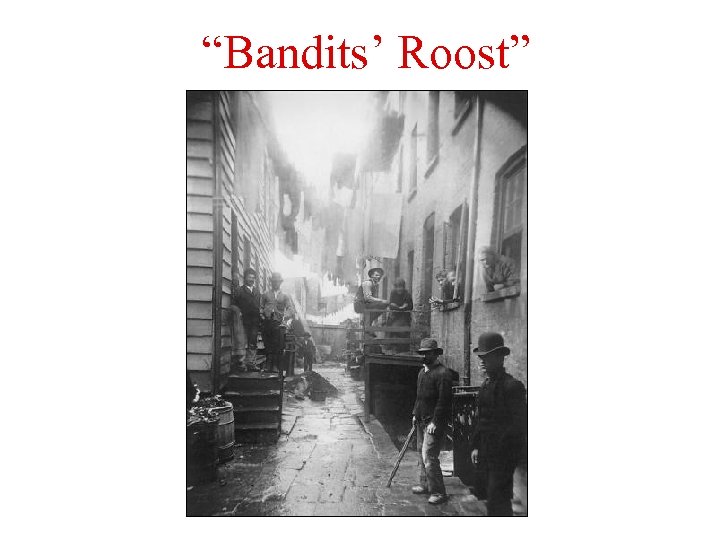 “Bandits’ Roost”
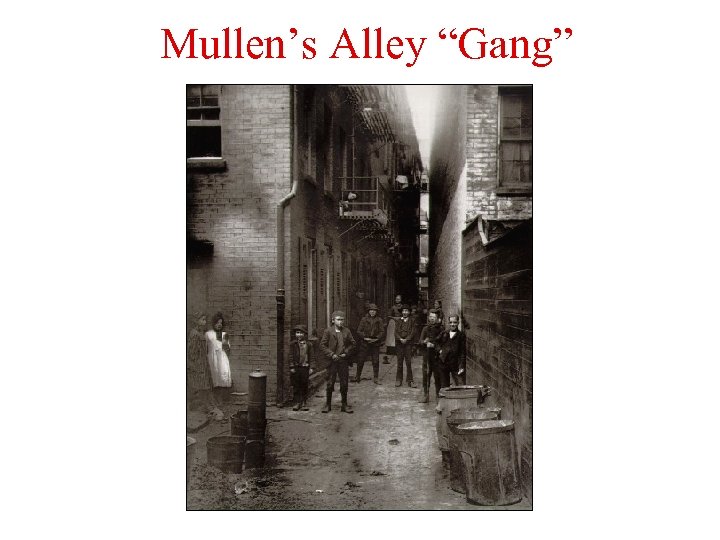 Mullen’s Alley “Gang”
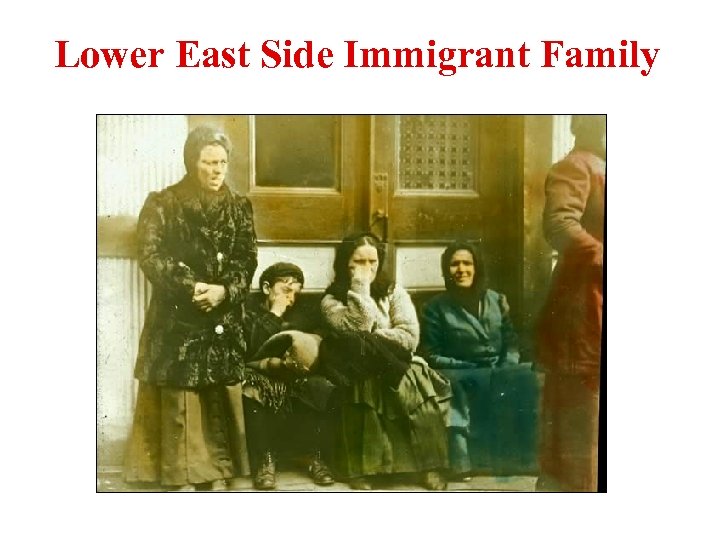 Lower East Side Immigrant Family
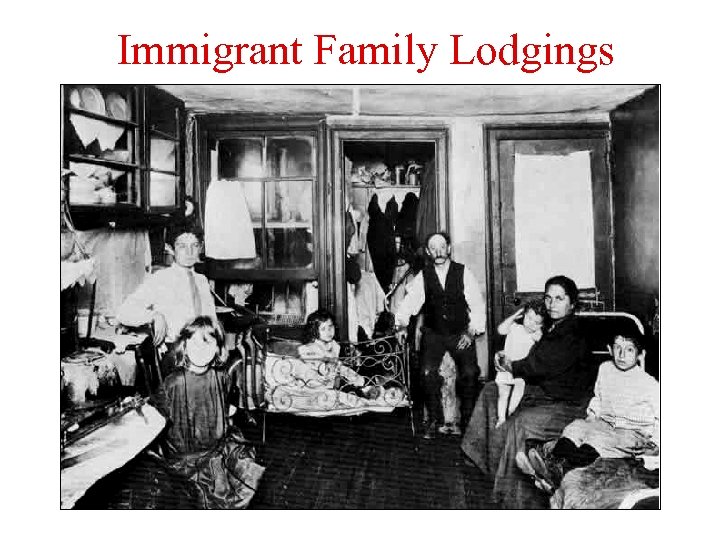 Immigrant Family Lodgings
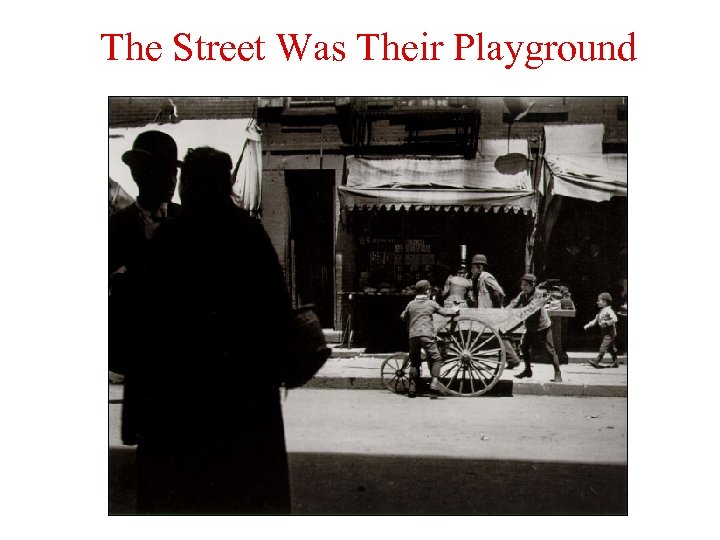 The Street Was Their Playground
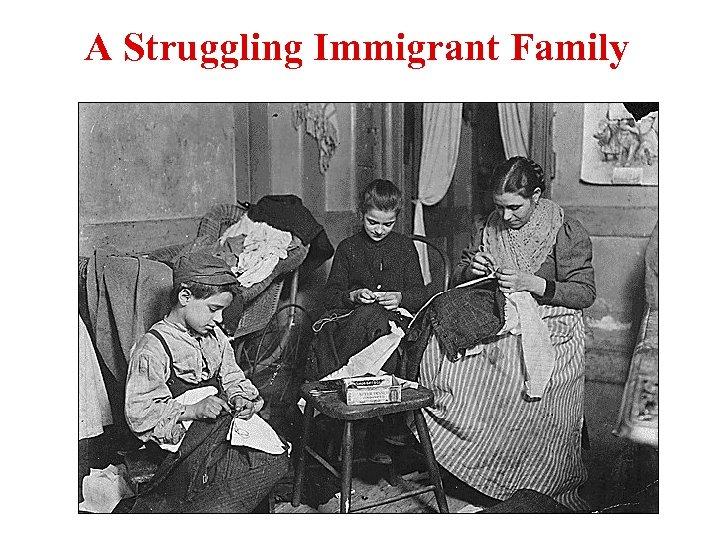 A Struggling Immigrant Family
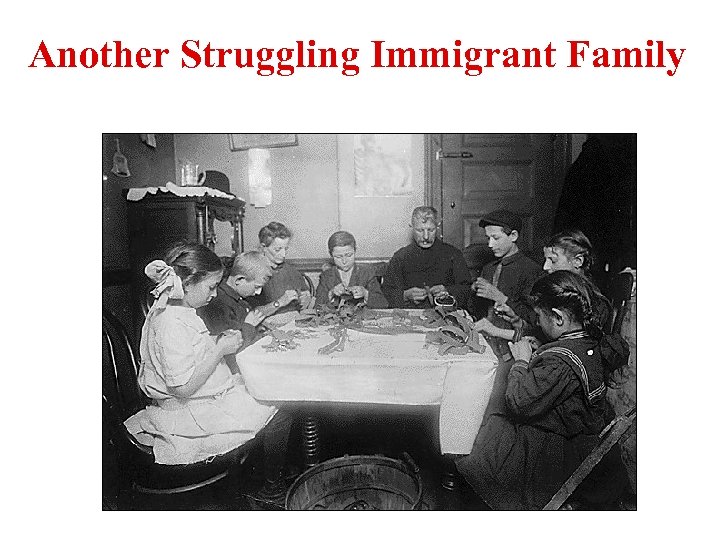 Another Struggling Immigrant Family
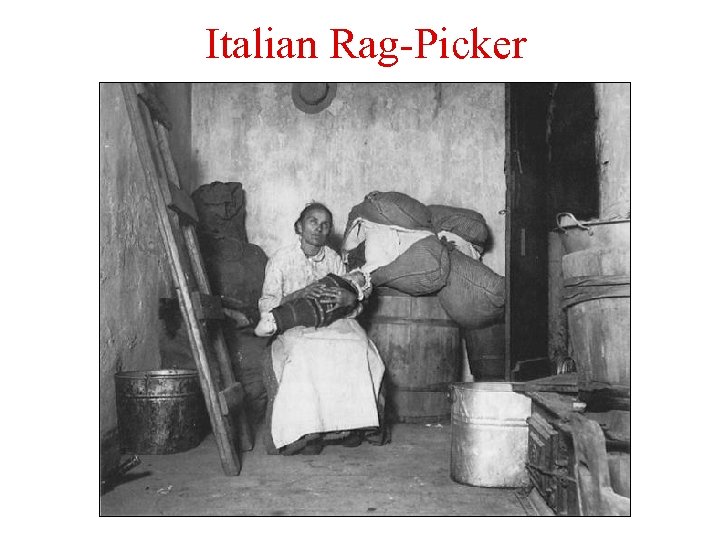 Italian Rag-Picker
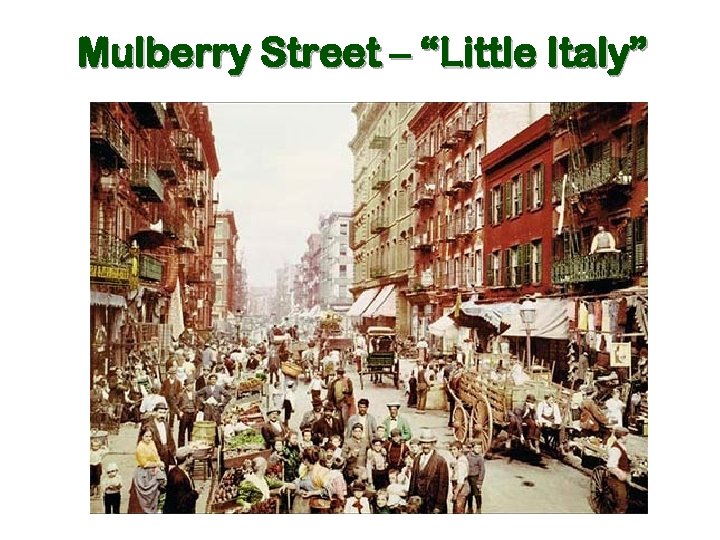 Mulberry Street – “Little Italy”
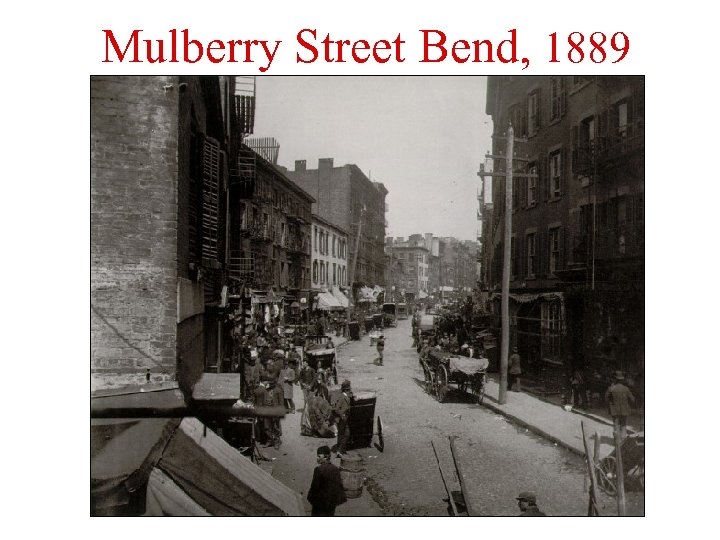 Mulberry Street Bend, 1889
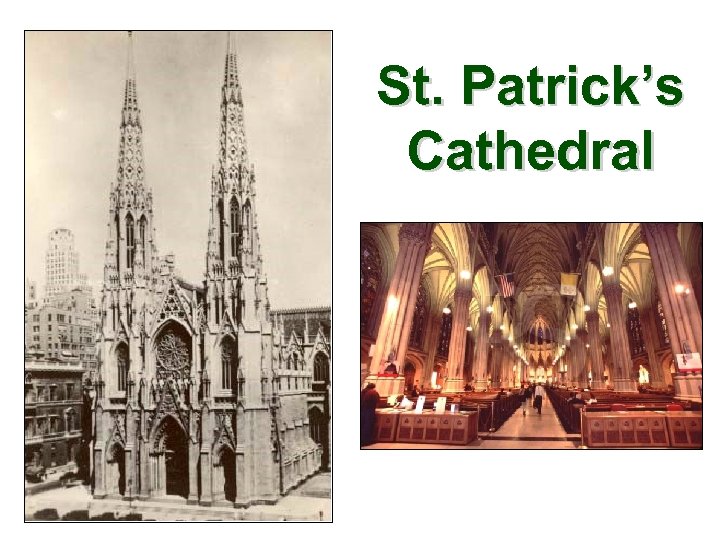 St. Patrick’s Cathedral
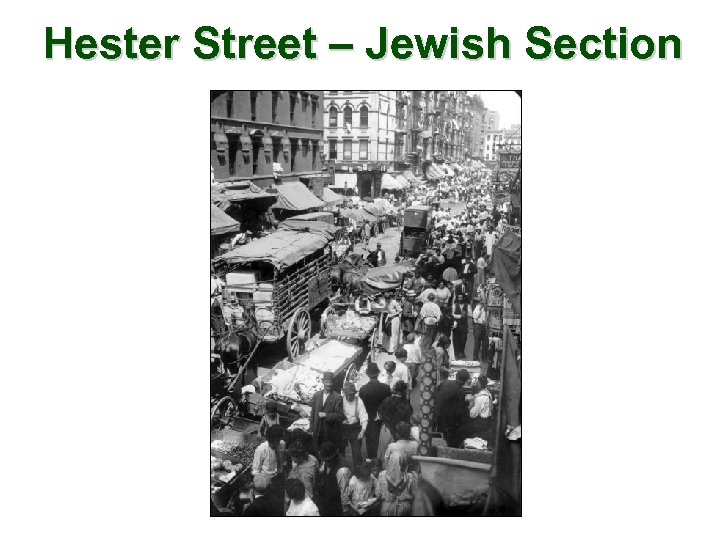 Hester Street – Jewish Section
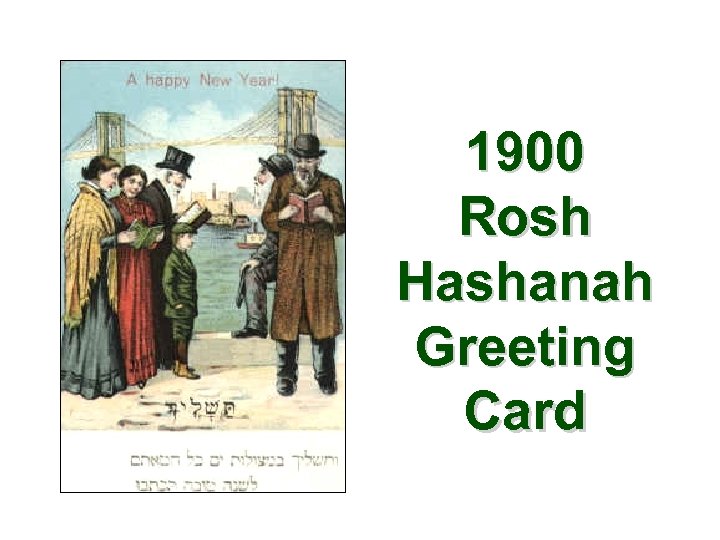 1900 Rosh Hashanah Greeting Card
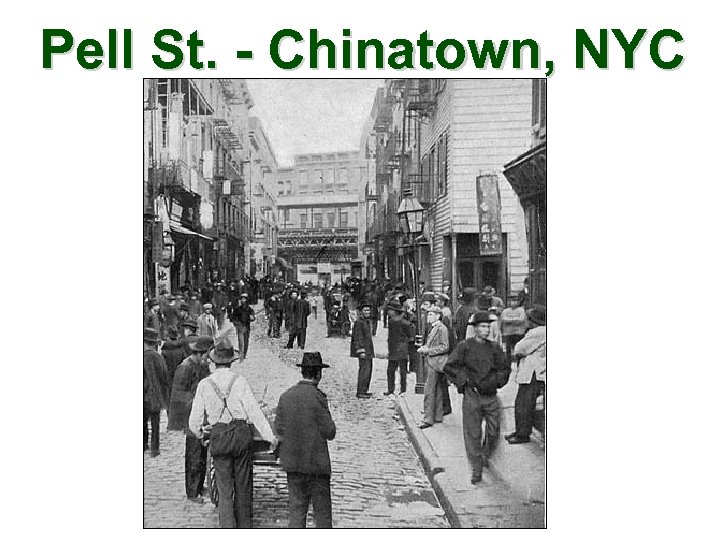 Pell St. - Chinatown, NYC
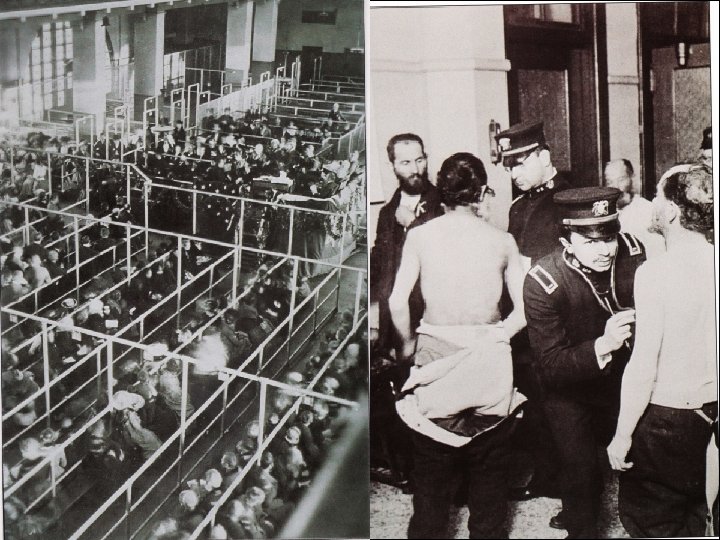
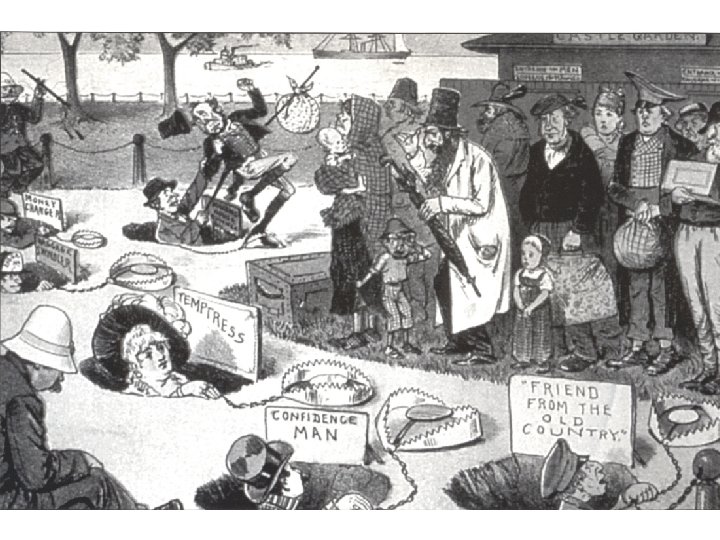
 A Difficult Journey: almost all immigrants travel by steamship, most in steerage Ellis Island—chief U. S. immigration station, in New York Harbor (Castle Garden before 1892) • Immigrants given physical exam by doctor; seriously ill quarantined and not admitted • Inspector checks documents to see if meets legal requirements • 1892– 1924, about 17 million immigrants processed at Ellis Island Angel Island—immigrant processing station in San Francisco Bay, mostly Asian immigrants
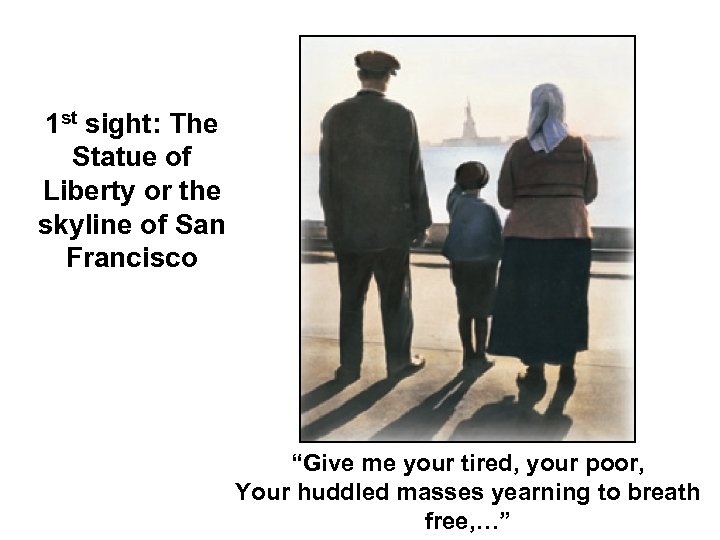 1 st sight: The Statue of Liberty or the skyline of San Francisco “Give me your tired, your poor, Your huddled masses yearning to breath free, …”
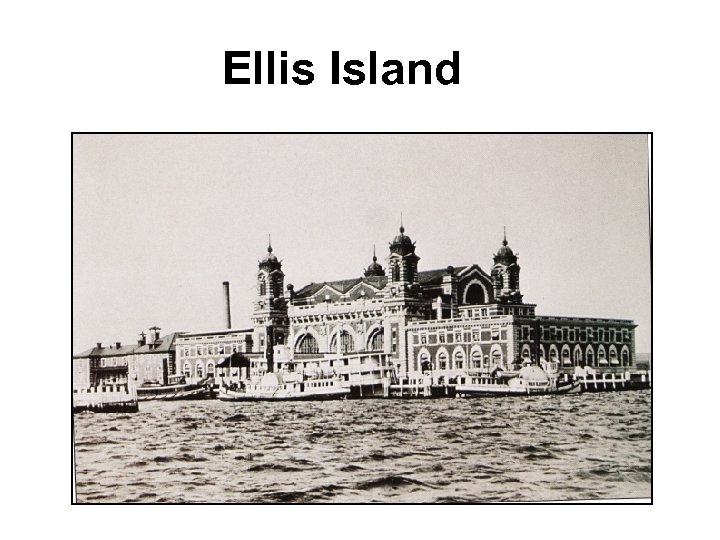 Ellis Island
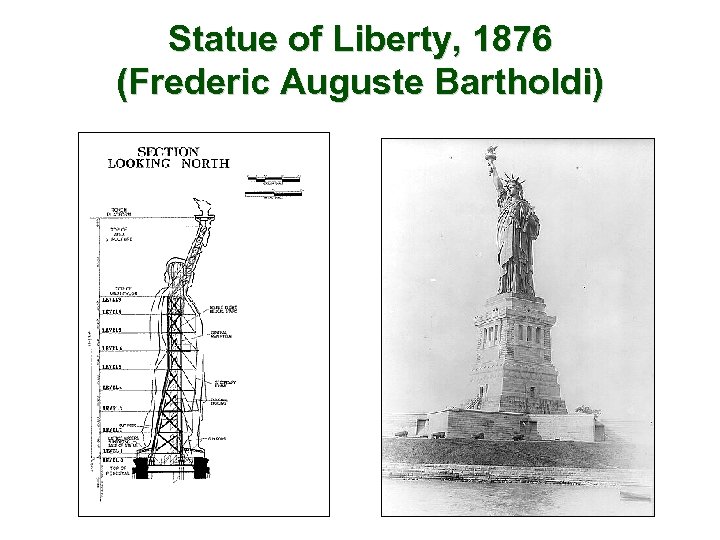 Statue of Liberty, 1876 (Frederic Auguste Bartholdi)
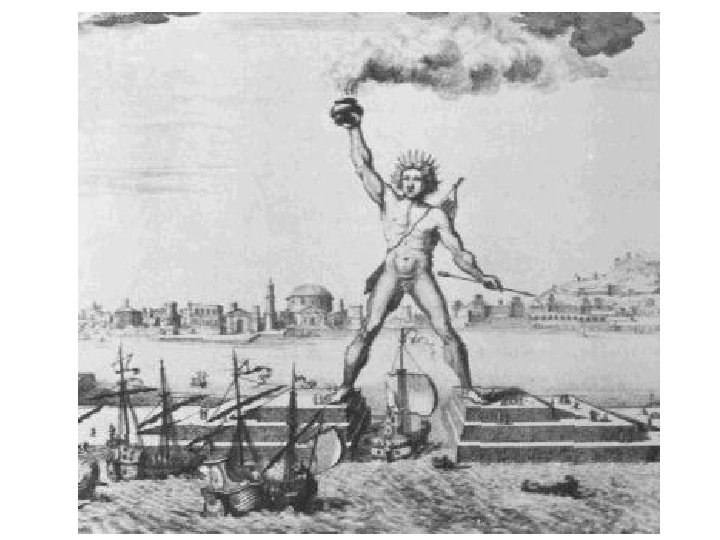
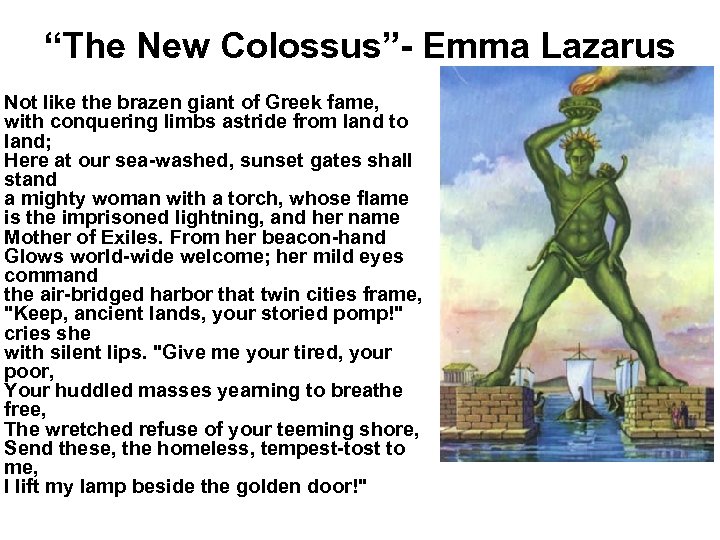 “The New Colossus”- Emma Lazarus Not like the brazen giant of Greek fame, with conquering limbs astride from land to land; Here at our sea-washed, sunset gates shall stand a mighty woman with a torch, whose flame is the imprisoned lightning, and her name Mother of Exiles. From her beacon-hand Glows world-wide welcome; her mild eyes command the air-bridged harbor that twin cities frame, "Keep, ancient lands, your storied pomp!" cries she with silent lips. "Give me your tired, your poor, Your huddled masses yearning to breathe free, The wretched refuse of your teeming shore, Send these, the homeless, tempest-tost to me, I lift my lamp beside the golden door!"
 Unguarded Gates • • • • Wide open and unguarded stand our gates, Named of the four winds, North, South, East and West; Portals that lead to an enchanted land. Of cities, forests, fields of living gold, Vast prairies, lordly summits touched with snow, Majestic rivers sweeping proudly past The Arab's date-palm and the Norseman's pine— A realm wherein are fruits of every zone, Airs of all climes, for lo! throughout the year The red rose blossoms somewhere--a rich land, A later Eden planted in the wilds, With not an inch of earth within its bound But if a slave's foot press it sets him free. Here, it is written, Toil shall have its wage, And Honor honor, and the humblest man Stand level with the highest in the law. • • • • Of such a land have men in dungeons dreamed, And with the vision brightening in their eyes Gone smiling to the fagot and the sword. Wide open and unguarded stand our gates, And through them presses a wild motley throng — Men from the Volga and the Tartar steppes, Featureless figures of the Hoang-Ho, Malayan, Scythian, Teuton, Kelt, and Slav, Flying the Old World's poverty and scorn; These bringing with them unknown gods and rites, Those, tiger passions, here to stretch their claws. In street and alley what strange tongues are loud, Accents of menace alien to our air, Voices that once the Tower of Babel knew! O Liberty, white Goddess! Is it well To leave the gates unguarded? On thy breast Fold Sorrow's children, soothe
 Asian Immigrants • About 300, 000 Chinese arrive; earliest one attracted by gold rush - work in railroads, farms, mines, domestic service, business • Japanese work on Hawaiian plantations, then go to West Coast - by 1920, more than 200, 000 on West Coast
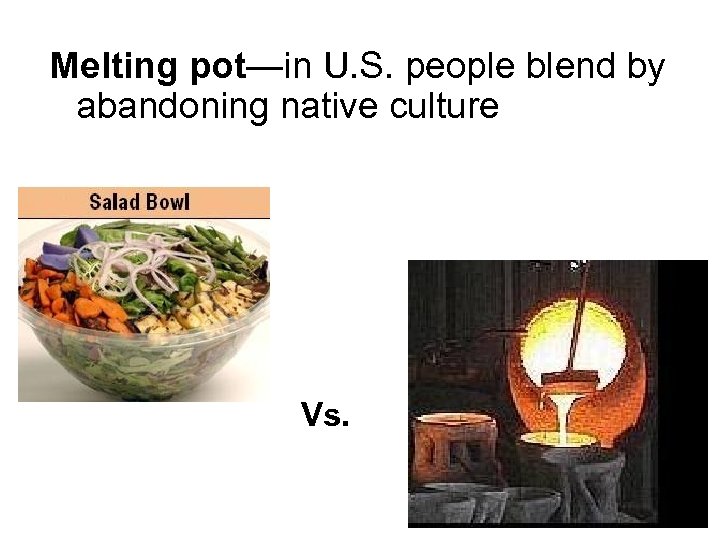 Melting pot—in U. S. people blend by abandoning native culture Vs.
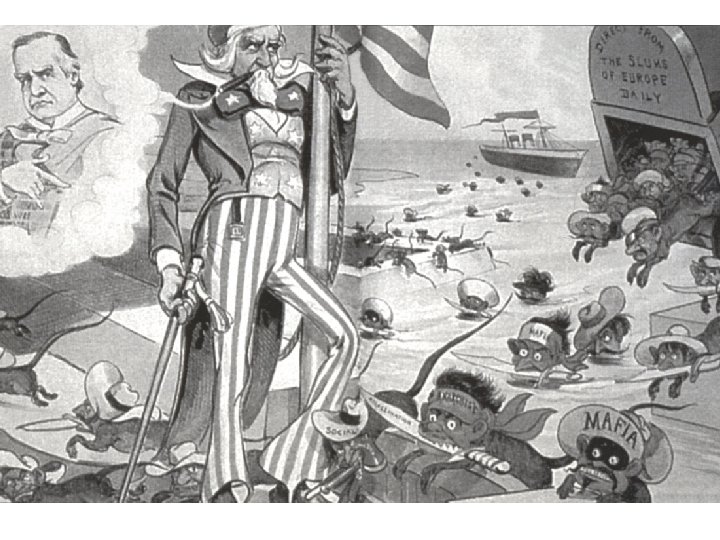
 The Rise of Nativism Melting pot—in U. S. people blend by abandoning native culture • immigrants don’t want to give up cultural identity • Nativism—overt favoritism toward native-born Americans • Nativists believe Anglo-Saxons superior to other ethnic groups • Some object to immigrants’ religion: many are Catholics, Jews • Americanization movement: Teach immigrants American values, especially in schools, Pledge of Allegiance instituted Immigration restrictions– Chinese Exclusion Act, 1882, – Gentlemen’s Agreement, 1907: Japan limits emigration in return, U. S. repeals segregation of Japanese in US schools – 1897, Congress passes literacy bill for immigrants; Cleveland vetoes – 1917, similar bill passes over Wilson’s veto
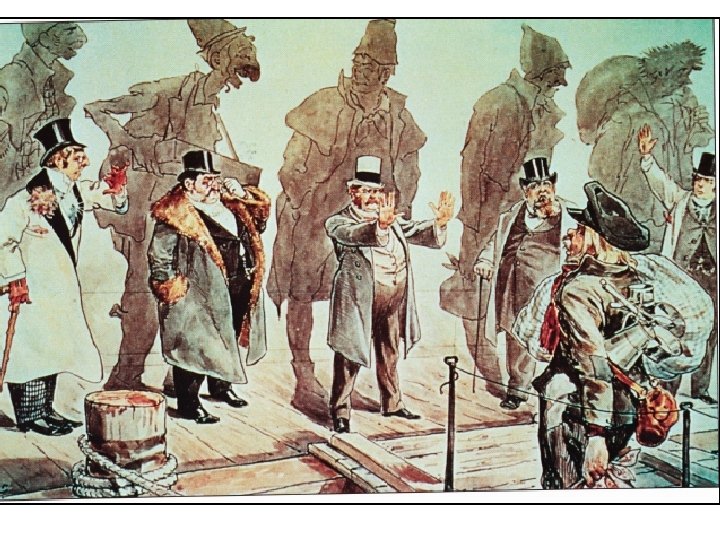
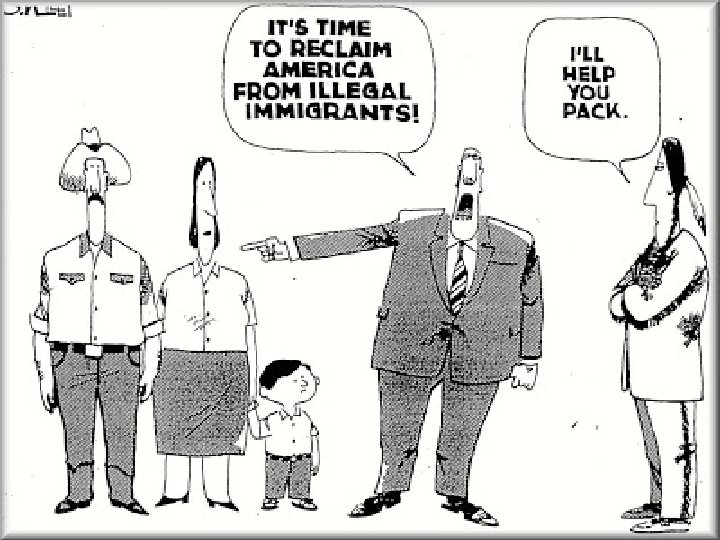
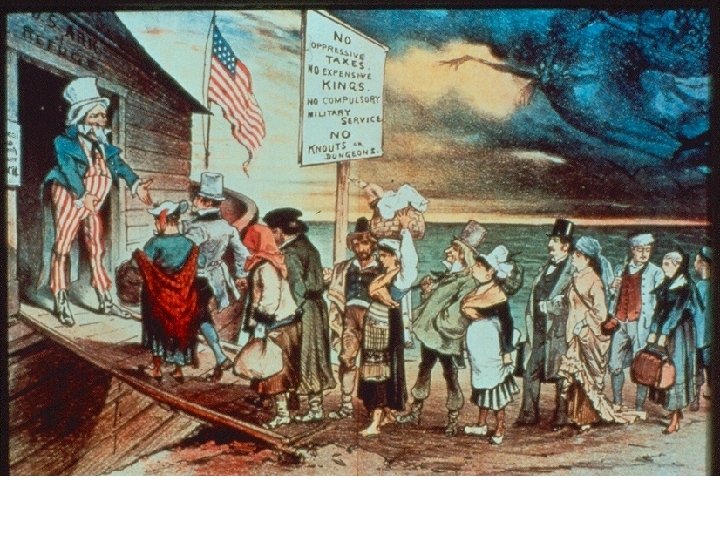
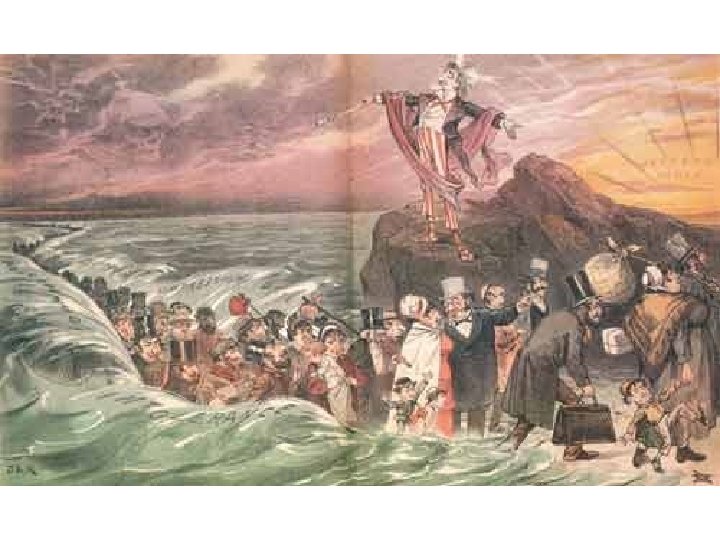
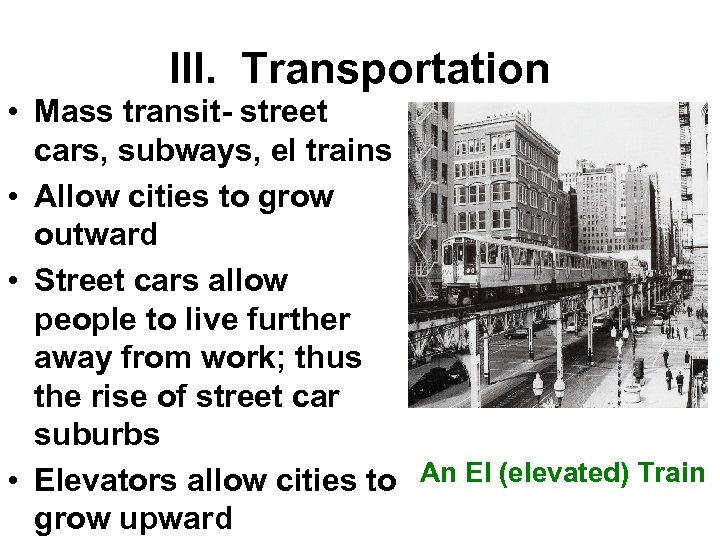 III. Transportation • Mass transit- street cars, subways, el trains • Allow cities to grow outward • Street cars allow people to live further away from work; thus the rise of street car suburbs • Elevators allow cities to An El (elevated) Train grow upward
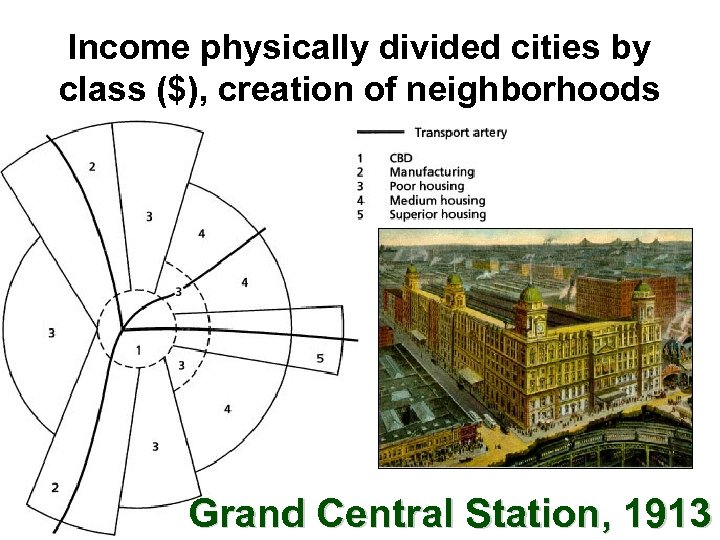 Income physically divided cities by class ($), creation of neighborhoods Grand Central Station, 1913
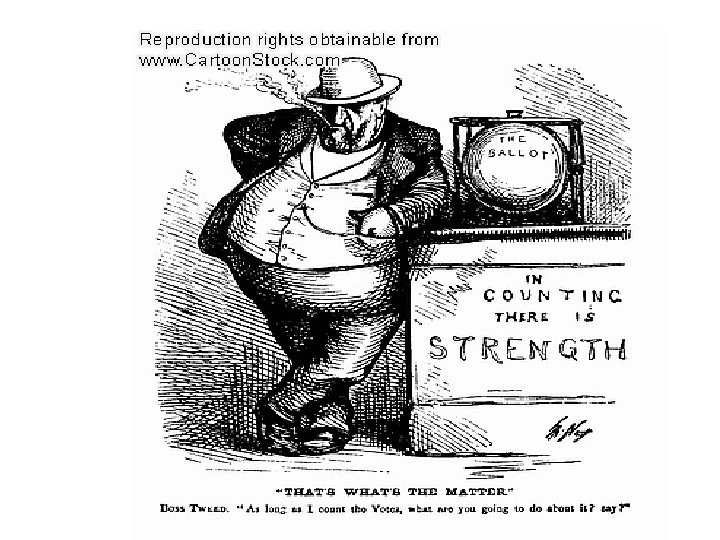
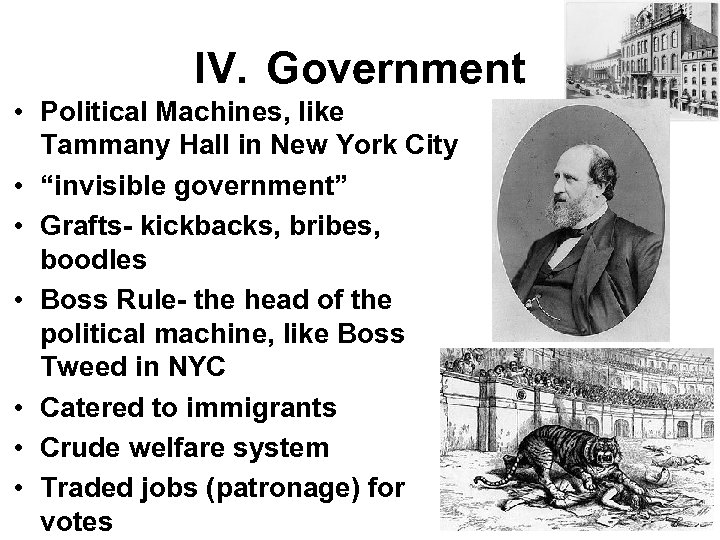 IV. Government • Political Machines, like Tammany Hall in New York City • “invisible government” • Grafts- kickbacks, bribes, boodles • Boss Rule- the head of the political machine, like Boss Tweed in NYC • Catered to immigrants • Crude welfare system • Traded jobs (patronage) for votes
 • “An honest politician is one who when he is bought will stay bought” – Simon Cameron • “Claim everything, concede nothing, and if defeated, allege fraud. ” – Tammany Hall maxim
 George Washington Plunkitt. “I Seen My Opportunities and I Took ’Em. ” Everybody is talkin‘ these days about Tammany men growin’ rich on graft, but nobody thinks of drawin‘ the distinction between honest graft and dishonest graft. There’s all the difference in the world between the two. Yes, many of our men have grown rich in politics. I have myself. I’ve made a big fortune out of the game, and I’m gettin’ richer every day, but I’ve not gone in for dishonest graft—blackmailin' gamblers, saloonkeepers, disorderly people, etc. —and neither has any of the men who have made big fortunes in politics. There’s an honest graft, and I’m an example of how it works. I might sum up the whole thing by sayin‘: “I seen my opportunities and I took ’em. ” Just let me explain by examples. My party’s in power in the city, and it’s goin' to undertake a lot of public improvements. Well, I’m tipped off, say, that they’re going to lay out a new park at a certain place. I see my opportunity and I take it. I go to that place and I buy up all the land I can in the neighborhood. Then the board of this or that makes its plan public, and there is a rush to get my land, which nobody cared particular for before. Ain’t it perfectly honest to charge a good price and make a profit on my investment and foresight? Of course, it is. Well, that’s honest graft. Or supposin‘ it’s a new bridge they’re goin’ to build. I get tipped off and I buy as much property as I can that has to be taken for approaches. I sell at my own price later on and drop some more money in the bank. Wouldn’t you? It’s just like lookin‘ ahead in Wall Street or in the coffee or cotton market. It’s honest graft, and I’m lookin’ for it every day in the year. I will tell you frankly that I’ve got a good lot of it, too. I’ll tell you of one case. They were goin‘ to fix up a big park, no matter where. I got on to it, and went lookin’ about for land in that neighborhood. I could get nothin' at a bargain but a big piece of swamp, but I took it fast enough and held on to it. What turned out was just what I counted on. They couldn’t make the park complete without Plunkitt’s swamp, and they had to pay a good price for it. Anything dishonest in that?
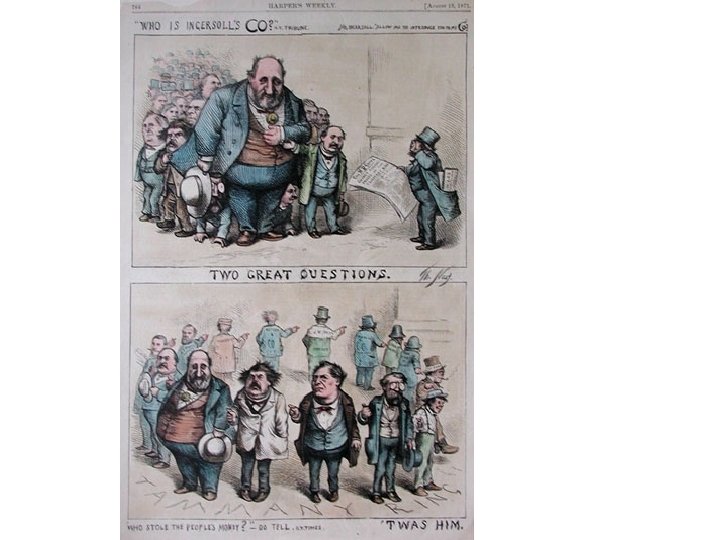
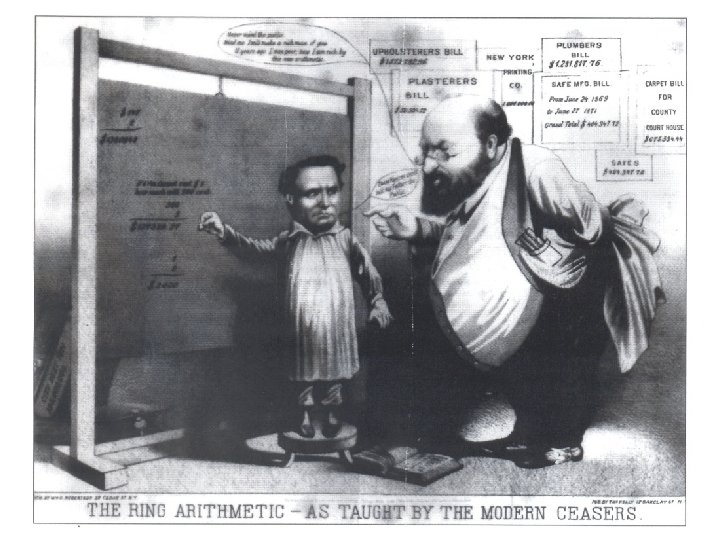
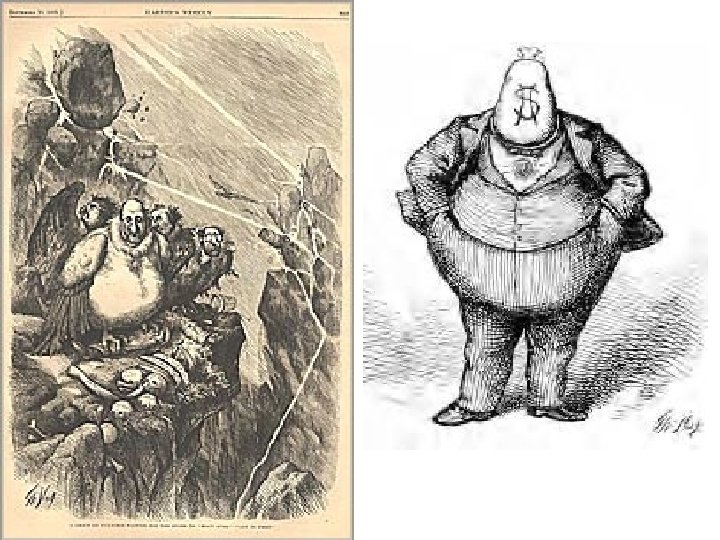
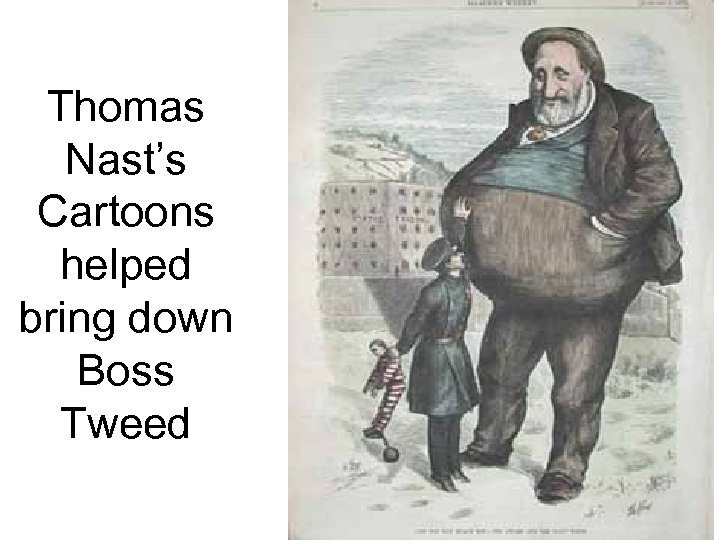 Thomas Nast’s Cartoons helped bring down Boss Tweed
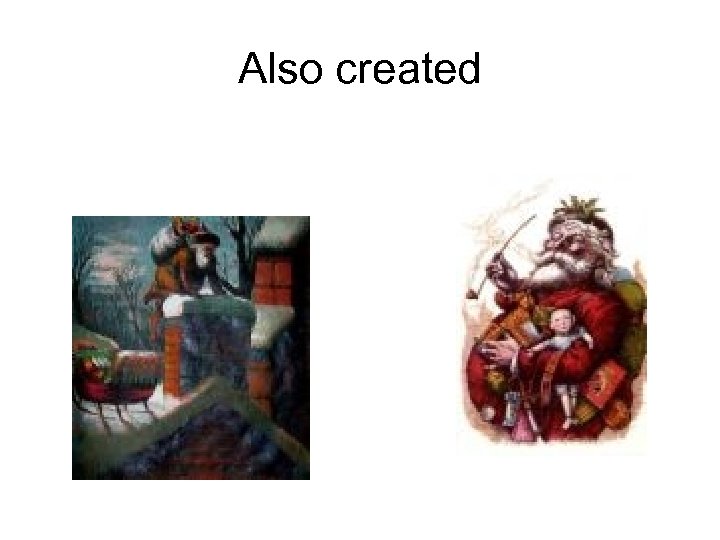 Also created
 And…
And…
 V. Popular Culture • Victorian Culture: code of behavior that stressed order and discipline, sobriety, industriousness, and sexual modesty • • • Sports= baseball, football, boxing Baseball is the most popular Symbolizes America(Immigrants- the way to become an American is to play baseball Racism- African Americans not allowed to play in white leagues) Bicycles Shopping- Montgomery Ward, Sears Roebuck, Rural Free Delivery Newspapers- William Randolph Hearst Circus- P. T. Barnum Vaudeville Ragtime Music- Scott Joplin
 Social Gospel Movement Christianity should improve life on earth rather than waiting for the afterlife. – Sought to improve problems of alcoholism & unemployment – Tried to mediate between managers and unions – Did much to spark the Progressive reform at the turn of the century. • Salvation Army: arrived from England in 1879 – Appealed to the poverty stricken; free soup most obvious contribution • • • YMCA, YWCA American Red Cross established in 1881 by Clara Barton Settlement houses Urban Revivals, Dwight Moody Comstock Law- passed in 1873 by Congress and made it illegal to send pornographic material through the mail, (birth control) • Woman’s Christian Temperance Union (WCTU) organized in 1874 and led by Francis Willard
 • Analyze how TWO of the following groups responded to the “New Stock” of immigrants in American urban centers from 1865 to 1900 – Reformers – Nativists – Political Machines
 • Analyze the impact of the following on the American industrial worker between 1865 and 1900. • • Government actions Immigration Labor Unions Technological changes
 Analyze how the following factors changed American cities between 1865 to 1920. -architecture -immigration -transportation -government -popular culture
 Group Essay 10 points, Group Thesis statement (2 points), 8 points for individual body • Analyze how TWO of the following groups responded to the “New Stock” of immigrants in American urban centers from 1865 to 1900 – Reformers – Nativists – Political Machines