


 Скачать презентацию An Overview of Green Technology Jihwa Lee Department
3a6f79594eddafefac29a22f836c0627.ppt
- Количество слайдов: 69
 An Overview of Green Technology Jihwa Lee Department of Chemical & Biological Technology Seoul National University WCU Seminar 2010. 5. 3
 Outline of the Talk Ø Global Warming & Climate Change Ø Mandotory CO 2 Reduction Ø Hydrogen Economy Ø Green Technology Issues 1) Renewable Energies 2) CO 2 Capture & Storage Ø Summary
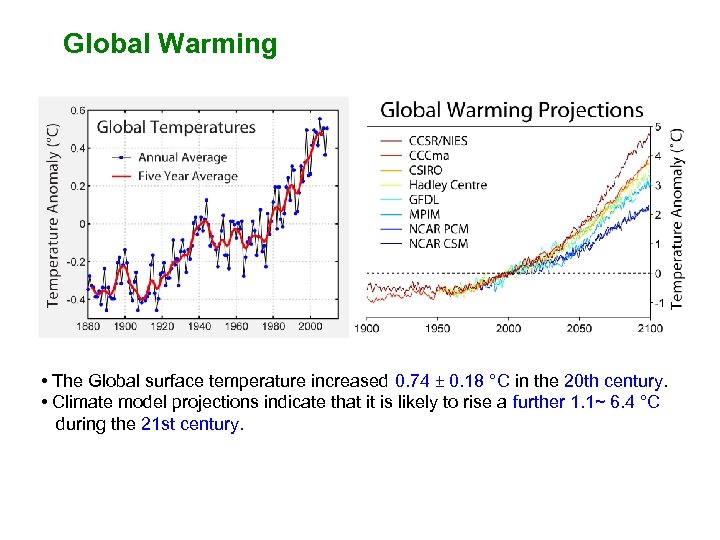 Global Warming • The Global surface temperature increased 0. 74 ± 0. 18 °C in the 20 th century. • Climate model projections indicate that it is likely to rise a further 1. 1~ 6. 4 °C during the 21 st century.
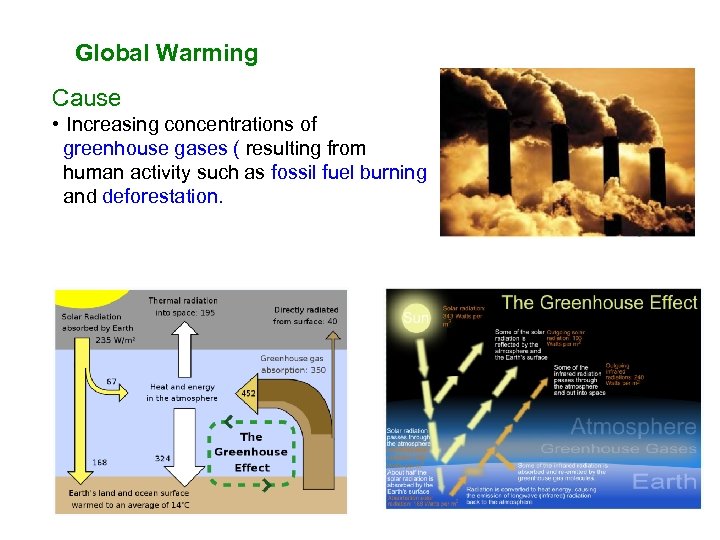 Global Warming Cause • Increasing concentrations of greenhouse gases ( resulting from human activity such as fossil fuel burning and deforestation.
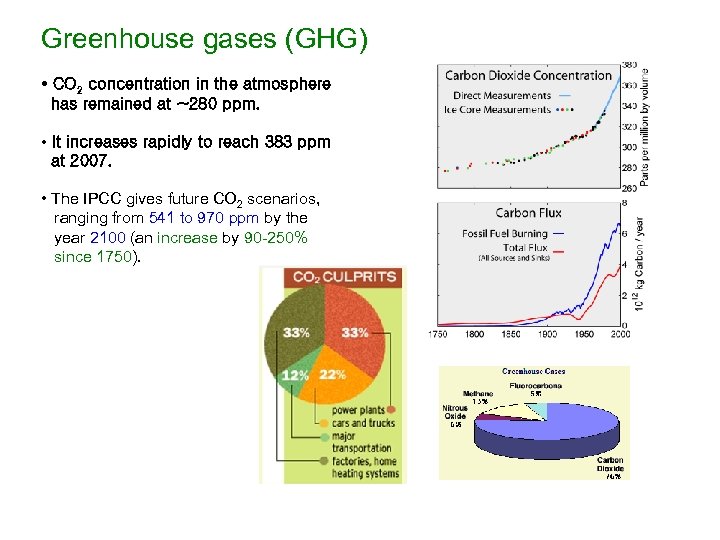 Greenhouse gases (GHG) • CO 2 concentration in the atmosphere has remained at ~280 ppm. • It increases rapidly to reach 383 ppm at 2007. • The IPCC gives future CO 2 scenarios, ranging from 541 to 970 ppm by the year 2100 (an increase by 90 -250% since 1750).
 Climate Change
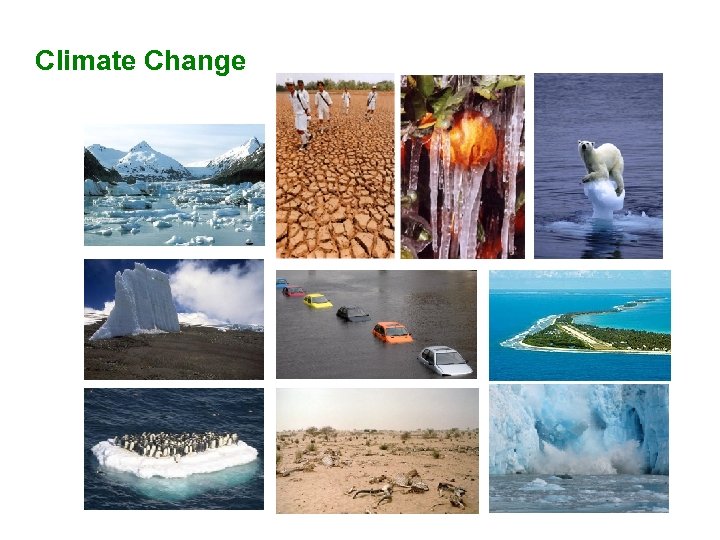
 Climate Change An increase in global temperature will cause • Sea levels to rise • Change in the amount and pattern of precipitation • Expansion of subtropical deserts • Retreat of glaciers, permafrost (permanently frozen land as in Siberia), and sea ice • Extreme weather events • Species extinctions • Changes in agricultural yields • Rife malarias
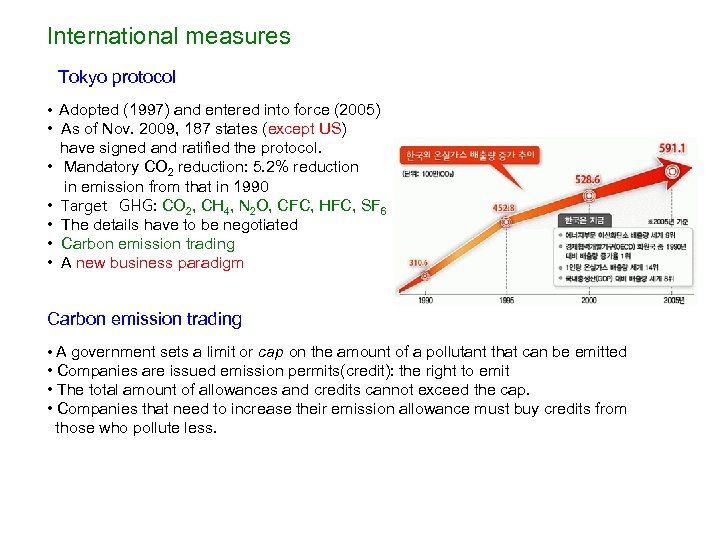 International measures Tokyo protocol • Adopted (1997) and entered into force (2005) • As of Nov. 2009, 187 states (except US) have signed and ratified the protocol. • Mandatory CO 2 reduction: 5. 2% reduction in emission from that in 1990 • Target GHG: CO 2, CH 4, N 2 O, CFC, HFC, SF 6 • The details have to be negotiated • Carbon emission trading • A new business paradigm Carbon emission trading • A government sets a limit or cap on the amount of a pollutant that can be emitted • Companies are issued emission permits(credit): the right to emit • The total amount of allowances and credits cannot exceed the cap. • Companies that need to increase their emission allowance must buy credits from those who pollute less.
 Green Technology Energy consumption = CO 2 emission • Any technology which directly or indirectly helps reduce the emission of GHG (CO 2), which typically includes Ø Renewable energy technology Ø CO 2 capture & storage Energy efficiency: new illumination technology (LED), smart grid system, building insulation, room heating etc. Ø Energy conservation Ø Environmental technology • Most GT’s are costly! • In many areas GT is not commercially available! • Extensive R&D is needed!
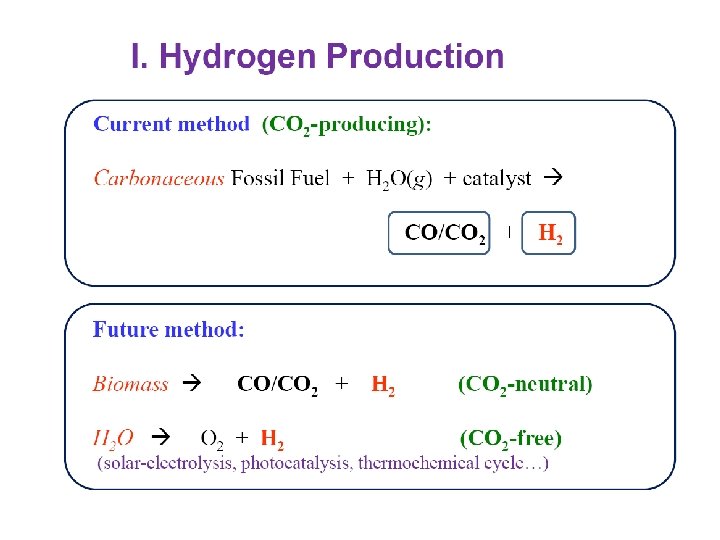
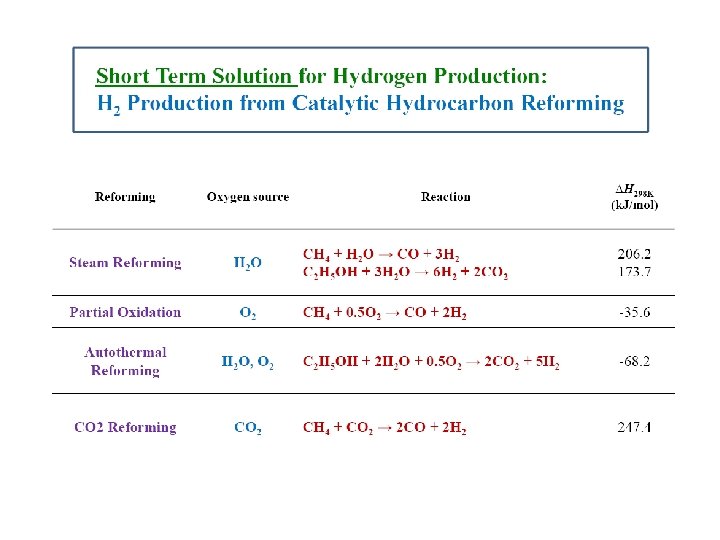
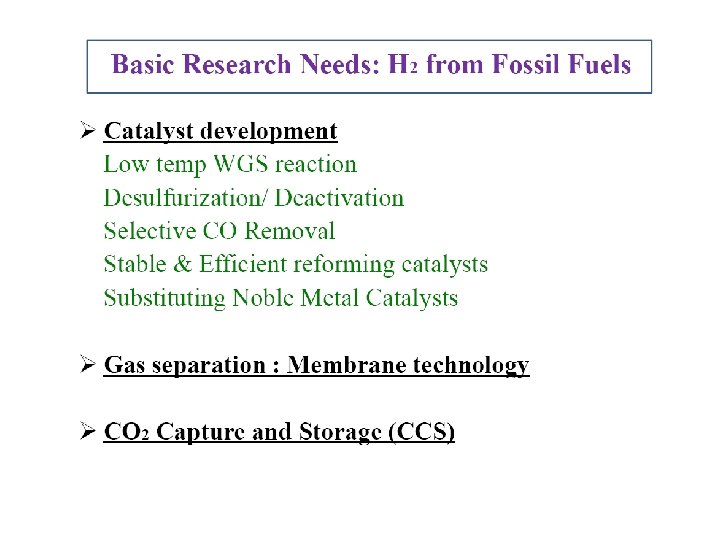
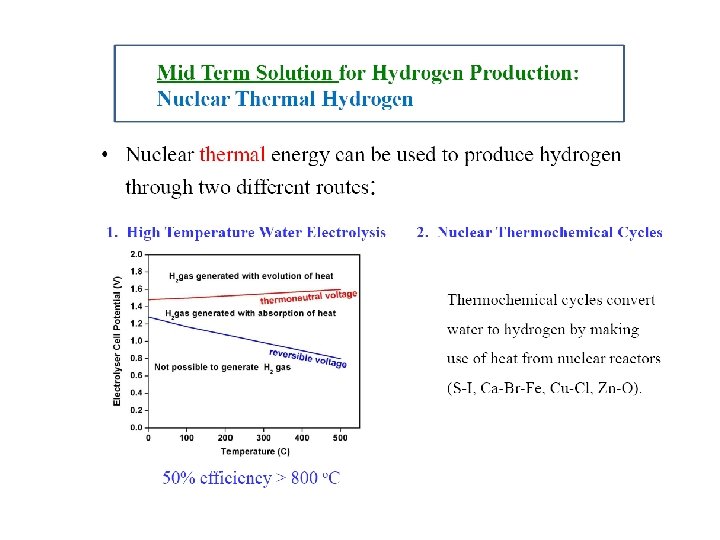
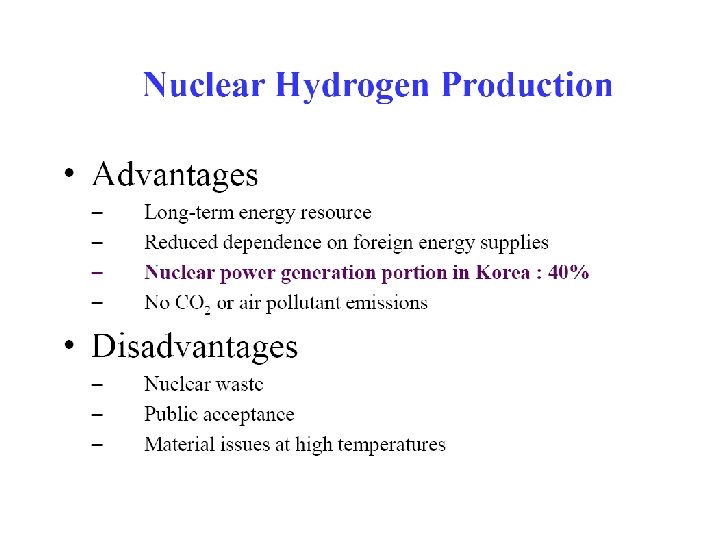
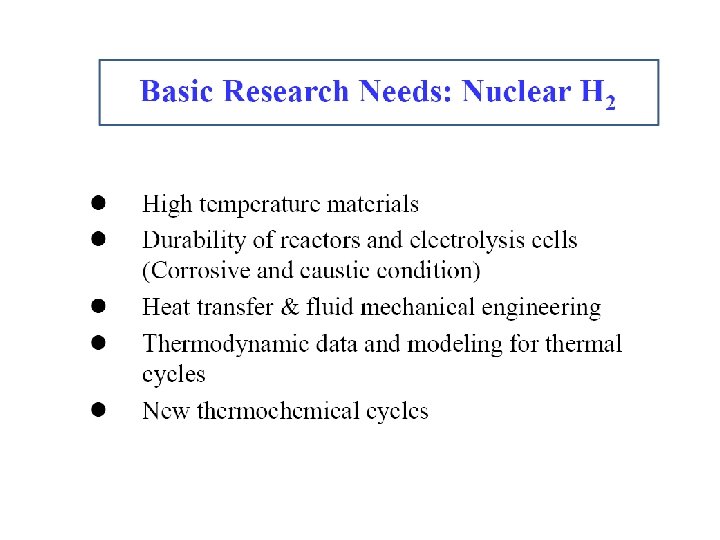
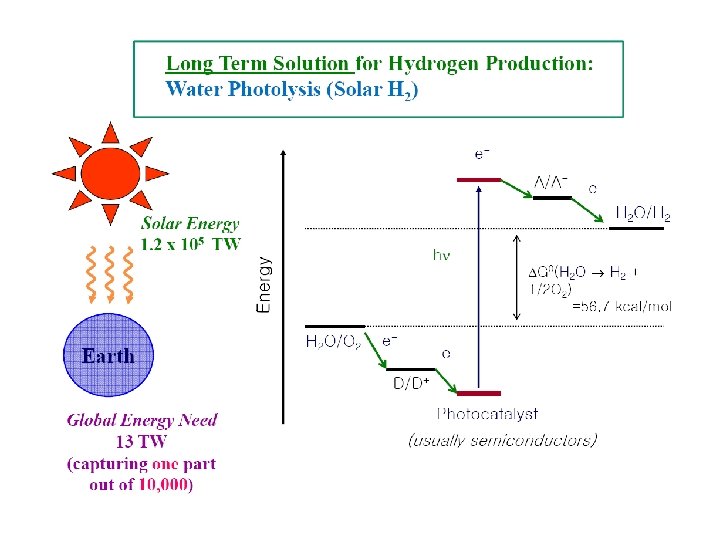
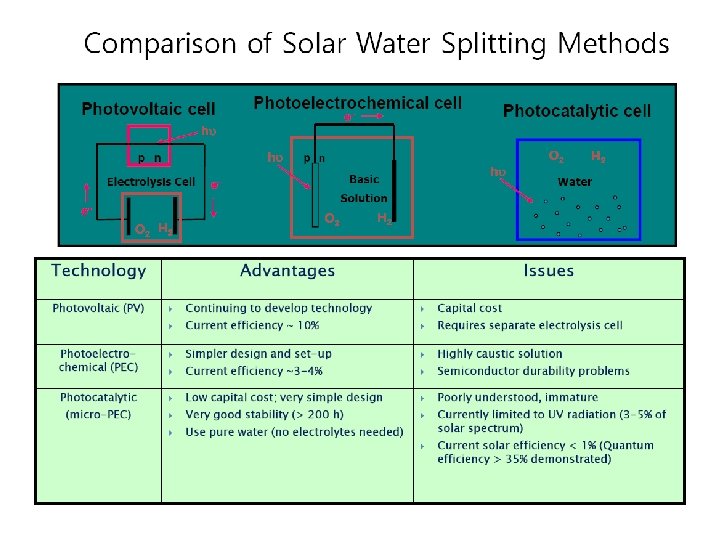
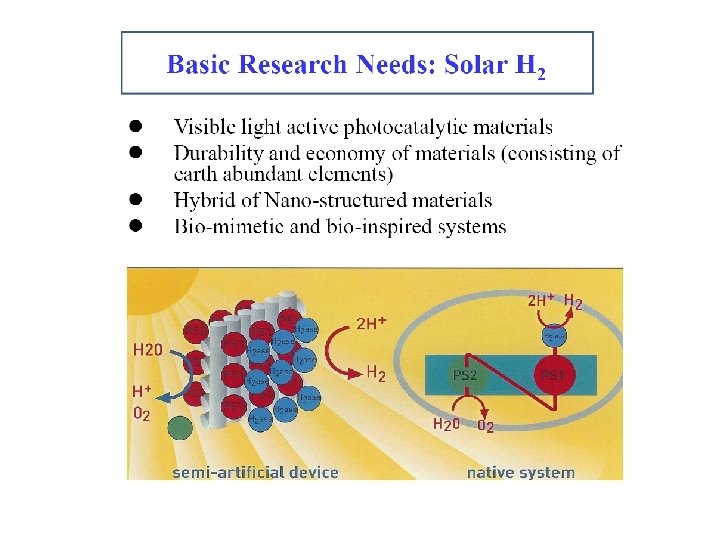
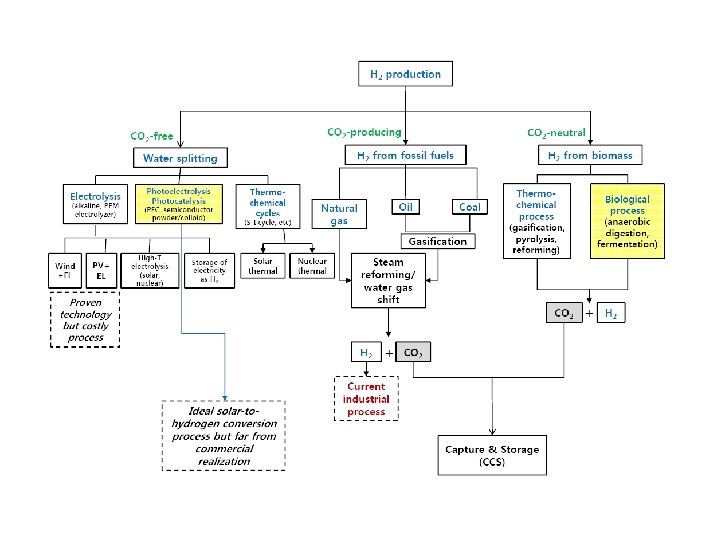
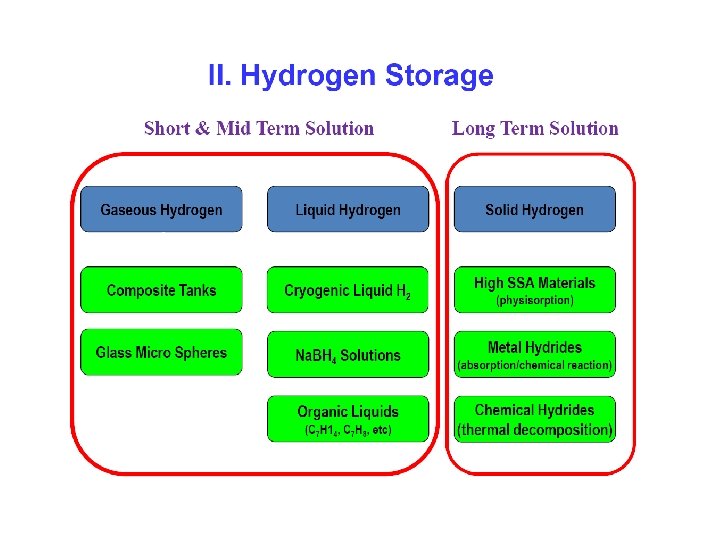
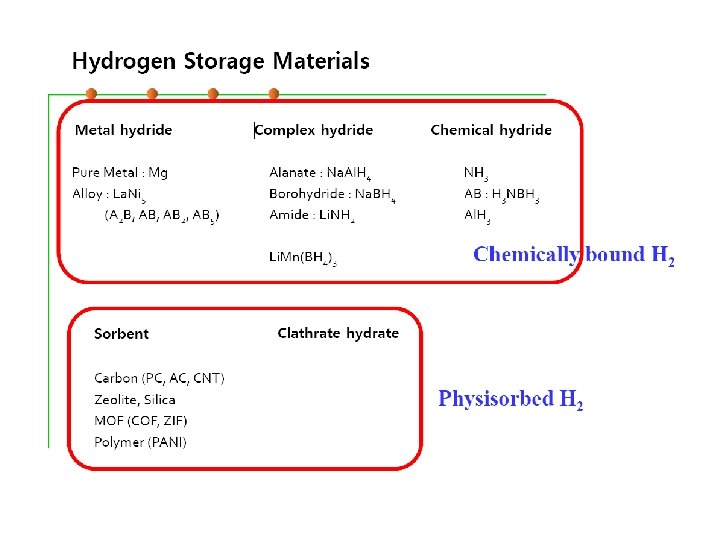
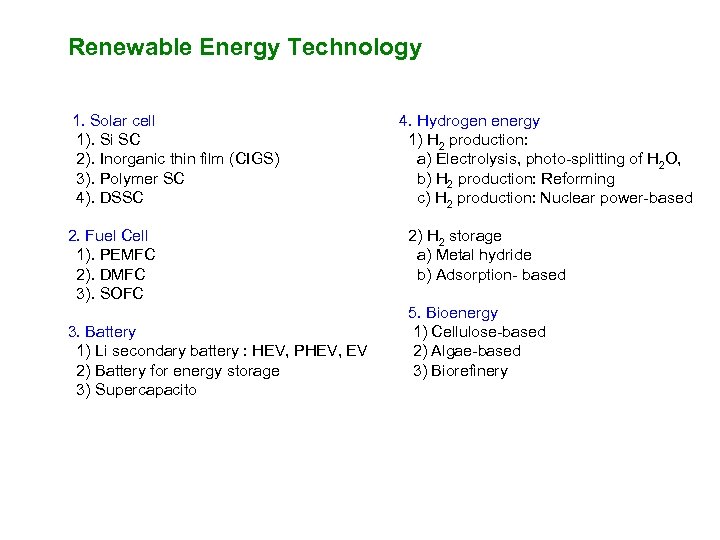 Renewable Energy Technology 1. Solar cell 1). Si SC 2). Inorganic thin film (CIGS) 3). Polymer SC 4). DSSC 2. Fuel Cell 1). PEMFC 2). DMFC 3). SOFC 3. Battery 1) Li secondary battery : HEV, PHEV, EV 2) Battery for energy storage 3) Supercapacito 4. Hydrogen energy 1) H 2 production: a) Electrolysis, photo-splitting of H 2 O, b) H 2 production: Reforming c) H 2 production: Nuclear power-based 2) H 2 storage a) Metal hydride b) Adsorption- based 5. Bioenergy 1) Cellulose-based 2) Algae-based 3) Biorefinery
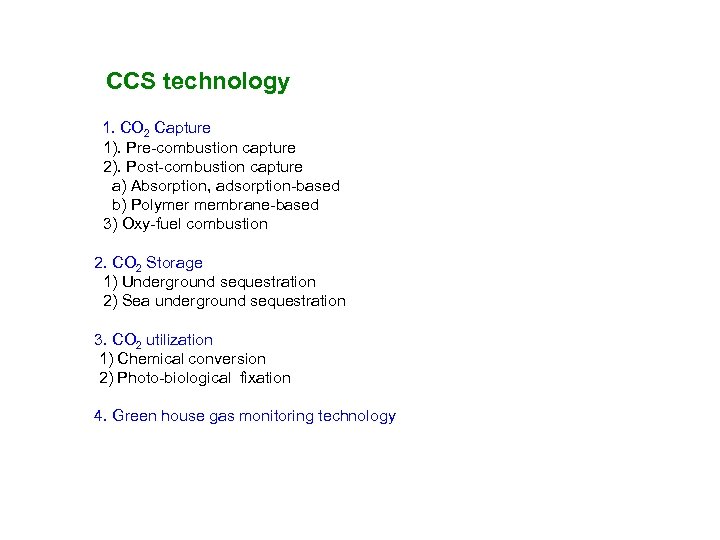 CCS technology 1. CO 2 Capture 1). Pre-combustion capture 2). Post-combustion capture a) Absorption, adsorption-based b) Polymer membrane-based 3) Oxy-fuel combustion 2. CO 2 Storage 1) Underground sequestration 2) Sea underground sequestration 3. CO 2 utilization 1) Chemical conversion 2) Photo-biological fixation 4. Green house gas monitoring technology
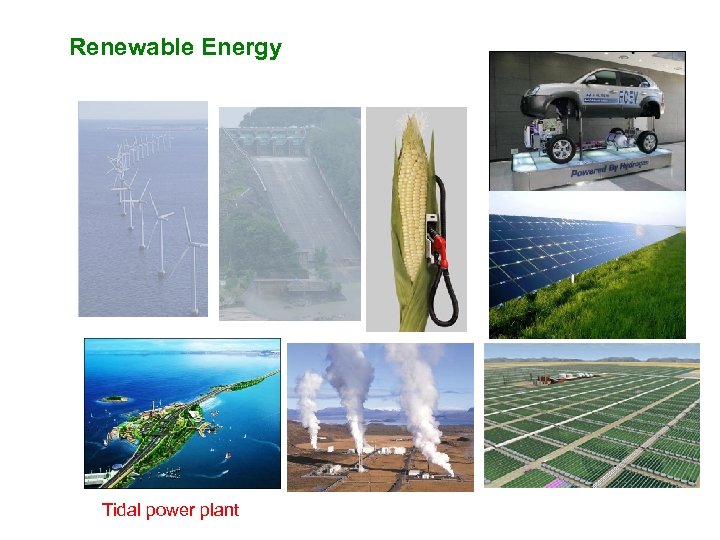 Renewable Energy Tidal power plant
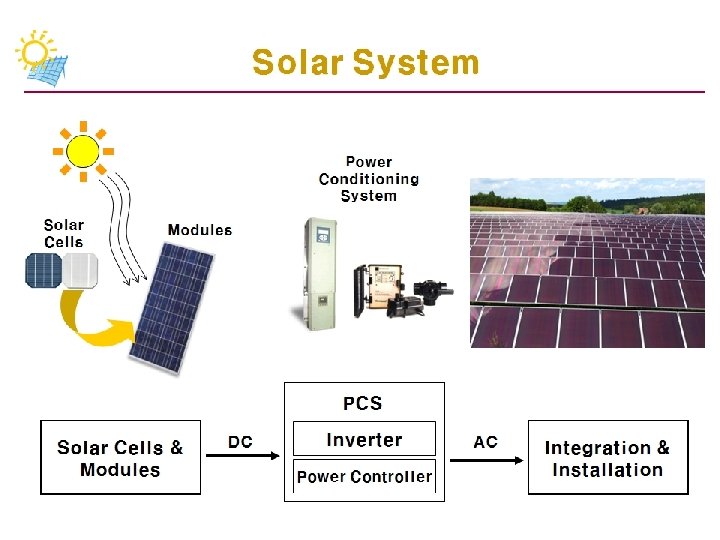 II. 태양전지 원리
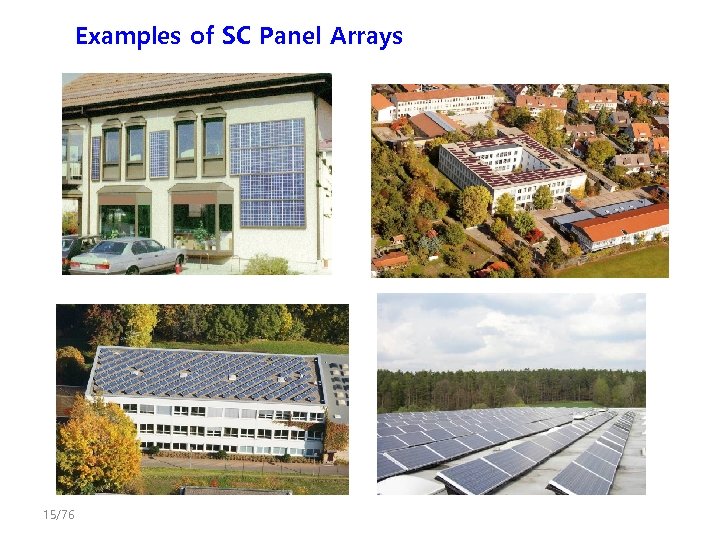 Examples of SC Panel Arrays 15/76
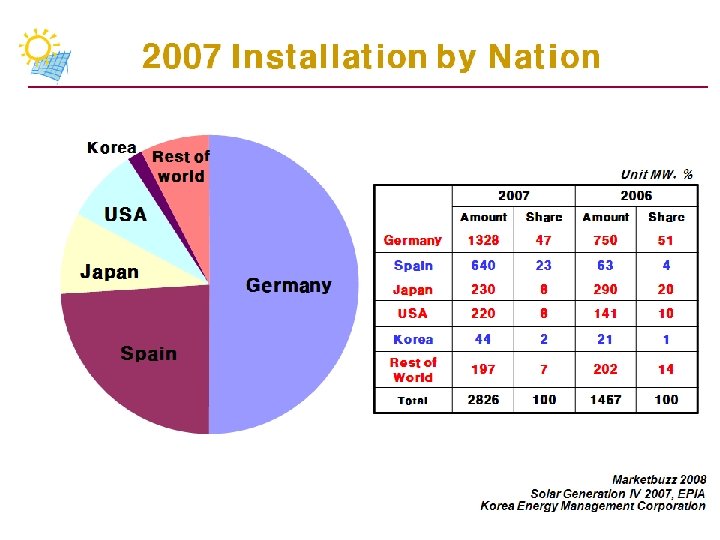
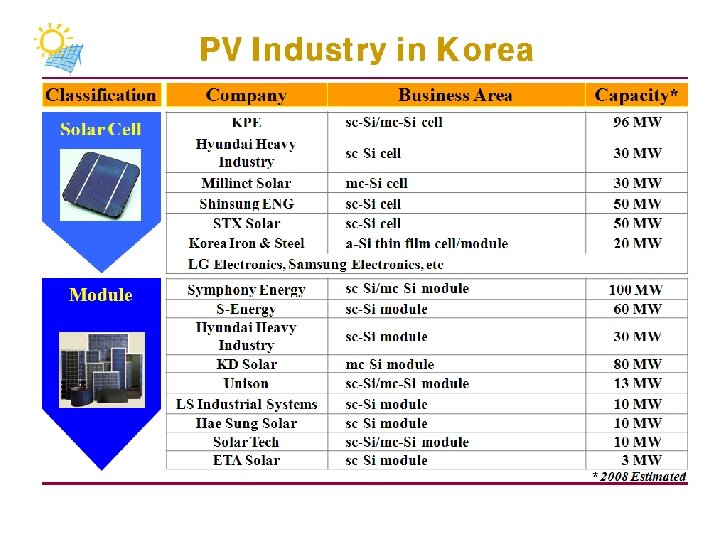
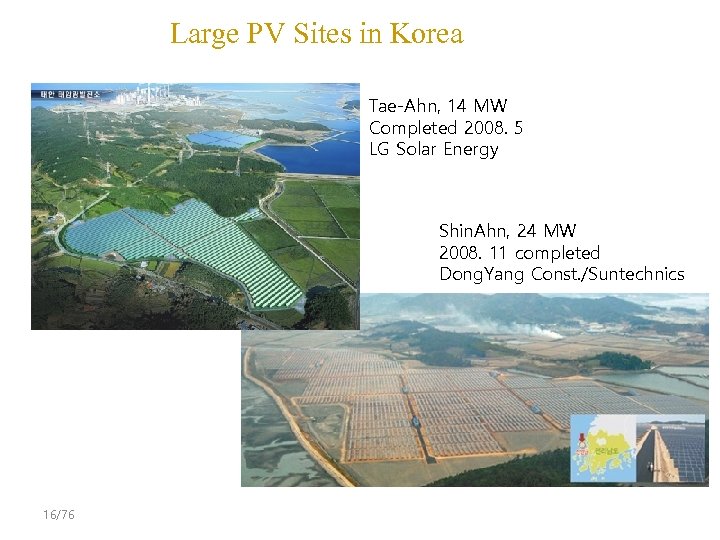 Large PV Sites in Korea Tae-Ahn, 14 MW Completed 2008. 5 LG Solar Energy Shin. Ahn, 24 MW 2008. 11 completed Dong. Yang Const. /Suntechnics 16/76 3/8 16/40
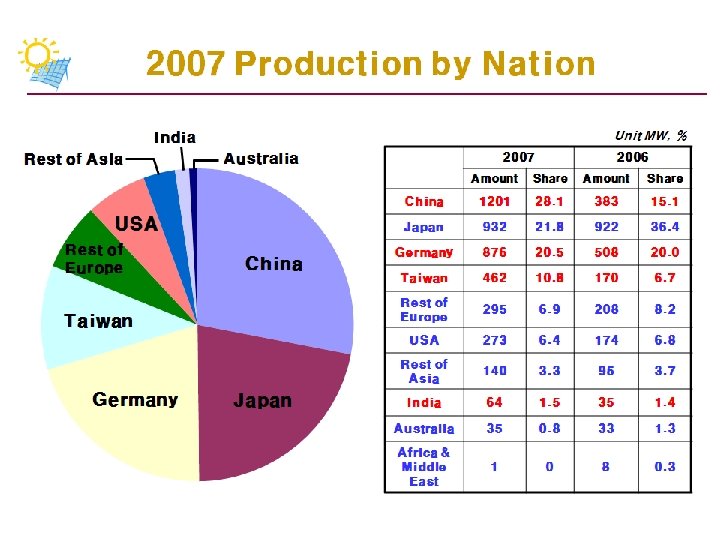
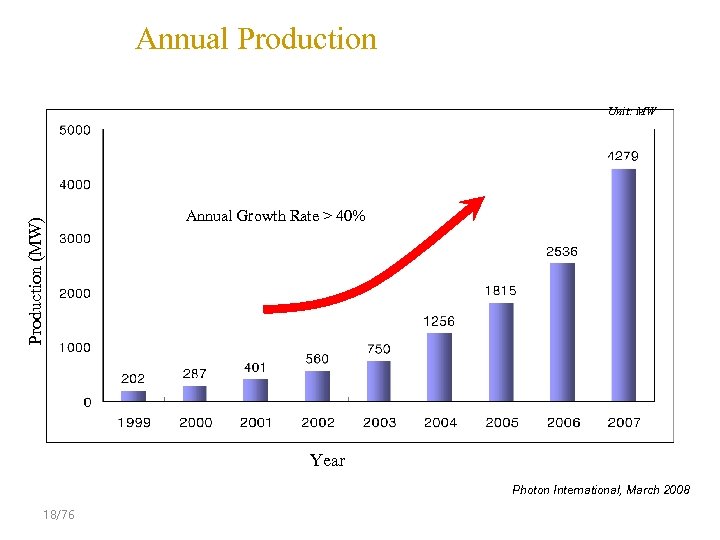 Annual Production (MW) Unit: MW Annual Growth Rate > 40% Year Photon International, March 2008 18/76
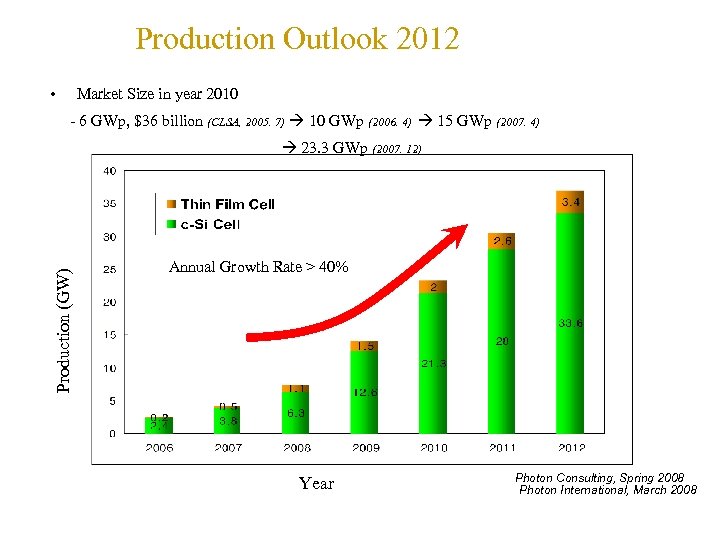 Production Outlook 2012 • Market Size in year 2010 - 6 GWp, $36 billion (CLSA, 2005. 7) 10 GWp (2006. 4) 15 GWp (2007. 4) Production (GW) 23. 3 GWp (2007. 12) Annual Growth Rate > 40% Year Photon Consulting, Spring 2008 Photon International, March 2008
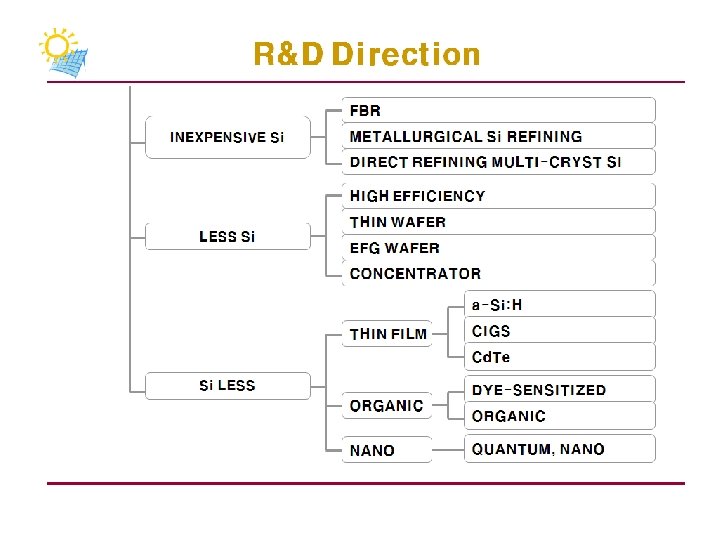
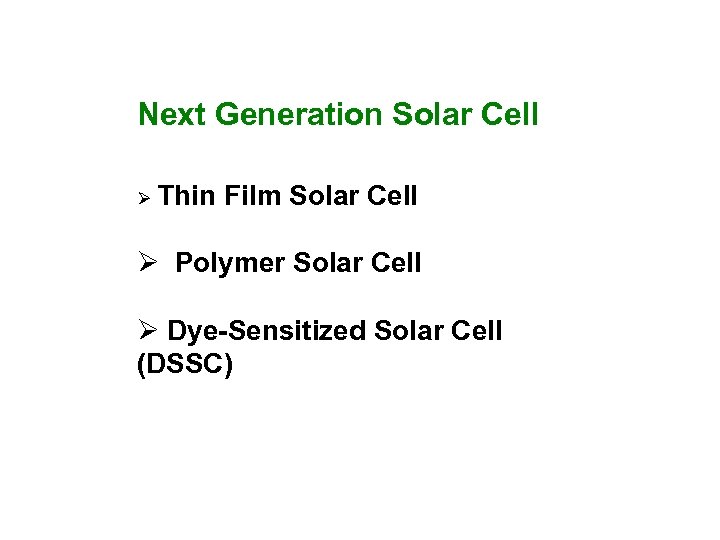 Next Generation Solar Cell Ø Thin Film Solar Cell Ø Polymer Solar Cell Ø Dye-Sensitized Solar Cell (DSSC)
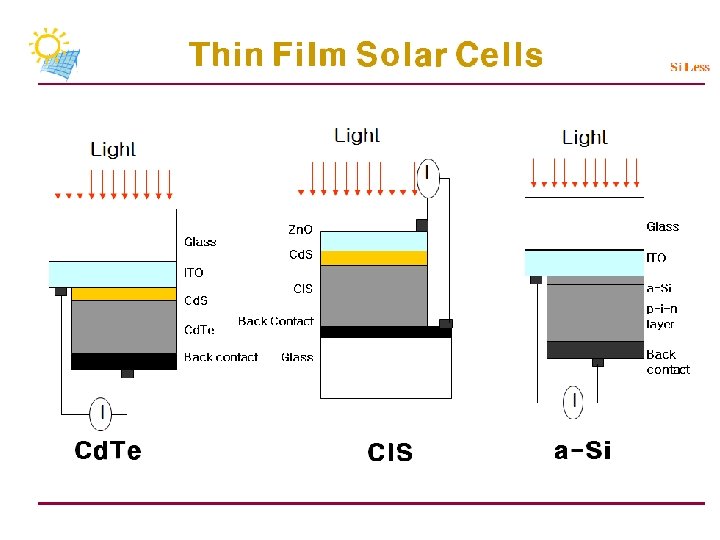
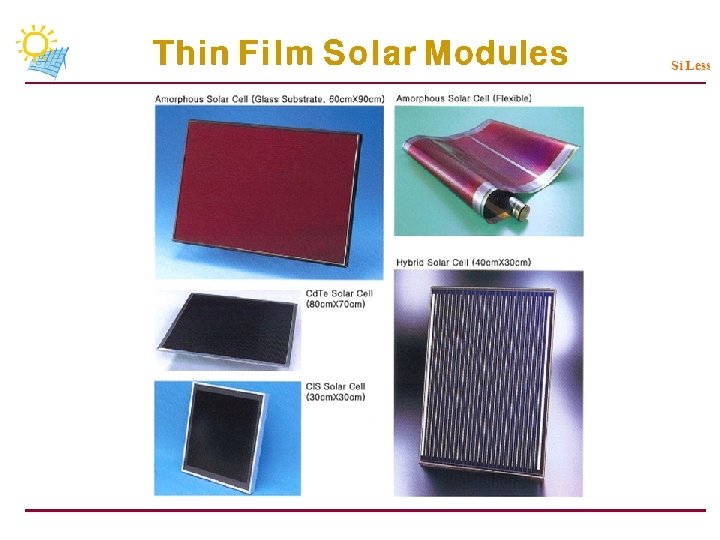
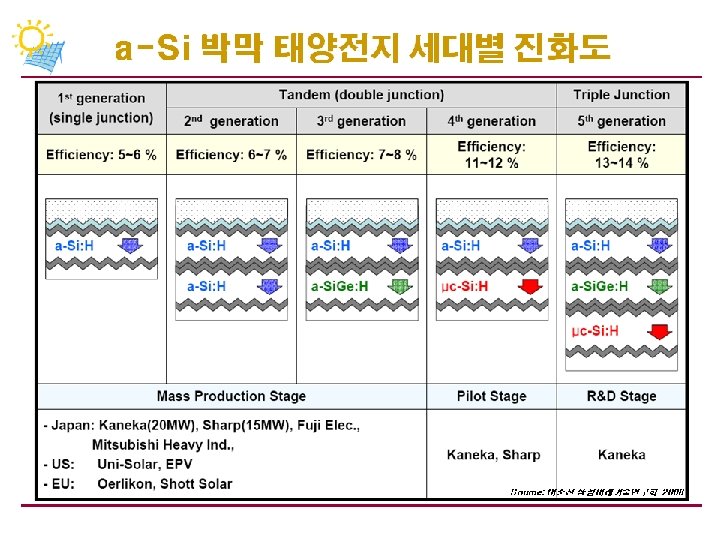
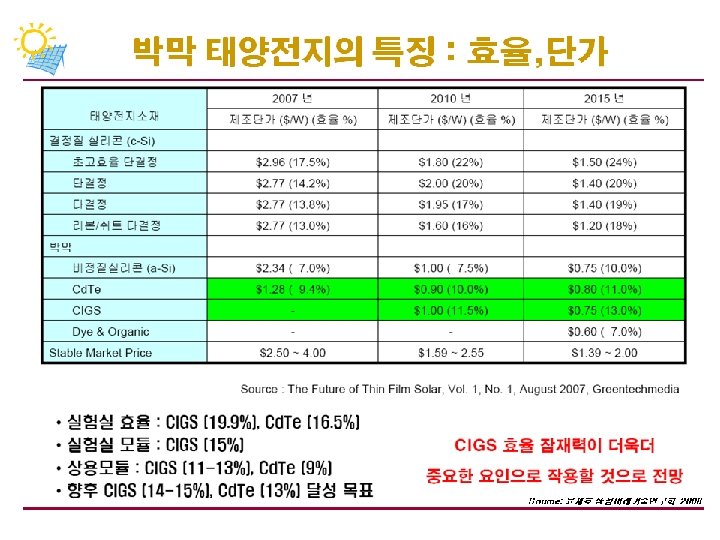
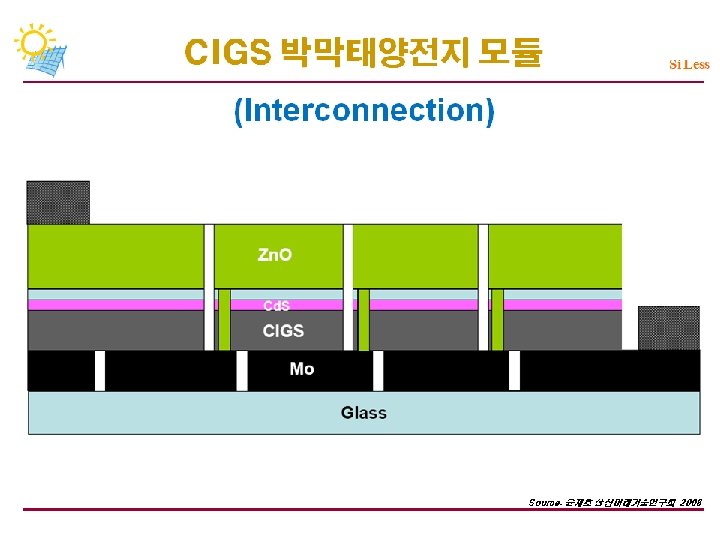
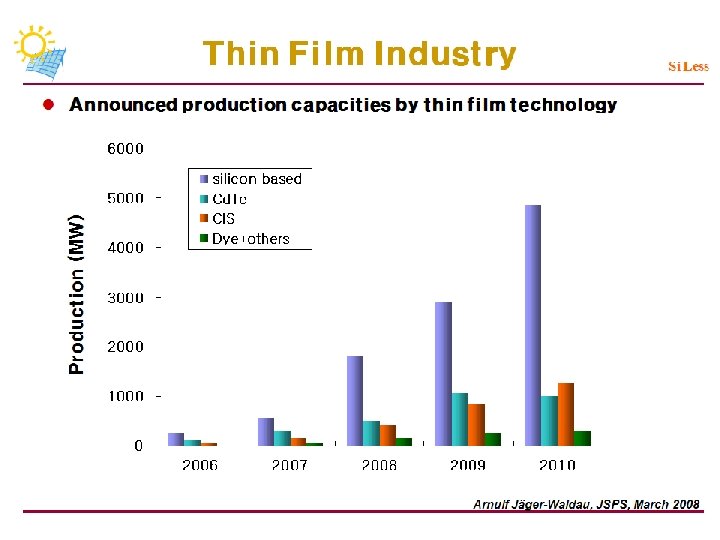
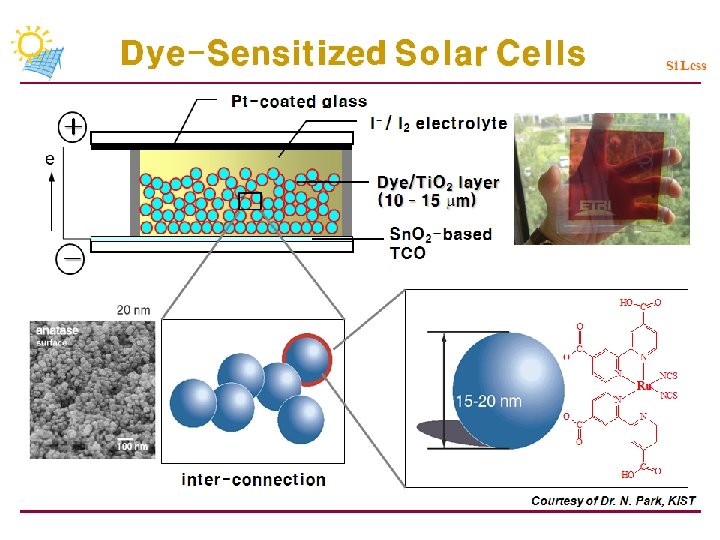
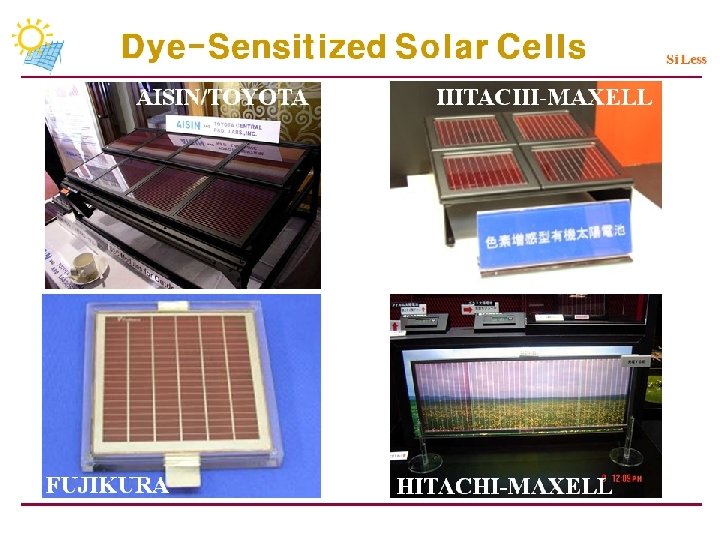
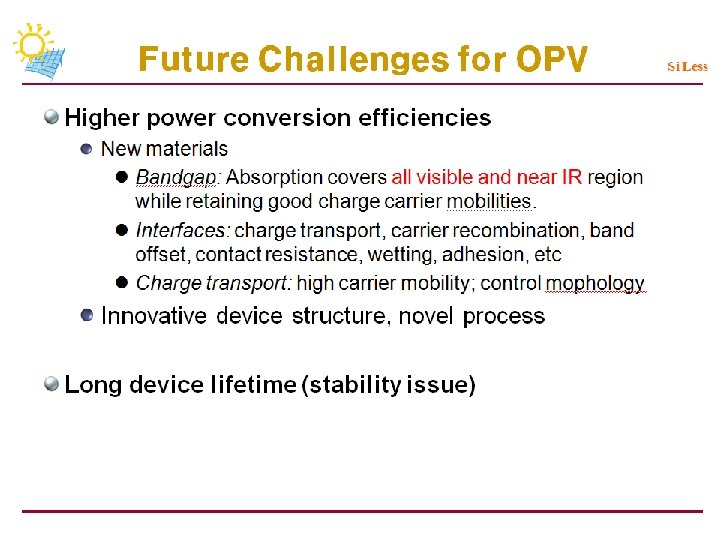
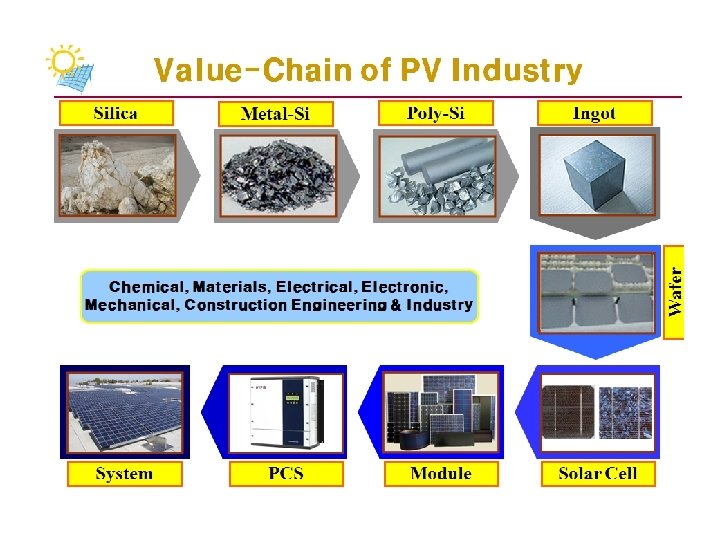
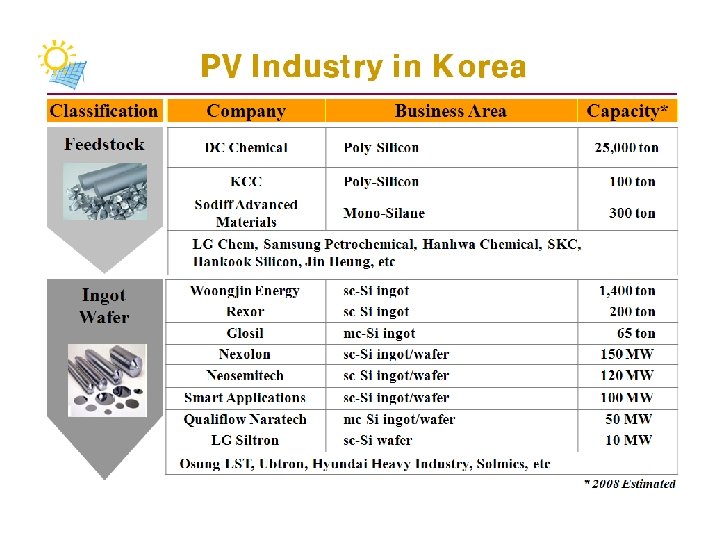
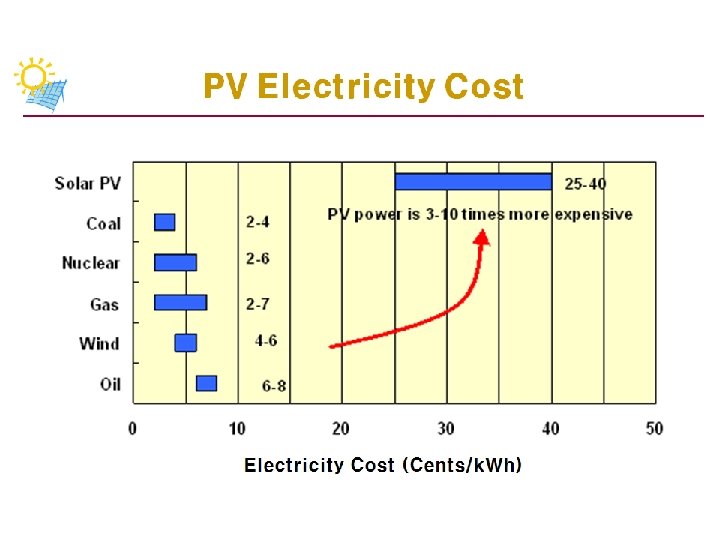
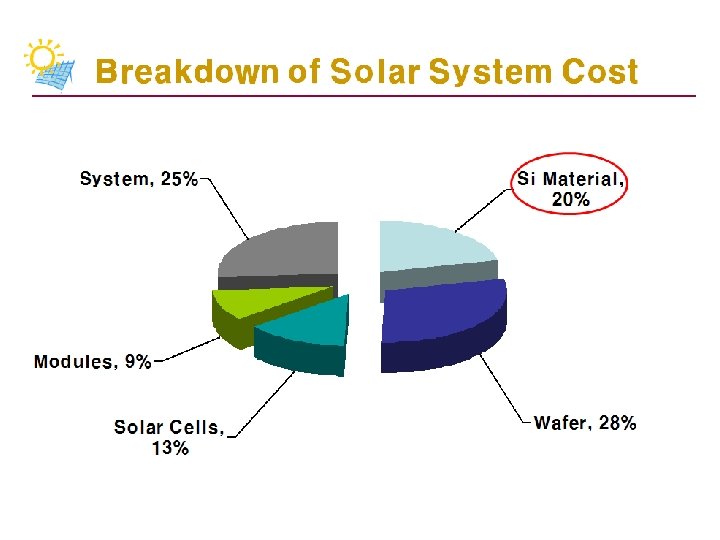
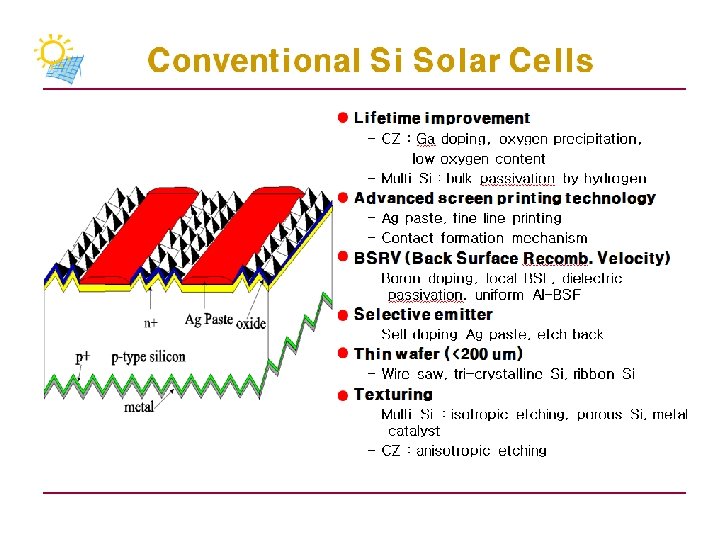
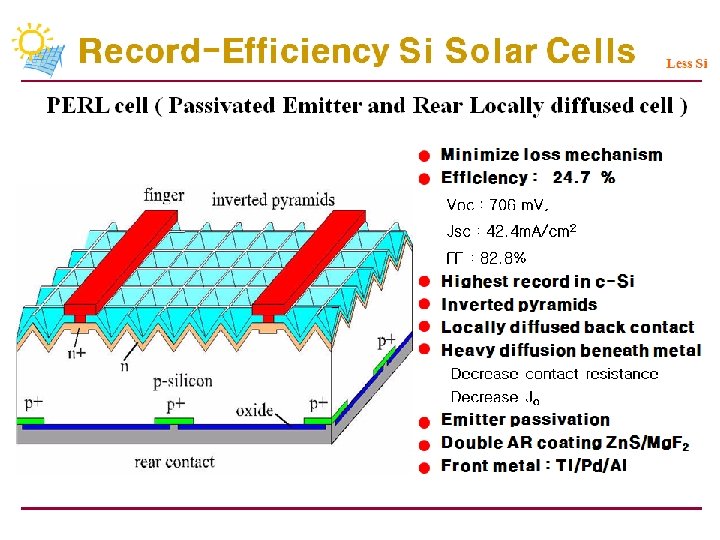
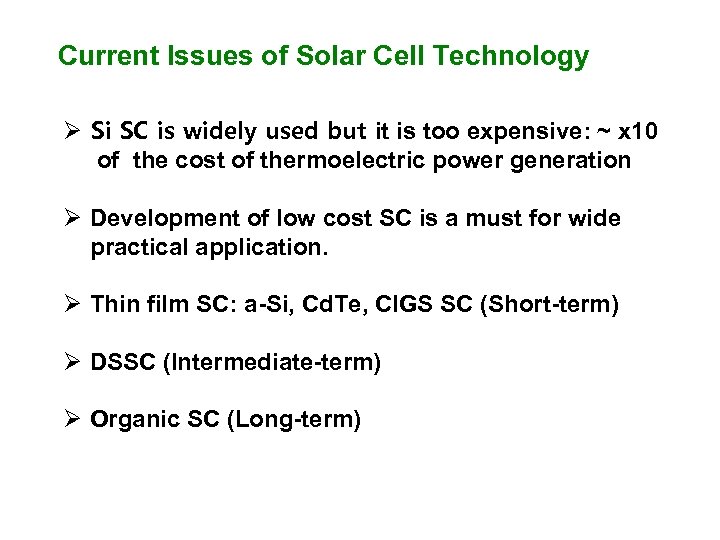 Current Issues of Solar Cell Technology Ø Si SC is widely used but it is too expensive: ~ x 10 of the cost of thermoelectric power generation Ø Development of low cost SC is a must for wide practical application. Ø Thin film SC: a-Si, Cd. Te, CIGS SC (Short-term) Ø DSSC (Intermediate-term) Ø Organic SC (Long-term)
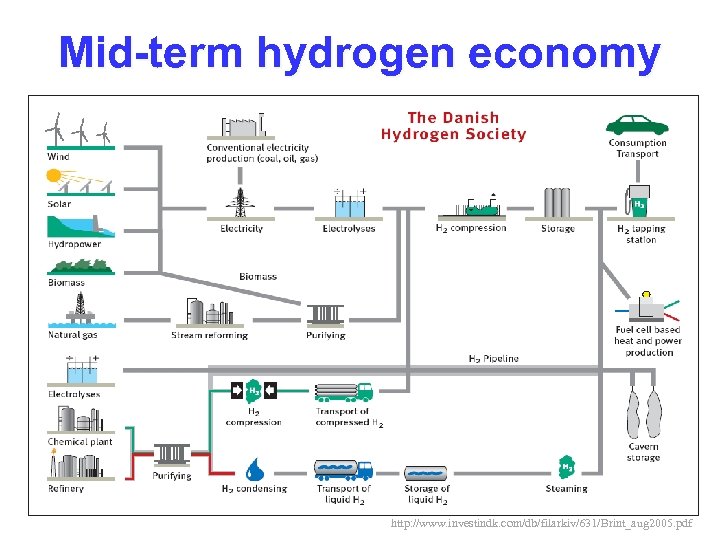 Mid-term hydrogen economy http: //www. investindk. com/db/filarkiv/631/Brint_aug 2005. pdf
 MOFs
MOFs
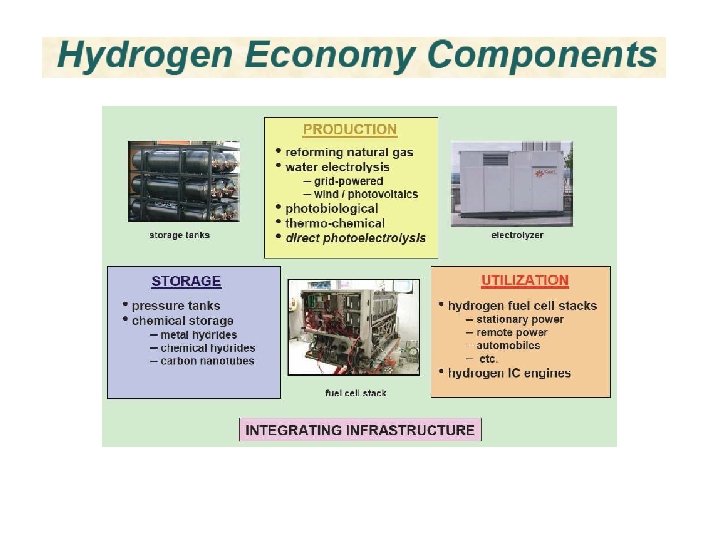
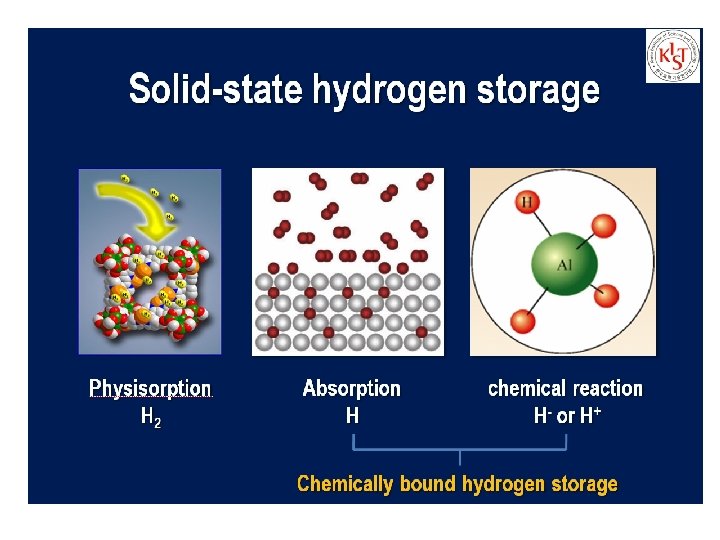
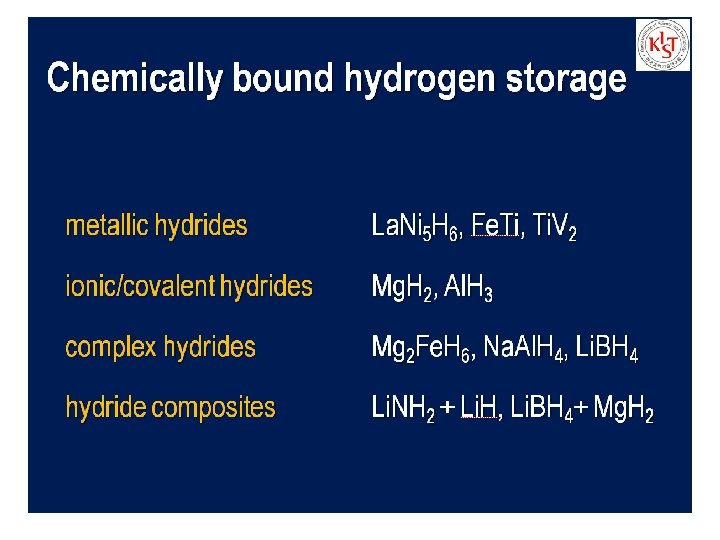
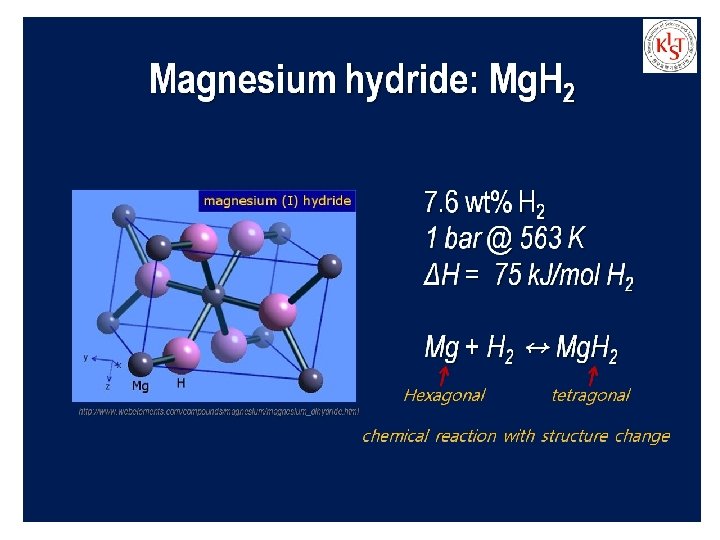
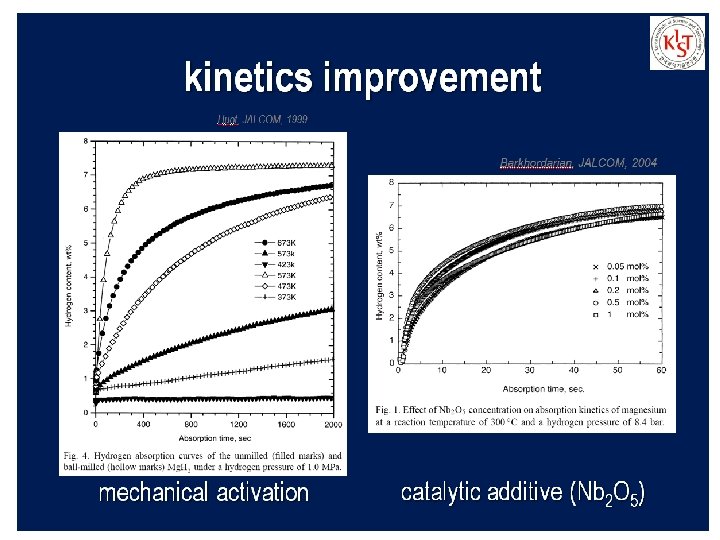
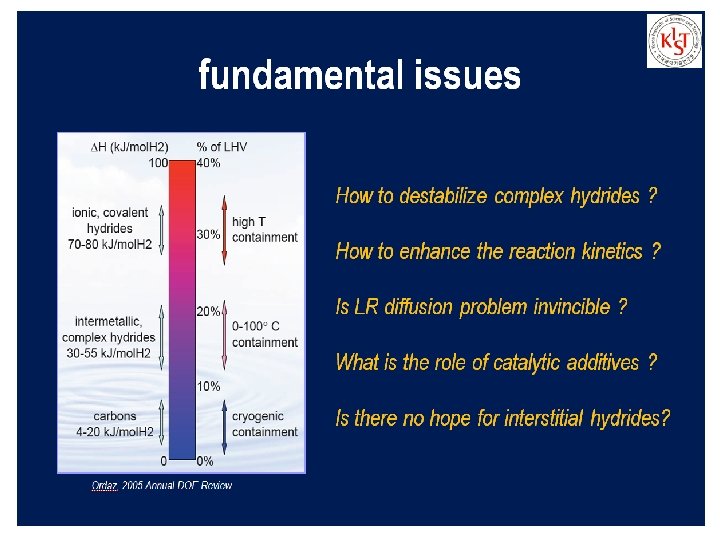
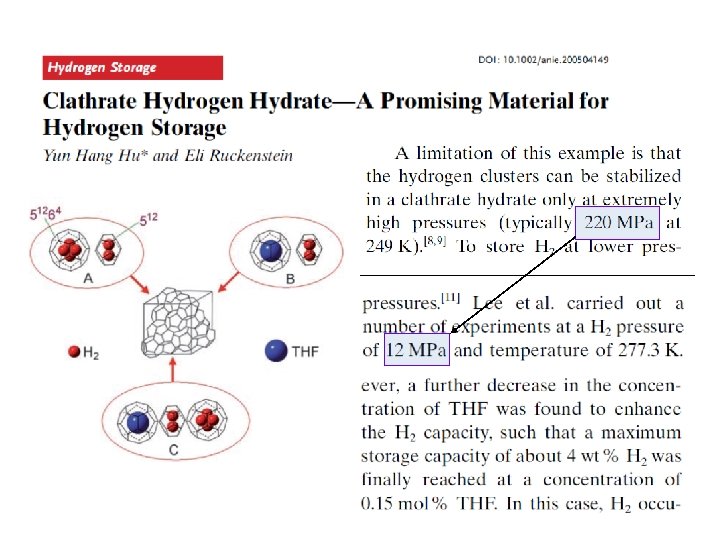
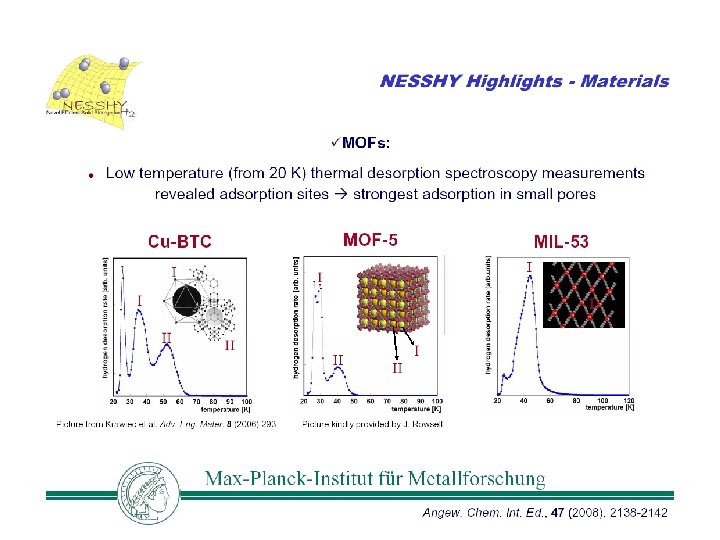
 Current Status of H 2 Energy Technology Ø The technology for H 2 production is already available. A new technology needed for low cost production is being investigated. Ø Current H 2 storage technology is well below the DOE-set target. Long-term fundamental research is needed. Ø Technology for H 2 utilization, mainly H 2 fuel cell, is commercially available but it is too costly. Further development to improve the cost and durability is required.