


 Скачать презентацию An Interactive Virtual Endoscopy Tool With Automated Path
f615a6061ee658be5200d5088637cbef.ppt
- Количество слайдов: 41
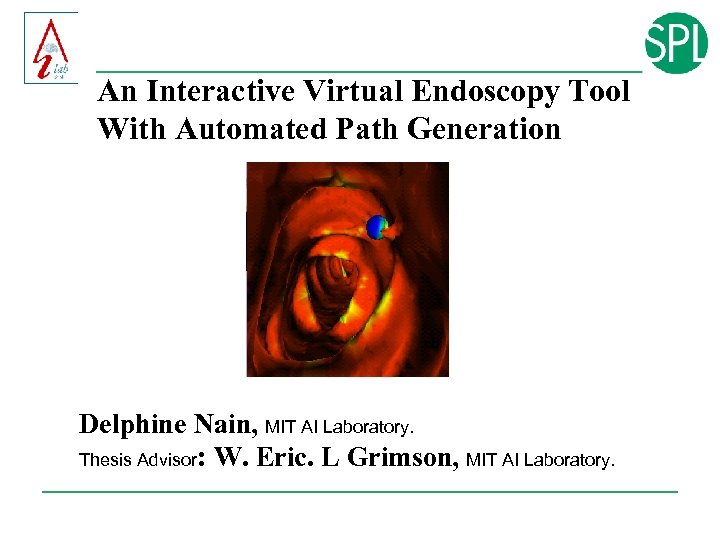 An Interactive Virtual Endoscopy Tool With Automated Path Generation Delphine Nain, MIT AI Laboratory. Thesis Advisor: W. Eric. L Grimson, MIT AI Laboratory.
 Presentation Overview • Background and Motivation • Interactive System • Central Path Planning Algorithm • Synchronized Virtual Endoscopy • Conclusion
 Medical Motivation • Cancer is the 2 nd cause of death in the US • 43 % of people have a risk to be diagnosed with cancer – Out of those 88 % are cancer in inner organ • How can “see” inside the body to screen and cure?
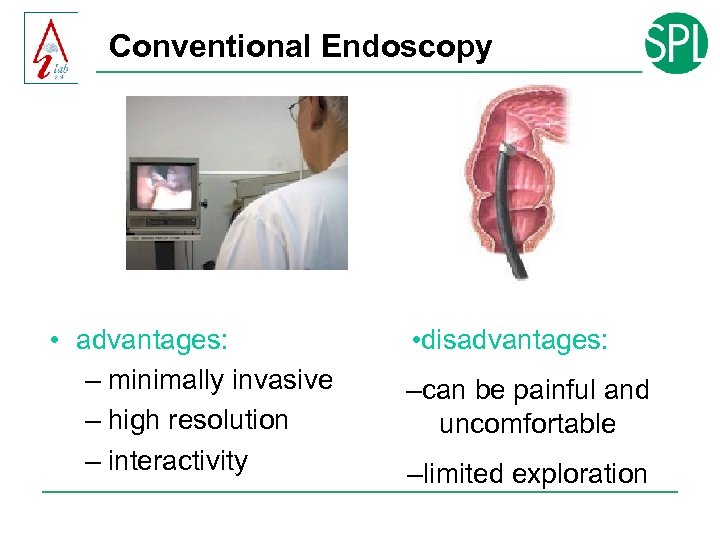 Conventional Endoscopy • advantages: – minimally invasive – high resolution – interactivity • disadvantages: –can be painful and uncomfortable –limited exploration
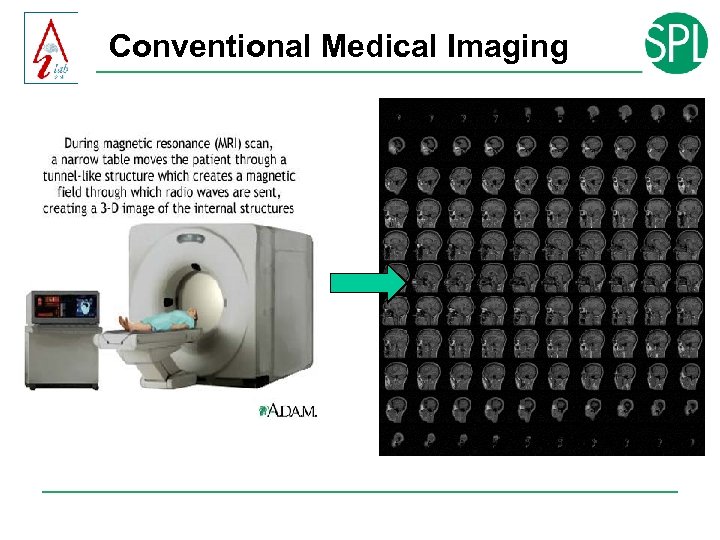 Conventional Medical Imaging
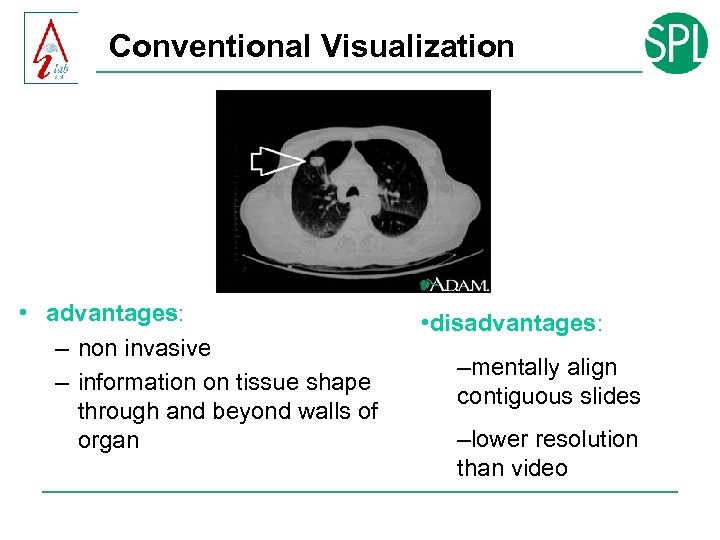 Conventional Visualization • advantages: – non invasive – information on tissue shape through and beyond walls of organ • disadvantages: –mentally align contiguous slides –lower resolution than video
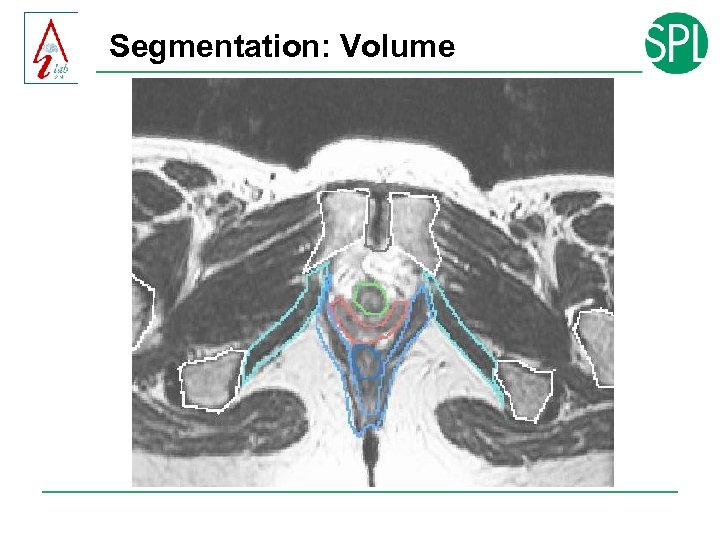 Segmentation: Volume
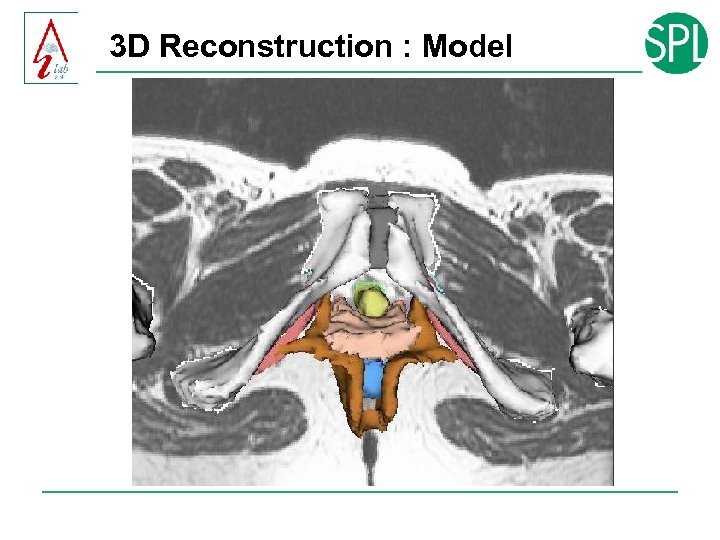 3 D Reconstruction : Model
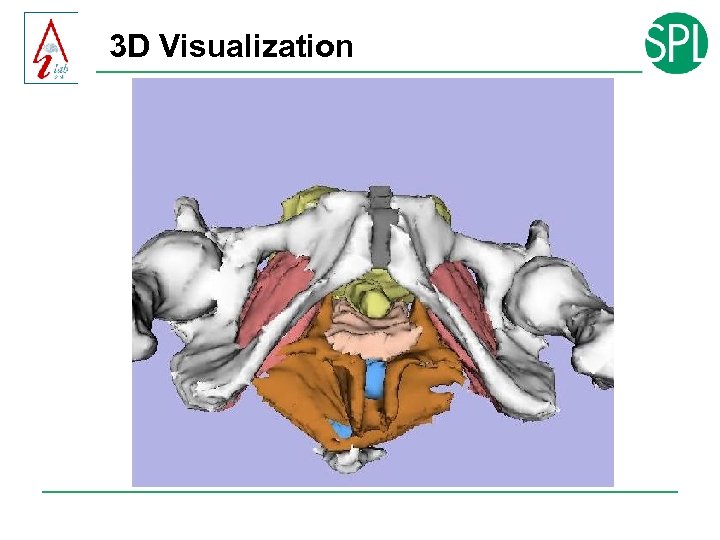 3 D Visualization
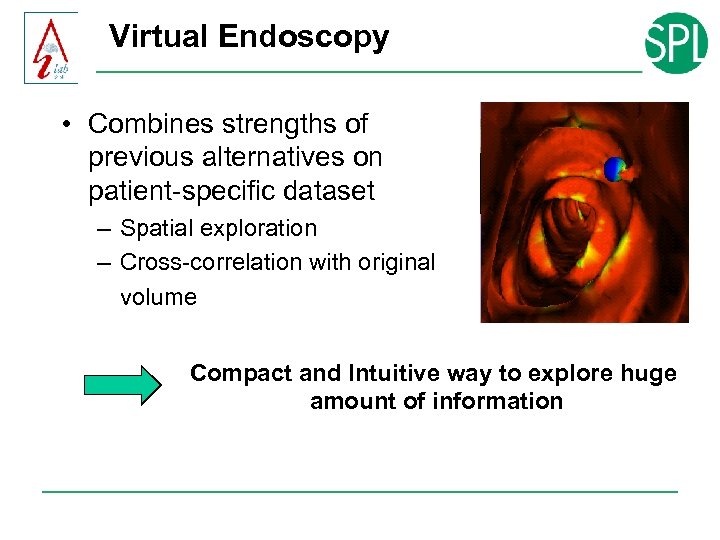 Virtual Endoscopy • Combines strengths of previous alternatives on patient-specific dataset – Spatial exploration – Cross-correlation with original volume Compact and Intuitive way to explore huge amount of information
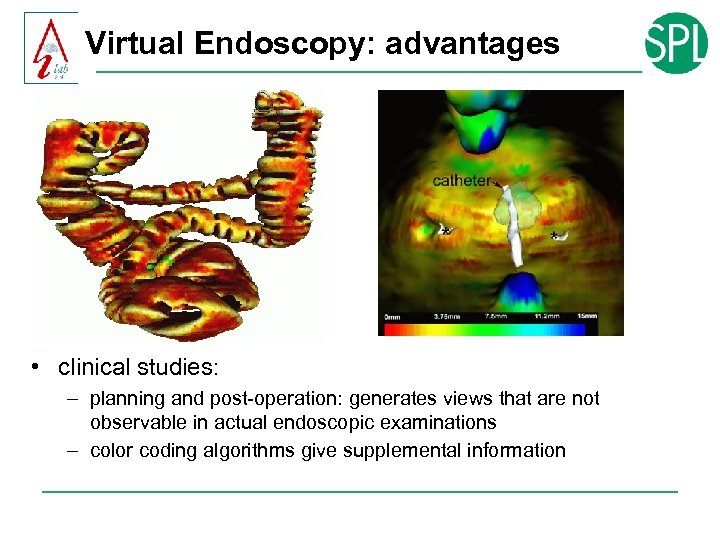 Virtual Endoscopy: advantages • clinical studies: – planning and post-operation: generates views that are not observable in actual endoscopic examinations – color coding algorithms give supplemental information
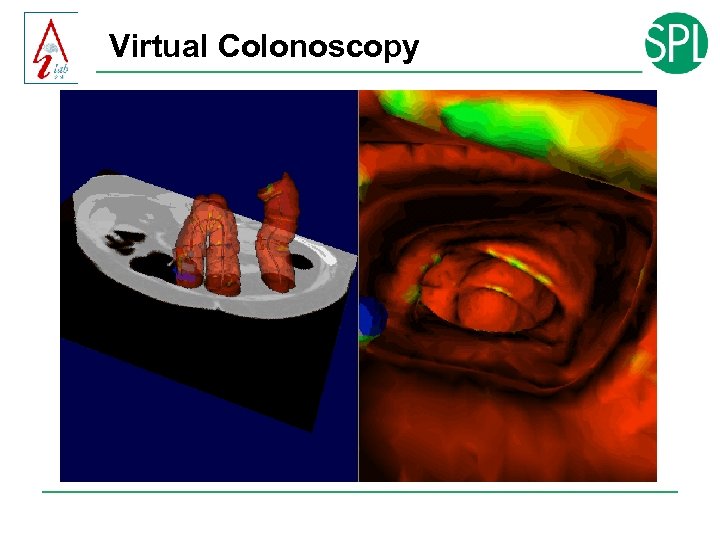 Virtual Colonoscopy
 System Requirements • Combination of Interactivity and Automation is key • Cross Reference between 3 D models and grayscale volumes
 Presentation Overview • Background and Motivation • Interactive System • Central Path Planning Algorithm • Synchronized Virtual Endoscopy • Conclusion
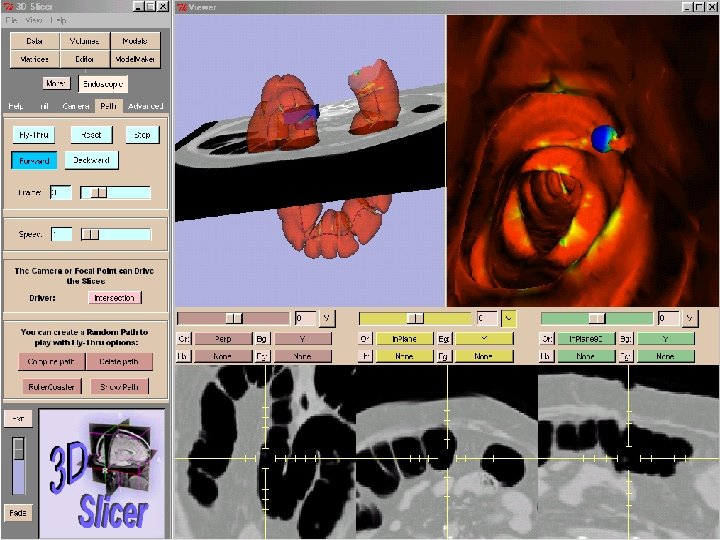 Display
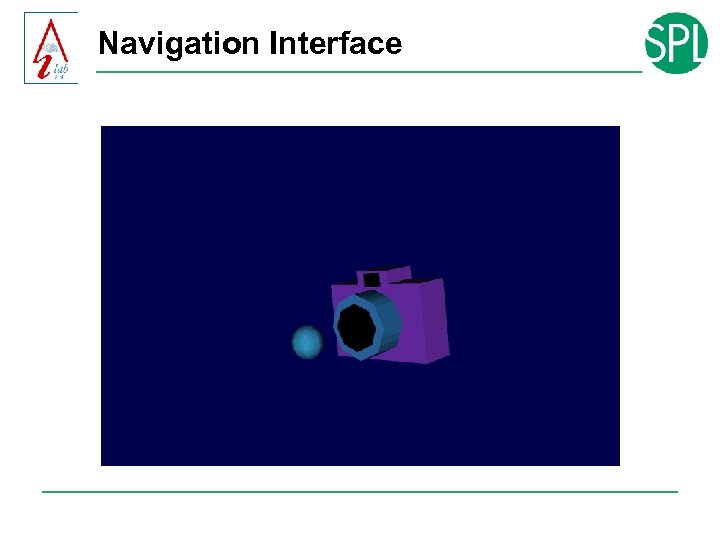 Navigation Interface
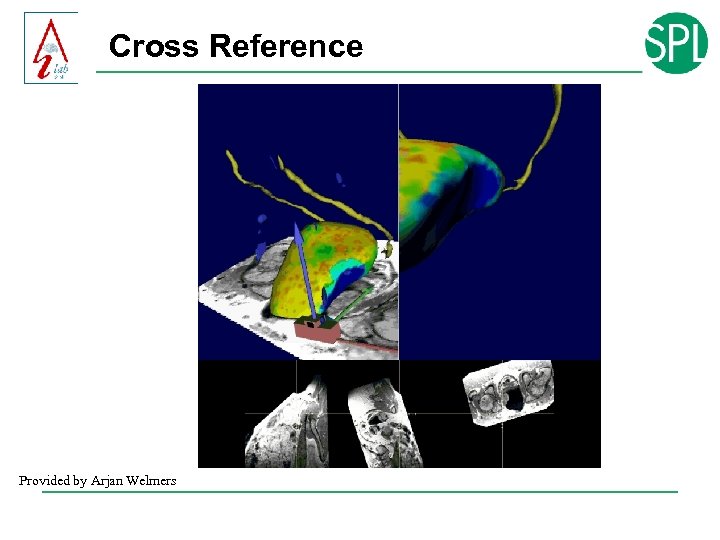 Cross Reference Provided by Arjan Welmers
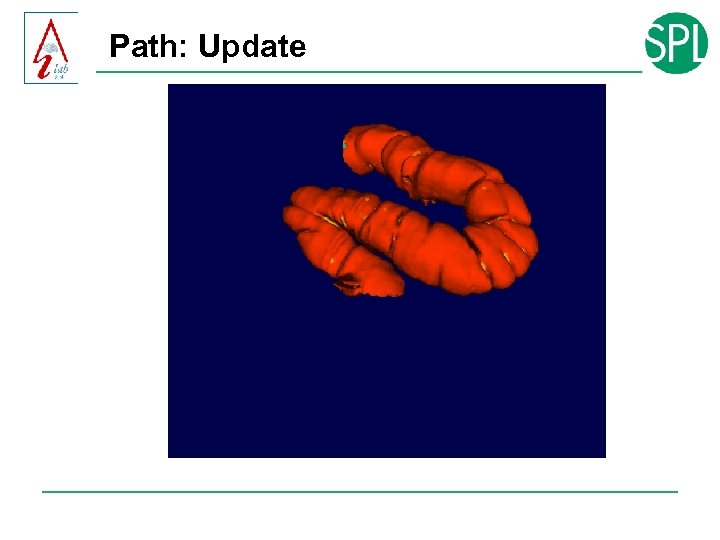 Path: Update
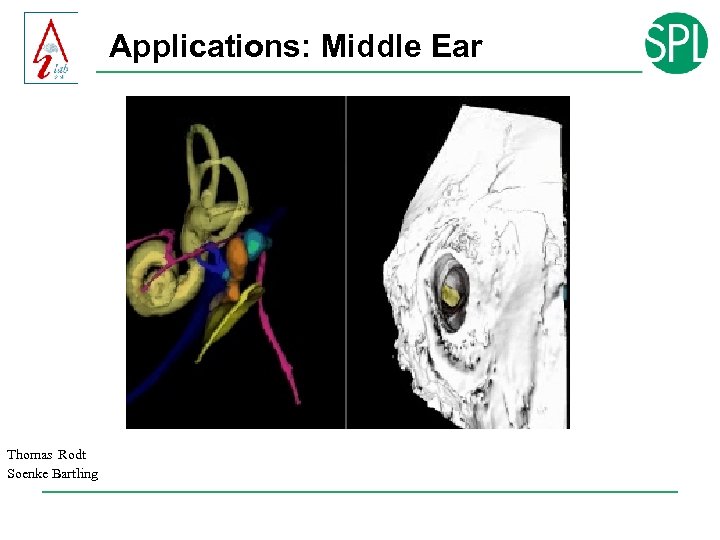 Applications: Middle Ear Thomas Rodt Soenke Bartling
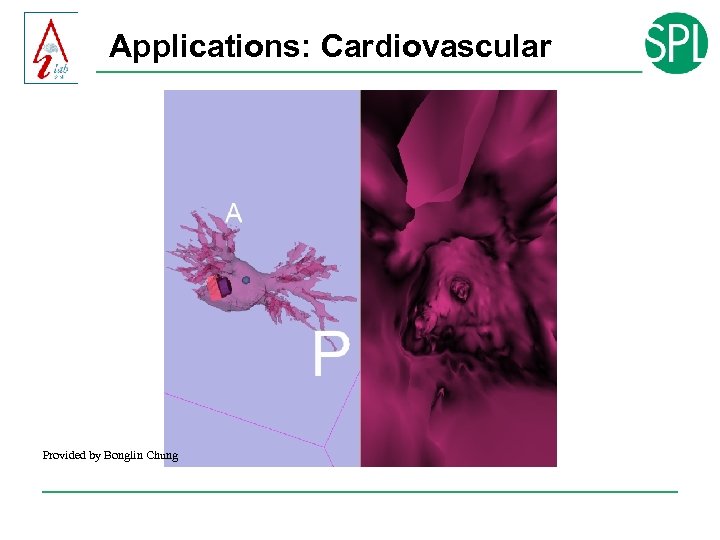 Applications: Cardiovascular Provided by Bonglin Chung
 Presentation Overview • Background and Motivation • Interactive System • Central Path Planning Algorithm • Synchronized Virtual Endoscopy • Conclusion
 Automated Path Planning • Goal: provide a “create path” button that produces a centerline inside a 3 D model of any topology
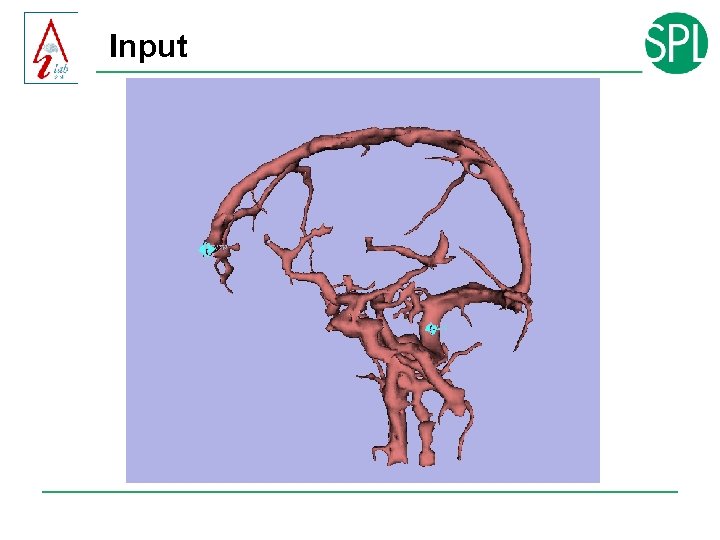 Input
Input
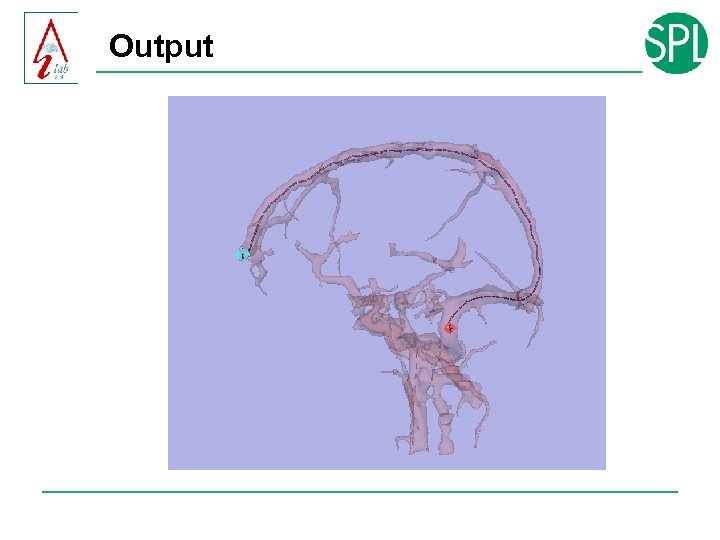 Output
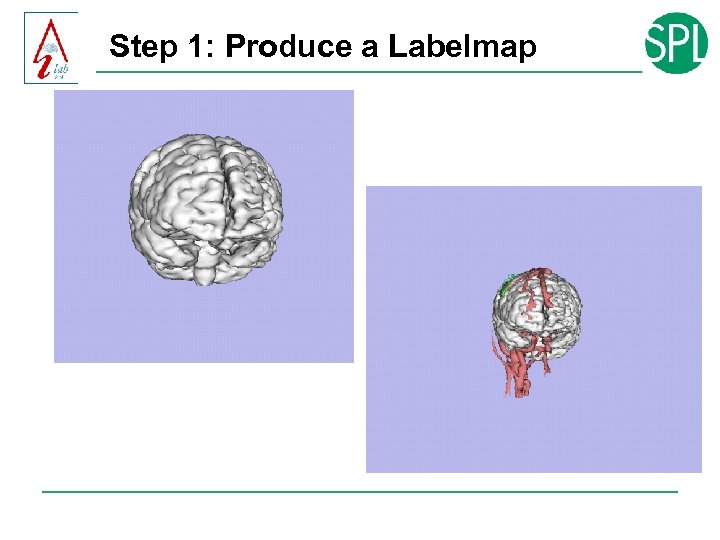 Step 1: Produce a Labelmap
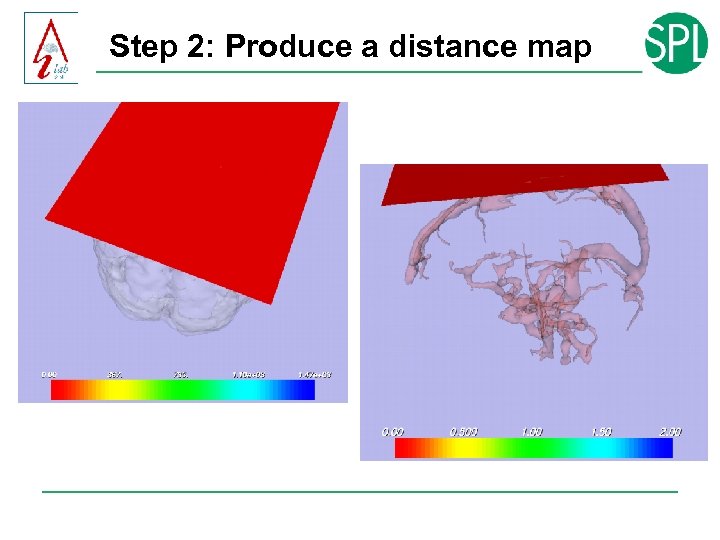 Step 2: Produce a distance map
 Step 3: Create a Graph description of the Distance Map • Nodes are voxels inside the model • Edge weight are 1/(distance)2 from the wall of the organ
 Step 4: Run modified Dijkstra algorithm is a single source shortest path algorithm • We use a binary heap • An optimization: keep an evolving front, stop when reach the end node
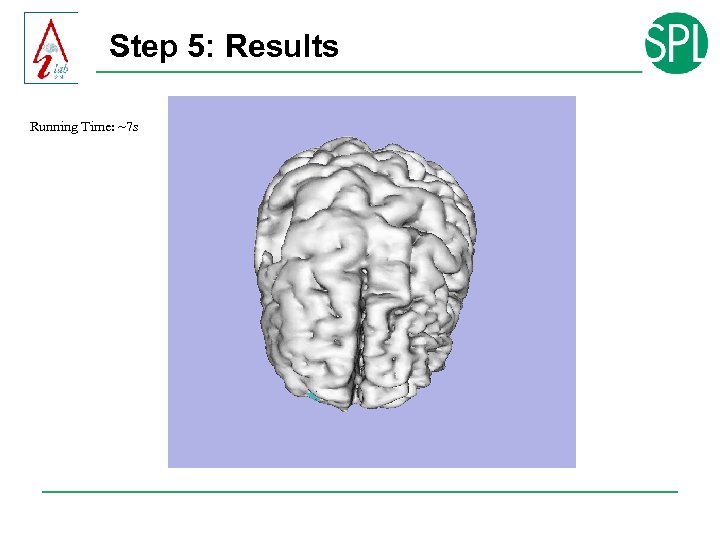 Step 5: Results Running Time: ~7 s
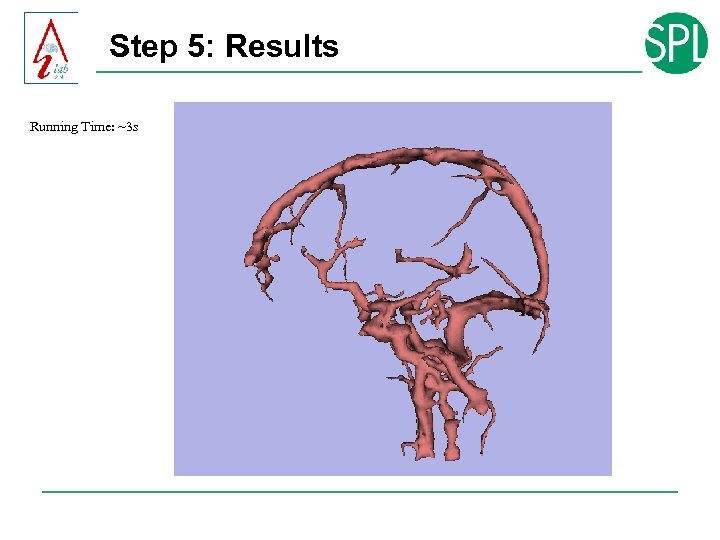 Step 5: Results Running Time: ~3 s
 Presentation Overview • Background and Motivation • Interactive System • Central Path Planning Algorithm • Synchronized Virtual Endoscopy • Conclusion
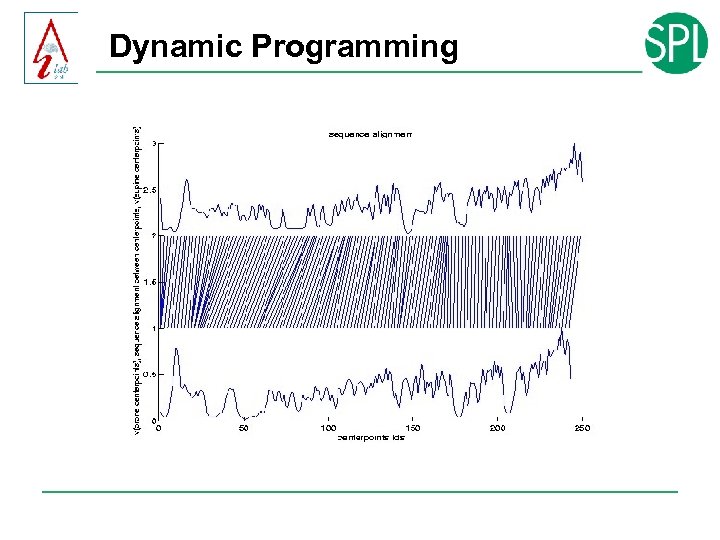
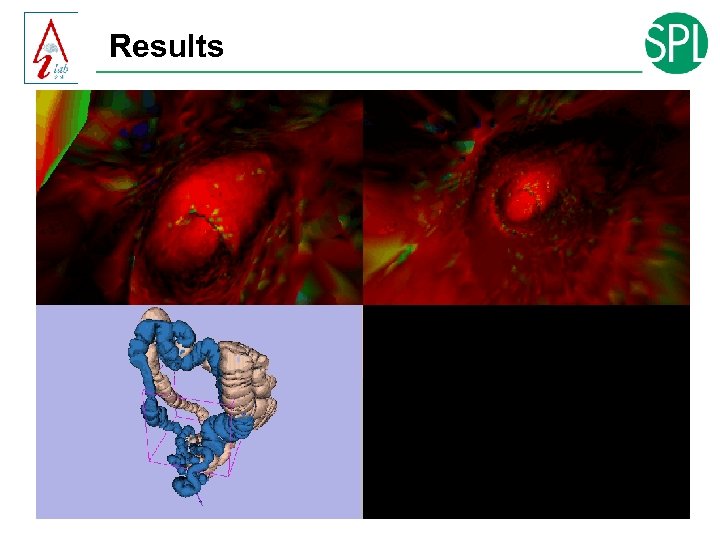
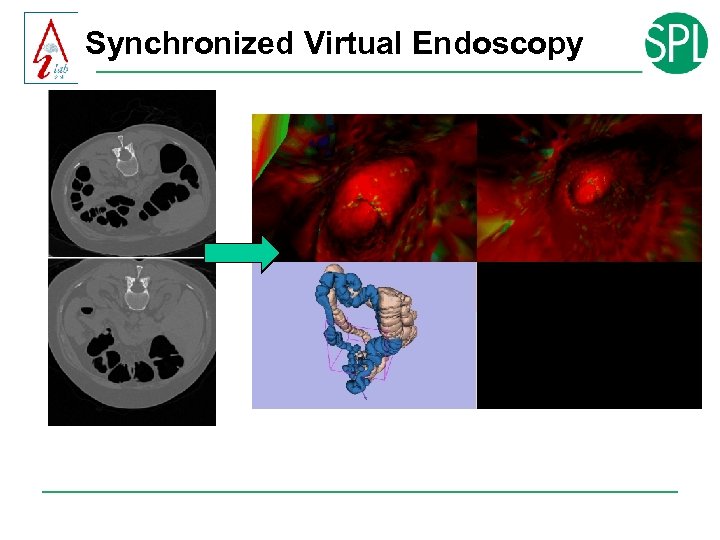
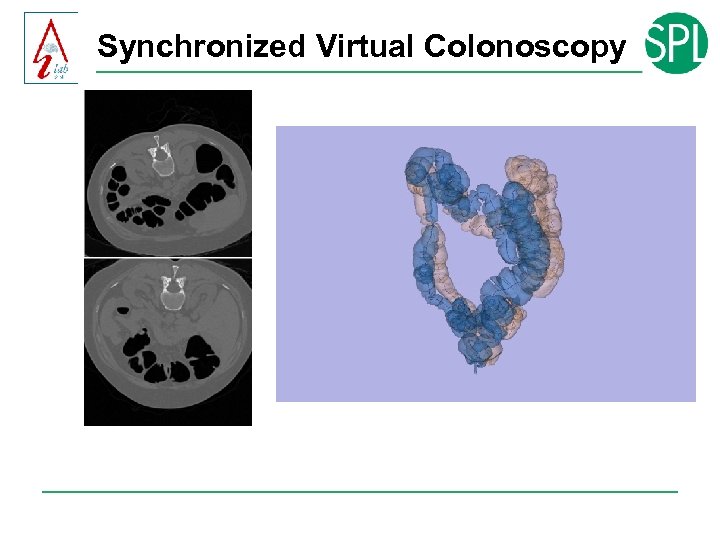 Synchronized Virtual Colonoscopy
 Dynamic Programming
 Results
 Conclusion • Combination of Automation and Interactivity is key • Cross Reference is important • Synchronized Fly-Throughs is novel contribution Publication: D. Nain, S. Haker, E. Grimson, R. Kikinis “An Interactive Virtual Endoscopy Tool”, IMIVA workshop, MICCAI 2001.
 Acknowledgements • • • • Ron Kikinis Steve Haker Lauren O’Donnell David Gering Carl-Fredrik Westin Peter Everett Sandy Wells Eric Cosman Polina Golland Soenke Bartling John Fisher Mike Halle Ferenc Jolesz
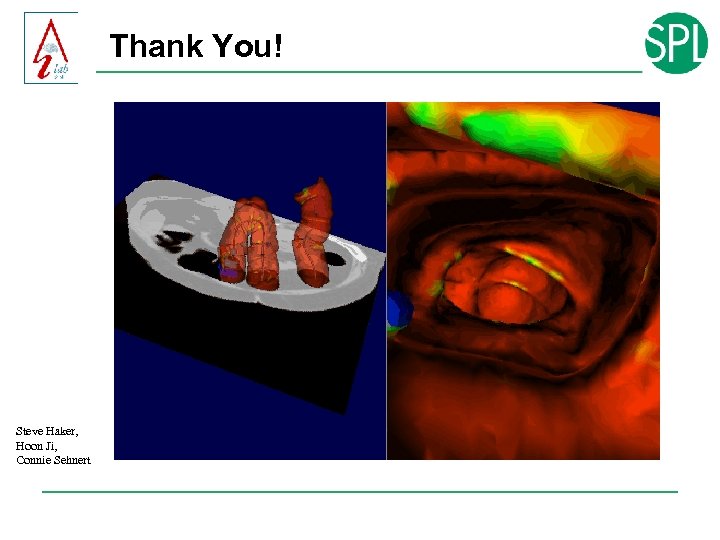 Thank You! Steve Haker, Hoon Ji, Connie Sehnert
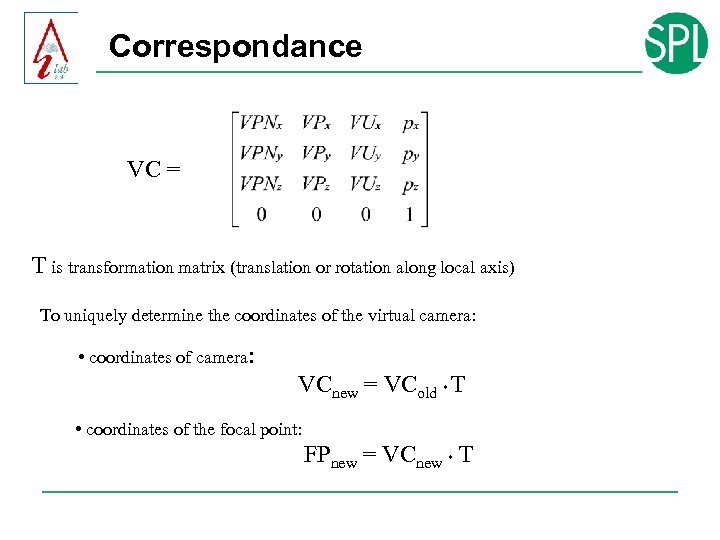 Correspondance VC = T is transformation matrix (translation or rotation along local axis) To uniquely determine the coordinates of the virtual camera: • coordinates of camera: VCnew = VCold * T • coordinates of the focal point: FPnew = VCnew * T
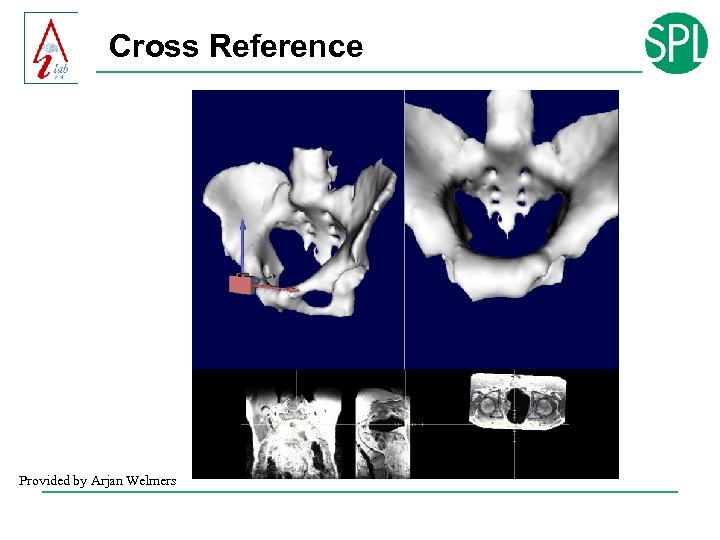 Cross Reference Provided by Arjan Welmers
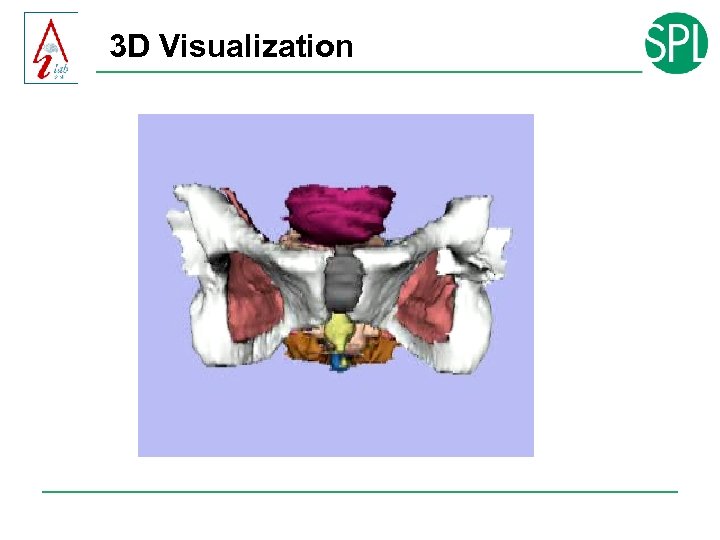 3 D Visualization
 Synchronized Virtual Endoscopy