 Скачать презентацию An AAC Bereavement Resource A whole organisation approach
42aacd2c1548cfce73a620bcac116863.ppt
- Количество слайдов: 27



An AAC Bereavement Resource A ‘whole organisation’ approach to communicating and supporting individuals with LD to deal with initial bereavement Val Sardella (SLT assistant) Caroline Hodgson (SLT assistant) Leonie van Wijk (SLT) Communication Matters conference 26 September 2011
COMMUNICATION MATTERS…
Overview - Dame Hannah Rogers Trust (DHRT) What happened? Reflection Working party Research Dissertation Bereavement pack
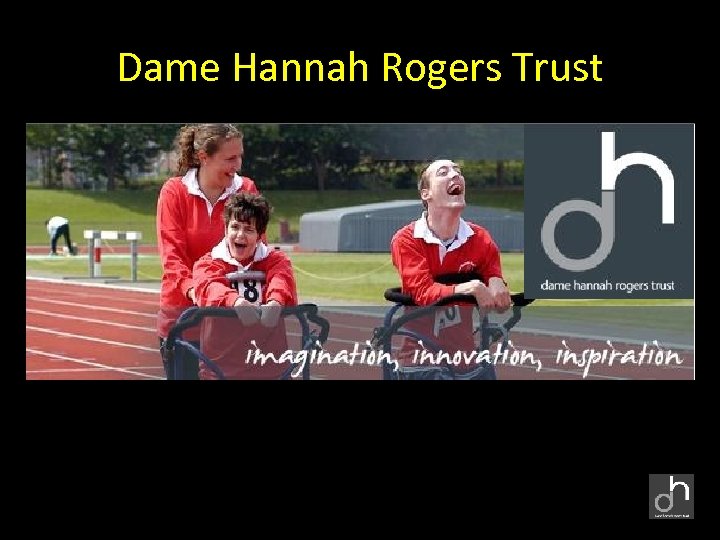
Dame Hannah Rogers Trust (DHRT)
What happened? - School year 2009/2010: series of six deaths - Major impact on whole Trust - Forced to face up to reality - Reflection on existing practices
Questions - Do we tell the students / clients? What do I say? What is appropriate? How do I say this? What do the parents want? How will the client(s) respond? Do I want to talk about this?
What became clear on reflection? - Lack of understanding of the bereavement process Comprehension levels of clients overestimated Breaking news verbally No policy in place Curriculum Opinion parents Previous experiences
Working party Multi-disciplinary working party : - Quality Assurance manager - 2 nurses - 1 teacher - SLT assistants & SLT student - Head of respite centre
Outcomes working party The need for: - A revised bereavement policy - Coroner’s rules to be readily available - Rolling out in-house training to improve understanding of the bereavement process - Offering bereavement support - Implementing changes to the curriculum - Developing an appropriate resource to break the initial news
Bereavement Resource Is there a resource available on the market which enables you to break the initial news of a bereavement to someone with LD? We couldn’t find one, so….
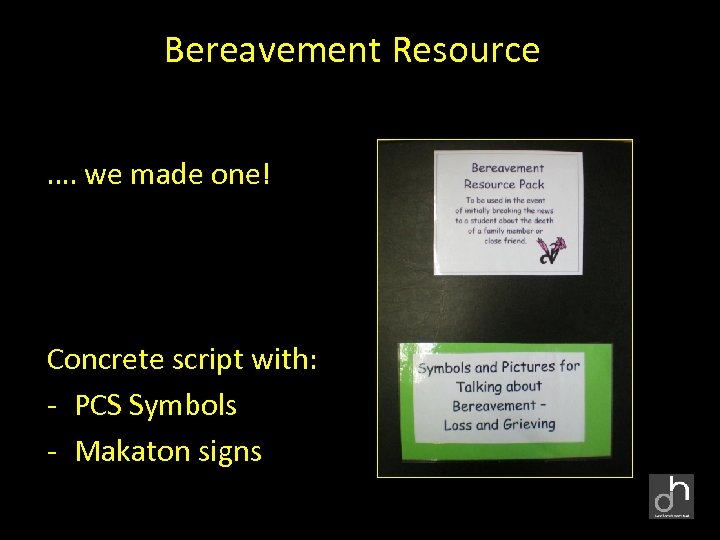
Bereavement Resource …. we made one! Concrete script with: - PCS Symbols - Makaton signs
Dissertation - What research is out there? - Main question of dissertation: What is the role of a Speech & Language Therapist in a school like DHRT when a bereavement occurs? protocol
Research Lubinsky & Higginbotham (1997) in Dark (2006): “Communication is the key to good health, successful ageing and good quality of life”
Research “A successful grieving process is dependent on Dark (2006): having access to satisfactory communication ” (Dark, 2006) 1. SLT’s enable people with disabilities to communicate effectively 2. RCSLT : SLT supports and facilitates communication
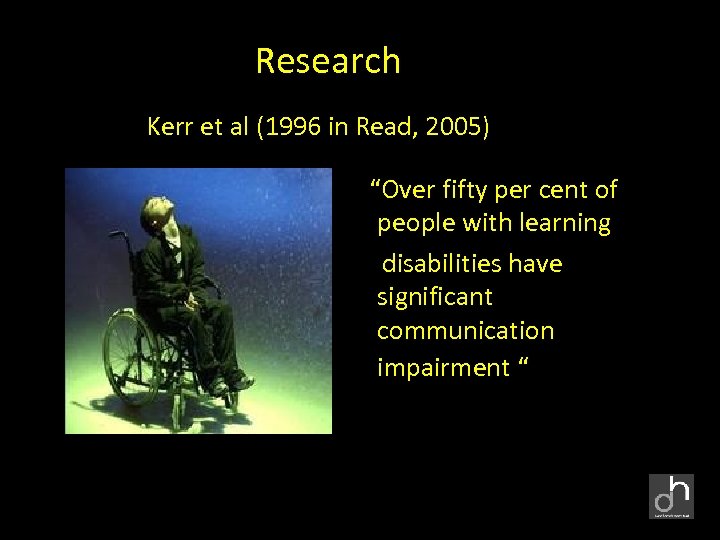
Research Kerr et al (1996 in Read, 2005) “Over fifty per cent of people with learning disabilities have significant communication impairment “
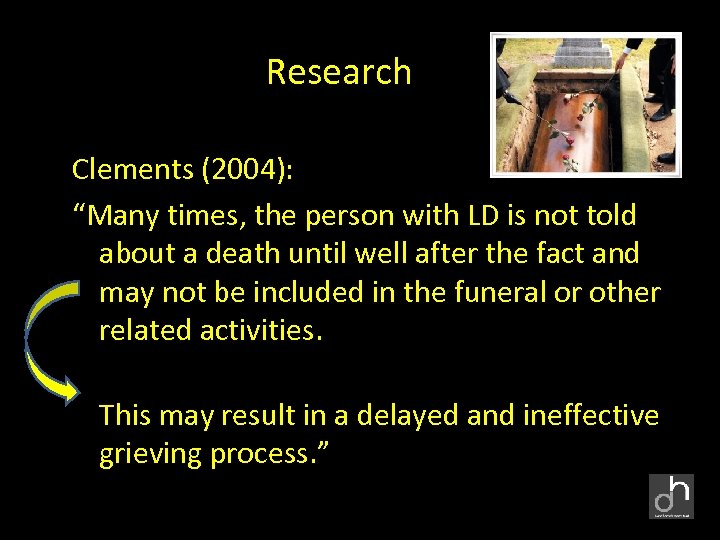
Research Clements (2004): “Many times, the person with LD is not told about a death until well after the fact and may not be included in the funeral or other related activities. This may result in a delayed and ineffective grieving process. ”
Research Multiple losses: - saying goodbye to staff & friends - moving house - loss of privacy - loss of daily contact with family Doka (1989) states: “cumulative losses may result in an atypical, prolonged or complex grieving process”
Profound and Multiple Learning Disability • No realization of death (and life for that matter) • Communication is limited and non-verbal • Understanding is based on sensual impressions and experiences • Development of bonding and basic security • Reactions to death of loved one visible only from an intellectual age of six months • Loss mainly causes a breach of fixed patterns • Reactions of mourning visible in behaviour only after some time has elapsed (Meeusen-van de Kerkhof, 2006)
Severe Learning Disability • Limited realization of death • Limited development of language • Imagination and reality tend to merge • Beginning of linking up events such as sickness and death • Possibility of sober primary reaction to death • Understanding of death linked to concrete experiences • Death is seen as something temporary • Realization of death is definite and starts to grow as deceased person is increasingly missed • Model behaviour of others has strong influence on experience of death (Meeusen-van de Kerkhof, 2006)
Moderate Learning Disability • Limited realization of death • Basic capability of putting oneself in another person's place • Development of insight into specific structures, such as time and family • Stronger comprehension and more pronounced means of expressing emotions in language • Growing sense of reality • Searching for logical explanations of death • Growing comprehension of the irreversibility of death (Meeusen-van de Kerkhof, 2006)
Mild Learning Disability • Clear realization of death • Persons know how to define themselves by comparison with others • Growing insight into specific structures (worldview) • Logical thought coupled to specific events • Empathy present, but experienced from own perspective • Realistic image of meaning of death • Realization of irreversibility of death • Think and talk about mystery of life and death (Meeusen-van de Kerkhof, 2006)
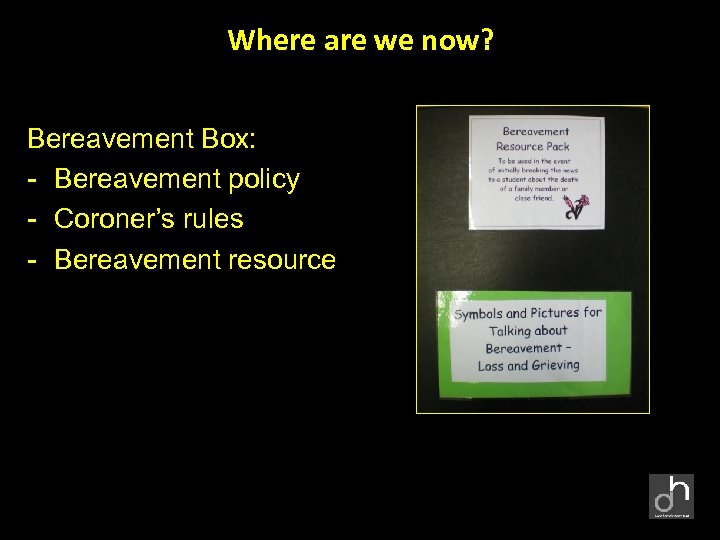
Where are we now? Bereavement Box: - Bereavement policy - Coroner’s rules - Bereavement resource
Where are we now? • Training included in induction • Cruse training
Communication book page Originally photo of communication bookpages of symbols. Thepage was created for and with, one of our students who had lost their mum.
Looking forward. . . - Publish? Is there a need? Feedback from people like yourselves People to pilot for us Questionnaire Implement into curriculum Copyright But mainly the need to. . . Use and share!
Literature • • • Clements, P. T. , Focht-New, G. , Faulkner, M. J. (2004), Grief in the shadows: Exploring loss and bereavement in people with developmental disabilities, Issues in Mental Health Nursing, 25, 799 -808. Dark, L. , Balandin, S. , (2006), Bridge over Troubled Waters – Grief, Disability and Complex Communication Needs, gepresenteerd op ISAAC conferentie te Dusseldorf Read, S. , (2005), Loss, bereavement and learning disability: providing a continuum of support, Learning Disability Practice, 8(1), 31 -37 Dowling, S. , Hubert, J. , White, S. & Hollins, S. (2006), Bereaved adults with intellectual disabilities: a combined randomized controlled trial and qualitative study of two community-based interventions, Journal of Intellectual Disability Research, 50 (4), 277287 Meeusen-van de Kerkhof, R. , Bommel, H. van, Wouw, W. van de, Maaskant, M. (2001), Can you fall out of heaven? , Utrecht: Landelijk Kennisnetwerk Gehandicaptenzorg

E-mail addresses carolinehodgson@damehannah. com valeriesardella@damehannah. com leonie. vanwijk@nhs. net
Скачать презентацию An AAC Bereavement Resource A whole organisation approach
42aacd2c1548cfce73a620bcac116863.ppt