


 Скачать презентацию American Literary Periods Characteristics and Historical Influences
a4a6fc1764f39b18e2236abc70f1a337.ppt
- Количество слайдов: 135
 American Literary Periods Characteristics and Historical Influences
 Part One: American Literature in the Settlement Period THE NEW WORLD
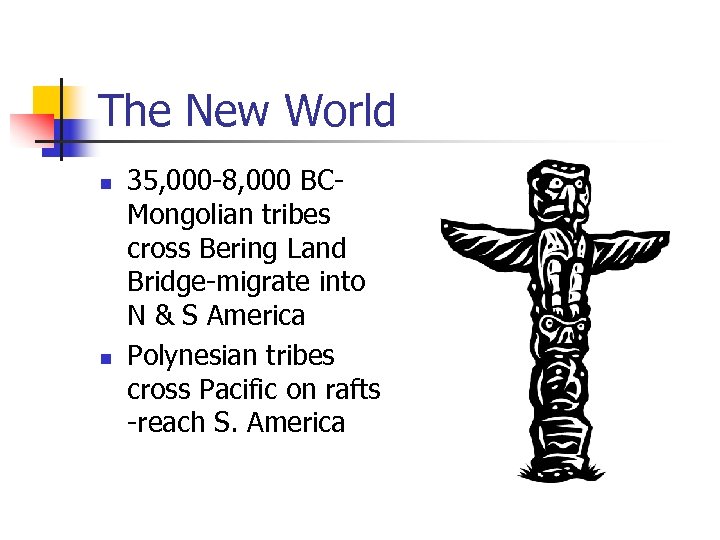 The New World n n 35, 000 -8, 000 BCMongolian tribes cross Bering Land Bridge-migrate into N & S America Polynesian tribes cross Pacific on rafts -reach S. America
 The Bering Sea
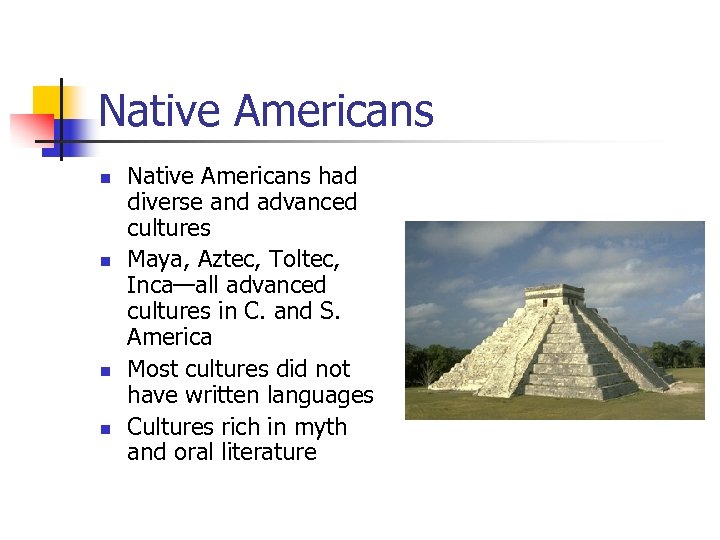 Native Americans n n Native Americans had diverse and advanced cultures Maya, Aztec, Toltec, Inca—all advanced cultures in C. and S. America Most cultures did not have written languages Cultures rich in myth and oral literature
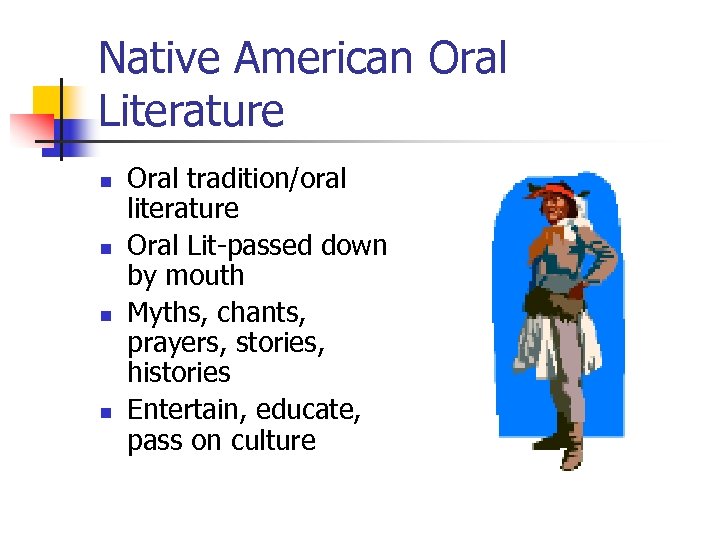 Native American Oral Literature n n Oral tradition/oral literature Oral Lit-passed down by mouth Myths, chants, prayers, stories, histories Entertain, educate, pass on culture
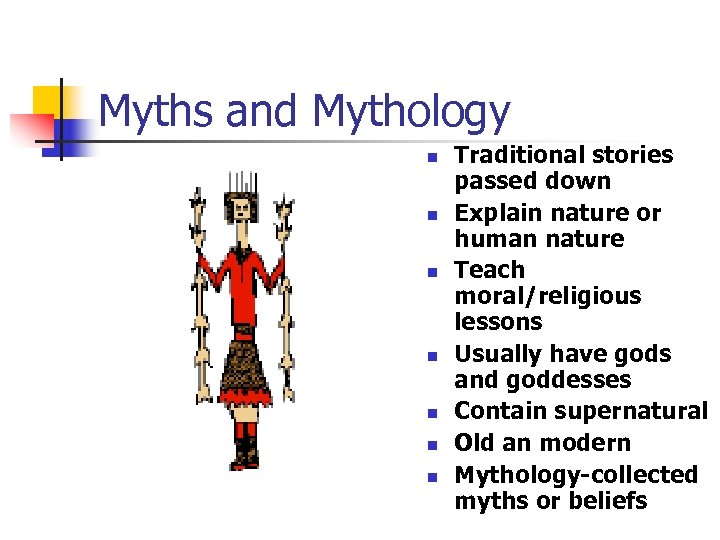 Myths and Mythology n n n n Traditional stories passed down Explain nature or human nature Teach moral/religious lessons Usually have gods and goddesses Contain supernatural Old an modern Mythology-collected myths or beliefs
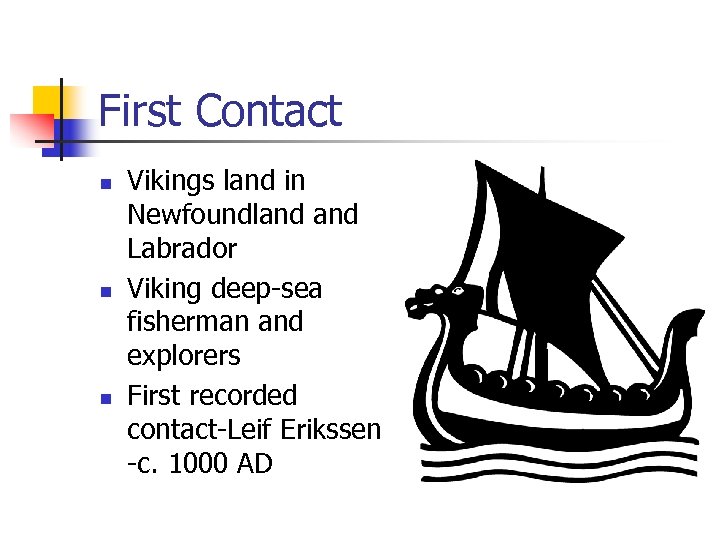 First Contact n n n Vikings land in Newfoundland Labrador Viking deep-sea fisherman and explorers First recorded contact-Leif Erikssen -c. 1000 AD
 Marco Polo n n n An explorer who followed his father’s trade route Route was overland to China Brought back silk, spices, exotic goods Opened up the West to the East Wrote about his travels Made search for sea trade route desirable
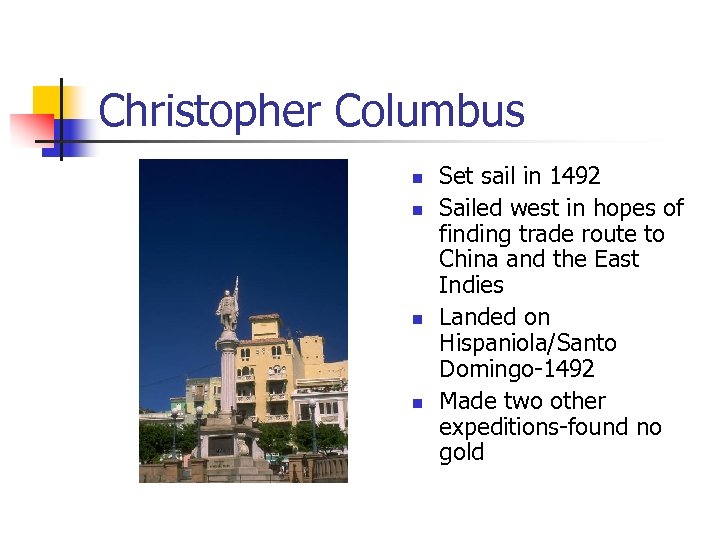 Christopher Columbus n n Set sail in 1492 Sailed west in hopes of finding trade route to China and the East Indies Landed on Hispaniola/Santo Domingo-1492 Made two other expeditions-found no gold
 Reasons for Exploration of the New World n n n n Far East trade route Gold Claim land/subjects for the king Adventure Jobs (ships, fishing) Fame and favor Fountain of Youth/cure for diseases/Paradise
 Reasons for Settlement of the New World Gold n n n n n Land-to claim for king and for personal use Opportunity-work, food, ownership Adventure Money-making Jobs Escape from religious persecution Escape jail time Fame
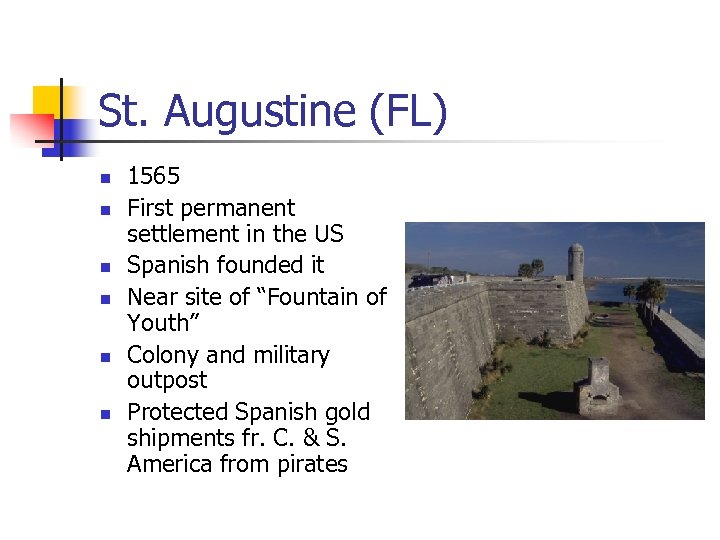 St. Augustine (FL) n n n 1565 First permanent settlement in the US Spanish founded it Near site of “Fountain of Youth” Colony and military outpost Protected Spanish gold shipments fr. C. & S. America from pirates
 Jamestown (VA) n n n 1607 First permanent English settlement in US Founded by the London Co. Money-making venture Captain John Smith/Pocahantas Tobacco-cash crop
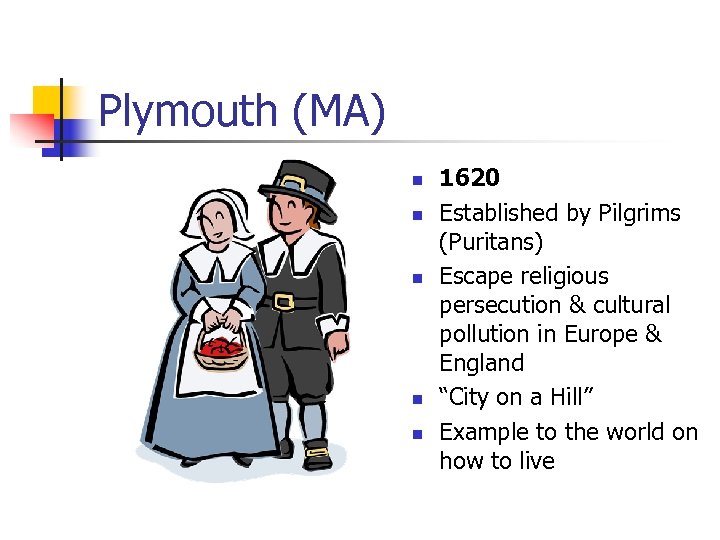 Plymouth (MA) n n n 1620 Established by Pilgrims (Puritans) Escape religious persecution & cultural pollution in Europe & England “City on a Hill” Example to the world on how to live
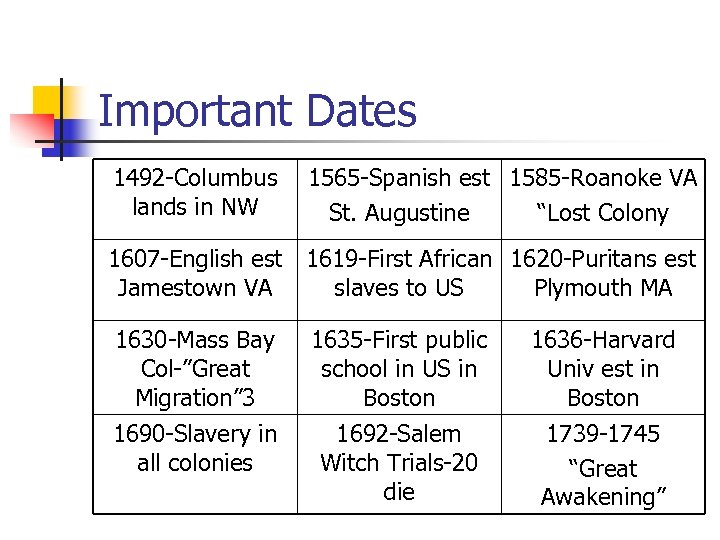 Important Dates 1492 -Columbus lands in NW 1565 -Spanish est 1585 -Roanoke VA St. Augustine “Lost Colony 1607 -English est 1619 -First African 1620 -Puritans est Jamestown VA slaves to US Plymouth MA 1630 -Mass Bay Col-”Great Migration” 3 1635 -First public school in US in Boston 1636 -Harvard Univ est in Boston 1690 -Slavery in all colonies 1692 -Salem Witch Trials-20 die 1739 -1745 “Great Awakening”
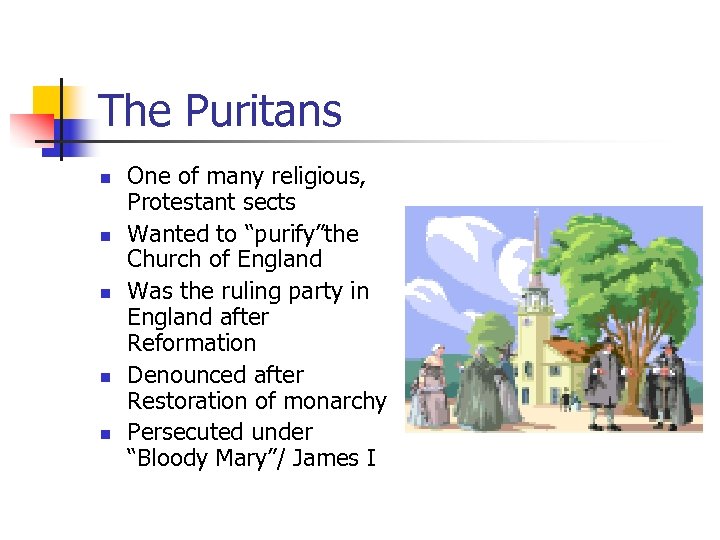 The Puritans n n n One of many religious, Protestant sects Wanted to “purify”the Church of England Was the ruling party in England after Reformation Denounced after Restoration of monarchy Persecuted under “Bloody Mary”/ James I
 Puritan Beliefs n n n n Plainness Divine Mission Bible-based laws Grace “Original Sin” Physical purgation of sin Education for all
 Puritan Beliefs n n n Public confession of sin The “Elect” Puritan Work Ethic Devil Incarnate Cleanliness Democratic government
 Puritan Influence in America n n n Writing-Plain Style Work ethic Sense of morality Example to the world Plainness-dress and worship styles Democracy
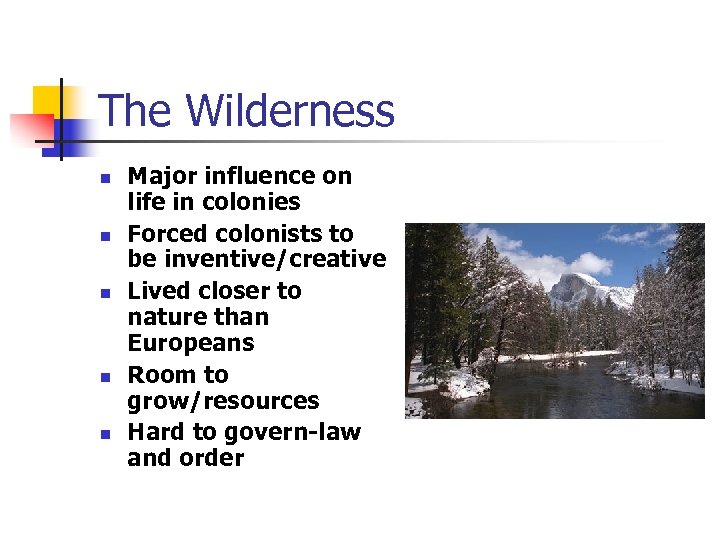 The Wilderness n n n Major influence on life in colonies Forced colonists to be inventive/creative Lived closer to nature than Europeans Room to grow/resources Hard to govern-law and order
 Differences Between Northern and Southern Settlement Styles • • Northern Poorer soil Colder climate Shorter growing season Largely Puritans Small land grants/small farms Tight communities built around a “commons” area Very interdependent • • Southern Better soil Warmer climate Longer growing seasoncash crops Largely Church of Eng Large land grantsplantations-slave labor Widely dispersed settlements Very independent
 Puritan Literature Plain style-simple words in clear order (“smooth, clear, short) n God-centered n Spiritual Autobiographies n Poetry n No plays or fiction n
 William Bradford n n n Born in England to a farmer Became a Puritan at age 12 Went to Holland then to the New World with the Pilgrims Elected governor of Plymouth 30 times Wrote The History of Plymouth Plantation about the Pilgrims’ experiences in the colony of Plymouth Used the Plain Style and had a providential view of history
 Anne Bradstreet n n n Known as the “First American Poet” because she was the first to write in America and the have them published Born in England came over w/ her husband, Simon Bradstreet, governor of Mas Bay Colony Wrote about everyday life in the New World and her spiritual growth Wrote “To My Dear and Loving Husband” Book was The Tenth Muse Lately Sprung Up in America
 Edward Taylor n n n n n Born in England—immigrated to England in 1668 Graduated from Harvard University Was a preacher and a physician Served in Westfield, Massachusetts Bay Colony Five of his children died in infancy and his first wife Thought of his poetry as a form of personal worship Allowed only two stanzas to be published in his lifetime One of his descendants donated his library to Yale University Taylor’s poems were discovered in the bindings of his old books by a Yale graduate student He wrote conceits, using extended metaphors to explore his faith
 Jonathan Edwards n n n Puritan preacher who preached during the “Great Awakening” Was a “fire and brimstone” preacher Used emotional appeals in his sermons Wrote “Sinners in the Hands of an Angry God” Was dismissed from his pulpit because of his strict religious views.
 William Byrd n n n Was born in Virginia to a rich plantation owner Inherited the plantation Westover and made it much bigger-owned slaves Family was from the English aristocracy (upper class) Educated in England—very intelligent Wrote The History of the Dividing Line that satirized the early colonists in America
 Olaudah Equiano n n n Born in Africa Captured by white slave traders and taken to the Caribbean Islands Bought his freedom Learned to read and write English, Spanish, and Portuguese Wrote The Interesting Life of Olaudah Equiano that told about how the slaves were treated during the “Middle Passage”
 Other Notes: n n n n Plain Style—style of writing used by the Puritans that used short words, direct statements, and references to everyday life. Providential view of history—belief that God controlled all events Couplet-two consecutive lines of poetry that rhyme Heroic Couplet-two consecutive lines of poetry that rhyme and comprise a complete thought Conceit-a poem that uses an extended metaphor— typically written during the 16 th and 17 th centuries Satire-making fun of people or institutions, usually to effect change Inversion—writing that puts sentence parts in reverse order Syntax-sentence structure
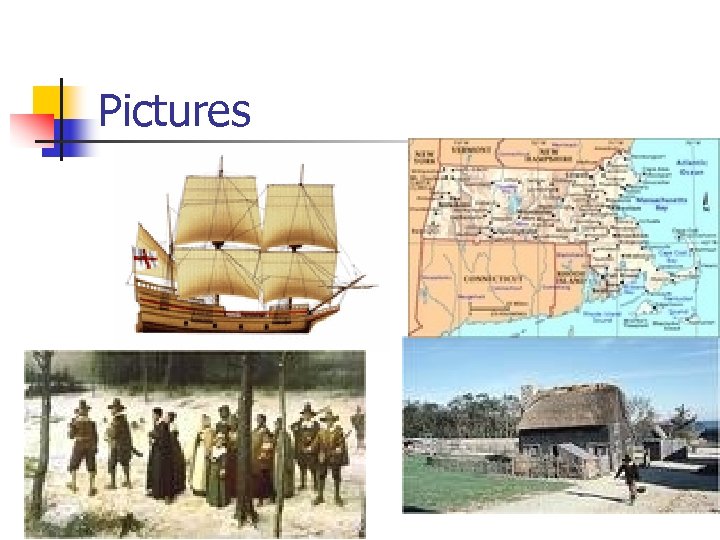 Pictures
 The Age of Reason in America The Revolutionary Period
 Important Event and Dates n n n n 1739 -1745—”Great Awakening”—revival of Puritanism-George Whitefield and Jonathan Edwards 1754 -1763—French and Indian War 1765—Tax to pay for F and I War 1767—Townsend Acts—tax tea, glass, lead, and paint imported to colonies 1770—Boston Massacre 1773—Boston Tea Party 1774— 1 st Continental Congress meets 1775—Battle of Lexington and Concord start the Revolutionary War
 Important Events and Dates (continued) n n n n n 1775 -1781—Revolutionary War 1776—Declaration of Independence signed 1781—Cornwallis surrenders at Yorktown; Articles of Confederation establish our first government 1783—Treaty of Paris 1787—Signing of the Constitution 1789—Washington elected 1 st president 1791—Bill of Rights ratified (Madison) 1790—Eli Whitney invents interchangeable parts 1793—Eli Whitney invents the cotton gin 1800—Washington, DC
 The Enlightenment n n n Began in Europe Challenged the beliefs of the Age of Faith Embraced concepts of Rationalism
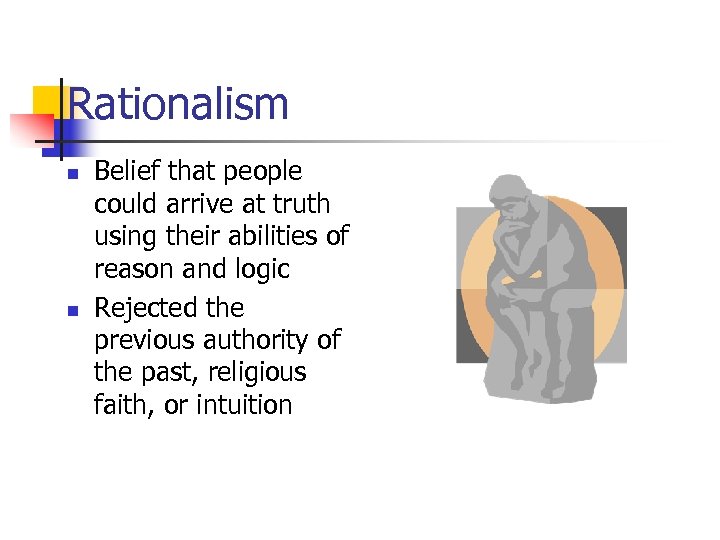 Rationalism n n Belief that people could arrive at truth using their abilities of reason and logic Rejected the previous authority of the past, religious faith, or intuition
 Faith vs. Rationalism n n n Truth through revelation from God Universe mysterious and unpredictable Men born into sin After-life more important than life on earth God active in universe n n n Truth through reason and logic Universe governed by fixed, predictable laws Men basically good Life on earth more important that after-life God-a divine, indifferent beneficence
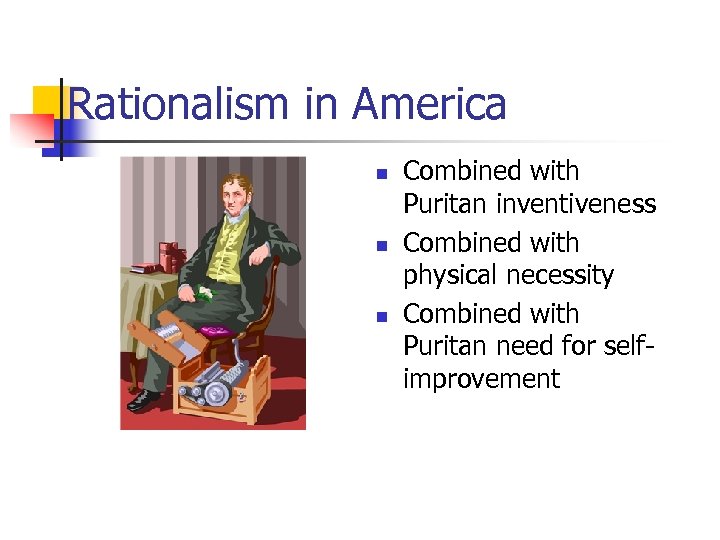 Rationalism in America n n n Combined with Puritan inventiveness Combined with physical necessity Combined with Puritan need for selfimprovement
 Deism n n A philosophy—not a religion Belief that God gave all men at all times power to discover universe/truth Universe orderly & good Mankind-good and perfectible
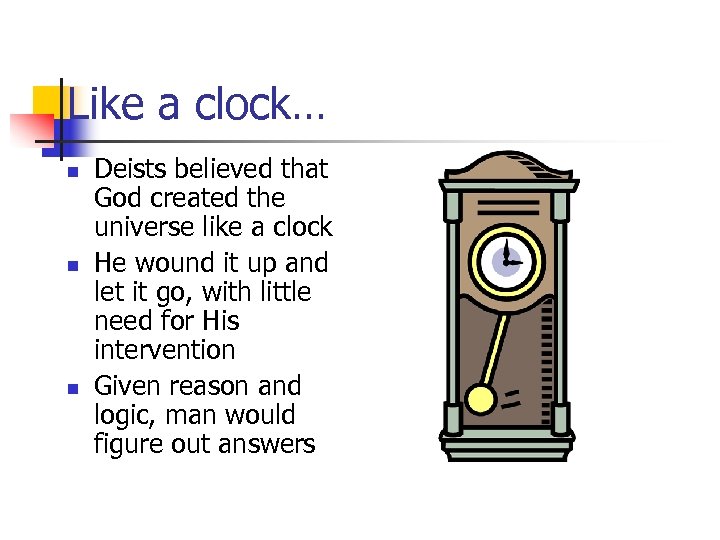 Like a clock… n n n Deists believed that God created the universe like a clock He wound it up and let it go, with little need for His intervention Given reason and logic, man would figure out answers
 Important Dates of the Age of Reason in America n n n 1739 -1745 -”Great Awakening” 1754 -1763 -French and Indian War 1765 -Stamp Act 1769 -Intolerable Acts 1770 -Boston Massacre (Crispus Attucks 1 st killed) n n n 1773 -Boston Tea Party 1775 -First shots of American Rev-Battles of Lex and Concord July 4, 1776 -Dec of Independence 1775 -1783 -American Revolution 1781 -Cornwallis surrenders at Yorktown
 More Important Dates n n n 1781 -1788 -Articles of Confederation 1789 -George Washington is 1 st president 1789 -US Constitution ratified n n 1790 -Eli Whitney invents interchangeable parts 1792 -NY Stock Exchange organized 1793 -Whitney invents cotton gin 1800 -DC named capitol. Lib of Congress
 Basic Tenets of the Age of Reason n n n People arrive at truth using their own powers of thought and reason. God created and loves the universe, but does not interfere a lot with its workings. God created laws of nature that we can discover using observation and logic. People are good and perfectible People worship God best by doing good for others. Human history moves naturally toward perfection.
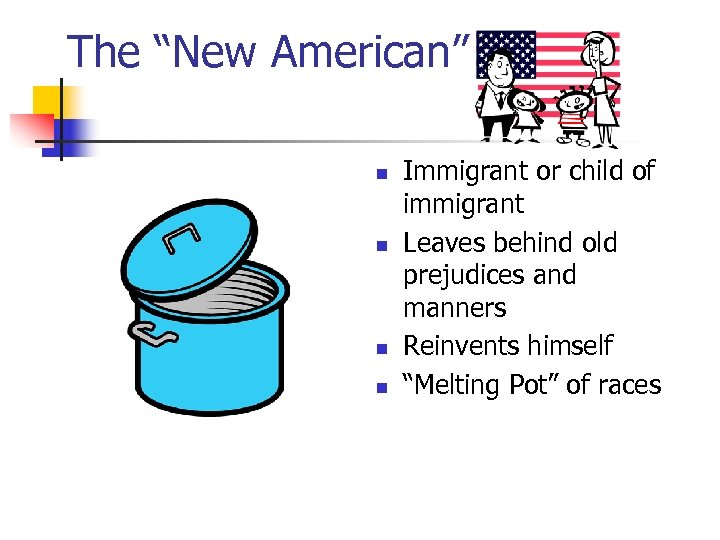 The “New American” n n Immigrant or child of immigrant Leaves behind old prejudices and manners Reinvents himself “Melting Pot” of races
 Literature of the Enlightenment n n n More non-fiction than fiction or poetry Expository or persuasive in a nature Most had a definitive viewpoint High use of language and logic Importance of documents indicated by language and form Emphasis on clarity, reason, logic, and evidence for assumptions
 Benjamin Franklin: “The First American n n A model for a man of the Enlightenment Lived the American Dream—rags to riches Born in Boston—made his fortune in Philadelphia, PA Printer, writer, scientist, statesman, humorist, philanthropist, inventor First Post Master General Founded Univ of Penn Invented bifocals and Franklin Stove Helped write Dec of Ind and Constitution Studied electricity, ocean currents, weather, etc. Improved sewage and street lighting First public library in America
 Types of Literature Common during the Enlightenment n Formal Documents n n n Pamphlets n n Common Sense Speeches n n The Declaration of Independence The Constitution “The Speech in the Virginia Convention” Essays n The Crisis # 1
 A Heritage of Explanation, Logic and Persuasion n Found in writers since that time n n n Thoreau Emerson Kennedy King, Jr. Roosevelt Reagan
 American Romanticism The Awakening of a Nation
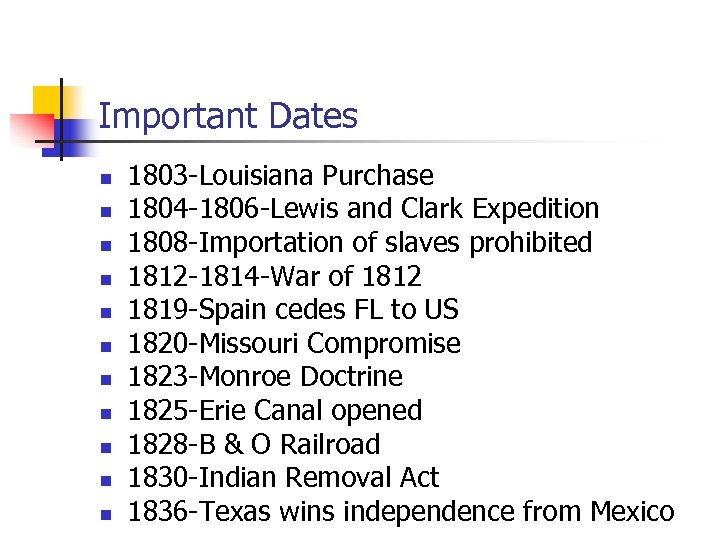 Important Dates n n n 1803 -Louisiana Purchase 1804 -1806 -Lewis and Clark Expedition 1808 -Importation of slaves prohibited 1812 -1814 -War of 1812 1819 -Spain cedes FL to US 1820 -Missouri Compromise 1823 -Monroe Doctrine 1825 -Erie Canal opened 1828 -B & O Railroad 1830 -Indian Removal Act 1836 -Texas wins independence from Mexico
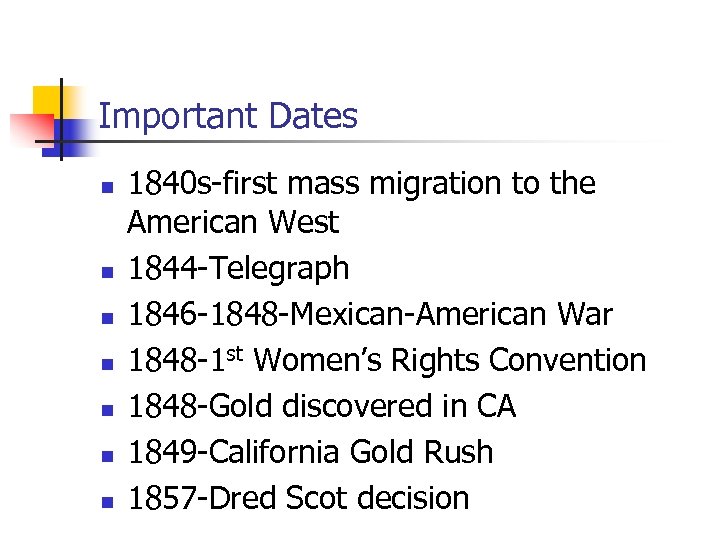 Important Dates n n n n 1840 s-first mass migration to the American West 1844 -Telegraph 1846 -1848 -Mexican-American War 1848 -1 st Women’s Rights Convention 1848 -Gold discovered in CA 1849 -California Gold Rush 1857 -Dred Scot decision
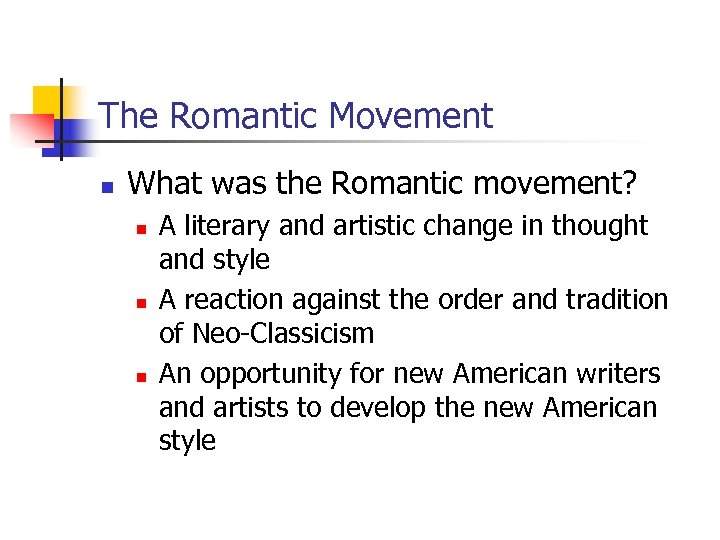 The Romantic Movement n What was the Romantic movement? n n n A literary and artistic change in thought and style A reaction against the order and tradition of Neo-Classicism An opportunity for new American writers and artists to develop the new American style
 The Seeds of Romantic Thought n n n Began in Europe and then spread to America Took ideas from Rationalist beliefs in freedom and the rights of the individual Important people in Romantic movement: Kant, Goethe, Schlagel, Rosseau, Wordsworth, Coleridge
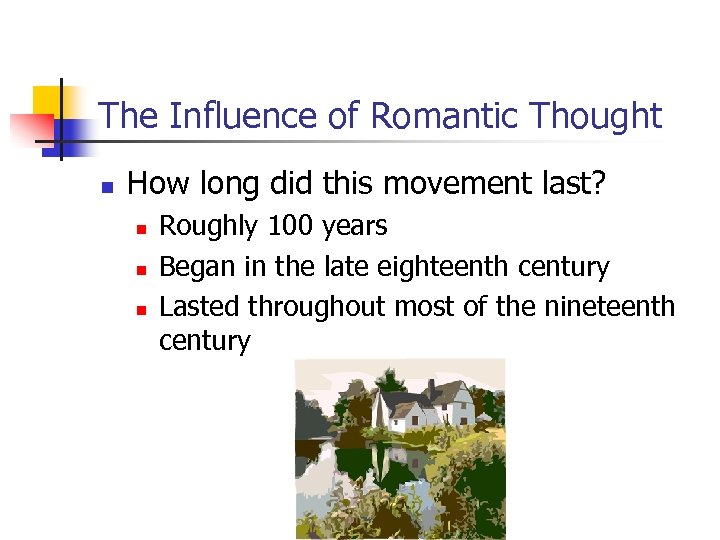 The Influence of Romantic Thought n How long did this movement last? n n n Roughly 100 years Began in the late eighteenth century Lasted throughout most of the nineteenth century
 Influences on Romantic Thought n n n Nature n The untamed wildernesses of the world n The beauty of the natural world The Past n The Classical past-ancient Greece and Rome n The Medieval past The Imagination n Emotions n Intuition n Creativity
 Imagination: Romantic Escapism n n n Rejected the rigors of reality Fascinated with the supernatural world Disliked realistic portrayals Loved folklore and fantasy Rejected the manmade Embraced the natural world
 Romanticism in America: INSPIRED BY… n n Discovery of the unspoiled beauty of the Western Frontier “Noble savages”—the Indians American beliefs in individual rights and democracy Reform needs in America—women’s rights, slavery, and education
 Causes of the Romantic Movement in America n Nationalism n n n Discovery and Exploration n Lewis and Clark Expedition War of 1812 Napoleon Bonaparte The New World Natural Rights n n n “God-given rights” Slavery The French Revolution
 Nationalism n n n Romantic theory spawned in America by intense feelings of nationalism among some of the populace NATIONALISM IS AN INTENSE INTEREST IN ONE’S COUNTRY AND/OR HERITAGE American nationalism resulted largely from n n n The Louisiana Purchase Lewis and Clark Expedition War of 1812
 Elements of Romanticism n n n n intuition, imagination, and emotion better than logic and reason Creativity (poetry, art, etc. ) superior to science Study of the natural world yields Truth and Wisdom Distrust of civilization and industry Valued the past and the supernatural Nobility of the savage Freedom and individual rights
 The Journey “Quest” form taken from Medieval Romances of Europe n Movement away from civilization n Physical and emotional journey n “Escape” and encounters with the supernatural JOURNEY STRUCTURE WAS A FRAMEWORK FOR THE ROMANTIC EXPERIENCE. n
 Romantic “Journeys” n n Into the past, the supernatural, and to exotic places Into the contemplation of nature’s beauty and mystery ALL ROADS LED TO THE DISCOVERY OF HIGHER TRUTH AND ULTIMATE BEAUTY
 The Dark Side of Romanticism: Gothic Romance n n n Roots in French and German lit Took place in exotic and isolated locales Involved the supernatural Dark and disturbing tone. S and mood. S Source of the early psychological stories Best Gothic Romance writer: n Edgar Allan Poe
 The American Novel n Began … n n during the Romantic period As imitations of European novels andauthors Using American settings, but European plots, characters, and style Broke away to use uniquely American settings, characters, and plots
 James Fennimore Cooper n n Created the first, truly “American” novel Invented the “American Hero” type Chronicled life in a “geography of the imagination”—the American Western Frontier Was the first novelist to define the American writing style
 The American Hero n n n n Is young, or possesses youthful qualities Innocent and pure of purpose Inner sense of honor based on higher principles Has knowledge of people and life based on deep intuition and understanding Loves nature—hates towns and cities Resists domestication Quests for a higher truth in the natural world
 American Romantic Poetry n n n Used established, traditional poetic forms Mimicked European forms Used American settings and stories “Family” poetry very popular “Fireside Poets” wrote family poetry for fireside reading First uniquely American poetry yet to be created
 Transcendentalism n n Outgrowth of Romanticism Proposed by Ralph Waldo Emerson AND Henry David Thoreau Based on Christian and Hindu religions and Romantic theory Philosophy that n ONE MUST GO BEYOND (OR TRANSCEND) THE FIVE SENSES TO FIND REALITY
 Transcendentalists Believed n n In God, the Oversoul, the “Universal Being” Everywhere, everything, all knowledge No evil—just perspective That God could be seen most easily and purely in nature EMERSON AND THOREAU
 Anti-transcendentalists n n Believed in the existence of evil Believed in original sin NATHANIEL HAWTHORNE AND HERMAN MELVILLE
 American Romantic Authors n n n n Washington Irving William Cullen Bryant Henry Wadsworth Longfellow Oliver Wendell Holmes Ralph Waldo Emerson Henry David Thoreau Edgar Allan Poe Herman Melville
 REFORM MOVEMENTS OF THE ROMANTIC PERIOD
 Reform Movements: Education n n n n Needed to educate immigrants to vote Needed teachers in the West Salaries too low for men Women took these jobs English promoted as the national language Small towns on the Frontier could build schools and hire teachers from the East
 Women’s Rights n n n n Women became teachers—were better educated More colleges for women opened First Women’s Rights Conference in Saratoga, NY in 1848 Sought suffrage and rights to own property Did not get vote in US until 1920 Some states did allow women to vote before then Some educated women became staunch abolitionists/Harriet Beecher Stowe
 Reform Movements: Slavery n n n n Eli Whitney/cotton gin/ Slave economy in the South 1808/Importation of slaves prohibited Abolitionists sought the eradication of slavery immediately and completely South saw this as an infringement on States’ Rights N. needed S. ’s raw goods for factories S. sought to sell goods overseas 1859/ John Brown/Harper’s Ferry
 Important Dates n n n 1803 -Louisiana Purchase 1804 -1806 -Lewis and Clark Expedition 1808 -Importation of slaves prohibited 1812 -1814 -War of 1812 1819 -Spain cedes FL to US 1820 -Missouri Compromise 1823 -Monroe Doctrine 1825 -Erie Canal opened 1828 -B & O Railroad 1830 -Indian Removal Act 1836 -Texas wins independence from Mexico
 Important Dates n n n n 1840 s-first mass migration to the American West 1844 -Telegraph 1846 -1848 -Mexican-American War 1848 -1 st Women’s Rights Convention 1848 -Gold discovered in CA 1849 -California Gold Rush 1857 -Dred Scot decision
 American Realism 1860 -1914
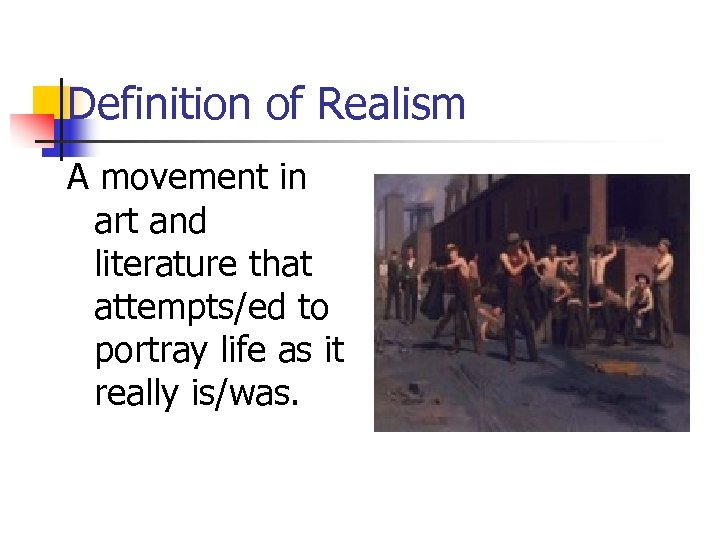 Definition of Realism A movement in art and literature that attempts/ed to portray life as it really is/was.
 Historical Background n The Civil War: n n 1860 -1865 Also called: n The War Between the States n The Southern Rebellion n The War of Northern Aggression The violence and carnage of the War brought an end to the idealistic optimism that characterized the earlier part of the century.
 The Rise of Realism n n Realism -“very minute fidelity (truthfulness)” to common and ordinary lives of people Realism-firmly entrenched in Europe before popular in US
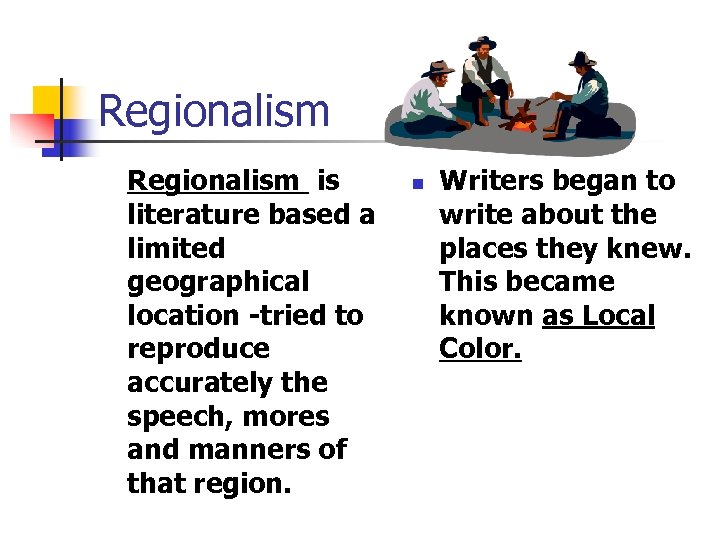 Regionalism is literature based a limited geographical location -tried to reproduce accurately the speech, mores and manners of that region. n Writers began to write about the places they knew. This became known as Local Color.
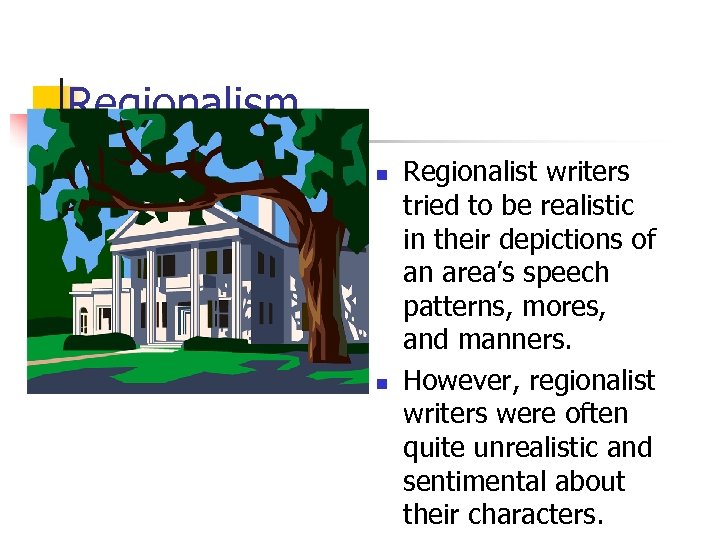 Regionalism n n Regionalist writers tried to be realistic in their depictions of an area’s speech patterns, mores, and manners. However, regionalist writers were often quite unrealistic and sentimental about their characters.
 Local Color n n n Regionalist writers used LOCAL COLOR to create their works LOCAL COLOR -description of places, people, speech, or manners unique to a particular place and time. DIALECT-a way of speaking that is characteristic of a certain social group or inhabitants of a particular area
 Magic Realism n n n Was the beginning of Realism as a movement Mixed the fantastic with the very realistic Had psychological elements People loved it-blended the two styles together Still popular today
 Impressionism n n An outgrowth of realism was Impressionism, a movement in art and literature of the late 1900 s that advocated artists and writers’ recording personal experiences or impressions of the world, rather than simply an extremely realistic view. Impressionists saw their views of the world more real than the standard realists because their views saw into the minds of artists and writers.
 Psychological Fiction n n The fiction of the mind Began a movement that became “stream of consciousness” writing Still highly used today in writing Began in this period, but was perfected later Began with “magic realism”
 Inventions of the 19 th Century n n n 1800 -Volta invents the battery/ Jacquard loom 1804 Gas lighting and steam powered engine 1810 -tin can 1814 -first photograph and steam locomotive 1819 -soda fountain and stethoscope 1824 -first toy balloon/ cement/ electromagnet 1827 -matches and microphone 1829 -typewriter and braille 1830 -sewing machine 1831 -steam turbine and a crop reaper 1834 -refrigerator 1835 -calculator
 More Inventions of the 1900 s n n n 1836 -first revolver (Colt) 1837 -telegraph and Morse Code/ postage stamp 1839 -vulcanized rubber/daguerreotype photography/bicycle/platform scales/H-fuel cell 1840 -1845 -rubber tire/new sewing machine/grain elevator/stapler 1846 -1849 -dental chair/anesthesia/antiseptic/safety pin 1850 -1855 -airship/glider/Singer sewing
 Historical Influences n n n n Civil War-1860 -1865 -Union forces won Emancipation Proclamation-1862 -Freed the slaves in the Southern Reconstruction-1865 -1880 -Presidential and Congressional Westward Expansion/Manifest Destiny-1840 s— 1914 Alaska purchased from Russia-1867 Edison and electric light-1876 A. G. Bell and telephone-1879 Alaskan Gold Rush-1896 Spanish-American War-1898 -US gained the Philippines, Cuba, Puerto Rico, and Guam from Spain Panama Canal-1906 Henry Ford’s Model T-1915 Sinking of the Titanic, April 1912 World War I-1914 -1918 (US entered in 1917): n US, Britain, France, Russia VS. Germany, Austria-Hungary,
 American Authors of the Realist Period n n n n n Mark Twain Frederick Douglas Stephen Crane Jack London Willa Cather Edwin Arlington Robinson Edgar Lee Masters Edna St. Vincent Millay Katherine Anne Porter
 Modernism in America 1914 -1939
 What was Modernism? n A movement in art and literature of the early to mid 20 th century
 Modernism Defined n n Modernism-was a movement in art, music, and literature that was dominant in the first half of the 20 th century in Europe and America. Modernism-was a reaction to the horrors of WWI. It manifested itself in fiction and art with bold, experimental styles and techniques.
 HISTORICAL INFLUENCES n n n n 1905 -Einstein’s Theory of Relativity 1906 -Yellowstone is first National Park 1912 -Sinking of the Titanic 1913 -Modern Art is introduced to US in NYC 1914 -World War I breaks out in Europe with the assassination of Austria’s Prince Ferdinand by Serbian nationalists 1914 -The Panama Canal opens 1915 -Henry Ford revolutionizes the auto industry with mass production lines
 HISTORICAL INFLUENCES n n n n 1917 -US enters WWI 1917 -Russian Revolution ends the Tsarist rule in Russia-Communism begins 1918 -Prohibition begins 1920 -The Harlem Renaissance begins 1920 -19 th Amendment is ratified giving women the right to vote 1922 -The Jazz Age begins 1927 -Lindbergh flies solo across the Atlantic
 HISTORICAL INFLUENCES n n n 1929 -Stock Market Crash 1930 s-The Great Depression 1933 -FDR elected-proposes the “New Deal” and Soc Sec legislation 1933 -Hitler comes to power in Germany 1939 -Franco’s nationalist forces win Spanish Civil War 1939 -WWII begins in Europe with Germany’s invasion of Poland
 World War I n n n WWI was supposed to be the “War to End All Wars” or “The Great War” Supposed to be a war of moral imperatives— defending the freedom of threatened nations Instead--bloodbath of epic proportions, trench warfare in France and Belgium over small portions of contested ground 1 st truly mechanized war-tanks, machine guns, jeeps, planes and bombs Advent of chemical weapons WWI led to “Geneva Convention”-- sought to establish rules for “fair warfare”
 “The Lost Generation” n n Term coined by the writer Gertrude Stein Referred to the disillusioned and alienated soldiers who returned from WWI with terrible memories from the battlefield. They felt disconnected from the America they had left and its strict moral values, and unfamiliar with the America they came home to. Many became “expatriates, ” preferring to live in France rather than the US
 The Expatriates n n n Produced some of the most profound American literature to date Lived largely on the Left Bank of Seine River in Paris Included Ernest Hemingway, Sherwood Anderson, Ezra Pound, Gertrude Stein, and F. Scott Fitzgerald
 The “Jazz Age” n n Was a time when ladies’ skirts were shortened and their hair bobbed Wild dancing and parties Looser social mores and values Women, given the vote, now felt freer to express themselves and claim their independence
 The “Jazz Age” n n n Also known as “The Roaring ’ 20 s” Named so by the writer F. Scott Fitzgerald, who chronicled the decade from 1920 -1929 in his works Named after the music, jazz, one of the only authentically American forms of music
 Themes in Modernist Fiction n Modernism in fiction focused on several themes: n Disillusionment with the American Dream n A fear of automation and the advances of science as these conflicted with traditional religious beliefs n Alienation-resulting from the WWI soldiers returning home to an unfamiliar world n A loosening of moral and societal values n A new awareness of ethnic, especially black, literature and music n A need to be “completely new” and different
 American Authors of the Modernist Period n n n n Sherwood Anderson Ernest Hemingway F. Scott Fitzgerald William Faulkner John Steinbeck James Thurber Eudora Welty n n n Ezra Pound T. S. Eliot William Carlos Williams Robert Frost Carl Sandburg e. e. cummings
 The Harlem Renaissance n n A movement in art and literature of the early 1920 s that emphasized the life and culture of the Negro in American society White patrons encouraged and supported black performers, artists, and writers Jazz and the Blues were the musical styles of choice As Langston Hughes wrote, “the Negro was in vogue”
 American Writers of the Harlem Renaissance n n n n Langston Hughes James Weldon Johnson W. E. B. Dubois Frances Harper Countee Cullen Zora Neale Hurston James Baldwin Richard Wright
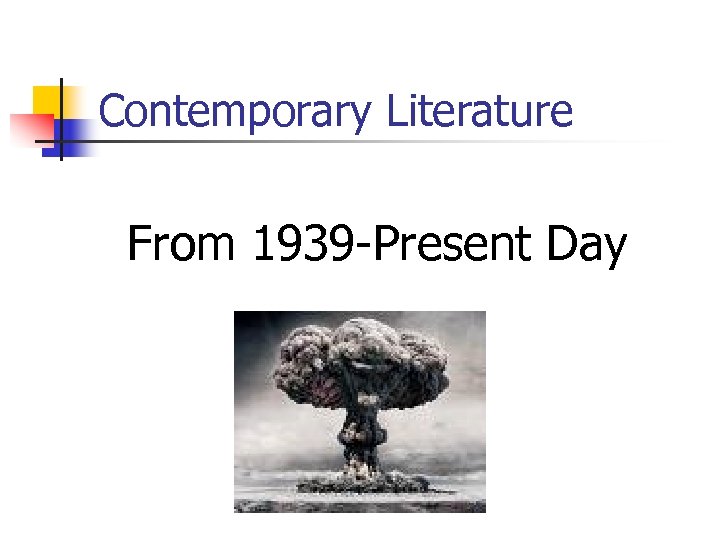 Contemporary Literature From 1939 -Present Day
 HISTORICAL INFLUENCES n n n n 1939 -1945 -World War II 1941 -Japanese bomb Pearl Harbor-US enters the war 1942 -Hitler begins implementation of the “Final Solution” 1944 -Allied forces land in Normandy to liberate European countries from Nazi control 1945 -May, Hitler commits suicide-war in Europe ends 1945 -August, US uses first nuclear bombs on Hiroshima and Nagasaki. Japan surrenders ending WWII 1945 -United Nations established
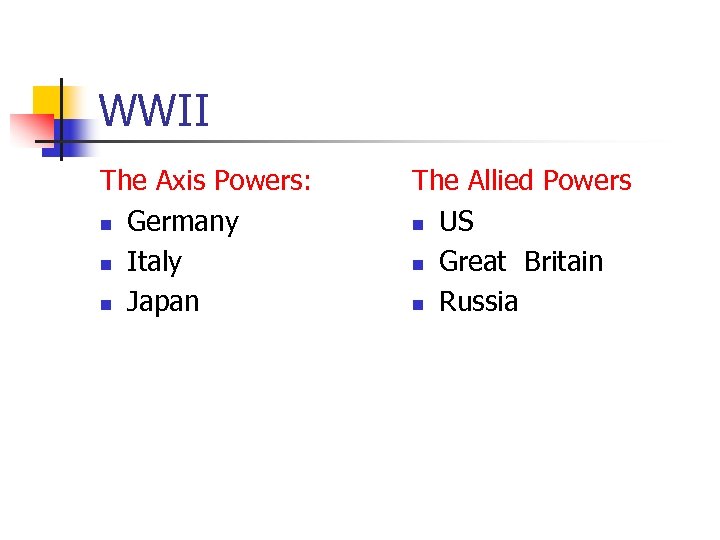 WWII The Axis Powers: n Germany n Italy n Japan The Allied Powers n US n Great Britain n Russia
 Causes of WWII: Japan n n n Japanese Imperialism-believed that they were a superior Asian race destined to rule all other Asian races Believed their emperor was a god Japanese society—high sense of honor Needed oil from the Middle East Attacked Mainland China and the island nations of of the Pacific Very barbaric attacks on the Chinese people Western nations tried to help
 US Entry into WWII n n Came about after Japan bombed Pearl Harbor on Dec. 7, 1941 2300 people were killed that day Most of our navy was destroyed The next day we declared war on Japan and Germany
 US Influence in the War n n Huge economic and industrial power Women went to work in munitions and supply factories Huge influx of manpower with the US draft Victory in WWII cemented our place as world power
 Causes of WWII: Italy n n n Mussolini-dictator of Italy Wanted to be on the “winning side” Believed that Italy/Rome must conquer Europe once more Wanted to revive the Roman Empire Allied with Hitler to do so
 Causes of WWII: Adolph Hitler n n n Hitler blamed the Jews and other “impure” races for Germany’s troubles after WWI Sought to rid Europe, and eventually the world, of Jewry Sought to breed “super-race” of pure Aryans to run the world Made pact with Italy and Japan, but planned to overtake and “purify” them, too, after he conquered the world Saw the US as an abomination, because of our mixed races of people
 • Journal/WOD/SAT Prep/DOL • Read aloud: from “Nature, ” (Emerson), old lit text pp. 219 • Notes: Synopsis of Lit Periods, slides 63 -74 (Romanticism to Realism) Assign: 25 Notes on pp. 201 -209 (HW) Hitler’s Vision n n Hitler blamed the Jews and other “impure” races for Germany’s troubles after WWII He sought to rid Europe, and eventually the world, of Jewry He sought to breed a “super-race” of pure Aryans to run the world He made a pact with Italy and Japan, but planned to overtake and “purify” them, too, when he conquered the world He saw the US as an abomination, because of our mixed races of people
 The Holocaust n n n n In 1942, Hitler implemented the “Final Solution, ” a plan to rid Europe of Jewry He implemented a series of laws taking away all civil rights of Jews and other undesirables in Germany and its conquered territories Heinrich Himmler was in charge of “Final Solution” Concentration (work) camps were set up across Eastern Europe Ghettos were set up in cities Death camps were built to exterminate the Jews 6. 5 million Jews were murdered in the Holocaust 7 million others were also murdered
 The End of WWII: Italy and North Africa n n North Africa and Italy were liberated first from Axis control Mussolini ran with his mistress, was caught, shot, and hanged in the marketplace
 End of WWII: Europe n n D-Day-1944 Allied troops invaded the beaches of Normandy, France to liberate Europe Russian troops moved east as Britain, US, Australia, and others moved west across Europe Hitler committed suicide in Berlin as Russian troops closed in on the city in April of 1945 Germany surrendered in May
 End of WWII: Japan n n n The first atomic bomb was created at Los Alamos, NM US decided to use it on Japan, who refused to surrender The first A-bomb was dropped on Hiroshima, Japan in August of 1945 The second-three days later on Nagasaki, Japan 71, 000 people were killed immediately Over 100, 000 died within three months Japan surrendered almost immediately
 The Aftermath of WW n n n Germany, Japan, and Italy decimated Borders indefinite and disputed Under the Marshall Plan, Europe was divided and rebuilt by the remaining world powers—Great Britain, US, Russia refused to allow its rebuilt areas to govern themselves Russia claimed them as part of their Soviet Union of Socialist Republics Made those nations live under communist rule
 Communism n n n After WWII, China embraced Communism as its form of govt. The USSR and China wanted to spread communist govt. across the globe USSR controlled Poland, Czechoslovakia, Yugoslavia, Romania, Albania, half of Germany, and many other countries under communist rule
 Communism n n n China sought to make the entire East Asian continent communist Supported communist rebels in Korea Started the Korean Conflict/1950 -1953 Western nations sent help to fight the insurrgent communist troops Settled by dividing Korea into communist N. Korea and democratic S. Korea
 Communism n n n China also supported communist rebels in Viet Nam Western nations again fought the spread of communism in VN 1964 -1974 America withdrew under terms of a “peace with honor” S. Viet Nam fell to the communists
 Historical Influences n n 1947 -India gains independence from British rule 1948 -State of Israel established out of occupied Palestine 1949 -Mao Zedong and his communist forces take over China 1950 -53 -Korean Conflict n n n 1962 -Cuban Missile Crisis 1963 -Assassination of JFK 1964 -1974 -Viet Nam War 1979 -Personal computer 1980 -War in Grenada 1992 -Bosnia Conflict
 The Sixties: The Generation of Peace and Love n n n With the advent of rock and roll in the fifties and sixties, society changed Protests concerning the VN War, the draft, civil rights (race), women’s rights, and the sexual revolution pervaded college campuses “Don’t trust anyone over 30!” Young people disdained materialism-became very idealistic Wanted to save the earth, mankind, society, animals, values, etc. Very “Back to the Land”
 The Summer of Love n n Young people, “Hippies, ” dropped out of “the establishment” and went west Centered in the Haight-Ashbury district of San Francisco Culminated in the summer of 1967 Characterized by avant garde music and art, experimentation with drugs and sexual practices
 The “Me” Generation n n 1970 s-1980 s Reaction against the idealism of the ’ 60 s Self-satisfaction became center-stage Upwardly mobile “Yuppies” More people moving into the middle class
 The Fall of the Soviet Union n n n n SU invaded Afghanistan in 1980 s Fought a futile and expensive war to overtake the country Withdrew in late 1980 s Overspent in Arms Race with the US Russian economy in shambles Led to the fall of communism in Russia in 1989 Soviet Union broke up into separate nations Most nations rejected communism as form of govt.
 The Rise of the Middle East n n The nation of Israel est. 1948 in what was German-controlled Palestine Arab nations refused to recognize Israel Much of the ME controlled by Western powers Mid-’ 70 s, Shah of Iran overthrown— country taken over by Islamic radicalstake hostages at the US embassy
 The Gulf War n n n n Saddam Hussein-dictator of Iraq Not an Islamic fundamentalist Cruel and inhumane Attacked Kuwait, a US ally, to gain a seaport to export oil Claimed historic rights US invaded in January of 1991 to liberate Kuwait Won the war in 6 weeks Hussein retained power
 Islamic Fundamentalism n n n After SU withdrew, Islamic fundamentalist created a theocratic govt. Strict laws and cruel punishments Osama bin Laden declared war on the US Led to WTC bombings US declared War on Terror and invaded Afghanistan Liberated A. from the Taliban-still there fighting
 The Iraq War n n n n US invaded Iraq in 2003 Easy victory over Saddam’s troops Purpose was to find and destroy WMD No WMD found Saddam Hussein overthrown, captured, tried by new Iraqi govt. , and hanged Rival tribes and religious factions cause sectarian violence-civil war US still fighting there
 Age of Technology, Information, and Communication n n Invention of the personal computer in 1979 changes the world Begins the Age of Technology Cell phone in early ‘ 80 s Internet becomes the most common form of accessing info Changes writing styles, communication styles, political campaigns, education, etc.
 Themes in Contemporary Literature n n n n n Resurgence of Romanticism Science Fiction The “end of days” Civil Rights Sexual Revolution Confessional Self-actualization Effects of technology on people Religious differences
 Forms of Contemporary Literature: n n n n Non-fiction: Self-help/Political books/ Romances/Plantation novels/historical novels Crime novels/True crime Horror fiction Biographies/autobiographies Experimental forms/Science fiction Growth of Trade Paperbacks Internet publishing