


 Скачать презентацию American Gridlock Chapters 12 — 15 Where
de58e34e29bd30990374867e13b19f79.ppt
- Количество слайдов: 51
 American Gridlock Chapters 12 - 15
 Where does political “information” come from? • Traditional Sources (Before 1980 s) 1. Television (NBC, CBS, then ABC) 2. Newspapers 3. Radio 4. News Magazines (Time, Newsweek, opinion magazines)
 Sources After 1980 s to 2000 s 1. Cable (explodes in 1960 s and 1970 s) 2. Satellite TV (After 1990) 3. Newspapers 4. Talk Radio (fairness doctrine ends 1987) 5. Magazines (starting to fade)
 More Recent Sources • 1. Cable (peaks 2000, Premium Cable (e. g. , HBO, expands rapidly in 1980 s and 1990 s). • 2. Satellite TV (HDTV by 2006 and still increasing). By 2012 90% had (1) and/or (2). • 3. Traditional Television (mostly older audience) • 4. Newspapers (rapidly dying) • 5. Magazines (basically gone) • 6. The Web – Facebook, etc. • 7. Cell Phone Apps (High Speed Wireless)
 Old vs. Young People 1. Clearly, 3, 4, and 5 are rapidly fading out and only watched/read by older people. 2. Sources (1) and (2) are primarily entertainment for younger people (Game of Thrones, etc. ) 3. Probably (7) > (6) is more important for younger people.
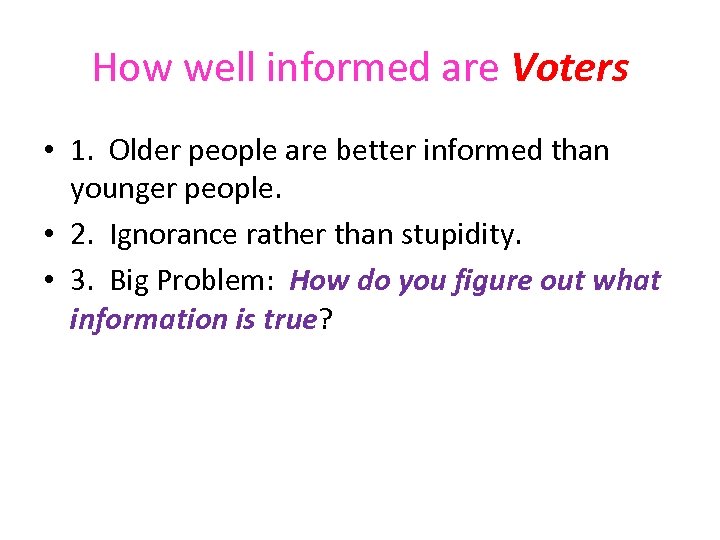 How well informed are Voters • 1. Older people are better informed than younger people. • 2. Ignorance rather than stupidity. • 3. Big Problem: How do you figure out what information is true?
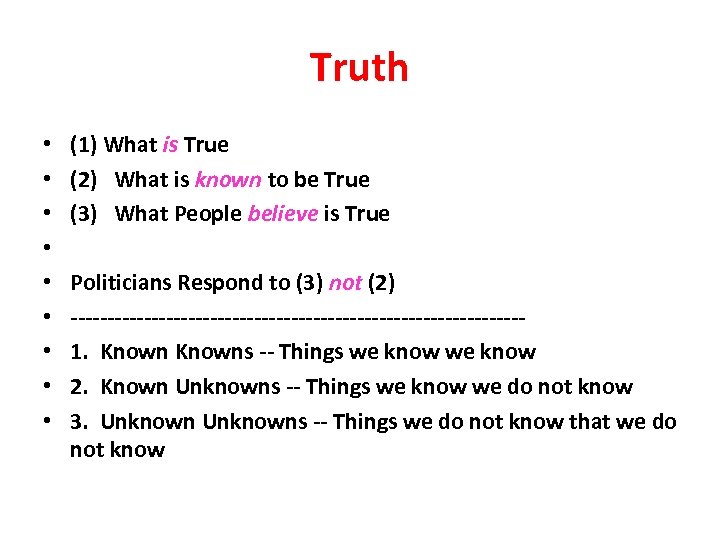 Truth • • • (1) What is True (2) What is known to be True (3) What People believe is True Politicians Respond to (3) not (2) -------------------------------1. Knowns -- Things we know 2. Known Unknowns -- Things we know we do not know 3. Unknowns -- Things we do not know that we do not know
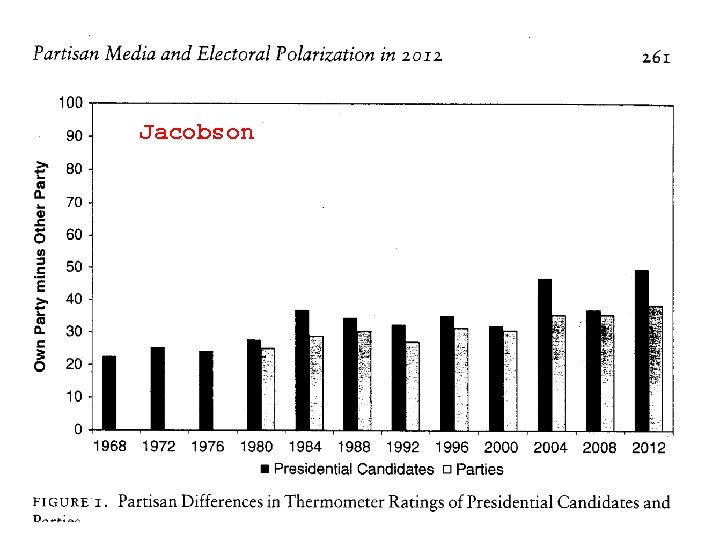 Jacobson
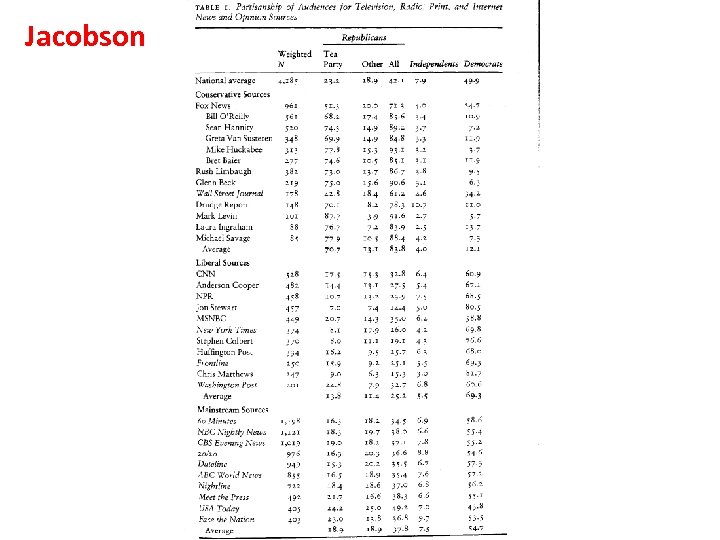 Jacobson
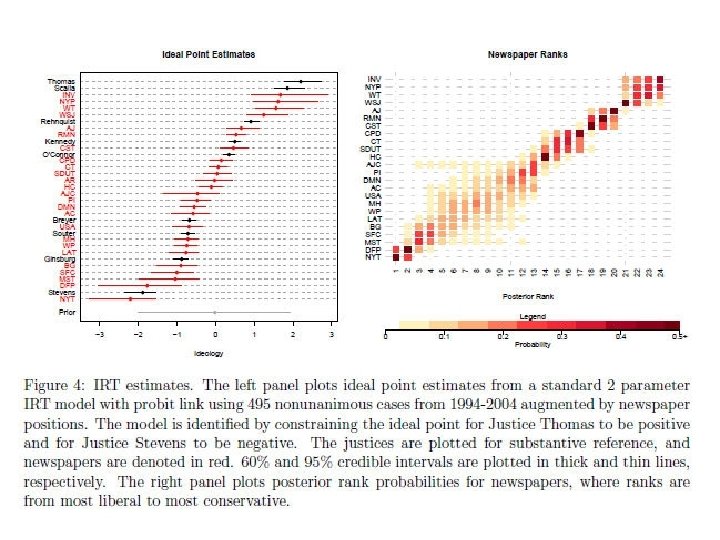
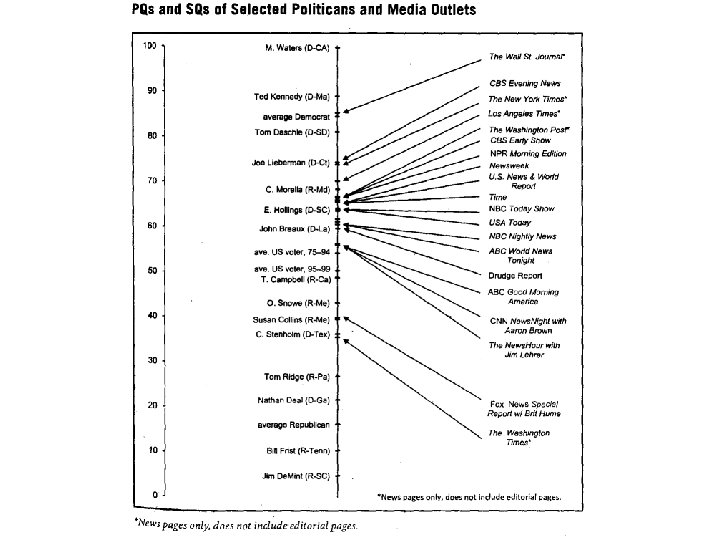
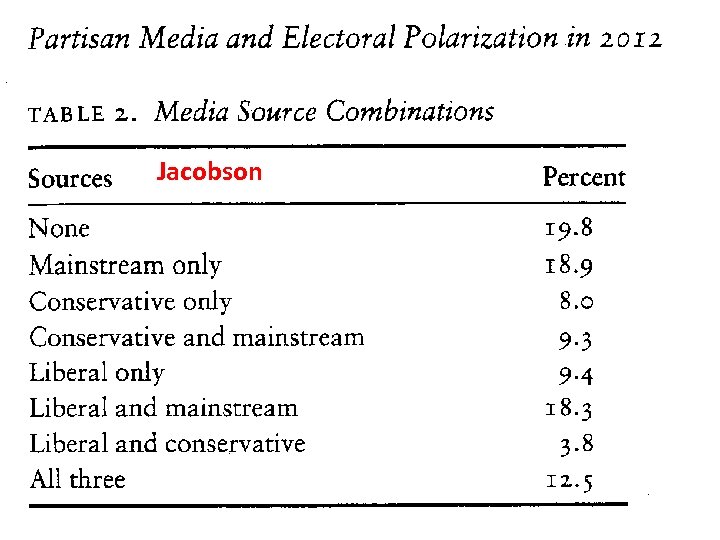
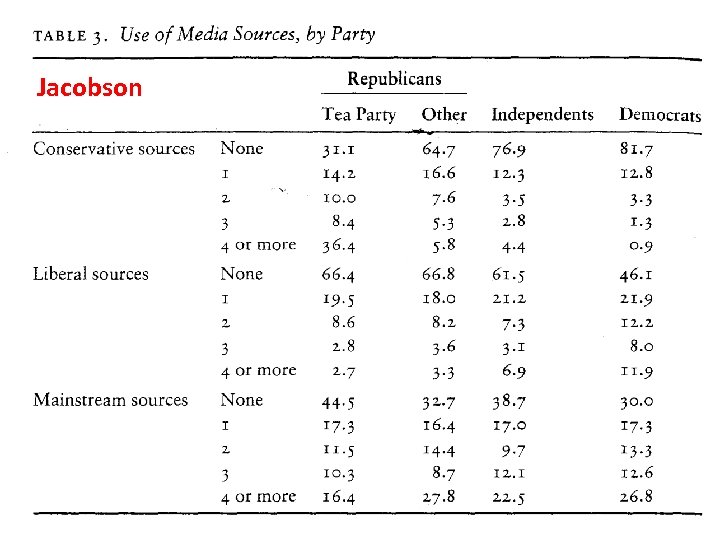
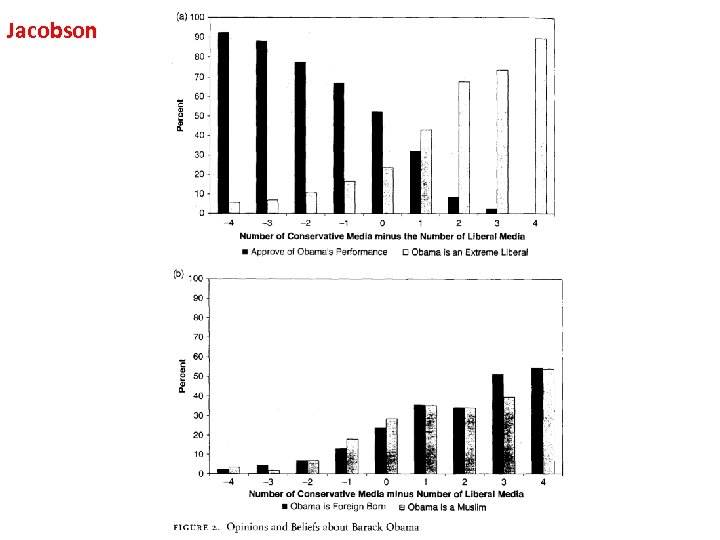
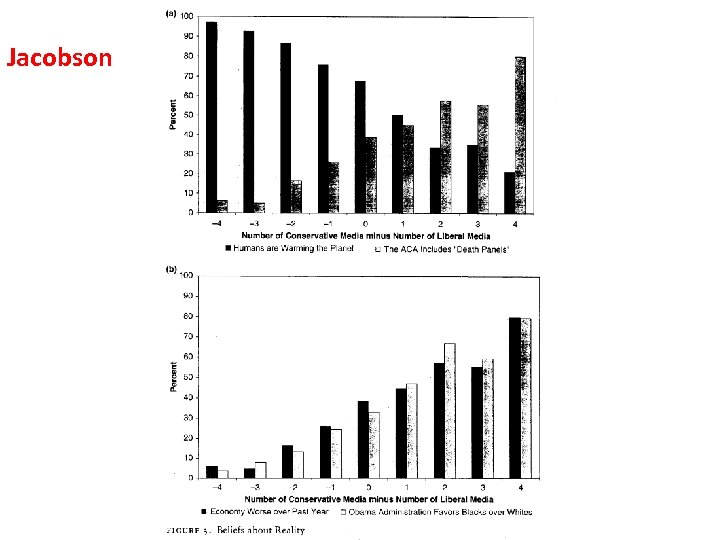
 Is “Mainstream” (“Establishment”) News Ideologically Neutral? • 1. Editorials (probably not). • 2. News Articles (supposed to be neutral but the topic is intensely controversial).
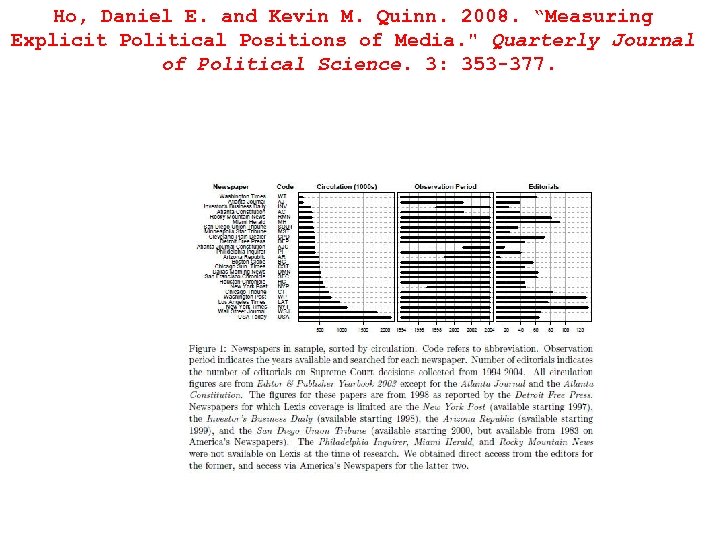 Ho, Daniel E. and Kevin M. Quinn. 2008. “Measuring Explicit Political Positions of Media. " Quarterly Journal of Political Science. 3: 353 -377.
 Jacobson
 Jacobson
 Jacobson
 Jacobson
 Jacobson
 Jacobson
 Jacobson
 Jacobson
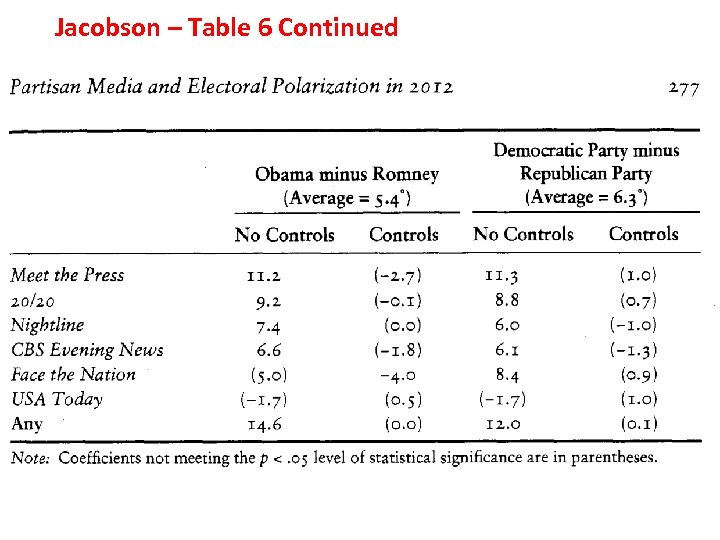 Jacobson – Table 6 Continued
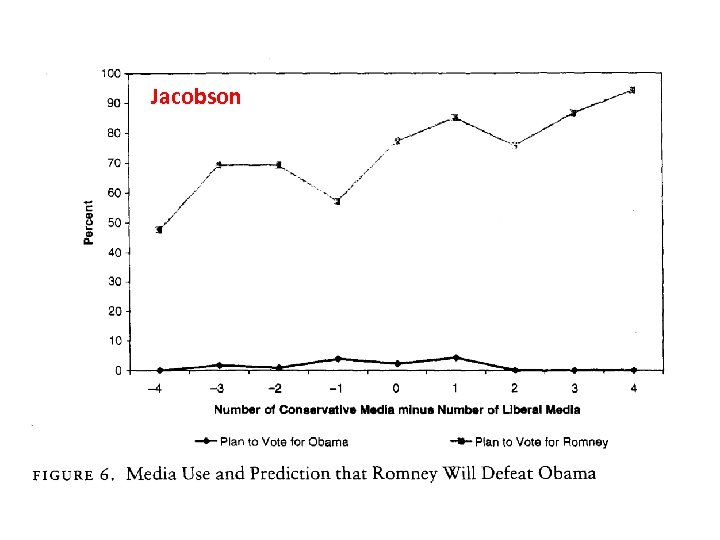 Jacobson
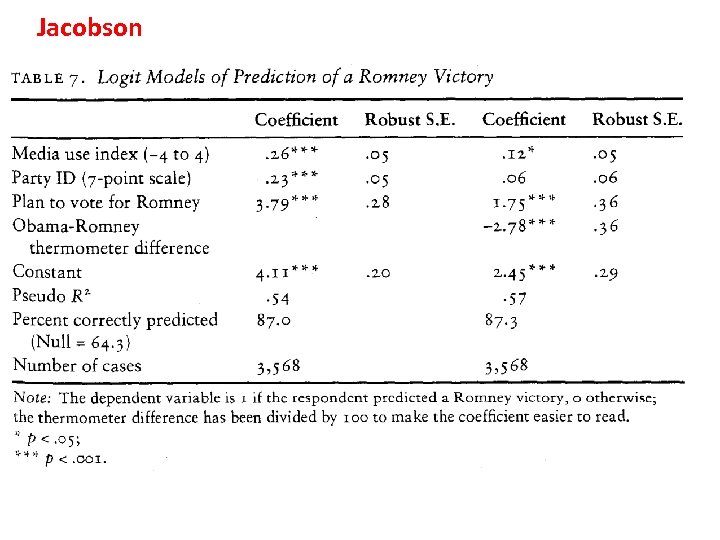 Jacobson
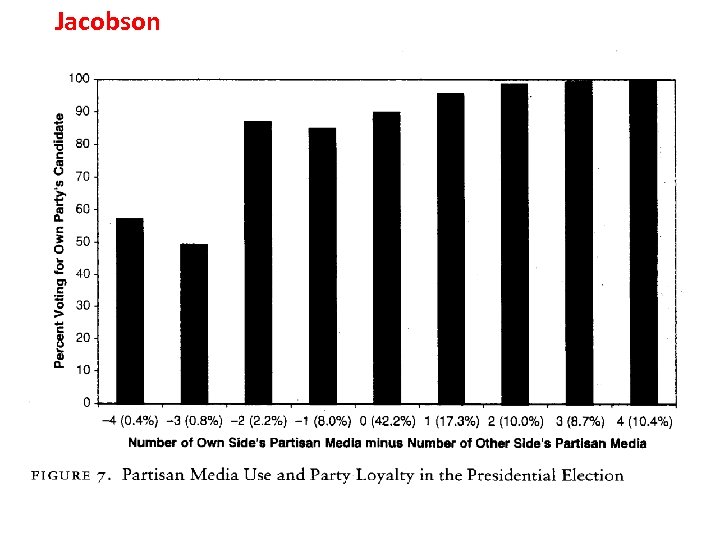 Jacobson
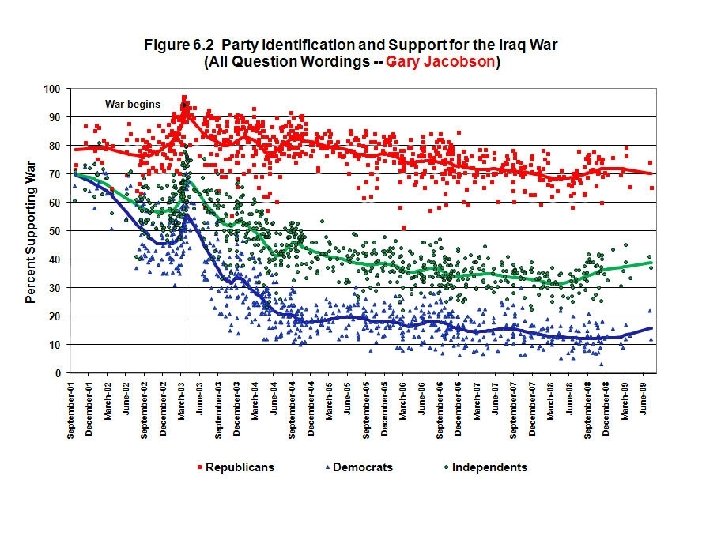
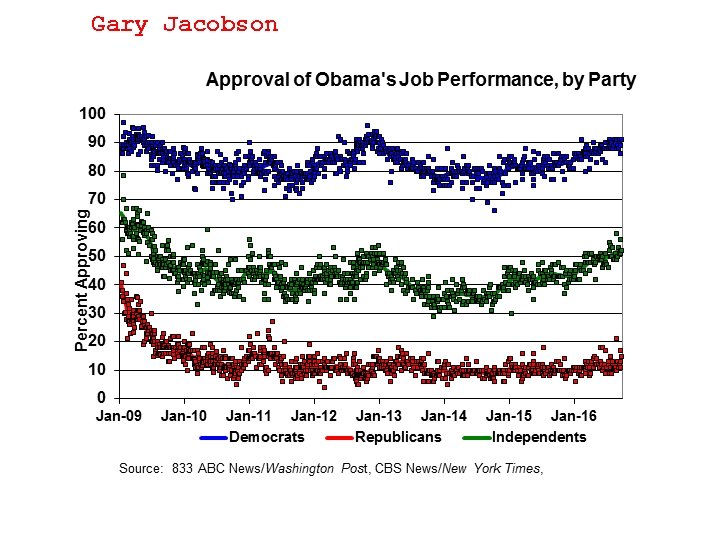 Gary Jacobson
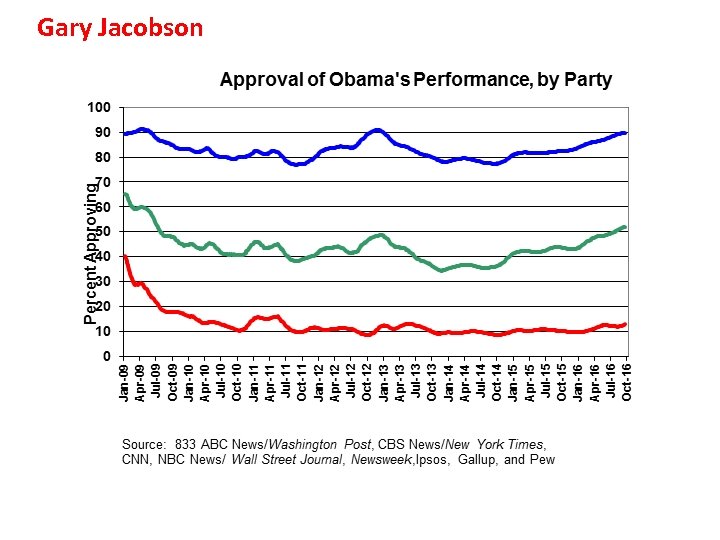 Gary Jacobson
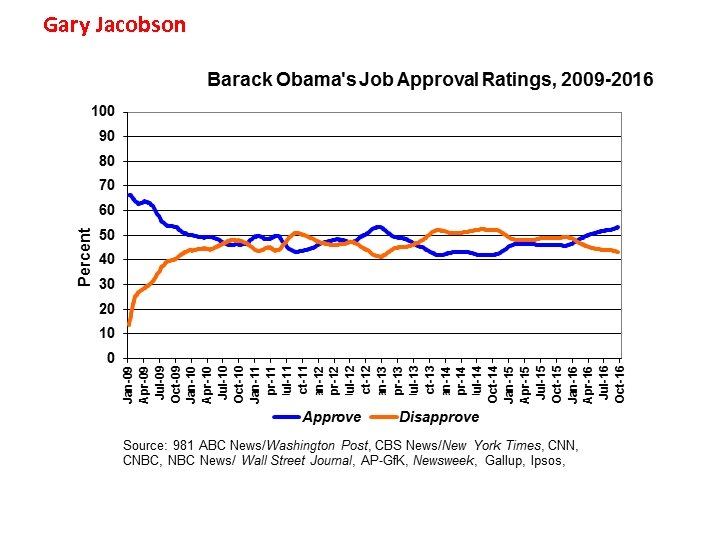 Gary Jacobson
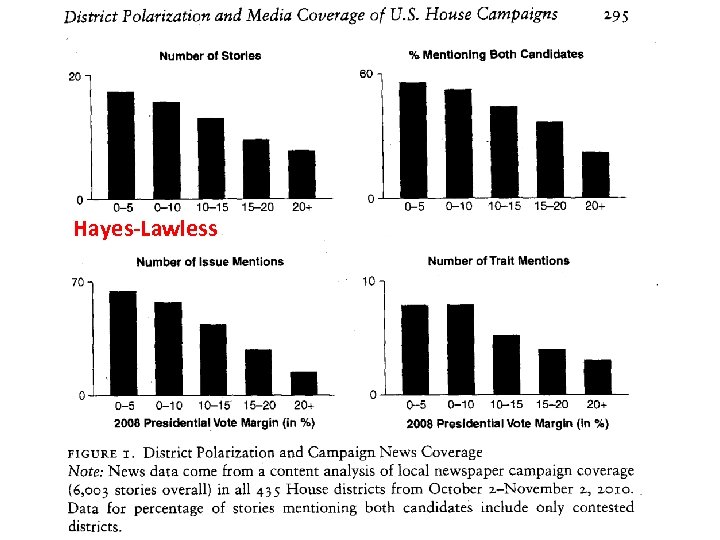
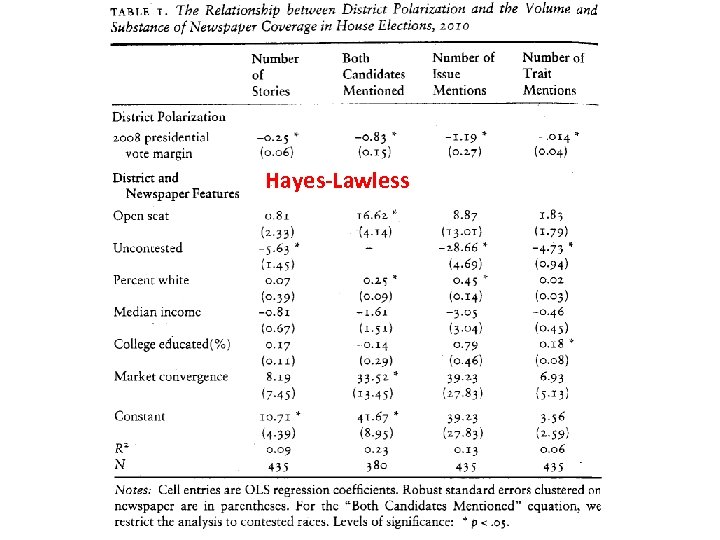
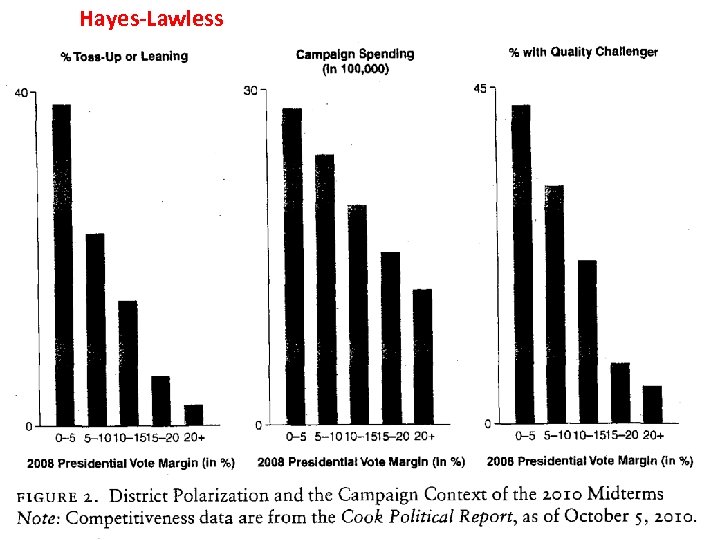
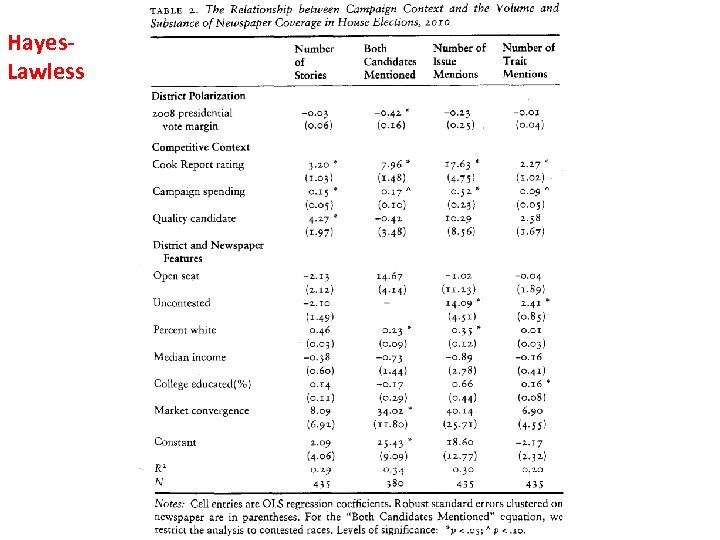
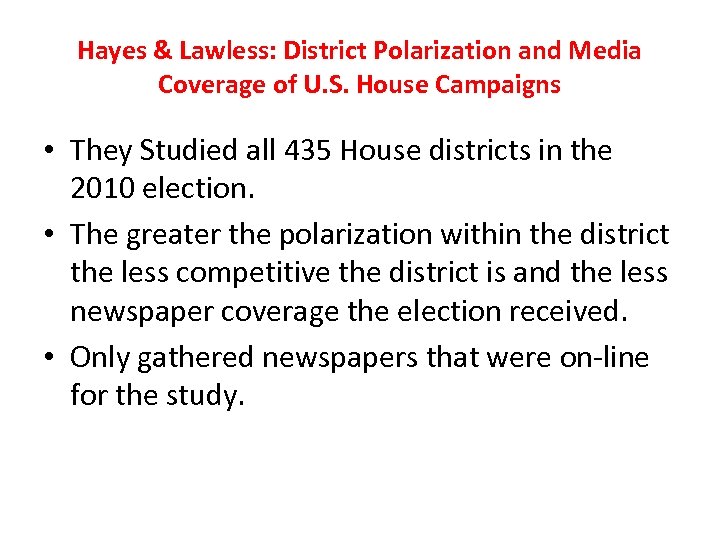 Hayes & Lawless: District Polarization and Media Coverage of U. S. House Campaigns • They Studied all 435 House districts in the 2010 election. • The greater the polarization within the district the less competitive the district is and the less newspaper coverage the election received. • Only gathered newspapers that were on-line for the study.
 Hayes-Lawless
 Hayes-Lawless
 Hayes-Lawless
 Hayes. Lawless
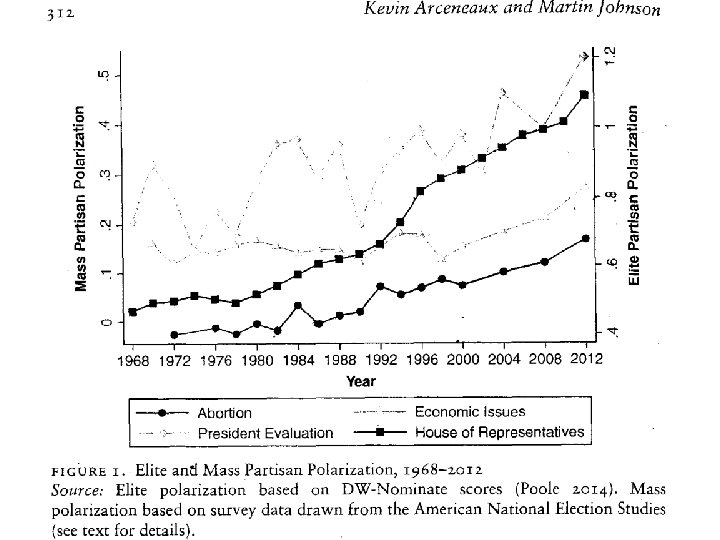
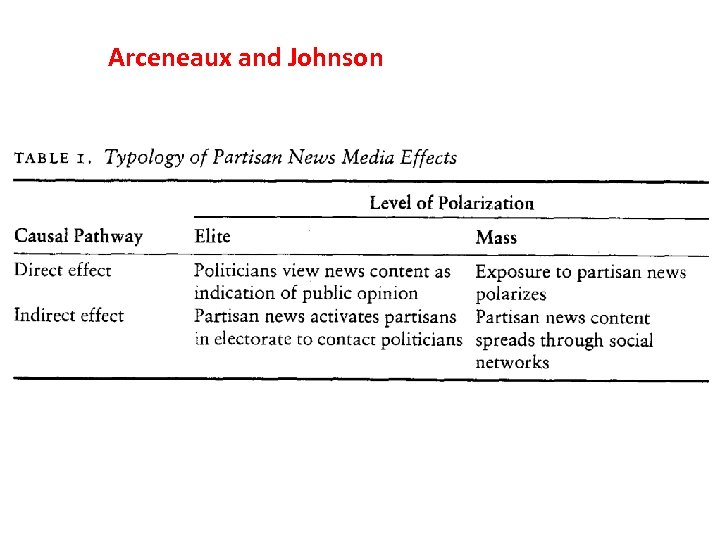
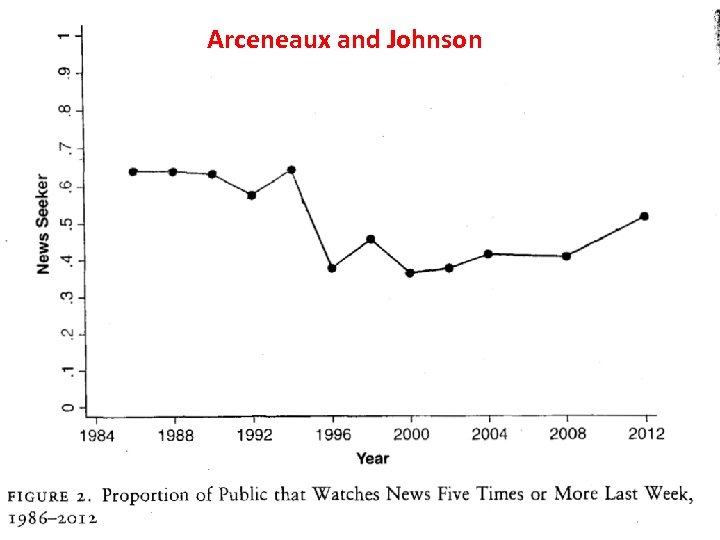
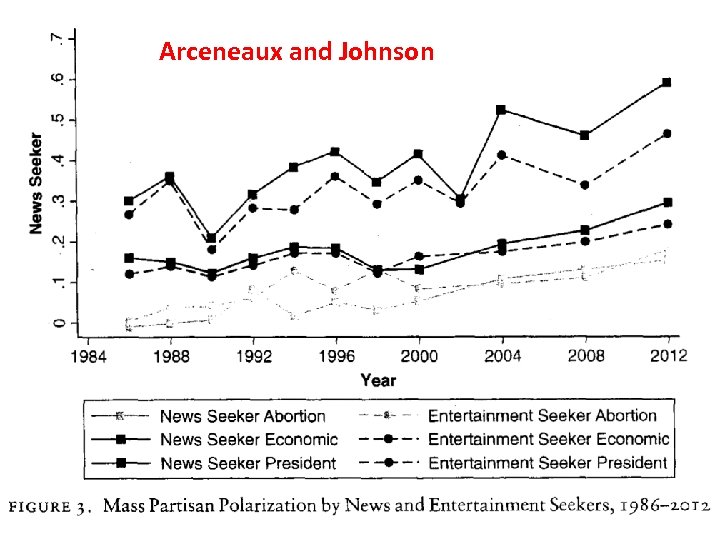
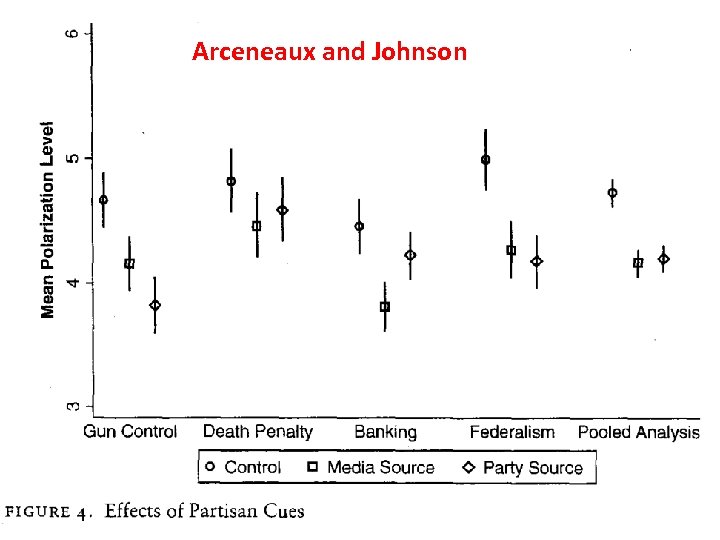
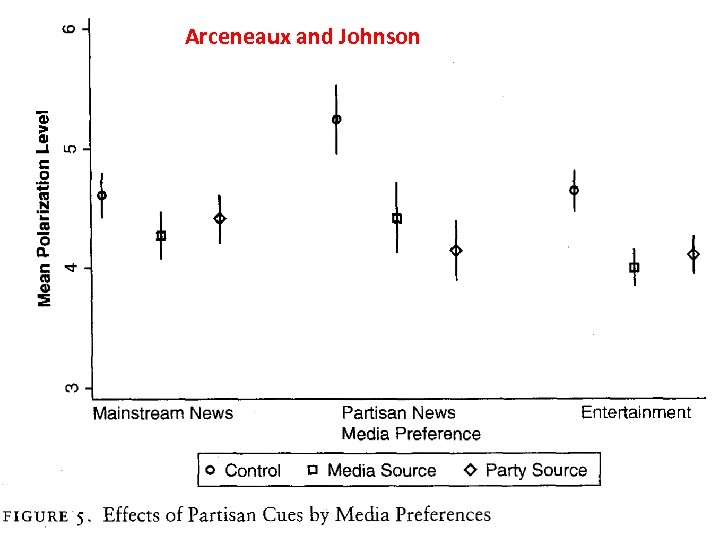
 Arceneaux and Johnson: Polarization and Partisan News Media in America • 1. “Partisan news media are more likely a symptom of a polarized party system than a cause. ” (cf. MPR, Chapter 3, p. 97, mass polarization follows elite polarization) • 2. Strong Affective Polarization. Partisans intensely dislike members of the opposite Party. • 3. “Polarization at the elite and the mass levels is real. ”
 Arceneaux and Johnson (continued) • 4. “Partisan polarization at the elite level began well in advance of Fox News’ debut” (see graphs by Poole & Rosenthal). • 5. “News Media, including mainstream and partisan outlets, are megaphones more than motivators of partisan polarization. ”
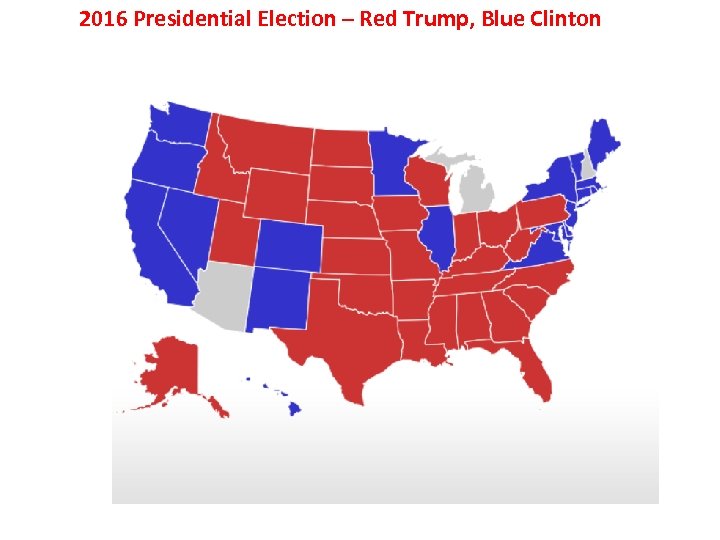 2016 Presidential Election – Red Trump, Blue Clinton
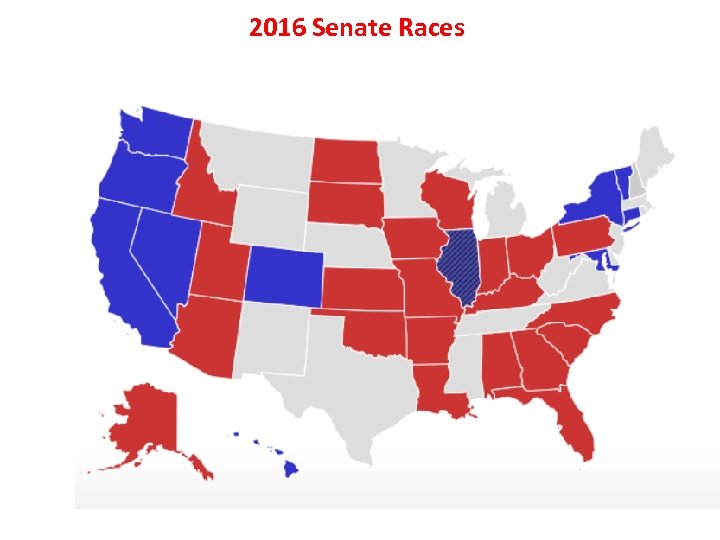 2016 Senate Races
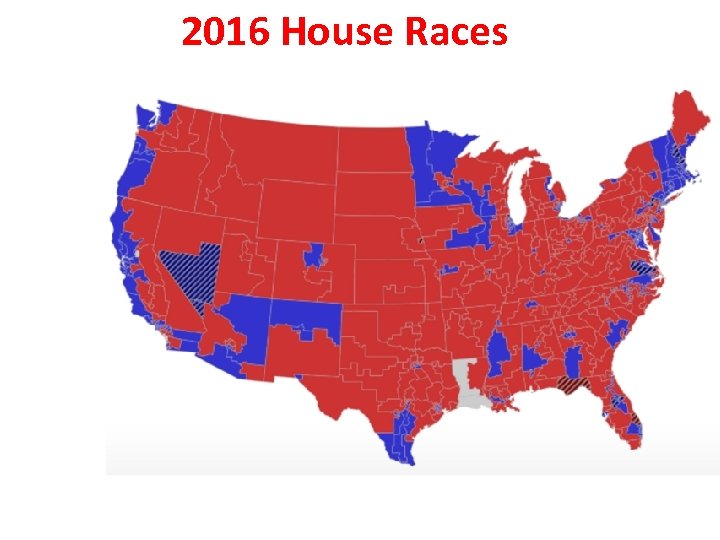 2016 House Races
 Arceneaux and Johnson
 Arceneaux and Johnson
 Arceneaux and Johnson
 Arceneaux and Johnson
 Arceneaux and Johnson
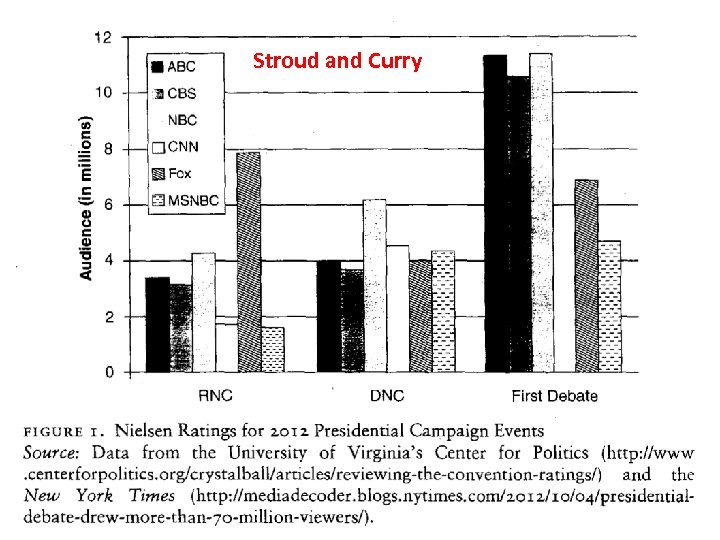
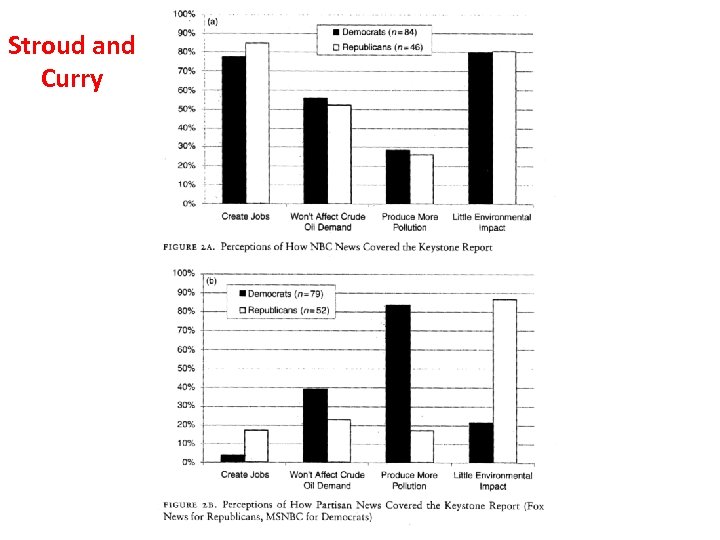
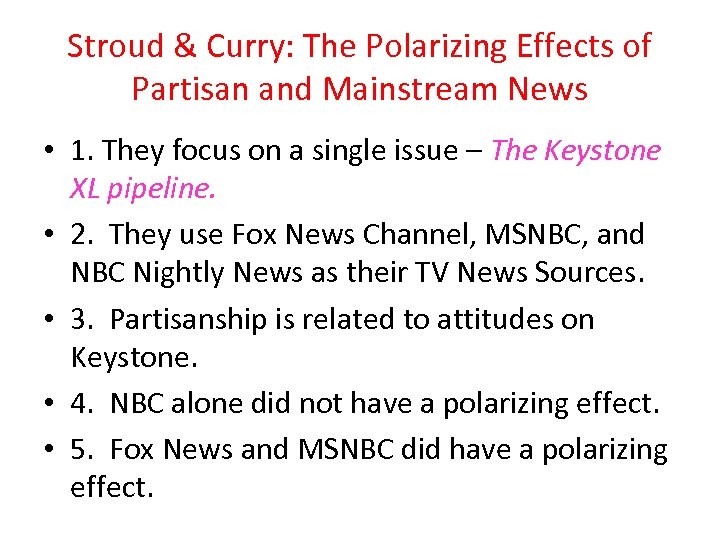 Stroud & Curry: The Polarizing Effects of Partisan and Mainstream News • 1. They focus on a single issue – The Keystone XL pipeline. • 2. They use Fox News Channel, MSNBC, and NBC Nightly News as their TV News Sources. • 3. Partisanship is related to attitudes on Keystone. • 4. NBC alone did not have a polarizing effect. • 5. Fox News and MSNBC did have a polarizing effect.
 Stroud and Curry
 Stroud and Curry
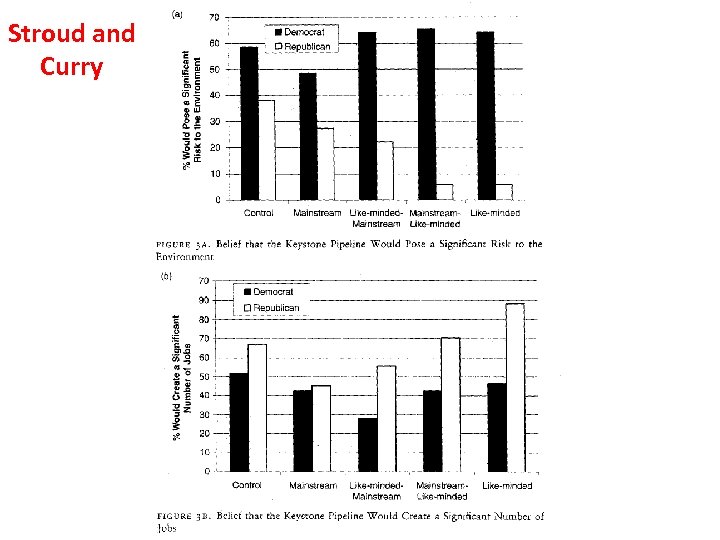 Stroud and Curry
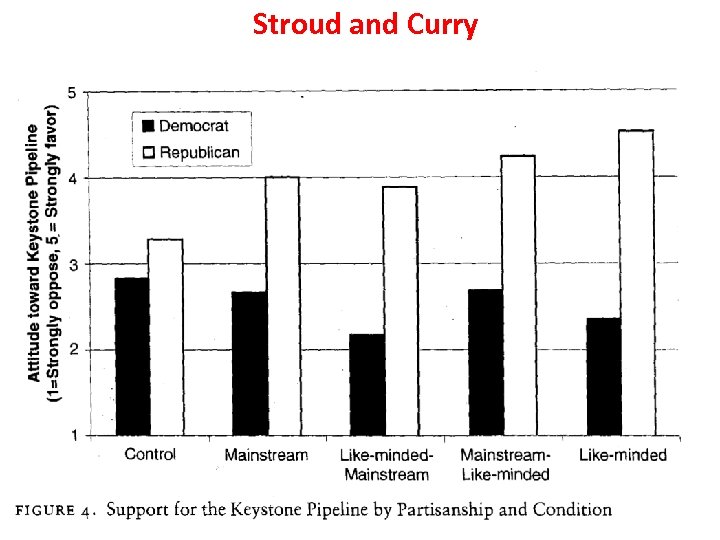 Stroud and Curry