 Скачать презентацию ALT webinar Don t Lecture Me Donald Clark 18
ad6e066e4594845cd8839a9cd4934e6b.ppt
- Количество слайдов: 28



ALT webinar Don't Lecture Me Donald Clark 18 January 2011 Webinar presentation URL: http: //repository. alt. ac. uk/874/ This is available under a Creative Commons Licence via the ALT Open Access Repository.
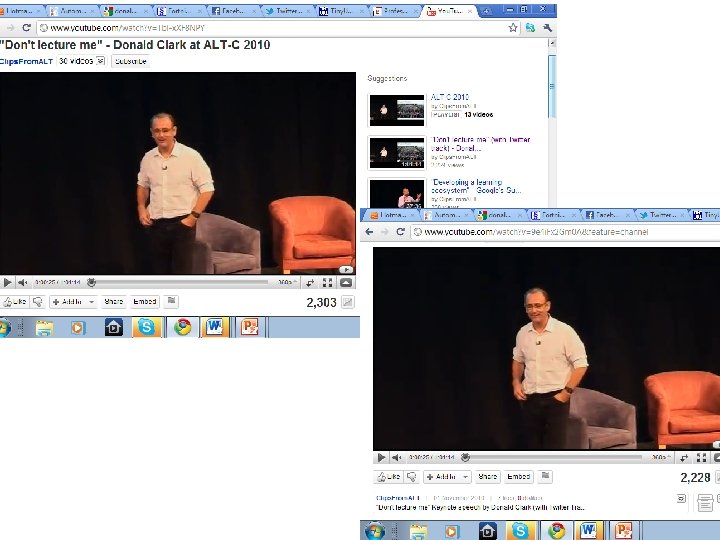
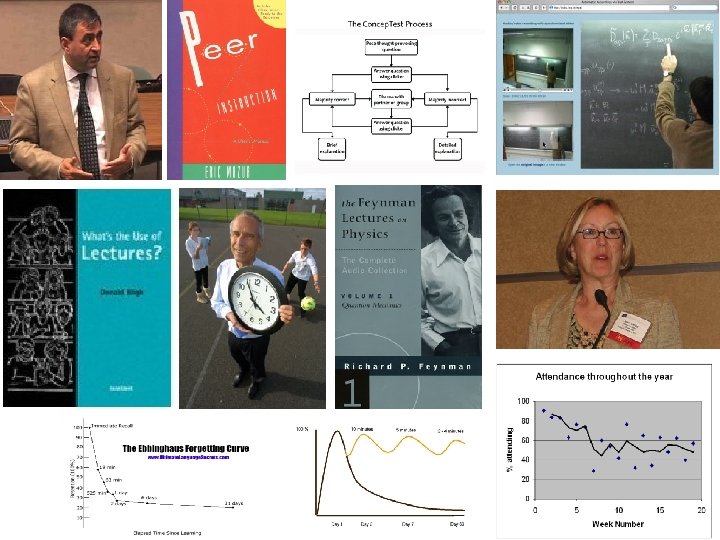
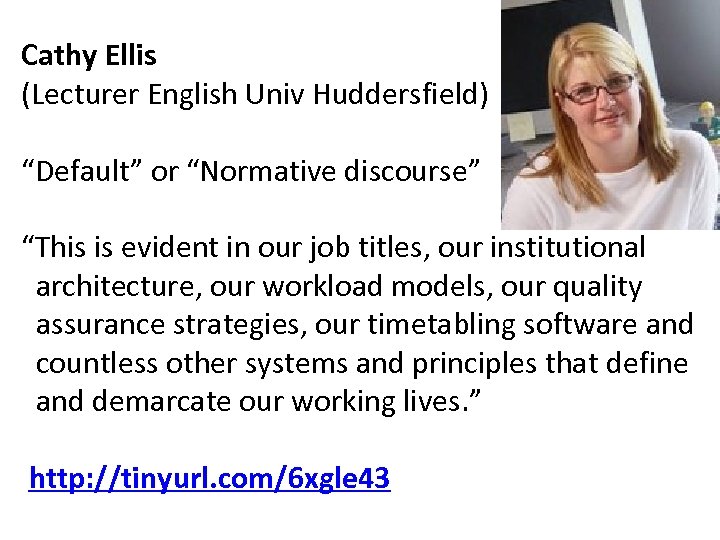
Cathy Ellis (Lecturer English Univ Huddersfield) “Default” or “Normative discourse” “This is evident in our job titles, our institutional architecture, our workload models, our quality assurance strategies, our timetabling software and countless other systems and principles that define and demarcate our working lives. ” http: //tinyurl. com/6 xgle 43
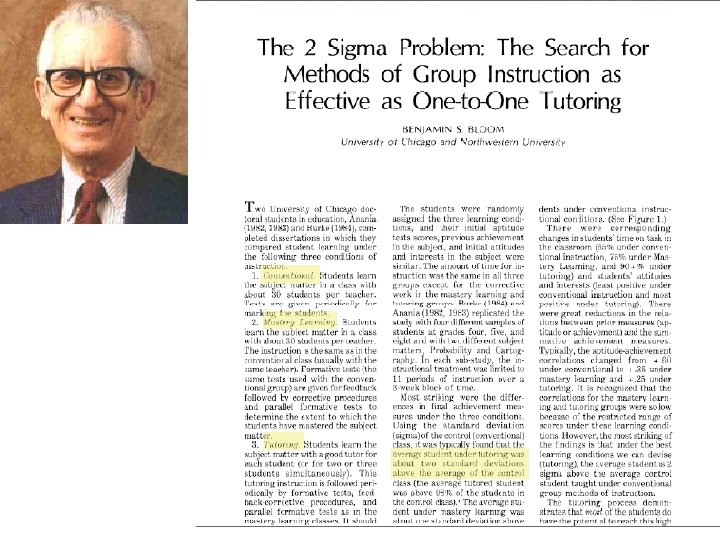
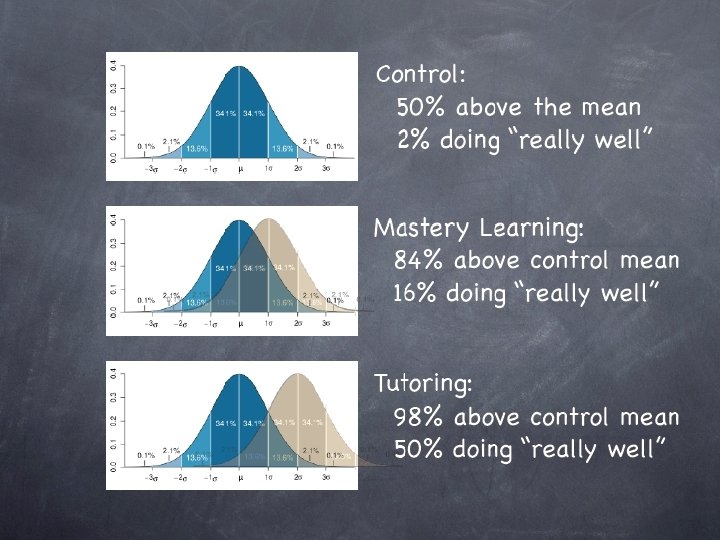
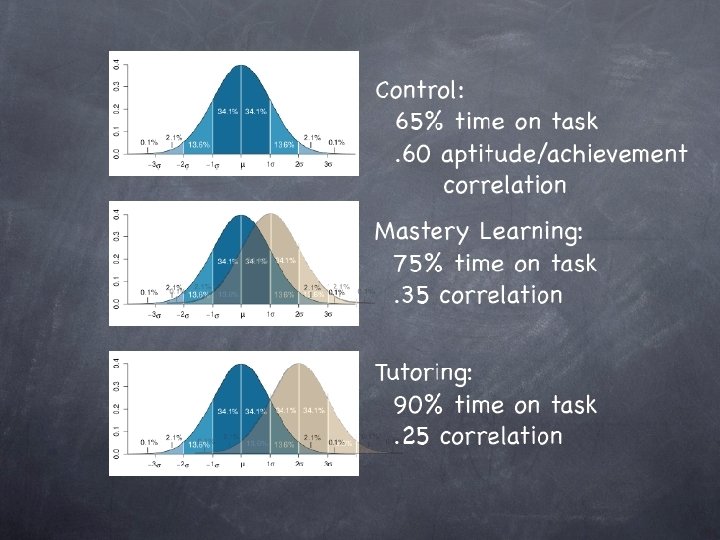

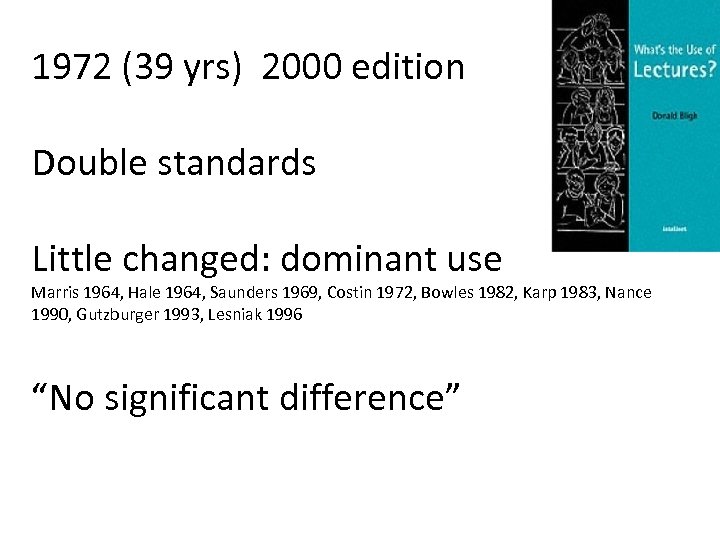
1972 (39 yrs) 2000 edition Double standards Little changed: dominant use Marris 1964, Hale 1964, Saunders 1969, Costin 1972, Bowles 1982, Karp 1983, Nance 1990, Gutzburger 1993, Lesniak 1996 “No significant difference”
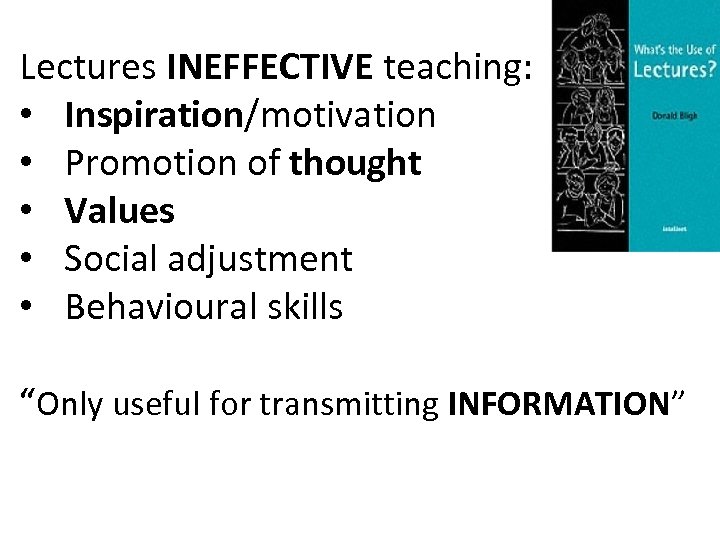
Lectures INEFFECTIVE teaching: • Inspiration/motivation • Promotion of thought • Values • Social adjustment • Behavioural skills “Only useful for transmitting INFORMATION”
If ‘no significant difference’ Go for cheaper options Lectures are expensive
Twenty Terrible Reasons for Lecturing Graham Gibbs (1981) http: //www. brookes. ac. uk/services/ocsd/2_learntch/20 reasons. html Does it give students a rich and rewarding educational experience? NO
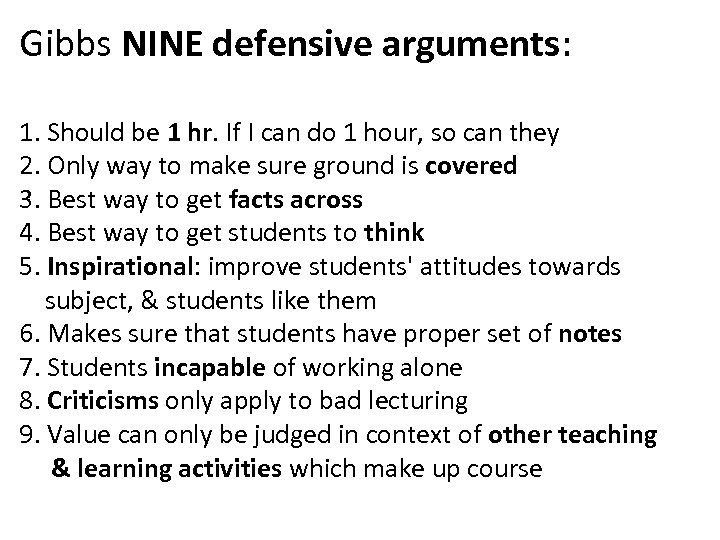
Gibbs NINE defensive arguments: 1. Should be 1 hr. If I can do 1 hour, so can they 2. Only way to make sure ground is covered 3. Best way to get facts across 4. Best way to get students to think 5. Inspirational: improve students' attitudes towards subject, & students like them 6. Makes sure that students have proper set of notes 7. Students incapable of working alone 8. Criticisms only apply to bad lecturing 9. Value can only be judged in context of other teaching & learning activities which make up course
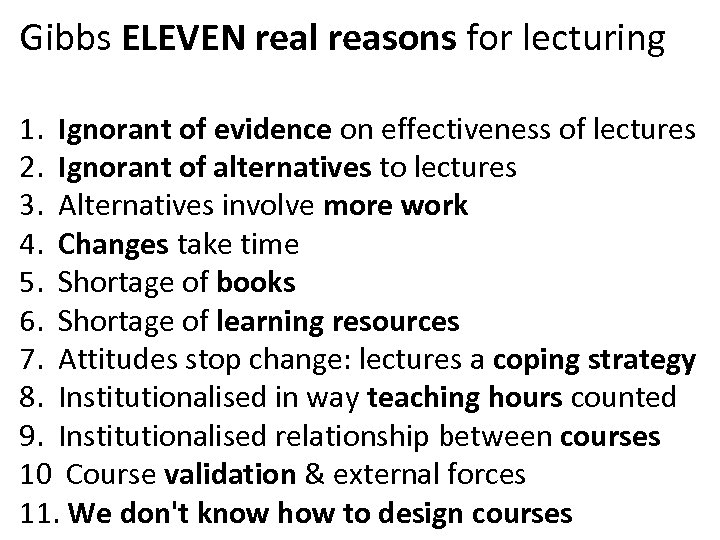
Gibbs ELEVEN real reasons for lecturing 1. Ignorant of evidence on effectiveness of lectures 2. Ignorant of alternatives to lectures 3. Alternatives involve more work 4. Changes take time 5. Shortage of books 6. Shortage of learning resources 7. Attitudes stop change: lectures a coping strategy 8. Institutionalised in way teaching hours counted 9. Institutionalised relationship between courses 10 Course validation & external forces 11. We don't know how to design courses
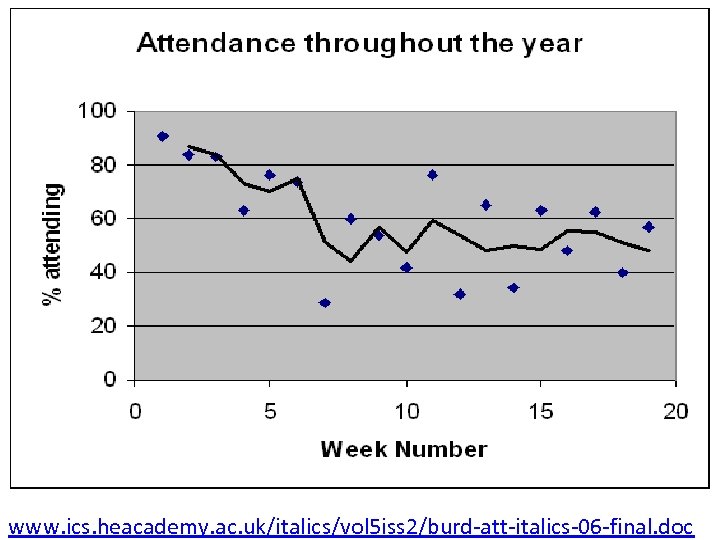
www. ics. heacademy. ac. uk/italics/vol 5 iss 2/burd-att-italics-06 -final. doc
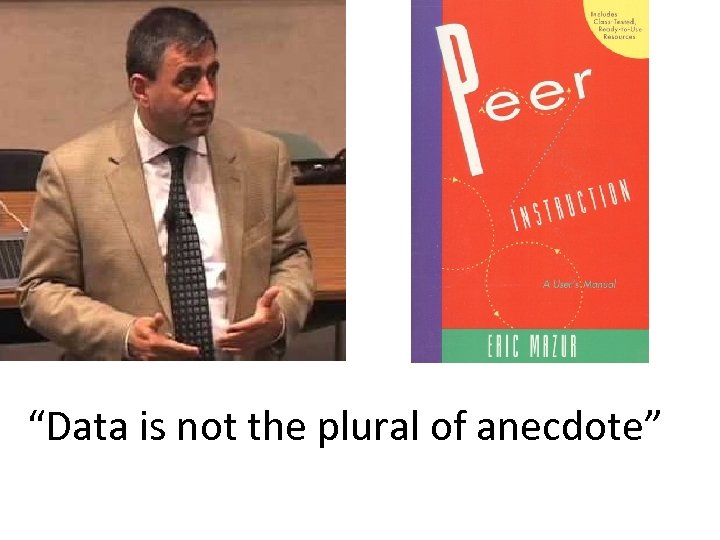
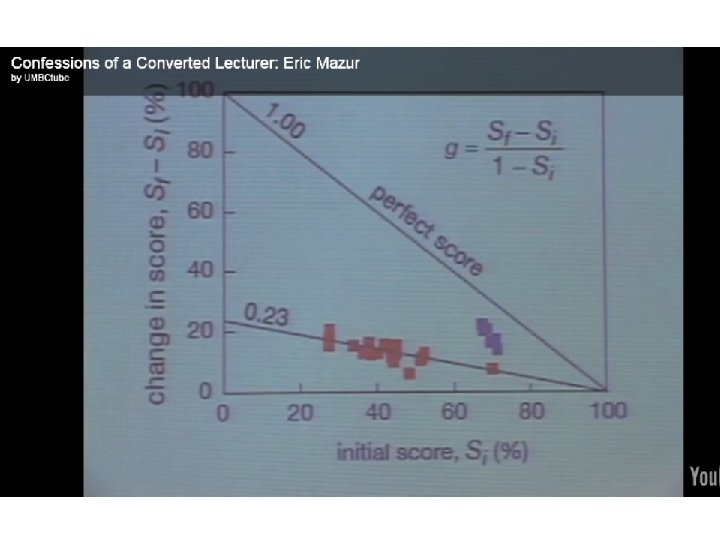
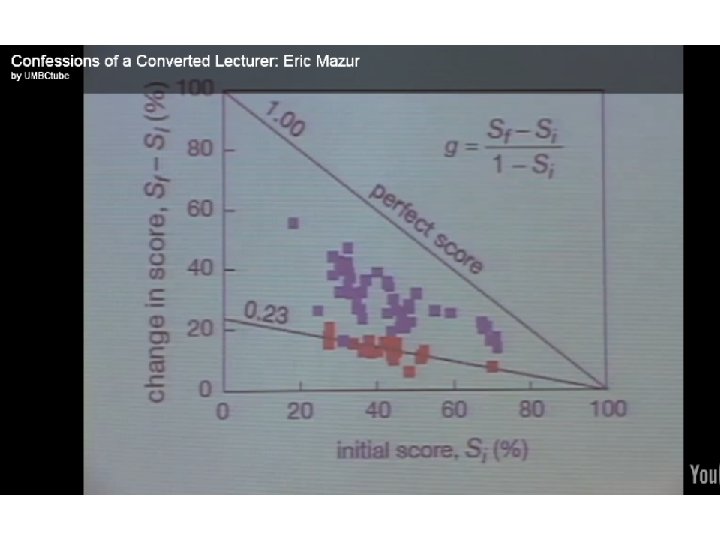
“Data is not the plural of anecdote”
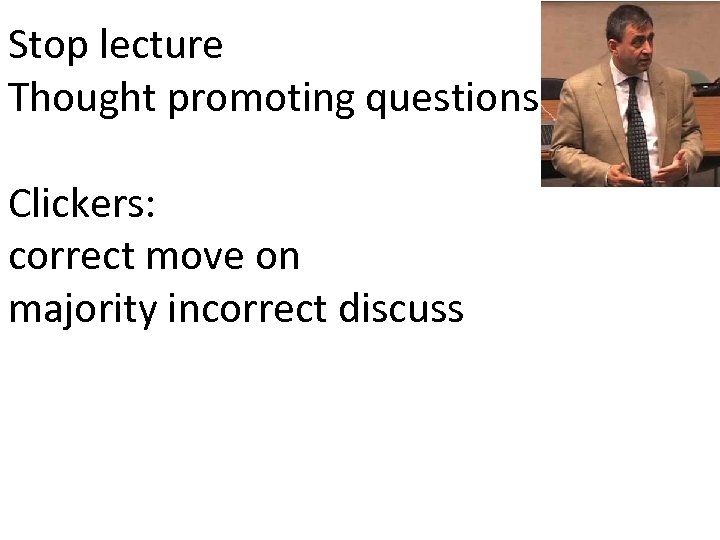
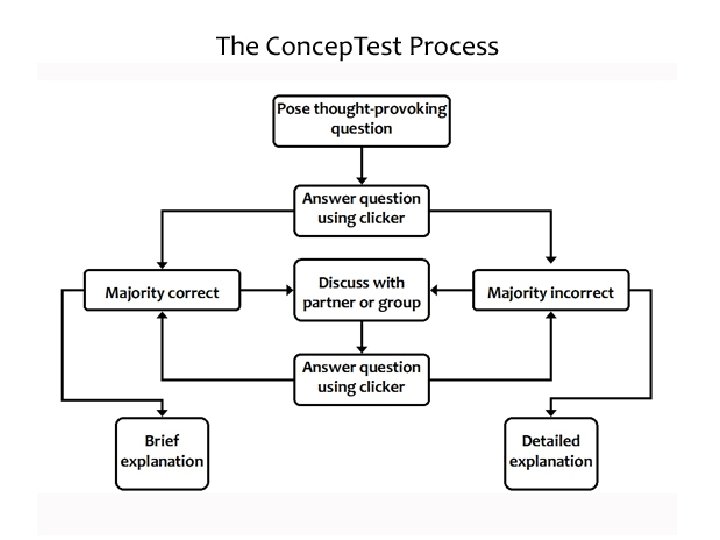
Stop lecture Thought promoting questions Clickers: correct move on majority incorrect discuss
http: //fm. schmoller. net/2010/05/data-is-not-the-plural-ofanecdote-eric-mazur-talks-about-how-to-improve-largegroup-learning. html http: //www. nature. com/nature/journal/v 425/n 6955/full/42 5234 a. html
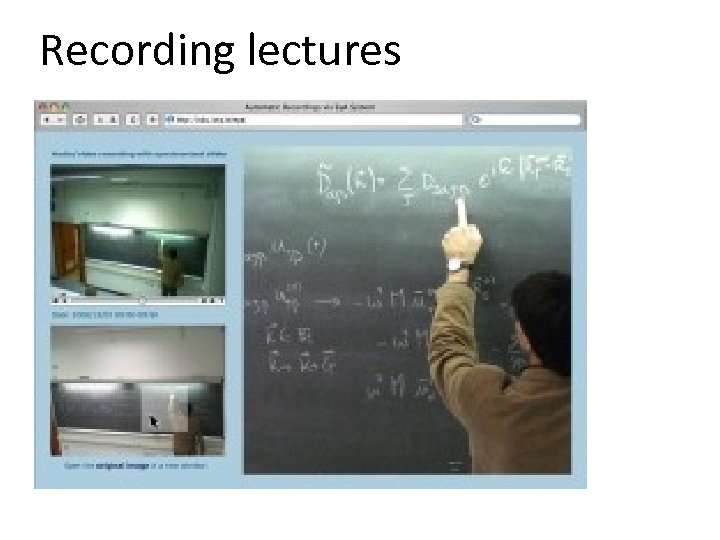
Recording lectures
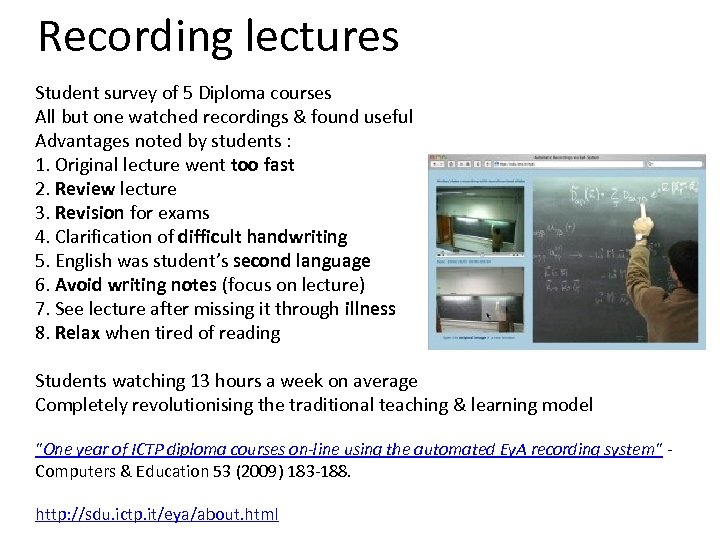
Recording lectures Student survey of 5 Diploma courses All but one watched recordings & found useful Advantages noted by students : 1. Original lecture went too fast 2. Review lecture 3. Revision for exams 4. Clarification of difficult handwriting 5. English was student’s second language 6. Avoid writing notes (focus on lecture) 7. See lecture after missing it through illness 8. Relax when tired of reading Students watching 13 hours a week on average Completely revolutionising the traditional teaching & learning model "One year of ICTP diploma courses on-line using the automated Ey. A recording system" - Computers & Education 53 (2009) 183 -188. http: //sdu. ictp. it/eya/about. html
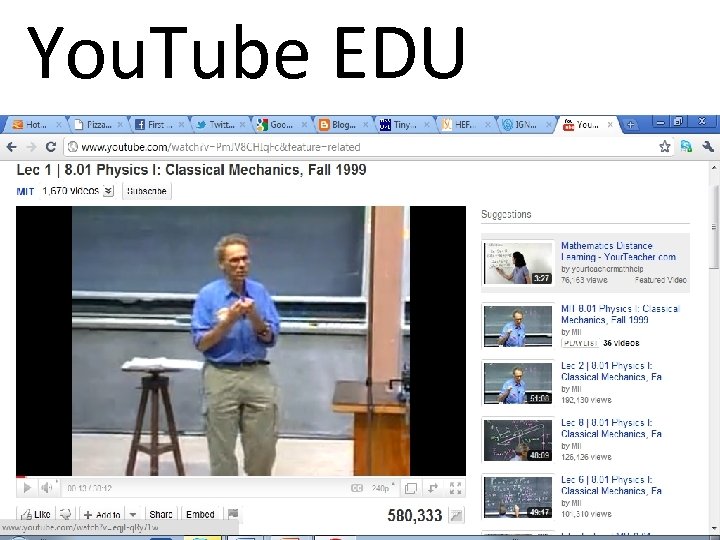
You. Tube EDU
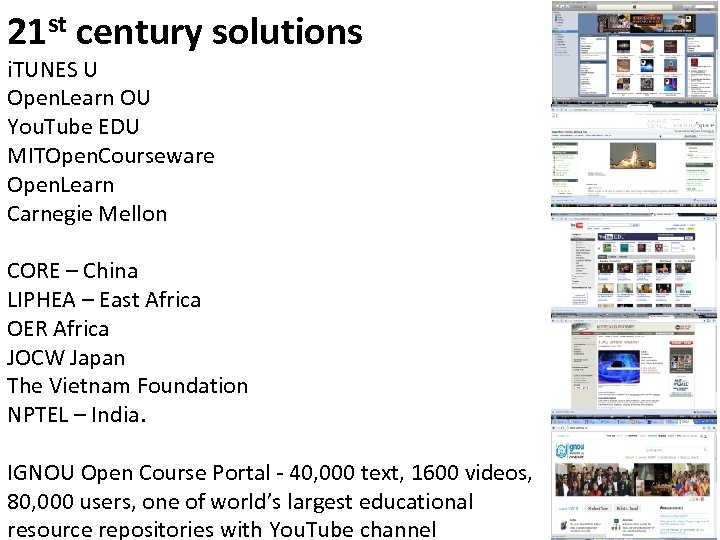
21 st century solutions i. TUNES U Open. Learn OU You. Tube EDU MITOpen. Courseware Open. Learn Carnegie Mellon CORE – China LIPHEA – East Africa OER Africa JOCW Japan The Vietnam Foundation NPTEL – India. IGNOU Open Course Portal - 40, 000 text, 1600 videos, 80, 000 users, one of world’s largest educational resource repositories with You. Tube channel
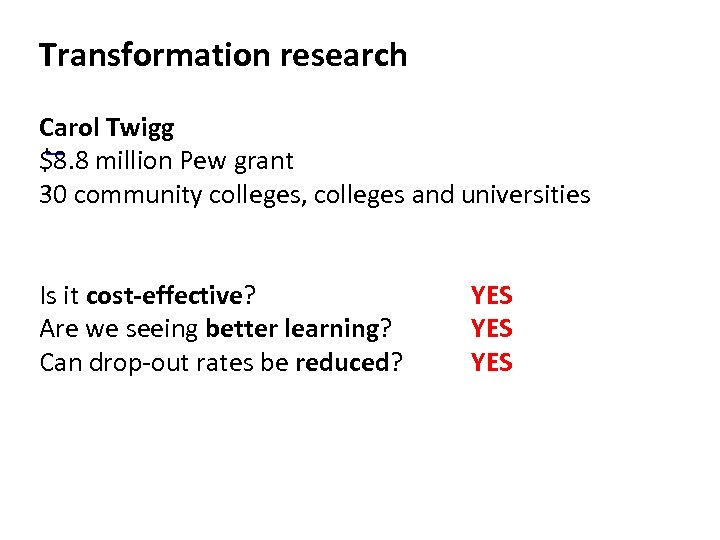
Transformation research Carol Twigg $8. 8 million Pew grant 30 community colleges, colleges and universities Is it cost-effective? Are we seeing better learning? Can drop-out rates be reduced? YES YES
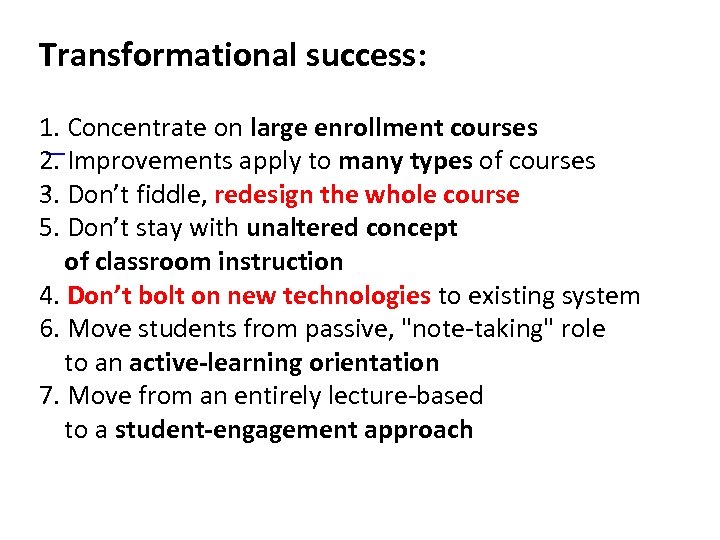
Transformational success: 1. Concentrate on large enrollment courses 2. Improvements apply to many types of courses 3. Don’t fiddle, redesign the whole course 5. Don’t stay with unaltered concept of classroom instruction 4. Don’t bolt on new technologies to existing system 6. Move students from passive, "note-taking" role to an active-learning orientation 7. Move from an entirely lecture-based to a student-engagement approach
Email donald. clark@hotmail. co. uk Blog http: //donaldclarkplanb. blogspot. com/ Twitter @donaldclark Facebook Donald. Clark
Скачать презентацию ALT webinar Don t Lecture Me Donald Clark 18
ad6e066e4594845cd8839a9cd4934e6b.ppt