 Скачать презентацию AI This project is co-funded by the European
94ffb9f00431010dceba6e828f4cf2c2.ppt
- Количество слайдов: 23



AI This project is co-funded by the European Union Active Inclusion Funding programme – DG Employment, Social Affairs and Inclusion 1 st June 2013 – 30 th May 2015 Project Manager: Craig Georgiou
Contents: • NOMS • Background • Project Summary • Partners • Project Delivery • Plan and Timeline • Risks • Main products and outputs • Final comments
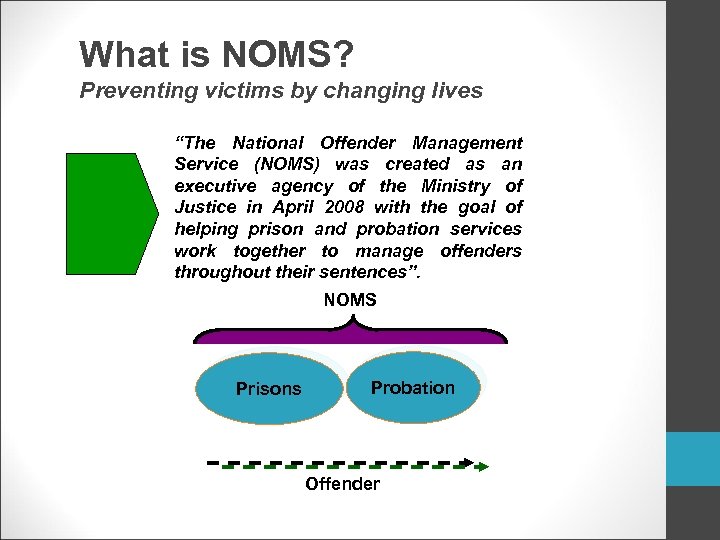
What is NOMS? Preventing victims by changing lives “The National Offender Management Service (NOMS) was created as an executive agency of the Ministry of Justice in April 2008 with the goal of helping prison and probation services work together to manage offenders throughout their sentences”. NOMS Prisons Probation Offender
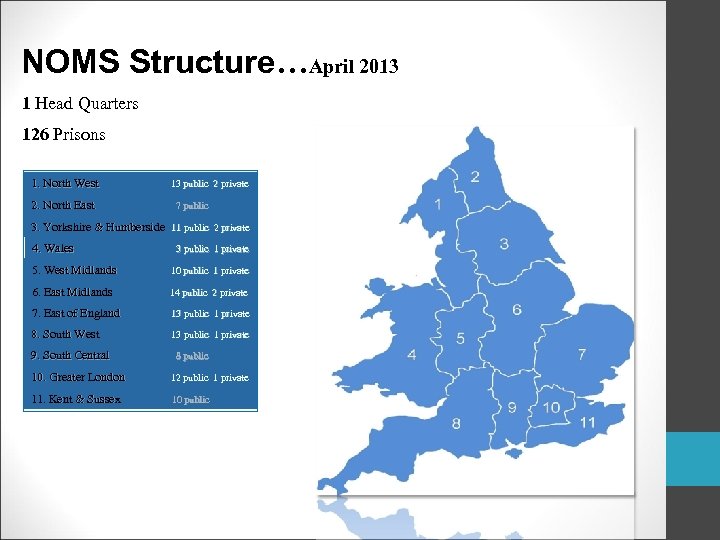
NOMS Structure…April 2013 1 Head Quarters 126 Prisons 1. North West 2. North East 13 public 2 private 7 public 3. Yorkshire & Humberside 11 public 2 private 4. Wales 3 public 1 private 5. West Midlands 10 public 1 private 6. East Midlands 14 public 2 private 7. East of England 13 public 1 private 8. South West 13 public 1 private 9. South Central 8 public 10. Greater London 12 public 1 private 11. Kent & Sussex 10 public
Challenges? • • • Less Resources Growing Workload Prisons at or beyond full capacity Structural change Strong Focus on, and public expectation of: • Effectiveness • Assessment, end to end Offender Management, Interventions • Value for Money • Specification, Costing and Benchmarking • Payment by Results • Work with partners at local level • Statutory, Voluntary & Private Sectors, Volunteers, Social Enterprises
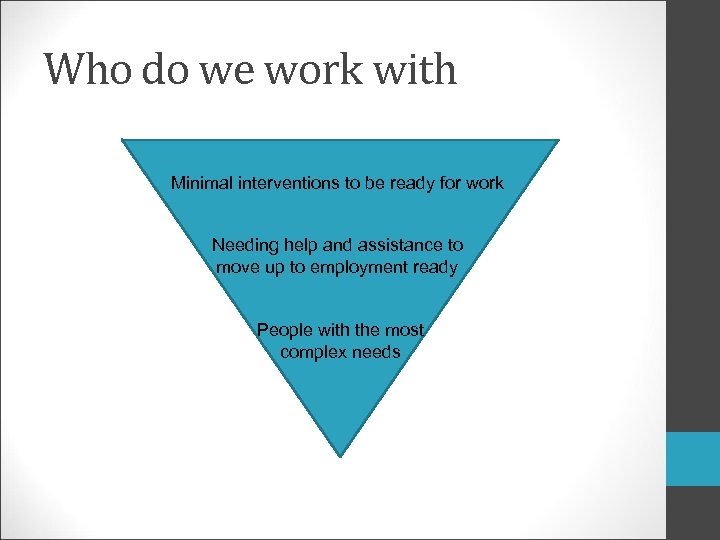
Background • Ex. OCo. P (Ex-Offenders Community of Practice) • Madrid • Birmingham City Council, (outsourced monitors from DWP) • Excluded from work and mainstream society • Vulnerable groups • Dispossessed Youth • Troubled families • Marginalised Communities
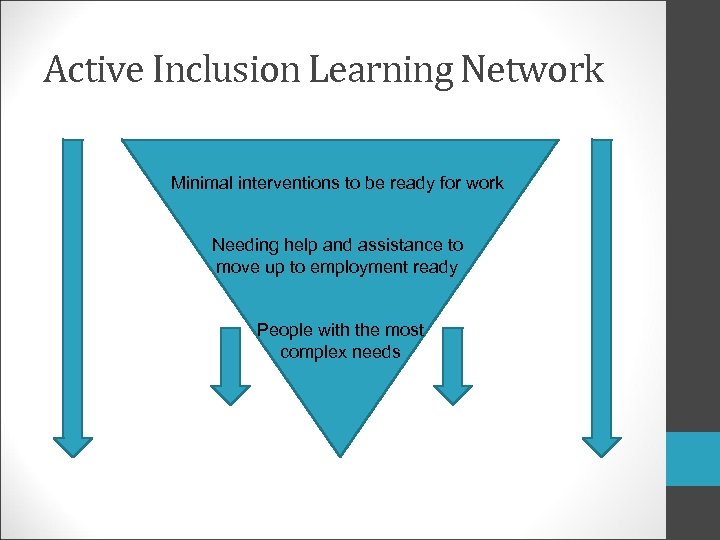
Project Summary • Support • Bringing together experts • Guide to employment • Identify tools • Increase integration into mainstream society • Find and Maintain employment • Confidence • Inform Management Authorities • A platform to meet discus and examine ideas
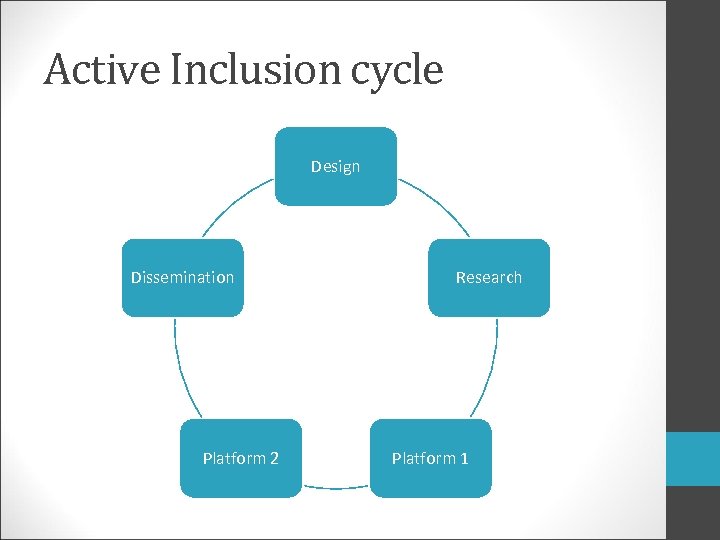
Active Inclusion cycle Design Dissemination Platform 2 Research Platform 1
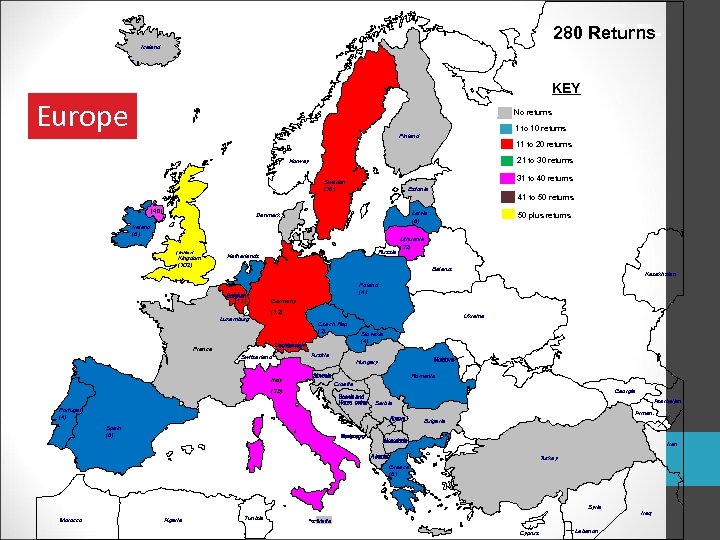
280 Returns Iceland KEY Europe No returns 1 to 10 returns Finland 11 to 20 returns 21 to 30 returns Norway 31 to 40 returns Sweden (16) Estonia 41 to 50 returns (40) Latvia (6) Denmark Ireland (6) United Kingdom (102) Russia Netherlands 50 plus returns Lithuania (32) Belarus Kazakhstan Poland (4) (11) Germany (12) Luxemburg Ukraine Czech Rep (2). France Switzerland Austria Slovakia (4) Hungary Romania Italy Croatia (35) Georgia Azerbaijan Serbia Portugal (4) Armen. Bulgaria Spain (6) Iran Turkey Greece (6) Syria Morocco Algeria Tunisia Malta Cyprus Lebanon Iraq
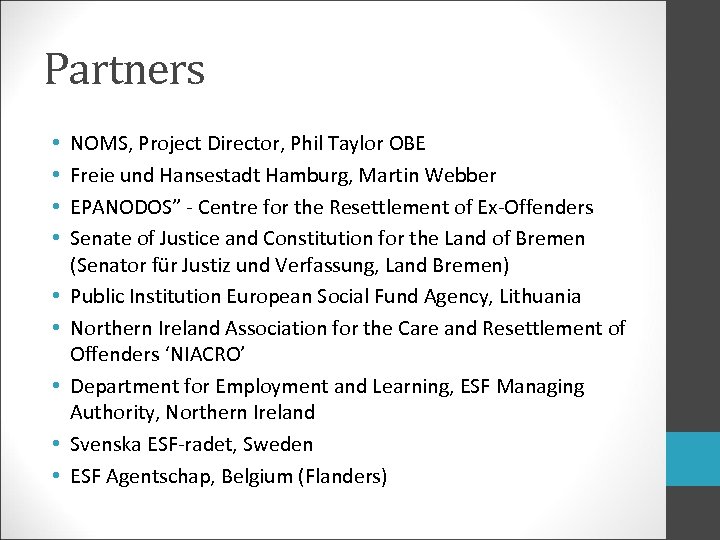
Partners • • • NOMS, Project Director, Phil Taylor OBE Freie und Hansestadt Hamburg, Martin Webber EPANODOS” - Centre for the Resettlement of Ex-Offenders Senate of Justice and Constitution for the Land of Bremen (Senator für Justiz und Verfassung, Land Bremen) Public Institution European Social Fund Agency, Lithuania Northern Ireland Association for the Care and Resettlement of Offenders ‘NIACRO’ Department for Employment and Learning, ESF Managing Authority, Northern Ireland Svenska ESF-radet, Sweden ESF Agentschap, Belgium (Flanders)
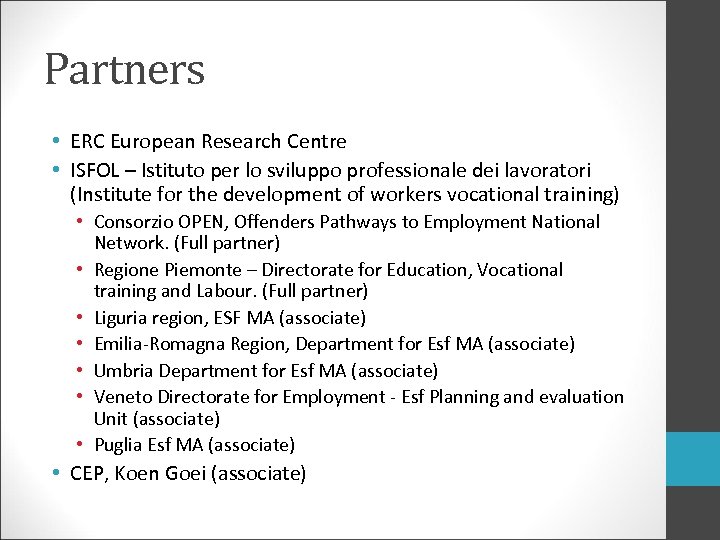
Partners • ERC European Research Centre • ISFOL – Istituto per lo sviluppo professionale dei lavoratori (Institute for the development of workers vocational training) • Consorzio OPEN, Offenders Pathways to Employment National Network. (Full partner) • Regione Piemonte – Directorate for Education, Vocational training and Labour. (Full partner) • Liguria region, ESF MA (associate) • Emilia-Romagna Region, Department for Esf MA (associate) • Umbria Department for Esf MA (associate) • Veneto Directorate for Employment - Esf Planning and evaluation Unit (associate) • Puglia Esf MA (associate) • CEP, Koen Goei (associate)
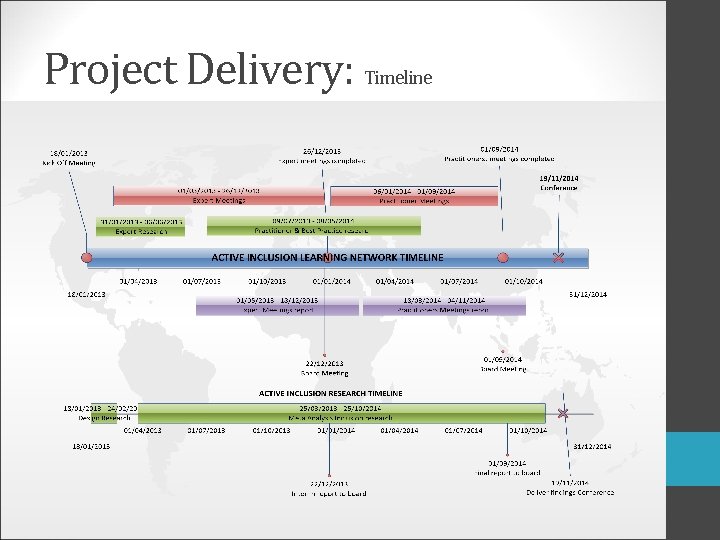
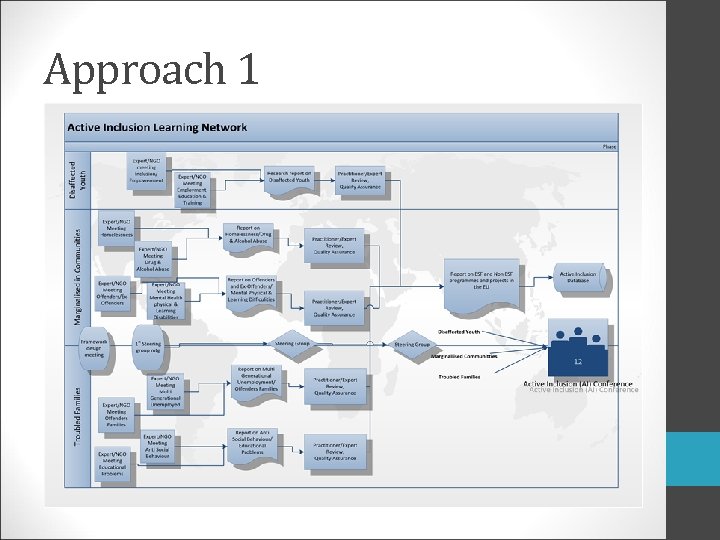
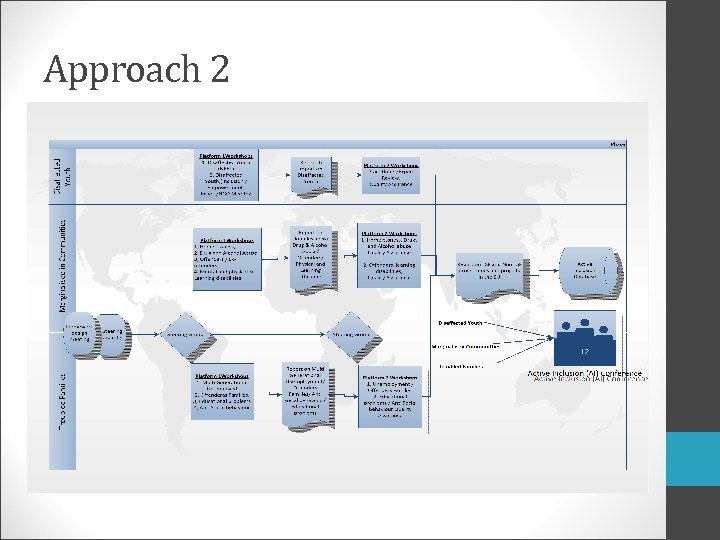
Project Delivery: Timeline
Approach 1
Approach 2
Who do we work with Minimal interventions to be ready for work Needing help and assistance to move up to employment ready People with the most complex needs
Active Inclusion Learning Network Minimal interventions to be ready for work Needing help and assistance to move up to employment ready People with the most complex needs
Day 1 • • • Plenery Lunch Workshops (small groups) Coffee Group discussion on key themes (5 Questions) Feed back top point on each of the 5 questions • • • Innovation Learning Critical success factors Transferability Other important points
Day 2 • Sub theme groups • 10 ten given a review • Identify the top 6 • How • All agree (we are happy with results) • Debate • Choose top 6 • Top 5 will be invited to Platform 2 • Individual; questions or general points that need raising
Obstacles • Collection of surveys • Survey evidence • Not enough literature for the systematic review • Too much literature • Expert identification • Expert availability • Economic crises
Project Delivery: Products • Website • Knowledge Management section • Database of experts • Guide to inform ESF Management Authorities • Information on obstacles • Opportunities to consider when implementing interventions • Trans-national co-operation • Horizontal study
Project Delivery cont: Products • Systematic review • Tested recommendations • 3 expert and NGO workshops • 3 practitioner and expert review workshops • 4 steering group meetings • International conference (60) • Report on findings translated into 3 languages
State of play • Systematic review underway • First presented here (Troubled Families) • • • Surveys collected First platform meeting delivered Youth and Marginalised in Communities booked Platform 2 meetings planned for end of 2014 Dissemination conference planned • ISFOL, Rome
Final comments… • This Learning Network operates under the ESF framework of encouraging trans-national collaboration and learning, with a focus on the Active Inclusion and the improvement of employability and employer awareness of marginalised communities. • Although new and unique, the network will capitalise on the outcomes of surveys already carried out at a national and European level and the results of previous learning networks, in order to develop and improve the tools and strategies already shared and proved by member states. In the future it will continue to add value to the field through cooperation with other networks, through mutual support, communication and sharing of studies and findings.
Скачать презентацию AI This project is co-funded by the European
94ffb9f00431010dceba6e828f4cf2c2.ppt