


 Скачать презентацию Agriculture and the Origins of Civilization The Neolithic
910259afc21b07fcbdbf6a6d08441f81.ppt
- Количество слайдов: 47
 Agriculture and the Origins of Civilization The Neolithic Age
 Paleolithic Times • • Precursor to Neolithic Hunting and gathering Subsistence living Later Paleolithic people included some permanent and semi-permanent communities • Population estimated between 5 -8 million

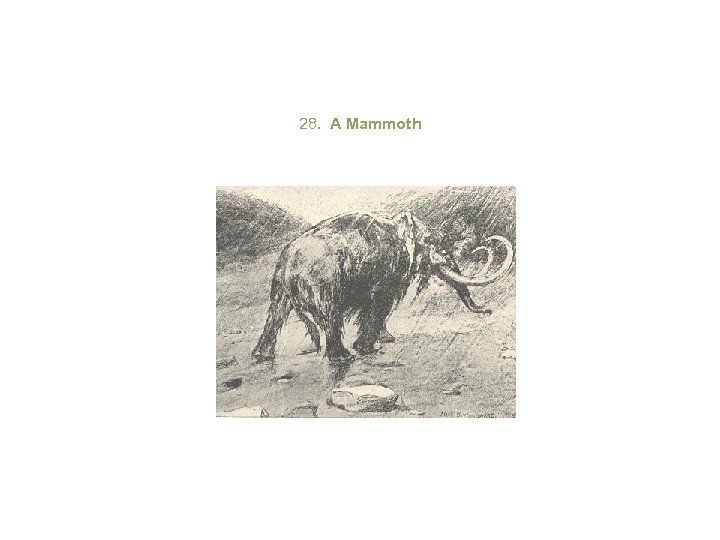 28. A Mammoth
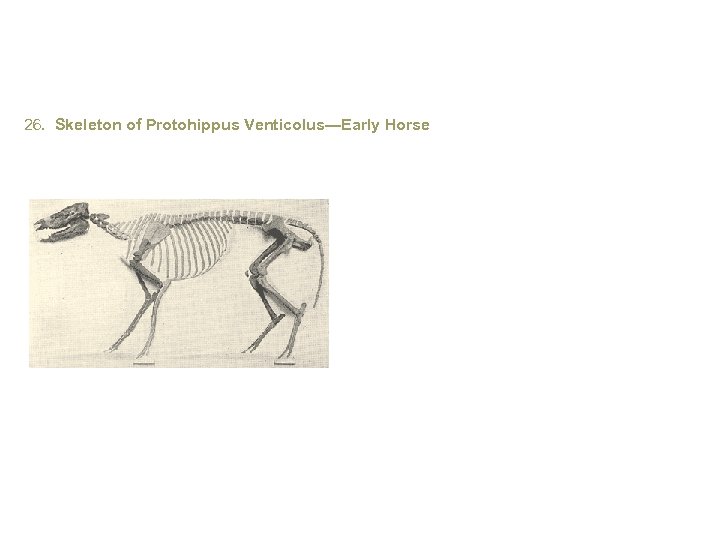 26. Skeleton of Protohippus Venticolus—Early Horse
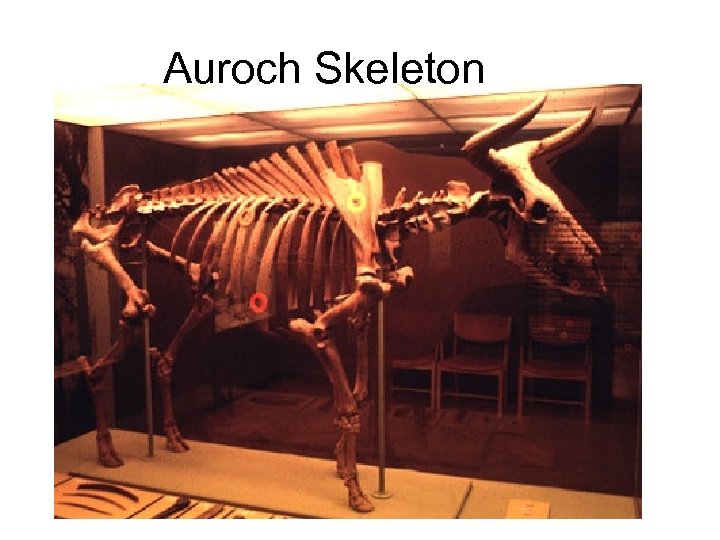 Auroch Skeleton
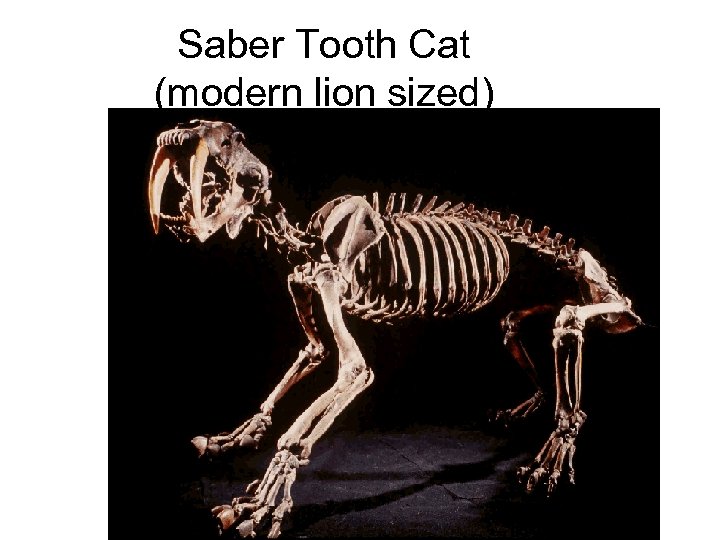 Saber Tooth Cat (modern lion sized)
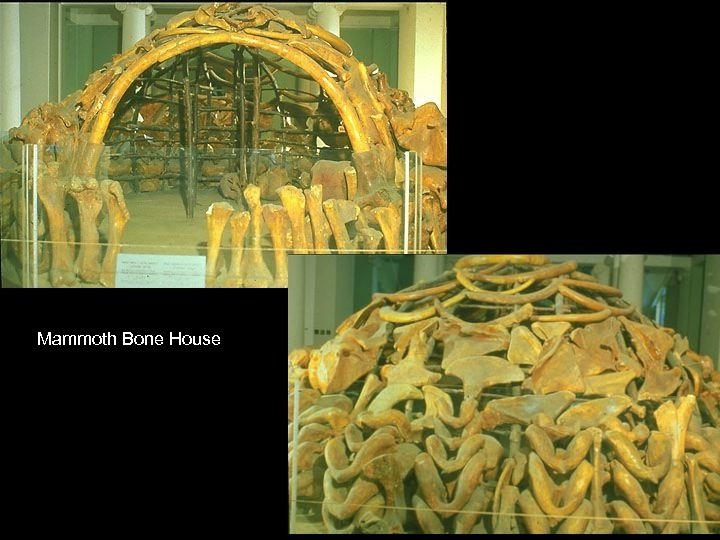 Mammoth Bone House
 Paleolithic Art • First time human expression appears through art • Bone Jewelry • Cave paintings – mostly of daily hunting and life
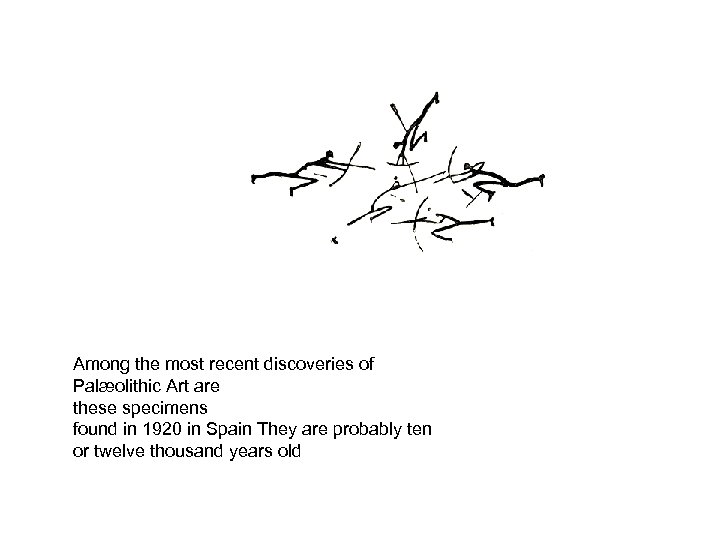 Among the most recent discoveries of Palæolithic Art are these specimens found in 1920 in Spain They are probably ten or twelve thousand years old
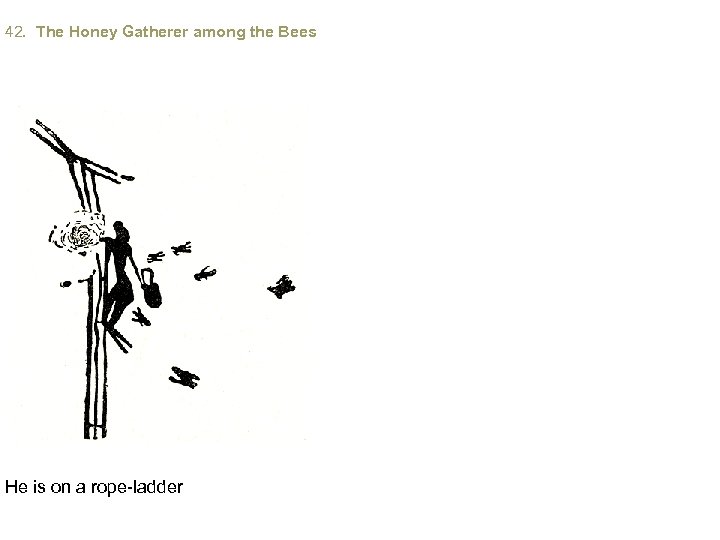 42. The Honey Gatherer among the Bees He is on a rope-ladder
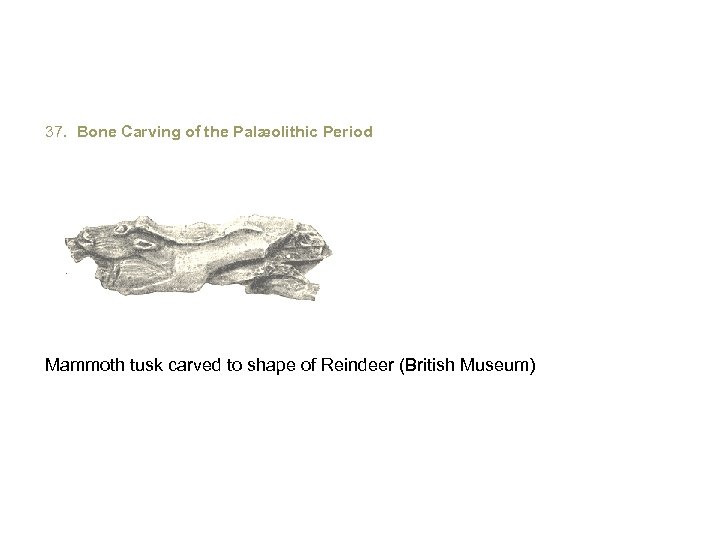 37. Bone Carving of the Palæolithic Period Mammoth tusk carved to shape of Reindeer (British Museum)
 Paleolithic Tools • “Old Stone Age” tools were crude tools made from stone, wood or bone. • Mostly larger tools that were chipped from a single rock
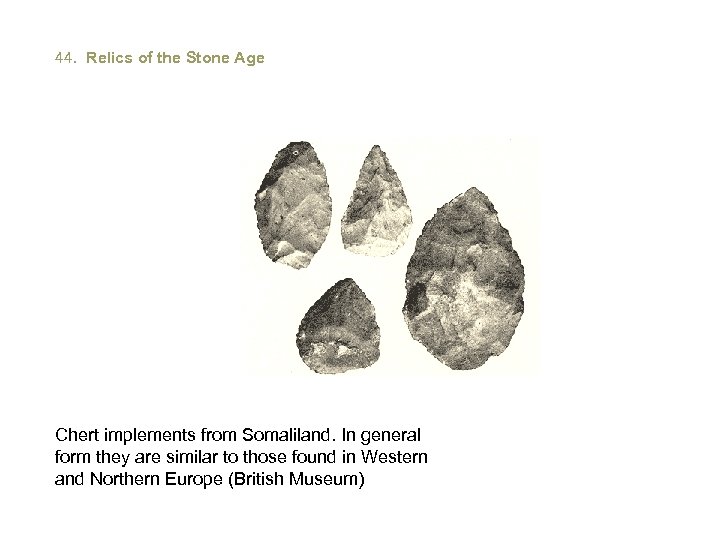 44. Relics of the Stone Age Chert implements from Somaliland. In general form they are similar to those found in Western and Northern Europe (British Museum)
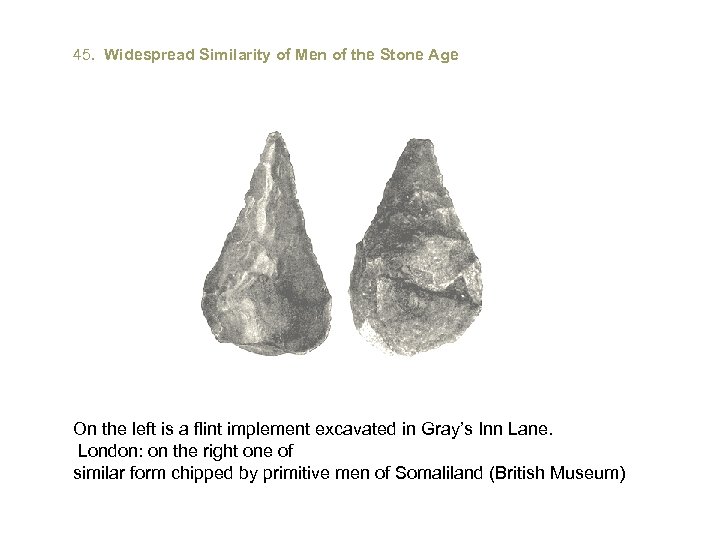 45. Widespread Similarity of Men of the Stone Age On the left is a flint implement excavated in Gray’s Inn Lane. London: on the right one of similar form chipped by primitive men of Somaliland (British Museum)
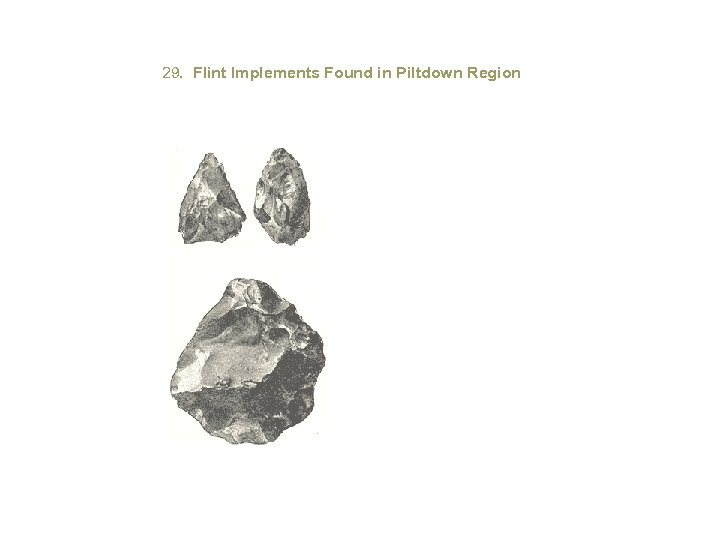 29. Flint Implements Found in Piltdown Region
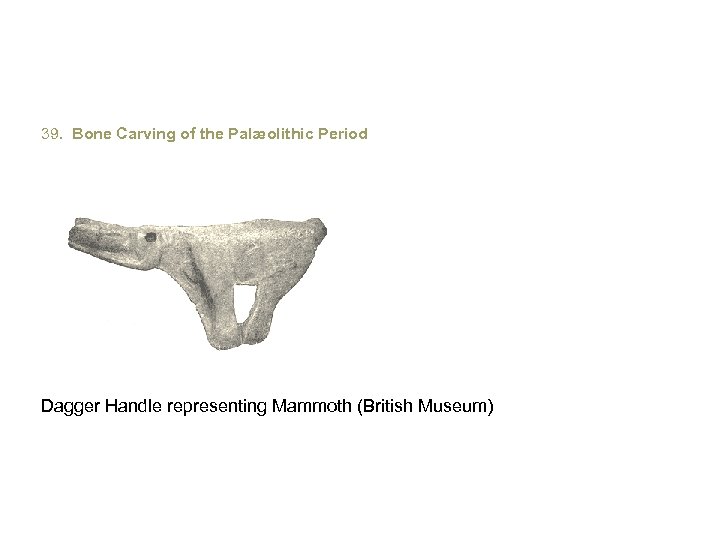 39. Bone Carving of the Palæolithic Period Dagger Handle representing Mammoth (British Museum)
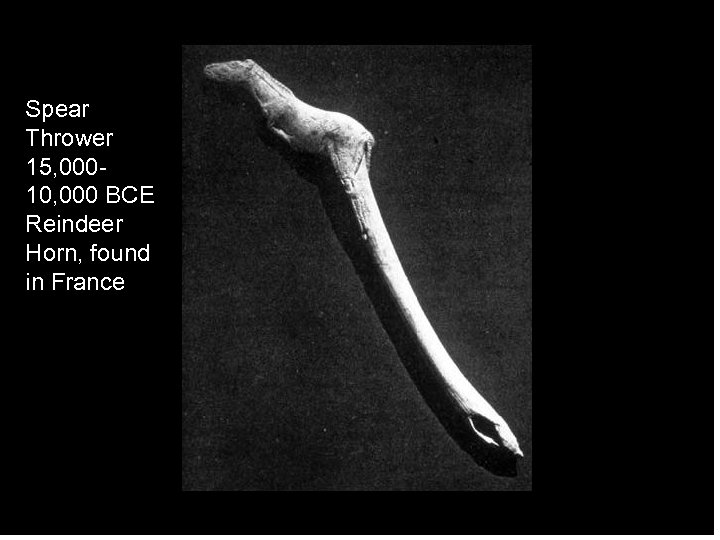 Spear Thrower 15, 00010, 000 BCE Reindeer Horn, found in France
 Neolithic Age • Between roughly 8000 and 3500 BCE • Also called “Agricultural Revolution” • Time of great innovation • World Population reached 60 -70 million
 Innovations included: • Improved Tool making (still of stone): – Digging sticks – Axes – Plow • Seed selection, fertilization and weeding techniques • Pottery
 Innovations continued • Irrigation methods: dam, canals, sluices, reservoirs, dikes • Rain water storage • Larger, more elaborate housing and community ritual centers • Sun Dried bricks
 Stone Tools • Smaller and more refined from chips of stone • Farming tools such as axes and hoes • Advance digging sticks for preparing planting areas
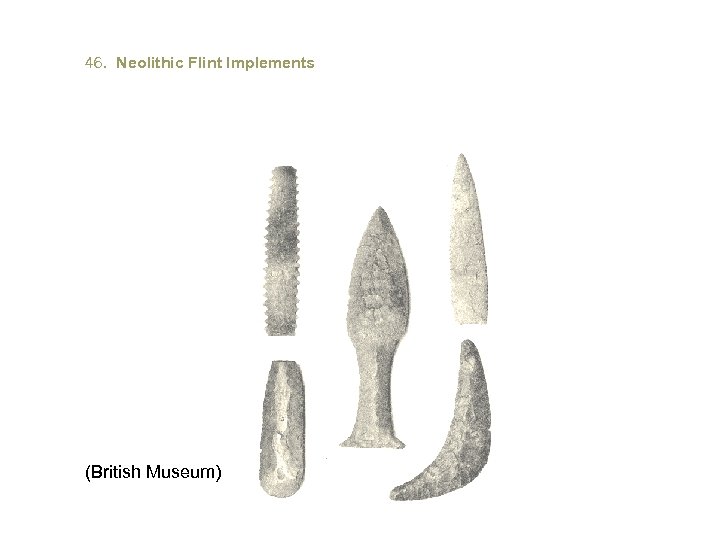 46. Neolithic Flint Implements (British Museum)
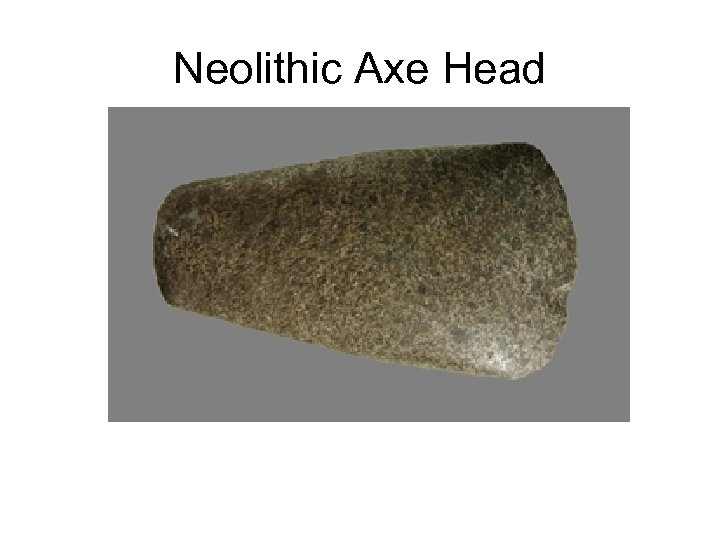 Neolithic Axe Head
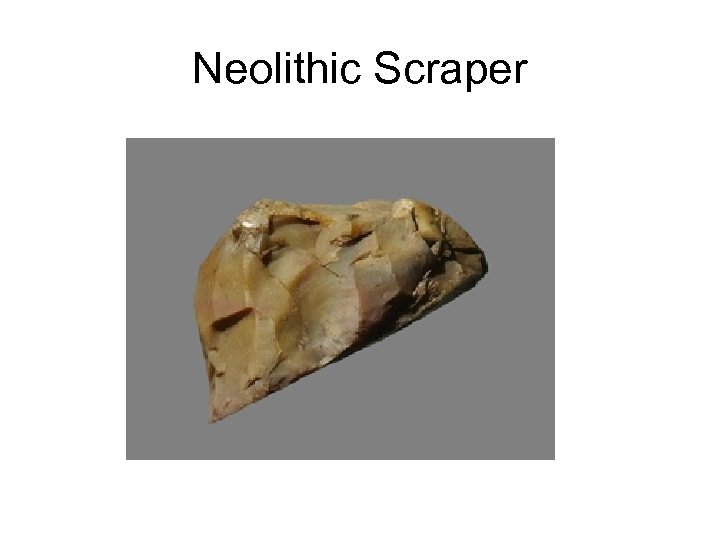 Neolithic Scraper
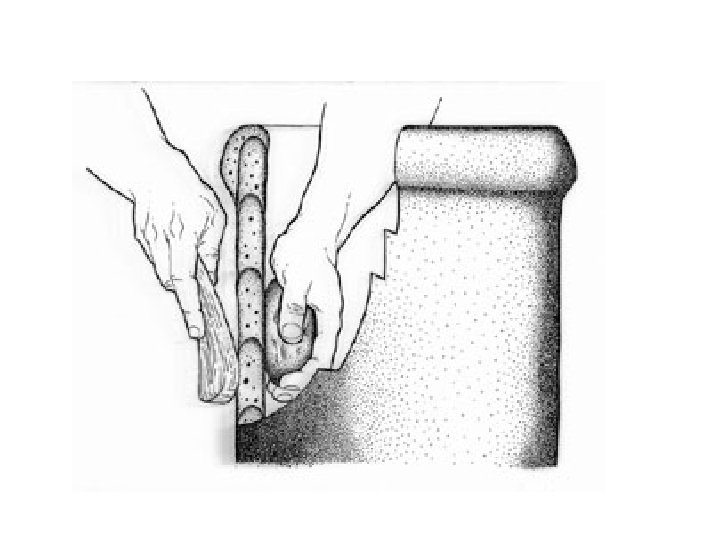
 Pottery • Original pots were made by pinching • Advanced to coil pots • Eventually there were very decorative and advanced pieces of pottery
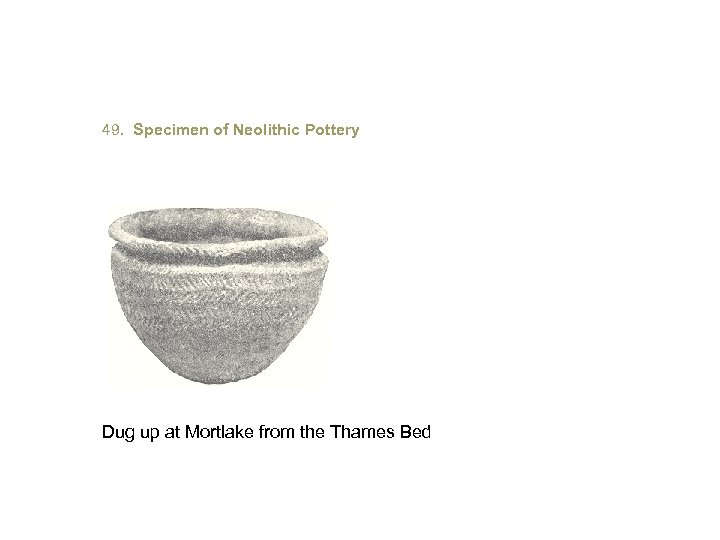 49. Specimen of Neolithic Pottery Dug up at Mortlake from the Thames Bed
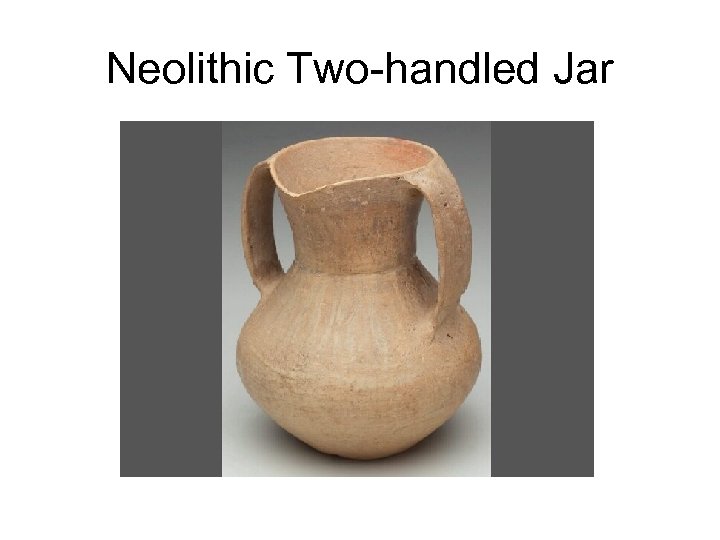 Neolithic Two-handled Jar
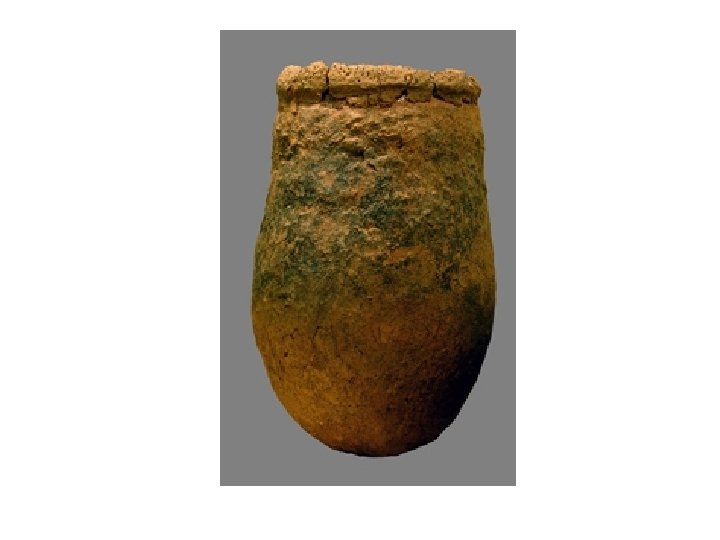
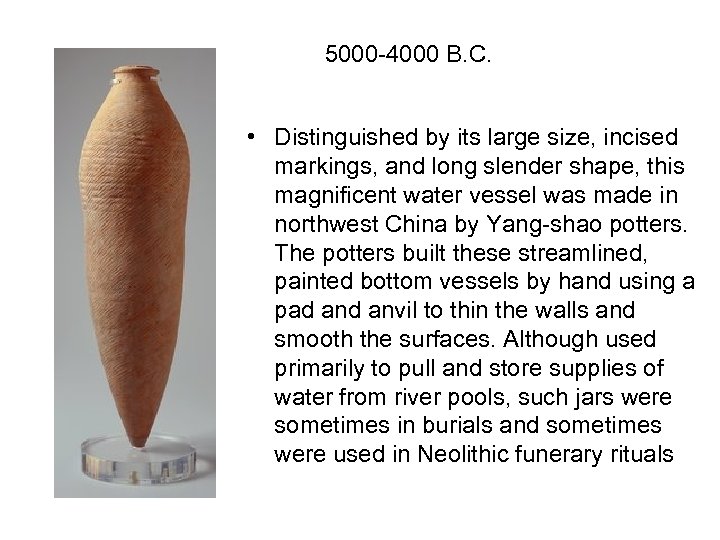 5000 -4000 B. C. • Distinguished by its large size, incised markings, and long slender shape, this magnificent water vessel was made in northwest China by Yang-shao potters. The potters built these streamlined, painted bottom vessels by hand using a pad anvil to thin the walls and smooth the surfaces. Although used primarily to pull and store supplies of water from river pools, such jars were sometimes in burials and sometimes were used in Neolithic funerary rituals
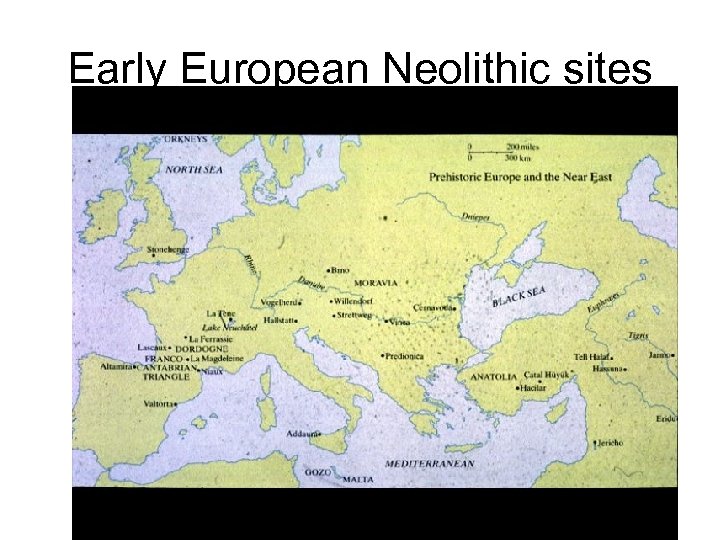 Early European Neolithic sites
 Results of Early Neolithic Advances • By 7000 BCE, in middle east agriculture advances • Trade is necessary and happens over large distances. • Isolated civilization centers begin to form
 Çatal Höyük • • • Çatalhyük is a 9000 year old town one of the earliest in the world rich art and sculpture in its houses 32 acres Up to 6000 people lived there
 Çatal Höyük • Contained uniform mud brick housing • Stored food made them a target for nomadic invaders and rival settlements • Must have had ruling group, indicated by uniform building and strong fortifications • Many religious shrines and ceremony rooms
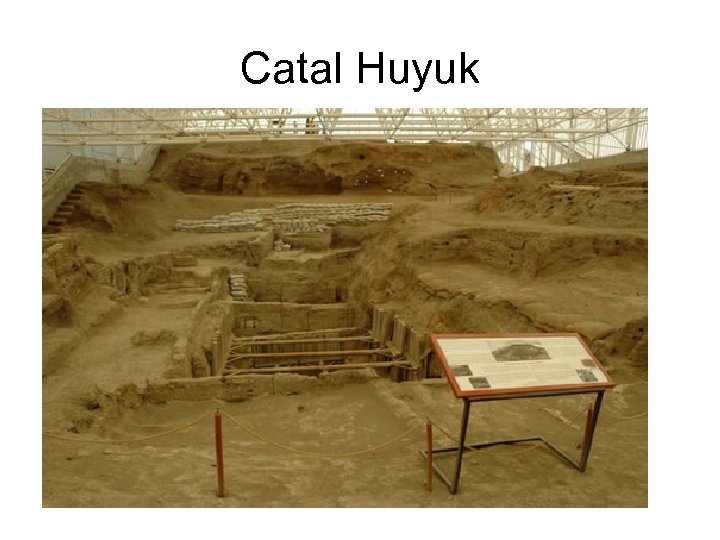 Catal Huyuk
 Threats • The houses are all made of unfired mudbrick • offer a major challenge for conservation and site presentation. • walls are plastered and the plasters are a soft lime-rich mud (not fired or hardened) • may be up to 450 thin layers of such fragile plasters on any wall, only some layers having been painted.
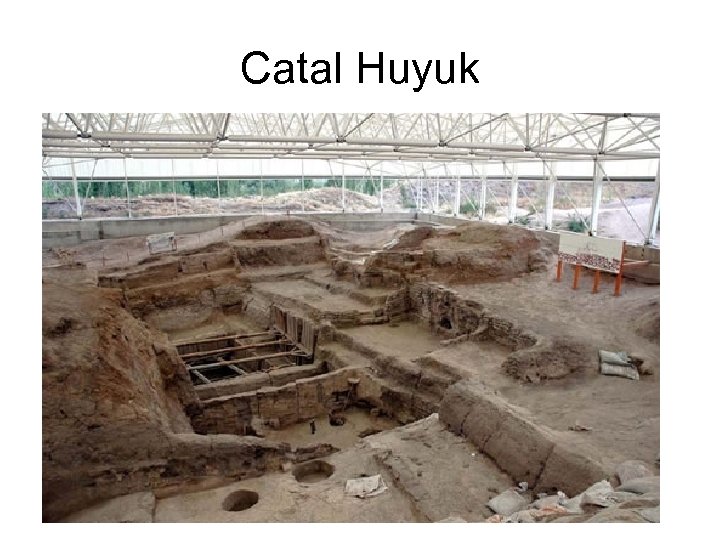 Catal Huyuk
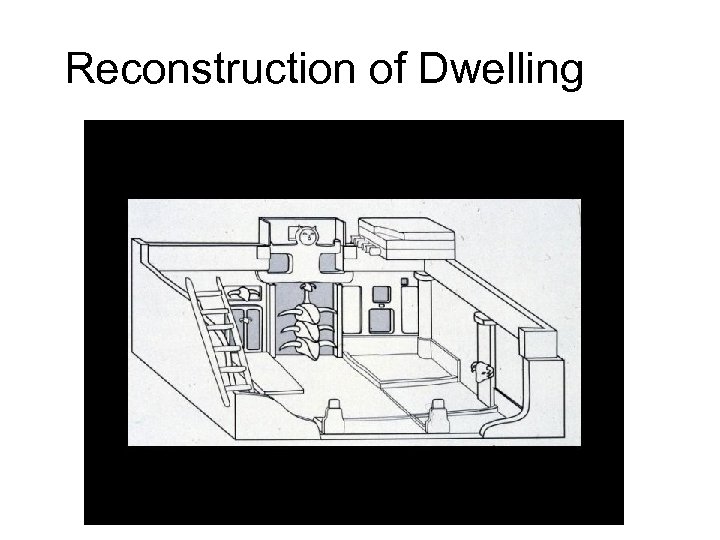 Reconstruction of Dwelling
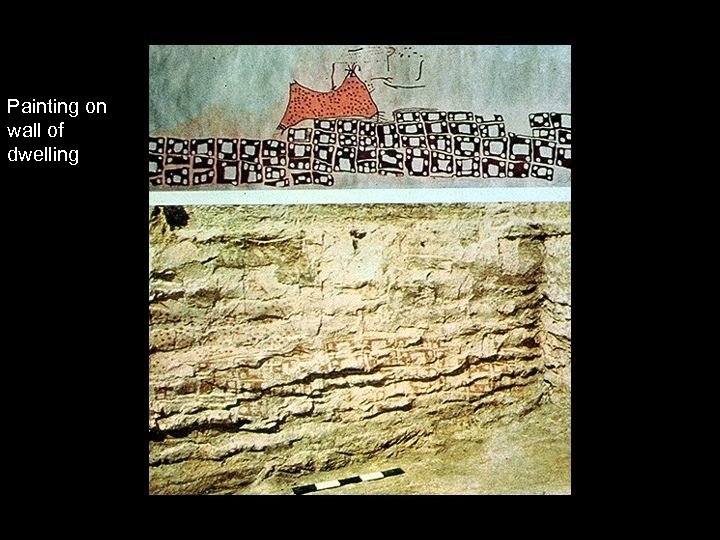 Painting on wall of dwelling
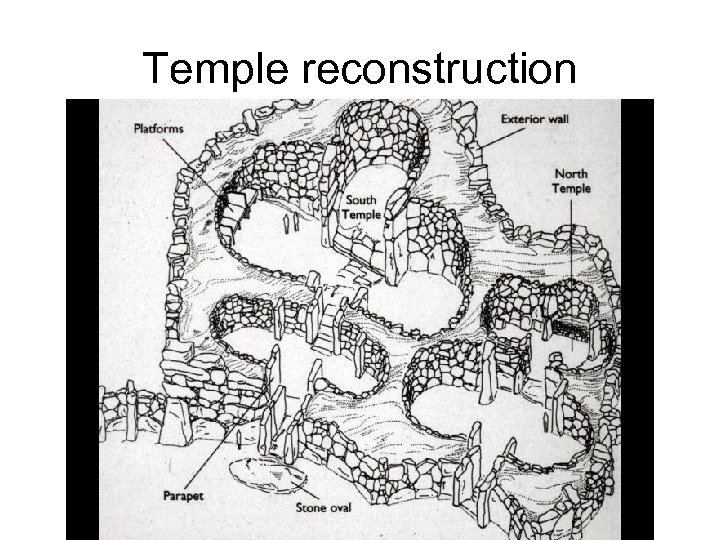 Temple reconstruction
 Jericho the town • By 7000 BCE, more than 10 acres occupied • Located near Jordan River and clear oasis spring • Town surrounded by a ditch dug into the soil and a 12 foot wall, which was later 15 feet with a tower of 25 feet
 Jericho (Housing) • Round houses of mud and brick on stone foundations, wood doors • Early houses had one room, but some had up to three • Equipped with plaster hearths and stone mills for grinding grain.
 Jericho (Economy) • Although economy based mostly on barley and wheat farming, there was also hunting and trade • Domesticated goats gave meat and milk • Hunted for gazelles and marsh birds for flesh hides and feathers • Close to large supplies of salt, sulfur and pitch • Traded obsidian for semiprecious stones form Anatolia, turquoise from Sinai and cowrie shells from the Red Sea
 Jericho Society • Seems to have had a powerful ruling class connected to the keepers of the shrines • Art included life size human sculptures, possibly used in ancestor worship • Seemed to have a merchant and artisan class
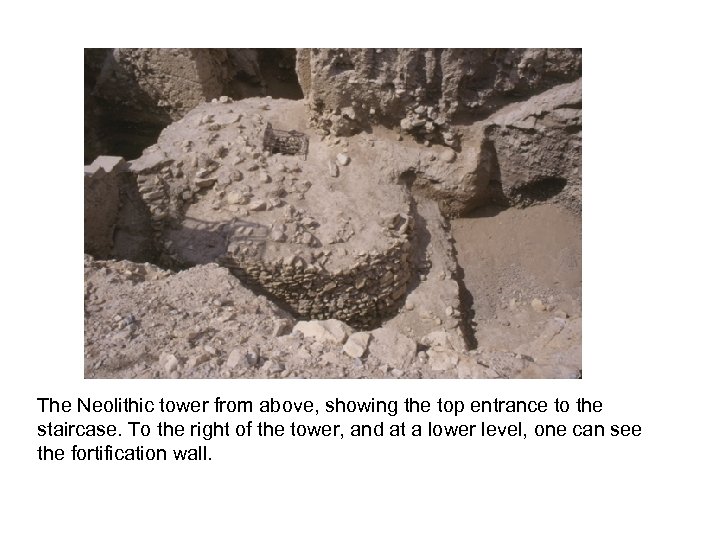 The Neolithic tower from above, showing the top entrance to the staircase. To the right of the tower, and at a lower level, one can see the fortification wall.
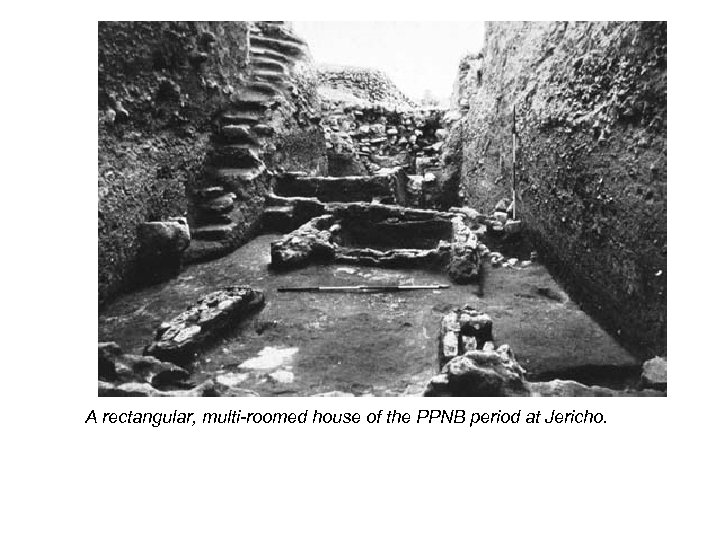 A rectangular, multi-roomed house of the PPNB period at Jericho.