


 Скачать презентацию Agenda Introduction Transition Year Guest Speakers Coordinators
2dec8b56cb83f73a3e71b249e91f4ab2.ppt
- Количество слайдов: 27
 Agenda Introduction Transition Year
 Guest Speakers Coordinators – Aine Cosgrave Sinead Walshe Students - Jessica Dwyer Alannah Kelly Ciara Farrell Jamie Cowan Walsh
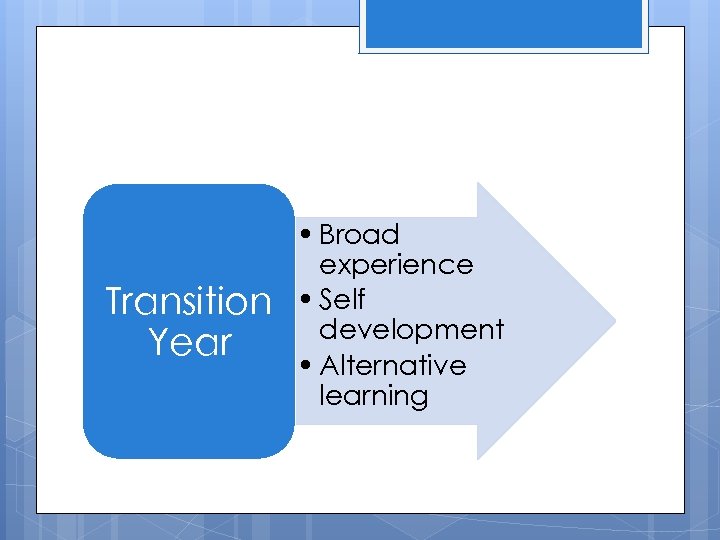 Transition Year • Broad experience • Self development • Alternative learning
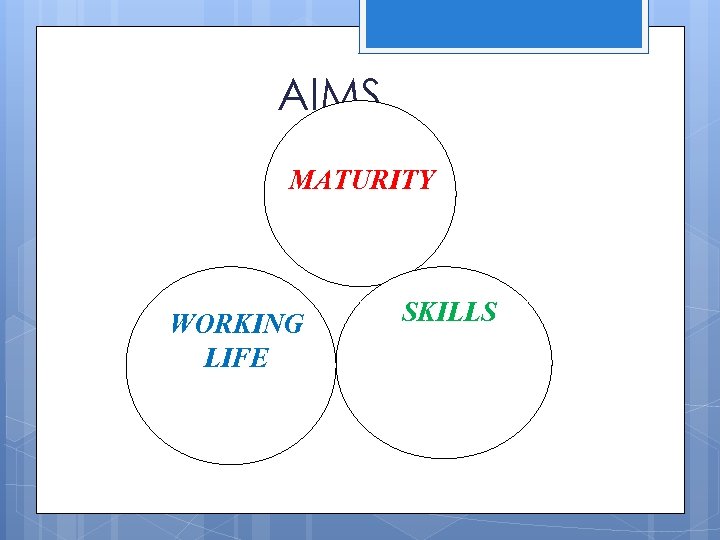 AIMS MATURITY WORKING LIFE SKILLS
 Benefits to Transition Year Students can develop: Own particular gifts/strengths Critical Social reflection competences
 30 Things We Wish We Learned In School 1. How to budget 2. The importance of insurance 3. How loans work 4. How to wire a plug 5. How to take out a pension 6. How to drive 7. How to buy a house 8. How to put up a shelf 9. How to open a bank account 10. How to plaster a wall
 30 Things We Wish We Learned In School 11. How to change a car tyre 12. How to turn off the water in the house 13. Things to look for when buying a second-hand car 14. How to change the taps 15. How to lay a carpet 16. How to tile a room 17. How to cook a Sunday roast 18. How to jump-start a car 19. How to unblock a toilet 20. How to strip wallpaper without damaging the wall
 30 Things We Wish We Learned In School 21. How to assemble flat pack furniture 22. How to bring up a baby 23. How to unblock a plug 24. How to grout 25. How to use a drill 26. How to read an electric/gas meter 27. How to fix a bike 28. How to put up a fence 29. How to build a wall 30. How to change a lightbulb
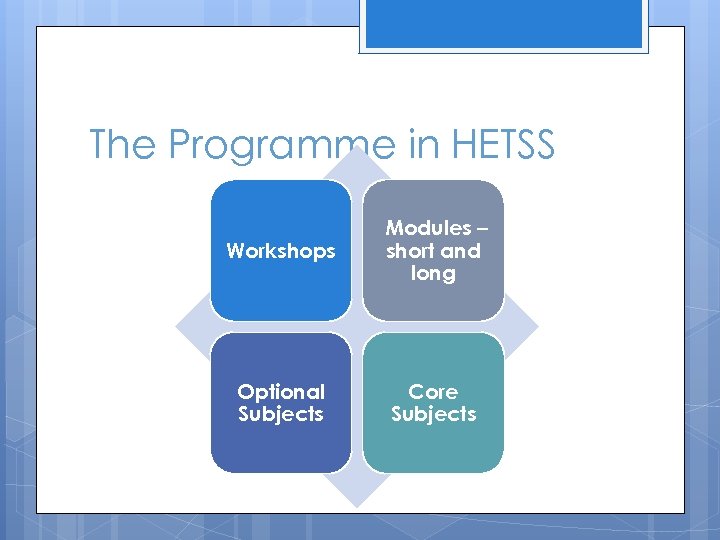 The Programme in HETSS Workshops Modules – short and long Optional Subjects Core Subjects
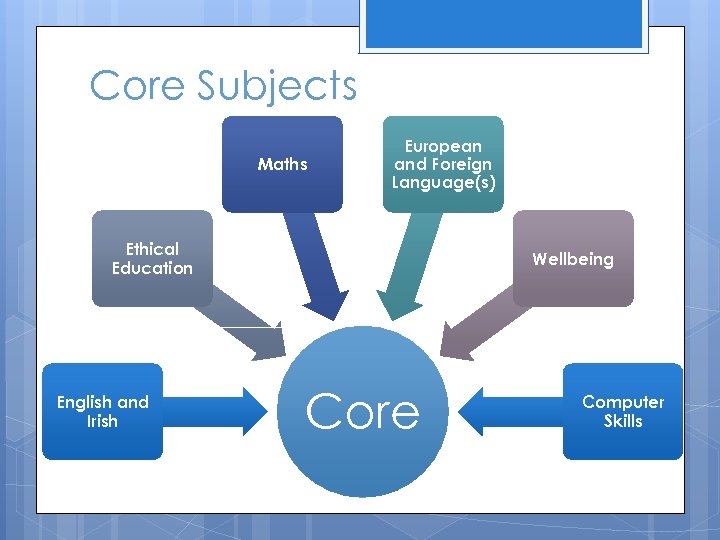 Core Subjects Maths European and Foreign Language(s) Ethical Education English and Irish Wellbeing Core Computer Skills
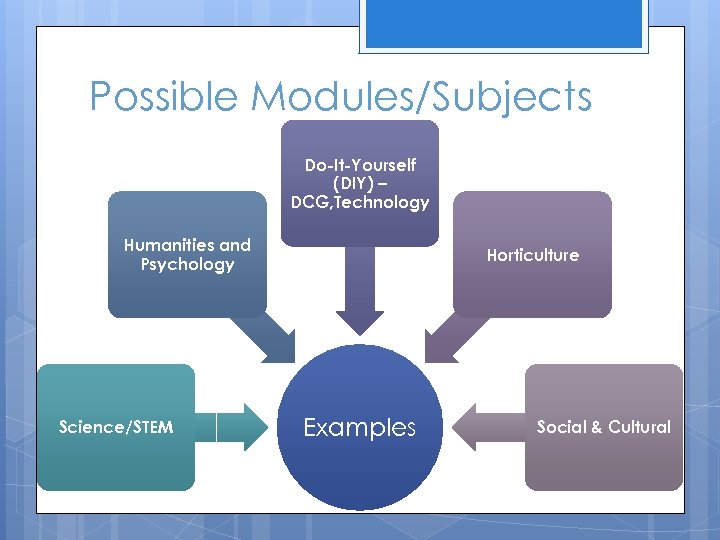 Possible Modules/Subjects Do-It-Yourself (DIY) – DCG, Technology Humanities and Psychology Science/STEM Horticulture Examples Social & Cultural
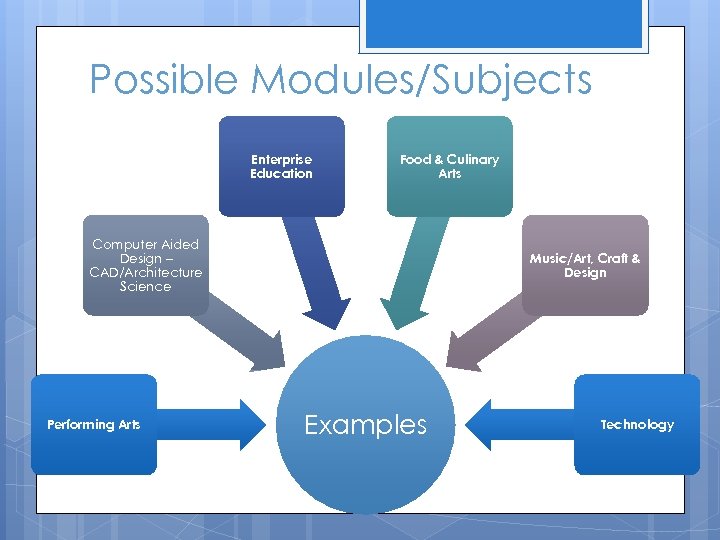 Possible Modules/Subjects Enterprise Education Food & Culinary Arts Computer Aided Design – CAD/Architecture Science Performing Arts Music/Art, Craft & Design Examples Technology
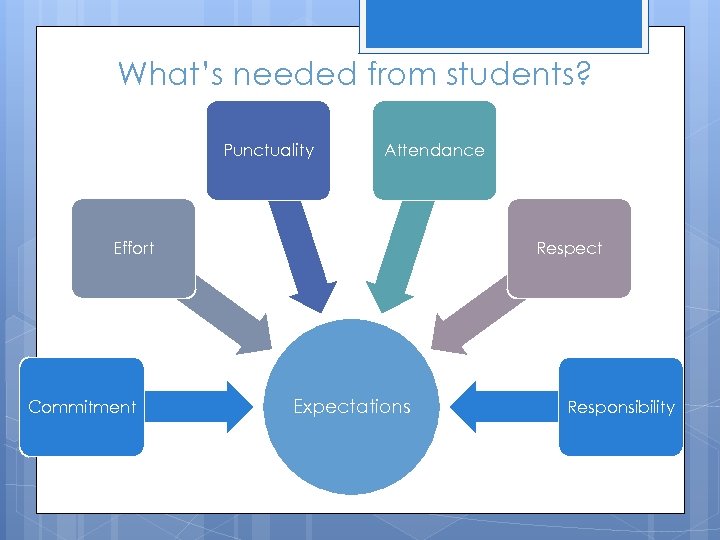 What’s needed from students? Punctuality Attendance Effort Commitment Respect Expectations Responsibility
 Transition Year Science Programme
 What will the Transition year science programme include? Links with STEM Project Work Project Competitions Biology Chemistry Physics
 What will the Transition year Humanities programme include? Social Geography/Current Affairs Sustainable Resources Physical Geography Field Study Skills Irish History
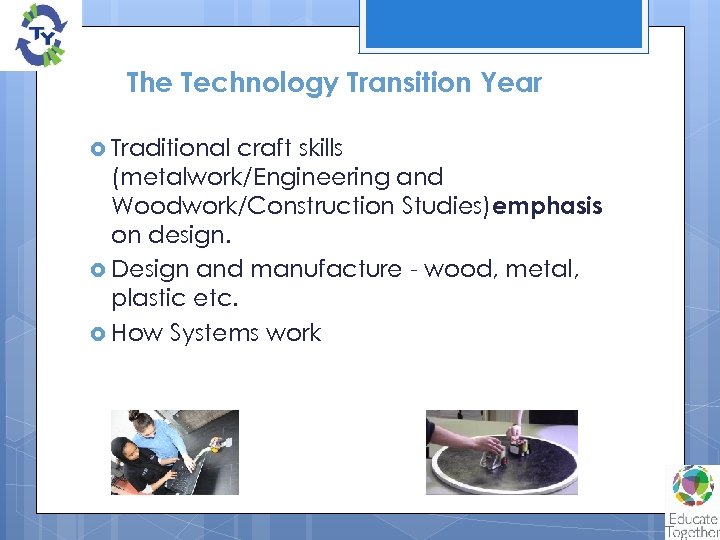 The Technology Transition Year Traditional craft skills (metalwork/Engineering and Woodwork/Construction Studies)emphasis on design. Design and manufacture - wood, metal, plastic etc. How Systems work
 What will the Transition year Performing Arts programme include? Musical theatre and dance Dramatic readings Writing drama Body in performance School musical
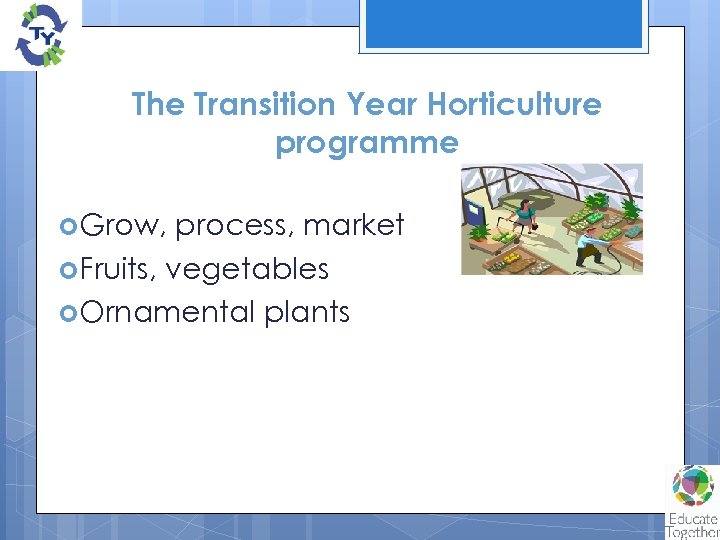 The Transition Year Horticulture programme Grow, process, market Fruits, vegetables Ornamental plants
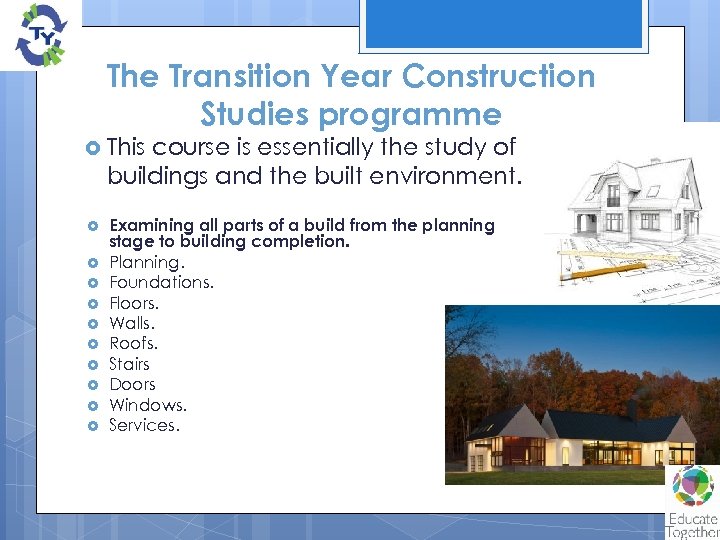 The Transition Year Construction Studies programme This course is essentially the study of buildings and the built environment. Examining all parts of a build from the planning stage to building completion. Planning. Foundations. Floors. Walls. Roofs. Stairs Doors Windows. Services.
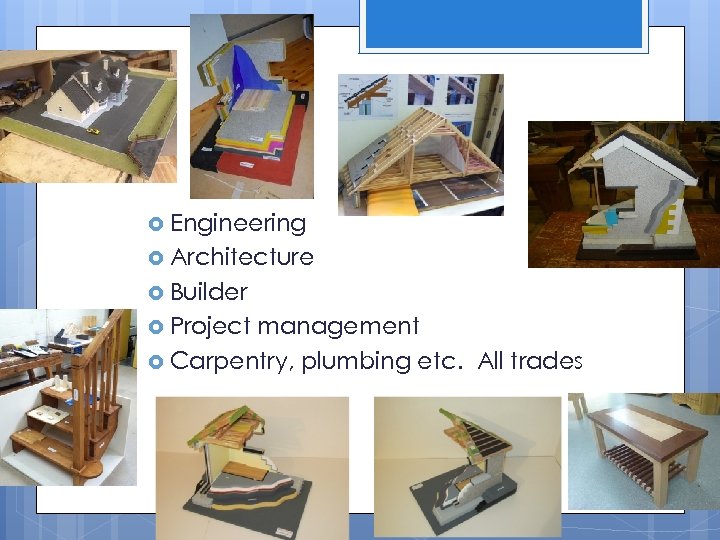 Engineering Architecture Builder Project management Carpentry, plumbing etc. All trades
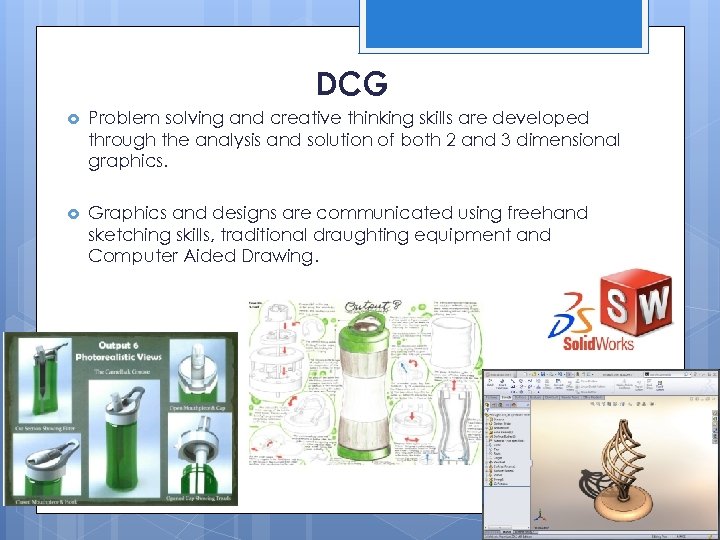 DCG Problem solving and creative thinking skills are developed through the analysis and solution of both 2 and 3 dimensional graphics. Graphics and designs are communicated using freehand sketching skills, traditional draughting equipment and Computer Aided Drawing.
 Workshops Day / Afternoon / Overnight Team Building / Bonding Young Social Innovators Gaisce Awards Creative Writing Theatre Visits Historical Visits Study Skills
 TY – Work Experience and Community Service – possible format Work Experience: Two X two week placements Community Services: One week placement e. g. local organisation e. g. Paired Reading Project/ Nursing home / Animal Shelters Student secures placement
 TY – Extra-curricular Activity – The Gaisce – The President’s Award Challenge award 15 -25 years of age) in different areas It involves: Community Involvement (1 hr pw for 15 weeks) Personal Skills ( 1 hour pw for 26 weeks) Physical recreation (1 hour pw for 12 weeks) An adventurous activity (e. g. walk 25 -35 klms over 2 days/ 10 -130 km if cycling) The chance of doing the bronze medal award !
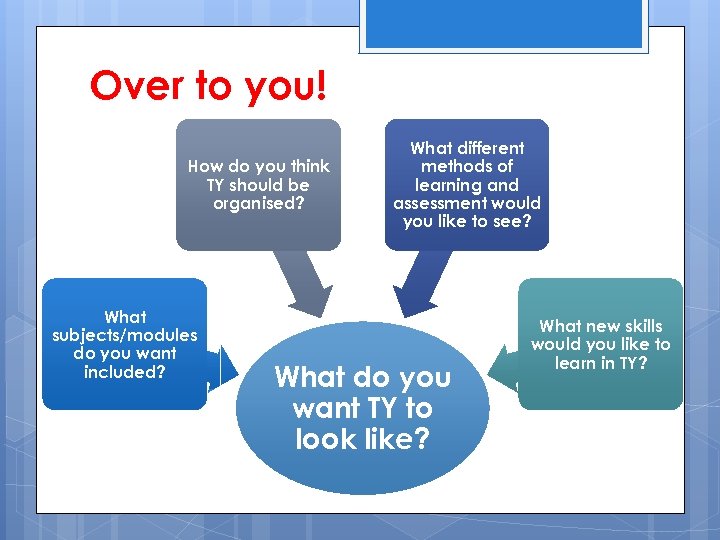 Over to you! How do you think TY should be organised? What subjects/modules do you want included? What different methods of learning and assessment would you like to see? What do you want TY to look like? What new skills would you like to learn in TY?
 What’s the next step? • Complete and submit Application form! (available from Year Head)