


 Скачать презентацию Advances in mutation testing novel samples and new
0c019779fd9abfbe5064a9b4a0b5299c.ppt
- Количество слайдов: 35
 Advances in mutation testing: novel samples and new methodologies Professor Ian A Cree Warwick Medical School i. a. cree@warwick. ac. uk
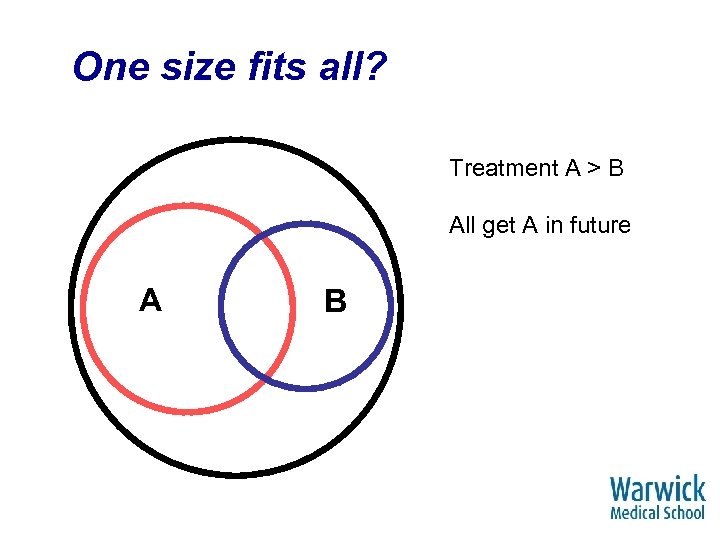 One size fits all? Treatment A > B All get A in future A B
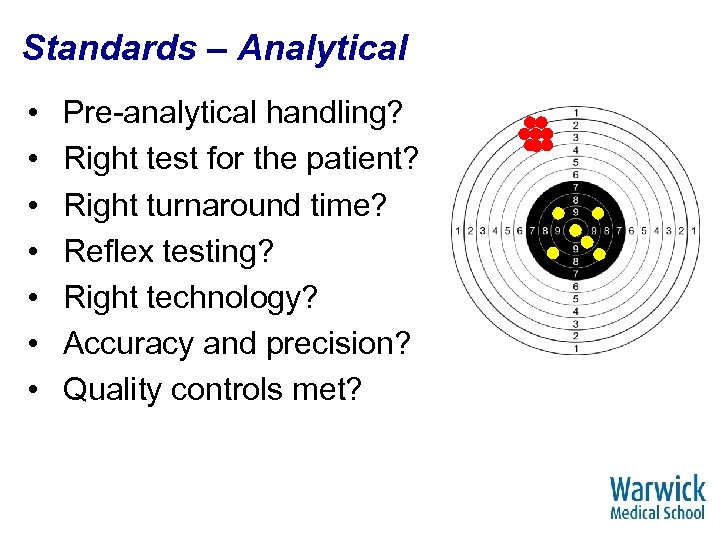 Standards – Analytical • • Pre-analytical handling? Right test for the patient? Right turnaround time? Reflex testing? Right technology? Accuracy and precision? Quality controls met?
 Overview • • • EGFR mutations and beyond… Pre-analytical issues Techniques in clinical practice New methods for mutation testing Alternative samples for mutation testing Implications – colorectal cancer
 Overview • • • EGFR mutations and beyond… Pre-analytical issues Techniques in clinical practice New methods for mutation testing Alternative samples for mutation testing Implications – colorectal cancer
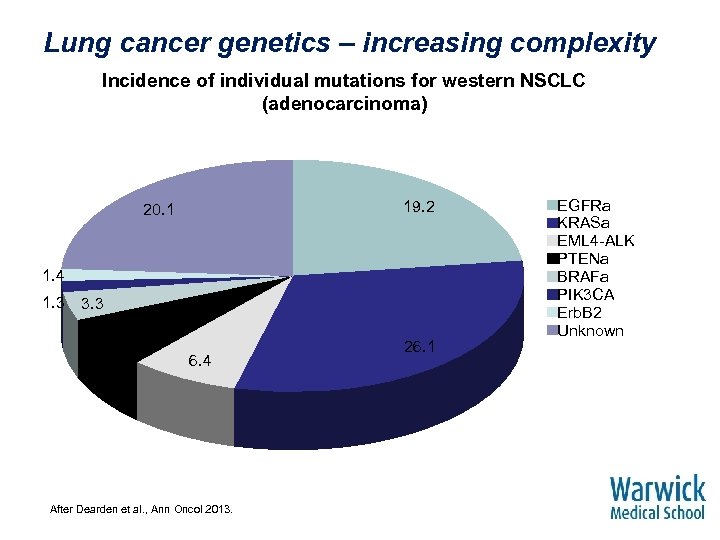 Lung cancer genetics – increasing complexity Incidence of individual mutations for western NSCLC (adenocarcinoma) 19. 2 20. 1 1. 4 1. 3 3. 3 6 6. 4 After Dearden et al. , Ann Oncol 2013. 26. 1 EGFRa KRASa EML 4 -ALK PTENa BRAFa PIK 3 CA Erb. B 2 Unknown
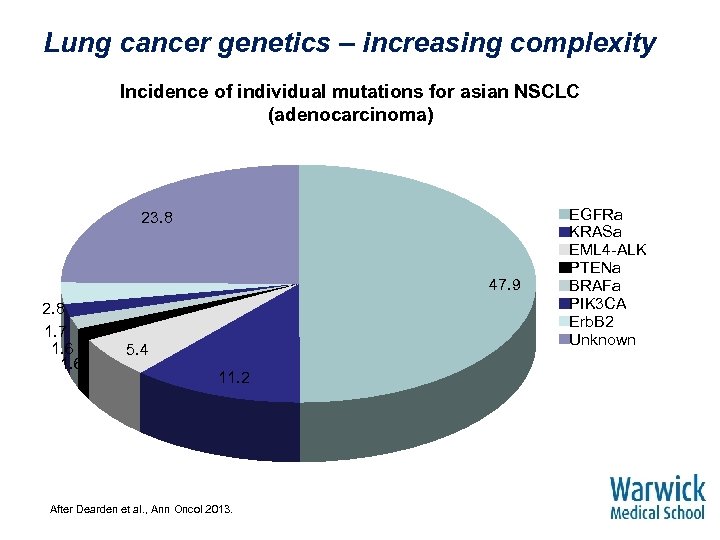 Lung cancer genetics – increasing complexity Incidence of individual mutations for asian NSCLC (adenocarcinoma) 23. 8 47. 9 2. 8 1. 7 1. 6 5. 4 11. 2 After Dearden et al. , Ann Oncol 2013. EGFRa KRASa EML 4 -ALK PTENa BRAFa PIK 3 CA Erb. B 2 Unknown
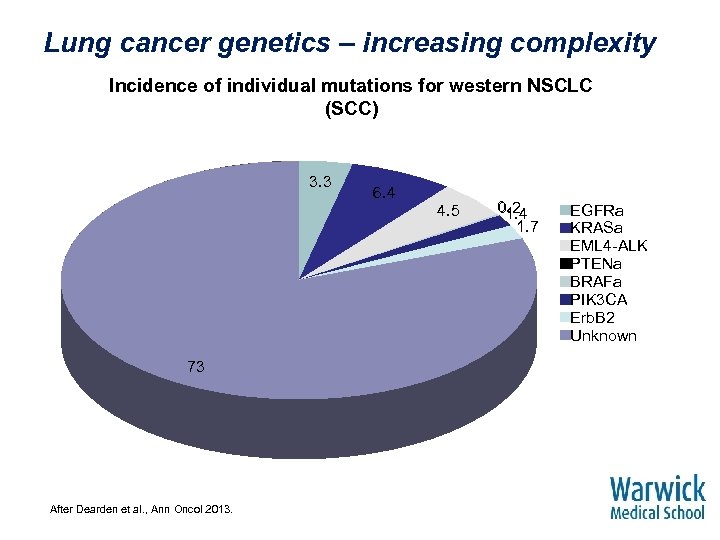 Lung cancer genetics – increasing complexity Incidence of individual mutations for western NSCLC (SCC) 3. 3 6. 4 4. 5 73 After Dearden et al. , Ann Oncol 2013. 01. 4. 2 1. 7 EGFRa KRASa EML 4 -ALK PTENa BRAFa PIK 3 CA Erb. B 2 Unknown
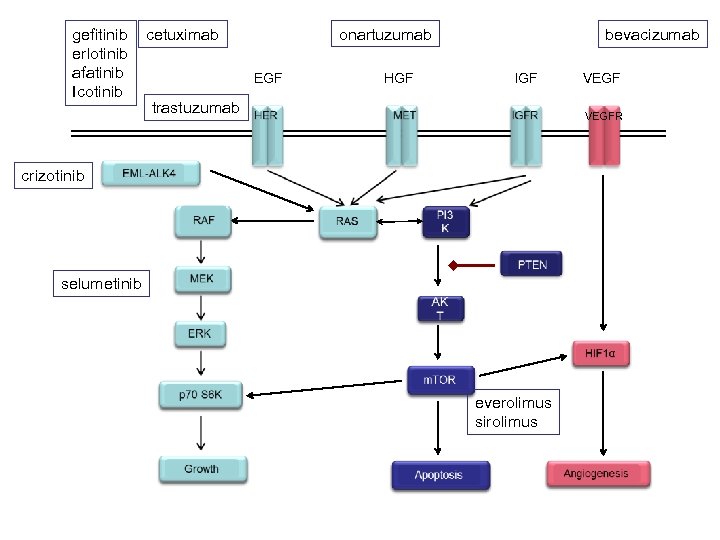 gefitinib erlotinib afatinib Icotinib cetuximab bevacizumab onartuzumab EGF HGF IGF trastuzumab VEGFR crizotinib selumetinib everolimus sirolimus
 Overview • • • EGFR mutations and beyond… Pre-analytical issues Techniques in clinical practice New methods for mutation testing Alternative samples for mutation testing Implications – colorectal cancer
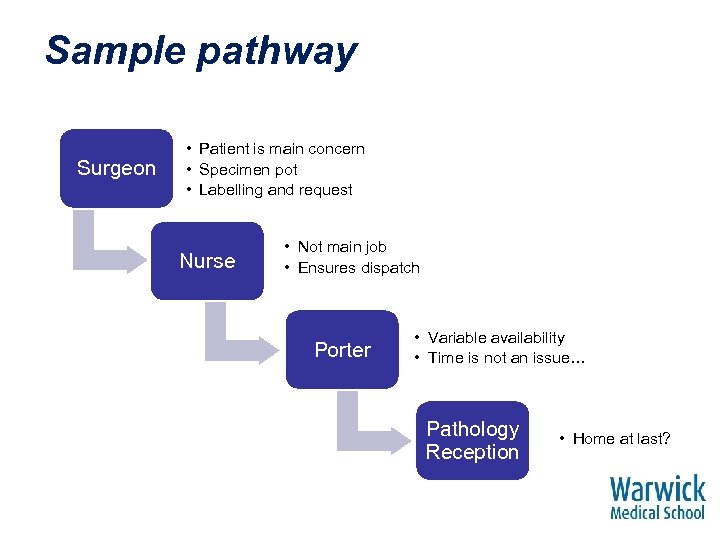 Sample pathway Surgeon • Patient is main concern • Specimen pot • Labelling and request Nurse • Not main job • Ensures dispatch Porter • Variable availability • Time is not an issue… Pathology Reception • Home at last?
 Tissue selection • Histopathologist’s input is critical – is there any cancer in the sample you’re testing? • Microdissection – handle with care… • Define the % neoplastic cells – not % tumour!
 DNA extraction • Multiple methods available: • • – Filter-based – Magnetic beads Maxwell. TM (Promega) – automated extraction from FFPE punches or sections/scrapings DNA content – Nanodrop. TM, Qubit. TM FFPE, formalin-fixed paraffin-embedded
 Overview • • • EGFR mutations and beyond… Pre-analytical issues Techniques in clinical practice New methods for mutation testing Alternative samples for mutation testing Implications – colorectal cancer
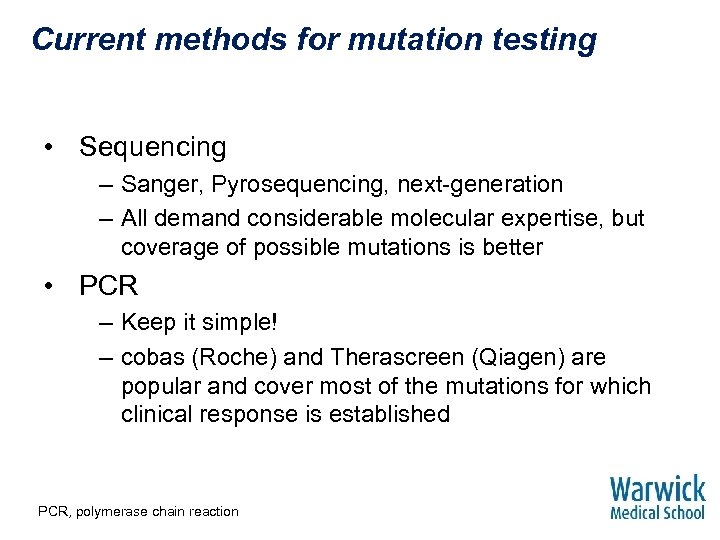 Current methods for mutation testing • Sequencing – Sanger, Pyrosequencing, next-generation – All demand considerable molecular expertise, but coverage of possible mutations is better • PCR – Keep it simple! – cobas (Roche) and Therascreen (Qiagen) are popular and cover most of the mutations for which clinical response is established PCR, polymerase chain reaction
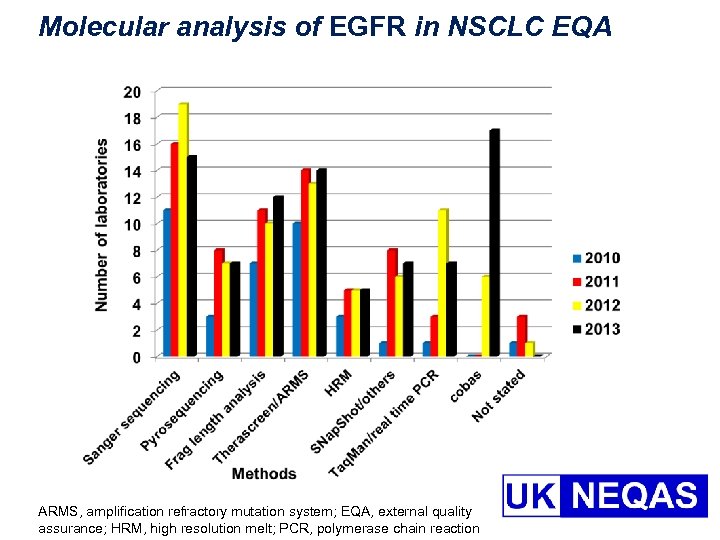 Molecular analysis of EGFR in NSCLC EQA ARMS, amplification refractory mutation system; EQA, external quality assurance; HRM, high resolution melt; PCR, polymerase chain reaction
 Overview • • • EGFR mutations and beyond… Pre-analytical issues Techniques in clinical practice New methods for mutation testing Alternative samples for mutation testing Implications – colorectal cancer
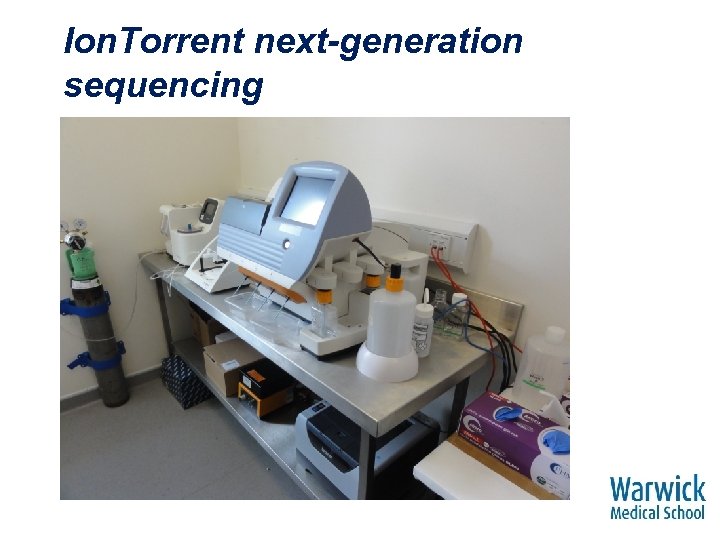 Ion. Torrent next-generation sequencing
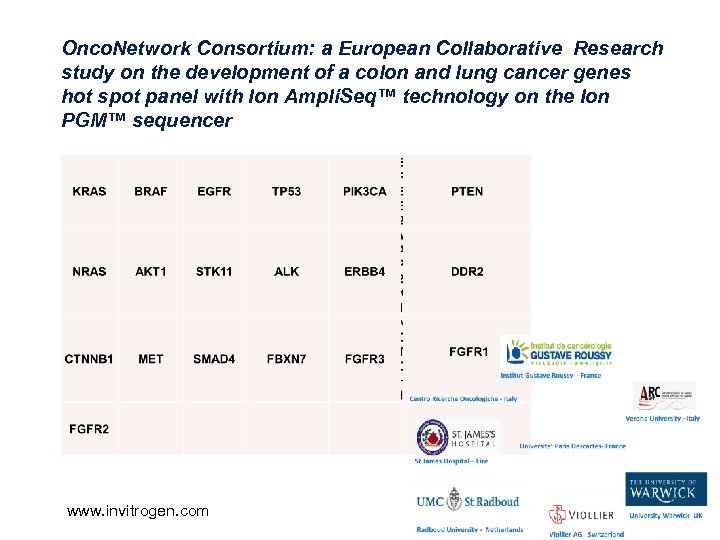 Onco. Network Consortium: a European Collaborative Research study on the development of a colon and lung cancer genes hot spot panel with Ion Ampli. Seq™ technology on the Ion PGM™ sequencer www. invitrogen. com
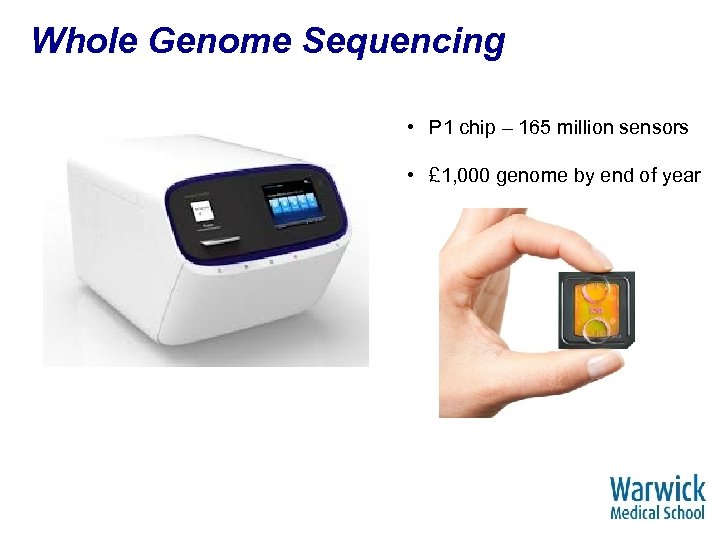 Whole Genome Sequencing • P 1 chip – 165 million sensors • £ 1, 000 genome by end of year
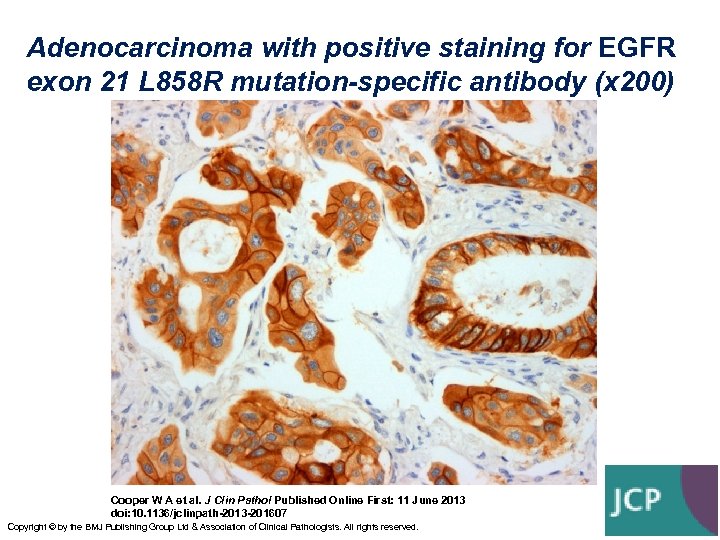 Adenocarcinoma with positive staining for EGFR exon 21 L 858 R mutation-specific antibody (x 200) Cooper W A et al. J Clin Pathol Published Online First: 11 June 2013 doi: 10. 1136/jclinpath-2013 -201607 Copyright © by the BMJ Publishing Group Ltd & Association of Clinical Pathologists. All rights reserved.
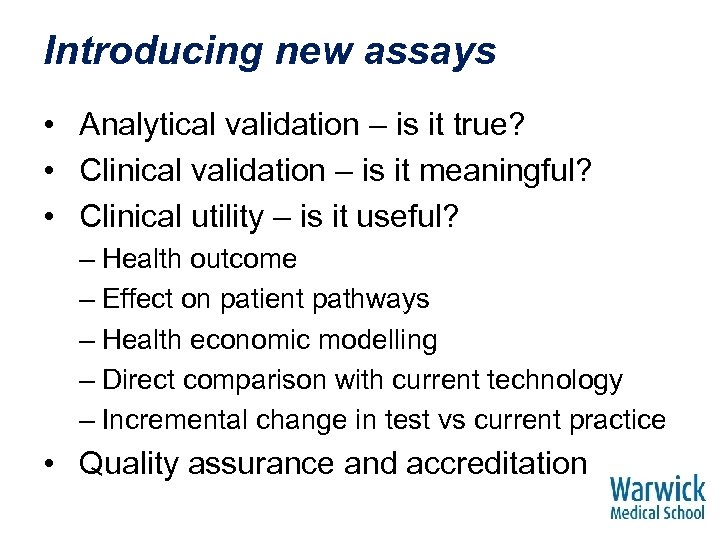 Introducing new assays • Analytical validation – is it true? • Clinical validation – is it meaningful? • Clinical utility – is it useful? – Health outcome – Effect on patient pathways – Health economic modelling – Direct comparison with current technology – Incremental change in test vs current practice • Quality assurance and accreditation
 Overview • • • EGFR mutations and beyond… Pre-analytical issues Techniques in clinical practice New methods for mutation testing Alternative samples for mutation testing • Implications – colorectal cancer
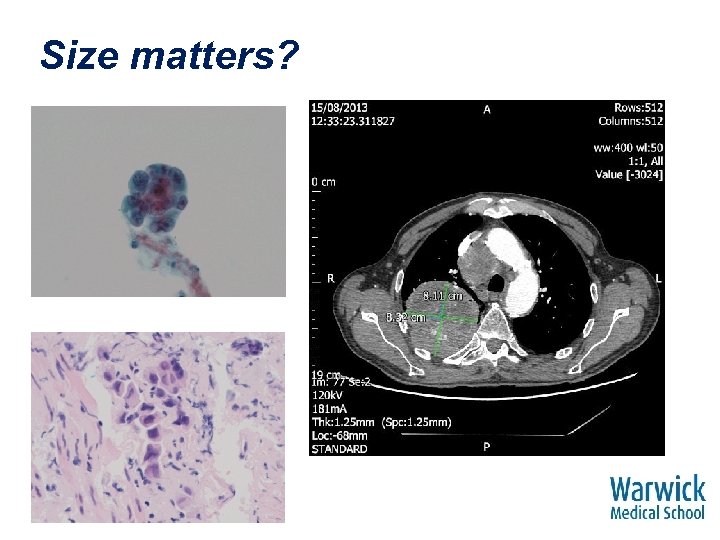 Size matters?
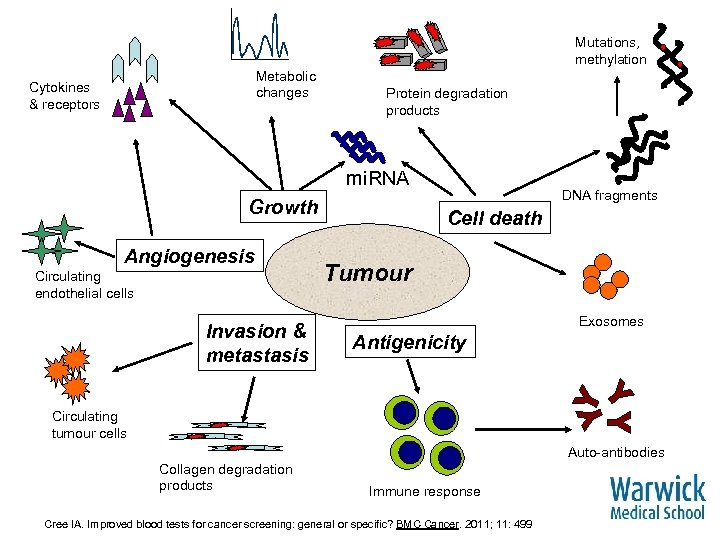 Mutations, methylation Metabolic changes Cytokines & receptors Protein degradation products mi. RNA Growth Angiogenesis Circulating endothelial cells Invasion & metastasis DNA fragments Cell death Tumour Exosomes Antigenicity Circulating tumour cells Auto-antibodies Collagen degradation products Immune response Cree IA. Improved blood tests for cancer screening: general or specific? BMC Cancer. 2011; 11: 499
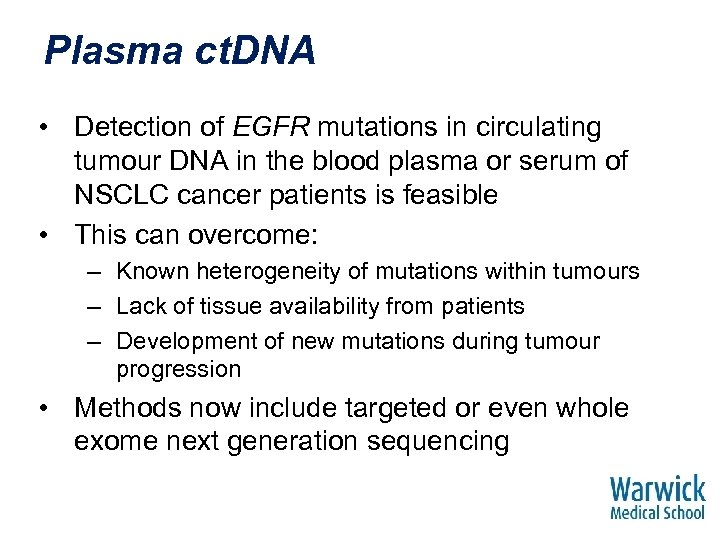 Plasma ct. DNA • Detection of EGFR mutations in circulating tumour DNA in the blood plasma or serum of NSCLC cancer patients is feasible • This can overcome: – Known heterogeneity of mutations within tumours – Lack of tissue availability from patients – Development of new mutations during tumour progression • Methods now include targeted or even whole exome next generation sequencing
 Overview • • • EGFR mutations and beyond… Pre-analytical issues Techniques in clinical practice New methods for mutation testing Alternative samples for mutation testing Implications – colorectal cancer
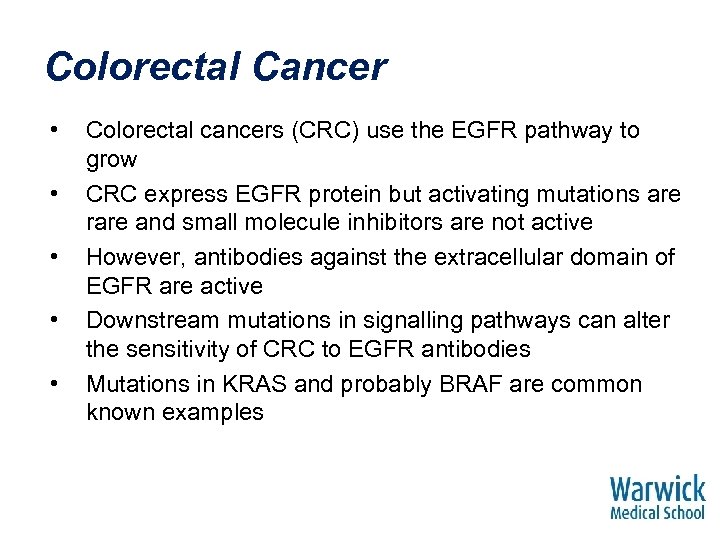 Colorectal Cancer • • • Colorectal cancers (CRC) use the EGFR pathway to grow CRC express EGFR protein but activating mutations are rare and small molecule inhibitors are not active However, antibodies against the extracellular domain of EGFR are active Downstream mutations in signalling pathways can alter the sensitivity of CRC to EGFR antibodies Mutations in KRAS and probably BRAF are common known examples
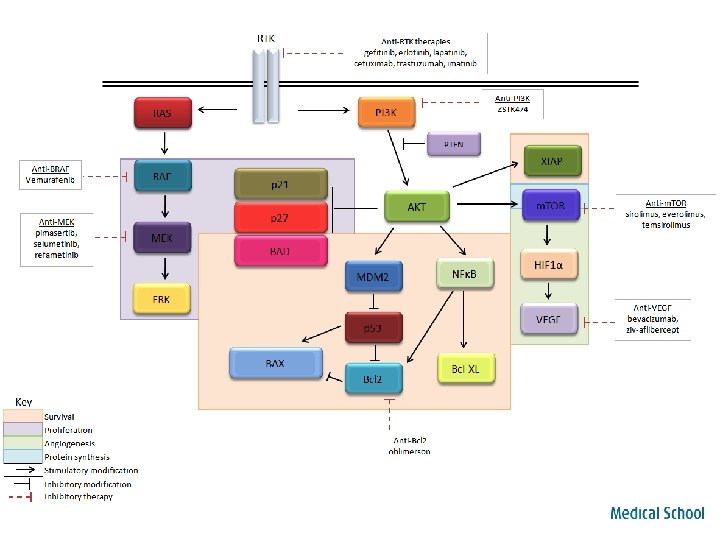 EGFR pathway
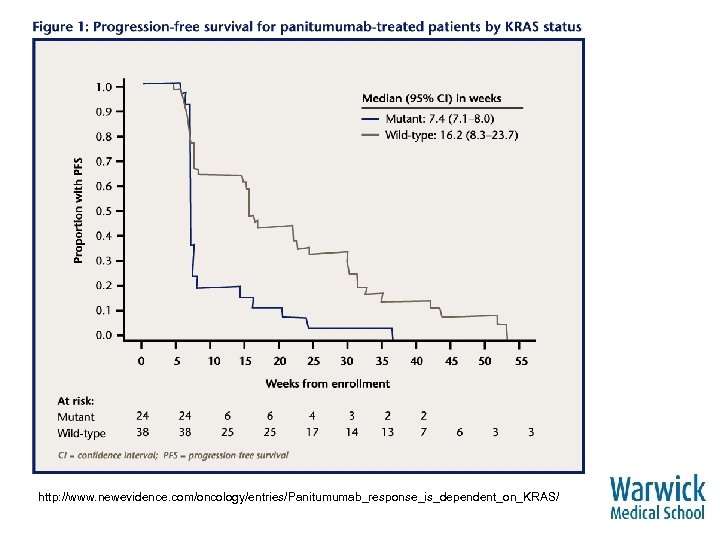 http: //www. newevidence. com/oncology/entries/Panitumumab_response_is_dependent_on_KRAS/
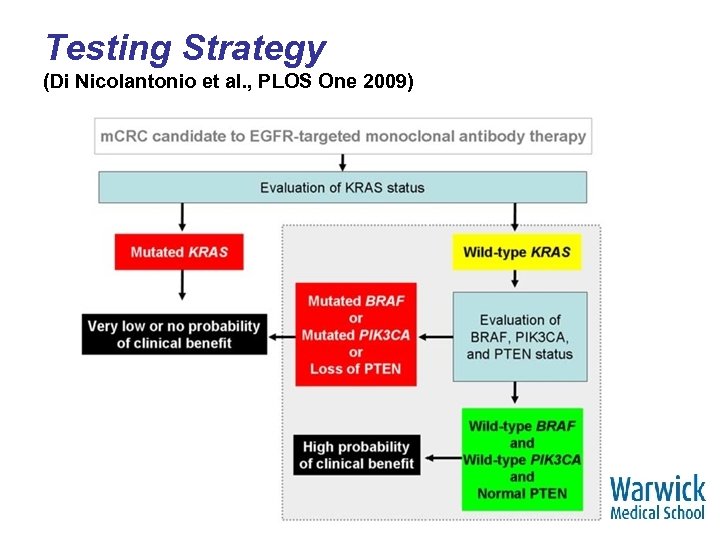 Testing Strategy (Di Nicolantonio et al. , PLOS One 2009)
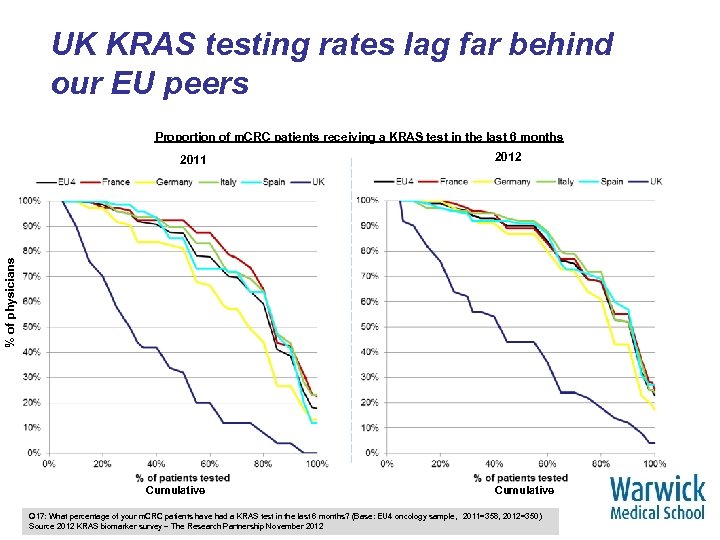 UK KRAS testing rates lag far behind our EU peers Proportion of m. CRC patients receiving a KRAS test in the last 6 months 2012 % of physicians 2011 Cumulative Q 17: What percentage of your m. CRC patients have had a KRAS test in the last 6 months? (Base: EU 4 oncology sample, 2011=358, 2012=350) Source 2012 KRAS biomarker survey – The Research Partnership November 2012
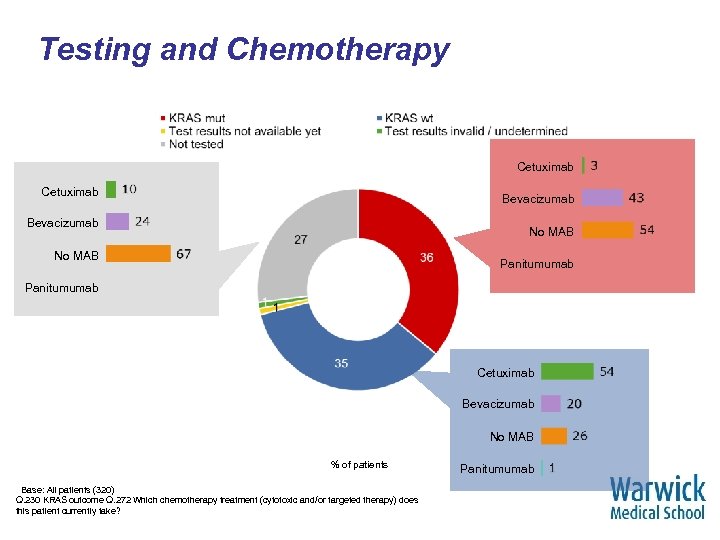 Testing and Chemotherapy Cetuximab Bevacizumab No MAB Panitumumab Cetuximab Bevacizumab No MAB % of patients Base: All patients (320) Q. 230 KRAS outcome Q. 272 Which chemotherapy treatment (cytotoxic and/or targeted therapy) does this patient currently take? Panitumumab
 Conclusions • • • Molecular analysis of cancer is required to optimise patient treatment Pre-analytical issues are a major concern There is a wide choice of analytical method – but quality must be assured New methods such as next generation sequencing show immense promise for the future Liquid biopsy is coming of age and will change practice – it will enable oncologists to use drugs intelligently to combat changes in individual cancers as they happen
 Thank you! • • • David Snead Judith Timms Anne Reiman