 Скачать презентацию Adult Learning and Participation Stuart Hollis Simon Beer
3d626a6afcf913eb99ca86b0803e7018.ppt
- Количество слайдов: 52



Adult Learning and Participation Stuart Hollis Simon Beer Programme Director June 2009
This Presentation · The UK background · The recession · Participation the evidence · Implications
THE UK Background Stuart Hollis
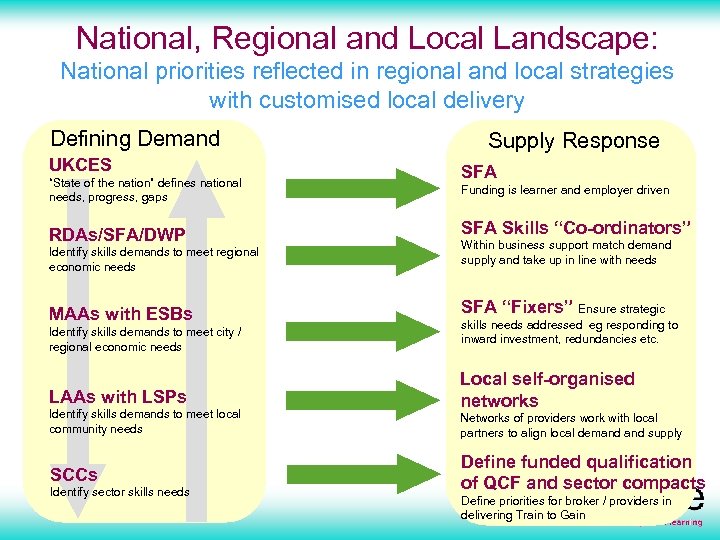
National, Regional and Local Landscape: National priorities reflected in regional and local strategies with customised local delivery Defining Demand UKCES “State of the nation” defines national needs, progress, gaps RDAs/SFA/DWP Identify skills demands to meet regional economic needs MAAs with ESBs Identify skills demands to meet city / regional economic needs LAAs with LSPs Identify skills demands to meet local community needs SCCs Identify sector skills needs Supply Response SFA Funding is learner and employer driven SFA Skills “Co-ordinators” Within business support match demand supply and take up in line with needs SFA “Fixers” Ensure strategic skills needs addressed eg responding to inward investment, redundancies etc. Local self-organised networks Networks of providers work with local partners to align local demand supply Define funded qualification of QCF and sector compacts Define priorities for broker / providers in delivering Train to Gain
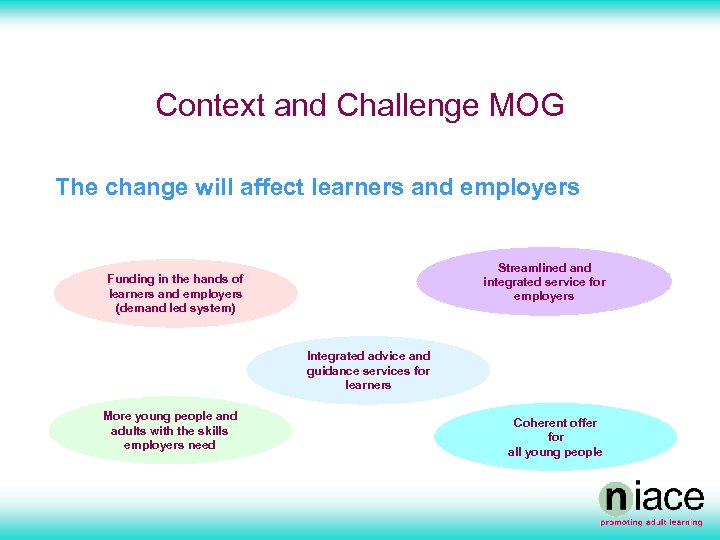
Context and Challenge MOG The change will affect learners and employers Streamlined and integrated service for employers Funding in the hands of learners and employers (demand led system) Integrated advice and guidance services for learners More young people and adults with the skills employers need Coherent offer for all young people
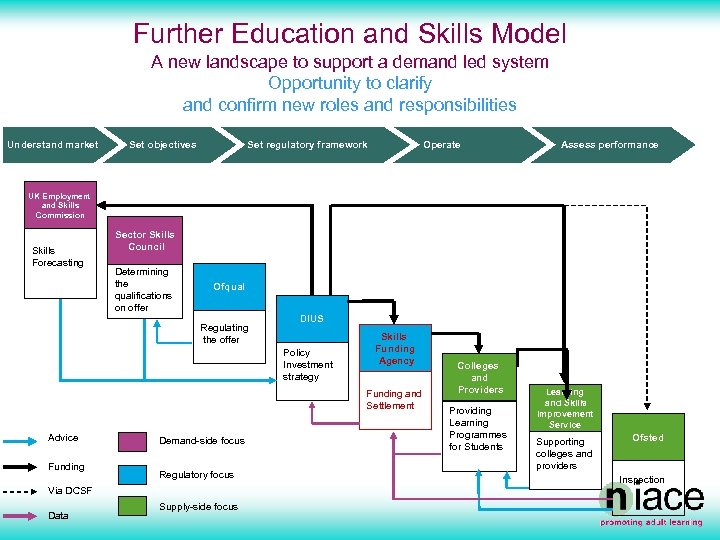
Further Education and Skills Model A new landscape to support a demand led system Opportunity to clarify and confirm new roles and responsibilities Understand market Set objectives Set regulatory framework Operate Assess performance UK Employment and Skills Commission Skills Forecasting Sector Skills Council Determining the qualifications on offer Ofqual Regulating the offer DIUS Policy Investment strategy Skills Funding Agency Funding and Settlement Advice Funding Demand-side focus Regulatory focus Via DCSF Data Supply-side focus Colleges and Providers Providing Learning Programmes for Students Learning and Skills Improvement Service Supporting colleges and providers Ofsted Inspection
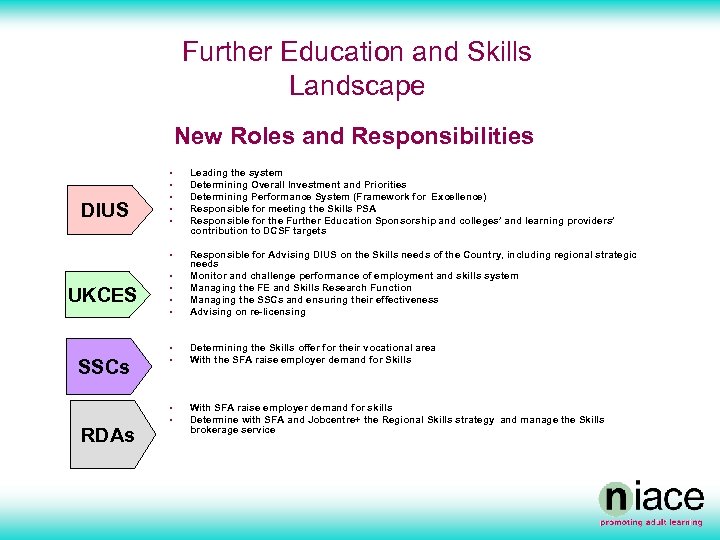
Further Education and Skills Landscape New Roles and Responsibilities DIUS § § § § § Responsible for Advising DIUS on the Skills needs of the Country, including regional strategic needs Monitor and challenge performance of employment and skills system Managing the FE and Skills Research Function Managing the SSCs and ensuring their effectiveness Advising on re-licensing § § Determining the Skills offer for their vocational area With the SFA raise employer demand for Skills § § With SFA raise employer demand for skills Determine with SFA and Jobcentre+ the Regional Skills strategy and manage the Skills brokerage service § UKCES SSCs RDAs Leading the system Determining Overall Investment and Priorities Determining Performance System (Framework for Excellence) Responsible for meeting the Skills PSA Responsible for the Further Education Sponsorship and colleges’ and learning providers’ contribution to DCSF targets
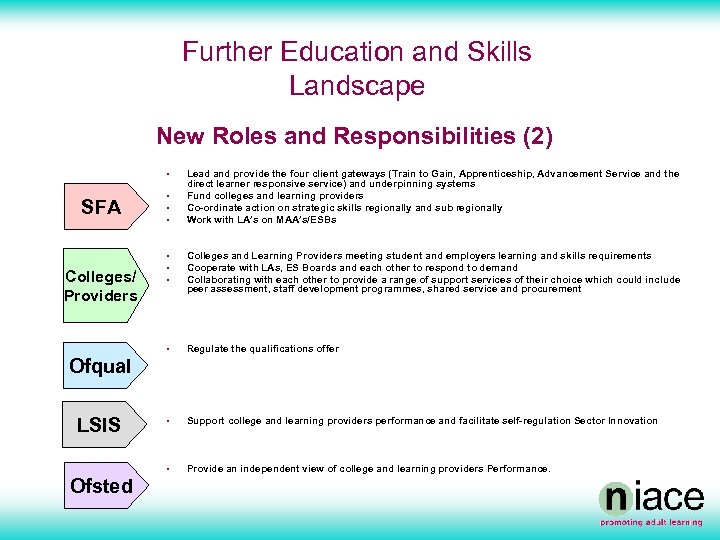
Further Education and Skills Landscape New Roles and Responsibilities (2) § SFA § § § Lead and provide the four client gateways (Train to Gain, Apprenticeship, Advancement Service and the direct learner responsive service) and underpinning systems Fund colleges and learning providers Co-ordinate action on strategic skills regionally and sub regionally Work with LA’s on MAA’s/ESBs Colleges and Learning Providers meeting student and employers learning and skills requirements Cooperate with LAs, ES Boards and each other to respond to demand Collaborating with each other to provide a range of support services of their choice which could include peer assessment, staff development programmes, shared service and procurement § Regulate the qualifications offer § Support college and learning providers performance and facilitate self-regulation Sector Innovation § Colleges/ Providers § § § Provide an independent view of college and learning providers Performance. Ofqual LSIS Ofsted
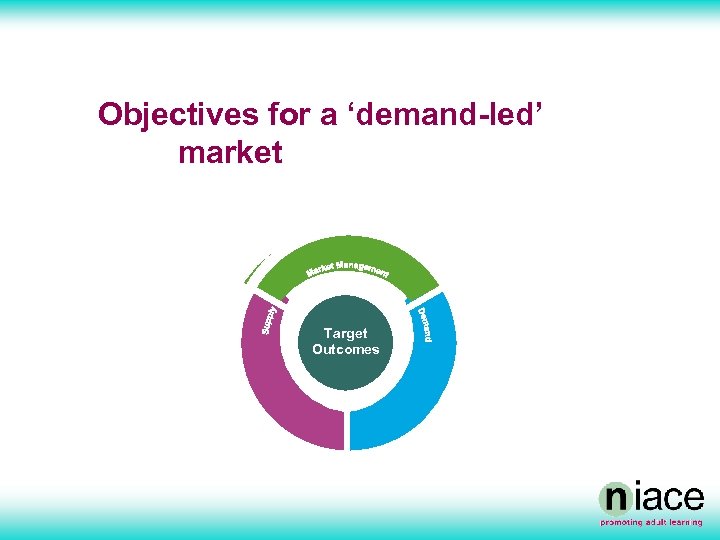
Objectives for a ‘demand-led’ market Target Outcomes
The Apprenticeships, Skills, Children and Learning Bill Introduced in Feb 2009: § As part of this Bill, it is proposed to create a new statutory office holder, the Chief Executive of Skills Funding, who will have specific powers and duties including responsibility for the SFA. § The Skills Funding Agency will be agency of DBIS, with staff provided by the Secretary of State. § The aim is to ensure the autonomy and academic freedom of colleges and providers and in line with best practice in the public sector, ensure decisions are taken as close to the frontline as possible. § To ensure this a duty to collaborate will be placed on colleges and learning providers.
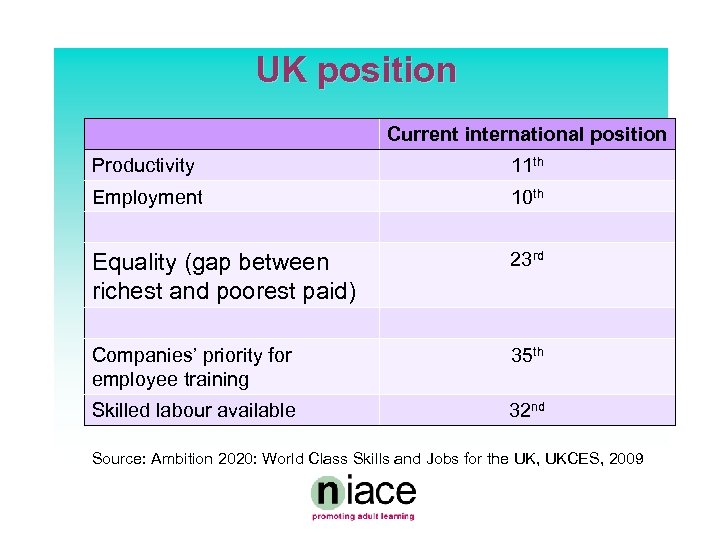
UK position Current international position Productivity 11 th Employment 10 th Equality (gap between richest and poorest paid) 23 rd Stuart Hollis Companies’ priority for employee training 35 th Skilled labour available 32 nd Source: Ambition 2020: World Class Skills and Jobs for the UK, UKCES, 2009
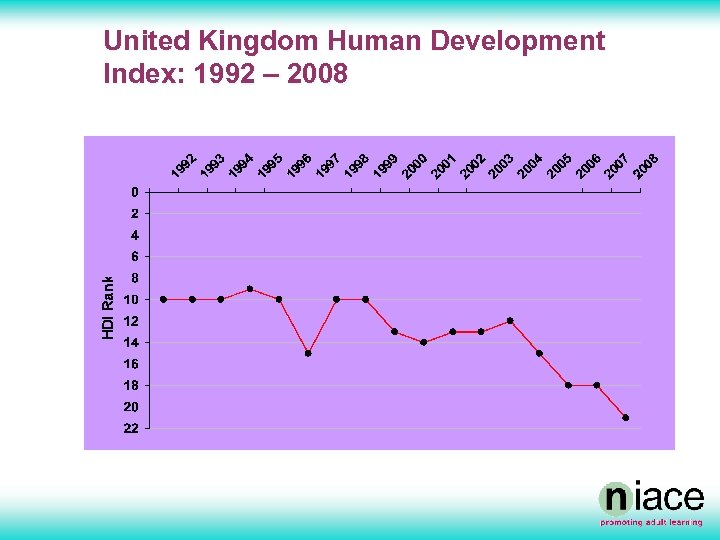
United Kingdom Human Development Index: 1992 – 2008
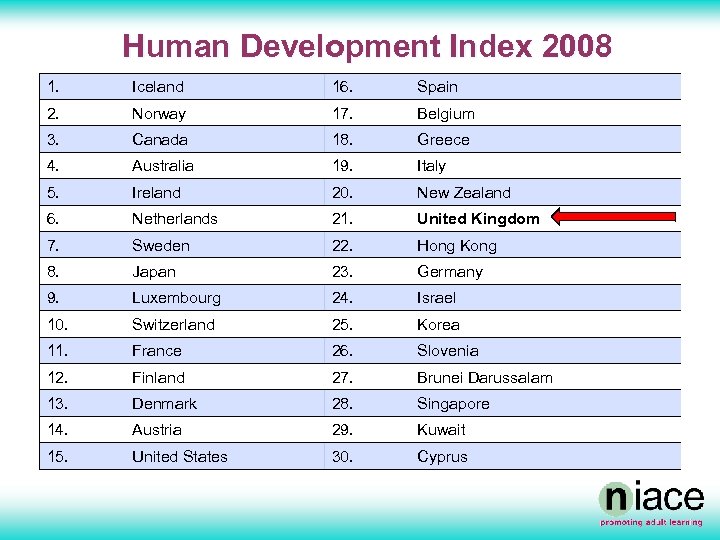
Human Development Index 2008 1. Iceland 16. Spain 2. Norway 17. Belgium 3. Canada 18. Greece 4. Australia 19. Italy 5. Ireland 20. New Zealand 6. Netherlands 21. United Kingdom 7. Sweden 22. Hong Kong 8. Japan 23. Germany 9. Luxembourg 24. Israel 10. Switzerland 25. Korea 11. France 26. Slovenia 12. Finland 27. Brunei Darussalam 13. Denmark 28. Singapore 14. Austria 29. Kuwait 15. United States 30. Cyprus
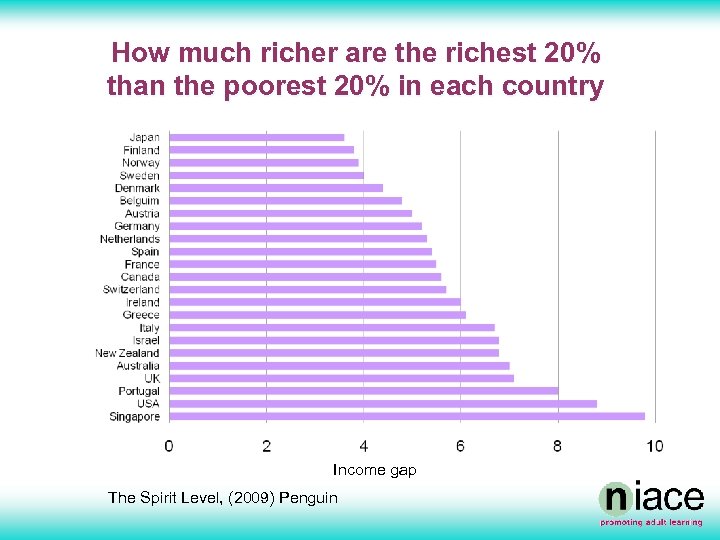
How much richer are the richest 20% than the poorest 20% in each country Income gap The Spirit Level, (2009) Penguin
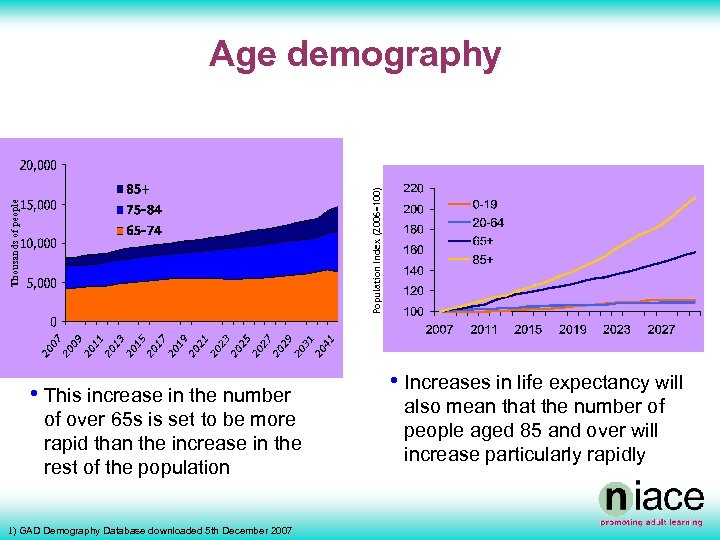
Thousands of people Population Index (2006=100) Age demography • This increase in the number of over 65 s is set to be more rapid than the increase in the rest of the population 1) GAD Demography Database downloaded 5 th December 2007 • Increases in life expectancy will also mean that the number of people aged 85 and over will increase particularly rapidly
Recession - Immediate context Stuart Hollis

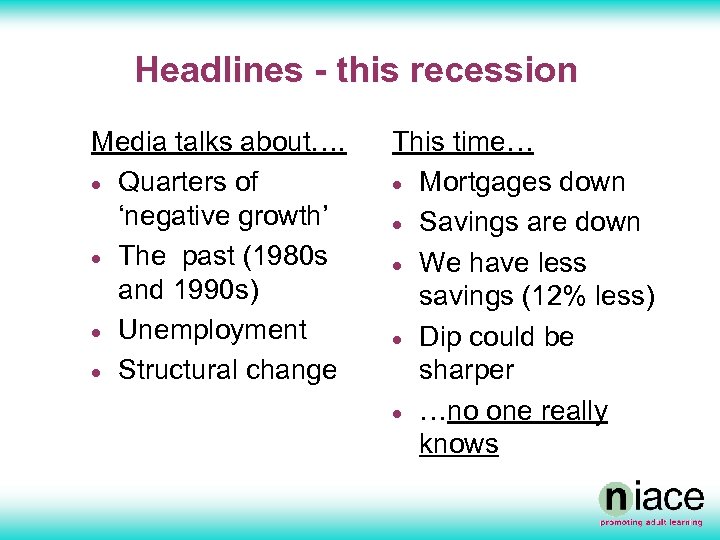
Headlines - this recession Media talks about…. · Quarters of ‘negative growth’ · The past (1980 s and 1990 s) · Unemployment · Structural change This time… · Mortgages down · Savings are down · We have less savings (12% less) · Dip could be sharper · …no one really knows
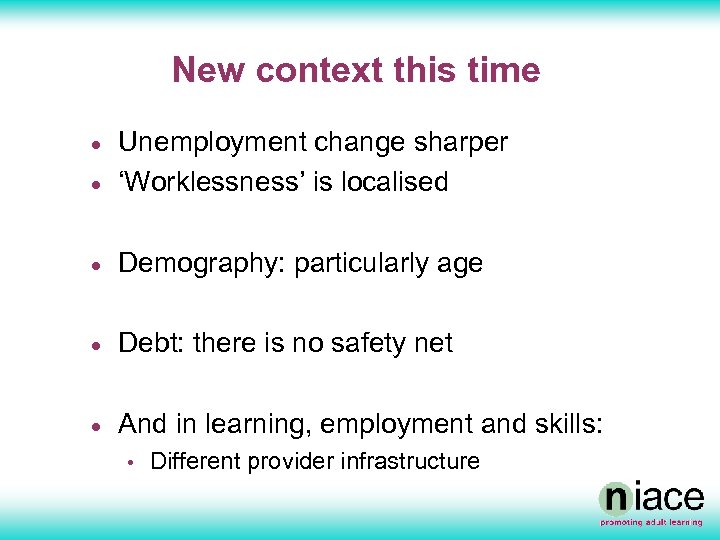
New context this time · Unemployment change sharper ‘Worklessness’ is localised · Demography: particularly age · Debt: there is no safety net · And in learning, employment and skills: · • Different provider infrastructure
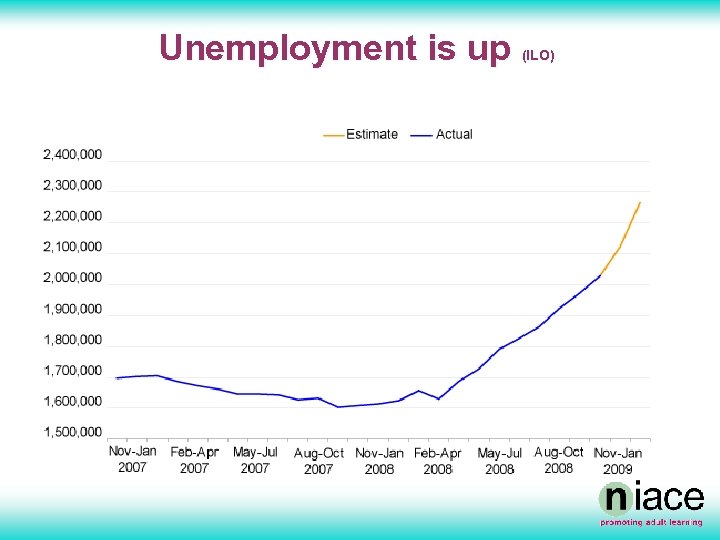
Unemployment is up (ILO)
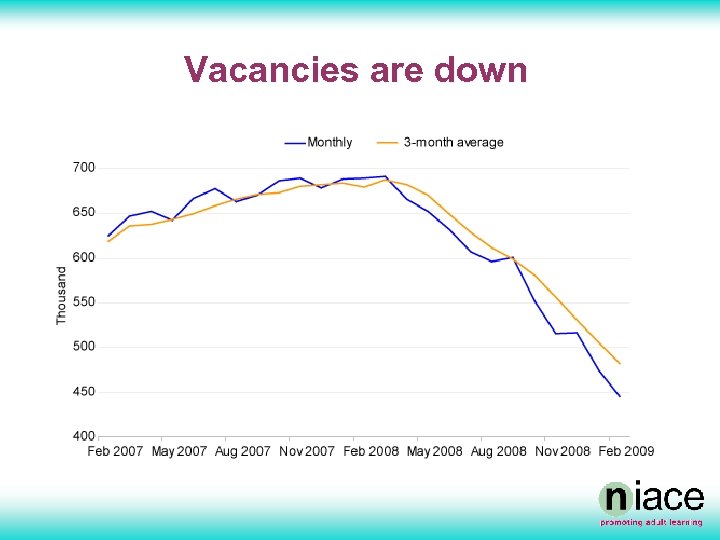
Vacancies are down
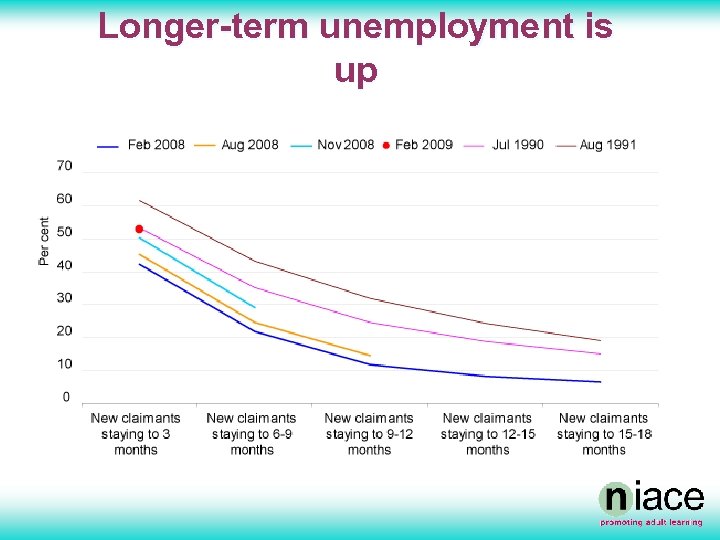
Longer-term unemployment is up


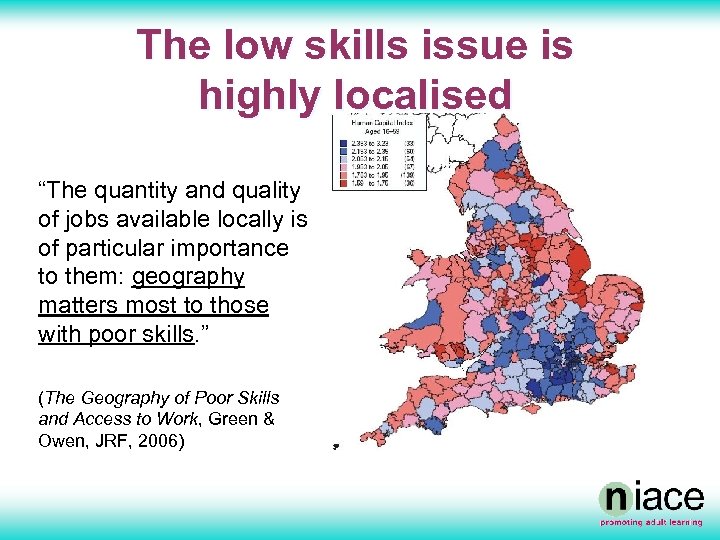
The low skills issue is highly localised “The quantity and quality of jobs available locally is of particular importance to them: geography matters most to those with poor skills. ” (The Geography of Poor Skills and Access to Work, Green & Owen, JRF, 2006)
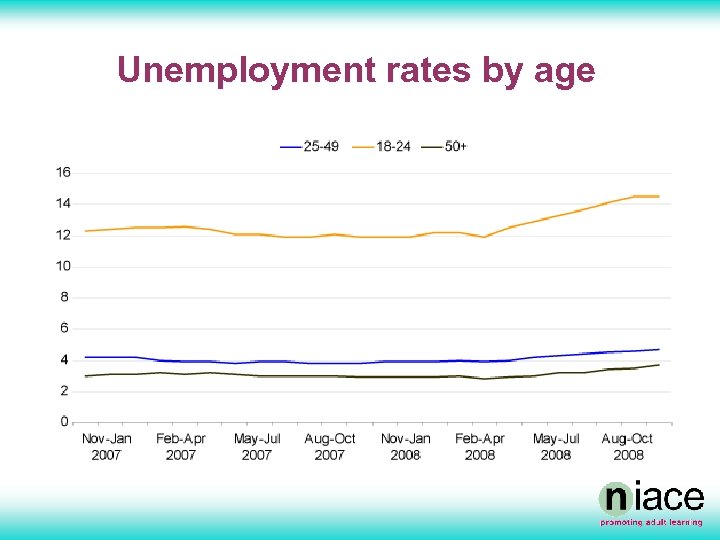
Unemployment rates by age
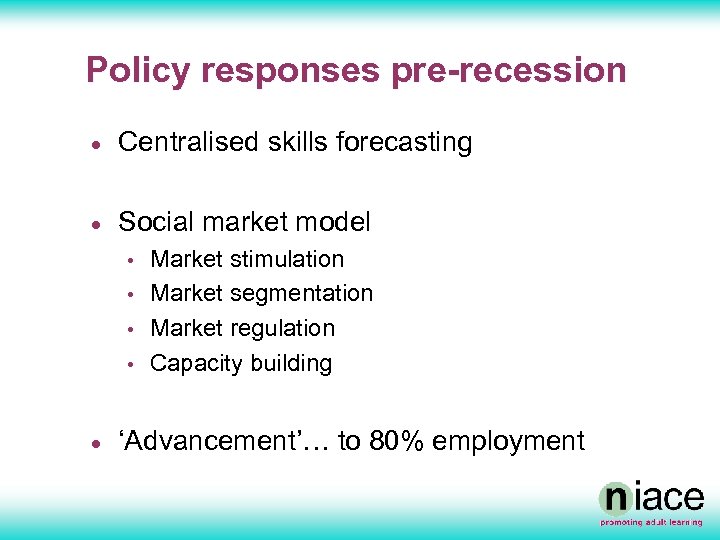
Policy responses pre-recession · Centralised skills forecasting · Social market model • • · Market stimulation Market segmentation Market regulation Capacity building ‘Advancement’… to 80% employment
Participation The facts Stuart Hollis
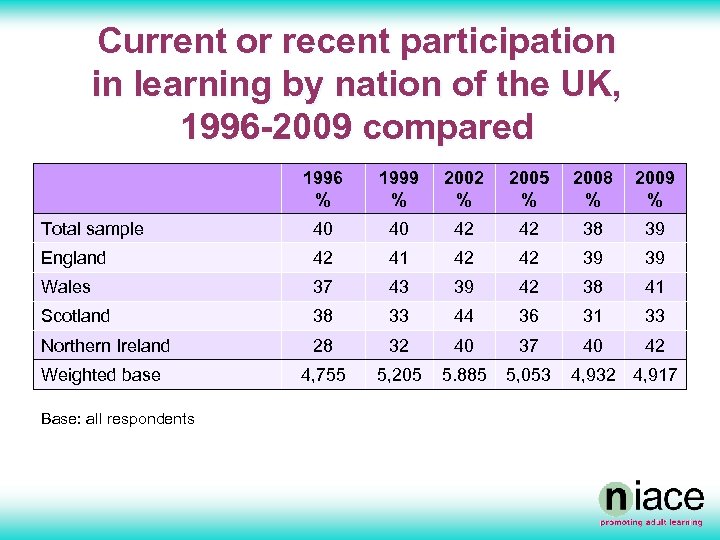
Current or recent participation in learning by nation of the UK, 1996 -2009 compared 1996 % 1999 % 2002 % 2005 % 2008 % 2009 % Total sample 40 40 42 42 38 39 England 42 41 42 42 39 39 Wales 37 43 39 42 38 41 Scotland 38 33 44 36 31 33 Northern Ireland 28 32 40 37 40 42 Weighted base 4, 755 5, 205 5. 885 5, 053 Base: all respondents 4, 932 4, 917
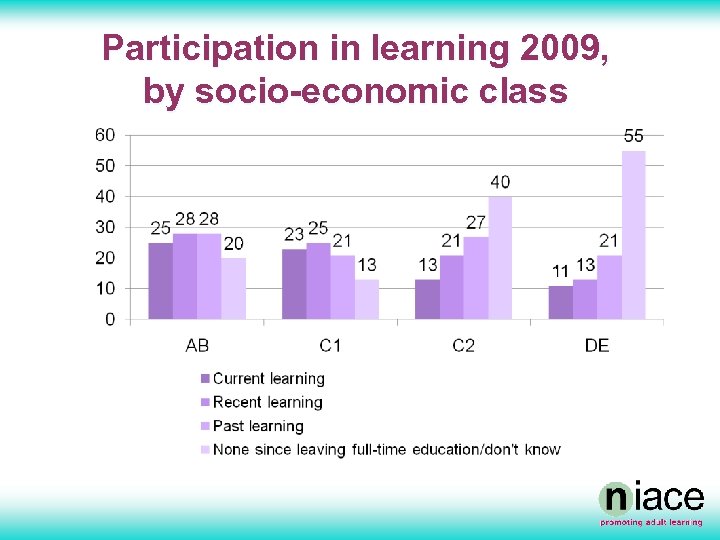
Participation in learning 2009, by socio-economic class
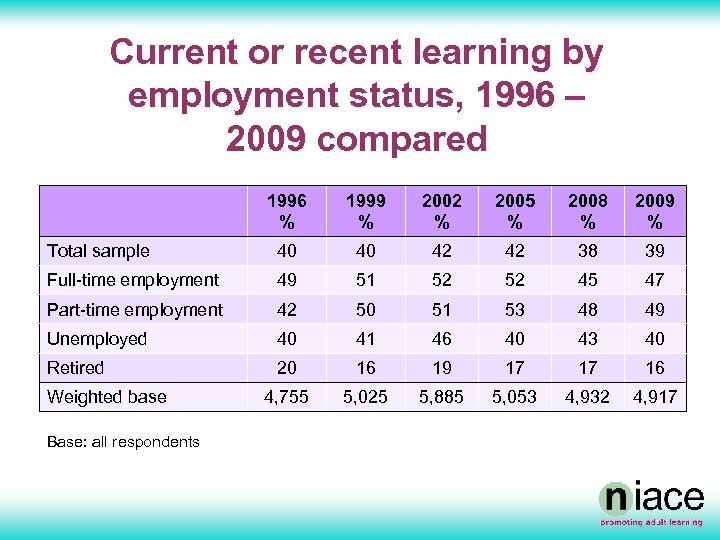
Current or recent learning by employment status, 1996 – 2009 compared 1996 % 1999 % 2002 % 2005 % 2008 % 2009 % Total sample 40 40 42 42 38 39 Full-time employment 49 51 52 52 45 47 Part-time employment 42 50 51 53 48 49 Unemployed 40 41 46 40 43 40 Retired 20 16 19 17 17 16 4, 755 5, 025 5, 885 5, 053 4, 932 4, 917 Weighted base Base: all respondents
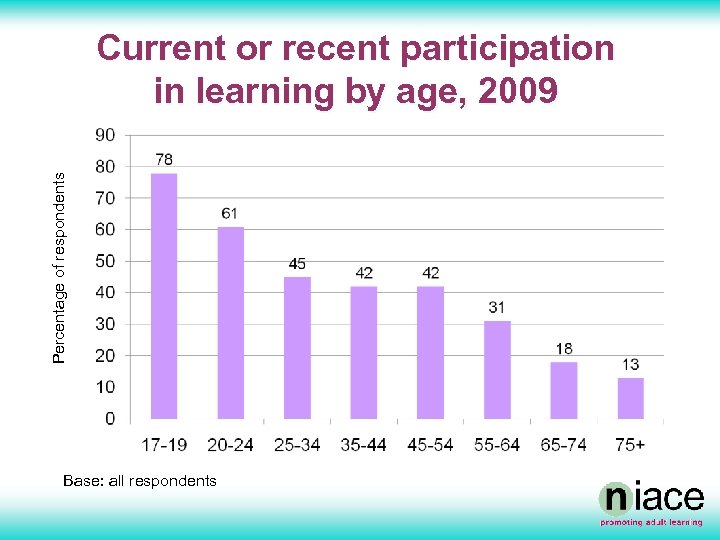
Percentage of respondents Current or recent participation in learning by age, 2009 Base: all respondents
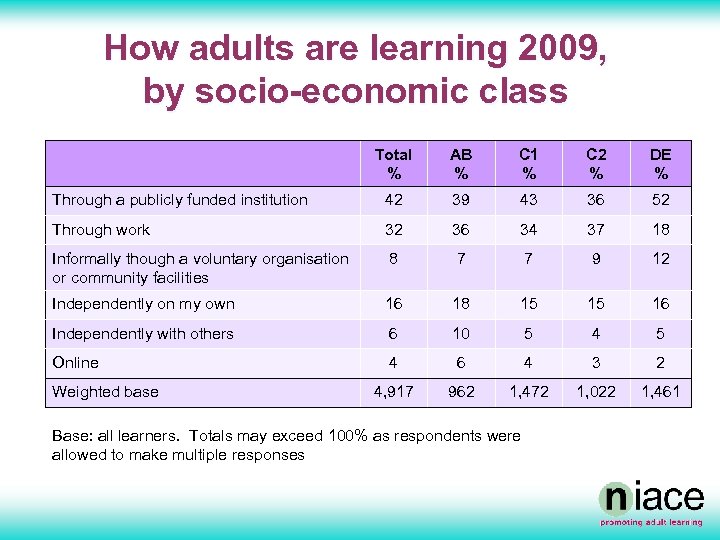
How adults are learning 2009, by socio-economic class Total % AB % C 1 % C 2 % DE % Through a publicly funded institution 42 39 43 36 52 Through work 32 36 34 37 18 Informally though a voluntary organisation or community facilities 8 7 7 9 12 Independently on my own 16 18 15 15 16 Independently with others 6 10 5 4 5 Online 4 6 4 3 2 4, 917 962 1, 472 1, 022 1, 461 Weighted base Base: all learners. Totals may exceed 100% as respondents were allowed to make multiple responses
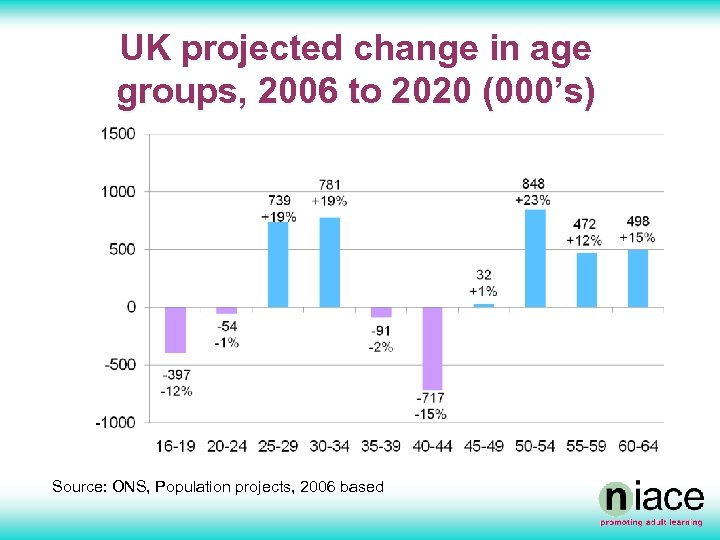
UK projected change in age groups, 2006 to 2020 (000’s) Source: ONS, Population projects, 2006 based
Implications For those seeking to widen participation Stuart Hollis
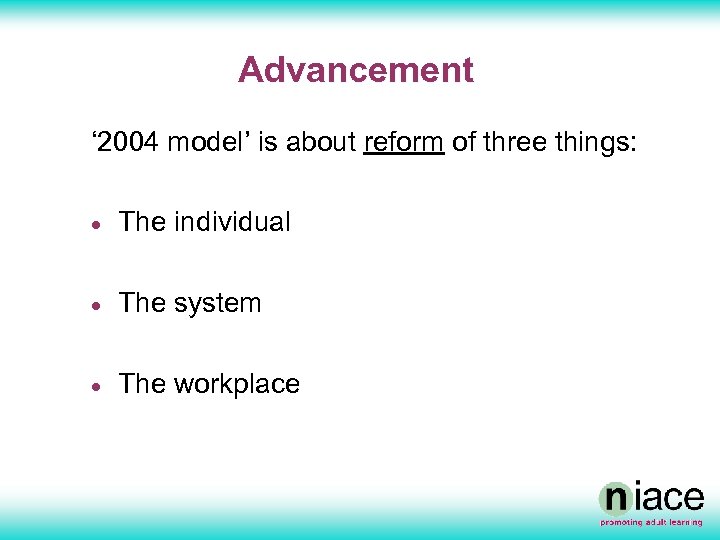
Advancement ‘ 2004 model’ is about reform of three things: · The individual · The system · The workplace
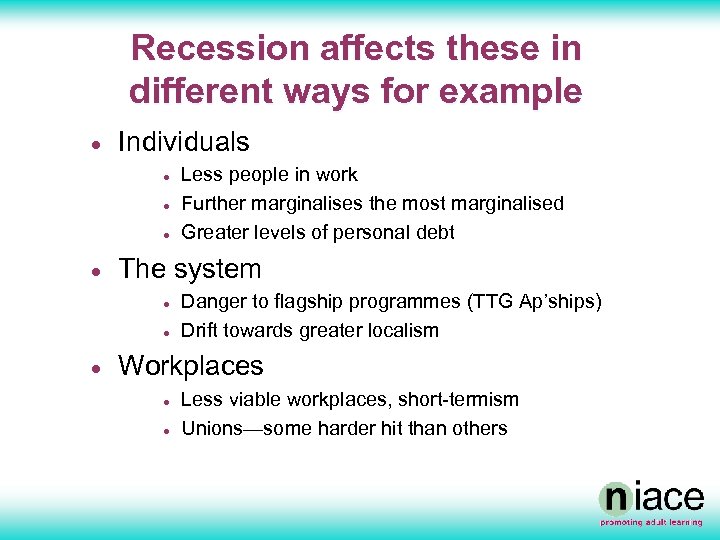
Recession affects these in different ways for example · Individuals · · The system · · · Less people in work Further marginalises the most marginalised Greater levels of personal debt Danger to flagship programmes (TTG Ap’ships) Drift towards greater localism Workplaces · · Less viable workplaces, short-termism Unions—some harder hit than others
Opportunities and Questions · · · Fees issues not tackled? Vocational/non-vocational divide maintained Local authorities role in adult learning could develop across range of agendas Support for connecting self organised learning and technology A return to creative widening participation ?
Opportunities and Questions 2 • • Is there a connect between key parts of the FE and HE system? Lack of sustainable budgets for actual WP related provision? Lack of recognition of “non-educational” barriers to participation? Does system enable empowerment and collective approaches?
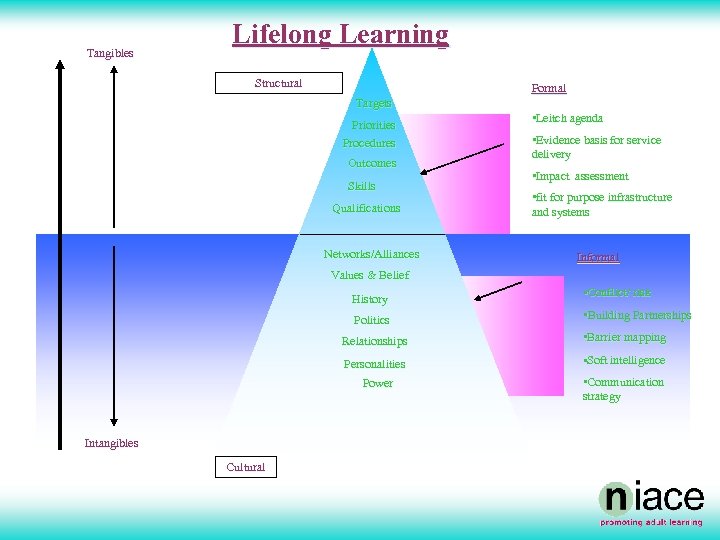
Tangibles Lifelong Learning Structural Formal Targets Priorities Procedures Outcomes Skills Qualifications Networks/Alliances • Leitch agenda • Evidence basis for service delivery • Impact assessment • fit for purpose infrastructure and systems Informal Values & Belief History Politics • Conflict/ risk • Building Partnerships Relationships Personalities Cultural • Soft intelligence Power Intangibles • Barrier mapping • Communication strategy
Adult learning: some Key Characteristics of the Terrain ü Time, place, pace, form & purposes of learner’s choice ü Life-long & life-wide – linked to key moments in the lifecourse ü Informal, non-formal & even ‘tacit’ ü ‘Learning to learn’ - meta-competence ü Critical skills, curiosity & challenge ü Flexibility, adaptability & responsiveness of both learning & ü ü learners Confidence & autonomy – capability & competence Motivation, commitment & progression Co-produced between learners and ‘teachers’ & amongst learners Capacity for independent & interdependent, functioning individuals , families, groups, organisations & communities
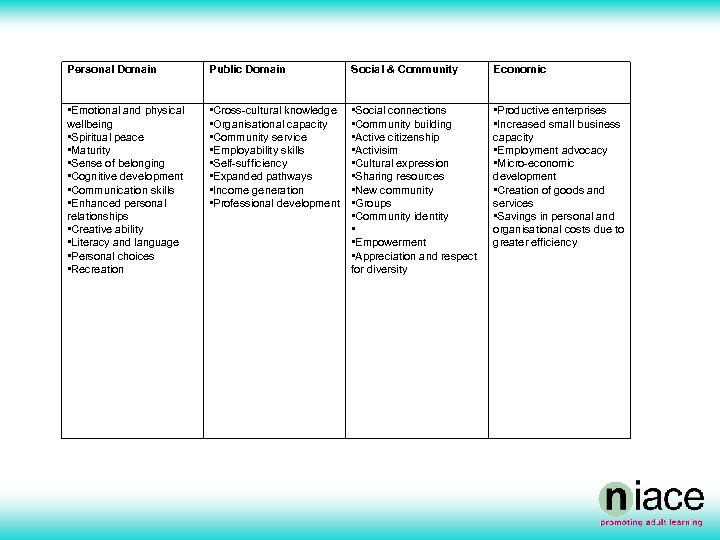
Personal Domain Public Domain Social & Community Economic • Emotional and physical wellbeing • Spiritual peace • Maturity • Sense of belonging • Cognitive development • Communication skills • Enhanced personal relationships • Creative ability • Literacy and language • Personal choices • Recreation • Cross-cultural knowledge • Organisational capacity • Community service • Employability skills • Self-sufficiency • Expanded pathways • Income generation • Professional development • Social connections • Community building • Active citizenship • Activisim • Cultural expression • Sharing resources • New community • Groups • Community identity • • Empowerment • Appreciation and respect for diversity • Productive enterprises • Increased small business capacity • Employment advocacy • Micro-economic development • Creation of goods and services • Savings in personal and organisational costs due to greater efficiency
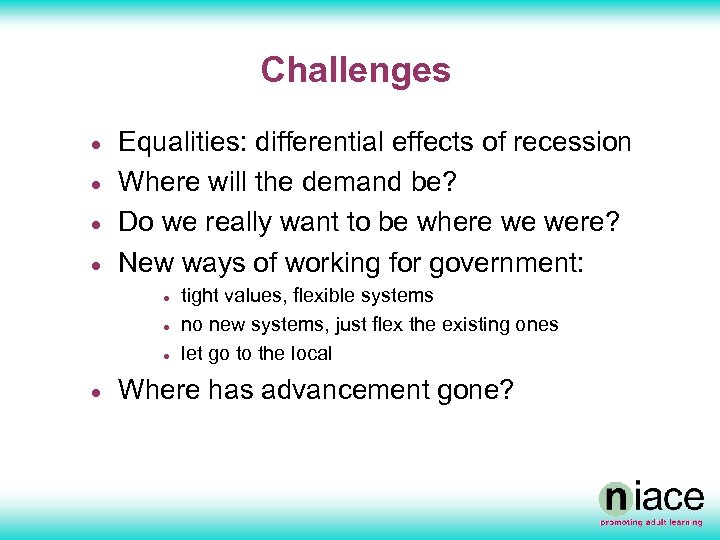
Challenges · · Equalities: differential effects of recession Where will the demand be? Do we really want to be where we were? New ways of working for government: · · tight values, flexible systems no new systems, just flex the existing ones let go to the local Where has advancement gone?
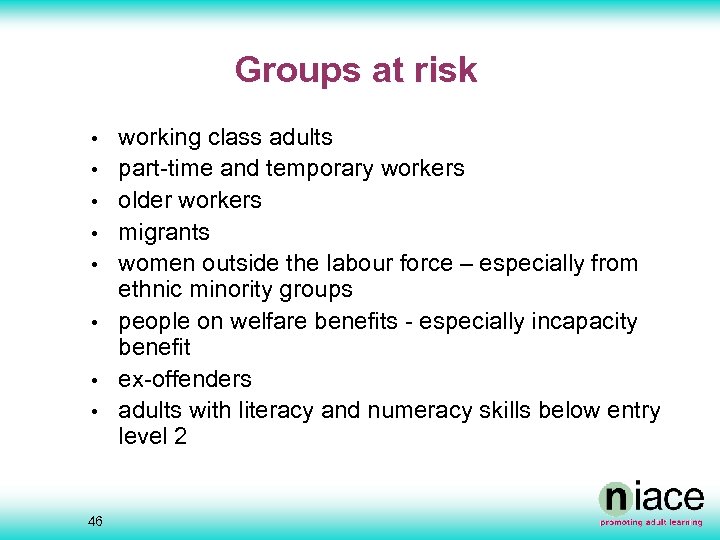
Groups at risk • • 46 working class adults part-time and temporary workers older workers migrants women outside the labour force – especially from ethnic minority groups people on welfare benefits - especially incapacity benefit ex-offenders adults with literacy and numeracy skills below entry level 2
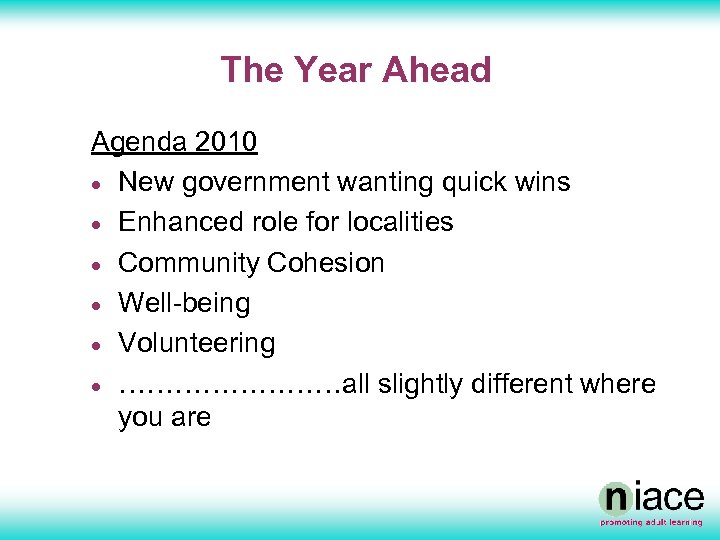
The Year Ahead Agenda 2010 · New government wanting quick wins · Enhanced role for localities · Community Cohesion · Well-being · Volunteering · …………all slightly different where you are
Participation: Questions for providers We should be asking the following questions:
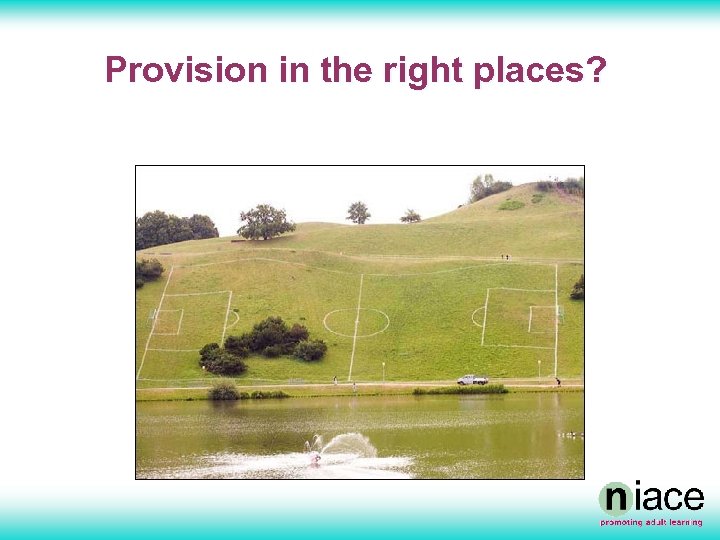
Provision in the right places?
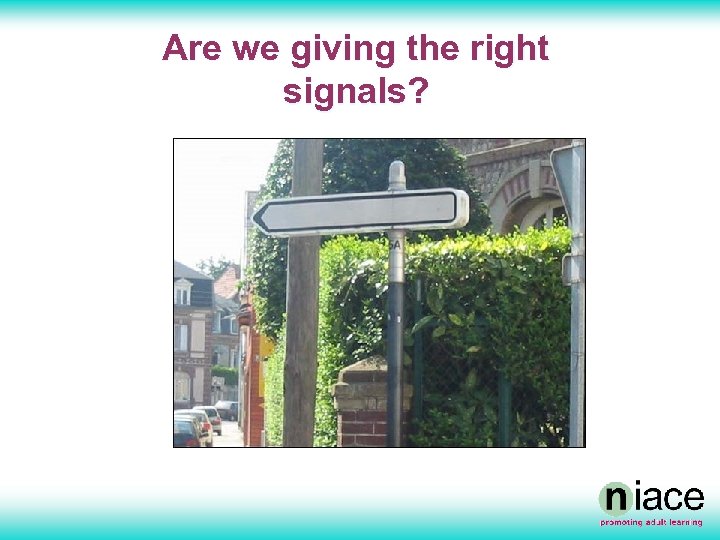
Are we giving the right signals?
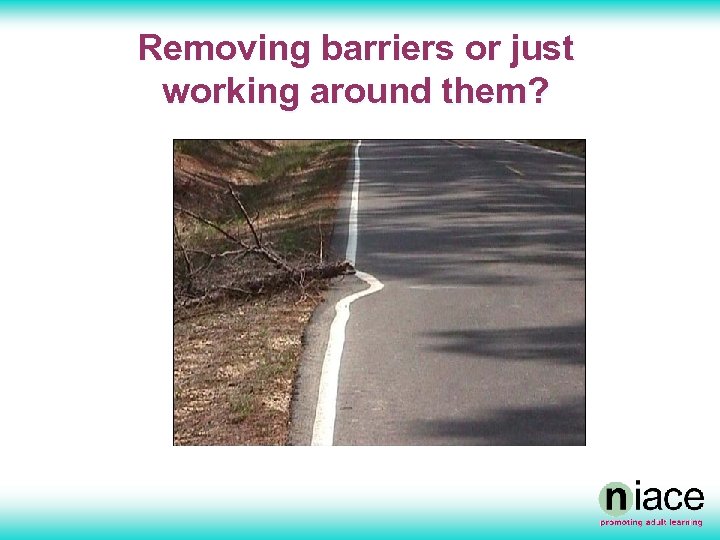
Removing barriers or just working around them?

Is there a high trust relationship?
Скачать презентацию Adult Learning and Participation Stuart Hollis Simon Beer
3d626a6afcf913eb99ca86b0803e7018.ppt