 Скачать презентацию Acute Pain Management Dr Ashish Shetty MBBS MD USA
d476649fc25f672770b2ff7c283fb815.ppt
- Количество слайдов: 90



Acute Pain Management Dr Ashish Shetty MBBS, MD(USA), FRCA, FFPMRCA National Hospital for Neurology & Neurosurgery, UCLH Honorary Consultant, Guys & St Thomas Hospital, London
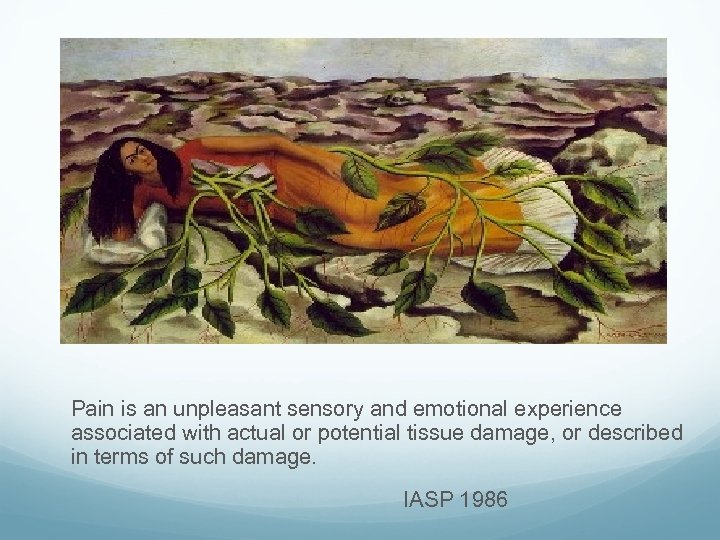
Definition 1 Pain is an unpleasant sensory and emotional experience associated with actual or potential tissue damage, or described in terms of such damage. IASP 1986
Acute Pain 1 Cause is known 2 Temporary (< 6 weeks) 3 Located in area of trauma 4 Resolves spontaneously 5 Trauma, Medical, Surgical
Clinical characteristics of Acute Pain Sudden, sharp, intense, localised Usually self-limited Consequences Neuro-endocrine, Cardio-Respiratory, Gastrointestinal, Urinary Musculoskeletal Siddall PJ, et al. Neural Blockade in Clinical Anesthesia and Management of Pain; 1998: 675– 713. Bonica JJ. The Management of Pain. Vol. 1; 1990.
24 yr old Jim Writhing in Pain Fracture of tibia Waiting to go to OR
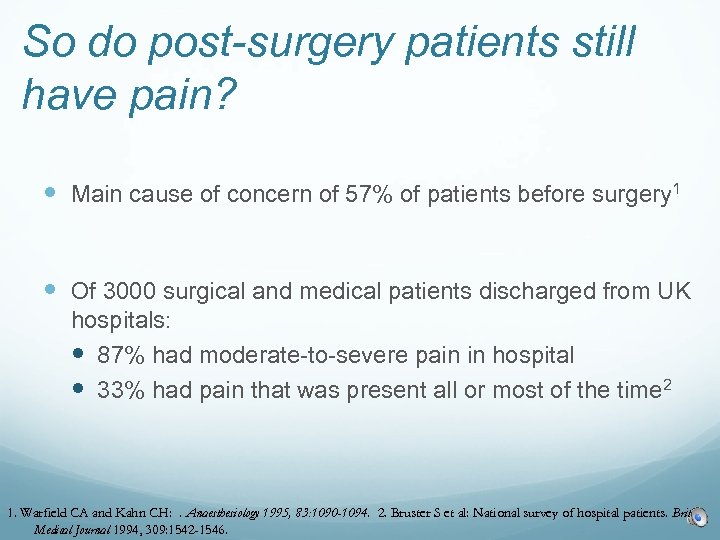
So do post-surgery patients still have pain? Main cause of concern of 57% of patients before surgery 1 Of 3000 surgical and medical patients discharged from UK hospitals: 87% had moderate-to-severe pain in hospital 33% had pain that was present all or most of the time 2 1. Warfield CA and Kahn CH: . Anaesthesiology 1995, 83: 1090 -1094. 2. Bruster S et al: National survey of hospital patients. British Medical Journal 1994, 309: 1542 -1546.
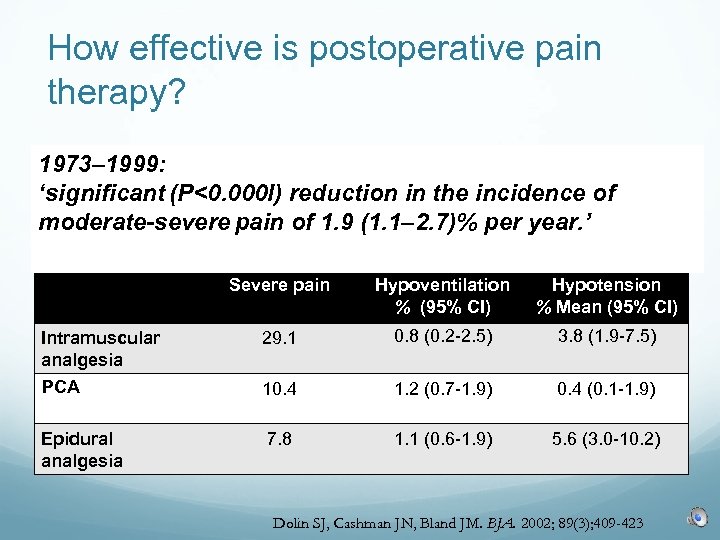
How effective is postoperative pain therapy? 1973– 1999: ‘significant (P<0. 000 l) reduction in the incidence of moderate-severe pain of 1. 9 (1. 1– 2. 7)% per year. ’ Severe pain Hypoventilation % (95% CI) Hypotension % Mean (95% CI) Intramuscular analgesia 29. 1 0. 8 (0. 2 -2. 5) 3. 8 (1. 9 -7. 5) PCA 10. 4 1. 2 (0. 7 -1. 9) 0. 4 (0. 1 -1. 9) Epidural analgesia 7. 8 1. 1 (0. 6 -1. 9) 5. 6 (3. 0 -10. 2) Dolin SJ, Cashman JN, Bland JM. BJA. 2002; 89(3); 409 -423
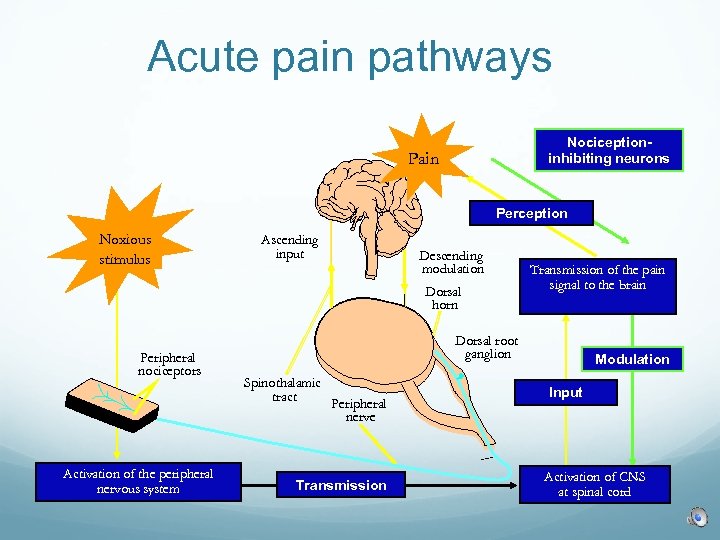
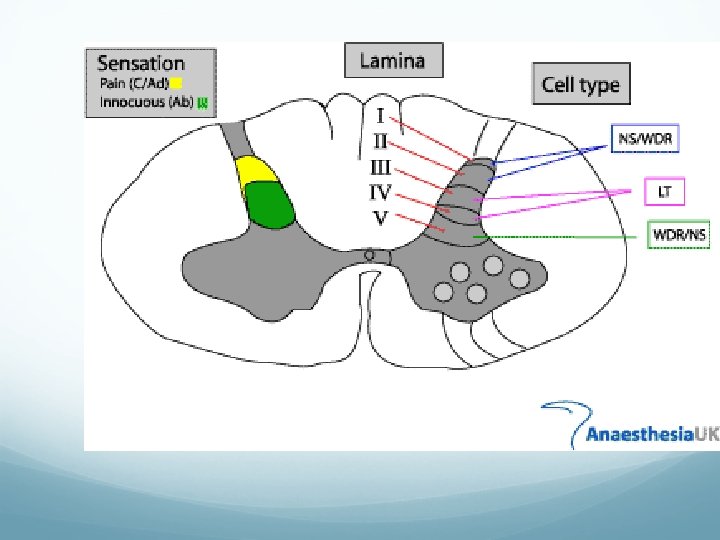
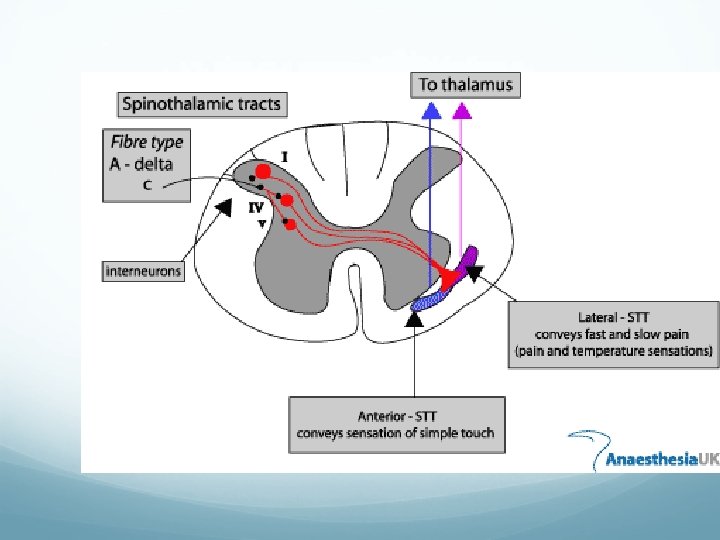
Acute pain pathways Nociceptioninhibiting neurons Pain Perception Noxious stimulus Ascending input Descending modulation Dorsal horn Peripheral nociceptors Activation of the peripheral nervous system Transmission of the pain signal to the brain Dorsal root ganglion Spinothalamic tract Peripheral nerve Transmission Modulation Input Activation of CNS at spinal cord
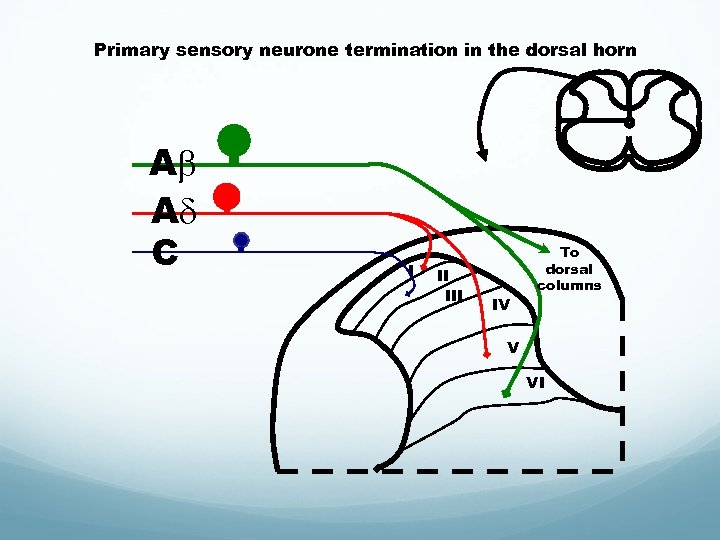
Primary sensory neurone termination in the dorsal horn A A C I II IV To dorsal columns V VI
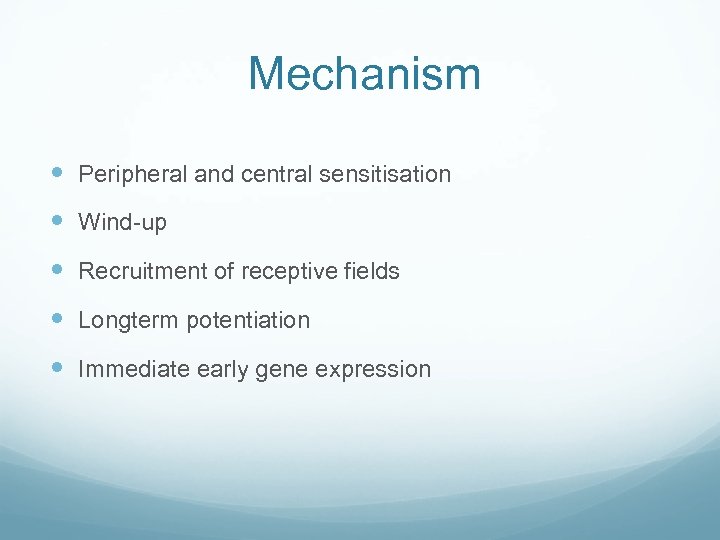
Mechanism Peripheral and central sensitisation Wind-up Recruitment of receptive fields Longterm potentiation Immediate early gene expression
Importance of Pain management Reduce the Risk of Adverse Outcomes Maintain the Patient’s Functional Ability, as well as Psychological Well-being Enhance the Quality of Life Shortened Hospital Stay and Reduced Cost Patient comfort and satisfaction 1. Eisenach JC, et al. Anesthesiology. 1988; 68: 444– 448. 2. Harrison DM, et al. Anesthesiology. 1988; 68: 454– 457. 3. Miaskowski C, et al. Pain. 1999; 80: 23– 29. 4. Finley RJ, et al. Pain. 1984; 2: S 397.
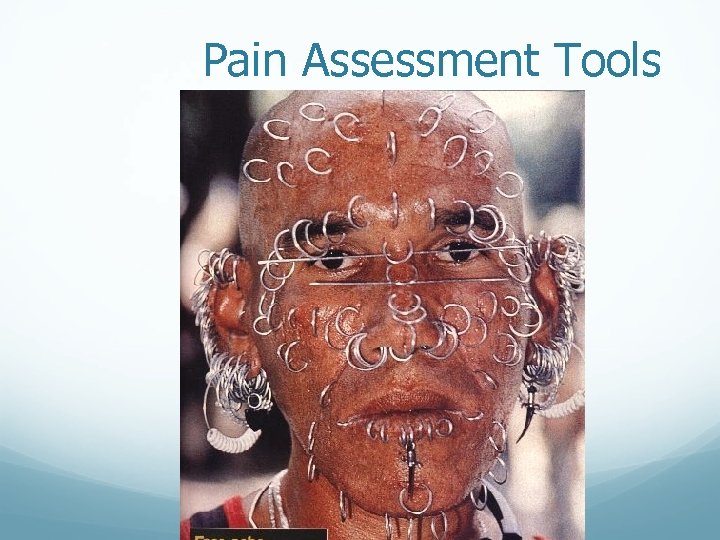
Pain Assessment Tools
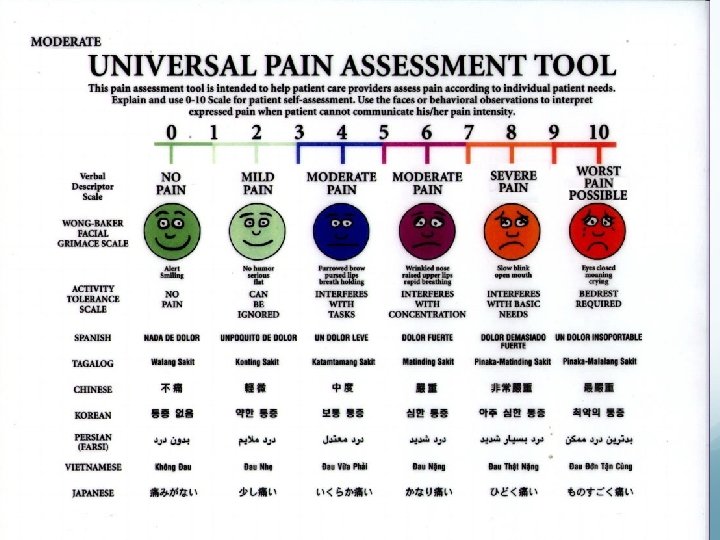
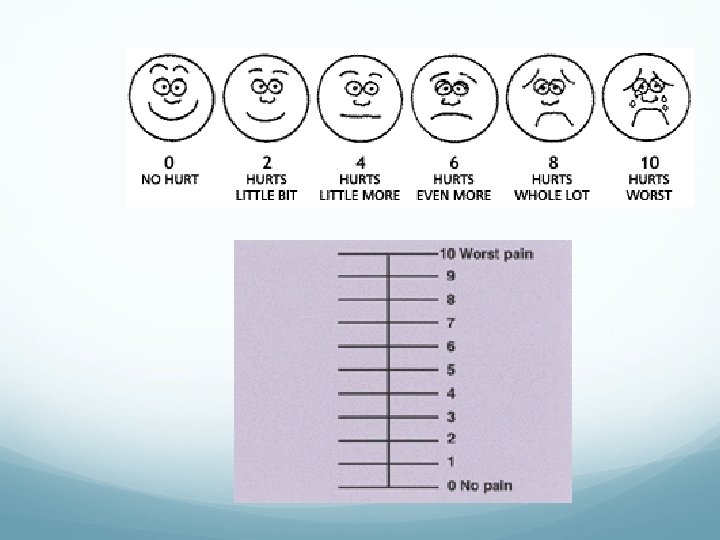
Pain Assessment Tools In Adults: Self Report Measurement Scales, such as Numerical Scales In Pediatric Patients: Physiologic and Behavioral Indicators of Pain ( Infants, Toddlers, Nonverbal or Critically Ill Children) Face Scale (Age 3 -10 yrs) Visual Analogue Scales (Age 10 -18)
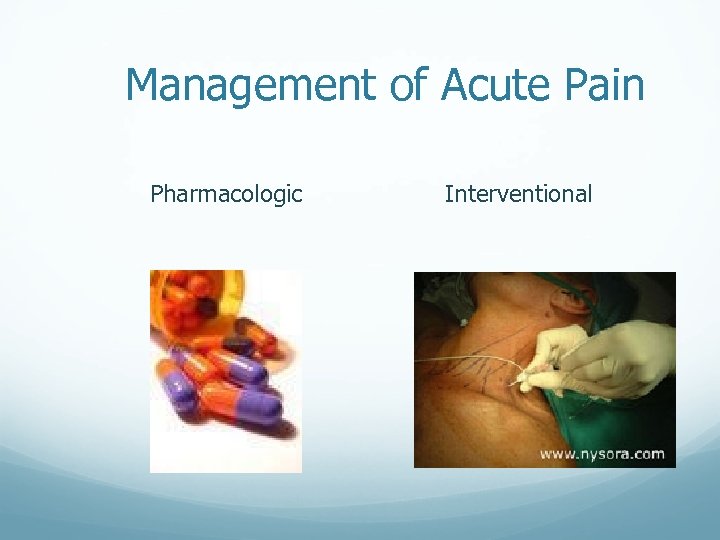
Management of Acute Pain Pharmacologic Interventional
Pharmacologic Management Alter Nerve Conduction (Local Anesthetics Modify Transmission in the Dorsal Horn (Opioids, Antidepressants) CNS modulation
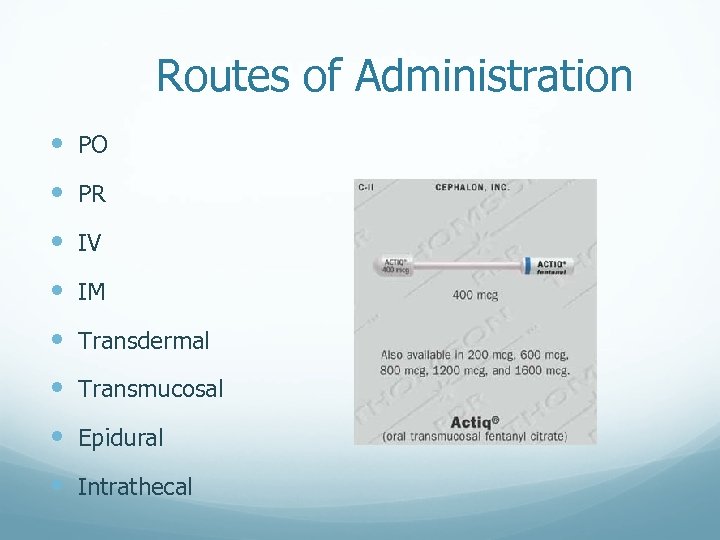
Routes of Administration PO PR IV IM Transdermal Transmucosal Epidural Intrathecal
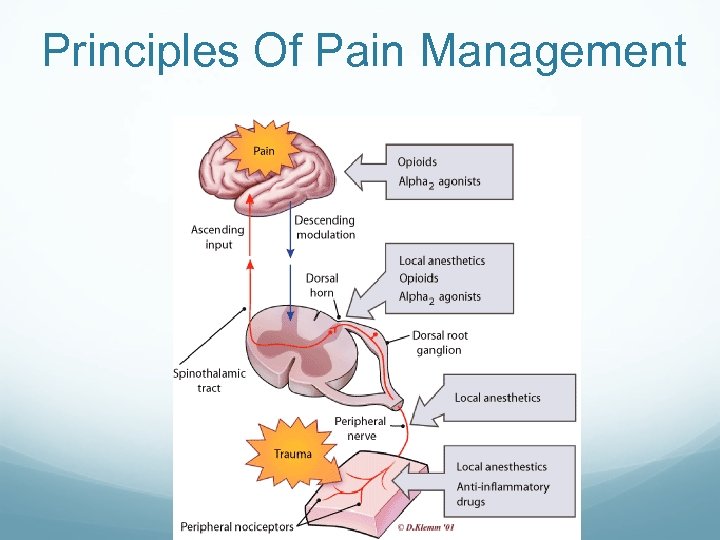
Principles Of Pain Management
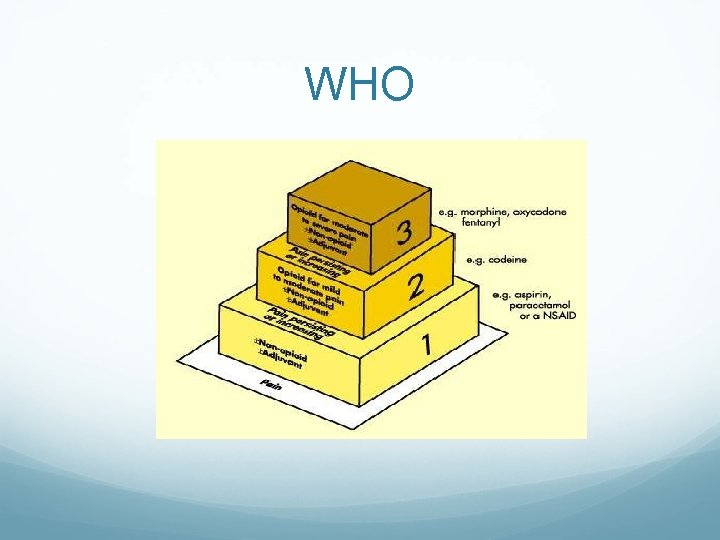
WHO
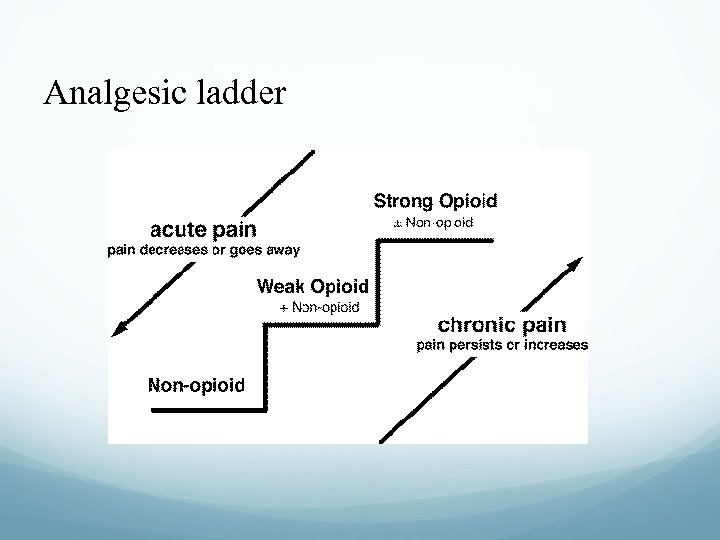
Analgesic ladder
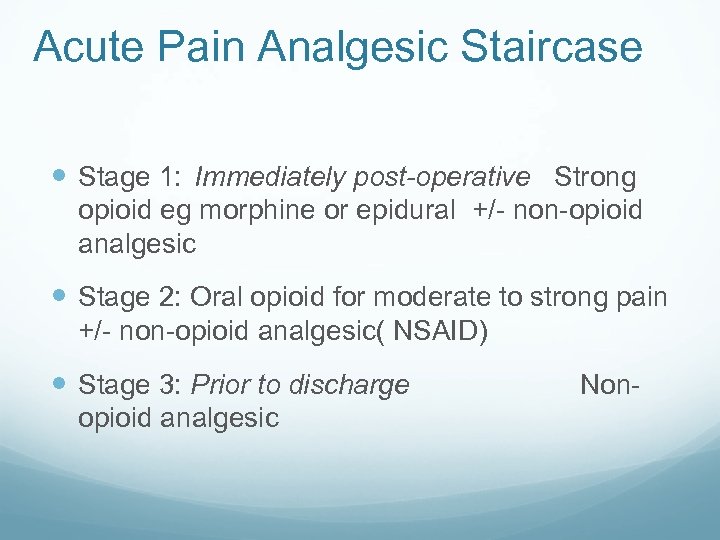
Acute Pain Analgesic Staircase Stage 1: Immediately post-operative Strong opioid eg morphine or epidural +/- non-opioid analgesic Stage 2: Oral opioid for moderate to strong pain +/- non-opioid analgesic( NSAID) Stage 3: Prior to discharge opioid analgesic Non-
What Endpoint Should Be Achieved? Patient awake and not nauseated Ability to mobilise, cooperate with physiotherapy, eg coughing, deep breathing VAS of below 30 mm on a scale of 0 -100 mm seen as adequate
New developments: Delivery technology
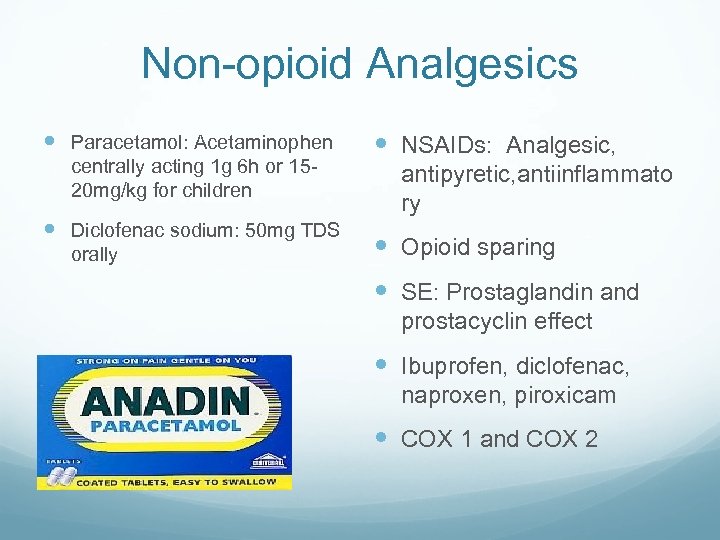
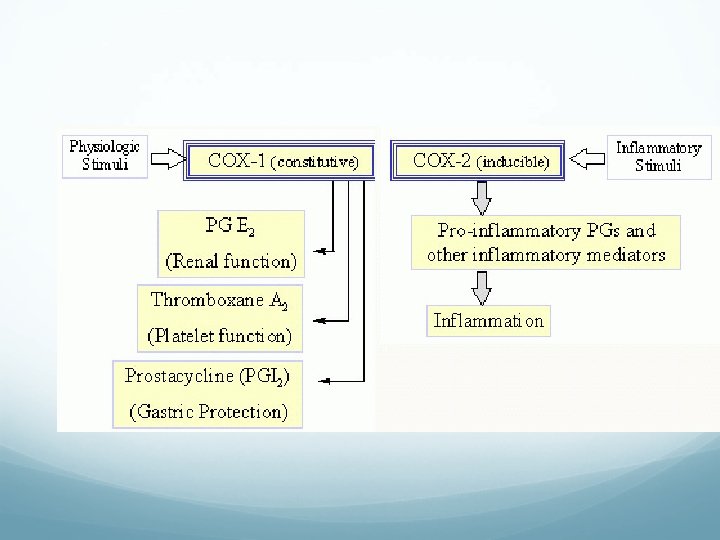
Non-opioid Analgesics Paracetamol: Acetaminophen centrally acting 1 g 6 h or 1520 mg/kg for children Diclofenac sodium: 50 mg TDS orally NSAIDs: Analgesic, antipyretic, antiinflammato ry Opioid sparing SE: Prostaglandin and prostacyclin effect Ibuprofen, diclofenac, naproxen, piroxicam COX 1 and COX 2
Non-Opioid Analgesics Acetaminophen NSAIDs ( Ibuprofen, Diclofenac) COX-2 inhibitors Lidocaine Patch
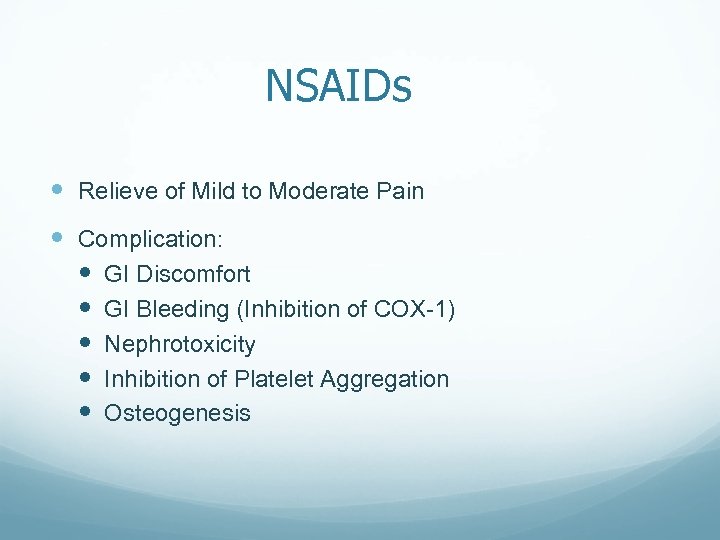
NSAIDs Relieve of Mild to Moderate Pain Complication: GI Discomfort GI Bleeding (Inhibition of COX-1) Nephrotoxicity Inhibition of Platelet Aggregation Osteogenesis
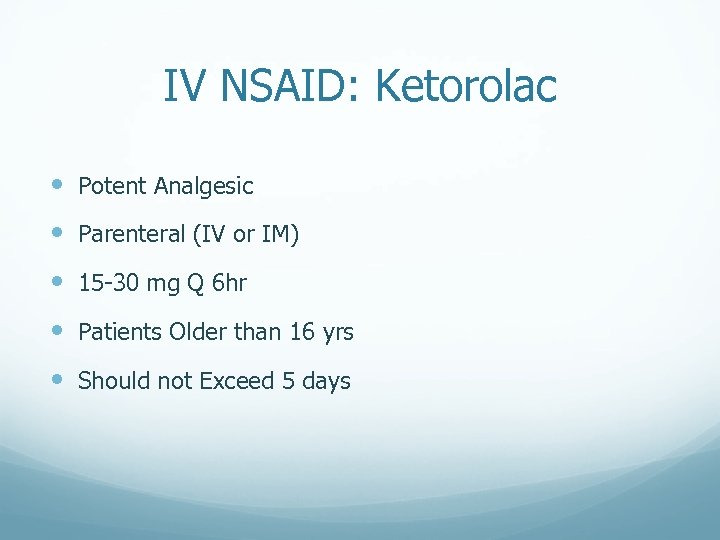
IV NSAID: Ketorolac Potent Analgesic Parenteral (IV or IM) 15 -30 mg Q 6 hr Patients Older than 16 yrs Should not Exceed 5 days
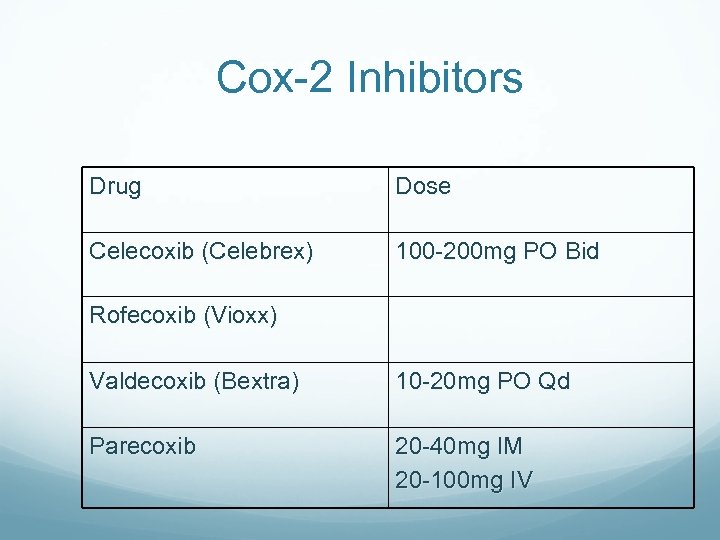
Cox-2 Inhibitors Drug Dose Celecoxib (Celebrex) 100 -200 mg PO Bid Rofecoxib (Vioxx) Valdecoxib (Bextra) 10 -20 mg PO Qd Parecoxib 20 -40 mg IM 20 -100 mg IV
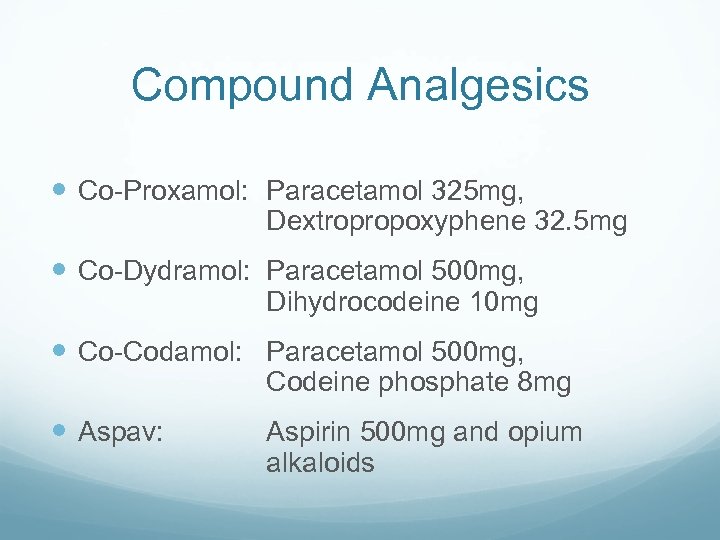
Compound Analgesics Co-Proxamol: Paracetamol 325 mg, Dextropropoxyphene 32. 5 mg Co-Dydramol: Paracetamol 500 mg, Dihydrocodeine 10 mg Co-Codamol: Paracetamol 500 mg, Codeine phosphate 8 mg Aspav: Aspirin 500 mg and opium alkaloids
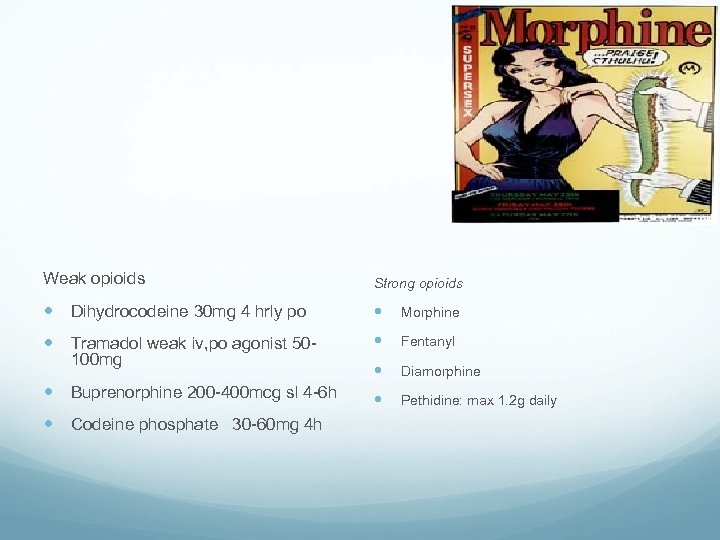
Weak opioids Strong opioids Dihydrocodeine 30 mg 4 hrly po Morphine Tramadol weak iv, po agonist 50 - Fentanyl Diamorphine Pethidine: max 1. 2 g daily 100 mg Buprenorphine 200 -400 mcg sl 4 -6 h Codeine phosphate 30 -60 mg 4 h
Opioid Analgesics Bind to Opioid Receptors Morphine, Fentanyl, Codeine, Oxycodone, Hydrocodone, Tramadol Multimodal analgesia enhance Opioid Analgesic Effect
Opioid Analgesics Equianalgesic Conversion Charts are used when Converting form one Opioid to Another, or Converting from Parenteral to Oral Form Respiratory Monitors may be Used Depending on the Patients Age, Co-existing Medical Problems, or Route of Opioid Administered
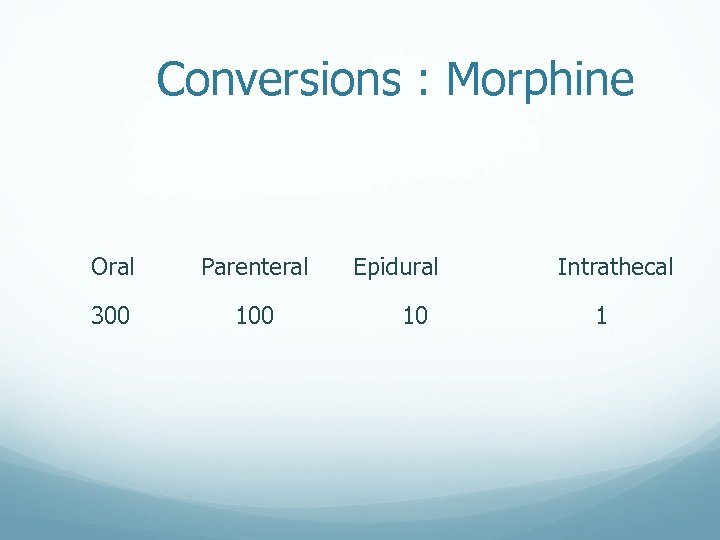
Conversions : Morphine Oral Parenteral 300 100 Epidural 10 Intrathecal 1
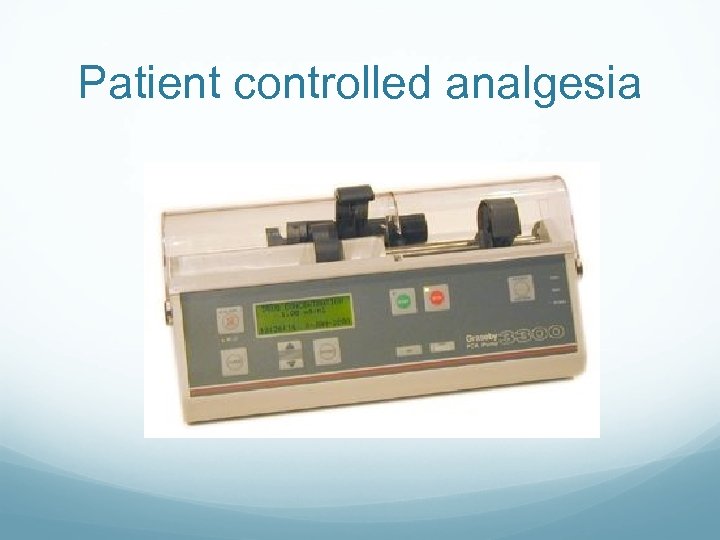
Patient controlled analgesia
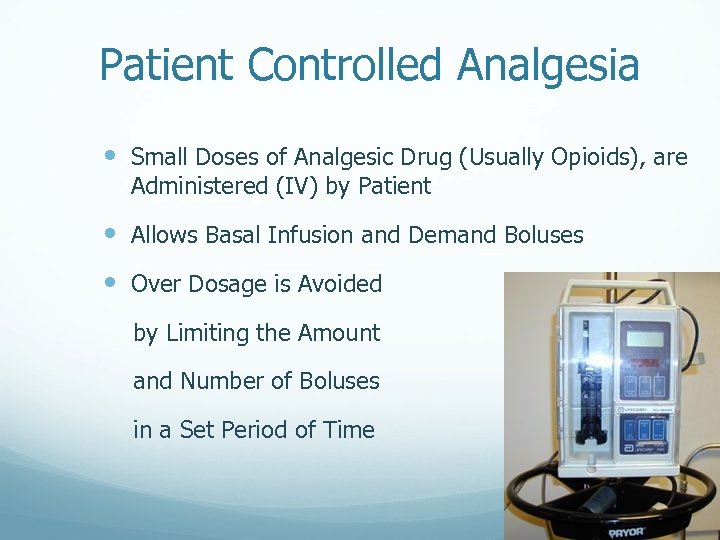
Patient Controlled Analgesia Small Doses of Analgesic Drug (Usually Opioids), are Administered (IV) by Patient Allows Basal Infusion and Demand Boluses Over Dosage is Avoided by Limiting the Amount and Number of Boluses in a Set Period of Time
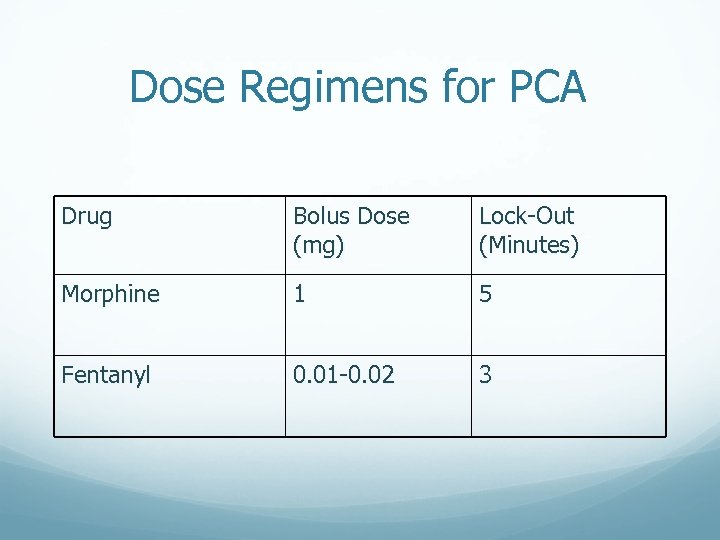
Dose Regimens for PCA Drug Bolus Dose (mg) Lock-Out (Minutes) Morphine 1 5 Fentanyl 0. 01 -0. 02 3
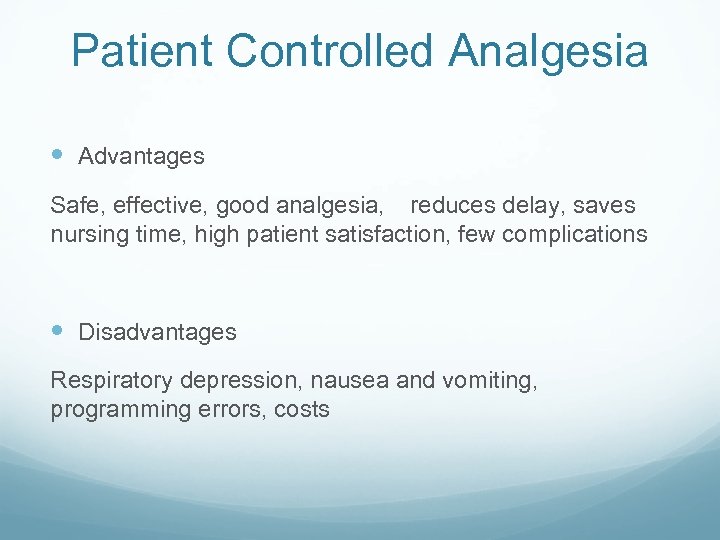
Patient Controlled Analgesia Advantages Safe, effective, good analgesia, reduces delay, saves nursing time, high patient satisfaction, few complications Disadvantages Respiratory depression, nausea and vomiting, programming errors, costs
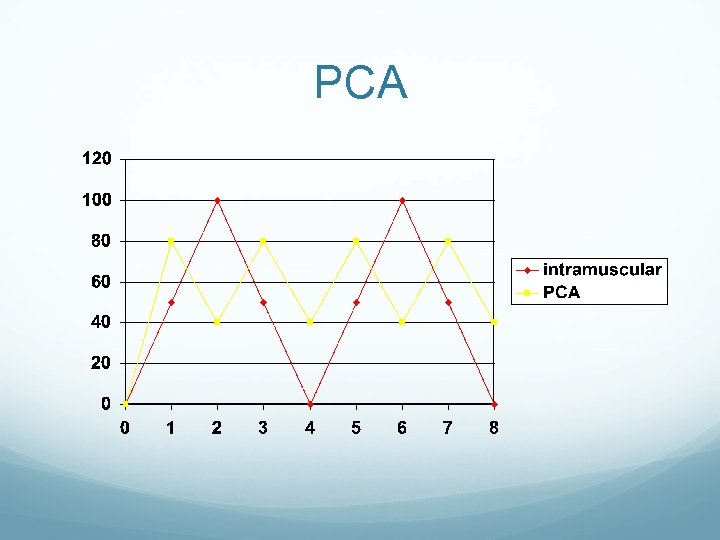
PCA
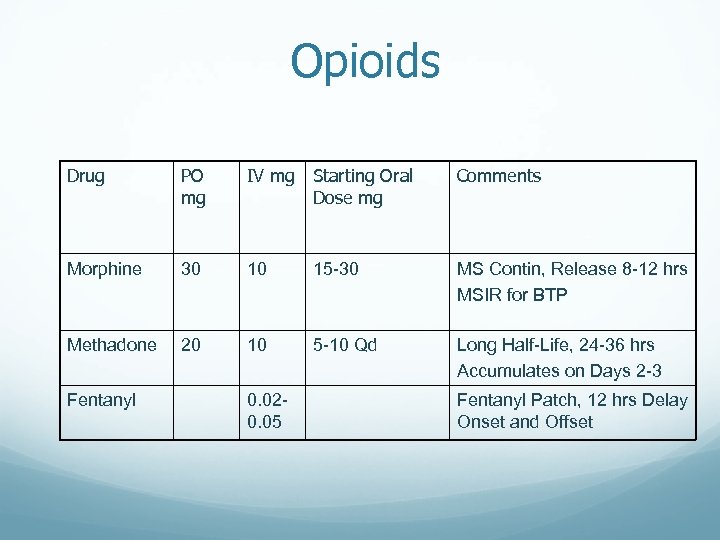
Opioids Drug PO mg IV mg Starting Oral Dose mg Comments Morphine 30 10 15 -30 MS Contin, Release 8 -12 hrs MSIR for BTP Methadone 20 10 5 -10 Qd Long Half-Life, 24 -36 hrs Accumulates on Days 2 -3 Fentanyl 0. 020. 05 Fentanyl Patch, 12 hrs Delay Onset and Offset
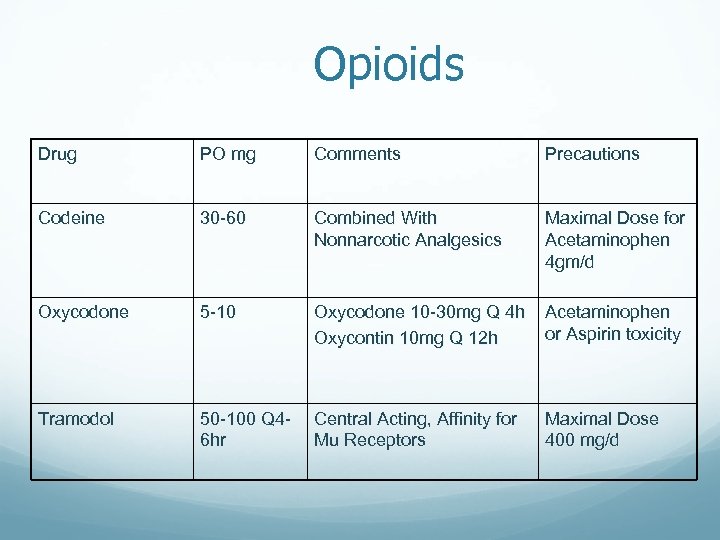
Opioids Drug PO mg Comments Precautions Codeine 30 -60 Combined With Nonnarcotic Analgesics Maximal Dose for Acetaminophen 4 gm/d Oxycodone 5 -10 Oxycodone 10 -30 mg Q 4 h Oxycontin 10 mg Q 12 h Acetaminophen or Aspirin toxicity Tramodol 50 -100 Q 46 hr Central Acting, Affinity for Mu Receptors Maximal Dose 400 mg/d
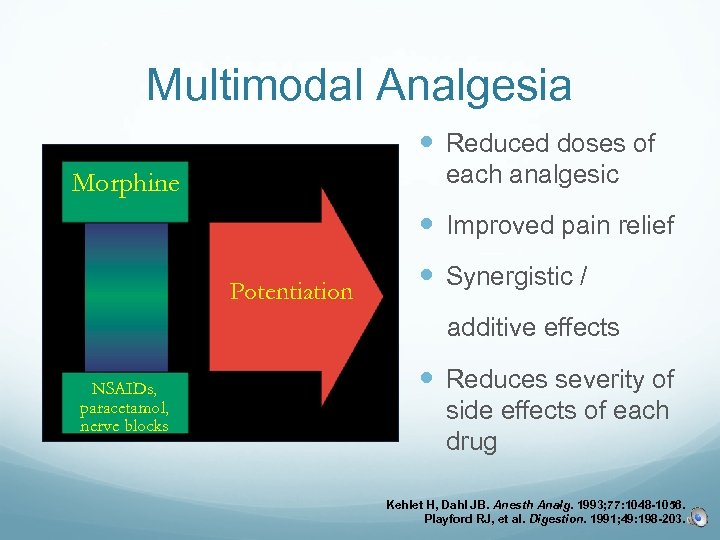
Multimodal Analgesia Reduced doses of each analgesic Morphine Improved pain relief Potentiation Synergistic / additive effects NSAIDs, paracetamol, nerve blocks Reduces severity of side effects of each drug Kehlet H, Dahl JB. Anesth Analg. 1993; 77: 1048 -1056. Playford RJ, et al. Digestion. 1991; 49: 198 -203.
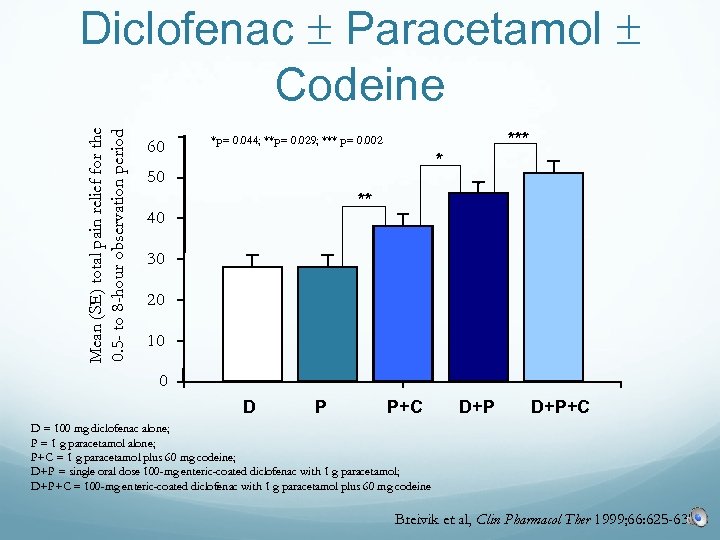
Mean (SE) total pain relief for the 0. 5 - to 8 -hour observation period Diclofenac Paracetamol Codeine 60 *** *p= 0. 044; **p= 0. 029; *** p= 0. 002 * 50 ** 40 30 20 10 0 D P P+C D+P+C D = 100 mg diclofenac alone; P = 1 g paracetamol alone; P+C = 1 g paracetamol plus 60 mg codeine; D+P = single oral dose 100 -mg enteric-coated diclofenac with 1 g paracetamol; D+P+C = 100 -mg enteric-coated diclofenac with 1 g paracetamol plus 60 mg codeine Breivik et al, Clin Pharmacol Ther 1999; 66: 625 -635
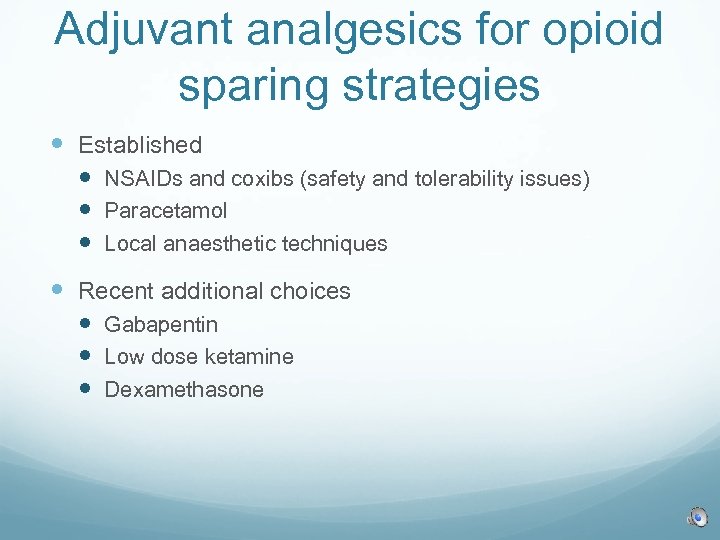
Adjuvant analgesics for opioid sparing strategies Established NSAIDs and coxibs (safety and tolerability issues) Paracetamol Local anaesthetic techniques Recent additional choices Gabapentin Low dose ketamine Dexamethasone
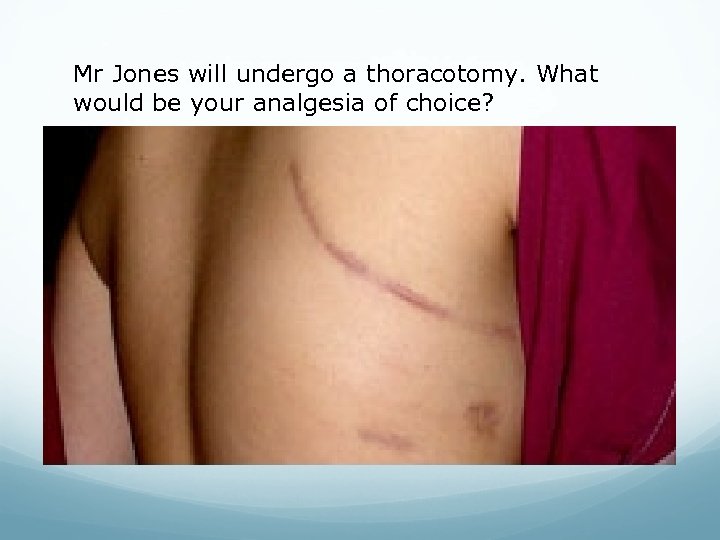
Mr Jones will undergo a thoracotomy. What would be your analgesia of choice?
Interventional Management Epidural Analgesia (Continuous Lumbar or Thoracic Epidural Catheter Placement, PCEA) Spinal Analgesia Peripheral Nerve Block ( Single Shot or Continuous)
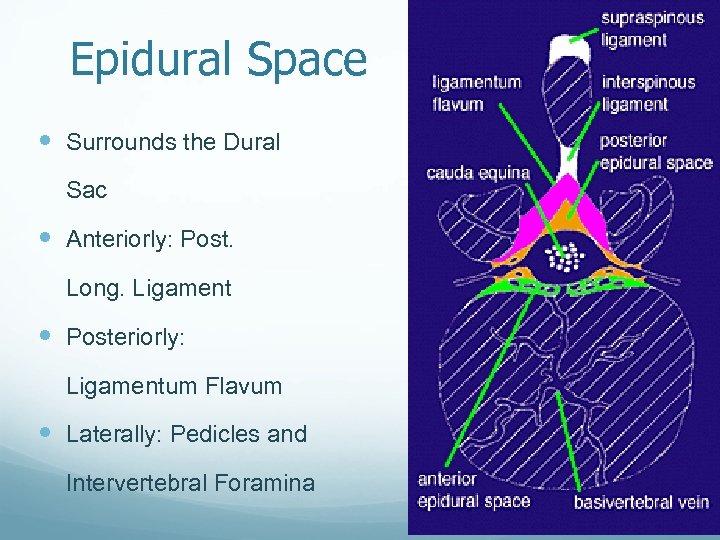
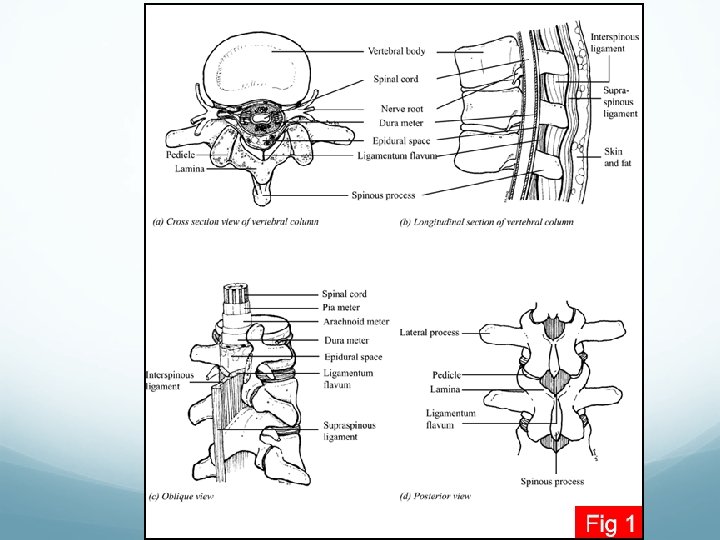
Epidural Space Surrounds the Dural Sac Anteriorly: Post. Long. Ligament Posteriorly: Ligamentum Flavum Laterally: Pedicles and Intervertebral Foramina
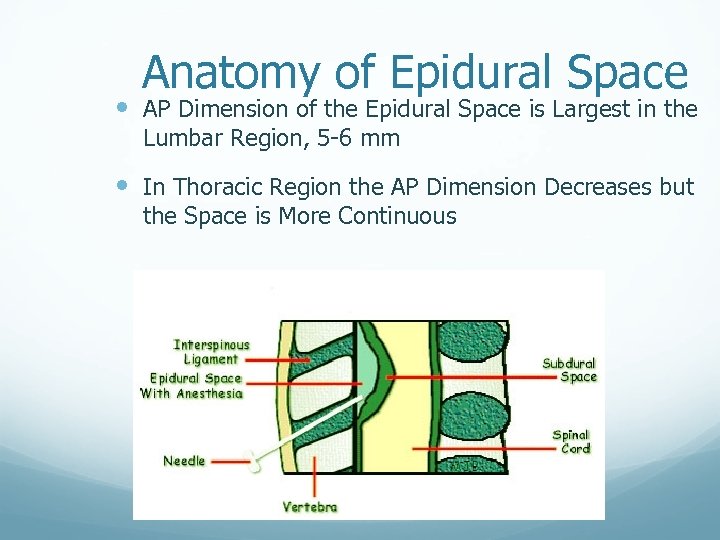
Anatomy of Epidural Space AP Dimension of the Epidural Space is Largest in the Lumbar Region, 5 -6 mm In Thoracic Region the AP Dimension Decreases but the Space is More Continuous
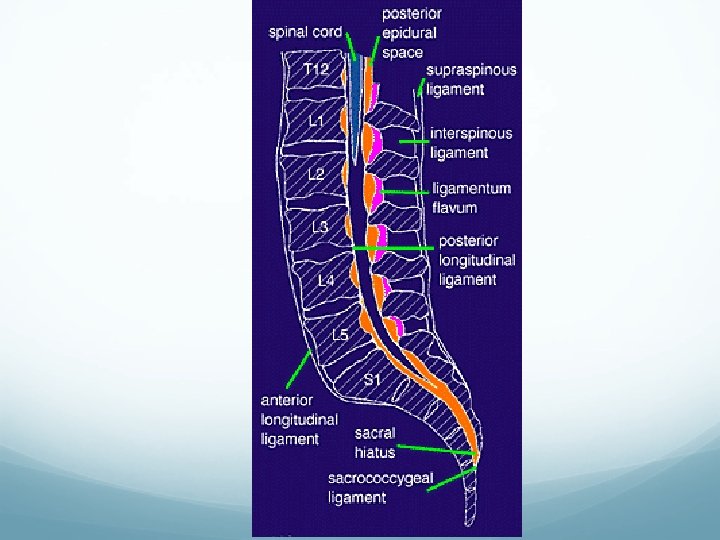
MIDLINE SAGITTAL VIEW OF THE LUMBAR SPINE
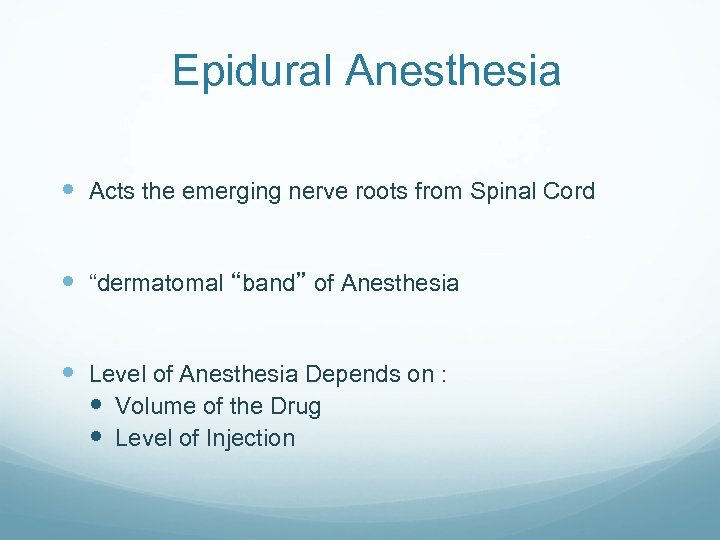
Epidural Anesthesia Acts the emerging nerve roots from Spinal Cord “dermatomal “band” of Anesthesia Level of Anesthesia Depends on : Volume of the Drug Level of Injection
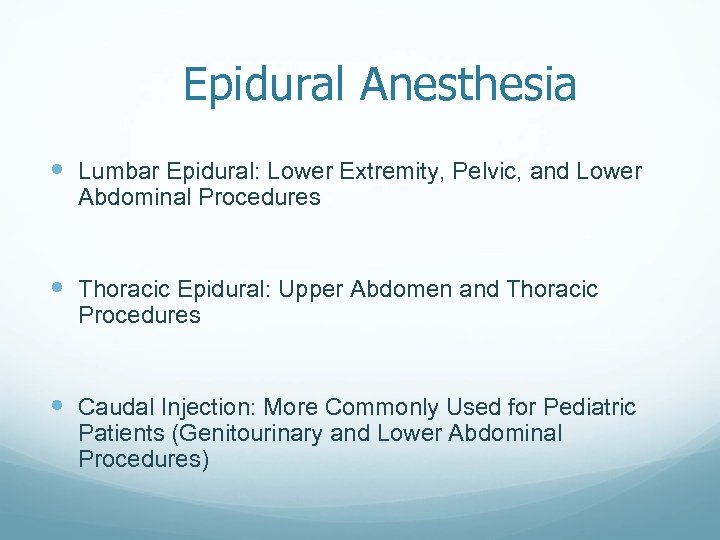
Epidural Anesthesia Lumbar Epidural: Lower Extremity, Pelvic, and Lower Abdominal Procedures Thoracic Epidural: Upper Abdomen and Thoracic Procedures Caudal Injection: More Commonly Used for Pediatric Patients (Genitourinary and Lower Abdominal Procedures)
Advantages Superior Pain Relief with Lower Incidence of DVT and Pulmonary Emboli Decrease Blood Loss Intraoperatively More Rapid Recovery of Bowel Function Earlier Ambulation Better PFT Suppression of Neuroendocrine Stress Res Grass JA. The Role of Epidural Anesthesia and Analgesia in Postoperative Outcome. Anesthesiol Clin North America 01 -JUN-2000; 18(2): 407 -28
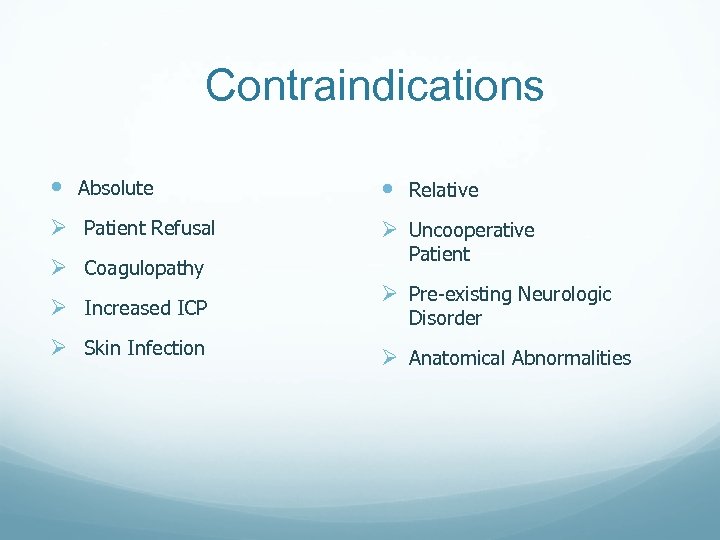
Contraindications Absolute Relative Ø Patient Refusal Ø Uncooperative Ø Coagulopathy Ø Increased ICP Ø Skin Infection Patient Ø Pre-existing Neurologic Disorder Ø Anatomical Abnormalities
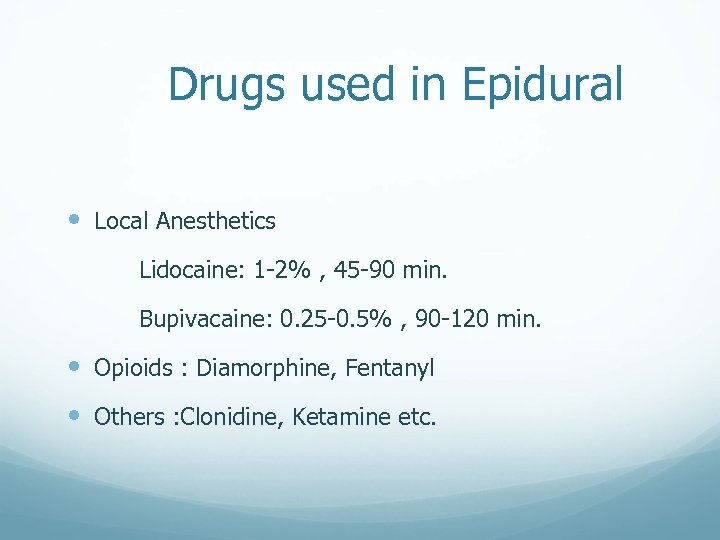
Drugs used in Epidural Local Anesthetics Lidocaine: 1 -2% , 45 -90 min. Bupivacaine: 0. 25 -0. 5% , 90 -120 min. Opioids : Diamorphine, Fentanyl Others : Clonidine, Ketamine etc.
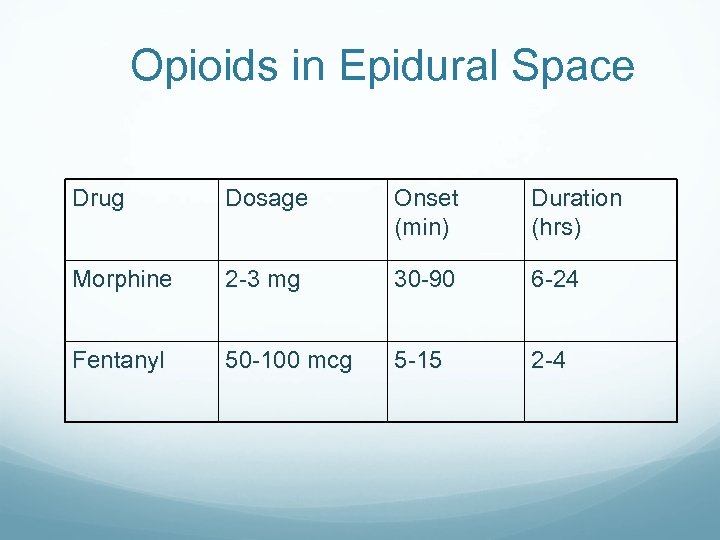
Opioids in Epidural Space Drug Dosage Onset (min) Duration (hrs) Morphine 2 -3 mg 30 -90 6 -24 Fentanyl 50 -100 mcg 5 -15 2 -4
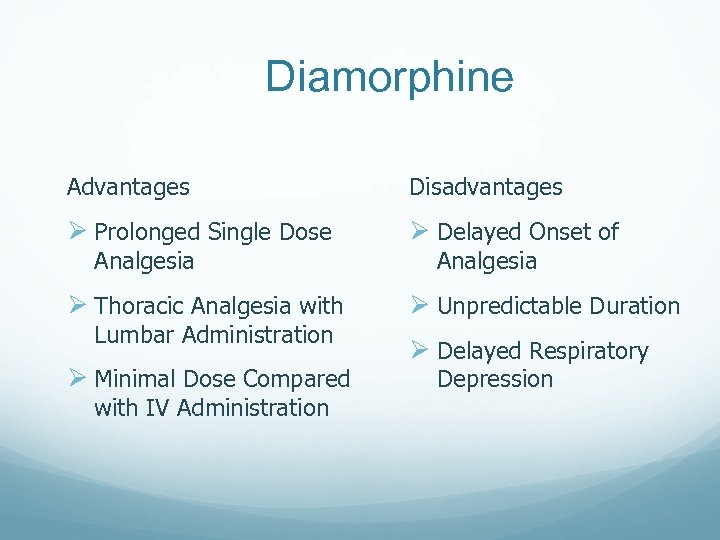
Diamorphine Advantages Disadvantages Ø Prolonged Single Dose Ø Delayed Onset of Ø Thoracic Analgesia with Ø Unpredictable Duration Analgesia Lumbar Administration Ø Minimal Dose Compared with IV Administration Analgesia Ø Delayed Respiratory Depression
Local Anaesthetic Techniques Local anaesthetics are either esters or amides Influence action potential along the nerve Local infiltration Nerve block/ Plexus block Caudal/ epidural/spinal analgesia
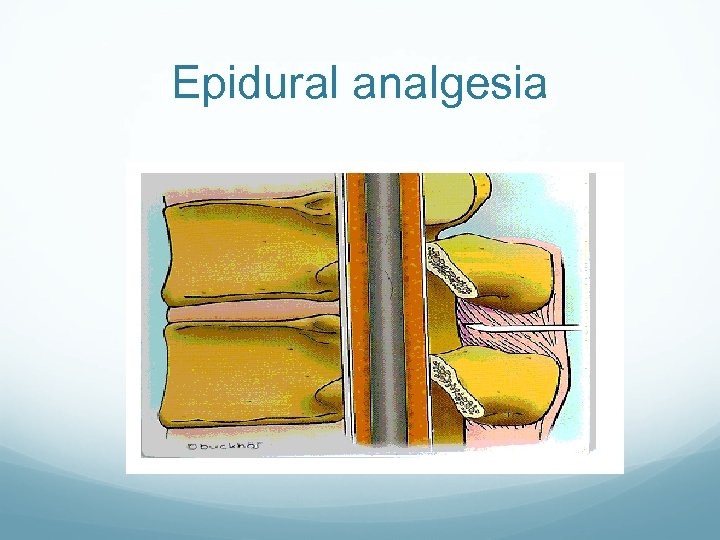
Epidural analgesia
Promises of epidural analgesia Mortality Morbidity Cardiovascular Respiratory Coagulation Major infections Quality of pain relief Hospital costs
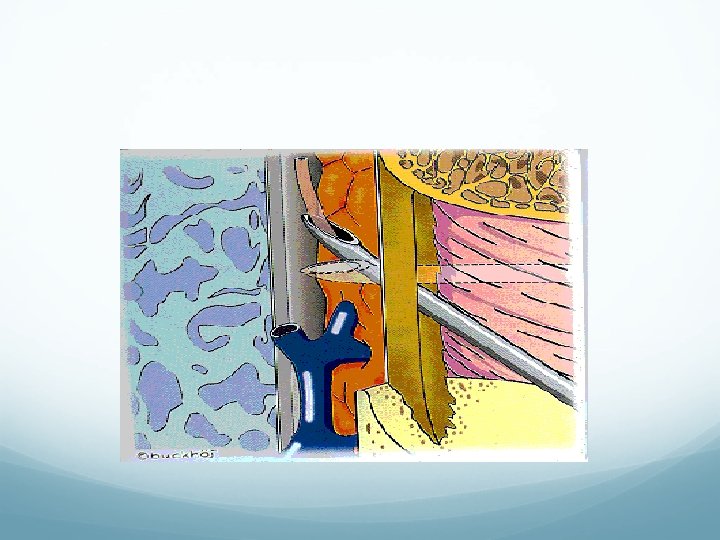
Problems Dural puncture Epidural haematoma Epidural abscess Failure of technique Training Resource restraint
Epidural complications Failure of Block (Patchy or Unilateral Block) Injury to Nerve Infection Epidural Hematoma or Abscess Dural Puncture (Total Spinal or PDPH)
Epidural complications - Hypotension Secondary to Sympathetic Blockade - Intravascular Injection (Local Anesthetic Toxicity) - Respiratory Depression - Sedation - Bladder Distention - Difficulty in Ambulation
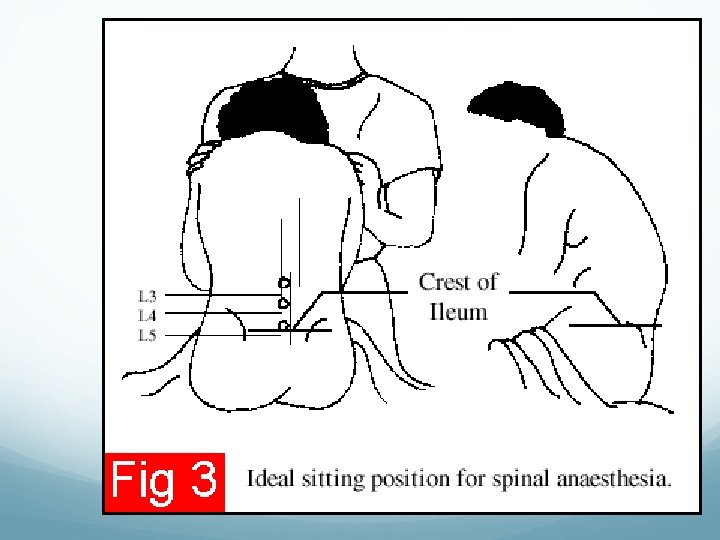
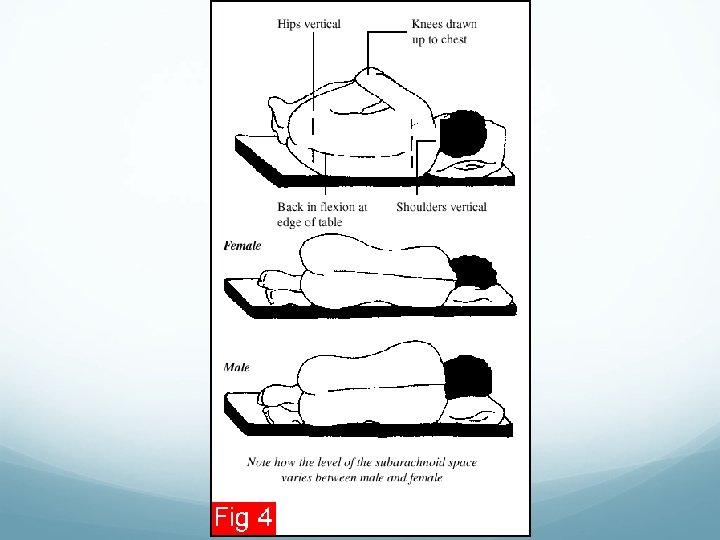
Spinal Anesthesia : injecting small amount of local anesthetic in the CSF Results in Rapid Onset of Block Rapid onset and requiring low dose of drugs
Spinal Anesthesia CSE, Used in Labor Preservative Free Morphine -Provides Pain Relief for Abdominal, Pelvic, or Lower Extrimity Surgeries Complications Similar to Epidural Technique Except for Higher Risk of PDPH
Caudal Block Single Injection or Continuous Infusion through a Catheter Excellent Intraoperative and Postoperative Pain Control Easier to Perform in Children Analgesia that Last About 12 hrs if Bupivacaine Used Performed Following Induction of General Anesthesia
Indications for Caudal Block Surgeries in Sacral Segments, (Circumcision and other Urologic Surgeries, Rectal Dilation) Combined with Light General Anesthesia Provides Adequate Intraoperative Analgesia
Complications of Caudal Block Infection Dural Puncture and Spinal Anesthesia Intravascular Injection of Local Anesthetics
Peripheral Nerve Block Anesthetising the Nerve that is Innervating Surgical or Painful Area Single Shot or Continuous Infusion through Catheter Upper Extrimity: Brachial Plexus, Median, Ulnar or Radial Nerve
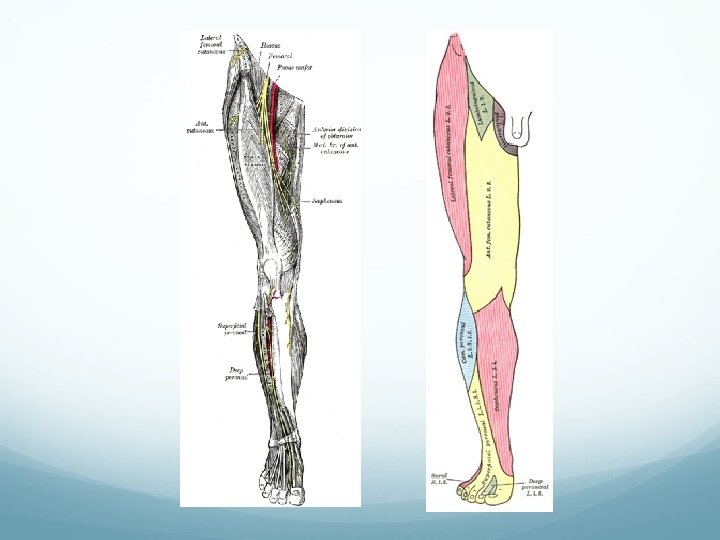
Peripheral Nerve Block Lower Extrimity: Sciatic, Femoral, Posterior Tibial, Sural, Saphenous, Deep and Superficial Peroneal Nerve Intercostal Nerve Block Surgical Wound Infiltration of Local Anesthetic
Julie 4 yrs old is scheduled for a fixation of her fractured femur.
Pain Management in Children Consider Physiologic and Anatomic Differences Assessment and Communication barriers Pain and Anxiety Associated with Minor Procedures or Unfamiliar Situations
Children Opioid sensitive PCA/NCA Simple analgesics very useful Regional analgesia
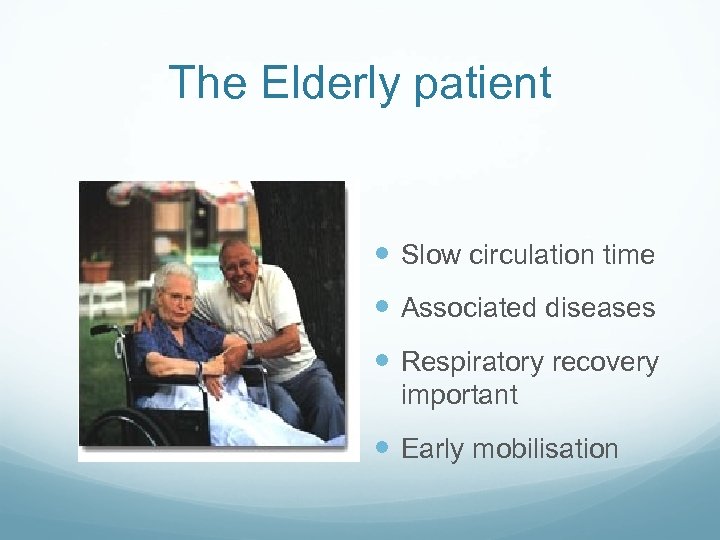
The Elderly patient Slow circulation time Associated diseases Respiratory recovery important Early mobilisation
Elderly Patient Population Older than 65 yrs of Age is Growing Age Related Physiologic Changes (Decreased Muscle Strength): Decreased Cough Decreased Mental Status (Dementia): Decreased Narcotic Dose

Mr Jones Your consultant has decided to discontinue the epidural analgesia. What are the appropriate next steps?
Step down analgesia Aim: To discharge the patient on non-opioid analgesic medication, often simple analgesics such as paracetamol 1 g QDS If the patient is discharged on strong opioids the GP is informed and a reduction plan advised.
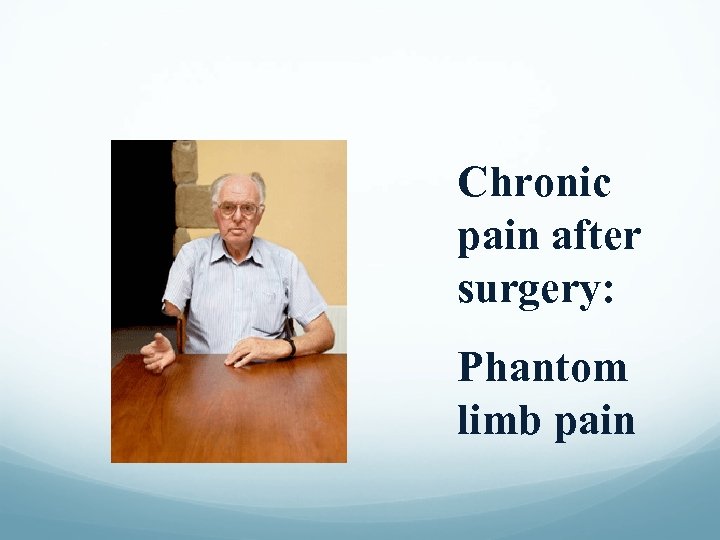
Chronic pain after surgery: Phantom limb pain
Summary Every patient has got individual needs. Pain is best treated in a multimodal fashion Balanced analgesia with opioids, reduced peripheral stimulus (NSAID’s), interrupted pain pathways, eg nerve block and alteration of emotional and behavioural response Careful monitoring of cardiovascular and respiratory functions in the postoperative patient Evidence that good pain relief will reduce the incidence of ongoing pain
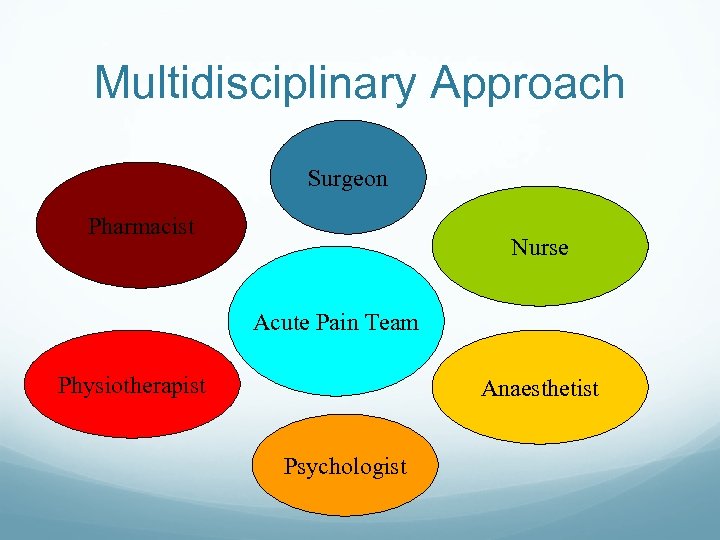
Multidisciplinary Approach Surgeon Pharmacist Nurse Acute Pain Team Physiotherapist Anaesthetist Psychologist
My Philosophy No Pain….
My Philosophy No Pain…. no Pain Thank you
Скачать презентацию Acute Pain Management Dr Ashish Shetty MBBS MD USA
d476649fc25f672770b2ff7c283fb815.ppt