 Скачать презентацию Activity-based Approach To Teaching Astrophysics At the Level
82b7ad7df5f389246407f497f4f657ee.ppt
- Количество слайдов: 18



Activity-based Approach To Teaching Astrophysics At the Level of General Education K. Y. Michael Wong C. W. Chan B. L. Hu
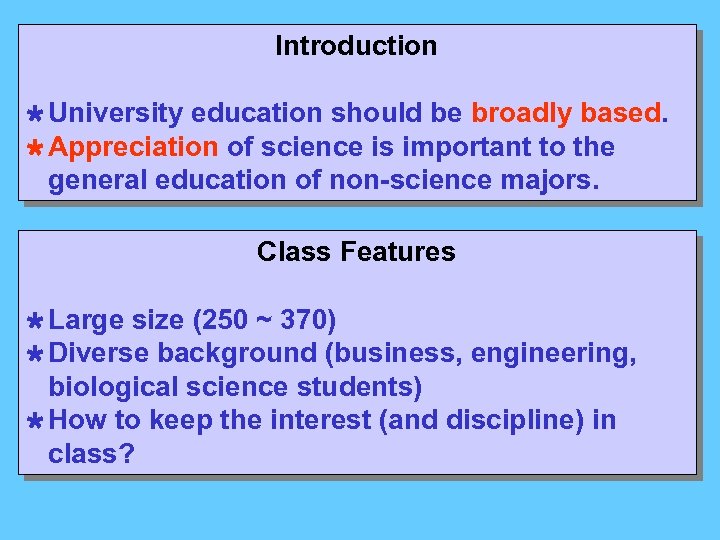
Introduction Ù University education should be broadly based. Ù Appreciation of science is important to the general education of non-science majors. Class Features Ù Large size (250 ~ 370) Ù Diverse background (business, engineering, biological science students) Ù How to keep the interest (and discipline) in class?
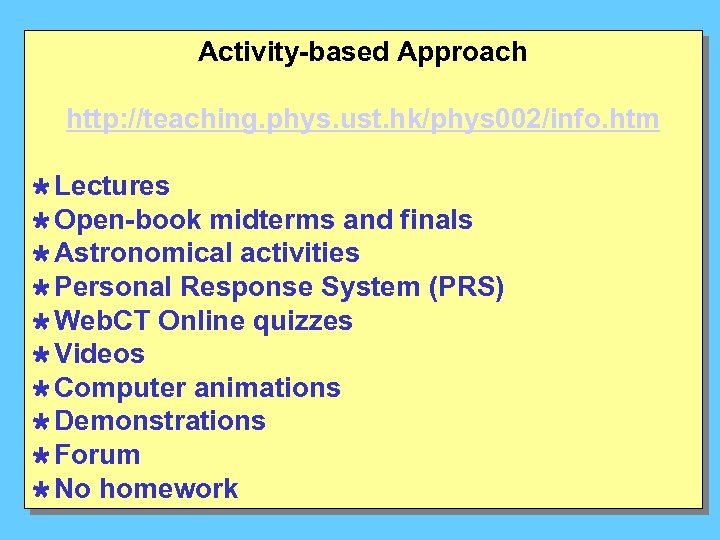
Activity-based Approach http: //teaching. phys. ust. hk/phys 002/info. htm Ù Lectures Ù Open-book midterms and finals Ù Astronomical activities Ù Personal Response System (PRS) Ù Web. CT Online quizzes Ù Videos Ù Computer animations Ù Demonstrations Ù Forum Ù No homework
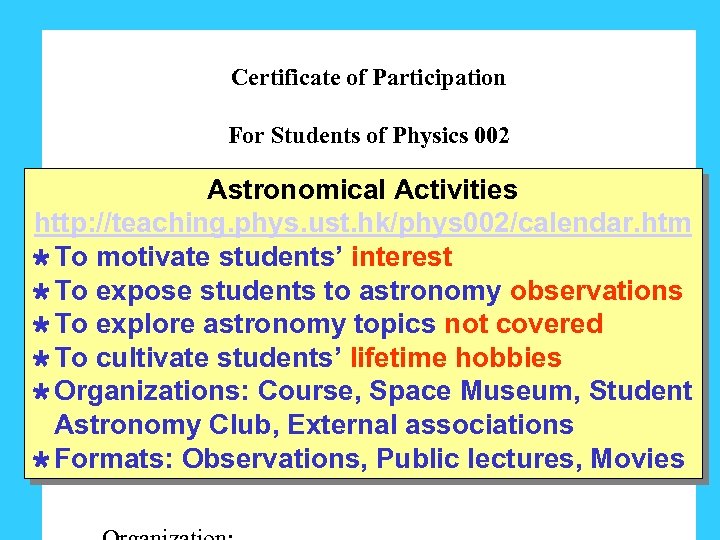
Certificate of Participation For Students of Physics 002 Astronomical Activities This is to certify that http: //teaching. phys. ust. hk/phys 002/calendar. htm Ù To motivate students’ interest Ù To expose students to astronomy observations ___________ Ù To explore astronomy topics not covered Ù To cultivate participated inlifetime hobbies has students’ the following activity Ù Organizations: Course, Space Museum, Student Astronomy Club, External associations Ù Formats: ________________ Movies Observations, Public lectures,
Personal Response System (PRS) Ù To involve students in active thinking Ù To reinforce learning by an immediate review of learned concepts Ù To expose students to applications of learned concepts in different contexts Ù To maintain steady class attendance Ù To clarify common misconceptions, especially effective when a significant fraction of students was revealed to answer wrong Ù To assist the instructor in understanding the progress and misconceptions of students Ù To involve students in active discussions The last 3 points are illustrated in the following video
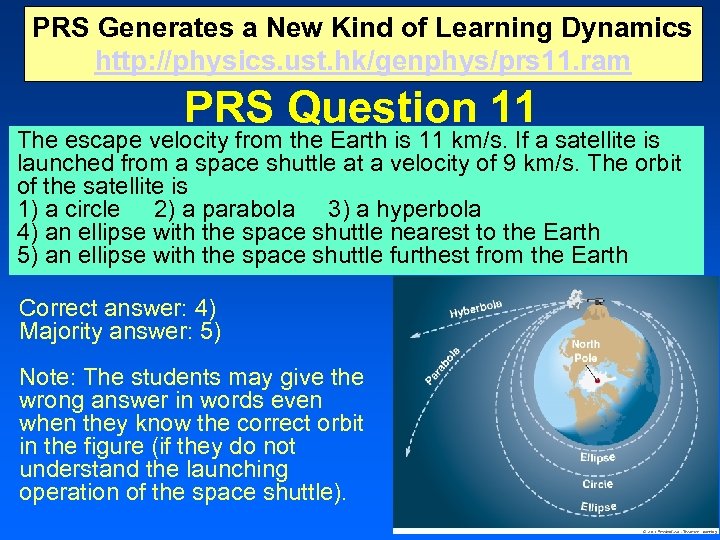
PRS Generates a New Kind of Learning Dynamics http: //physics. ust. hk/genphys/prs 11. ram PRS Question 11 The escape velocity from the Earth is 11 km/s. If a satellite is launched from a space shuttle at a velocity of 9 km/s. The orbit of the satellite is 1) a circle 2) a parabola 3) a hyperbola 4) an ellipse with the space shuttle nearest to the Earth 5) an ellipse with the space shuttle furthest from the Earth Correct answer: 4) Majority answer: 5) Note: The students may give the wrong answer in words even when they know the correct orbit in the figure (if they do not understand the launching operation of the space shuttle).
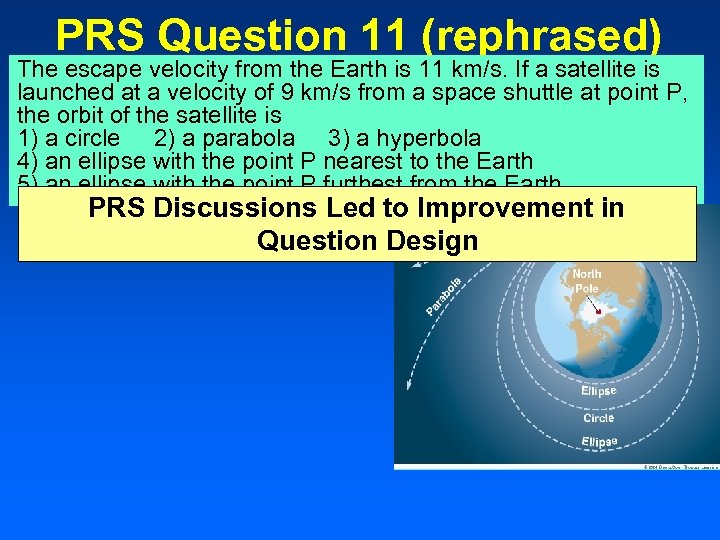
PRS Question 11 (rephrased) The escape velocity from the Earth is 11 km/s. If a satellite is launched at a velocity of 9 km/s from a space shuttle at point P, the orbit of the satellite is 1) a circle 2) a parabola 3) a hyperbola 4) an ellipse with the point P nearest to the Earth 5) an ellipse with the point P furthest from the Earth PRS Discussions Led to Improvement in P Question Design
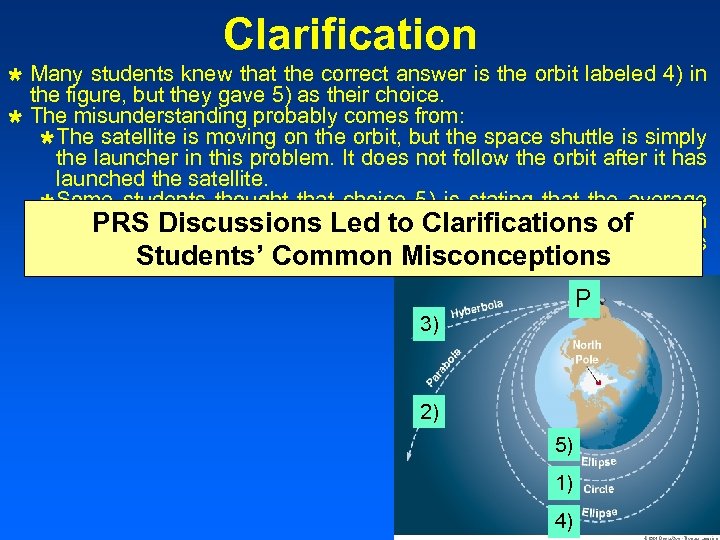
Clarification Many students knew that the correct answer is the orbit labeled 4) in the figure, but they gave 5) as their choice. Ù The misunderstanding probably comes from: Ù The satellite is moving on the orbit, but the space shuttle is simply the launcher in this problem. It does not follow the orbit after it has launched the satellite. Ù Some students thought that choice 5) is stating that the average distance of the orbit is furthest from the Earth, so they chose 5). In PRS Discussions Led to Clarifications of fact, the true meaning of this choice is: when the satellite moves Students’ Common from the Earth at point along this orbit, it becomes furthest Misconceptions P. Ù P 3) 2) 5) 1) 4)
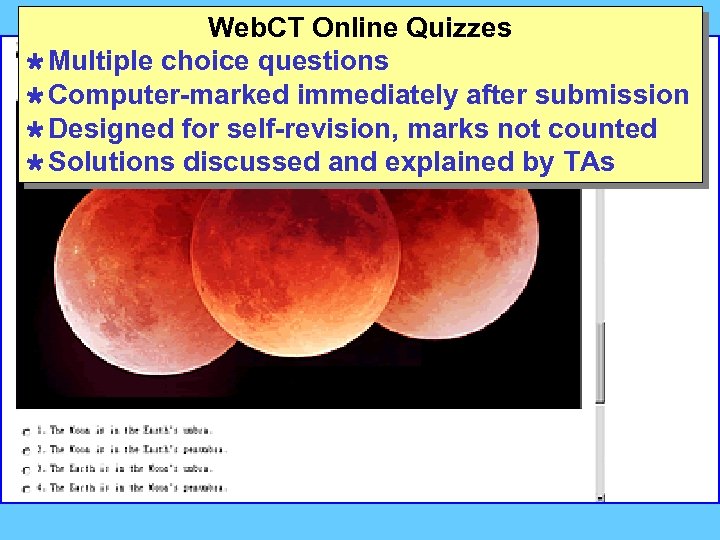
Web. CT Online Quizzes Ù Multiple choice questions Ù Computer-marked immediately after submission Ù Designed for self-revision, marks not counted Ù Solutions discussed and explained by TAs
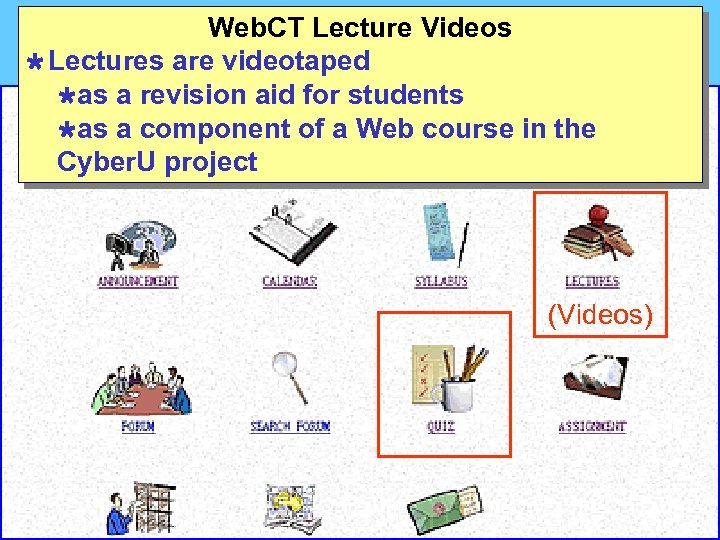
Web. CT Lecture Videos Ù Lectures are videotaped Ùas a revision aid for students Ùas a component of a Web course in the Cyber. U project (Videos)
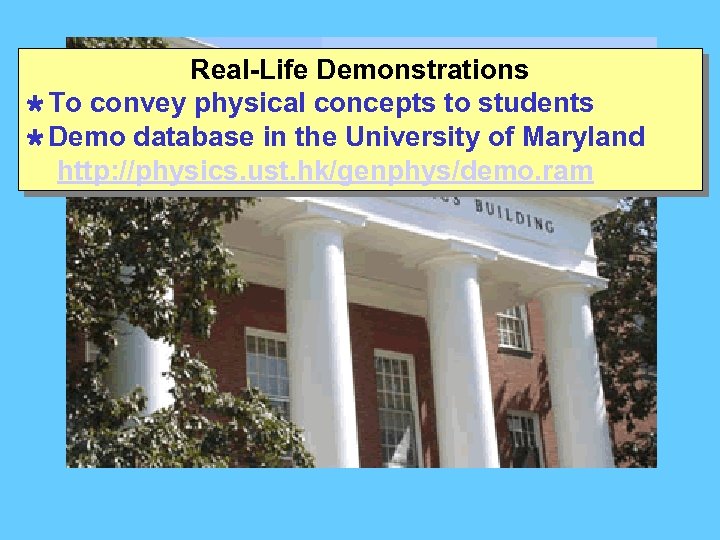
Real-Life Demonstrations Ù To convey physical concepts to students Ù Demo database in the University of Maryland http: //physics. ust. hk/genphys/demo. ram
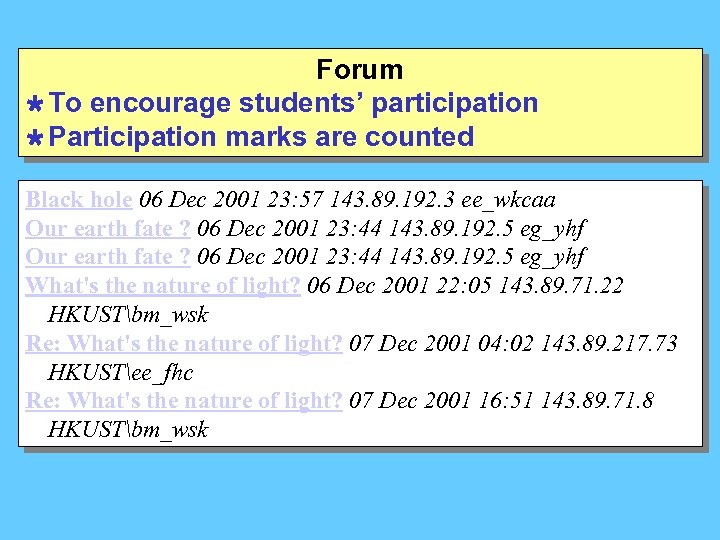
Forum Ù To encourage students’ participation Ù Participation marks are counted Black hole 06 Dec 2001 23: 57 143. 89. 192. 3 ee_wkcaa Our earth fate ? 06 Dec 2001 23: 44 143. 89. 192. 5 eg_yhf What's the nature of light? 06 Dec 2001 22: 05 143. 89. 71. 22 HKUSTbm_wsk Re: What's the nature of light? 07 Dec 2001 04: 02 143. 89. 217. 73 HKUSTee_fhc Re: What's the nature of light? 07 Dec 2001 16: 51 143. 89. 71. 8 HKUSTbm_wsk
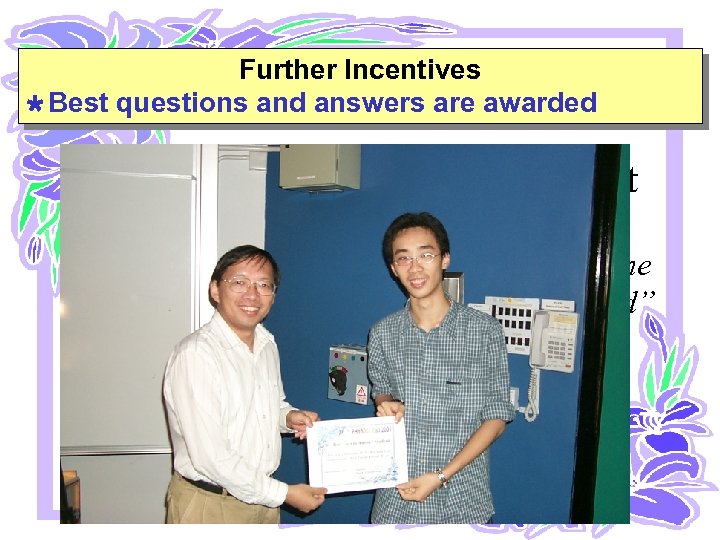
Further Incentives Ù Best questions and answers are awarded Best Forum Answer Student This is to certify that TUNG Kin Lam is the winner of the “Best Forum Answer Award” Date: 6 November 2001 Signature: ________ Prof. K. Y. Michael Wong
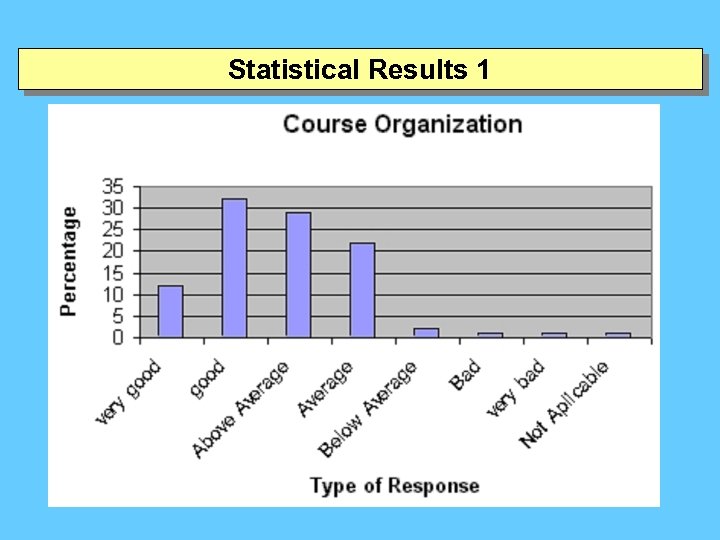
Statistical Results 1
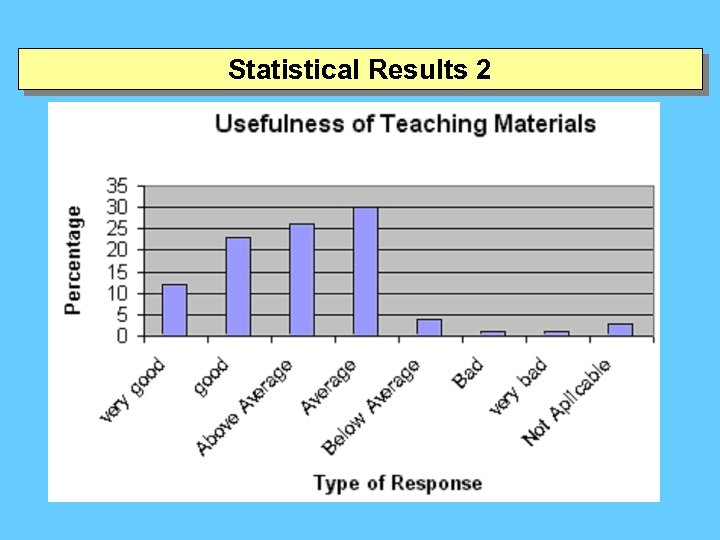
Statistical Results 2
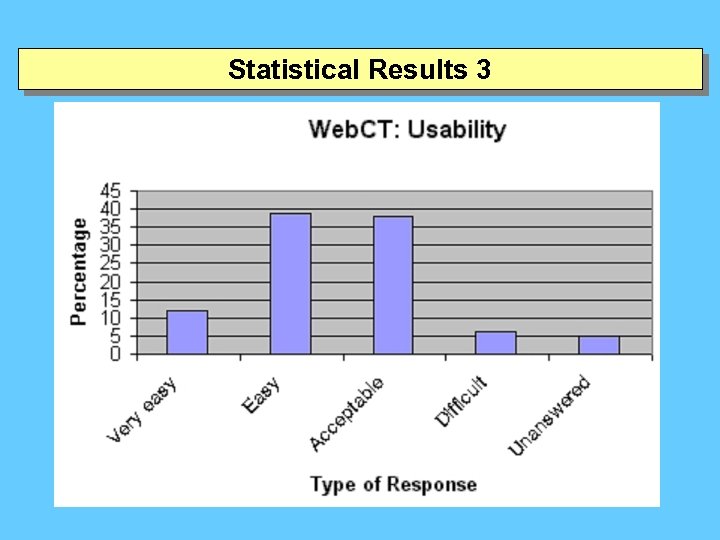
Statistical Results 3
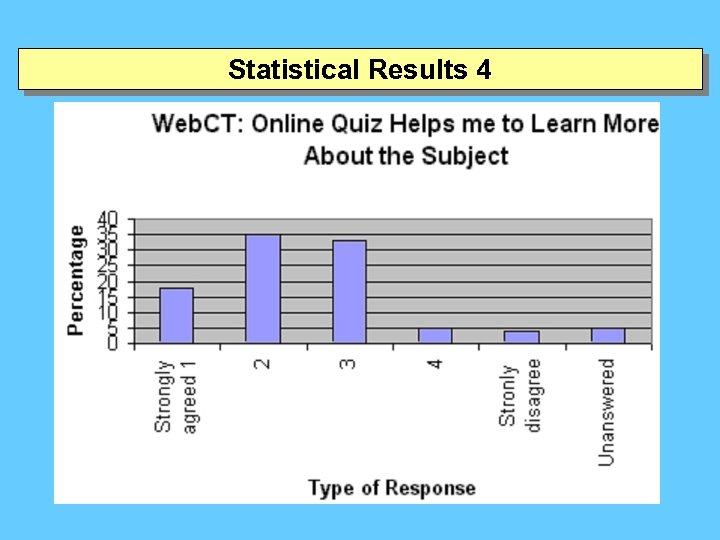
Statistical Results 4
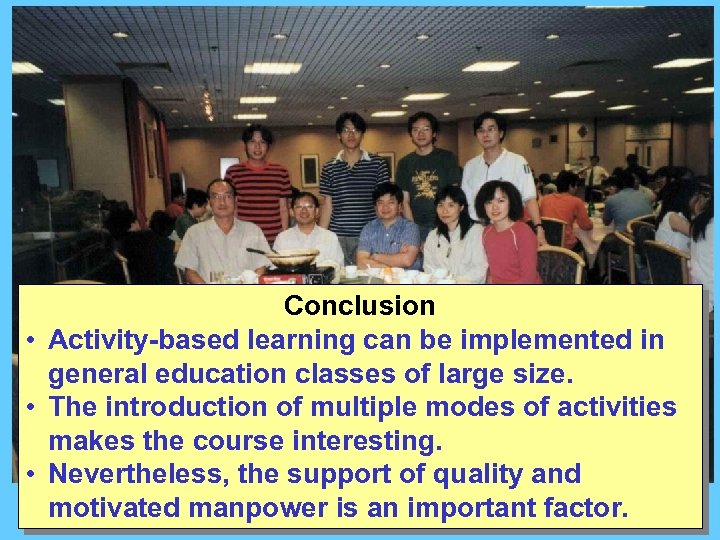
Conclusion • Activity-based learning can be implemented in general education classes of large size. • The introduction of multiple modes of activities makes the course interesting. • Nevertheless, the support of quality and motivated manpower is an important factor.
Скачать презентацию Activity-based Approach To Teaching Astrophysics At the Level
82b7ad7df5f389246407f497f4f657ee.ppt