


 Скачать презентацию Accrediting the UKPSF for a Master and Doctorate
3265f8292f2ed16500d643d2148cf17e.ppt
- Количество слайдов: 16
 Accrediting the UKPSF for a Master and Doctorate of Academic Practice Sally Bradley, Sheffield Hallam University Sandy Cope, University of Derby Karin Crawford, University of Lincoln Andrew Rothwell, Coventry University
 Presentation Overview • REACH network: who we are and what we do • An uncertain future? • UKPSF and a Doctor of Academic Practice • Evidencing CPD or underpinning agility?

 Some questions: • Is Standard Descriptor 3 relevant to the UK HE sector? • How can we use it and adapt it to suit our own university strategic needs? • What structure is appropriate?
 University of Derby Context • Post 1992 University • University Derby Corporate • FE School • East Midlands Region – Relatively low proportion of population of experience in HE – The 18 year old population will grow till 2009/10, followed by 10 years of rapid decline – Potential significance of rural isolation – Substantial and growing proportion of young people taking ‘non-traditional’ level 3 qualification, needing alternative routes into HE
 Staff Teaching Implications • Need to be varied and agile and relevant to our ‘target student’ • Need a framework for guidance as a ‘signpost’ in ways to develop • Need to grow our externality in HE community • Research shows we need to grow our staff confidence in what we do well
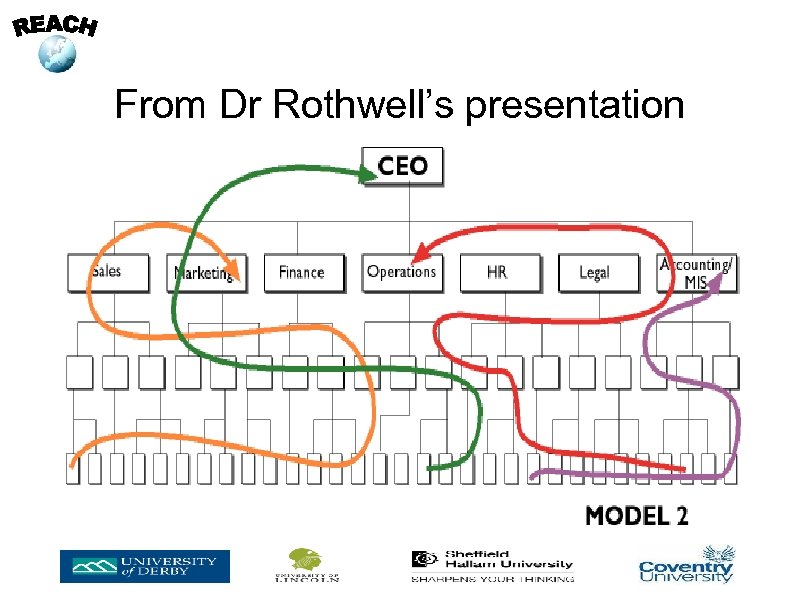 From Dr Rothwell’s presentation
 The future isn’t always what we expect – or predict: • Research showed that a significant number of staff were undertaking and paying for development themselves • Government policy in education changes quickly • Expectations of the public are changing • Credit Frameworks need to be able to cope with change without being constantly modified
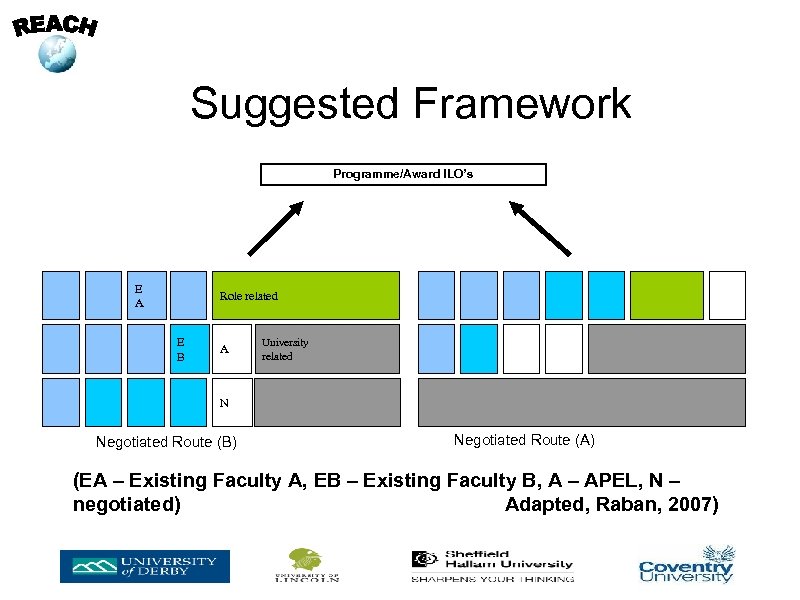 Suggested Framework Programme/Award ILO’s E A Role related E B A University related N Negotiated Route (B) Negotiated Route (A) (EA – Existing Faculty A, EB – Existing Faculty B, A – APEL, N – negotiated) Adapted, Raban, 2007)
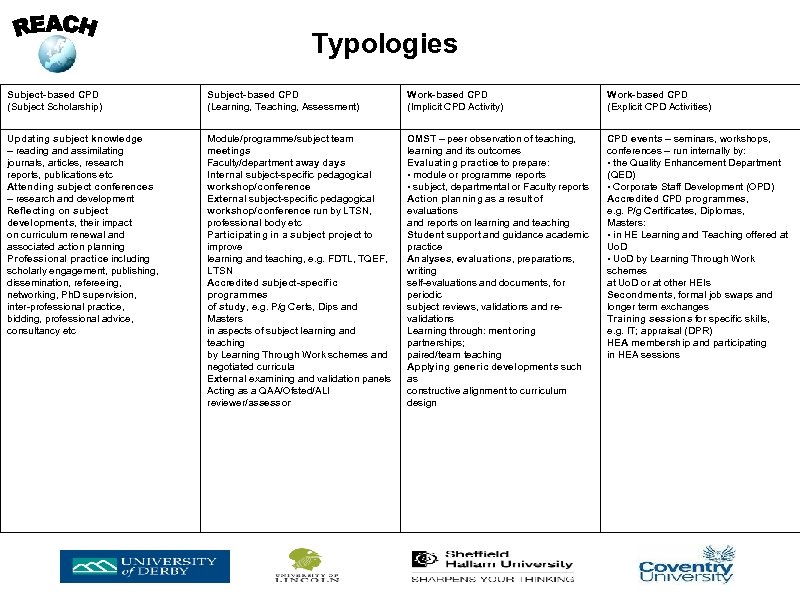 Typologies Subject-based CPD (Subject Scholarship) Subject-based CPD (Learning, Teaching, Assessment) Work-based CPD (Implicit CPD Activity) Work-based CPD (Explicit CPD Activities) Updating subject knowledge – reading and assimilating journals, articles, research reports, publications etc Attending subject conferences – research and development Reflecting on subject developments, their impact on curriculum renewal and associated action planning Professional practice including scholarly engagement, publishing, dissemination, refereeing, networking, Ph. D supervision, inter-professional practice, bidding, professional advice, consultancy etc Module/programme/subject team meetings Faculty/department away days Internal subject-specific pedagogical workshop/conference External subject-specific pedagogical workshop/conference run by LTSN, professional body etc Participating in a subject project to improve learning and teaching, e. g. FDTL, TQEF, LTSN Accredited subject-specific programmes of study, e. g. P/g Certs, Dips and Masters in aspects of subject learning and teaching by Learning Through Work schemes and negotiated curricula External examining and validation panels Acting as a QAA/Ofsted/ALI reviewer/assessor OMST – peer observation of teaching, learning and its outcomes Evaluating practice to prepare: • module or programme reports • subject, departmental or Faculty reports Action planning as a result of evaluations and reports on learning and teaching Student support and guidance academic practice Analyses, evaluations, preparations, writing self-evaluations and documents, for periodic subject reviews, validations and revalidations Learning through: mentoring partnerships; paired/team teaching Applying generic developments such as constructive alignment to curriculum design CPD events – seminars, workshops, conferences – run internally by: • the Quality Enhancement Department (QED) • Corporate Staff Development (OPD) Accredited CPD programmes, e. g. P/g Certificates, Diplomas, Masters: • in HE Learning and Teaching offered at Uo. D • Uo. D by Learning Through Work schemes at Uo. D or at other HEIs Secondments, formal job swaps and longer term exchanges Training sessions for specific skills, e. g. IT; appraisal (DPR) HEA membership and participating in HEA sessions
 University Related • Curriculum Design and Learning Outcomes • Internationalisation • Employability
 Role Related • • • Subject Manager Programme Leader Lecturer Associate UDC Learning Support
 Subject Related • • LTA in the subject area Pedagogic MEd, Ed. D, MBA, DBA modules Own L. O. ’s written to our SD 3 Framework
 Payment • Wholly university • Part and part • Wholly individual
 CPD or HRD • Does it really matter ? • CPD engagement can be because of an individual driver or an institutional driver • Individual - to move around sector • Institutional - to move around university
 Discussion • What implications would there be in your own institutions? • Is it an ‘in-house’ model of WBL? • The use of core modules - valid? • Where would it ‘sit’?