


 Скачать презентацию Academic Excellence Day In Arizona Joseph Drazkowski MD
e2310320e89d074adc1990add603814a.ppt
- Количество слайдов: 32
 Academic Excellence Day In Arizona Joseph Drazkowski MD Joseph Sirven MD Leanne Andreasen MBA Kay Wellik MLS, AHIP Mayo Clinic Arizona
 Background • Research training is an important area of medical education. • Many community based programs lack formal research training. • Phoenix is the 5 th largest city in the USA • No 4 -year allopathic medical school in the city! • 7 Teaching Hospitals in the City • Multiple post graduate residency and fellowship programs represented.
 Purpose/Relevance • A competitive academic excellence day was started by Mayo Clinic Arizona and Maricopa Medical Center with goals of fostering research and exposing the learner to research methodology.
 Process • Announcements to city wide GME programs • Abstract collection and review • Selection and notification of poster and/or oral presentations • Day long oral and poster presentations • Awards ceremony
 Institutions • • Mayo Clinic Arizona* Maricopa Medical Center* St. Joseph Hospital M. C. /Barrow N. I. Banner Good Samaritan Medical Center Scottsdale Memorial Hospital Phoenix Baptist Hospital Phoenix Children’s Hospital
 Sponsors • Origins – Mayo Clinic Arizona – Maricopa Medical Center • AZMEC (Arizona Medical Education Consortium) – Committee/quarterly
 Participants • Residents • Fellows • Research Associates • Nurses
 Residencies Represented • • • Internal Medicine Surgery Family Practice Neurology Transitional Dermatology Pediatrics Radiology Emergency Medicine
 • • • Fellowships Transplant Medicine CNP/Epilepsy/NM Cardiology/Vascular Surgery Pulmonology GI Urology Burn Medicine Toxicology Movement D/O Molecular Biology/Genetics/Basic Science Med Oncology / Rad Oncology
 Format of the Competition • • One Day Keynote Speaker Abstract Submissions Posters – Studies – Case Reports • Oral Presentations – Studies – Case Reports
 Posters • Displayed – One location – 0700 -1430 – Posters prepared by learners institutions – Poster wall / stands rented for the day
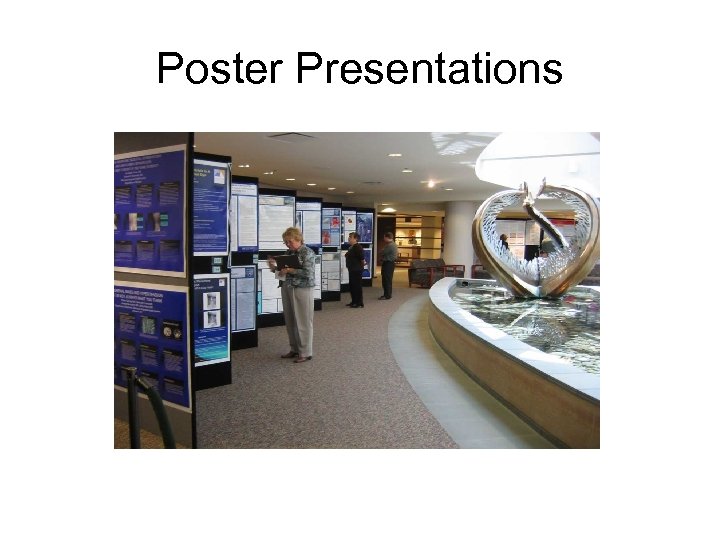 Poster Presentations
 Oral Presentations Held in Public Auditorium - 10 minute time limit – 4 minute discussion and questions • Judges in audience • Judges quiz the presenters
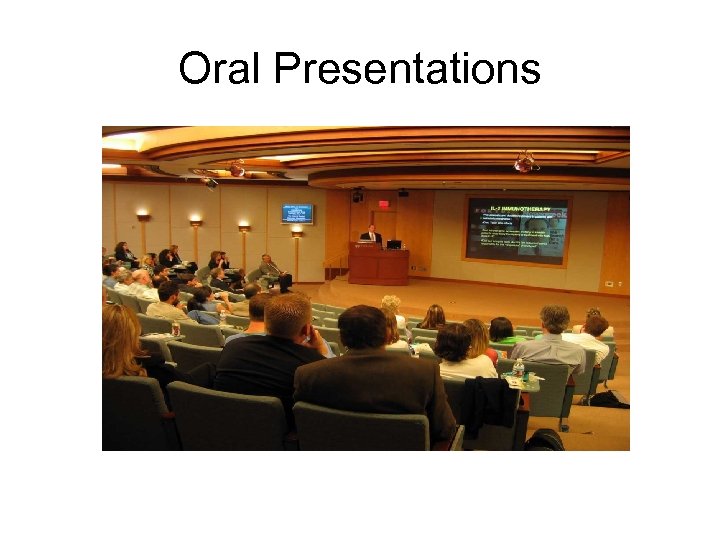 Oral Presentations
 Attendees – Public Display • Physician staff – all locations • Employees – all locations • Open to the public and patients
 Judges • Each Institution provides three judges – Program directors – Clinical and basic science • Typically…. . – Judge oral – Judge • Poster research • Poster case presentation
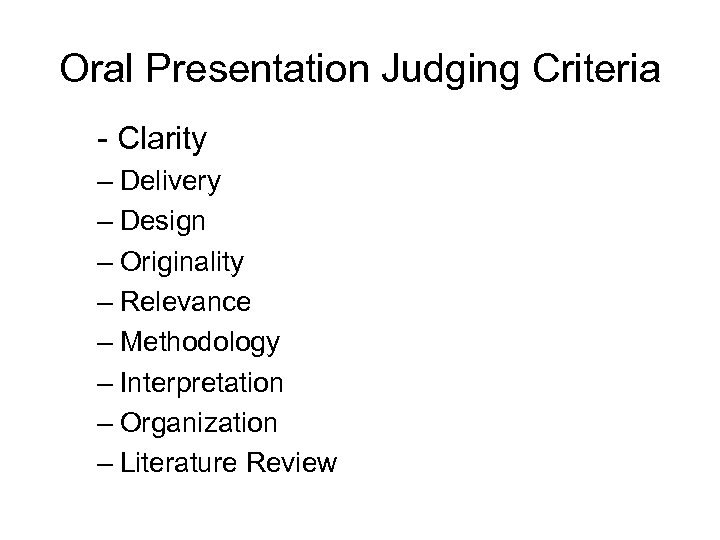 Oral Presentation Judging Criteria - Clarity – Delivery – Design – Originality – Relevance – Methodology – Interpretation – Organization – Literature Review
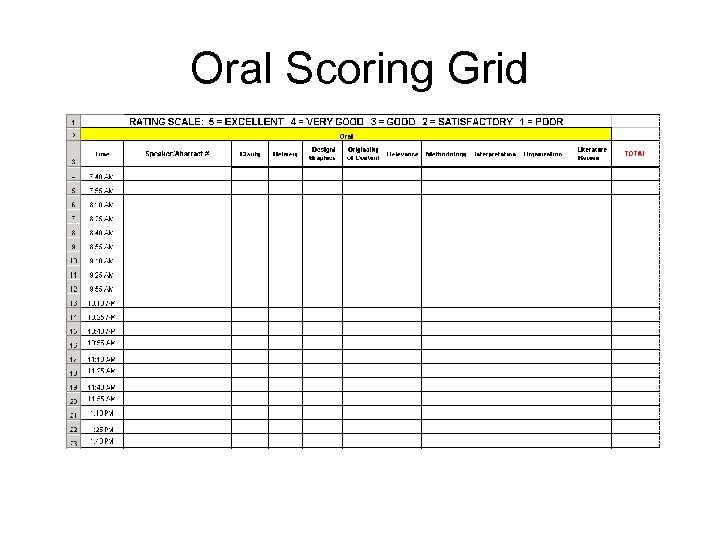 Oral Scoring Grid
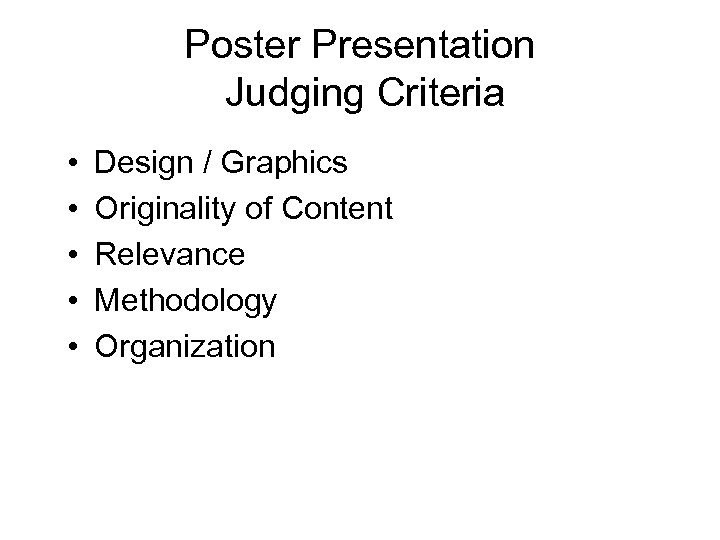 Poster Presentation Judging Criteria • • • Design / Graphics Originality of Content Relevance Methodology Organization
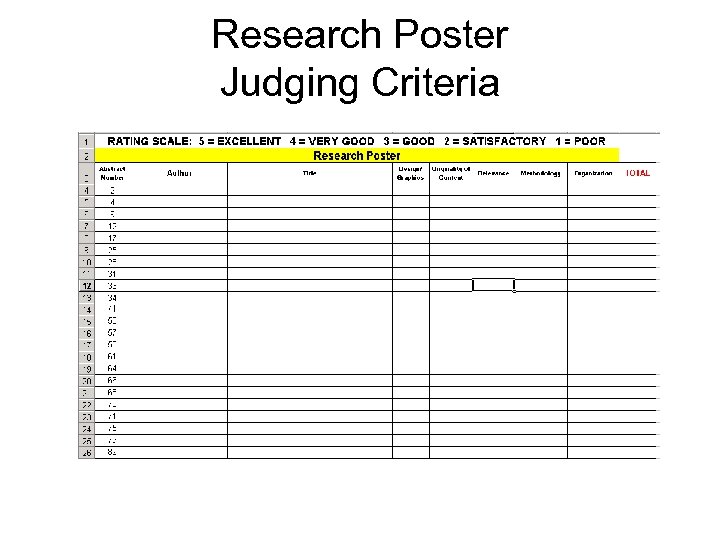 Research Poster Judging Criteria
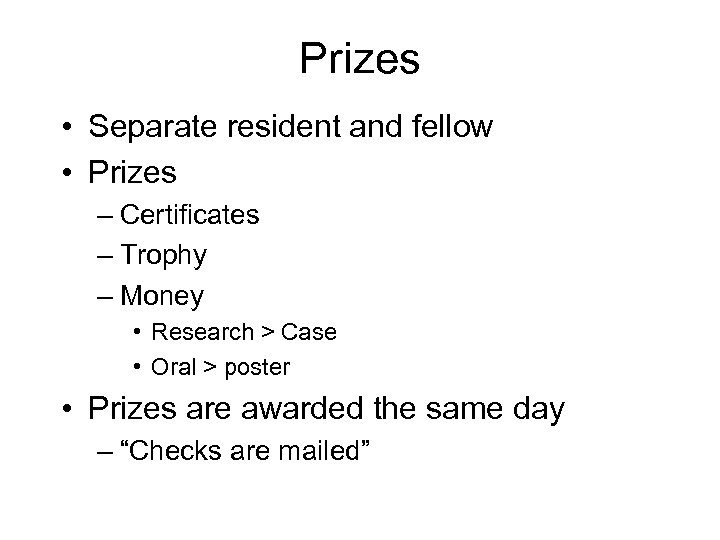 Prizes • Separate resident and fellow • Prizes – Certificates – Trophy – Money • Research > Case • Oral > poster • Prizes are awarded the same day – “Checks are mailed”
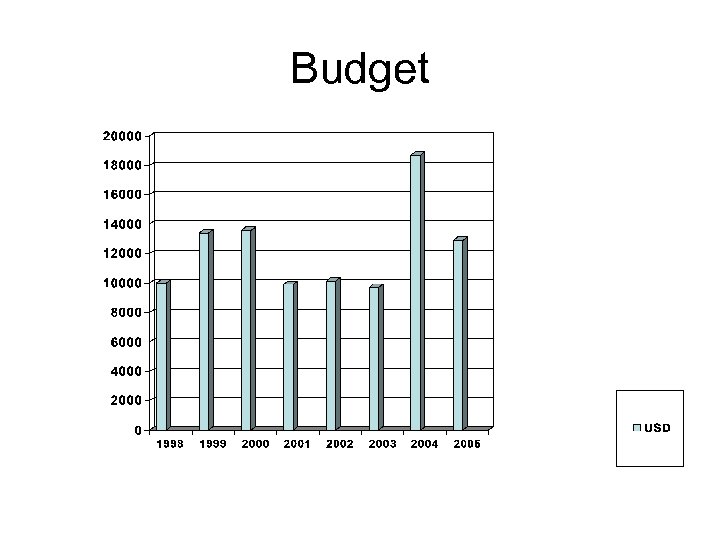 Budget
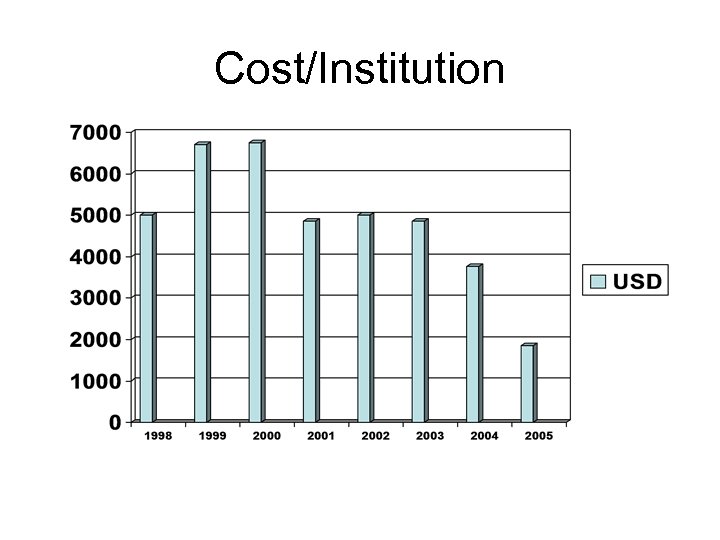 Cost/Institution
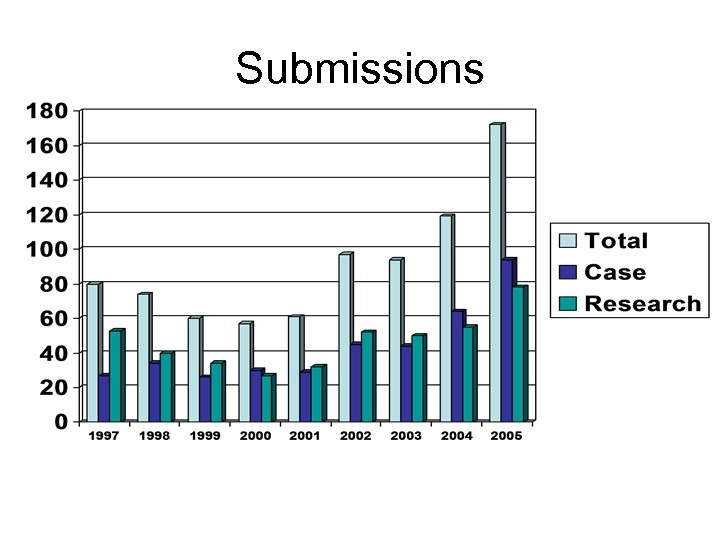 Submissions
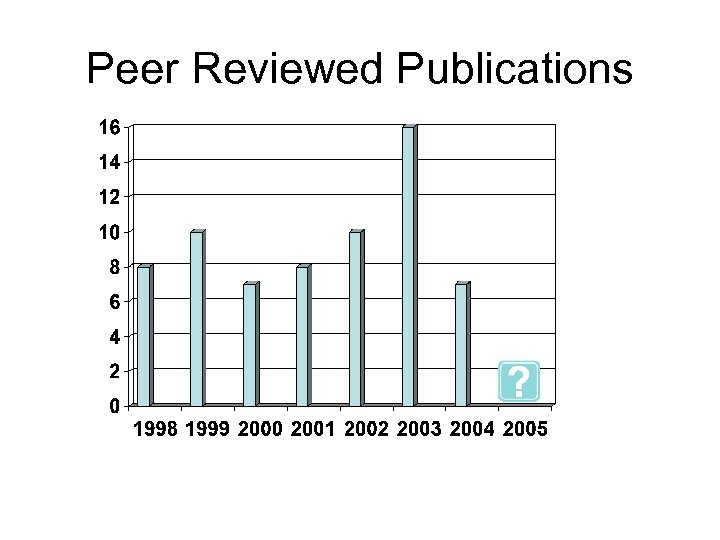 Peer Reviewed Publications
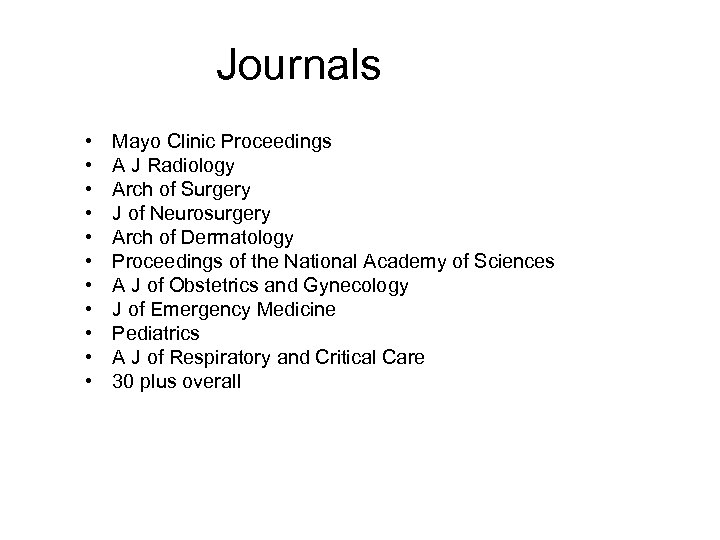 Journals • • • Mayo Clinic Proceedings A J Radiology Arch of Surgery J of Neurosurgery Arch of Dermatology Proceedings of the National Academy of Sciences A J of Obstetrics and Gynecology J of Emergency Medicine Pediatrics A J of Respiratory and Critical Care 30 plus overall
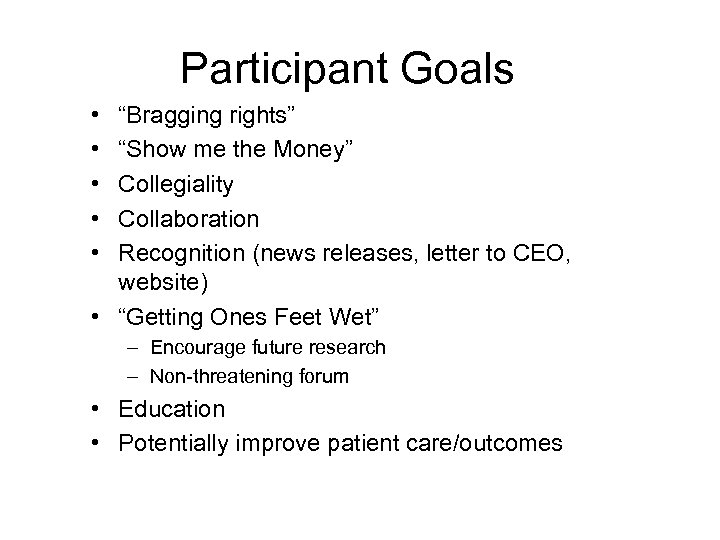 Participant Goals • • • “Bragging rights” “Show me the Money” Collegiality Collaboration Recognition (news releases, letter to CEO, website) • “Getting Ones Feet Wet” – Encourage future research – Non-threatening forum • Education • Potentially improve patient care/outcomes
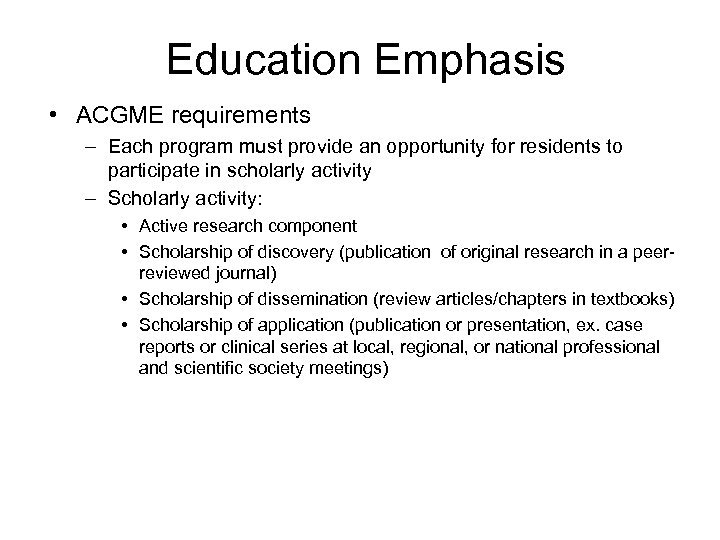 Education Emphasis • ACGME requirements – Each program must provide an opportunity for residents to participate in scholarly activity – Scholarly activity: • Active research component • Scholarship of discovery (publication of original research in a peerreviewed journal) • Scholarship of dissemination (review articles/chapters in textbooks) • Scholarship of application (publication or presentation, ex. case reports or clinical series at local, regional, or national professional and scientific society meetings)
 Keynote Presentation Highlights • “Genomics in Medicine: A 21 st Century Approach to Improving Human Health” • “Strategies for Success in Academic Medicine” • “Practical Mathematics in Patient Care” • “Thinking About Research in Your Career” • “Publishing and Publications”
 Results/Outcomes • An annual academic competition among city wide GME programs has encouraged young investigators to become involved in the academic process. • Awarding monetary prizes to top finishers and recognition of participation of all entrants fosters a sense of pride in the participants and sponsoring institutions.
 Key Points • Continue mentorship of young investigators following the program. • Encourage formal journal article submissions. • Evaluate program and outcomes. • Encourage evidence-based research.
 What the future holds… • An annual academic day competition can be an effective tool to foster academic development in young investigators. • Expand to all programs in Arizona • Promote to nurses, physician assistants, and allied health