 Скачать презентацию ABYLAYKHAN KAZAKH UNIVERSITY OF INTERNATIONAL RELATIONS AND WORLD
PH_SD_and_EM_201_MEDINA.pptx
- Количество слайдов: 18



ABYLAYKHAN KAZAKH UNIVERSITY OF INTERNATIONAL RELATIONS AND WORLD LANGUAGES Department of international relations Project work Project Title: Phonetic Stylistic Devices and Expressive Means Done by: Nurgozha M. K Group number: 201
Phonetic Stylistic Devices and Expressive Means
Onomatopoeia Combination of speech sounds trying to imitate sounds produced by animals, things, natural phenomena, etc. . English is a very onomatopoeic language; some English onomatopoeic words are: ring, clash, boom, click, tick, swash, splash.
Words related to water bloop squirt splash drip spray drizzle sprinkle
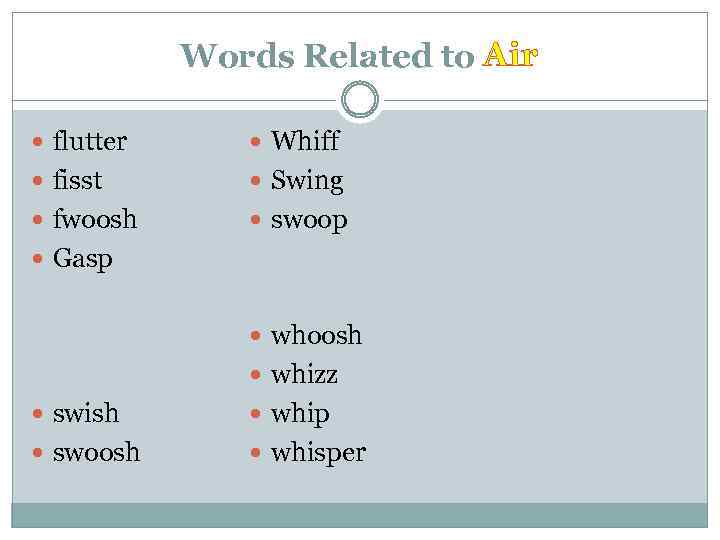
Words Related to Air flutter Whiff fisst Swing fwoosh swoop Gasp whoosh whizz swish whip swoosh whisper
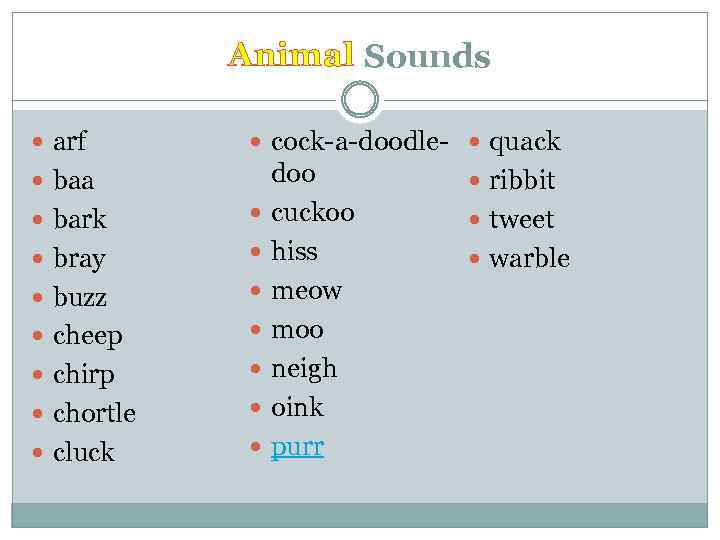
Animal Sounds arf cock-a-doodle- quack baa bark bray buzz cheep chirp chortle cluck doo cuckoo hiss meow moo neigh oink purr ribbit tweet warble
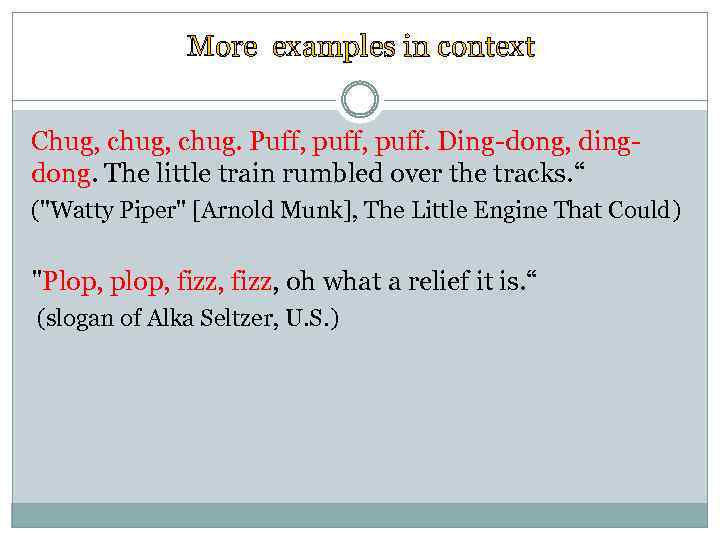
More examples in context Chug, chug. Puff, puff. Ding-dong, dingdong. The little train rumbled over the tracks. “ ("Watty Piper" [Arnold Munk], The Little Engine That Could) "Plop, plop, fizz, oh what a relief it is. “ (slogan of Alka Seltzer, U. S. )
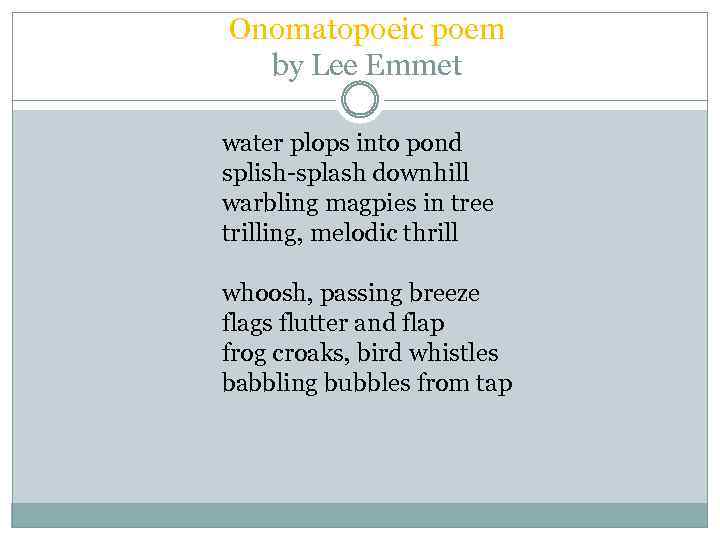
Onomatopoeic poem by Lee Emmet water plops into pond splish-splash downhill warbling magpies in tree trilling, melodic thrill whoosh, passing breeze flags flutter and flap frog croaks, bird whistles babbling bubbles from tap
ALLITERATION Alliteration occurs when a series of words in a row (or close to a row) have the same first (and some internal) consonant sound.
For example, “She sells sea-shells down by the sea- shore” or “Peter Piper Picked a Peck of Pickled Peppers” are both alliterative phrases. In the former, all the words start with the “s” sound, while in the later, the letter “p” takes precedence. Aside from tongue twisters, alliteration is also used in poems, song lyrics, and even store or brand names. Note: The best way to spot alliteration being used in a sentence is to sound out the sentence, looking for the words with the identical consonant sounds.
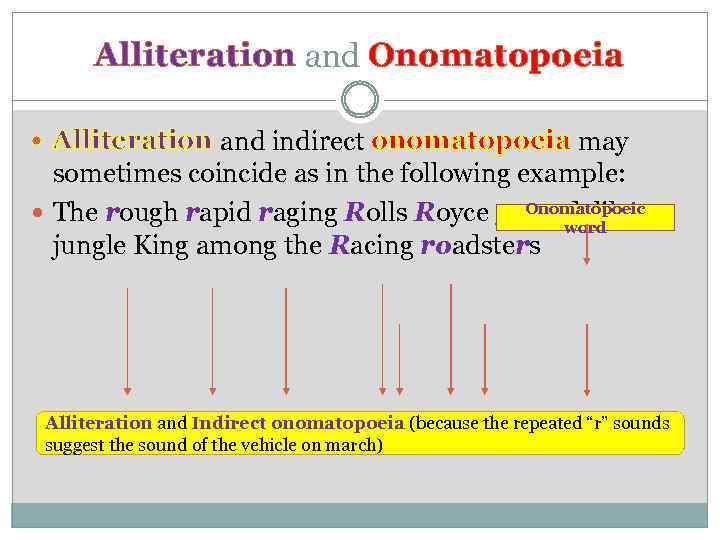
Alliteration and Onomatopoeia Alliteration and indirect onomatopoeia may sometimes coincide as in the following example: Onomatopoeic The rough rapid raging Rolls Royce roared like a word jungle King among the Racing roadsters Alliteration and Indirect onomatopoeia (because the repeated “r” sounds suggest the sound of the vehicle on march)
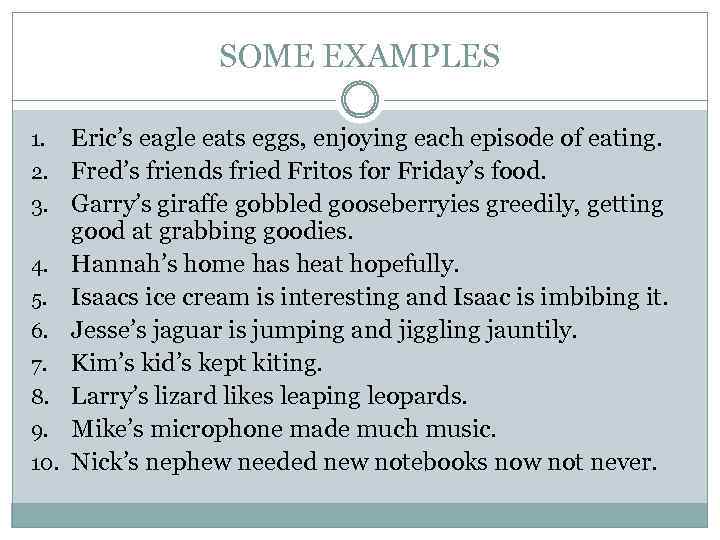
SOME EXAMPLES 1. 2. 3. 4. 5. 6. 7. 8. 9. 10. Eric’s eagle eats eggs, enjoying each episode of eating. Fred’s friends fried Fritos for Friday’s food. Garry’s giraffe gobbled gooseberryies greedily, getting good at grabbing goodies. Hannah’s home has heat hopefully. Isaacs ice cream is interesting and Isaac is imbibing it. Jesse’s jaguar is jumping and jiggling jauntily. Kim’s kid’s kept kiting. Larry’s lizard likes leaping leopards. Mike’s microphone made much music. Nick’s nephew needed new notebooks now not never.
Rhyme is the repetition of similar sounds in two or more words, most often at the end of lines in poems and songs. [1] The word "rhyme" may also be used as a pars pro toto to refer to a short poem, such as a rhyming couplet or other brief rhyming poem such as nursery rhymes. (http: //en. wikipedia. org/wiki/Rhyme)
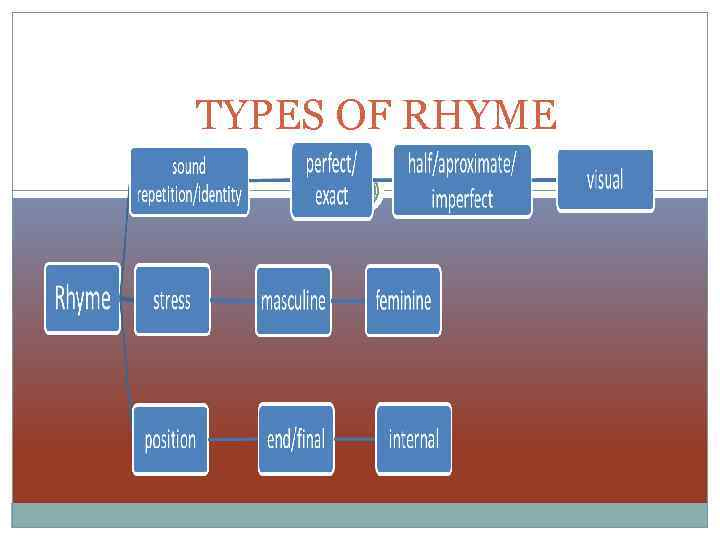
TYPES OF RHYME
Rhymes by Syllabic Stress masculine: a rhyme in which the stress is on the final syllable of the words (rhyme, sublime) feminine: a rhyme in which the stress is on the penultimate (second from last) syllable of the words (pícky, trícky) dactylic: a rhyme in which the stress is on the antepenultimate (third from last) syllable (ca • co • pho • nies, A • ris • to • pha • nes)
Rhythm is the distribution of accented or stressed syllable in a regular or frequent pattern. Or the regular combination of stressed and unstressed syllables in an utterance or text. A regular pattern or organization is called a foot or metric foot. The are called: Trochaic: topsy (accented/unaccented) Iambic: destroy (unaccented/accented) Dactylic: merrily (accented/unaccented) Anapestic: intervene (unaccented/accented) Spondaic: hum drum (accented/accented) or Pyrrhic: the sea/ son of/ mists (the "son of" in the middle being unaccented/unaccented)
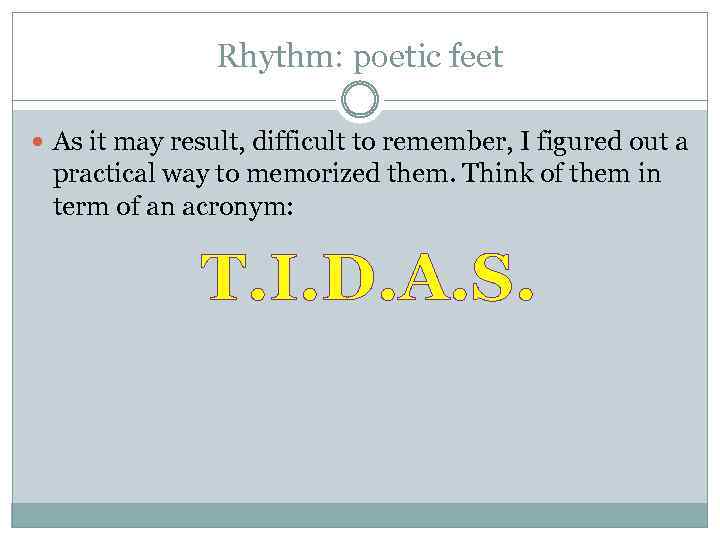
Rhythm: poetic feet As it may result, difficult to remember, I figured out a practical way to memorized them. Think of them in term of an acronym: T. I. D. A. S.
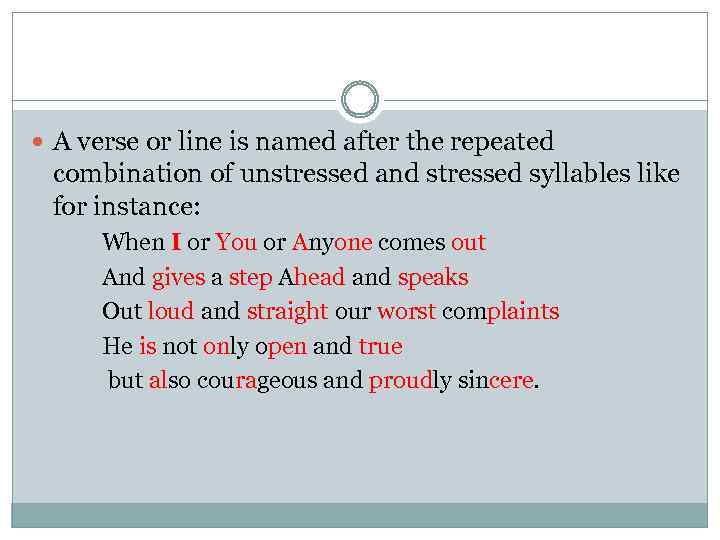
A verse or line is named after the repeated combination of unstressed and stressed syllables like for instance: When I or You or Anyone comes out And gives a step Ahead and speaks Out loud and straight our worst complaints He is not only open and true but also courageous and proudly sincere.
Скачать презентацию ABYLAYKHAN KAZAKH UNIVERSITY OF INTERNATIONAL RELATIONS AND WORLD
PH_SD_and_EM_201_MEDINA.pptx