 Скачать презентацию Abstract Data Types ADTs Array-based Stack
5fafb28380e5487b493a9501c4fab29d.ppt
- Количество слайдов: 85





Abstract Data Types (ADTs)


Array-based Stack


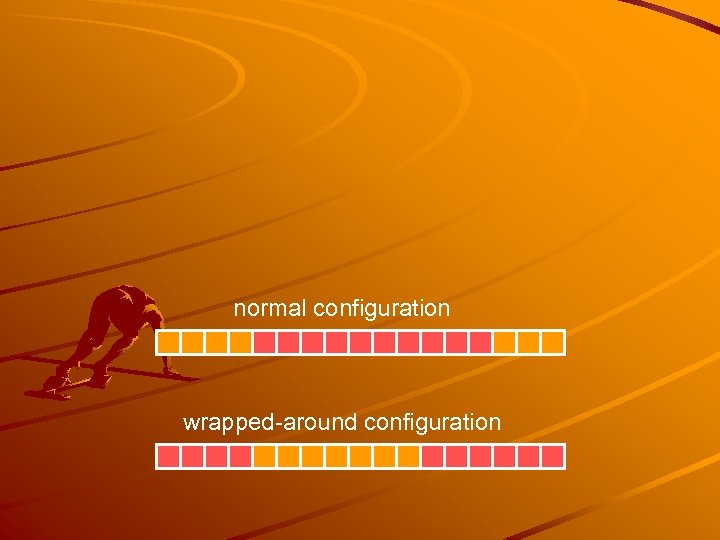
normal configuration wrapped-around configuration
We use the modulo operator (remainder of division) Operation enqueue throws an exception if the array is full This exception is implementation-dependent Operation dequeue throws an exception if the queue is empty This exception is specified in the queue ADT


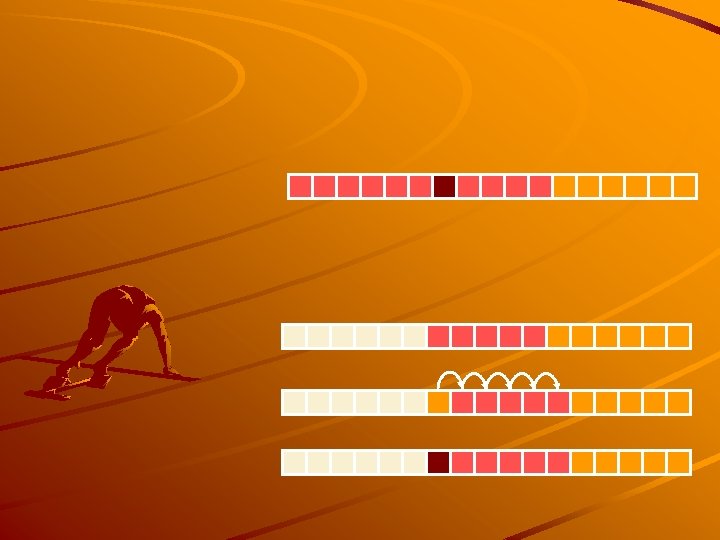




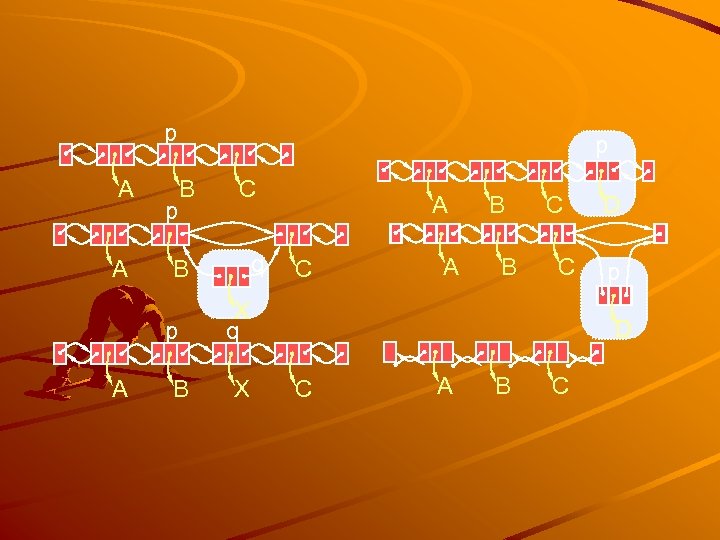
p A A p p B q B p A C B A C A B B C C X q X D p D C A B C


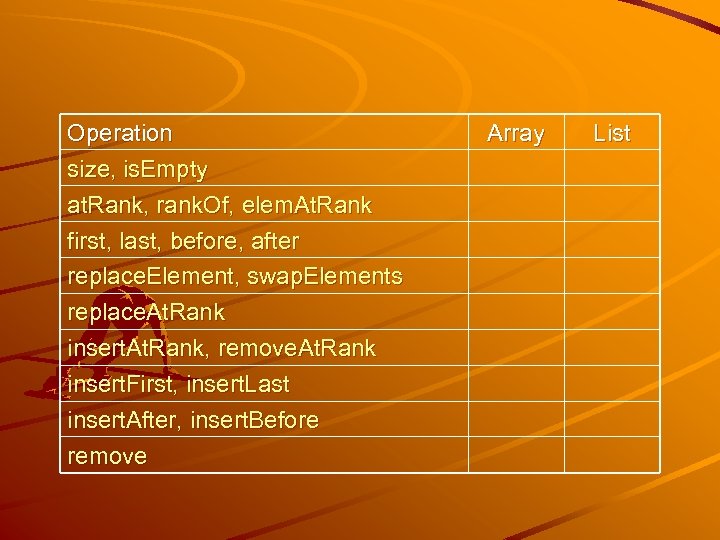
Operation size, is. Empty at. Rank, rank. Of, elem. At. Rank first, last, before, after replace. Element, swap. Elements replace. At. Rank insert. At. Rank, remove. At. Rank insert. First, insert. Last insert. After, insert. Before remove Array List


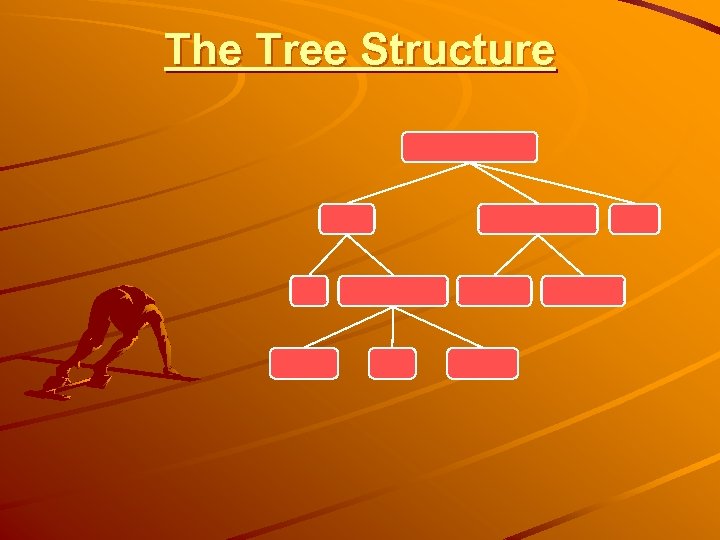
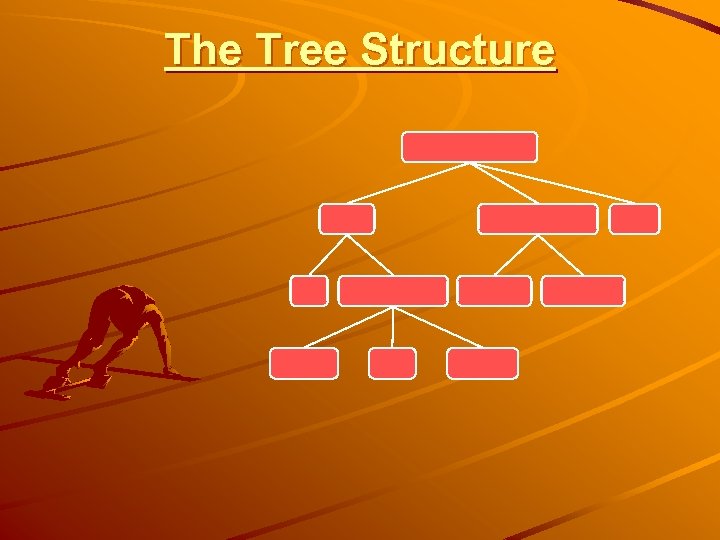
The Tree Structure
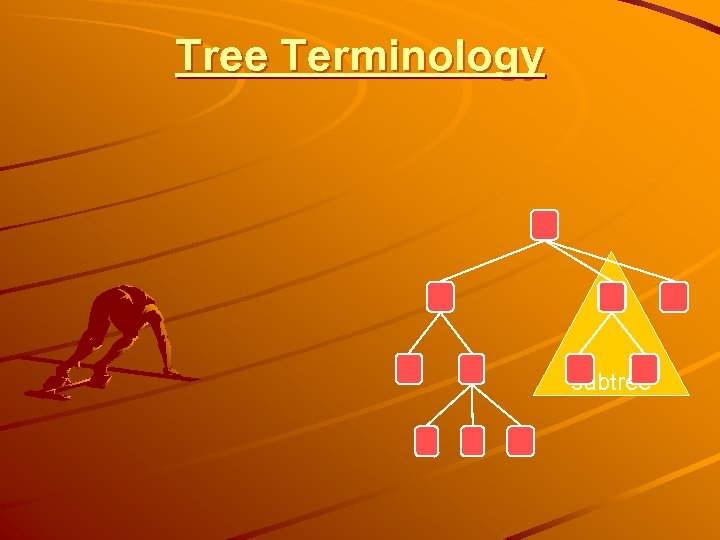
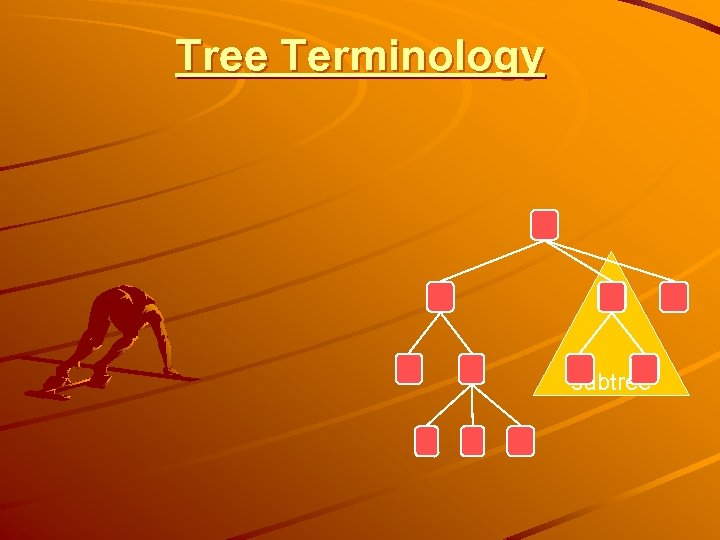
Tree Terminology subtree
Tree ADT
The Tree Structure
Tree Terminology subtree
Tree ADT
Depth and Height
Preorder Traversal
Postorder Traversal
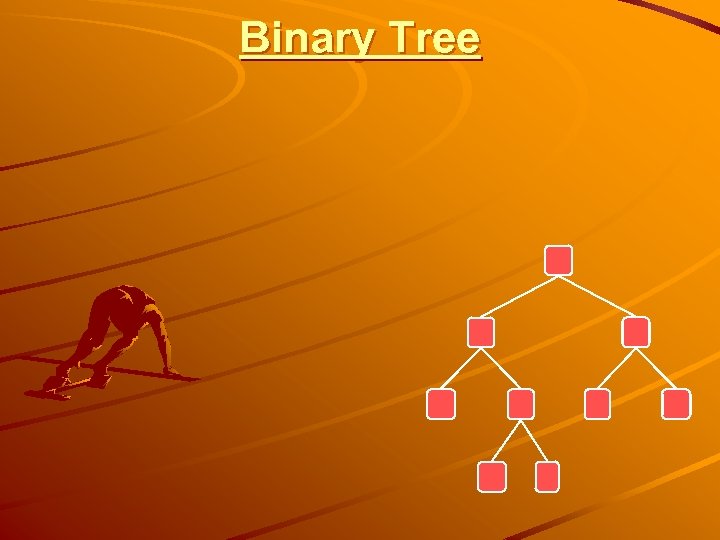
Binary Tree
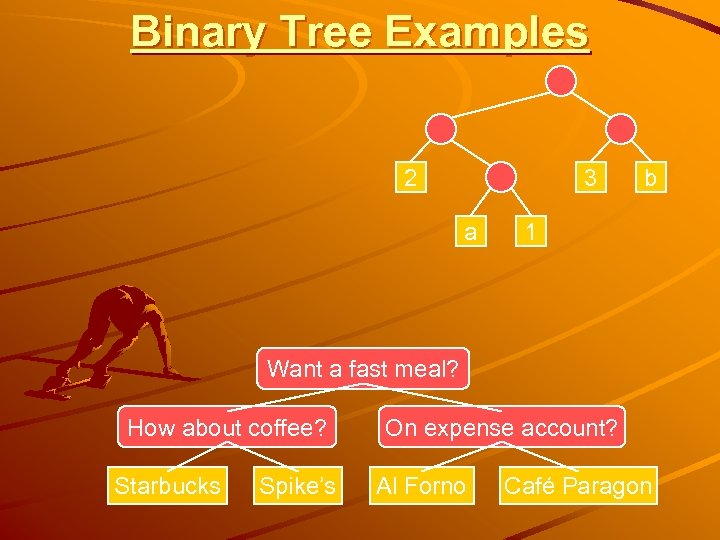
Binary Tree Examples 2 3 a b 1 Want a fast meal? How about coffee? Starbucks Spike’s On expense account? Al Forno Café Paragon
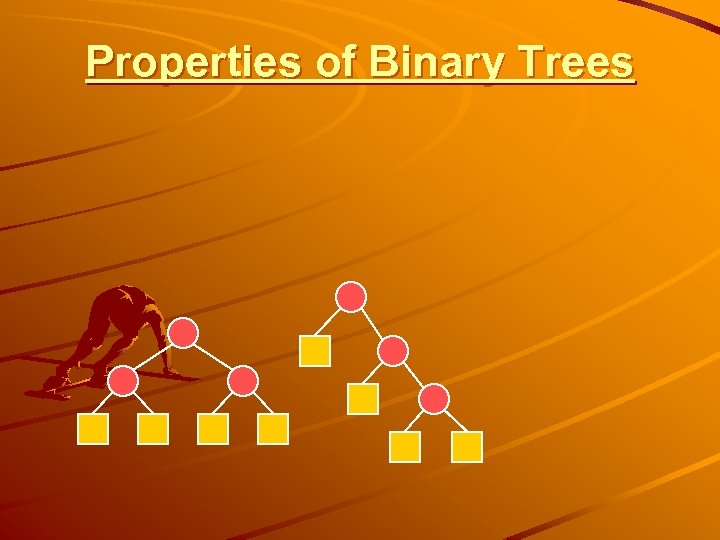
Properties of Binary Trees

Binary. Tree ADT
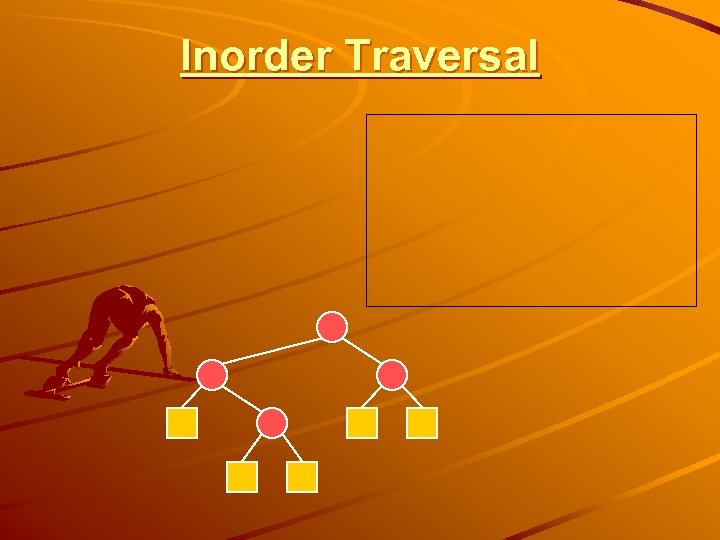
Inorder Traversal
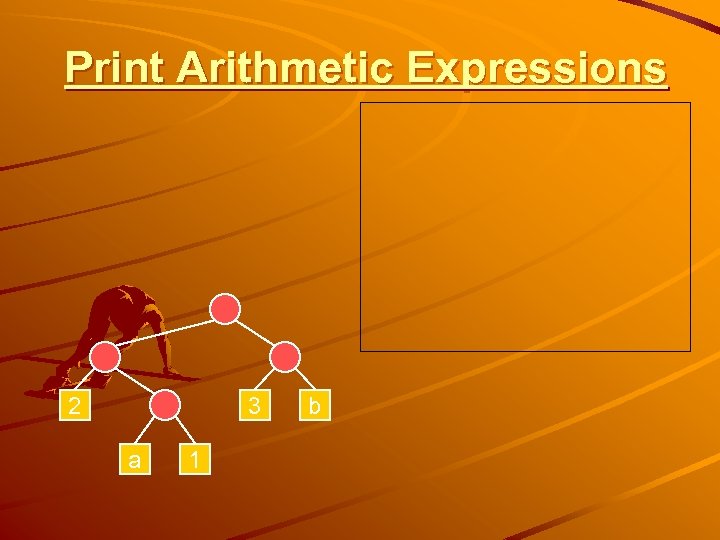
Print Arithmetic Expressions 2 3 a 1 b
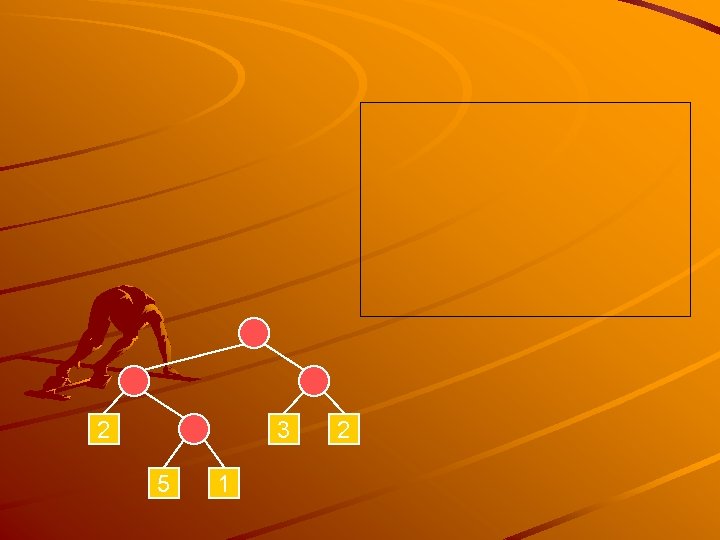
2 3 5 1 2
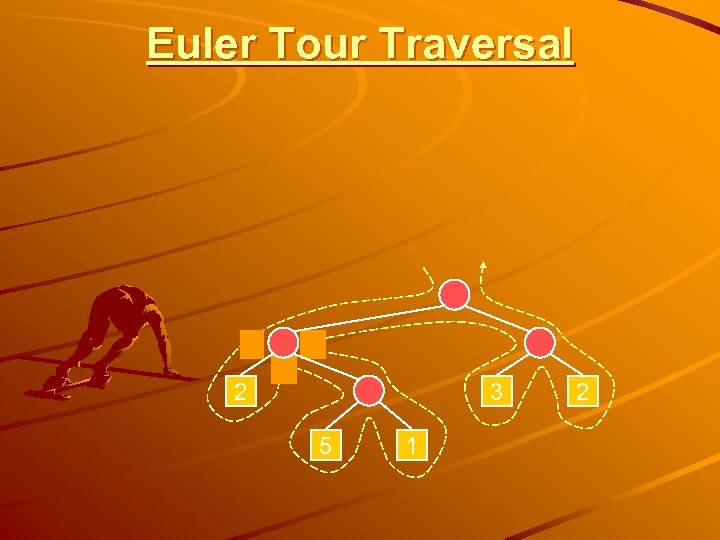
Euler Tour Traversal 2 3 5 1 2
Template Method Pattern

Specializations of Euler. Tour
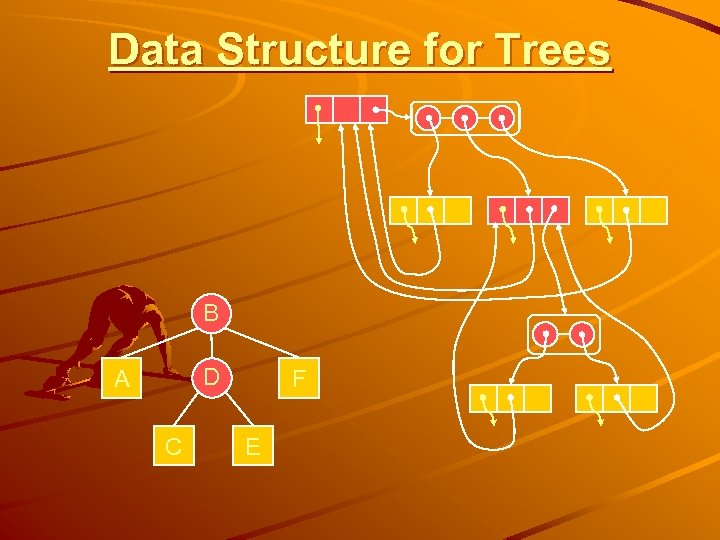
Data Structure for Trees B D A C F E
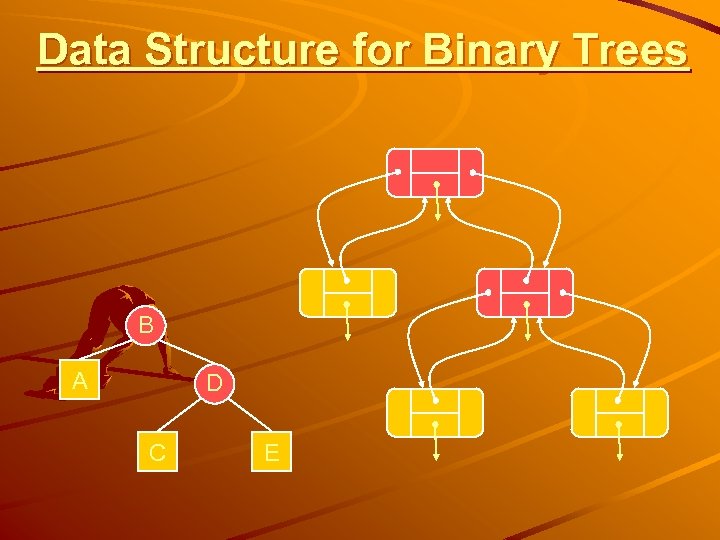
Data Structure for Binary Trees B A D C E

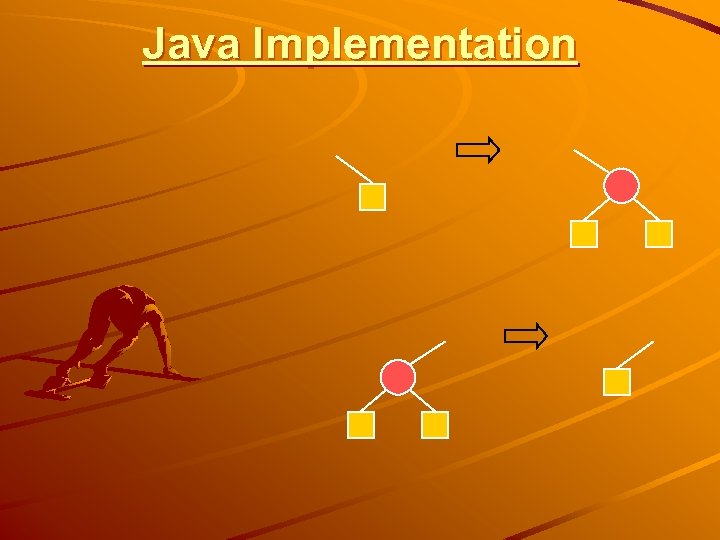
Java Implementation
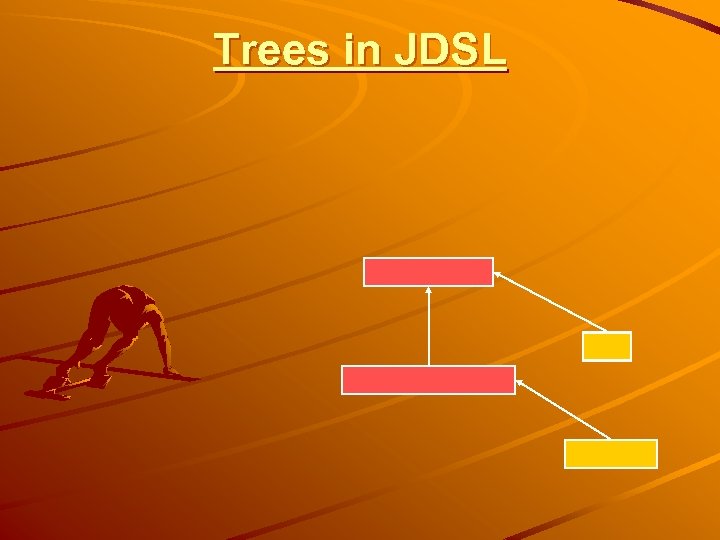
Trees in JDSL

Priority Queue ADT

Total Order Relation
Comparator ADT

Sorting with a Priority Queue


Selection-Sort

Insertion-Sort
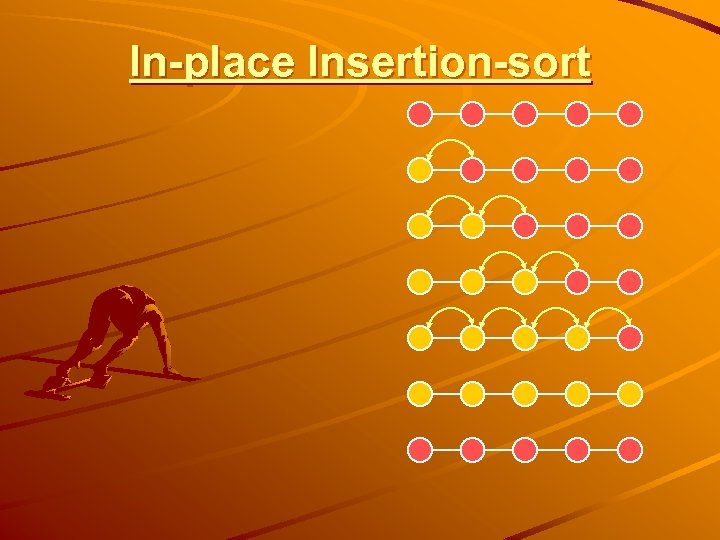
In-place Insertion-sort
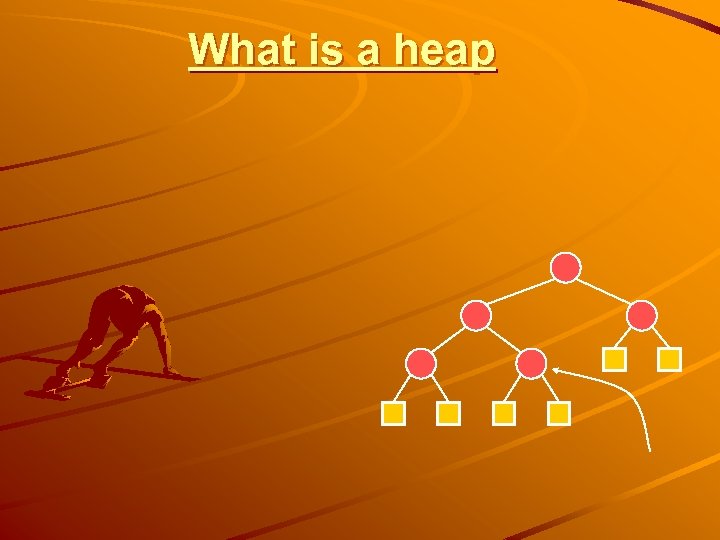
What is a heap
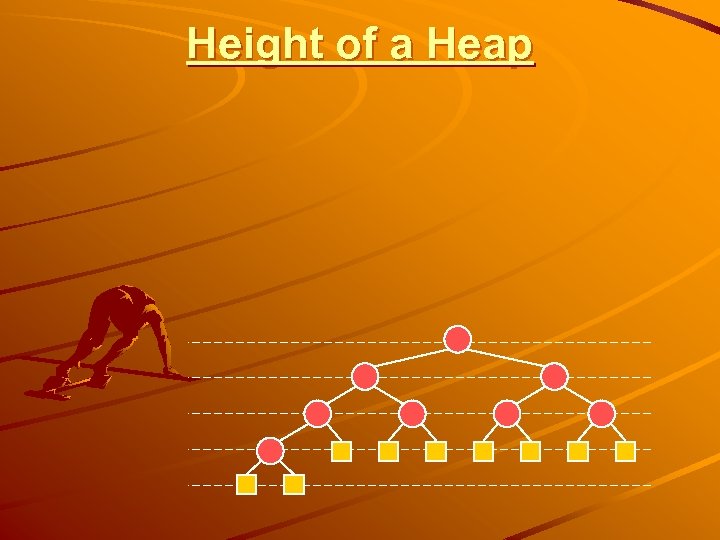
Height of a Heap

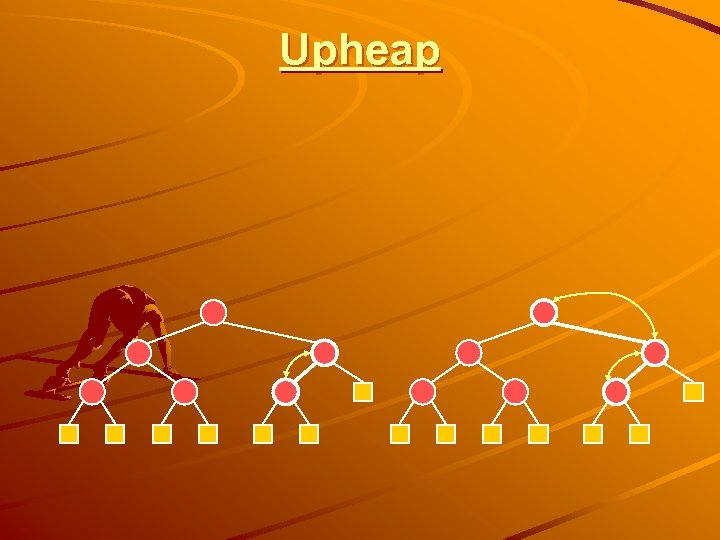
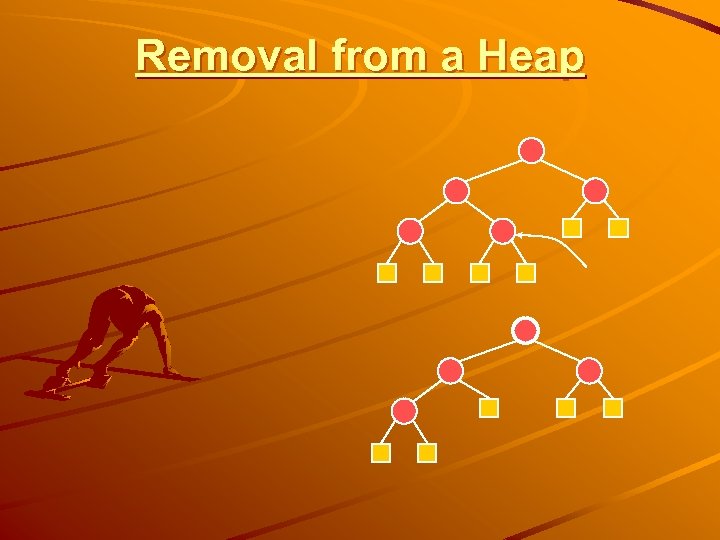
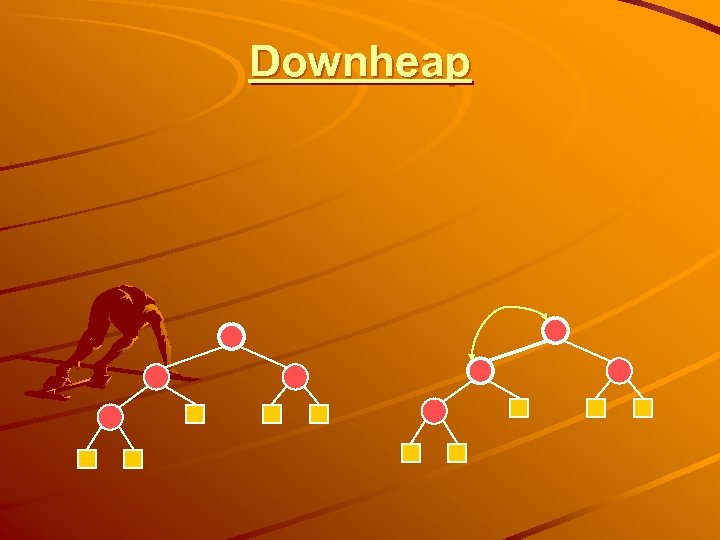
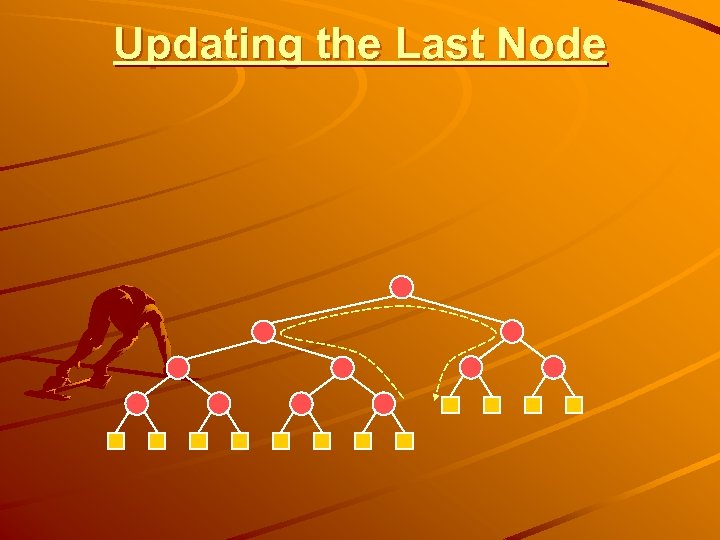
Heaps and Priority Queues We can use a heap to implement a priority queue We store a (key, element) item at each internal node We keep track of the position of the last node For simplicity, we show only the keys in the pictures
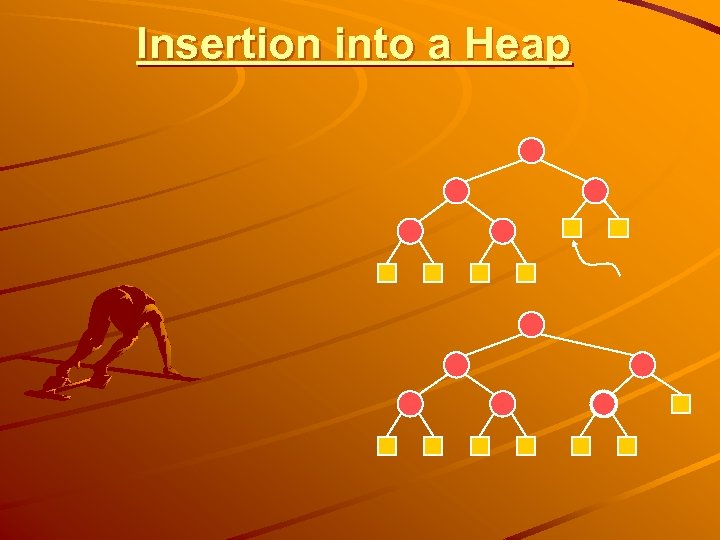
Insertion into a Heap
Upheap
Removal from a Heap
Downheap
Updating the Last Node
Heap-Sort


Merging Two Heaps

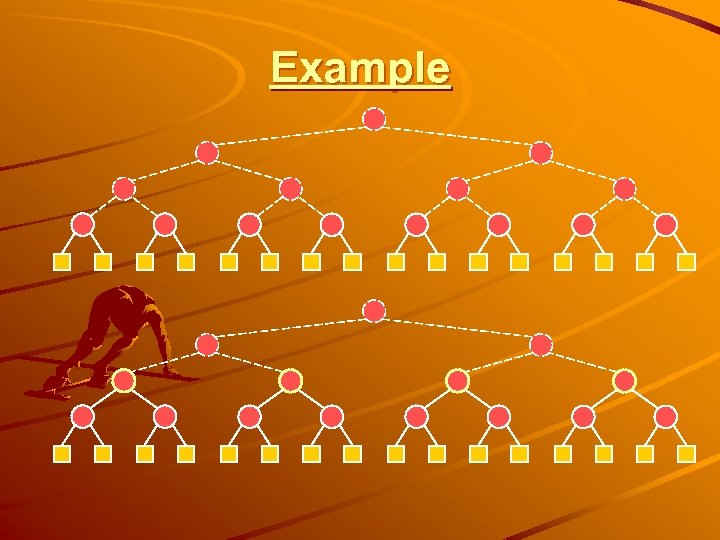
Example
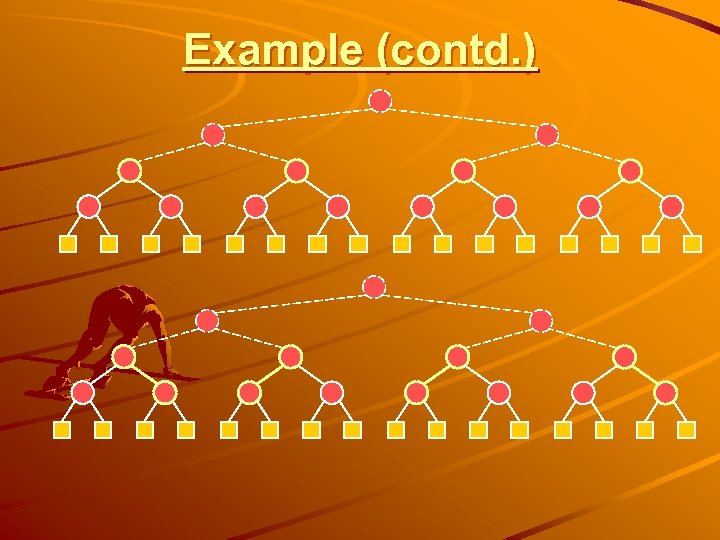
Example (contd. )
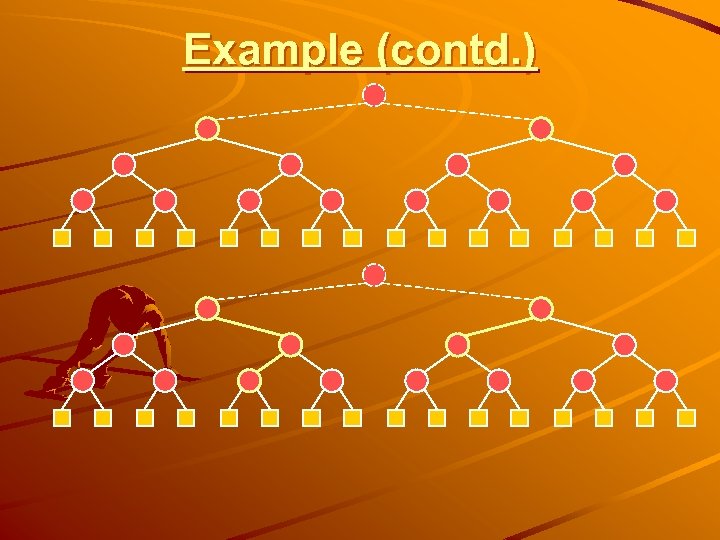
Example (contd. )
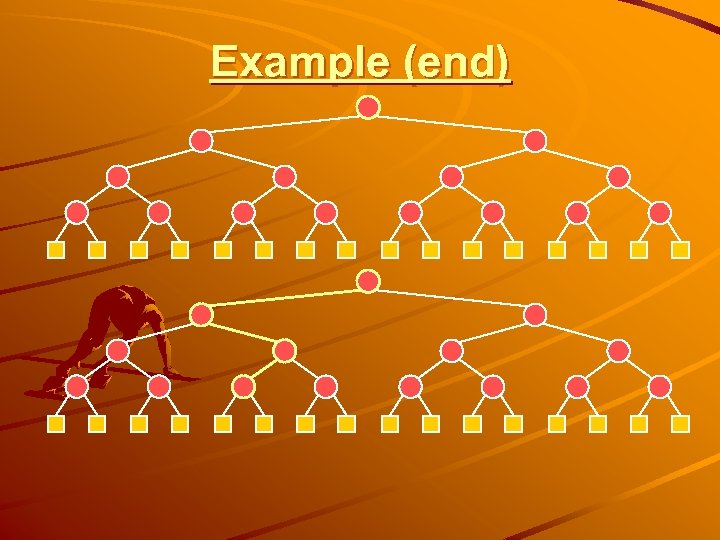
Example (end)
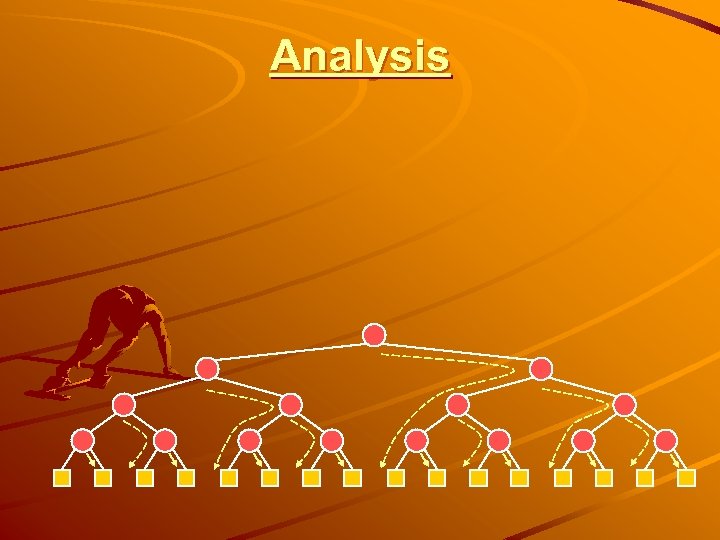
Analysis


Hash Functions

Hash Code Maps

Hash Code Maps (cont. )

Compression Maps
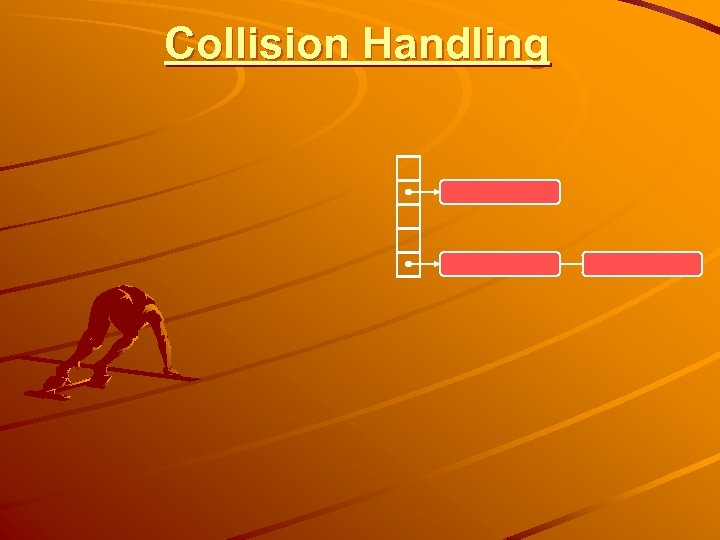
Collision Handling
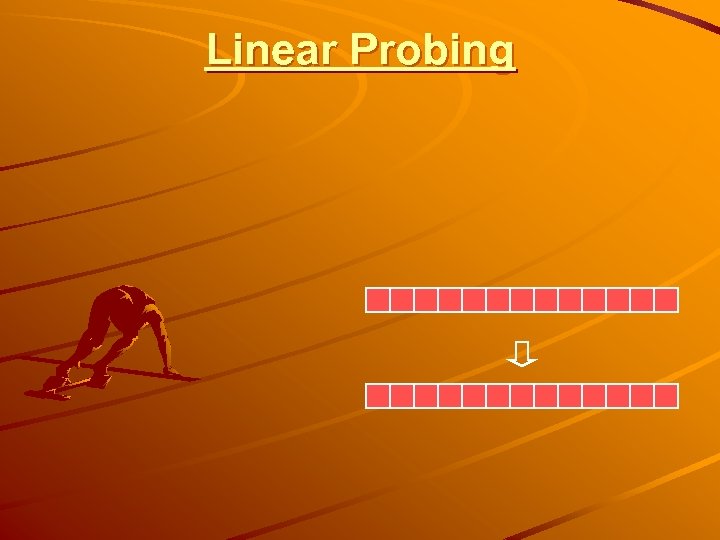
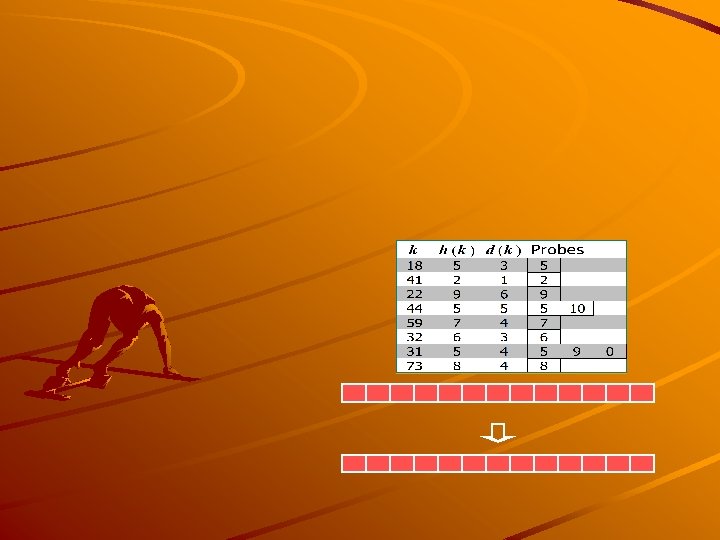
Linear Probing
Search with Linear Probing

Updates with Linear Probing

Performance of Hashing

Universal Hashing
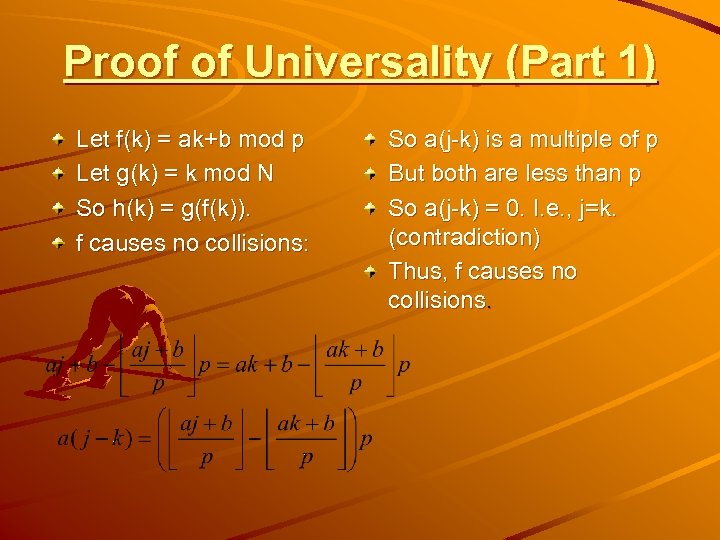
Proof of Universality (Part 1) Let f(k) = ak+b mod p Let g(k) = k mod N So h(k) = g(f(k)). f causes no collisions: So a(j-k) is a multiple of p But both are less than p So a(j-k) = 0. I. e. , j=k. (contradiction) Thus, f causes no collisions.
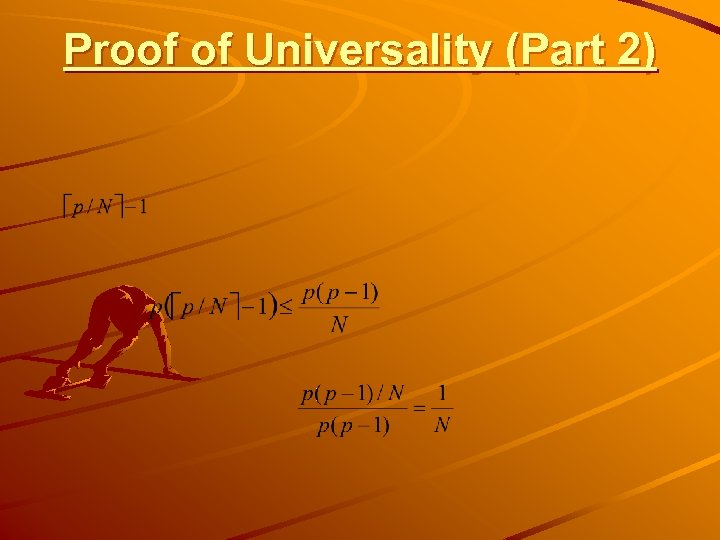
Proof of Universality (Part 2)
Скачать презентацию Abstract Data Types ADTs Array-based Stack
5fafb28380e5487b493a9501c4fab29d.ppt